Campervan hire Germany
From fairytale forests to Alpine views.
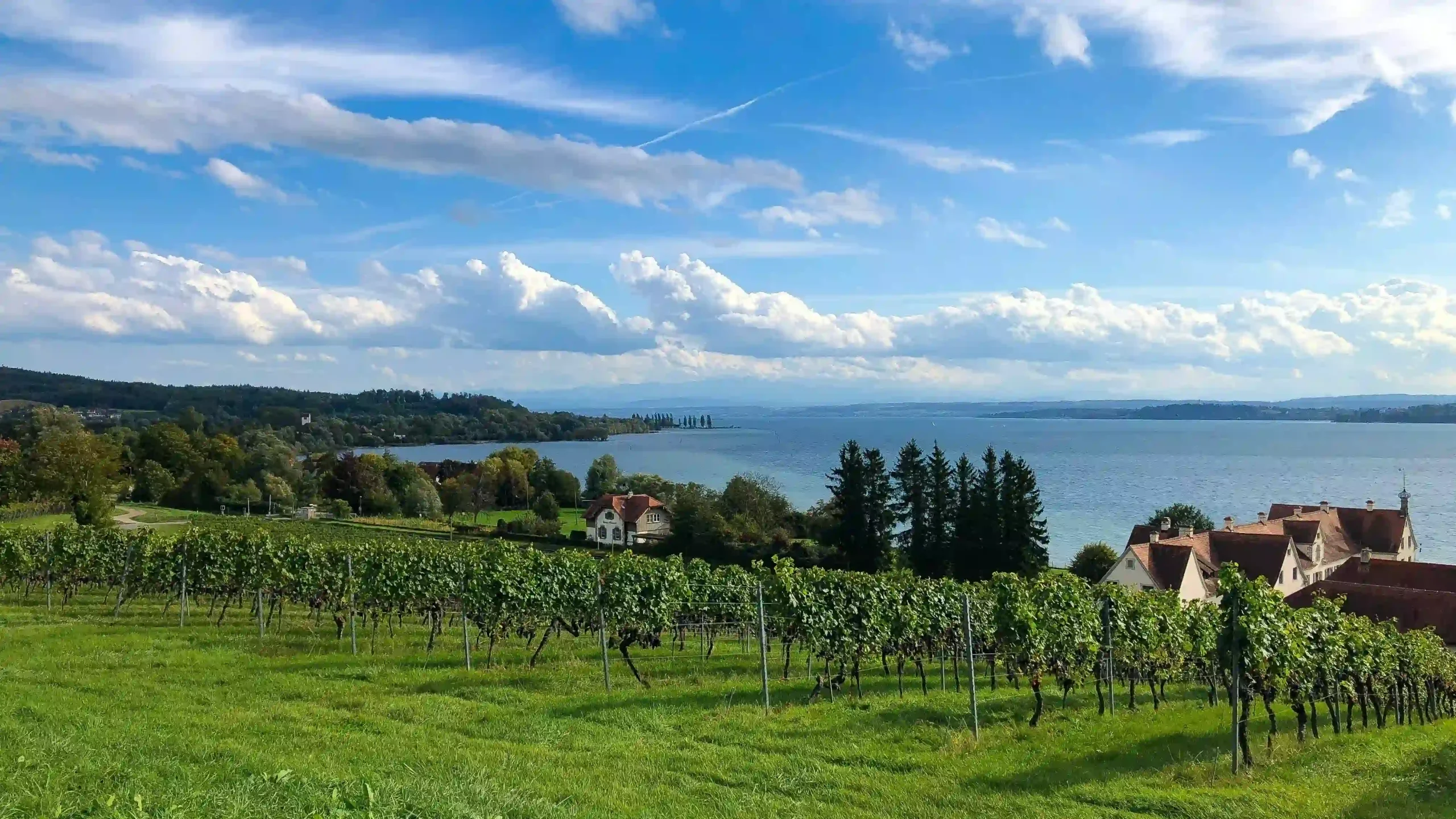
Situated in the heart of Europe, Germany has a huge variety of landscapes, cultures, and experiences, which are best discovered from the comfort of a campervan. Steering south from the rugged coastlines of the North and Baltic Seas, the scenery transforms rapidly—dense pine woodlands give way to terraced vineyard valleys, eventually leading to the crystal-clear waters of Lake Constance framed by the towering Alps.
Why Germany is best explored by campervan
As the geographic heart of Europe, Germany also serves as the ideal launching pad for wider exploration. Sharing borders with nine neighbouring nations, it offers the perfect starting point for grand cross-border loops.
Exploring with a campervan hire Germany gives you the freedom to chase favourable weather and move entirely at your own pace:
- Freedom & flexibility
- Wake up in nature
- Comfort on long distances
There is a large variety of major pickup locations across Germany where campervans are available through CU | Camper, including hubs in Hamburg, Bremen, Berlin, Dresden, Frankfurt, Stuttgart, Lindau, and Munich.
Our trusted rental partners:



Driving in Germany
- Drive on the right-hand side of the road.
- A standard, valid car driving licence (Category B) is accepted for vehicles up to 7,716 pounds (3,500 kg). If your licence was issued outside the EU/EEA, check whether an International Driving Permit (IDP) or official translation is required.
- Many German cities operate low-emission zones to improve air quality. To enter these designated areas, your vehicle must display a valid green Umweltplakette (environmental badge) on the windscreen. Driving into an Umweltzone (low emission zone) without the correct sticker can result in a fine.
- Unless road signs indicate otherwise, the speed limit is 50 km/h in built-up areas and 100 km/h on most rural roads. While sections of the German Autobahn are famously free from mandatory speed limits, the recommended maximum speed is 130 km/h. If you’re travelling by campervan or motorhome, always check the speed limits that apply to your vehicle, as larger or heavier motorhomes may be subject to lower maximum speeds.
Discover Germany by campervan
Along the way, every region reveals a different side of the country when you set off with your campervan hire Germany.
The Northern Coasts
Pickup locations for campervan hire Germany: Hamburg, Bremen
Northern Germany is shaped by the sea. Sweeping sandy beaches, rolling dunes, tidal flats, and historic ports create a landscape unlike anywhere else in the country. It’s the perfect place to enjoy fresh seafood, with a Fischbrötchen—a traditional fish sandwich—being a must-try snack from a local harbour.
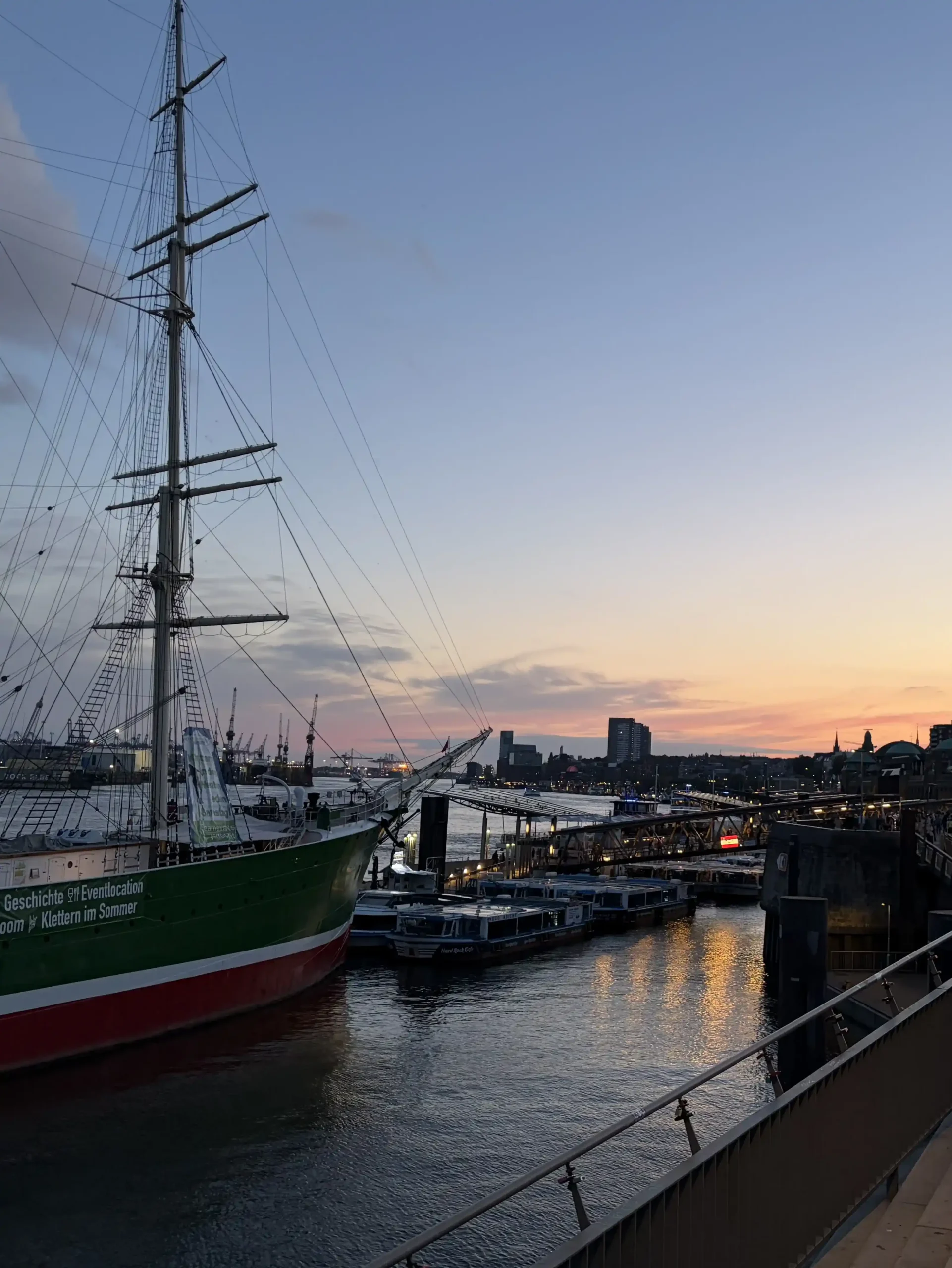
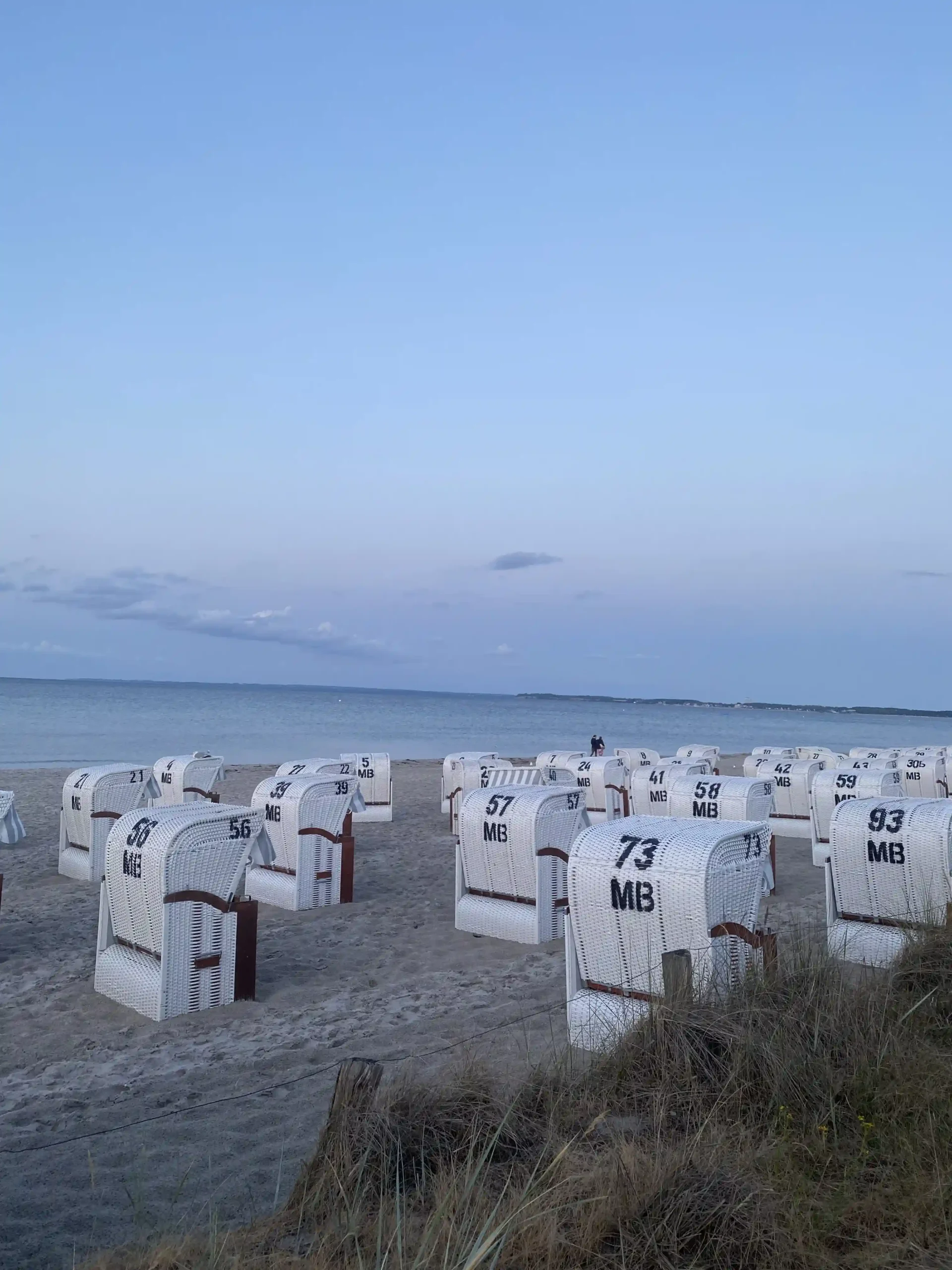
Hamburg, Germany’s largest port city, is famed for its network of canals, waterways, and more bridges than many other European cities combined. From here, it’s easy to explore the elegant Hanseatic city of Lübeck, relax on the beaches of Timmendorfer Strand, or take a trip to the island of Sylt.
Key sights include:
- The tidal flats of Wadden Sea National Park.
- The white chalk cliffs of Jasmund National Park.
Eastern Germany
Pickup locations for campervan hire Germany: Berlin, Leipzig, Dresden
Eastern Germany seamlessly blends centuries of dramatic history with a vibrant, modern cultural scene. Berlin offers an ever-changing mix of historic landmarks, world-class museums, and creative art hubs.
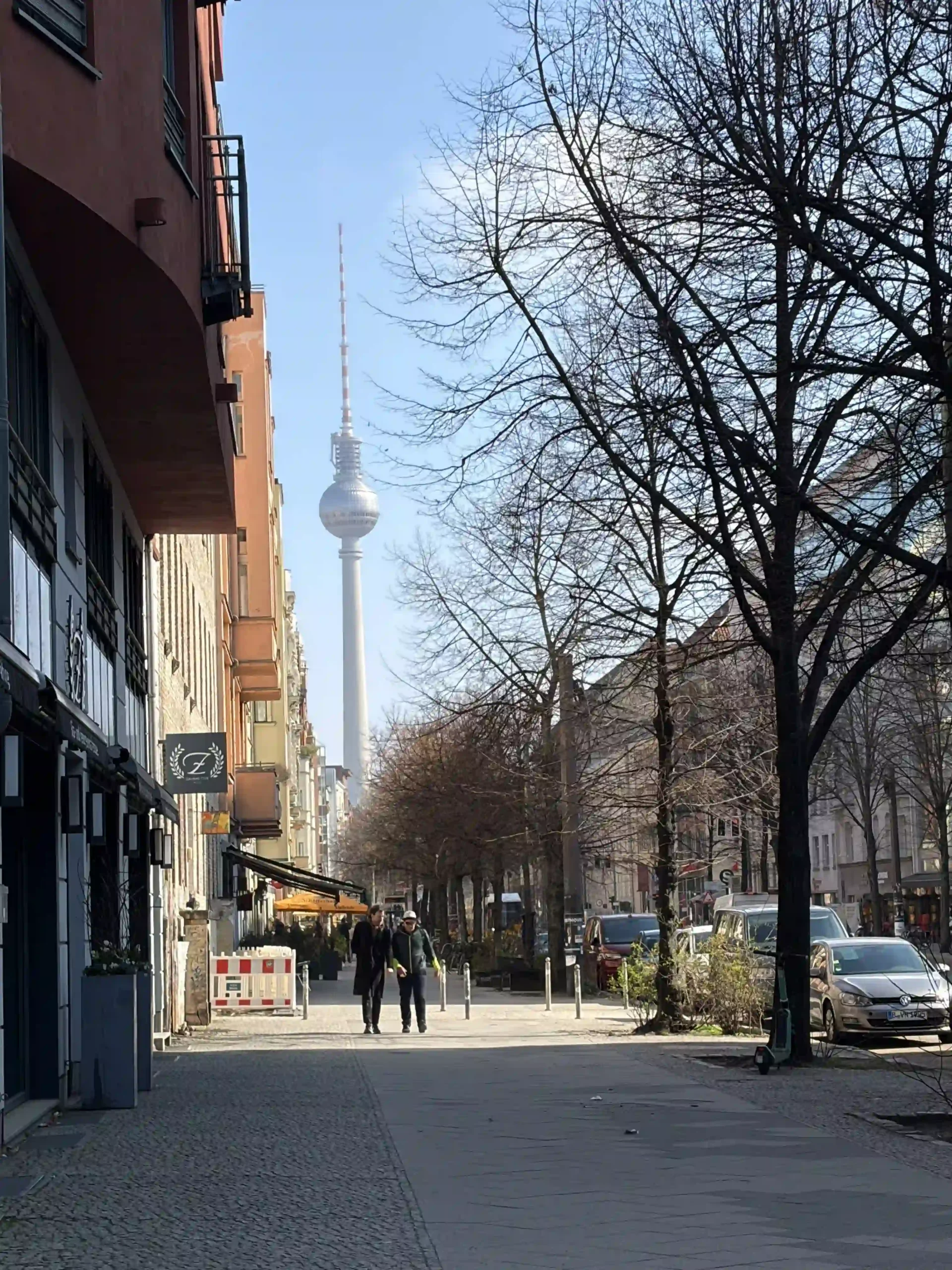
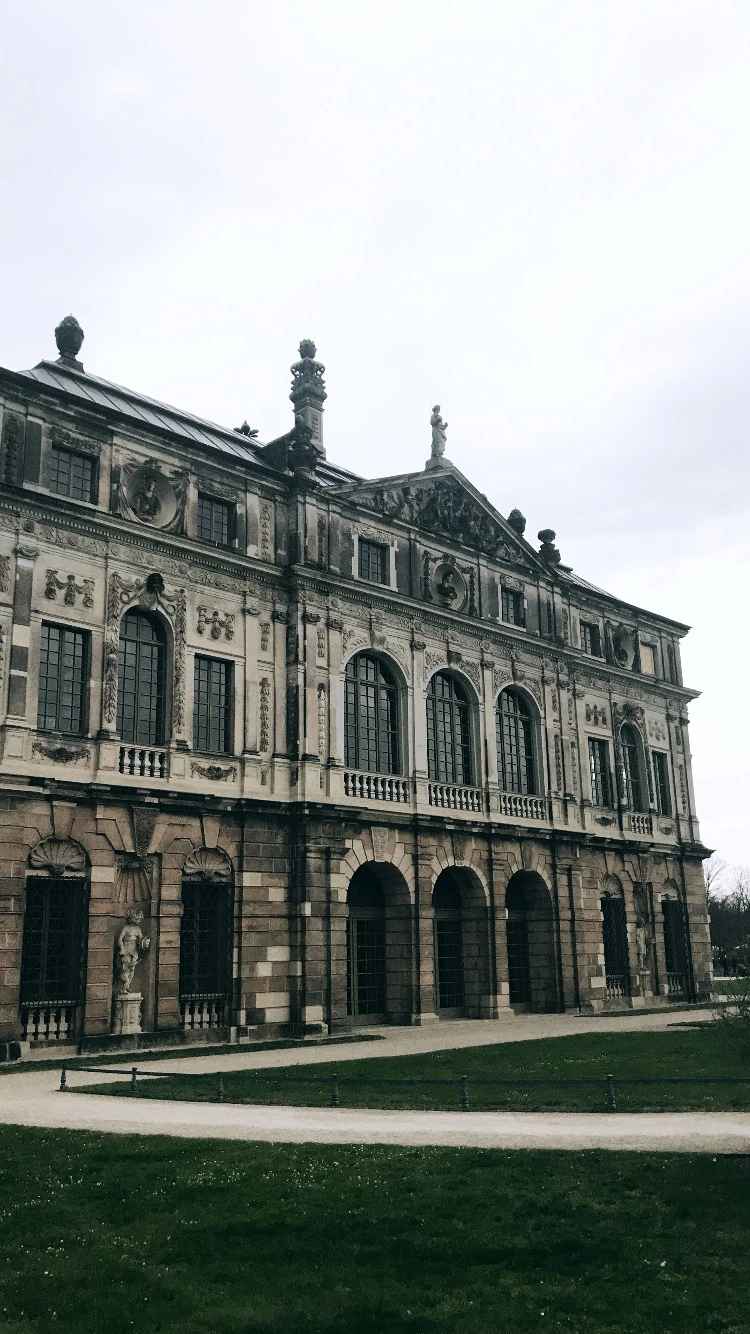
© Lukas Kaj Hewson
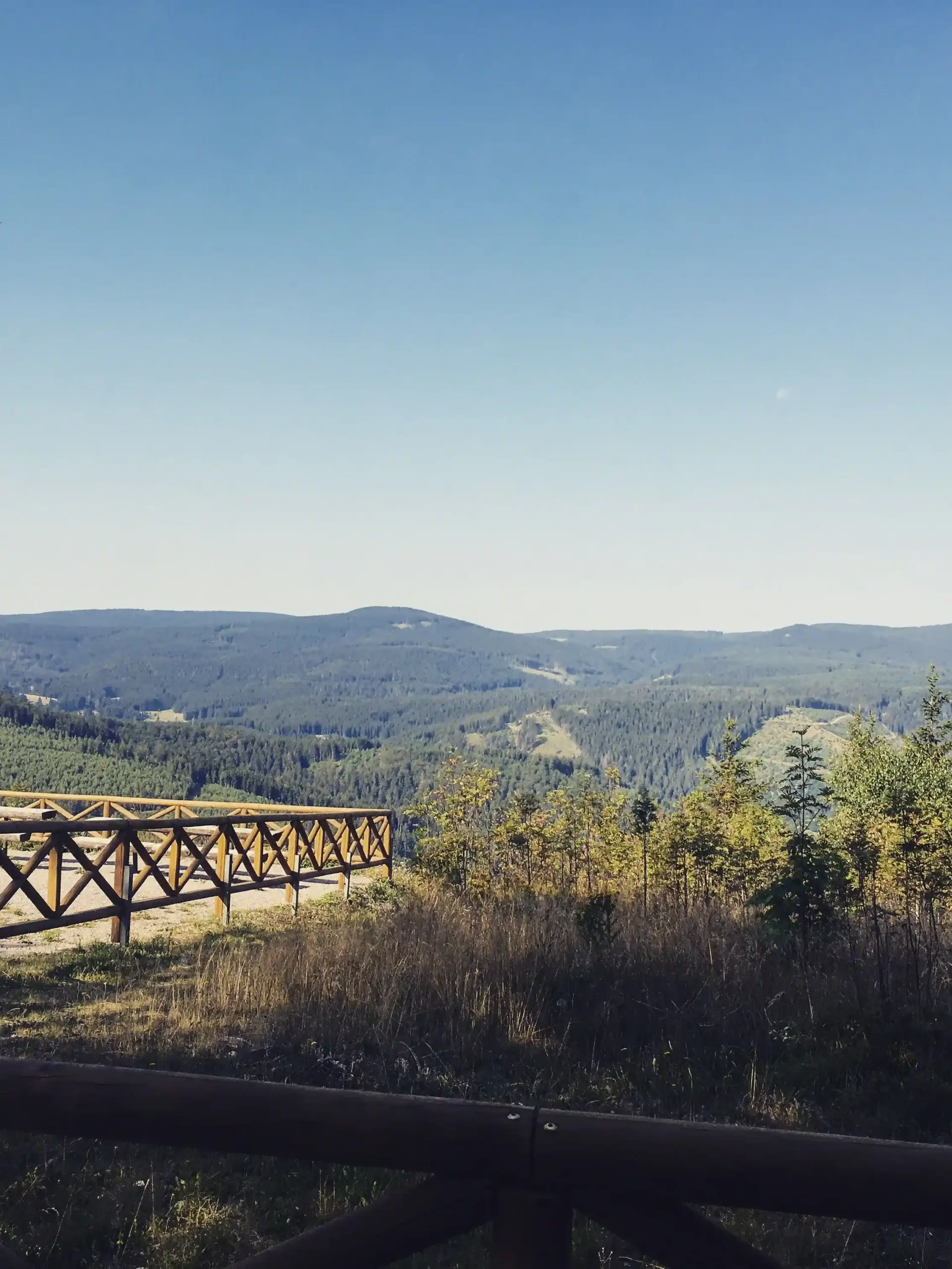
© Lukas Kaj Hewson
Further south, Dresden impresses with its beautifully restored Baroque architecture and riverside setting, while the wider region is dotted with impressive castles and stately palaces waiting to be explored.
Key sights include:
- The dramatic sandstone cliffs of Saxon Switzerland National Park.
- The scenic hiking routes of the Thuringian Forest.
Central Germany
Pickup locations for campervan hire Germany: Frankfurt, Cologne, Stuttgart
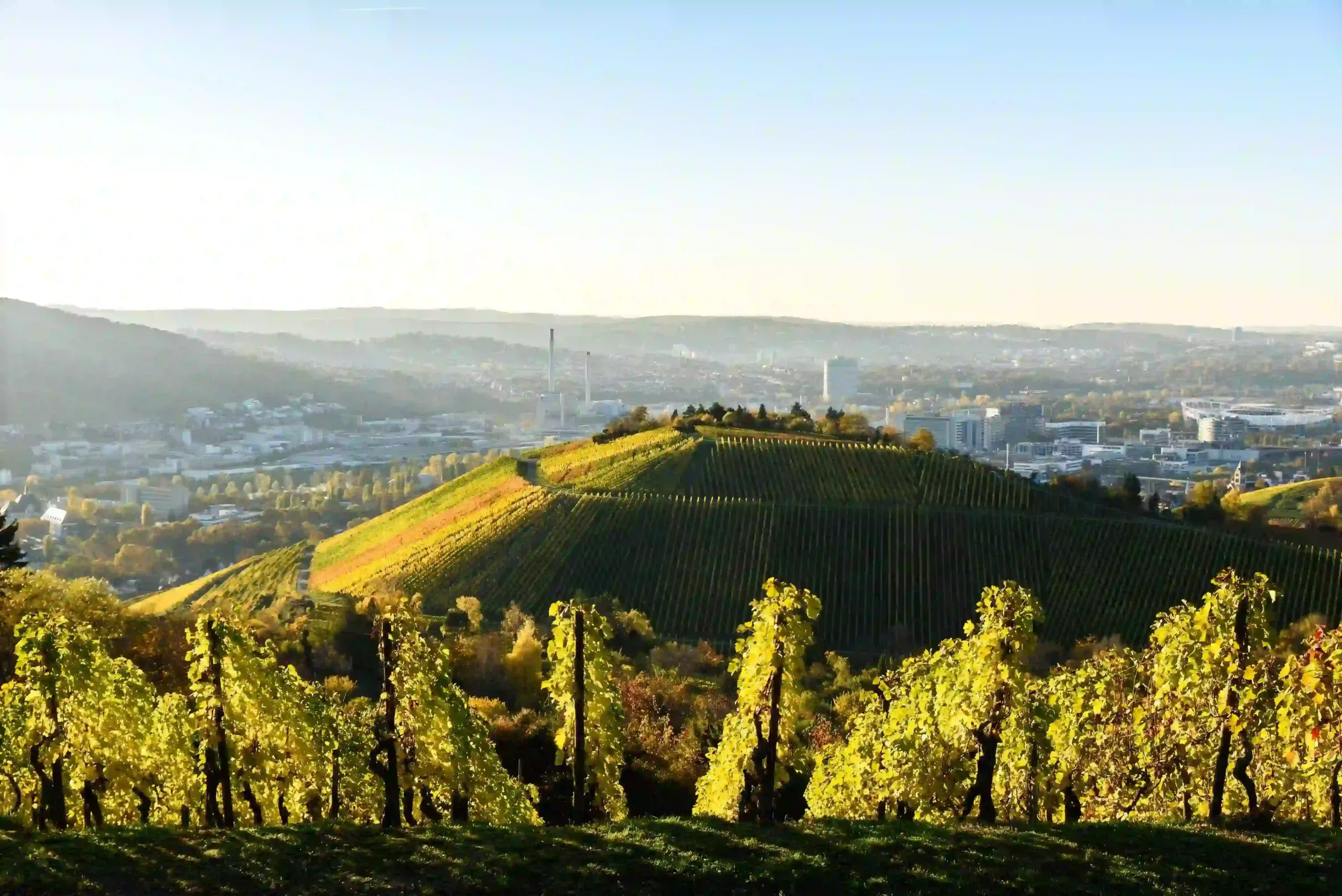
Germany’s heartland is defined by dense woodland hills, winding river valleys, and mediaeval half-timbered villages. Historic castles crown hilltops above terraced vineyards, creating a classic fairytale backdrop.
Key sights include:
- The rugged peaks of Harz National Park.
- The towering pines of the Black Forest National Park.
The Black Forest High Road
Highlight Drive
Lake Constance & the Bavarian Alps
Pickup locations for campervan hire Germany: Lindau, Ravensburg, Munich
Southern Germany delivers grand Alpine drama, crystal-clear lakes, and deeply rooted regional traditions.
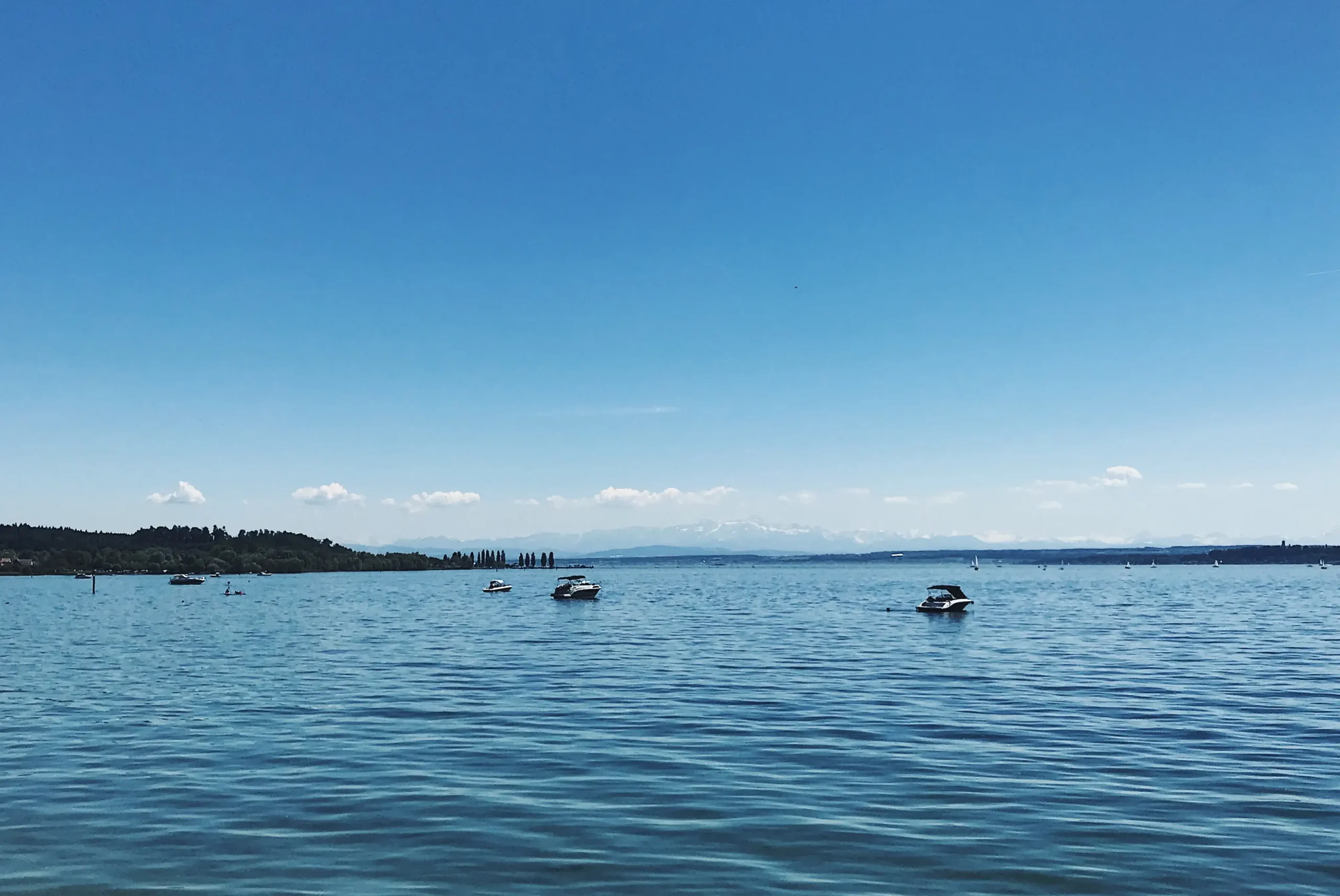
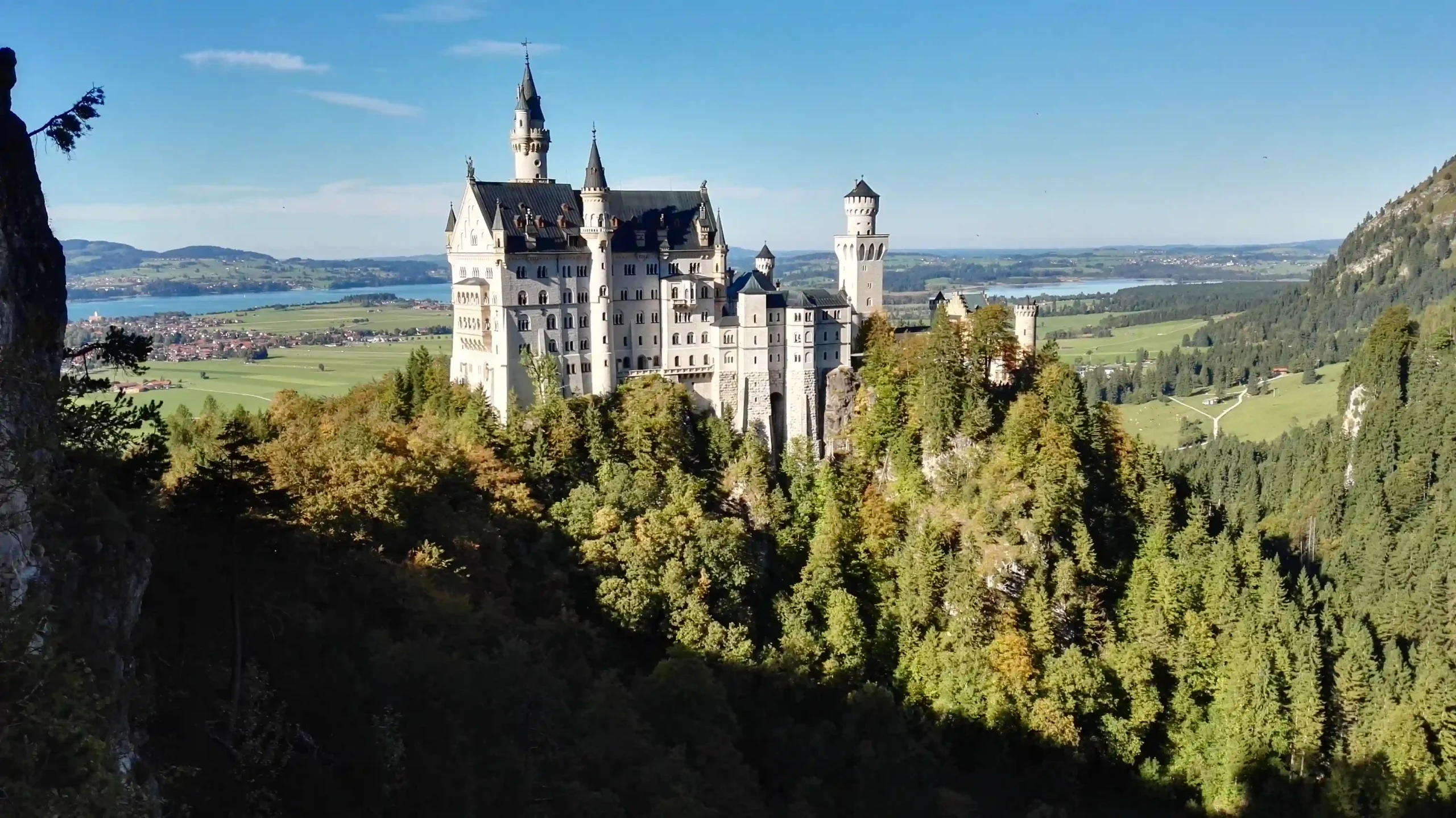
From the waterfront towns of Lake Constance to the majestic peaks of the Allgäu, this region is an outdoor playground rich in beer gardens, traditional dress such as Lederhosen and Dirndl, and fairytale castles.
Key sights include:
- The iconic Neuschwanstein Castle.
- The dramatic alpine peaks of Berchtesgaden National Park.
Camping in Germany
Germany boasts exceptional camping infrastructure, making motorhome travel smooth and convenient whether you prefer rustic nature stops or full-service holiday parks.
Stellplätze (Motorhome Stopovers)
Germany’s unique Stellplatz network consists of dedicated overnight parking spaces created specifically for self-contained campervans. Located near towns, vineyards, and lakes, they provide basic amenities like fresh water and waste disposal, usually catering to 1–2 night stays.
Private Holiday Parks & Camping Resorts
Commercial campsites offer high levels of comfort, featuring electric hookups, heated shower facilities, laundrettes, and family amenities like playgrounds, swimming pools, and on-site bakeries.
What to keep in mind
- Wild camping outside of designated campsites or Stellplätze is strictly prohibited in Germany.
- Book campsites well in advance if travelling with your campervan hire Germany during peak summer months or national holiday weekends.
- Use dedicated camping apps such as Park4Night to locate available Stellplätze and campsites along your route.
When is the best time to travel to Germany?
- Summer (June – August): Warm temperatures make it ideal for swimming in northern seas or hiking Alpine trails. However, expect higher rates, busier roads, and fully booked campsites.
- Shoulder Seasons (April – May and September – October): The ultimate sweet spot. Spring brings blooming landscapes, while autumn transforms forests into vibrant gold and red hues. Roads are quieter, prices drop, and campsite availability is high.
- Winter (November – March): This season is not only known for winter activities in the Alps but also for its festive Christmas markets and the lively Carnival celebrations that take place in many parts of the country, particularly in February. However, keep in mind that vehicle availability drops drastically during these colder months. Many rental suppliers significantly scale down their active fleets—sometimes keeping only two or three vehicles available per location.
Spring
Best time to travel
Most frequently asked questions about campervan travel in Germany
CU | Camper offers motorhome and campervan pickup locations across Germany, making it easy to start your road trip from the region that best suits your itinerary. Major hubs include Munich, Frankfurt, Berlin, Hamburg, Cologne, Stuttgart, and Leipzig.
A standard, valid car driving licence (Category B) is accepted for campervans weighing up to 7,716 pounds (3,500 kg). If your driving licence was issued outside of Europe and is not written in English, carrying an International Driving Permit (IDP) as an official translation is strongly recommended.
A Stellplatz is a dedicated overnight parking space created specifically for self-contained campervans. Located near towns, lakes, or vineyards, they provide basic amenities (like fresh water and waste disposal) and cater to short 1–2 night stays.
Yes, but vehicle availability drops significantly between November and March. Many rental companies scale down their active fleets—sometimes keeping only two or three vehicles available per location—so early booking is essential.