
Central Europe Alps itinerary
A 14-day road trip passing lakes, mountains and castles.
© Lukas Kaj Hewson
Why settle for one region when you can see it all? Unlike typical guides, this itinerary offers a high-value loop that combines an extraordinary amount of European culture and nature into 14 days. By travelling through Germany, Austria, Italy, France, and Switzerland, you witness the stunning diversity of the Alps from every angle.
It highlights the fascinating shift from Northern European peaks to the Mediterranean flair of the south and back again. From the sea-like expanse of Lake Constance to the glamorous shores of Lake Como and the glacial serenity of Lac du Bourget, this route proves that crossing borders is the best way to see the full spectrum of the Alpine world.
Across roughly 1,120 miles (1,800 km), you will drive through five countries: Germany, Austria, Italy, France, and Switzerland. It is a journey through high mountain passes and historic old towns, all doable in 12–14 days.
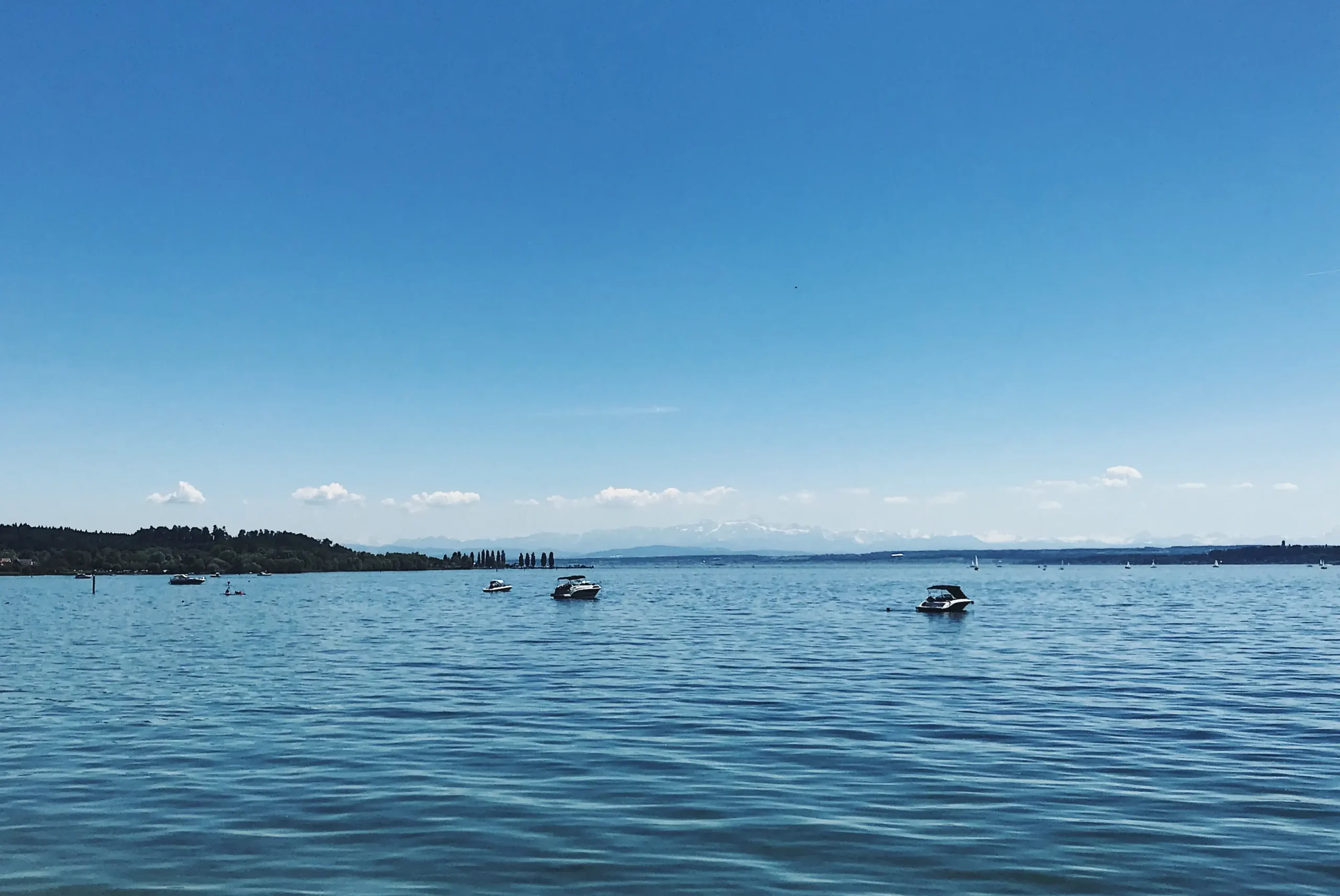
Go for a bike ride along Lake Constance with a magnificent view of the Alps or sip espresso in Milano.
Highlights
- Lake Constance
- The “Fairy-Tale” Schloss Neuschwanstein
- Munich’s English Garden
- Milano’s Gothic Duomo
- Lac du Bourget: France’s largest glacial lake
- The medieval riverside charm of Bern
- Mainau Island
Best time to travel this Alps itinerary
The best time for this trip is late spring to early autumn (May to September). During these months, the mountain passes are clear of snow, and the lakes are warm enough for a swim. Temperatures are pleasant for exploring, and you will avoid large crowds.
Why explore the Alps by campervan?
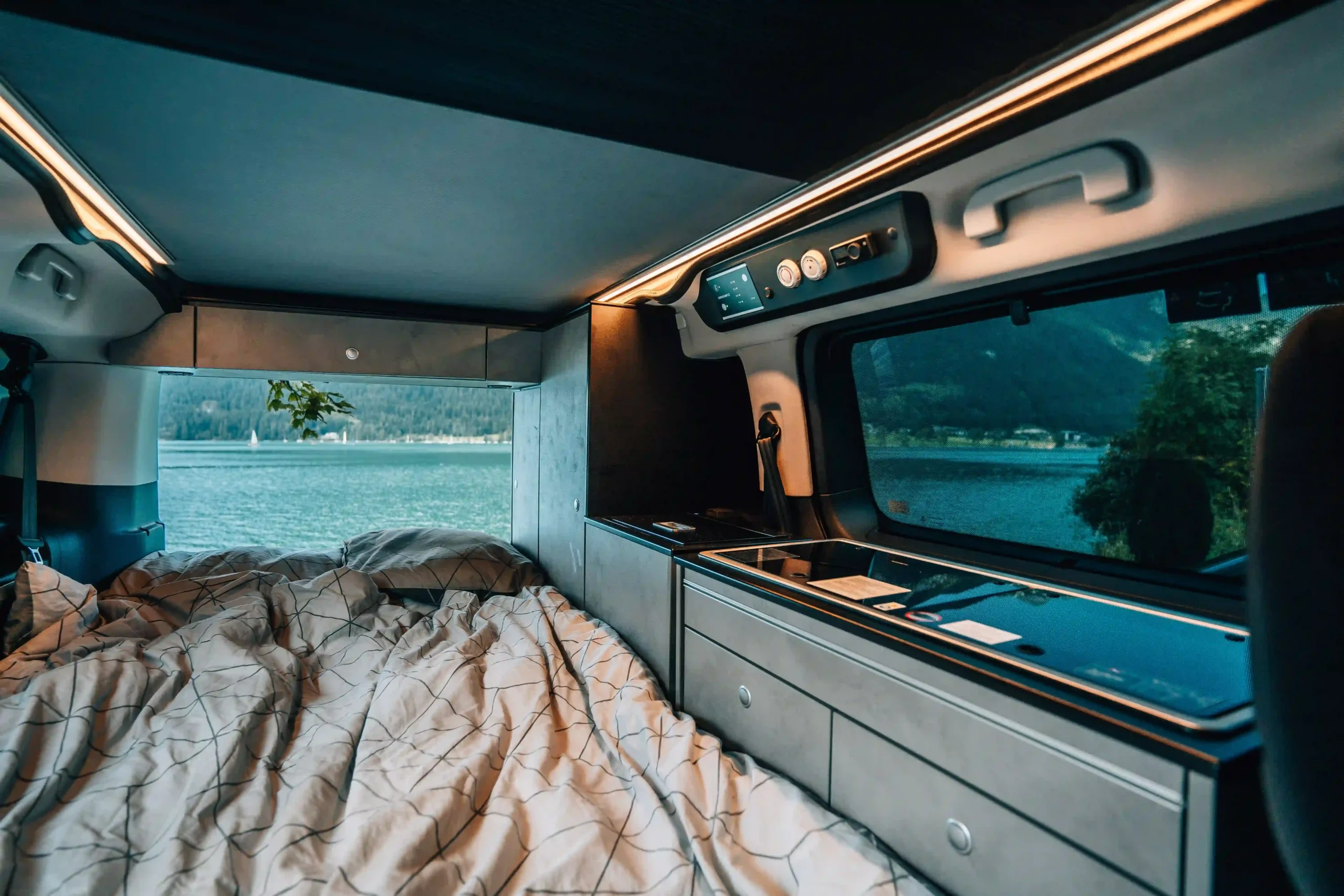
The infrastructure for “camping” in this region is world-class, with sites often situated directly on lakefronts or against spectacular mountain backdrops. Travelling by campervan gives you the ultimate freedom to be spontaneous.
To start your journey, collect your campervan, with a wide range of vehicles available through CU | Camper.
| Day | Route / Destination | Driving time | Highlights |
| 1 | Lindau (Germany) | Harbour entrance, Lake Constance Cycle Path | |
| 2 | Lindau → Neuschwanstein (Germany) | ~1.5 hrs | Allgäu region, tour the castle |
| 3 | Neuschwanstein → Munich (Germany) | ~2 hrs | Marienplatz, Viktualienmarkt, English Garden, Allianz Arena |
| 4–5 | Munich → Salzburg (Austria) | ~2 hrs | Chiemsee, Hohensalzburg Fortress, Mirabell Gardens |
| 6–8 | Salzburg → Milano (Italy) | ~8 hrs | Brenner Pass, Lake Garda, Duomo di Milano, Navigli |
| 9–10 | Milano → Chambéry (France) | ~4.5 hrs | Fréjus Tunnel, Lac du Bourget, “Elephant Trail” |
| 11 | Chambéry → Geneva (Switzerland) | ~1.5 hrs | Lake Annecy, Jet d’Eau, CERN, Flower Clock |
| 12 | Geneva → Bern (Switzerland) | ~2 hrs | Aare River, Rose Garden |
| 13 | Bern → Konstanz (Germany) | ~2.5 hrs | Mainau, Imperia Statue |
| 14 | Konstanz → Lindau | ~2 hrs | Lake Ferry to Meersburg, Vineyard drives |
Lindau and Lake Constance
© dvoevnore
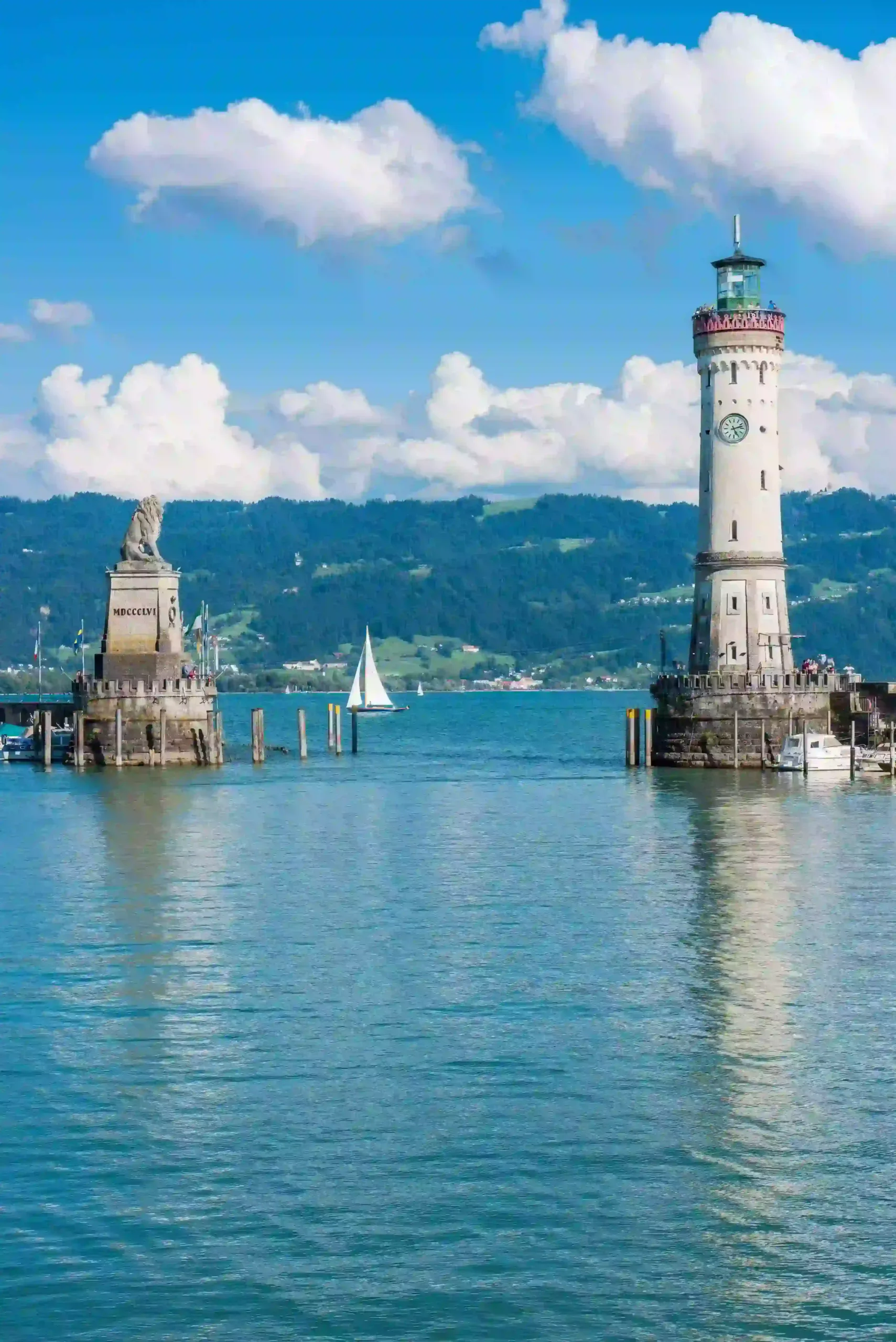
Your journey begins in Lindau, where the historic island district serves as a stunning gateway to the region. The harbour entrance, famously guarded by the Bavarian Lion and a striking white lighthouse, remains the town’s most iconic landmark. Beyond this gateway, the horizon opens up to reveal a breathtaking panorama where the shimmering waters of the lake meet the jagged peaks of the Alps.
The Altstadt (Old Town) itself is a captivating maze of centuries-old, half-timbered houses and narrow, picturesque alleys that radiate authentic lakeside charm. To experience the area like a local, consider the following:
- Rent a bicycle and join the Lake Constance Cycle Path. The route is famously flat, making it an effortless ride with constant, unobstructed views of the lake.
- Immerse yourself in the maritime atmosphere by booking a boat tour or renting a stand-up paddleboard (SUP).
- Stroll along the lakeside promenade—widely regarded as the most beautiful on the lake.
For those with extra time, the region offers unique experiences. The Affenberg Salem (Monkey Mountain) provides a close encounter with free-roaming Barbary macaques, while the Zeppelin Museum in Friedrichshafen offers a fascinating look into the history of aviation and the legendary airships.
Where to stay
Park Camping Lindau sits right on the lake’s edge, offering easy access to the water for a refreshing morning swim before you hit the road.
Lindau to Neuschwanstein
Leaving the lake behind, you head into the Allgäu region. The mountains grow taller and the grass turns a vivid emerald as you approach Füssen.
© Björn Esperling
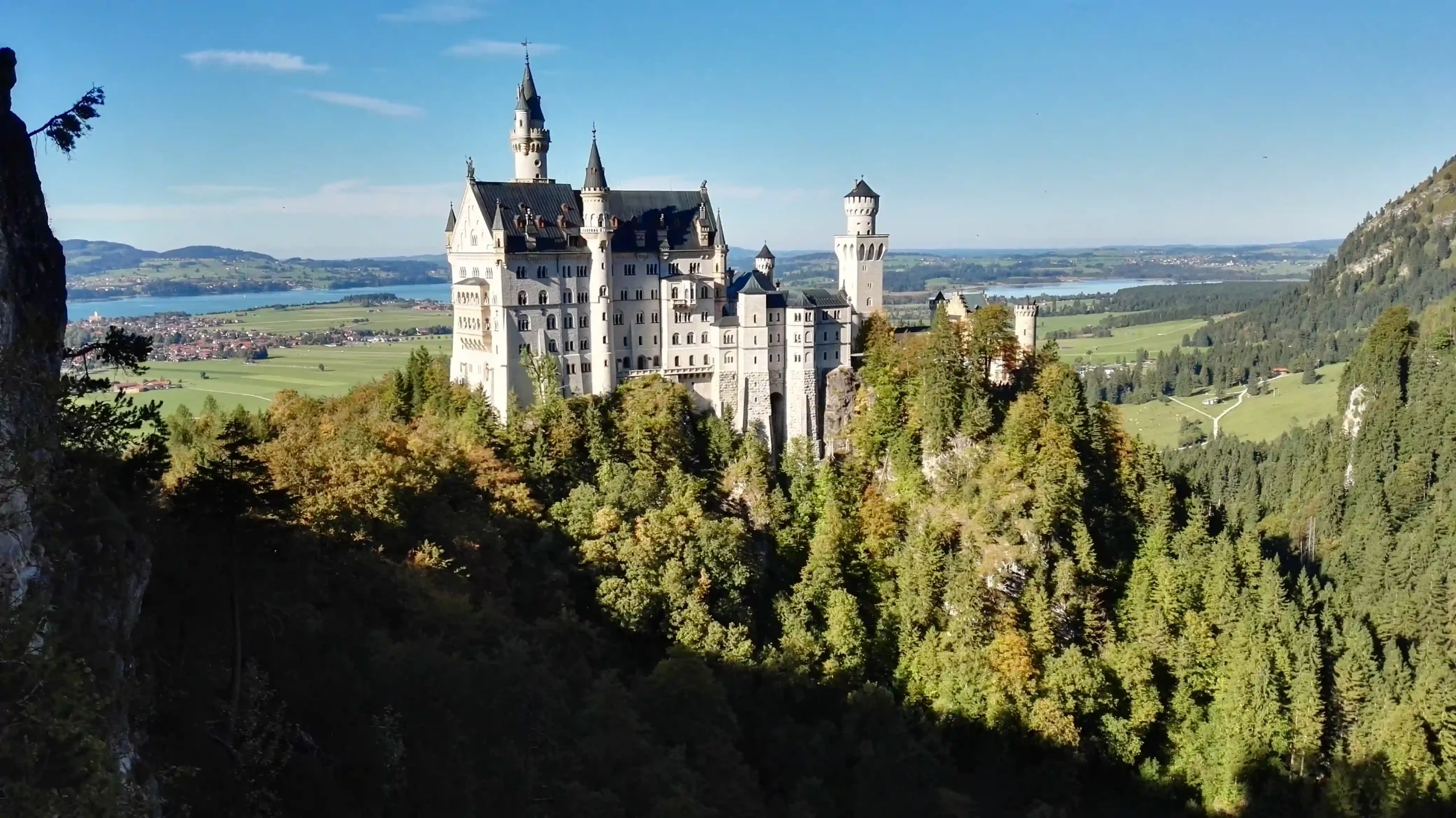
Here, King Ludwig II built his most famous retreat: Schloss Neuschwanstein.
The Fairy-Tale Castle
Perched on a rugged hill, Neuschwanstein famously inspired the Sleeping Beauty Castle at Disneyland and appeared in the classic film Chitty Chitty Bang Bang.
Where to stay
Camping Hopfensee is a five-star wellness campsite. After a day of exploring, you can take advantage of their indoor pool and extensive spa facilities.
Neuschwanstein to Munich
A short two-hour drive north brings you to Munich, the capital of Bavaria.
Exploring the heart of Munich
© Ilia Bronskiy
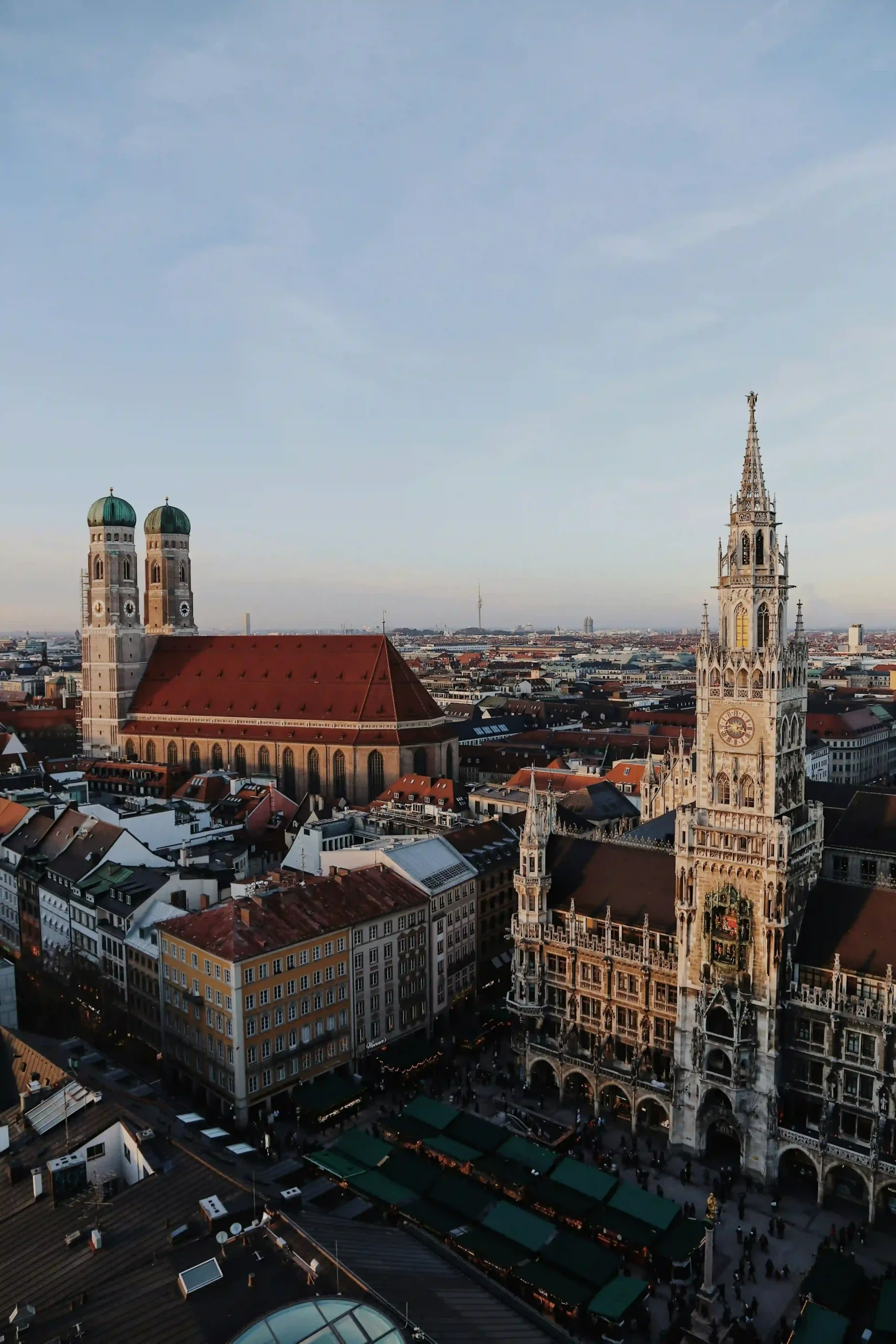
Your first stop should be Marienplatz, the city’s central square. Here, you can watch the famous “Glockenspiel” at the New Town Hall or see the golden statue of Mary (Mariensäule) in the middle of the square. For a great view over the rooftops, climb the tower of St Peter’s Church (the locals call it Alter Peter) or take the lift up the New Town Hall tower.
Just around the corner is the Viktualienmarkt. This is a large, colourful outdoor market with about 100 stalls. It is a brilliant place to buy fresh food and local snacks for your trip. You can also grab a seat in the central beer garden or enjoy a coffee at one of the many cafes.
No trip to Munich is complete without visiting the Hofbräuhaus, perhaps the most famous beer hall in the world. Afterwards, head to the English Garden for some fresh air. This park is even bigger than New York’s Central Park! Make sure to see:
- The Monopteros: A small hilltop temple with a great view of the city skyline.
- The Eisbach Wave: A famous spot where surfers ride a permanent wave in the river.
- The Japanese Teahouse: A peaceful place for a walk near the lake.
If you enjoy window shopping, take a stroll down Maximilianstraße. This is Munich’s luxury street, filled with famous brands like Gucci and Louis Vuitton.
© sale2000
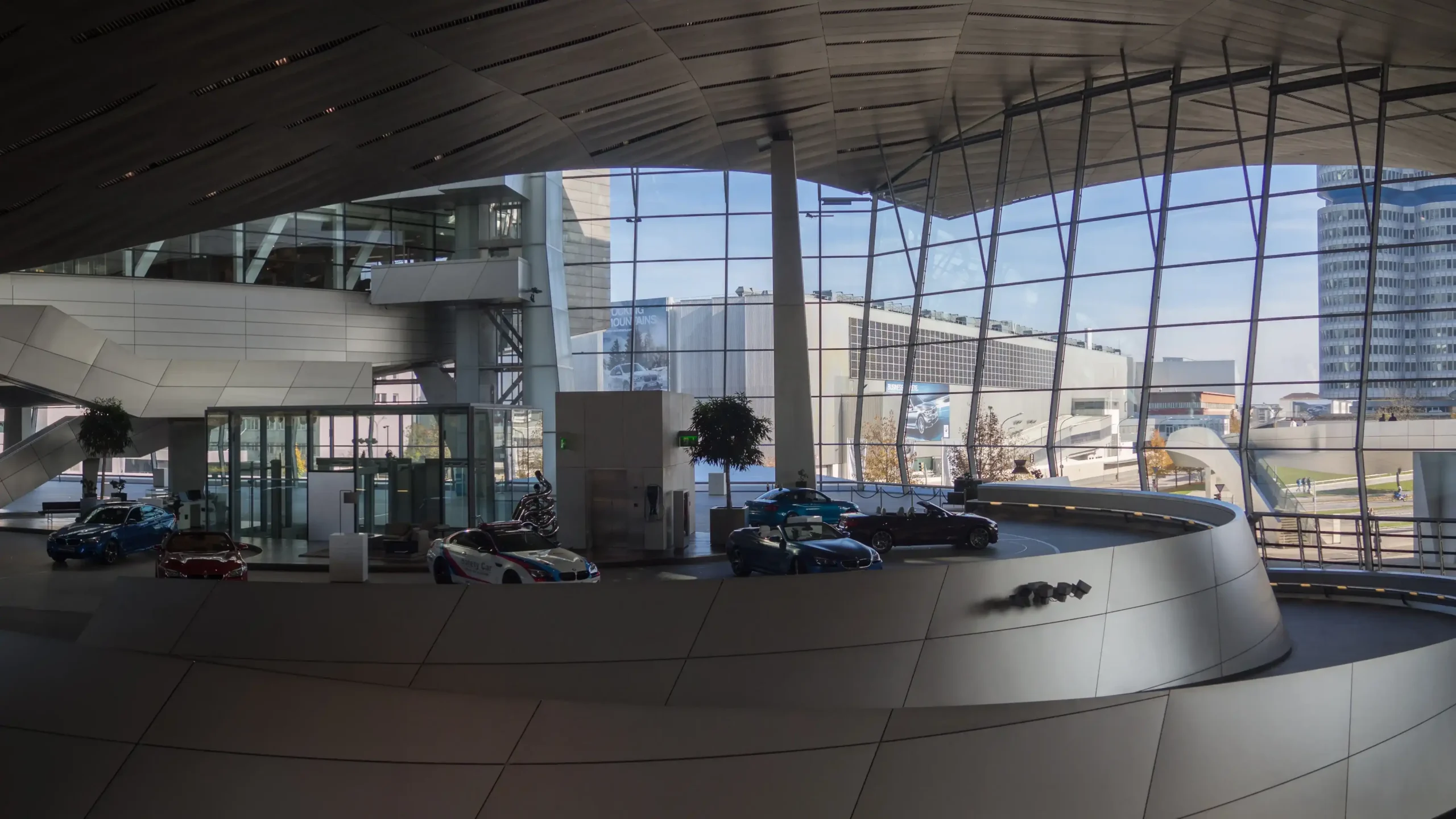
For those who love science, the Deutsches Museum is a must-see. It sits on an island in the river and is one of the oldest and largest science museums in the world. If you prefer cars, head over to BMW Welt near the Olympic Park. It has amazing futuristic architecture and is right next to the BMW Museum. Finally, football fans should look out for the Allianz Arena, a stunning stadium that has become a modern symbol of the city.
Where to stay
Camping Ampersee sits right on the banks of a beautiful lake and is within easy reach of the city centre. The site is well-maintained, offering clean facilities and electric hook-ups.
Munich to Salzburg
Leaving Munich behind, you make your way across the border into Austria. This leg of the trip takes roughly two hours. Along the way, you will pass Chiemsee, Bavaria’s largest lake. It is well worth a stop to enjoy the lakeside paths and the stunning backdrop of the Alps.
Salzburg—what’s special
A perfect place to start is the Mirabell Gardens (Mirabellgarten). These are some of the most beautiful Baroque gardens in Europe, filled with colourful flowers and grand statues. From here, it is just a short walk to the banks of the Salzach River, which winds through the heart of the city.
© Neuman Fotografie
Crossing the river brings you into Salzburg’s Old Town, a UNESCO World Heritage Site. You can spend hours getting lost in its narrow, winding streets and admiring the historic buildings. Be sure to visit the main squares, including Residenzplatz, Mozartplatz, and the impressive Salzburg Cathedral (Salzburger Dom).
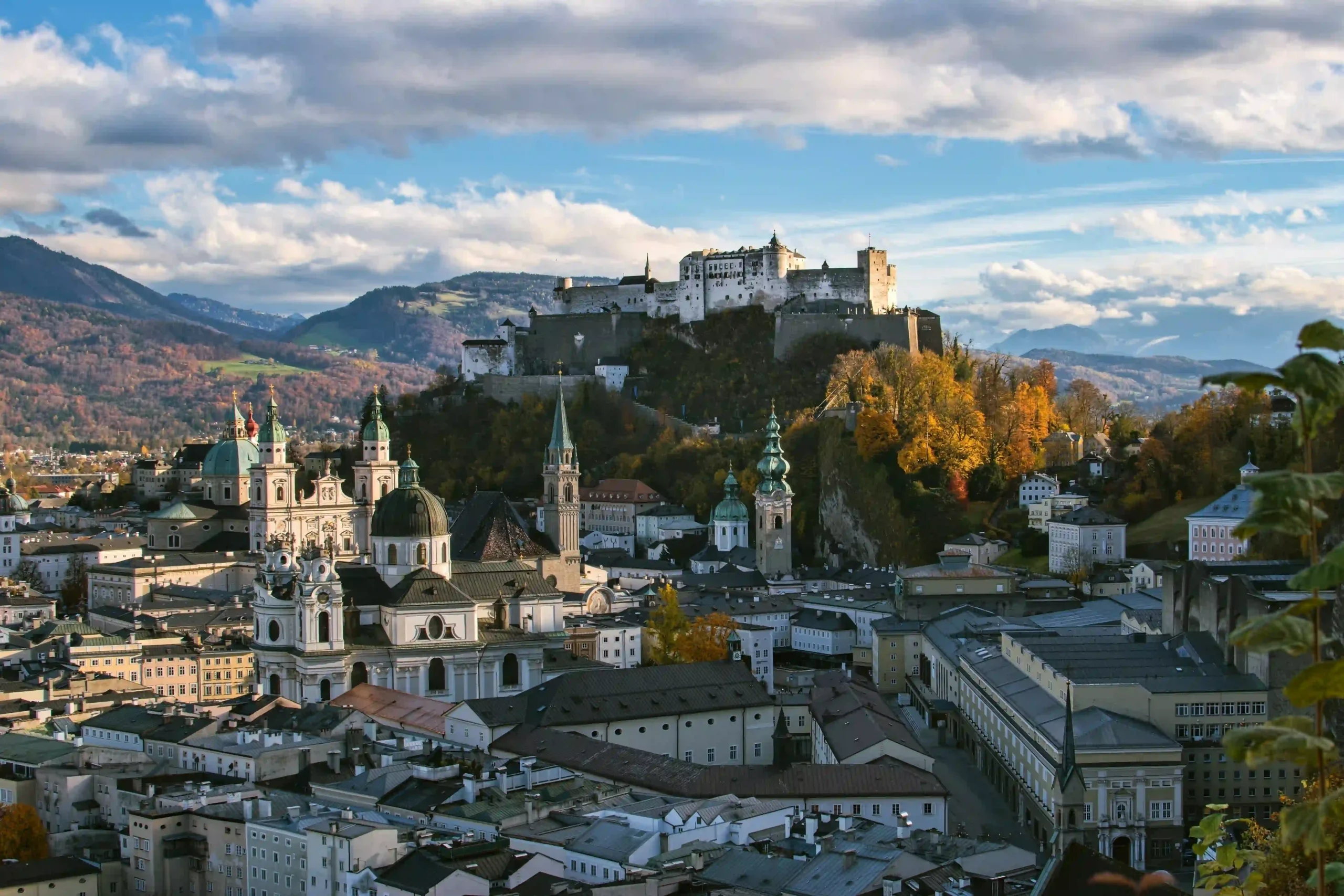
High above the city sits the Hohensalzburg Fortress. As one of the largest fully preserved castles in Europe, it is the city’s most famous landmark.
If you have time to explore further, the area surrounding the city is dotted with crystal-clear lakes. Obertrumer See and Wallersee are both close by.
Where to stay
Nord-Sam is a well-regarded campsite on the edge of the city.
Salzburg to Milano
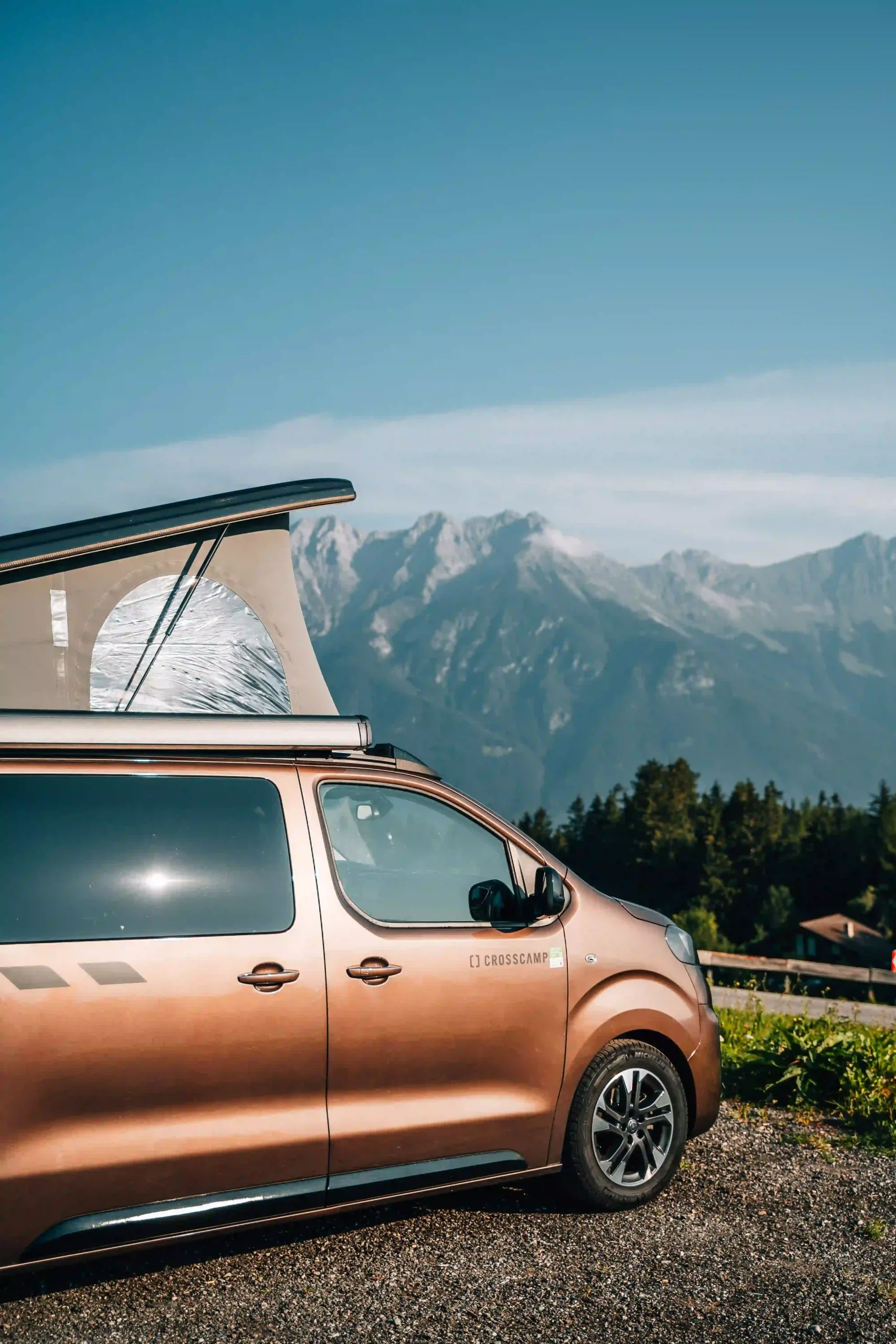
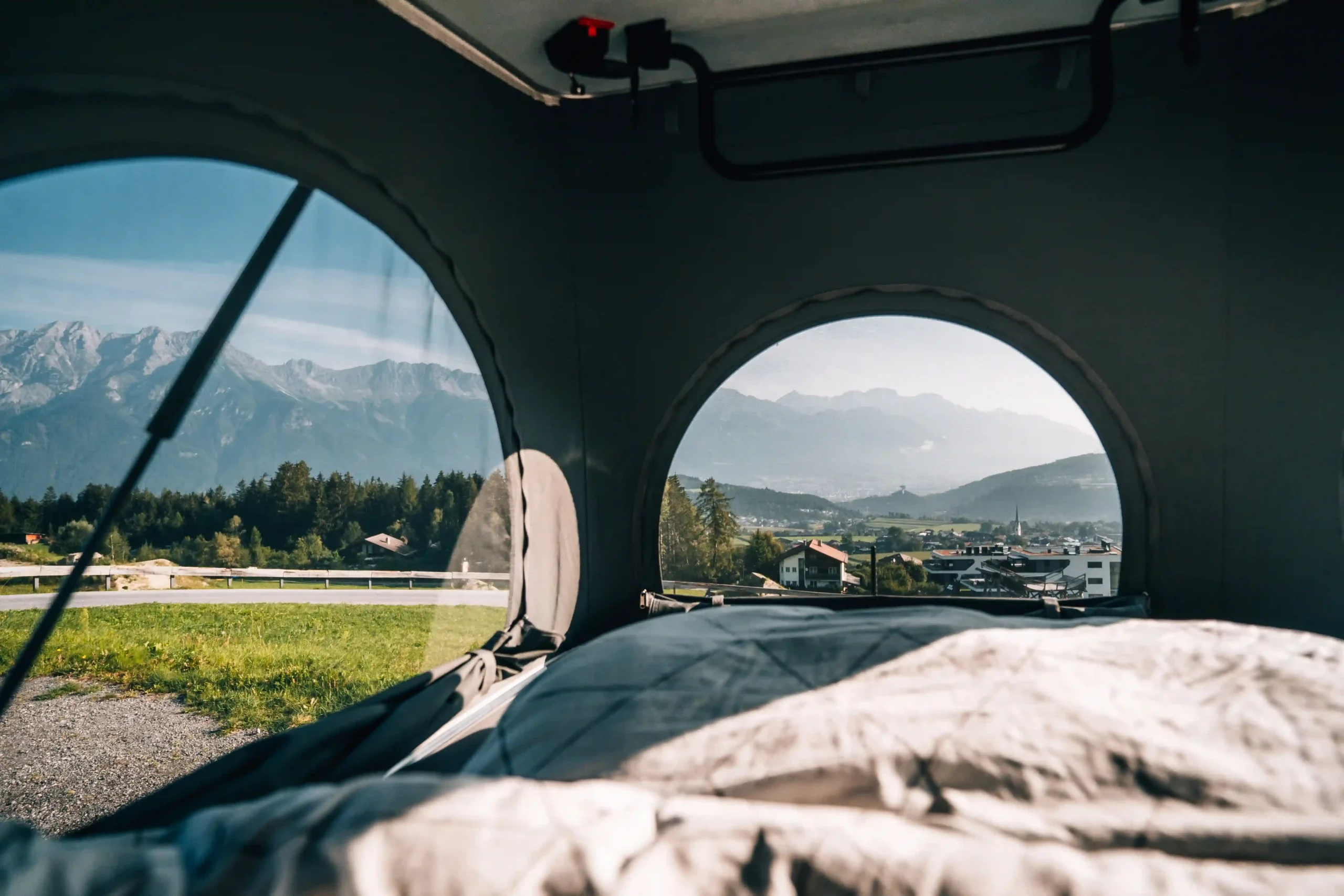
From Salzburg, you head south towards the Italian border, crossing the famous Brenner Pass. This is one of the most spectacular drives taking you high through the mountains before you begin your descent into Italy.
© Pascal Kretz
© Pascal Kretz
On your way to Milano, you could stop at Lake Garda (Lago di Garda)—Italy’s largest lake.
Milano and the Italian lakes
Milano is Italy’s capital of fashion and design. Milano’s most iconic landmark is undoubtedly its majestic cathedral, known locally as the Duomo. This Gothic masterpiece is the third-largest church in the world and is covered in thousands of intricate statues. For a unique experience, you can take the lift or stairs to the roof. The design is quite flat, allowing you to walk across the top of the building for incredible views over the city.
Right next to the cathedral is the Galleria Vittorio Emanuele II. This is one of the oldest and most beautiful shopping arcades in the world. Even if you aren’t shopping in the exclusive boutiques, it is worth visiting just to see the magnificent glass ceilings and mosaic floors.
Don’t miss the chance to see Leonardo da Vinci’s legendary work, The Last Supper. You can find this iconic mural displayed inside the Santa Maria delle Grazie.
Be sure to book tickets well in advance.
Tip
Known simply as ‘La Scala’, visit one of the most prestigious opera houses in the world. In the evening, head to the Canal District (Navigli) to enjoy a traditional Milanese “aperitivo”.
© Lukas Kaj Hewson
© Lukas Kaj Hewson
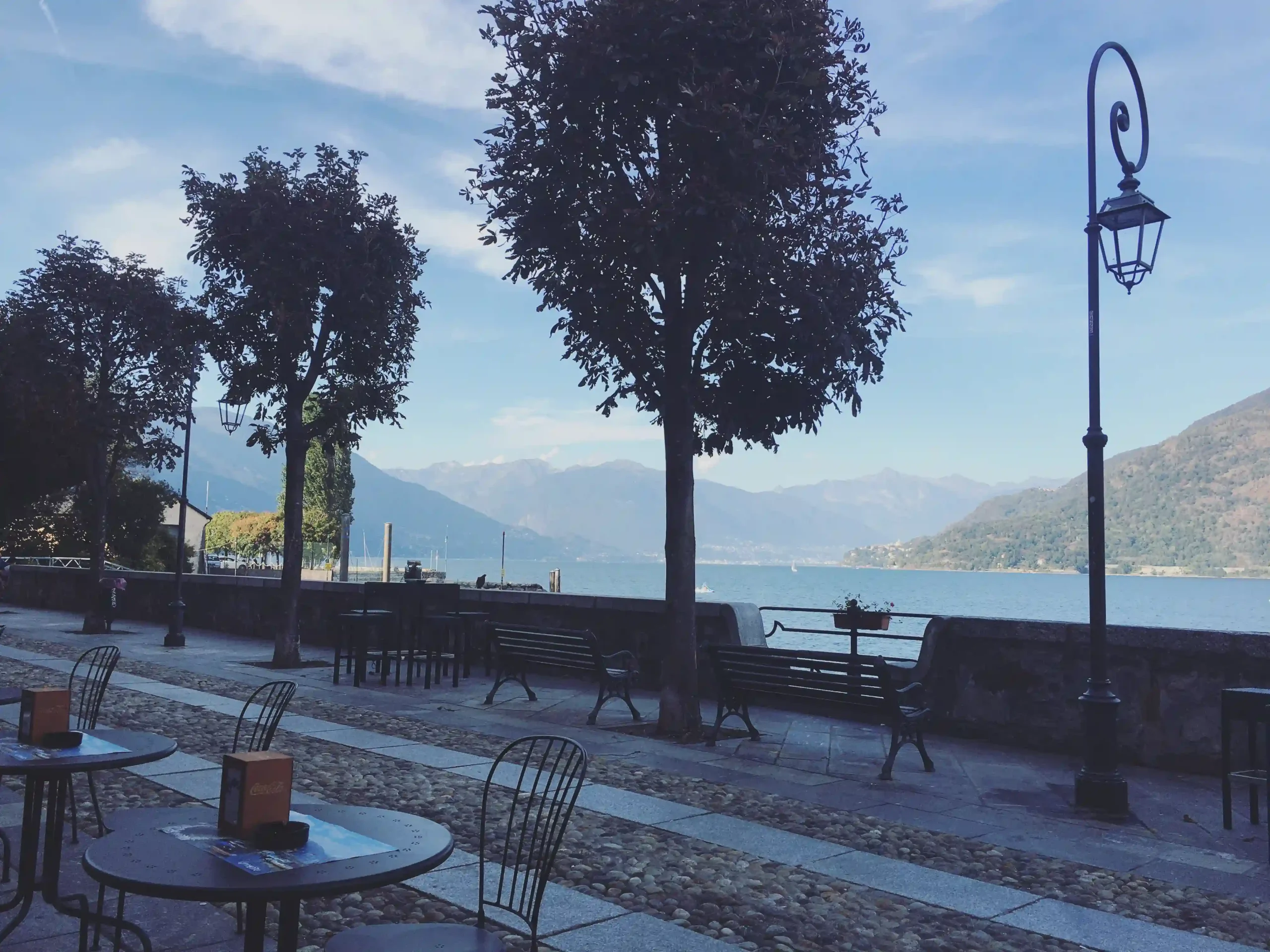
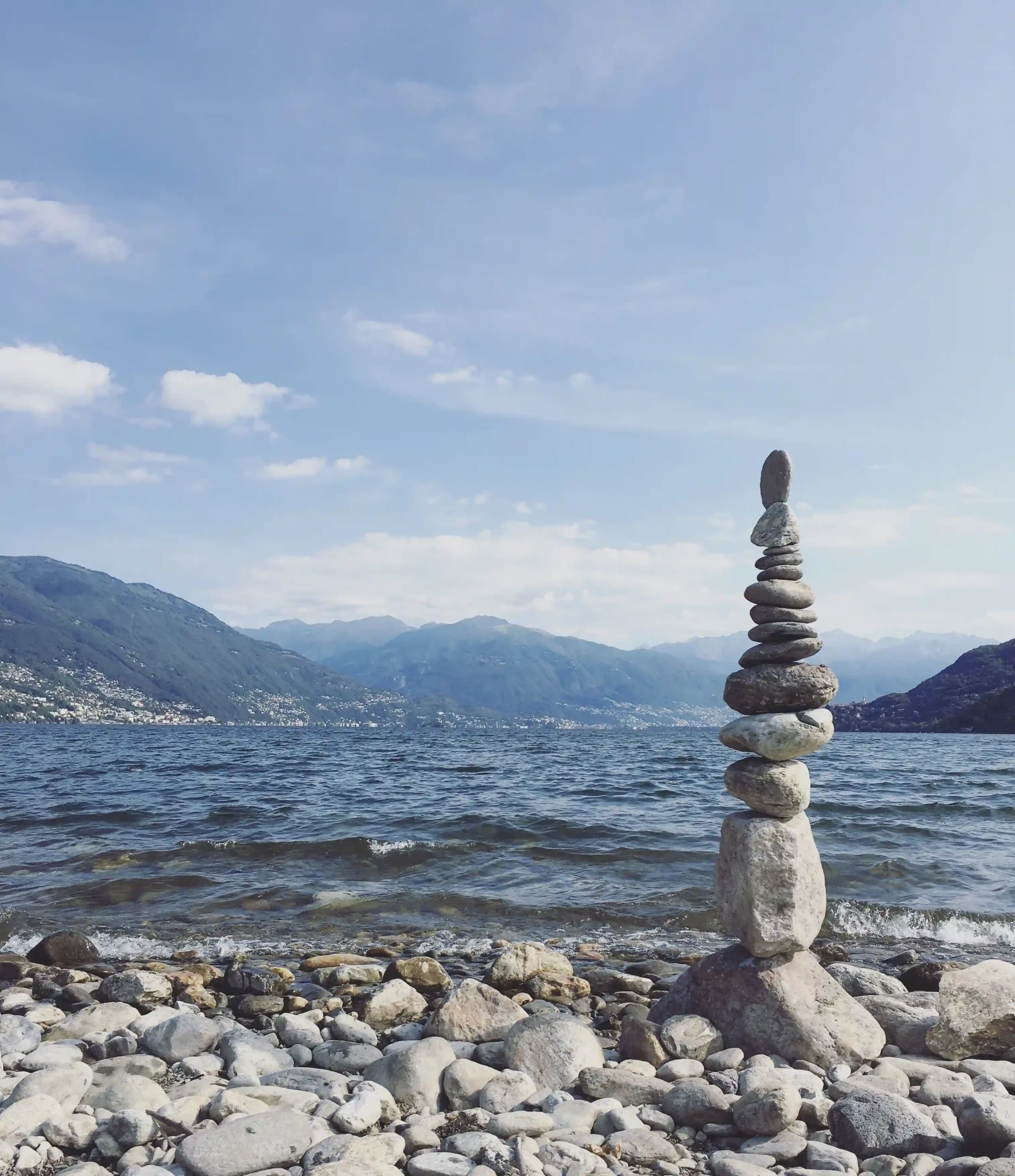
Milano is also perfectly placed between two stunning lakes: Lake Maggiore and the glamorous Lake Como. Watch “foil surfers” gliding silently above the water’s surface.
Where to stay
Heading north towards the lakes, you’ll find a wide choice of campsites. One option is Camping Riviera on Lake Maggiore. If you want to park your motorhome near Milano itself, options are limited. Your best choice is Camping Village Città di Milano.
Milano to Chambéry
Next, your journey takes you west as you cross the border into France. The drive takes roughly 4.5 hours, passing through the impressive Fréjus Road Tunnel under the Alps.
© Esteban Trivelli
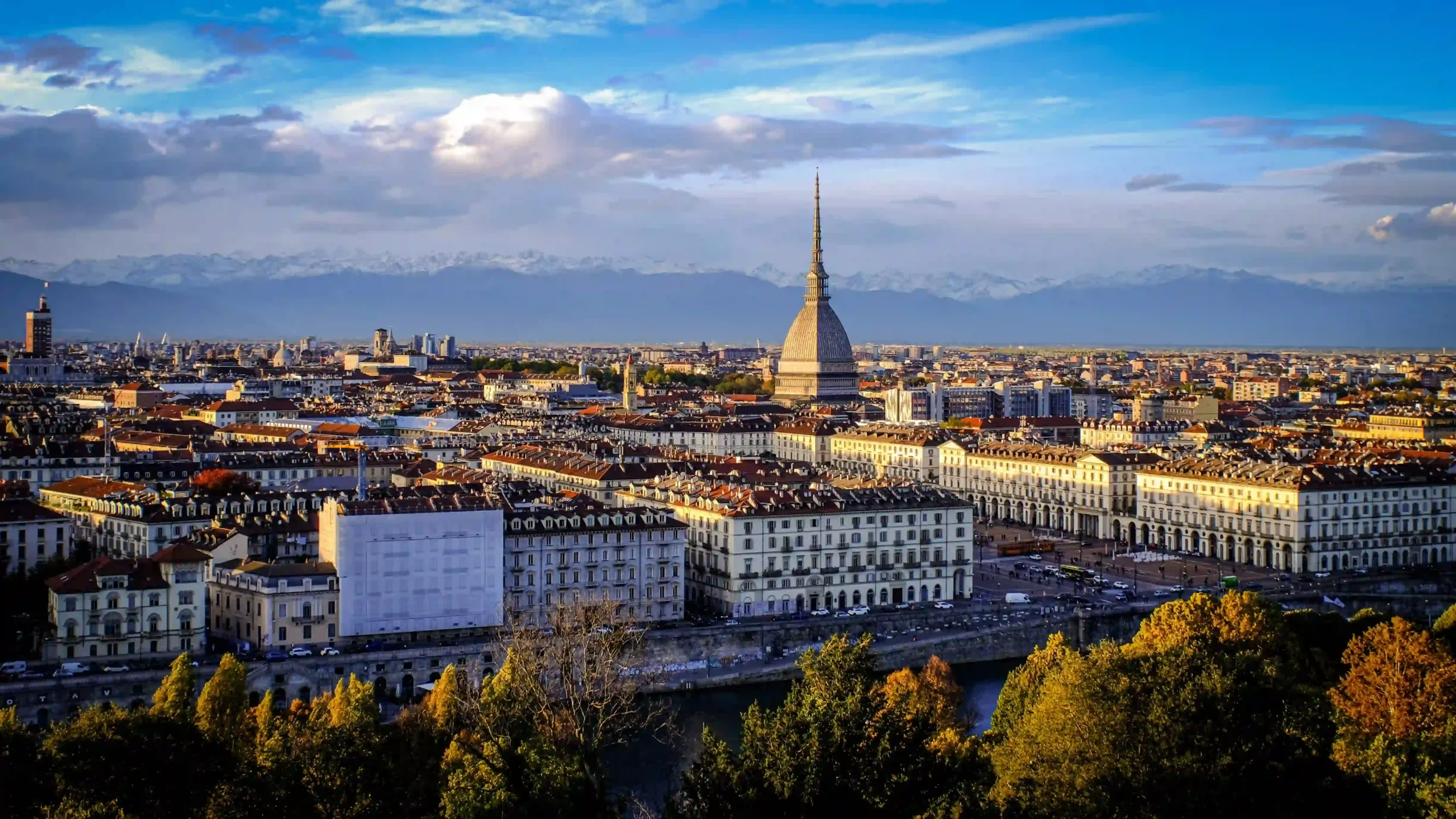
If you want to break up the journey, Turin is located almost exactly halfway.
Chambéry: The French Alps & Lac du Bourget
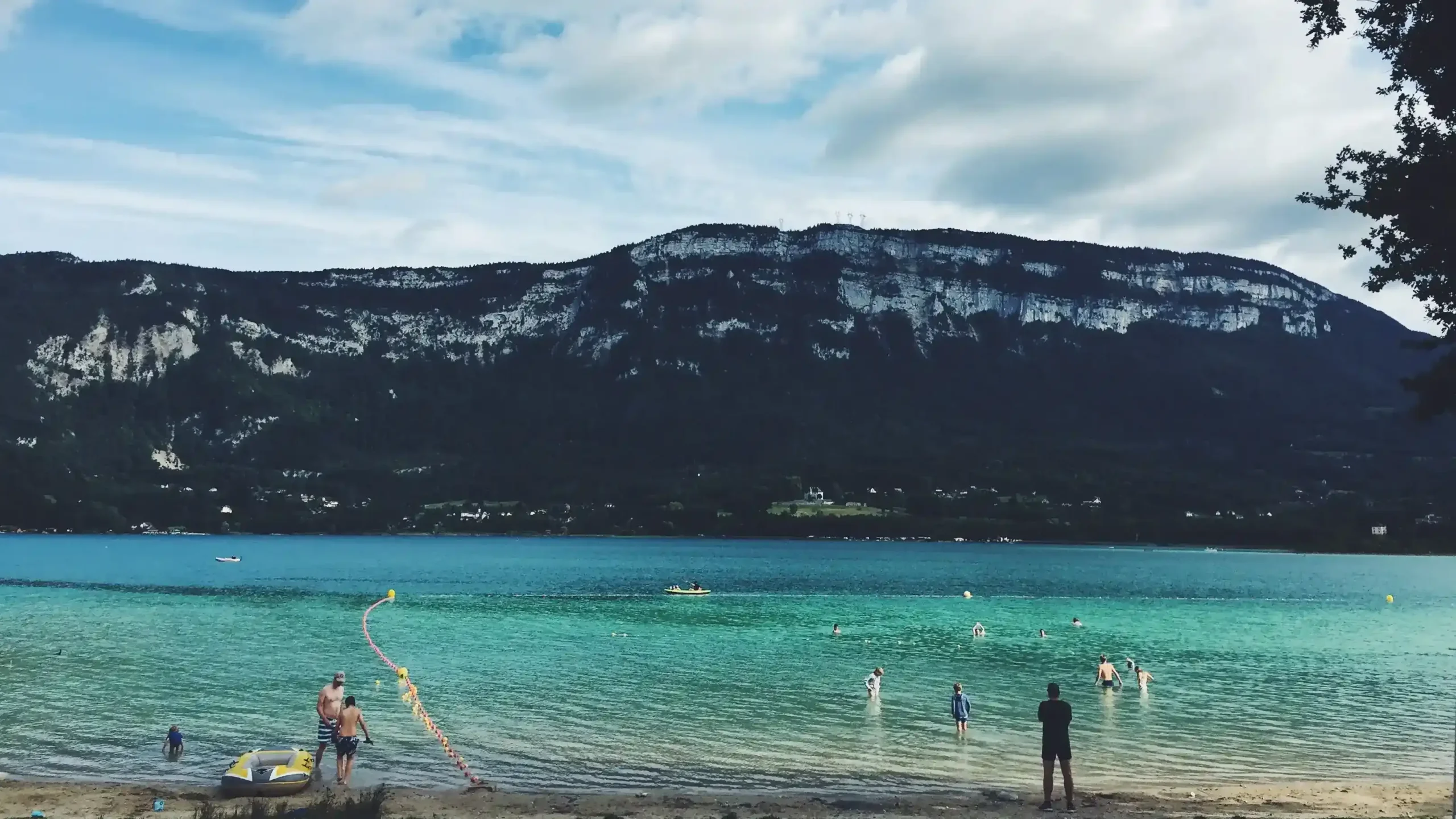
Your destination is the area around Chambéry, famous for the breathtaking Lac du Bourget. As the largest natural glacial lake in France, it is framed by dramatic limestone cliffs and offers a stunning mix of Alpine scenery and crystal-clear water.
The city itself has a wonderful way to help you explore: Simply follow the golden elephants. These small medallions are tucked into the pavements throughout the old quarter, marking a trail that takes just over an hour. This charming 1.2-mile (2 km) stroll is a brilliant way to discover the most picturesque alleys and secret corners of the historic centre.
While walking, you will encounter the Elephant Fountain, one of the most iconic symbols of Chambéry. Just across from the fountain, at the end of the elegant Rue de Boigne with its beautiful stone arcades, stands the Castle of the Dukes of Savoy—the true architectural marvel of the city.
For art lovers, the Chambéry Museum of Fine Arts is a must-see; remarkably, it houses the largest collection of Italian paintings in France outside of the Louvre in Paris.
Where to stay
Camping International de L’Ile aux Cygnes is the perfect base for this leg of the trip. It is located right on the shores of the lake and even has its own small beach.
© Lukas Kaj Hewson
If you are lucky and book early, you might secure a pitch in the front row, giving you an uninterrupted view of the water from your campervan.
Chambéry to Geneva
The next leg of your journey takes you across the border into Switzerland. On your way through France, you will pass Lake Annecy (Lac d’Annecy)—known as “Europe’s cleanest lake”.
From there, it’s a short drive to Geneva. It sits at the southern tip of the massive Lake Geneva, surrounded by the Alps and the Jura mountains.
Geneva—what’s worth seeing
You certainly can’t miss the Jet d’Eau. This giant fountain shoots water 460 feet (140 m) into the air and has become the most famous symbol of the city.
For a bit of local history, head to the Flower Clock (L’horloge fleurie) in the Jardin Anglais. It is a beautiful, living tribute to Geneva’s world-famous watchmaking heritage.
© Pascal Kretz
Located at the highest point of the Old Town, the St Pierre Cathedral offers a wonderful mix of architectural styles and great views.
For something completely different, take a short tram ride from the city centre to visit the world’s largest particle physics laboratory—CERN. It is a fascinating place where scientists explore the secrets of the universe.
Where to stay
TCS Camping Genève-Vésenaz is a fantastic choice. It sits right on the edge of Lake Geneva.
Geneva to Bern
The drive from Geneva to Bern takes just over two hours, leading you into the heart of Switzerland. As the Swiss capital, Bern is a stunning UNESCO World Heritage site that feels like stepping back in time. The city is uniquely framed by the vibrant, turquoise waters of the Aare River, which flows in a dramatic U-shaped loop around the historic Old Town.
Bern
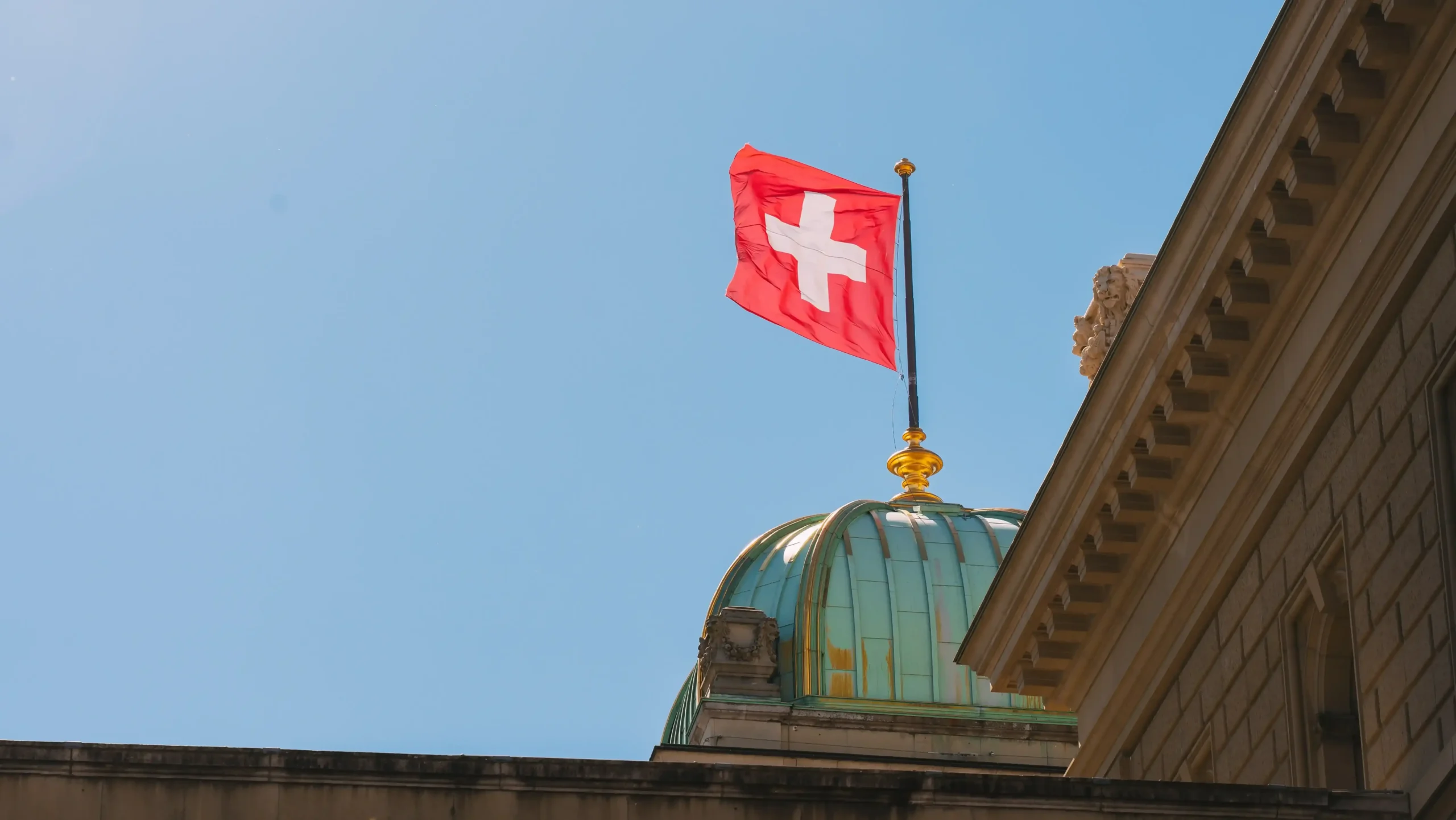
Bern is best explored on foot, allowing you to soak in its mediaeval atmosphere. A must-see is the Federal Palace (Bundeshaus), the seat of the Swiss government, which overlooks a lively square. For the best view in the city, make your way up to the Rose Garden (Rosengarten).
© phmarcosborsatto
If you have time, don’t miss the Bernese Oberland. Roughly a 1.5-hour drive from the capital, this region is home to the stunning Lauterbrunnen valley, the mountain village of Grindelwald, and the lakeside hub of Interlaken. From here, you can see the famous “Big Three” peaks: The Mönch, Eiger, and Jungfrau.
Where to stay
TCS Camping Bern Eymatt offers modern facilities and a peaceful forest setting. It is well-connected to the city, with a direct bus taking you into the heart of Bern in 25 minutes.
Bern to Konstanz
The final leg of your journey takes you back towards the water with a 2.5-hour drive from Bern to Konstanz. As the largest city on Lake Constance, Konstanz sits right on the border between Switzerland and Germany.
What to do in Konstanz
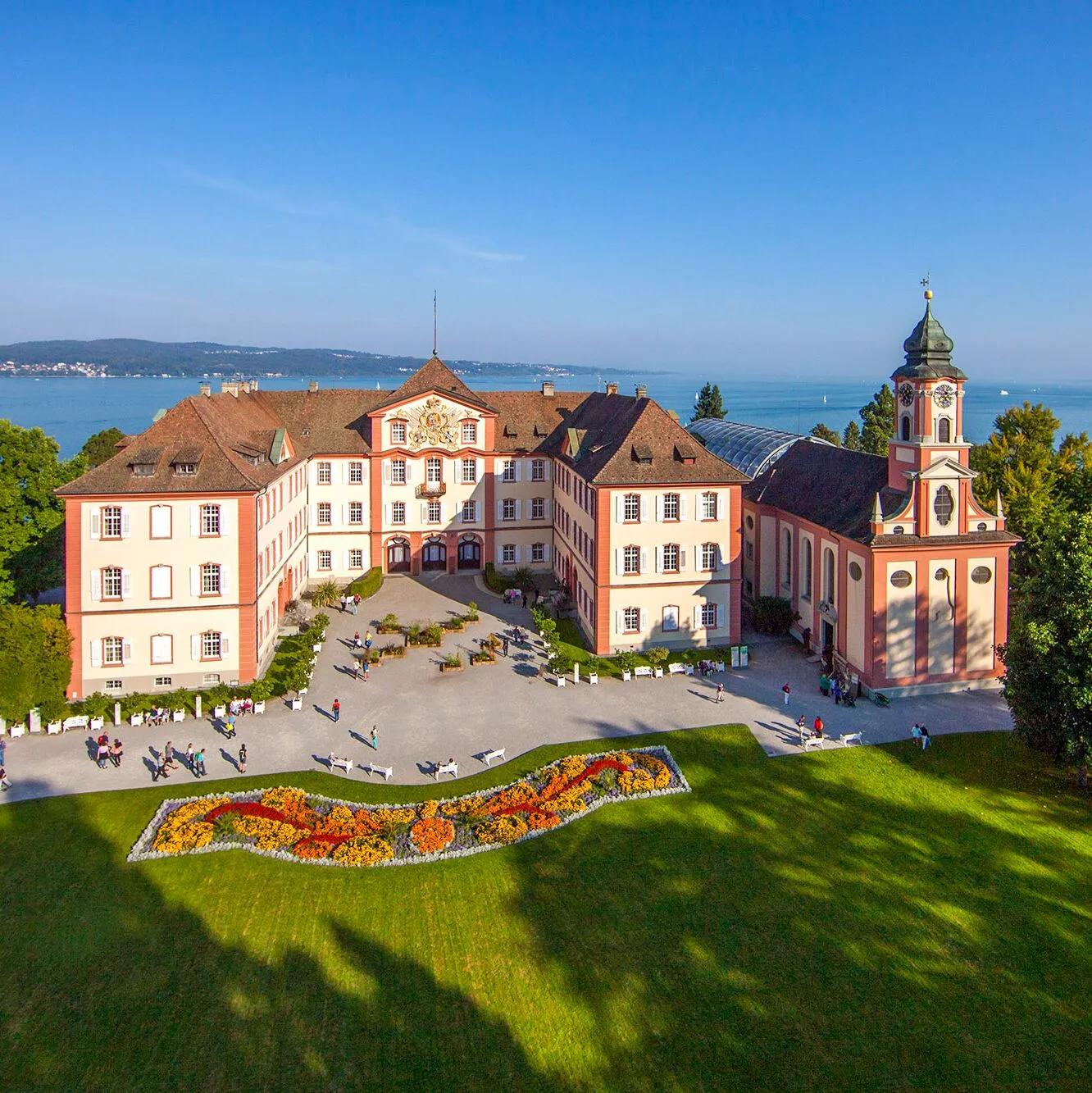
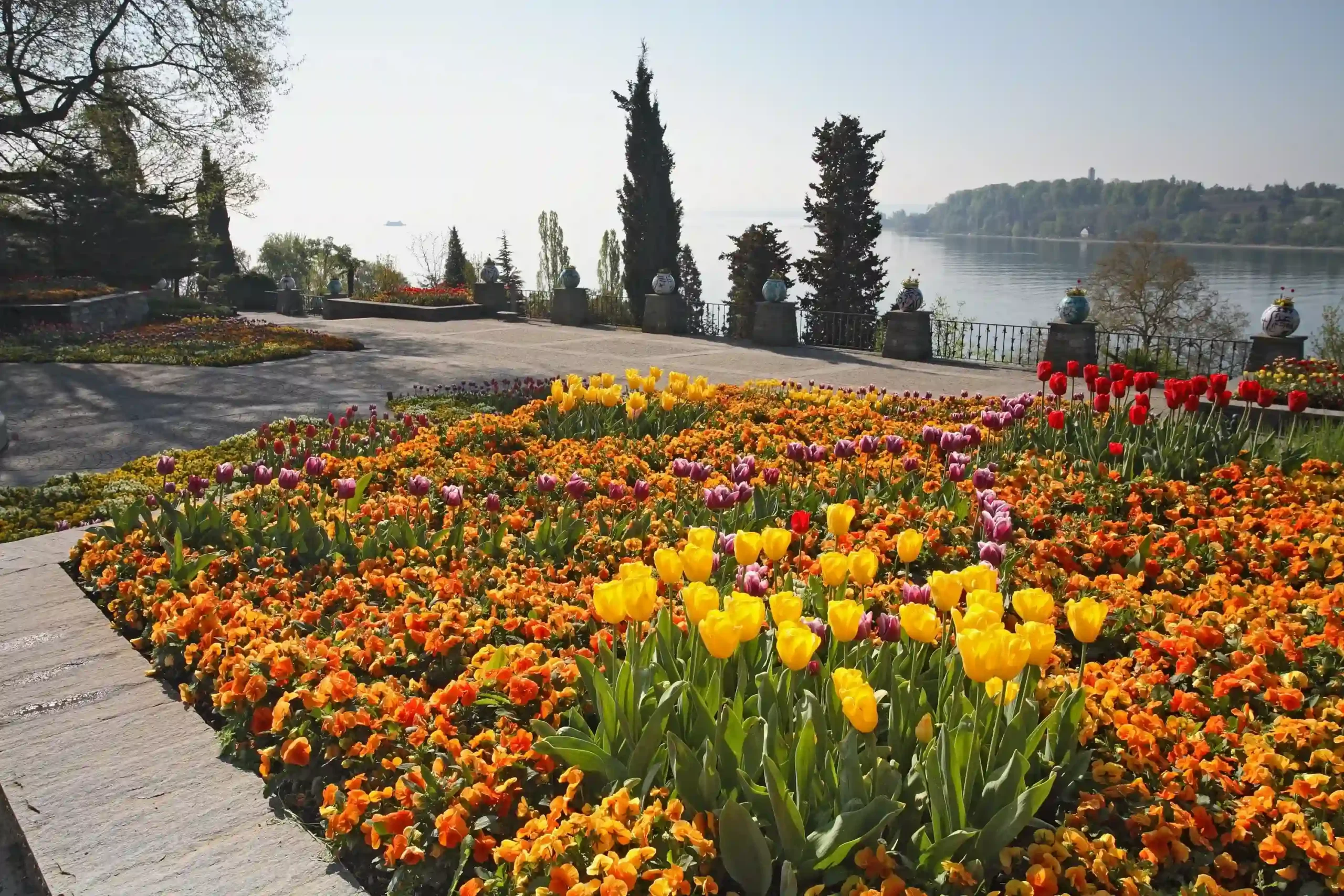
One of the area’s absolute jewels is Mainau Island—known as the “Flower Island”. Depending on the season, you can wander through incredible gardens, see thousands of blooming flowers, and visit one of the largest butterfly houses in Germany.
© Achim Mende
© Bildagentur Zoonar GmbH
The city of Konstanz itself is a wonderful place to spend a day. It is famous for its vibrant atmosphere and its beautifully preserved mediaeval centre. You can spend hours wandering through the narrow streets.
Take a stroll along the water to see the “Imperia” statue, a massive revolving figure that has become the city’s modern landmark.
Where to stay
Camping Klausenhorn is a highly recommended spot nearby. It is located directly on the lake with its own beach area, offering a peaceful and scenic environment to relax in before ending your Central European loop.
Konstanz to Lindau: Completing the loop
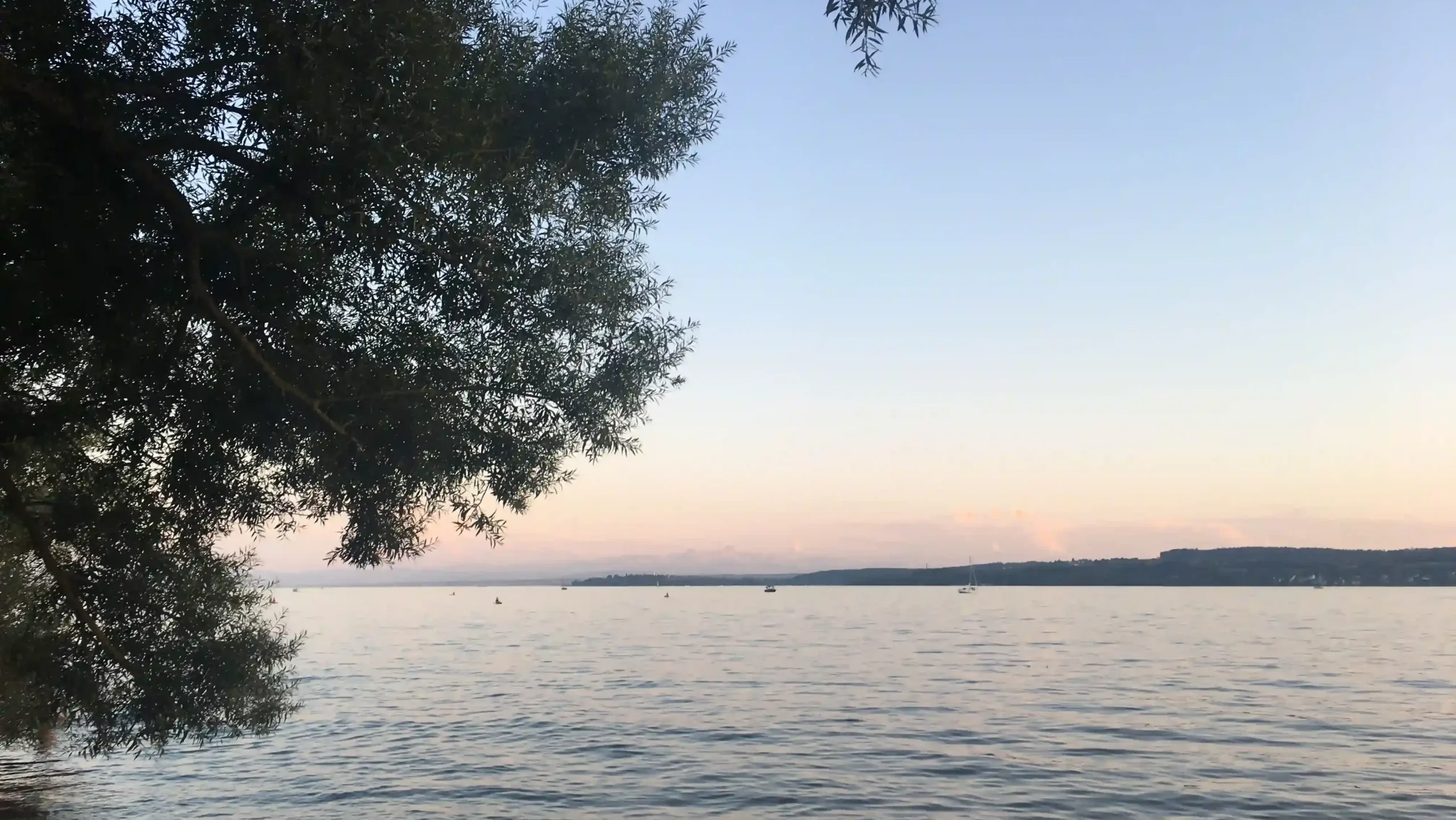
To complete your journey, the final stretch takes you from Konstanz back to where it all began in Lindau. Instead of driving all the way around the shore, the most scenic way to finish is by taking the car ferry across the lake.
© Lukas Kaj Hewson
The ferry runs from Konstanz to Meersburg, saving you time on the road and offering a brilliant view of the water and the surrounding vineyards from the deck. Once you roll off the ferry in Meersburg, it is a lovely, relaxed drive along the northern shore through famous apple orchards and vineyards until you reach the island of Lindau.
Before or after a motorhome trip, it’s often a good idea to spend a few days in a major city.
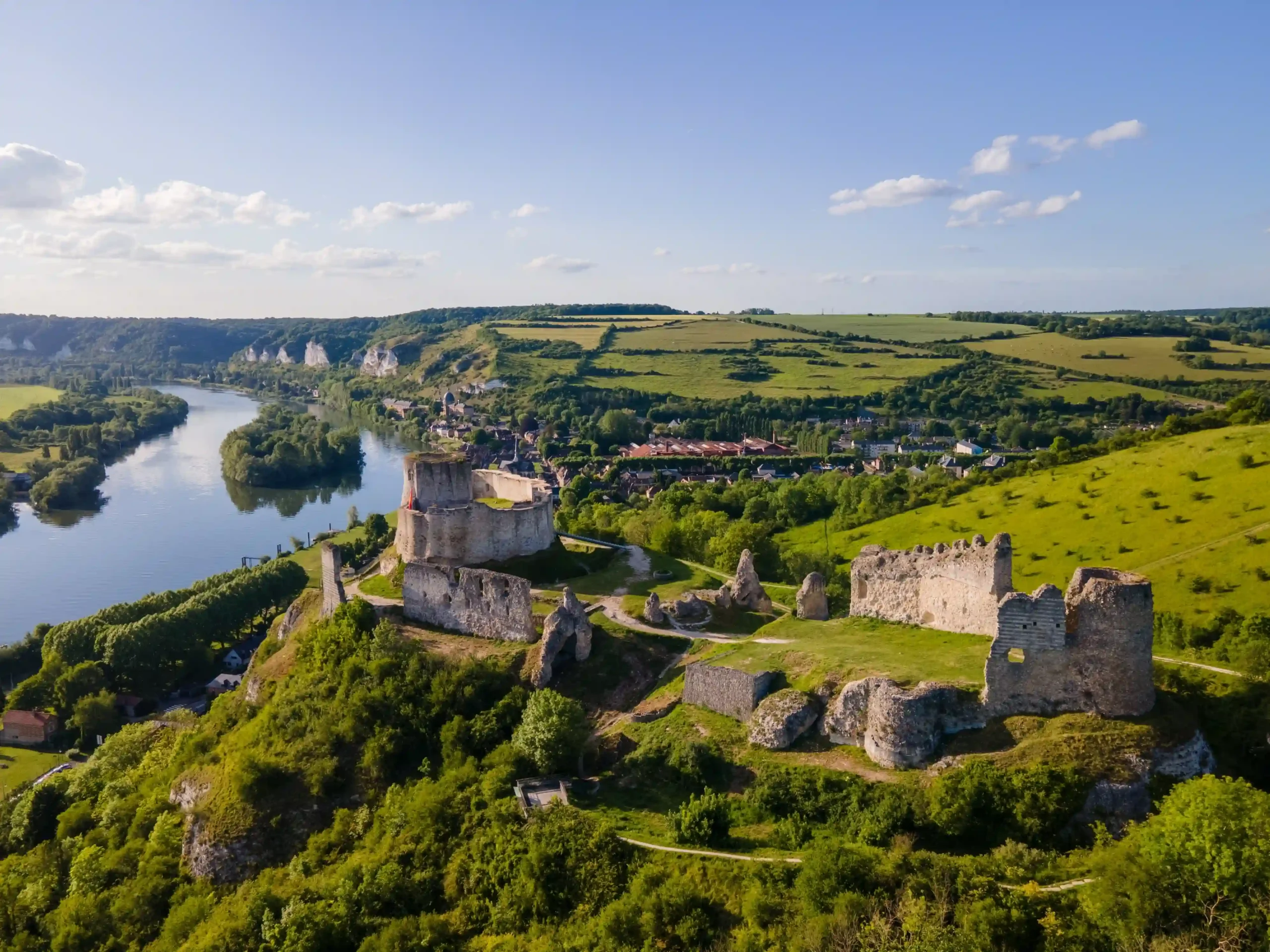
Normandy road trip
This 8-day Normandy road trip connects dramatic chalk cliffs and WWII landing beaches with lush valleys, and the iconic Mont Saint-Michel—creating a captivating journey through the region’s coast and countryside.
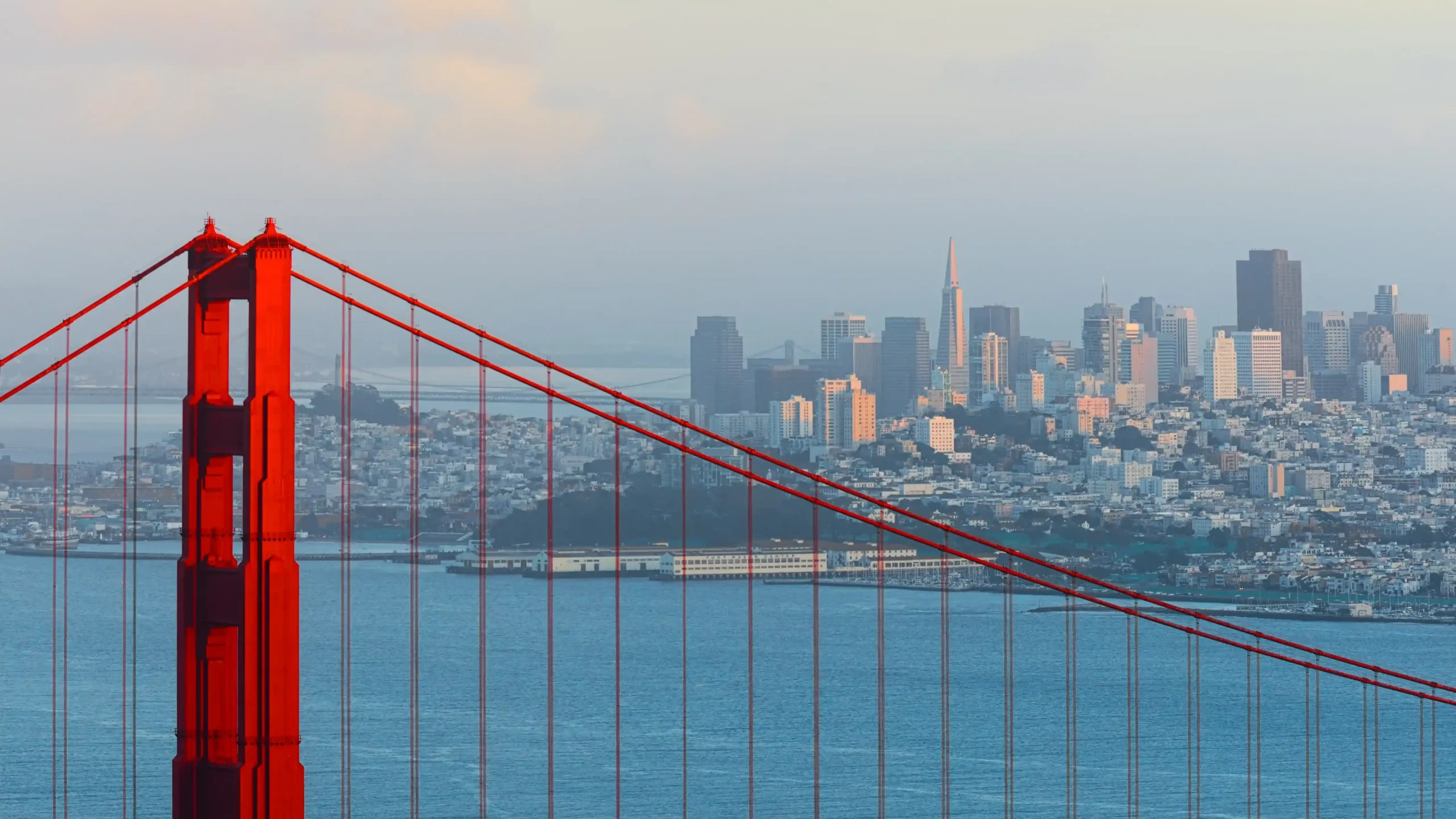
RV rental San Francisco
Resting dramatically on the edge of Northern California, San Francisco is widely considered one of the best cities in the US. Celebrated around the world for its iconic landmarks, vibrant…
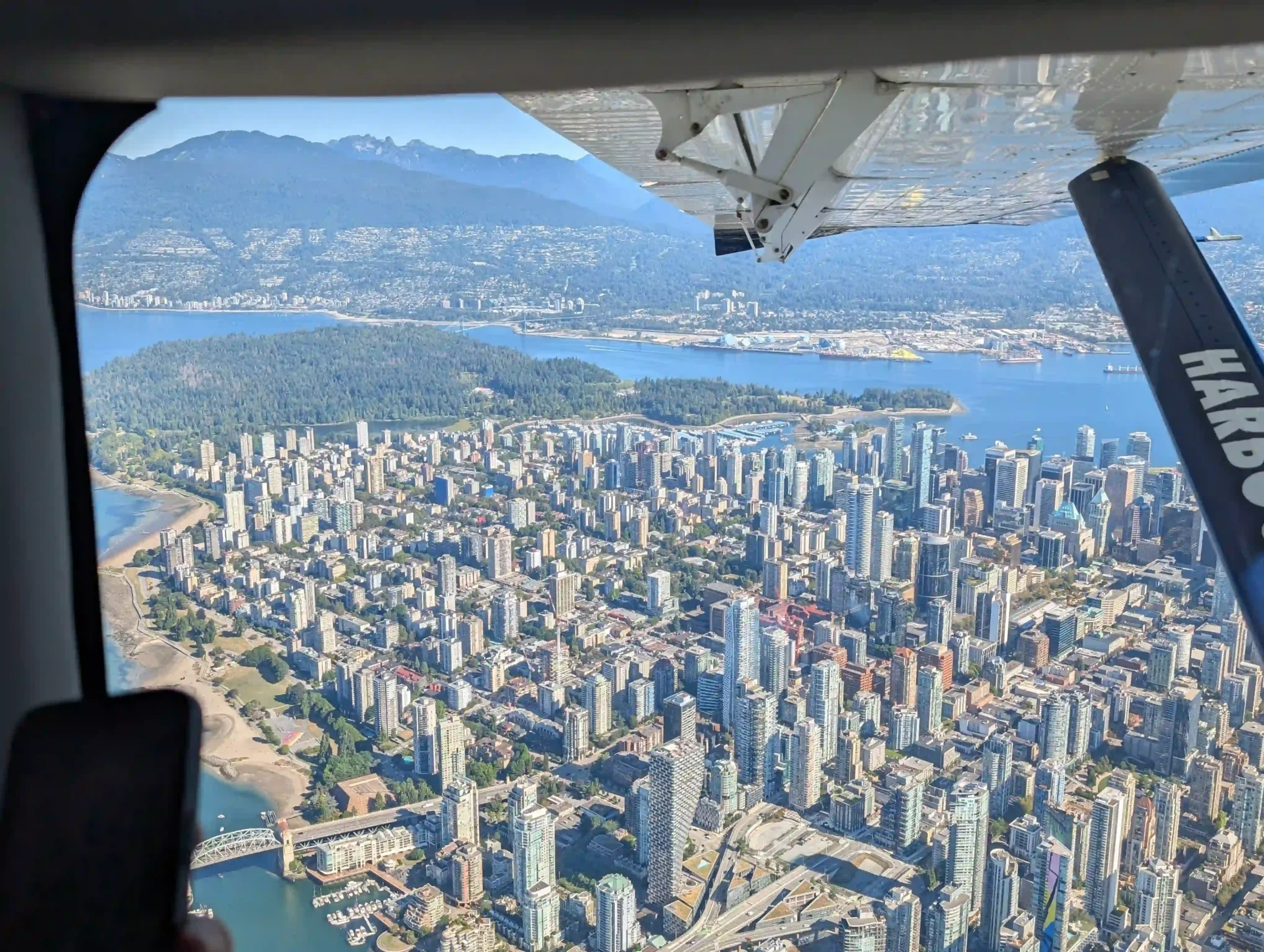
Vancouver itinerary
Explore a modern oceanfront city framed by towering peaks. Park up at picturesque campsites, catch coastal ferries, and launch your ultimate British Columbia road trip.
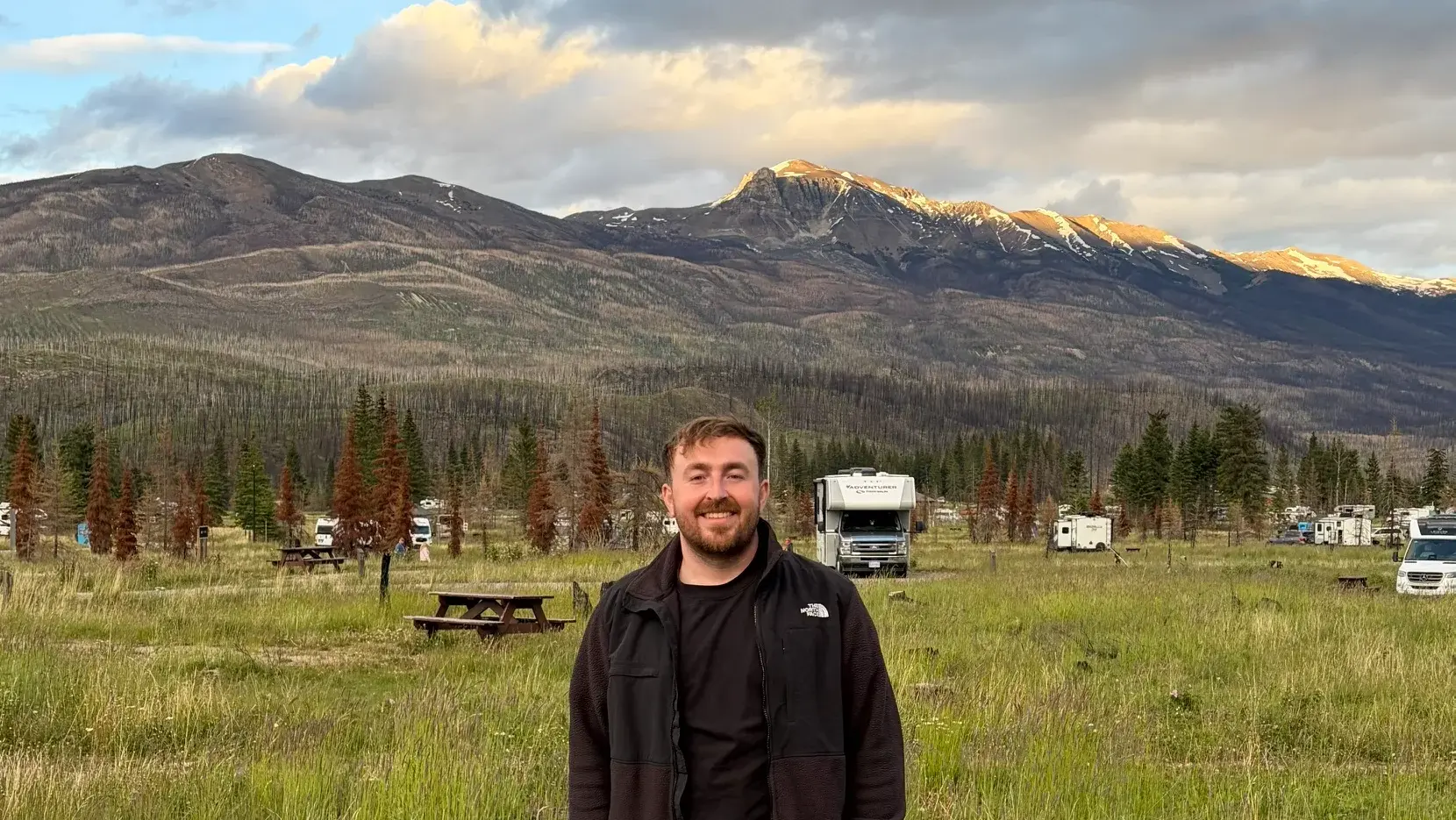
My first trip to Canada
Buckle up for my first-ever Canadian adventure! Experience the magic of the Rockies from the driver’s seat of a Fraserway RV, featuring close-up wildlife encounters, roaring canyon waterfalls, and views that will leave you speechless.
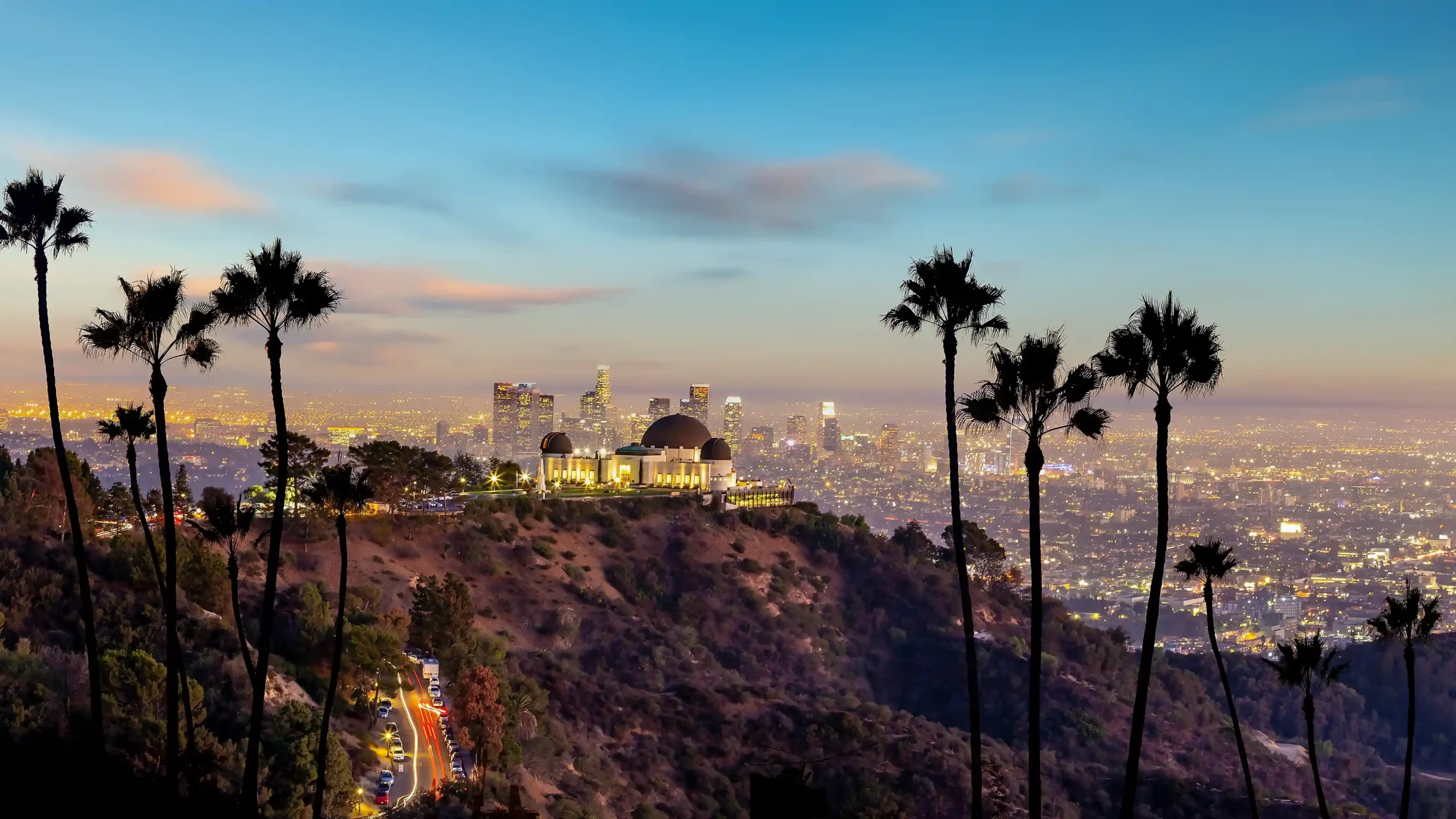
Camping Los Angeles
Stroll the Santa Monica Pier, take in sweeping skyline views from Griffith Observatory, and soak up iconic film history.
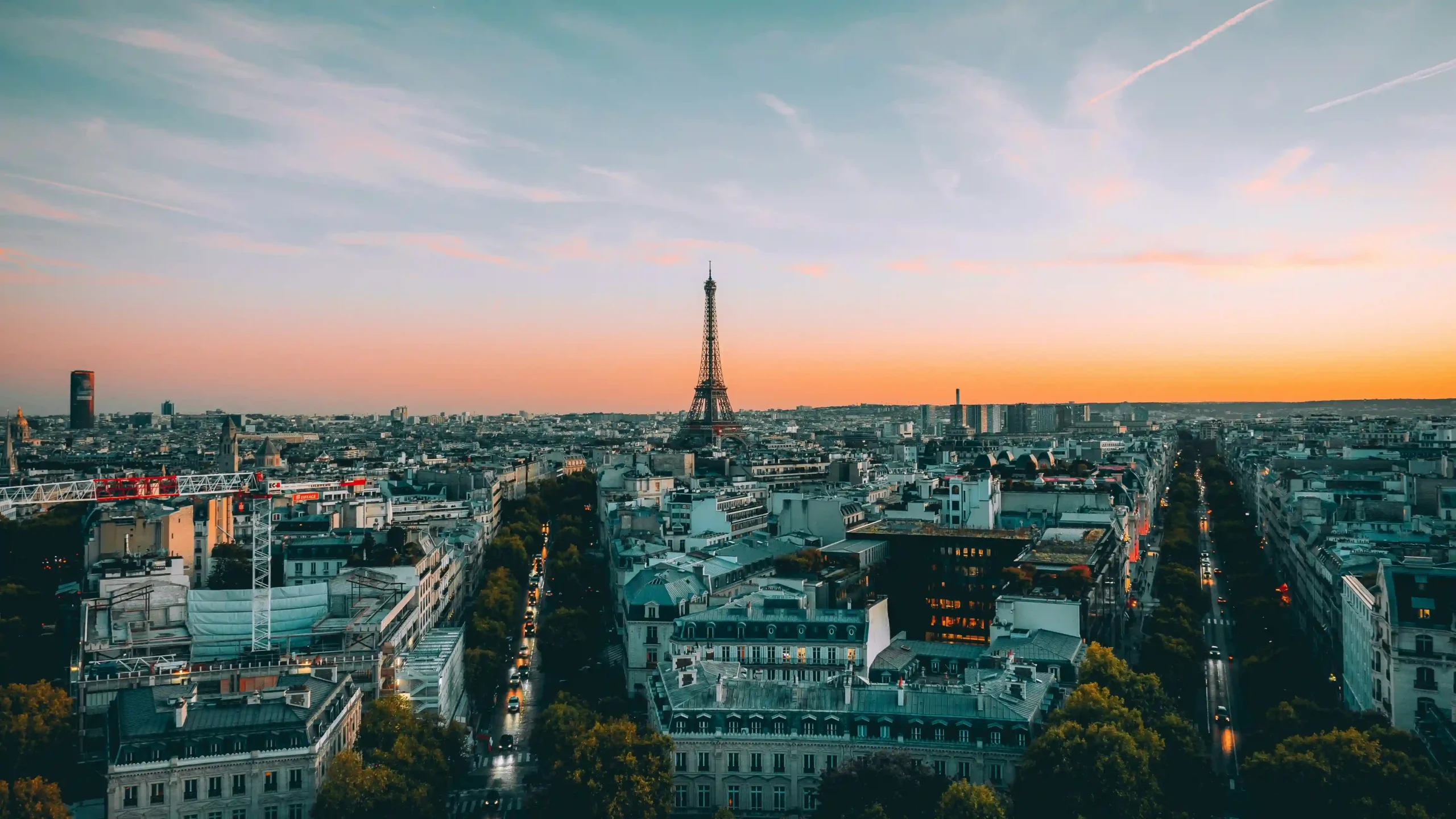
Camping Paris
Experience a city shaped by its visual harmony, culture of leisure, and devotion to style.