Motorhome hire Canada
Where the extraordinary is just an everyday occurrence.
Calgary
.
Calgary
12/13/2026 - 12/27/2026
2 travellers
Our trusted rental partners:







Driving in Canada
- Drive on the right side of the road.
- A valid European driving licence is accepted for short visits. However, if your licence is not in English or French, carrying an International Driving Permit (IDP) as a translation is highly recommended.
- Rental companies usually require drivers to be at least 21, often 25.
- Be aware of wildlife frequently crossing the road.
- Ensure you have enough food, water, and fuel, as there are long stretches of wilderness without services.
- If travelling in shoulder seasons, check road conditions regularly.
- Signs are in kilometers, not miles.
Discover Canada by motorhome
Every region offers a different flavour of adventure. From Pacific rainforests to alpine peaks, historic cities to Arctic wilderness, the diversity is as striking as the scale.
The west
Pickup locations: Vancouver, Calgary
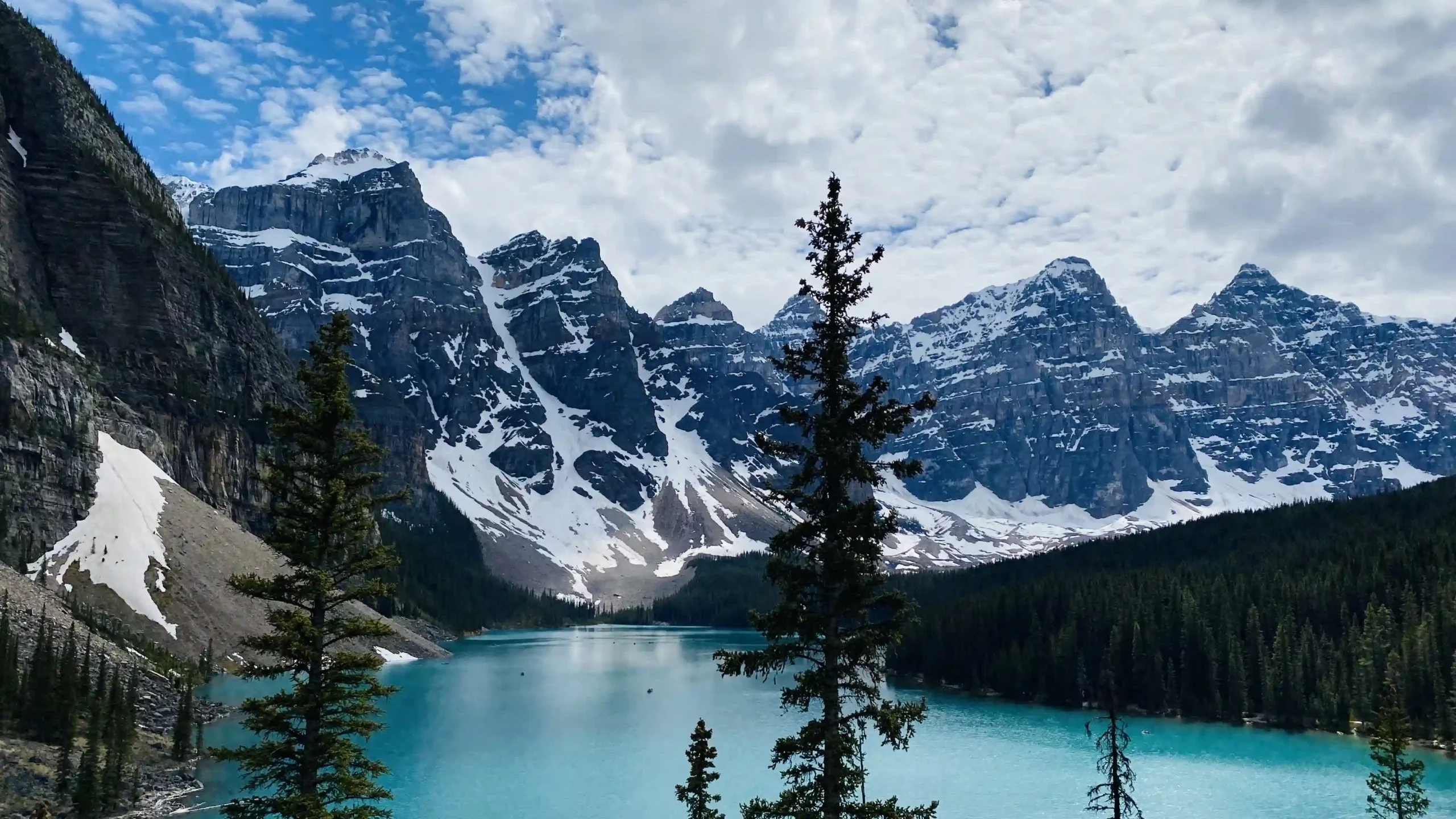
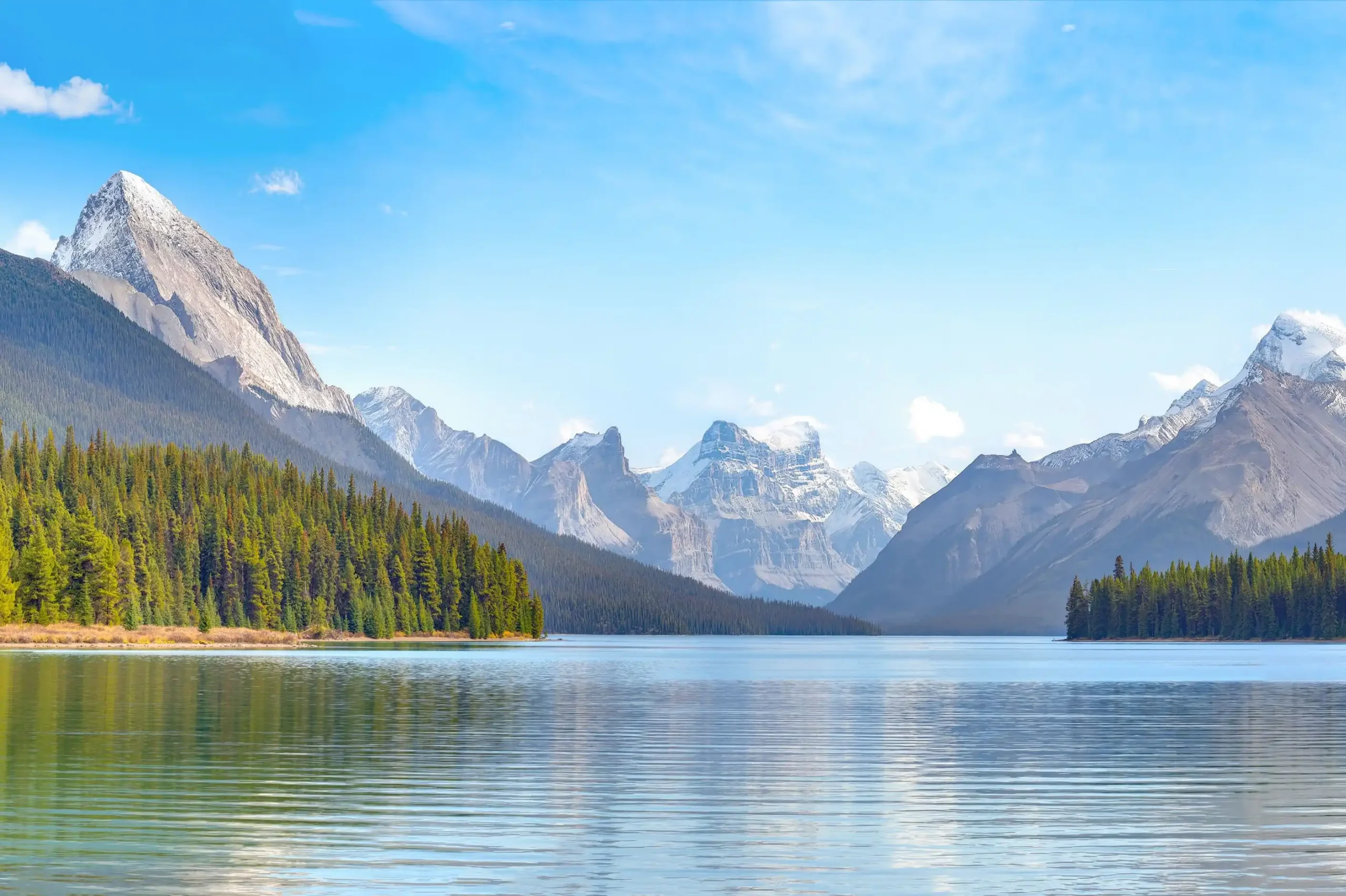
Western Canada is defined by dramatic contrasts. On the coast, the Pacific Ocean meets ancient temperate rainforests, while further inland the Rocky Mountains rise sharply, their peaks reflected in clear glacial lakes. British Columbia and Alberta are home to some of the country’s most iconic scenery.
© Zhukova Valentyna
The region is home to several notable national parks, including:
- Banff National Park, known for turquoise lakes, alpine scenery, and abundant wildlife.
- Jasper National Park, offering vast wilderness, glaciers, and some of the darkest night skies in Canada.
- Pacific Rim National Park Reserve, showcasing wild beaches and coastal rainforest.
The Icefields Parkway
Vancouver Island is renowned for its coastal adventures, from surfing in Tofino to whale-watching in Victoria, where orcas, humpbacks, and grey whales are regularly sighted.
Central Canada
Pickup locations: Toronto, Montreal
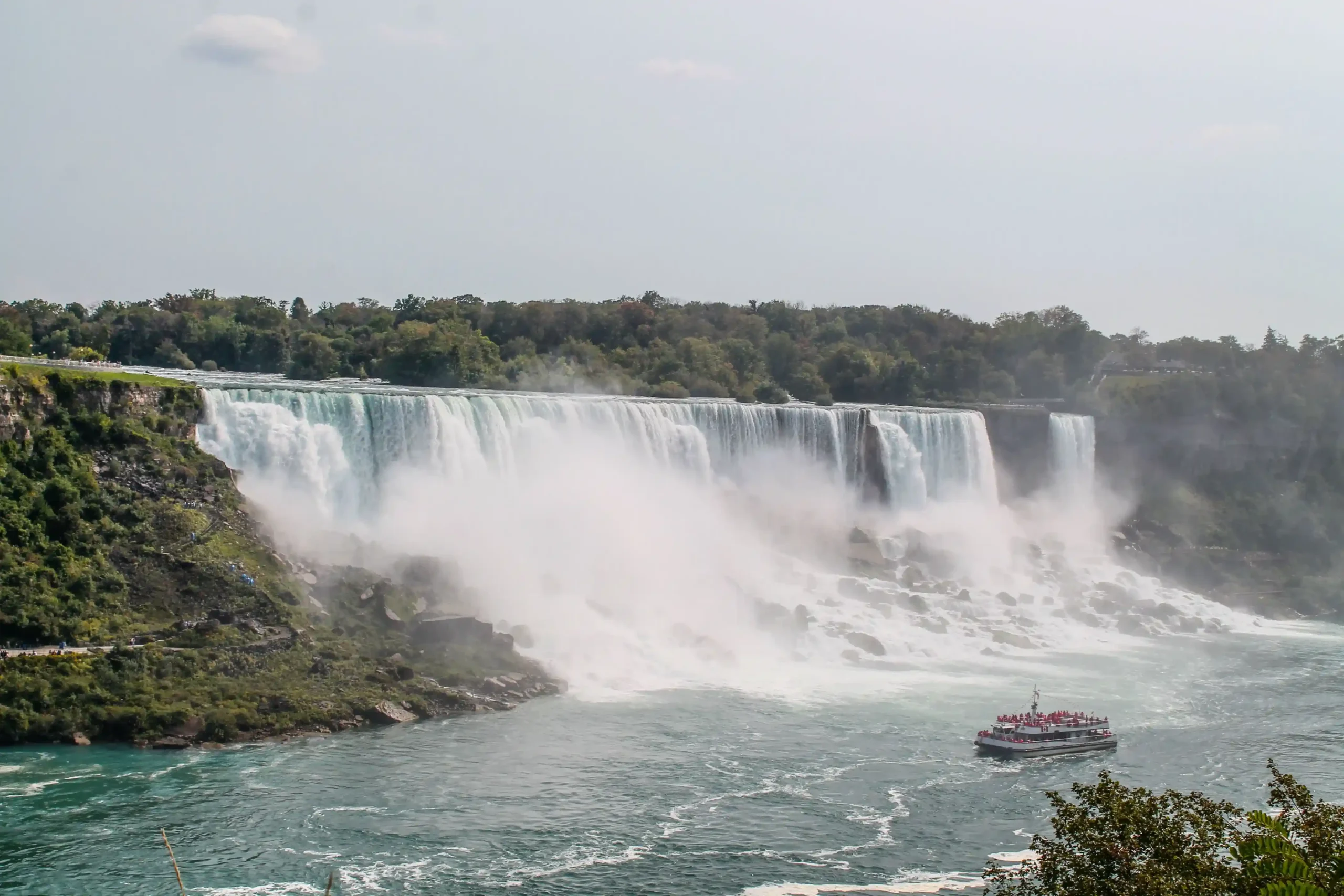
In Ontario, the Great Lakes stretch out like inland seas, while the power of Niagara Falls adds drama to the landscape. In Quebec, French influence shapes architecture, cuisine, and everyday life, creating a distinctly European feel.
© bjoern
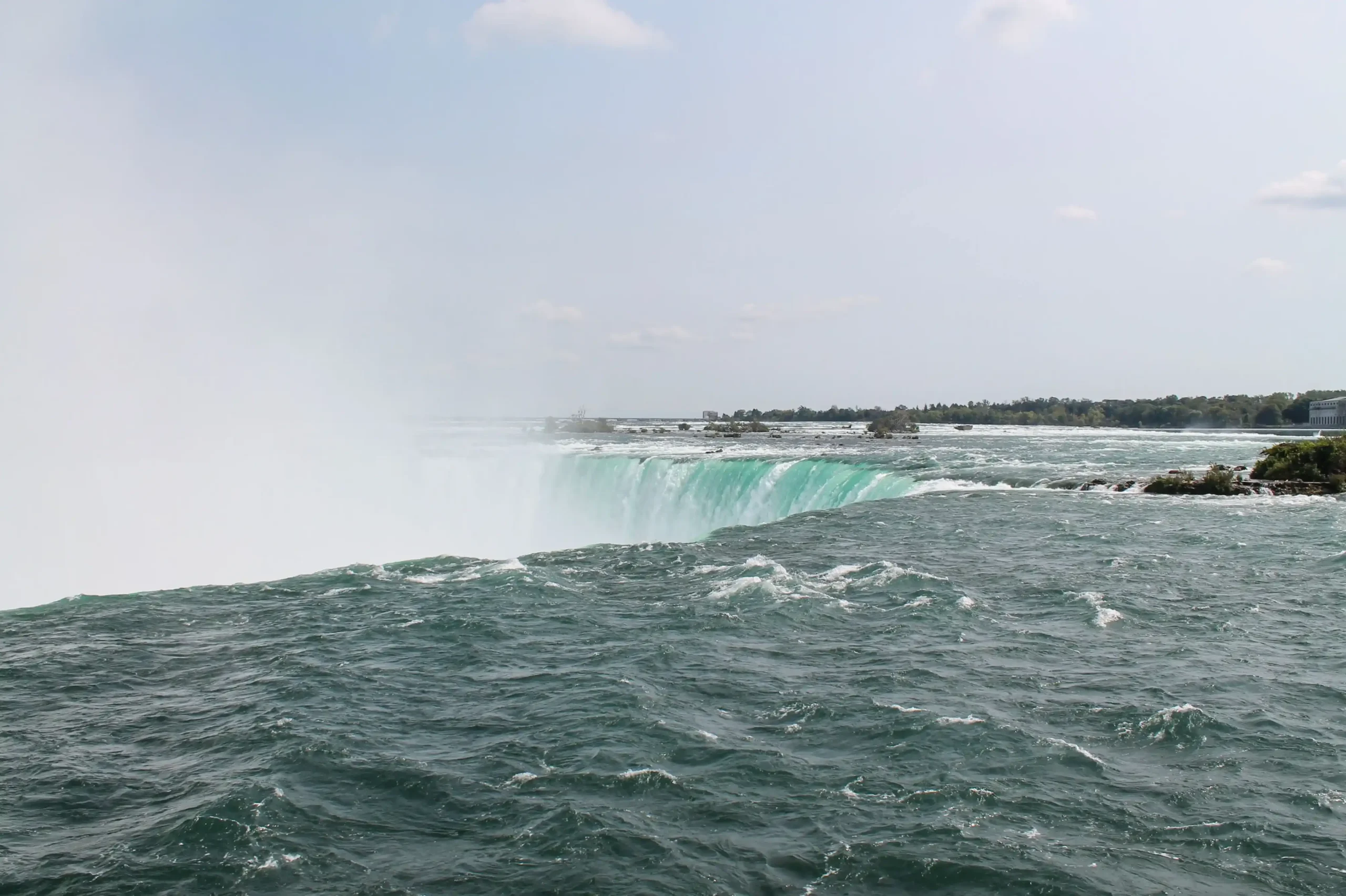
© bjoern
The region’s national parks include:
- Algonquin Provincial Park, renowned for forests and thousands of interconnected lakes and rivers.
- Bruce Peninsula National Park, known for its dramatic cliffs and strikingly clear waters.
The Atlantic edge
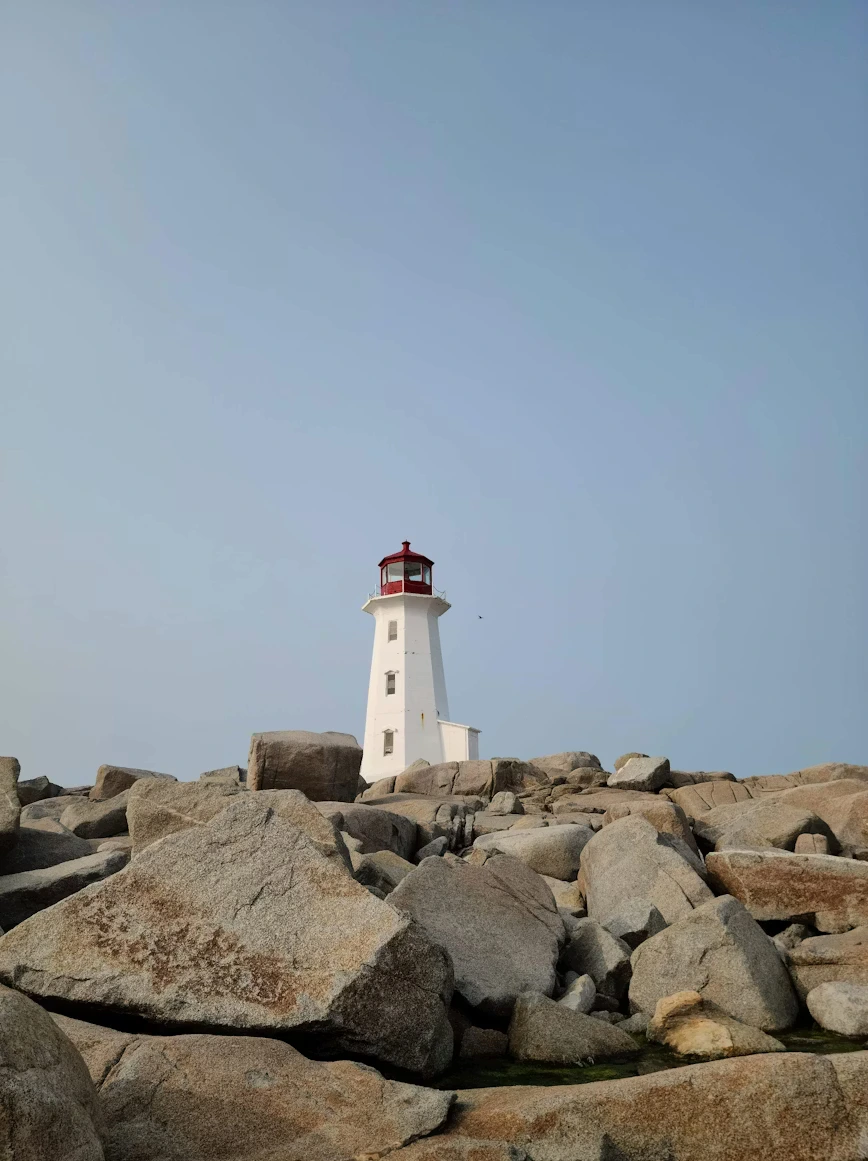
Pickup location: Halifax
Here, rugged cliffs drop dramatically into the Atlantic. Nova Scotia is famed for its stunning coastline, iconic lighthouses, and some of the freshest seafood—especially lobster—you will ever taste. Neighbouring New Brunswick is home to the Bay of Fundy, which boasts the highest tides in the world.
Notable national parks in the area include:
- Cape Breton Highlands National Park, combining forested highlands with dramatic ocean views.
- Fundy National Park, home to the world’s highest tides.
The Cabot Trail
Highlight Drive
The north
Pickup location: Whitehorse
For the ultimate wilderness experience, fly north to Whitehorse. The Yukon and Northwest Territories are for those who truly want to get off the grid. Here the skies come alive with the dancing colours of the Northern Lights.
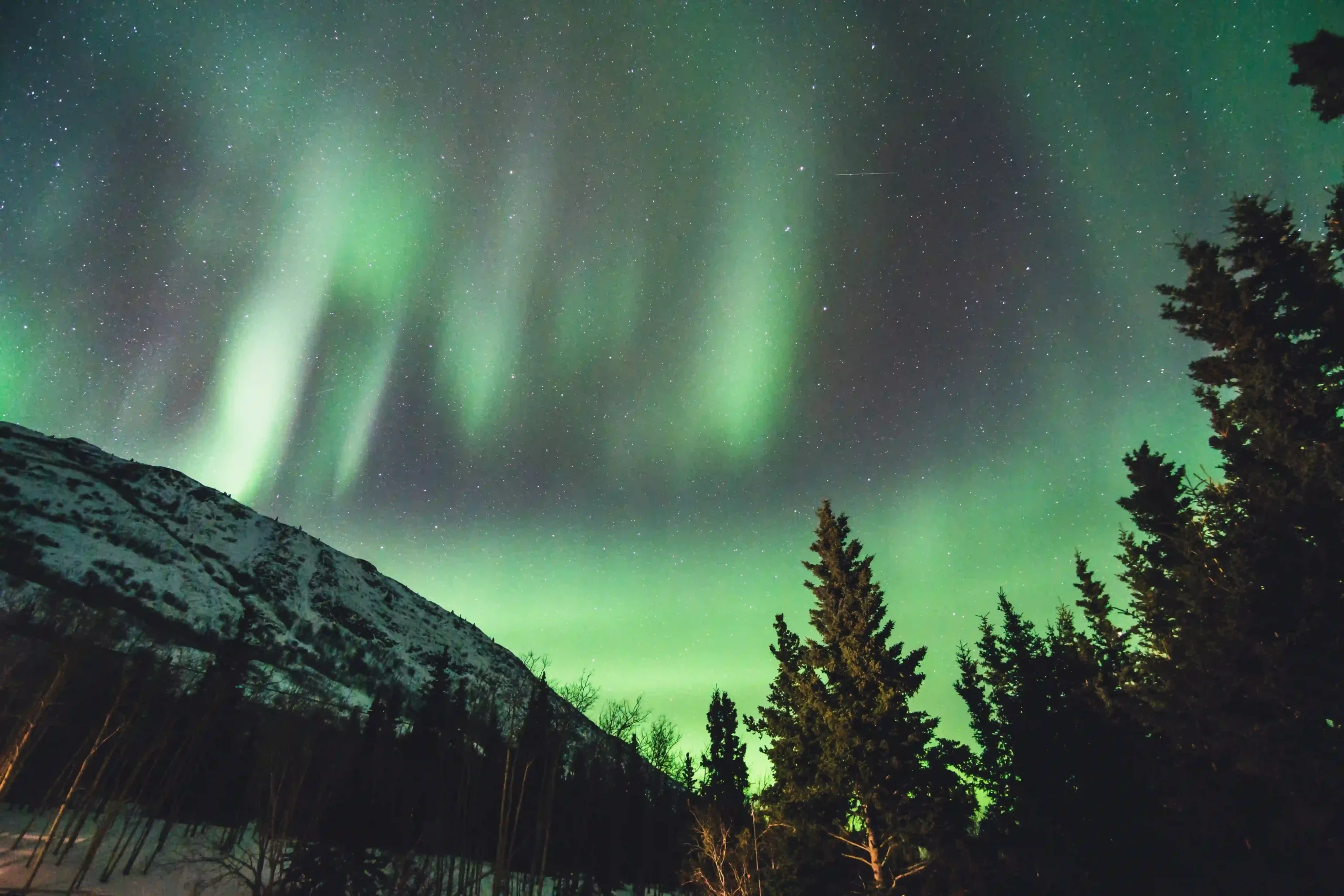
The region’s national parks include:
- Kluane National Park and Reserve, dominated by massive glaciers and Canada’s highest peak.
- Nahanni National Park Reserve, known for deep canyons, powerful waterfalls, and remote wilderness.
In winter, adventure takes on a different form. Frozen lakes become routes for fat biking, while dog sledding offers a traditional and deeply immersive way to explore the wilderness. These experiences provide a rare connection to both the land and the region’s northern heritage.
Top of the World Highway
Highlight Drive
Camping in Canada
Canada is exceptionally well equipped for campervan and RV travel. Campgrounds are widespread, well maintained, and often set within outstanding natural environments.
National & Provincial Park Campgrounds
These are often located in outstanding natural settings—inside national parks, beside lakes, or surrounded by forest. Facilities tend to be basic, but the locations are unbeatable.
Private Campgrounds & RV Parks
Privately operated campsites usually offer more amenities, such as electricity, water hook-ups, showers, laundry facilities, and occasionally small shops.
Many rely on established campground networks like KOA, the world’s largest network of privately owned campgrounds, known for consistent standards, family-friendly facilities, and locations close to major routes and attractions.
What to keep in mind
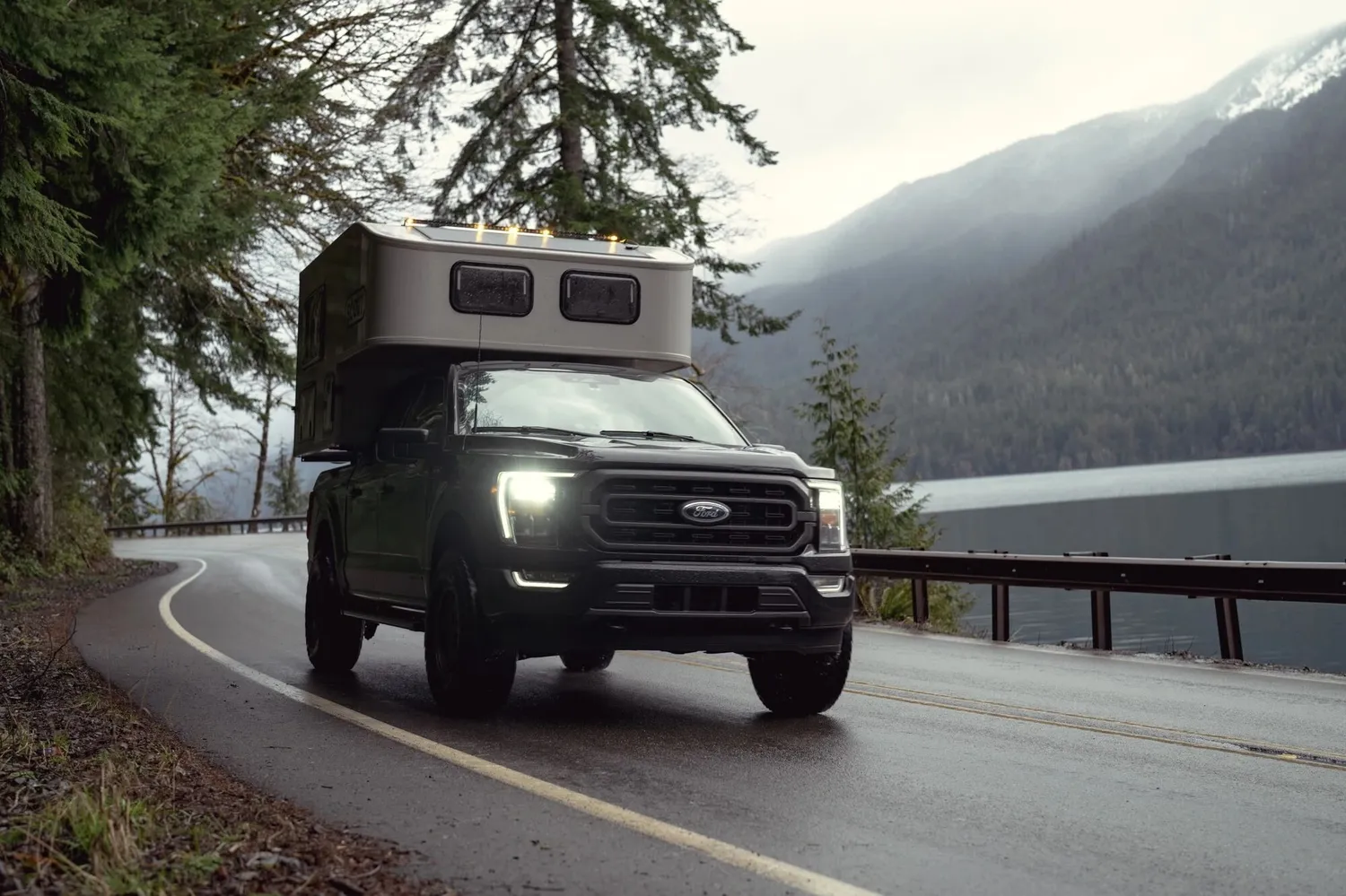
© Fraserway
- Campsites typically offer generous space, allowing vehicles to park comfortably without feeling crowded.
- Popular parks often require advance reservations during peak summer months.
- Shoulder seasons allow for greater flexibility and quieter travel.
- Urban campsites are usually located outside city centres with good public transport connections.
- Digital tools such as WikiCamps Canada and iOverlander make planning even easier, helping you locate campsites, check facilities, and confirm suitability for your vehicle.
When is the best time to travel?
- Summer (June – August): The warmest weather and fully open roads. All parks and attractions are accessible, but campgrounds are busy and should be booked well in advance.
- Shoulder Season (May, September, October): Often considered the sweet spot. You will find fewer crowds, and lower rental prices. Autumn specifically brings stunning fall foliage in the East and golden larches in the Rockies.
- Winter (November – April): Only for the brave and prepared! Most campsites are closed, only few winter RVs are available for those chasing winter sports or the Northern Lights.
Spring & Autumn
Best time to travel