Motorhome hire in Spain
From the Pyrenees to the Costa del Sol.
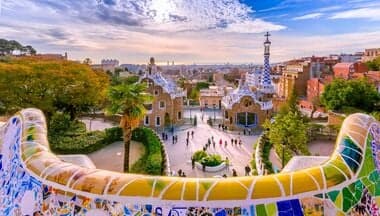
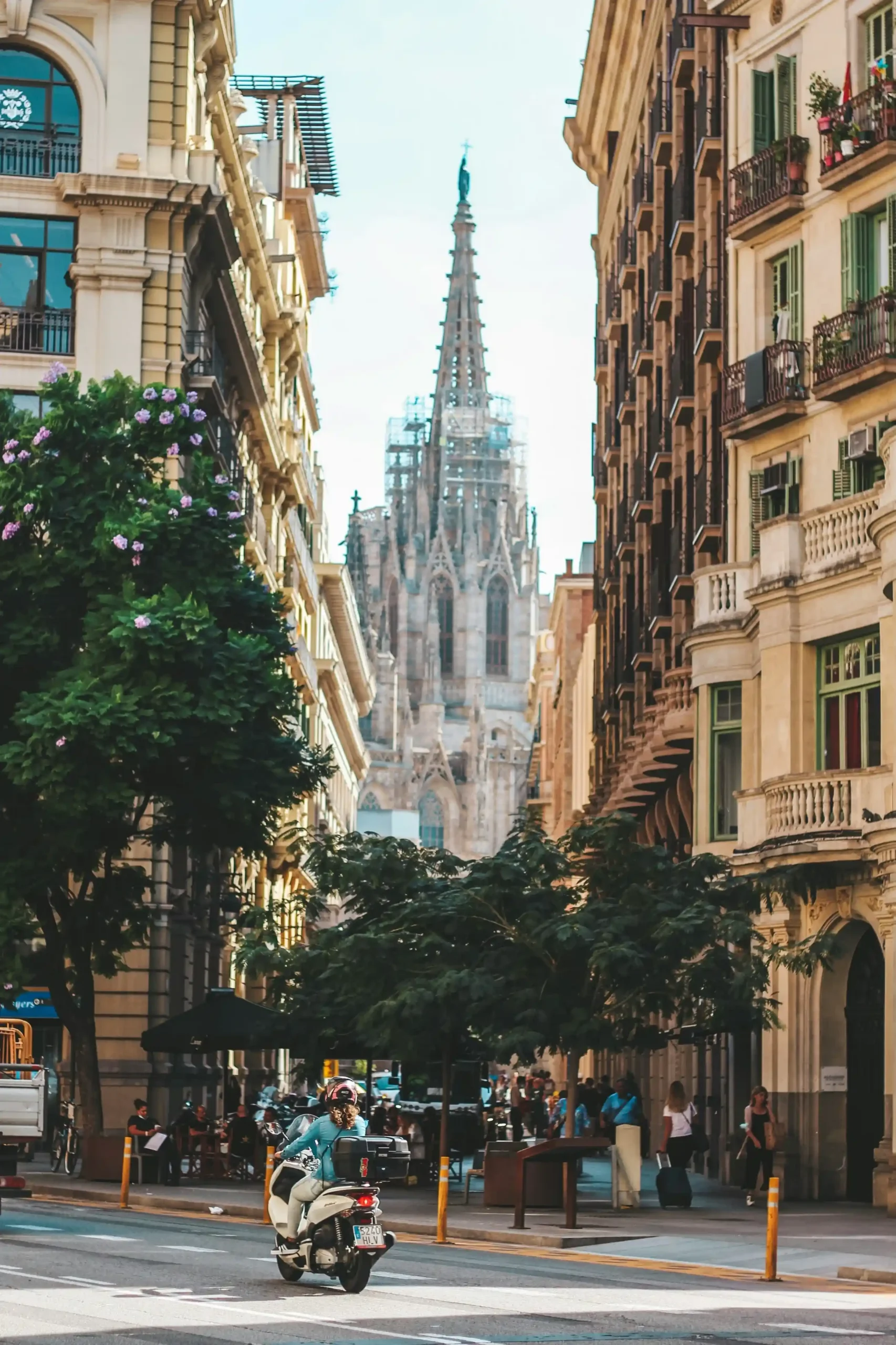
Barcelona
.
Barcelona
01/17/2027 - 01/31/2027
2 travellers
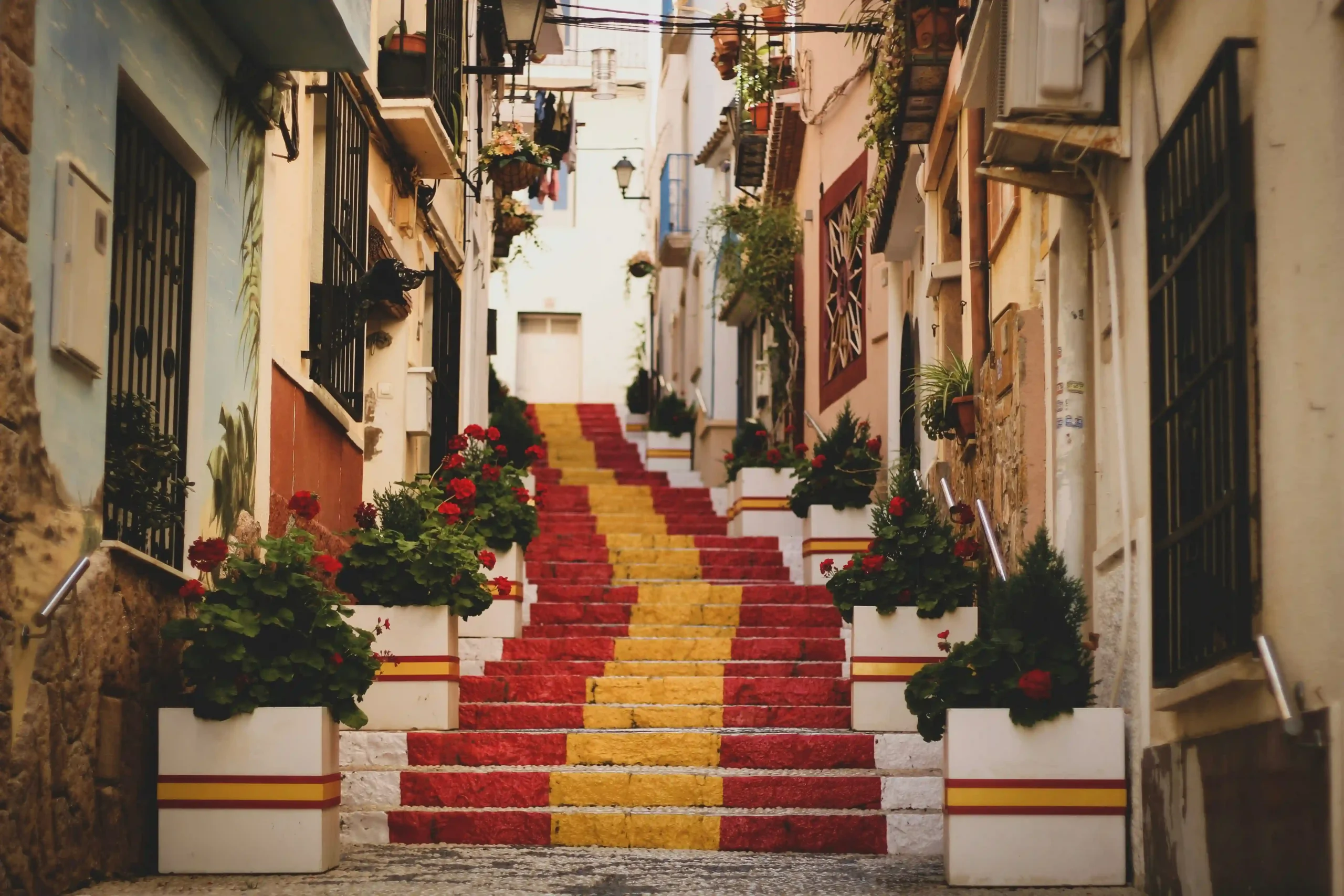
Spain, a country defined by passion, colour and deeply rooted traditions. Some of its most iconic symbols include the black bull, vibrant flamenco dresses, refreshing sangria, and much-loved tapas and paella.
Yet beyond these symbols lies a country with thousands of miles of coastline and some of Europe’s most varied mountain landscapes. Opting for motorhome hire in Spain allows you to uncover this remarkable variety at your own pace: From the Pyrenees and Atlantic shores in the north to the sunny Mediterranean beaches of the Costa Blanca and the dry, almost desert-like landscapes of Andalusia in the south.
Spain’s most defining quality, however, may be its strong sense of community. Throughout the country, you’ll often encounter large families and groups of friends gathering on warm summer evenings in parks, village squares and along beaches, sitting around long tables illuminated by small lights. Meals are unhurried, and it’s not unusual to see the Spanish fishing for part of their meal, while conversations and laughter go on well into the night.
It is this effortless sense of togetherness, generosity, and joy in the simple pleasures of life that makes travelling through Spain such a deeply memorable experience.
Why a motorhome hire in Spain is your best choice
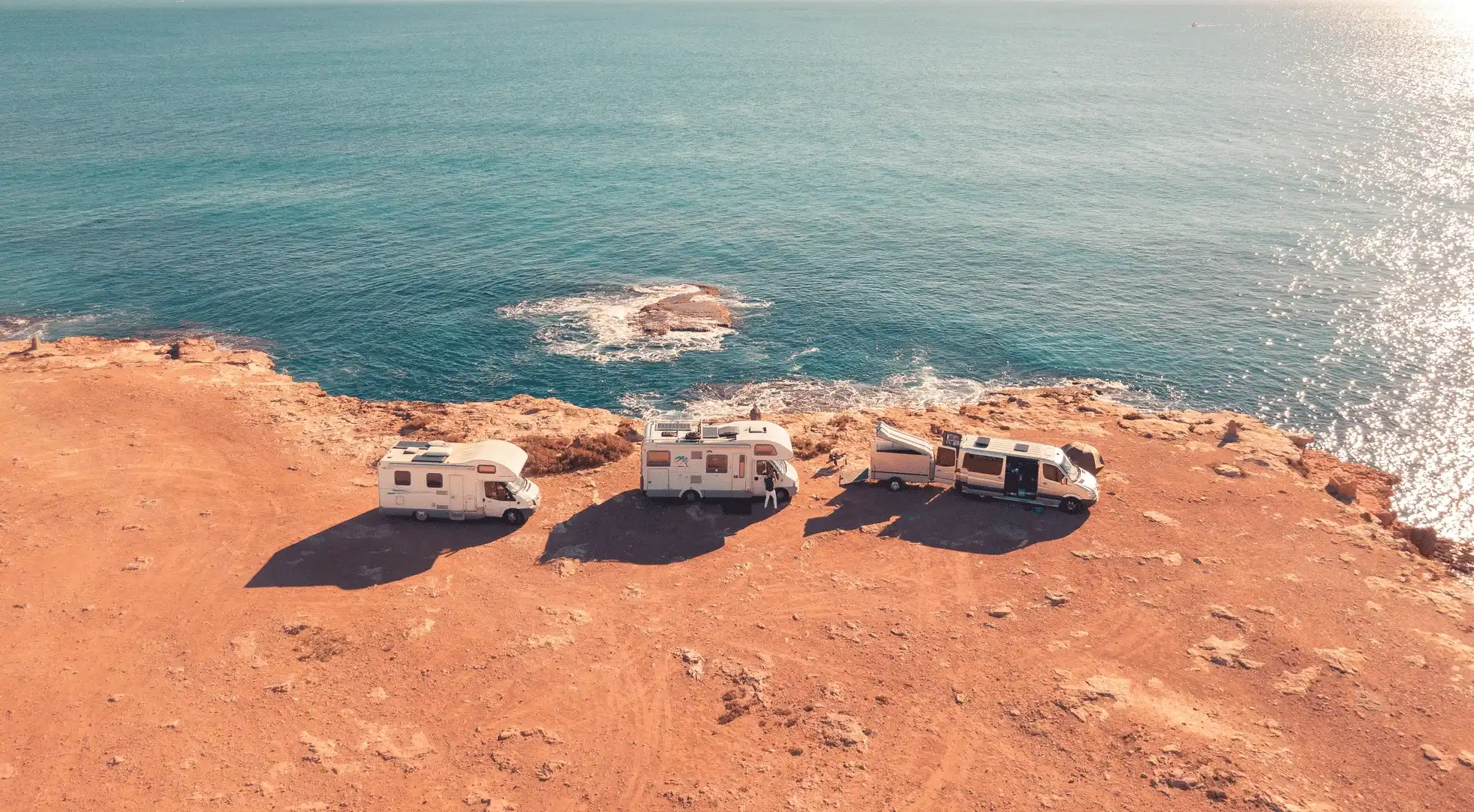
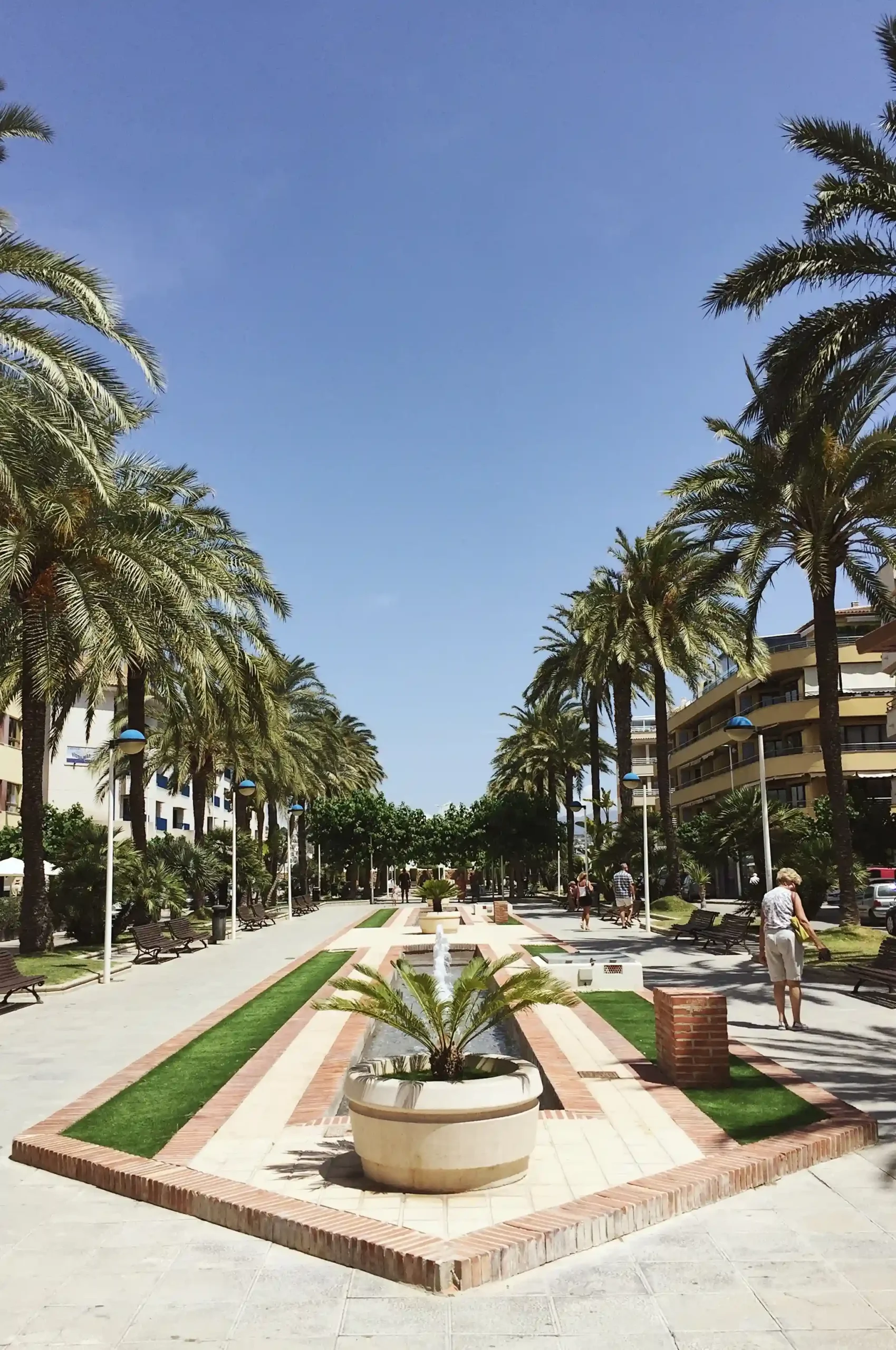
If you want to experience Spain without being tied to a fixed schedule, then a motorhome hire in Spain offers the freedom you need. Instead of simply moving from one place to another, you can let the road shape your journey—following the ocean breeze along the Atlantic coast, stopping for fresh tapas, or finding a quiet spot among olive groves.
© Rachel Moore
© Sam Williams
© Lukas Kaj Hewson
With your home always close by, there is no need to rush. You can stay a little longer when you find a place you love, take an unexpected detour, or simply pull over and enjoy the landscape unfolding around you. The journey itself becomes part of the experience, bringing a sense of spontaneity and adventure that is difficult to capture otherwise.
With a motorhome, you can enjoy:
- Freedom & flexibility
- Wake up in nature
- Comfort on long distances
Our trusted rental partner:

Driving in Spain
- Drive on the right-hand side of the road.
- A standard, valid car driving licence (Category B) is accepted for vehicles up to 7,716 pounds (3,500 kg). If your licence was issued outside of Europe and is not in English, carrying an International Driving Permit (IDP) as a legal translation is highly recommended for your motorhome hire in Spain.
- Spain’s motorways are divided into two main types. Autopistas, marked with AP on road signs, generally operate on a distance-based toll system, with toll booths clearly marked Peaje. Autovías, marked with an A, are state-owned dual carriageways and offer a great alternative for keeping your travel costs down.
- Be aware of Low-Emission Zones (ZBE). Many major Spanish cities operate Zonas de Bajas Emisiones, which restrict access for certain vehicles. Before driving your motorhome into a city centre, check the local regulations and access requirements.
- Spanish traffic rules include several lesser-known restrictions that are worth keeping in mind. Driving barefoot or wearing footwear that could interfere with pedal control can result in a fine, as well as resting your arm on the window frame or allowing a front-seat passenger to put their feet on the dashboard.
- Pay attention to parking lines. Parking markings can vary by location, so always check the signs before leaving your motorhome. As a general guide, white lines usually indicate free or unrestricted parking, blue lines generally indicate paid and/or time-limited parking, and green lines typically indicate resident-priority parking.
Discover Spain by motorhome
The quieter inland regions tend to offer a more traditional side of Spanish life, while the coastal areas are often livelier, as most tourists are drawn to their sunny beaches. Choosing a motorhome hire in Spain gives you the flexibility to experience both, without having to limit your trip to one part of the country.
The Green North
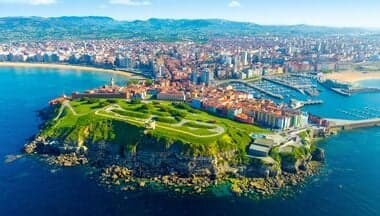
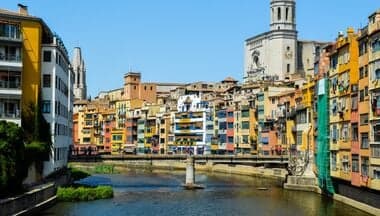
Pickup locations for motorhome hire in Spain: A Coruña, Gijon, San Sebastián, Girona, Barcelona
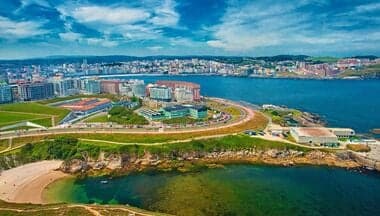
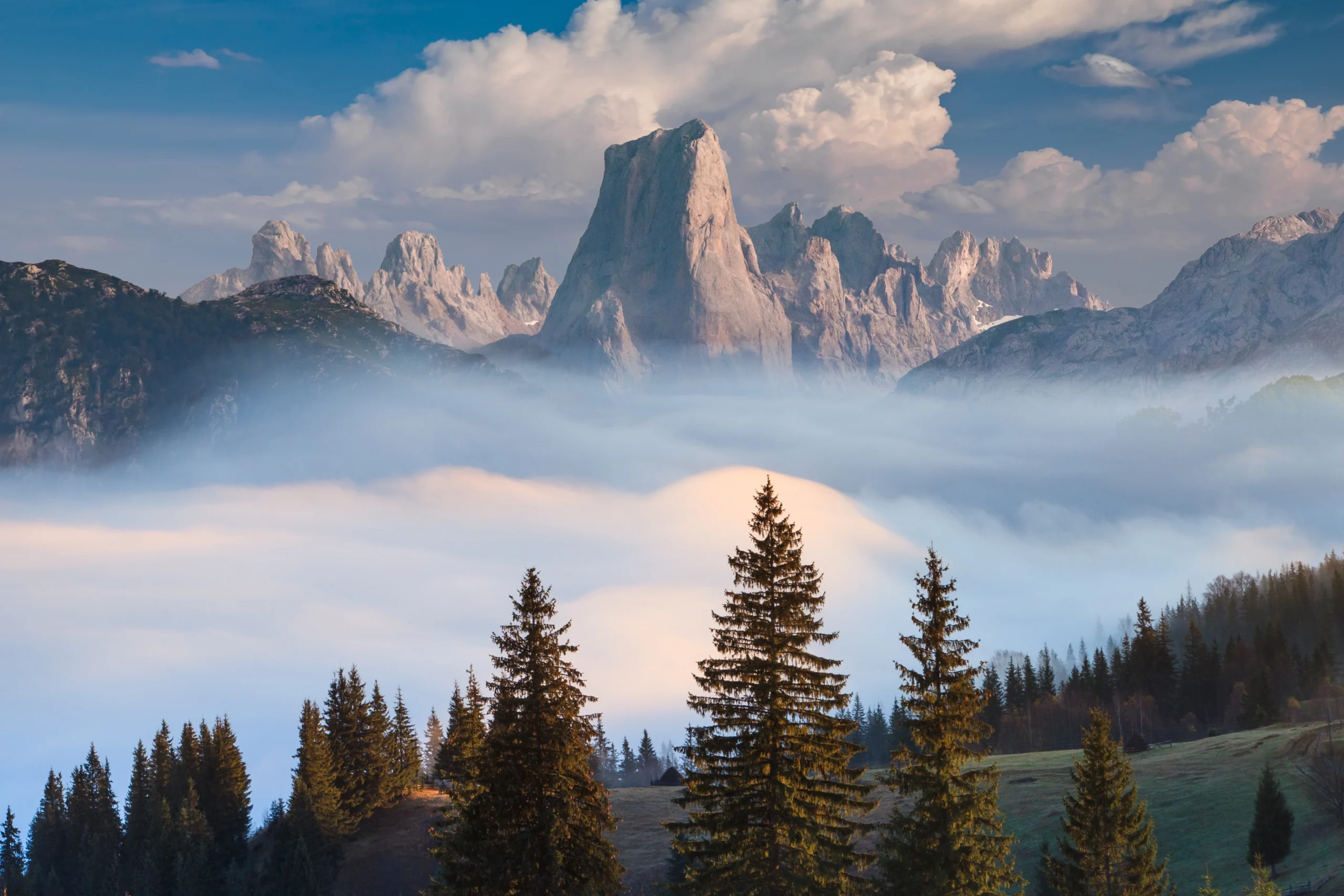
Northern Spain feels almost like another country—and that is exactly what makes it so captivating. Unlike the stereotypical Mediterranean image often associated with Spain, the north is shaped by the Atlantic, where cool sea air, rolling green hills and frequent rainfall create a verdant landscape.
From Galicia on the Atlantic coast, rugged cliffs and secluded beaches meet dense forests and misty valleys. Further east, the landscape rises dramatically into the Picos de Europa before continuing towards the Pyrenees and Catalonia.
© Anton Petrus
Whether you are hiking through a quiet valley, wandering through a historic village or watching the Atlantic crash against the cliffs, northern Spain offers a quieter, greener and wonderfully unexpected side of the country.
Must-See Parks/Nature:
- Atlantic Islands of Galicia National Park: Take a boat to these beautiful islands off the Galician coast, where sandy beaches and turquoise waters await.
- Picos de Europa National Park: Explore a special mix of limestone mountains, deep gorges, green valleys and traditional mountain villages. It is one of Spain’s most spectacular destinations for hiking and nature.
- Pyrenees: Head into the mountains for glacial valleys, rugged peaks, alpine meadows and peaceful pine forests.
The Trans-Pyrenean Route
Highlight Drive
La Meseta Central
Pickup locations for motorhome hire in Spain: Madrid, Valencia, Alicante
© lucas ricci
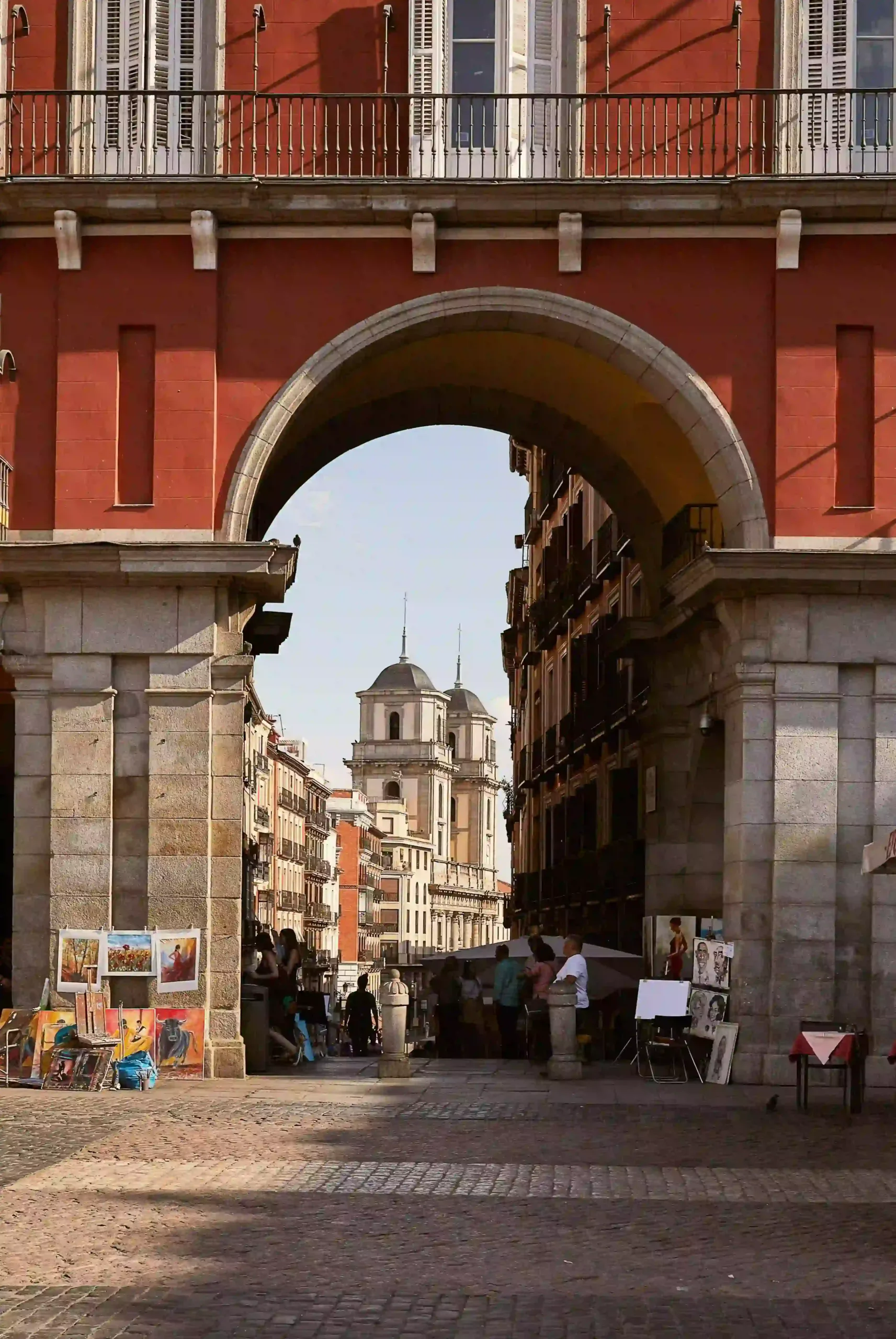
Leaving the mountains behind and heading inland, Spain opens up. At its centre lies the Meseta Central, a high plateau where golden plains stretch towards rugged granite mountains, rolling farmland and mediaeval castles.
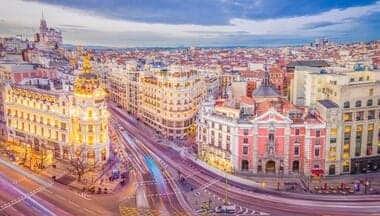
Rising dramatically from the northern part of the plateau is the Sistema Central, a mountain range that provides a striking backdrop to the surrounding plains. At its heart lies Madrid, Spain’s vibrant capital and a natural starting point for exploring the region.
Here, grand architecture, world-class museums, lively neighbourhoods and excellent restaurants offer a striking contrast to the quiet countryside beyond the city.
Must-See Parks/Nature:
- Sierra de Guadarrama National Park: Escape into the mountains north of Madrid, where dramatic granite peaks, pine-scented mountain passes and alpine lakes form some of the region’s most beautiful scenery.
- Cabañeros National Park: Offers open grasslands, rolling hills and rich wildlife.
- Tablas de Daimiel National Park: A unique landscape of shallow lagoons, waterways and reed beds.
The Mediterranean East
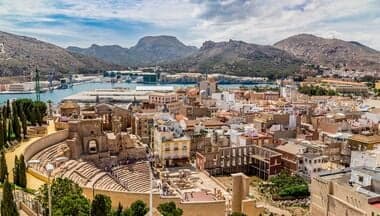
Pickup locations for motorhome hire in Spain: Valencia, Alicante
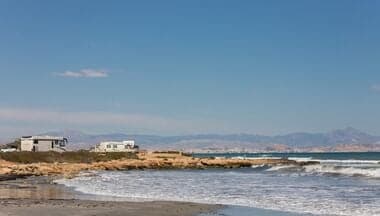
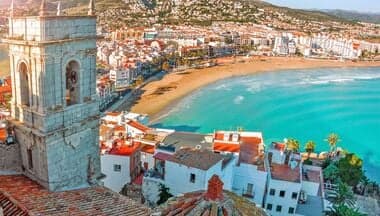
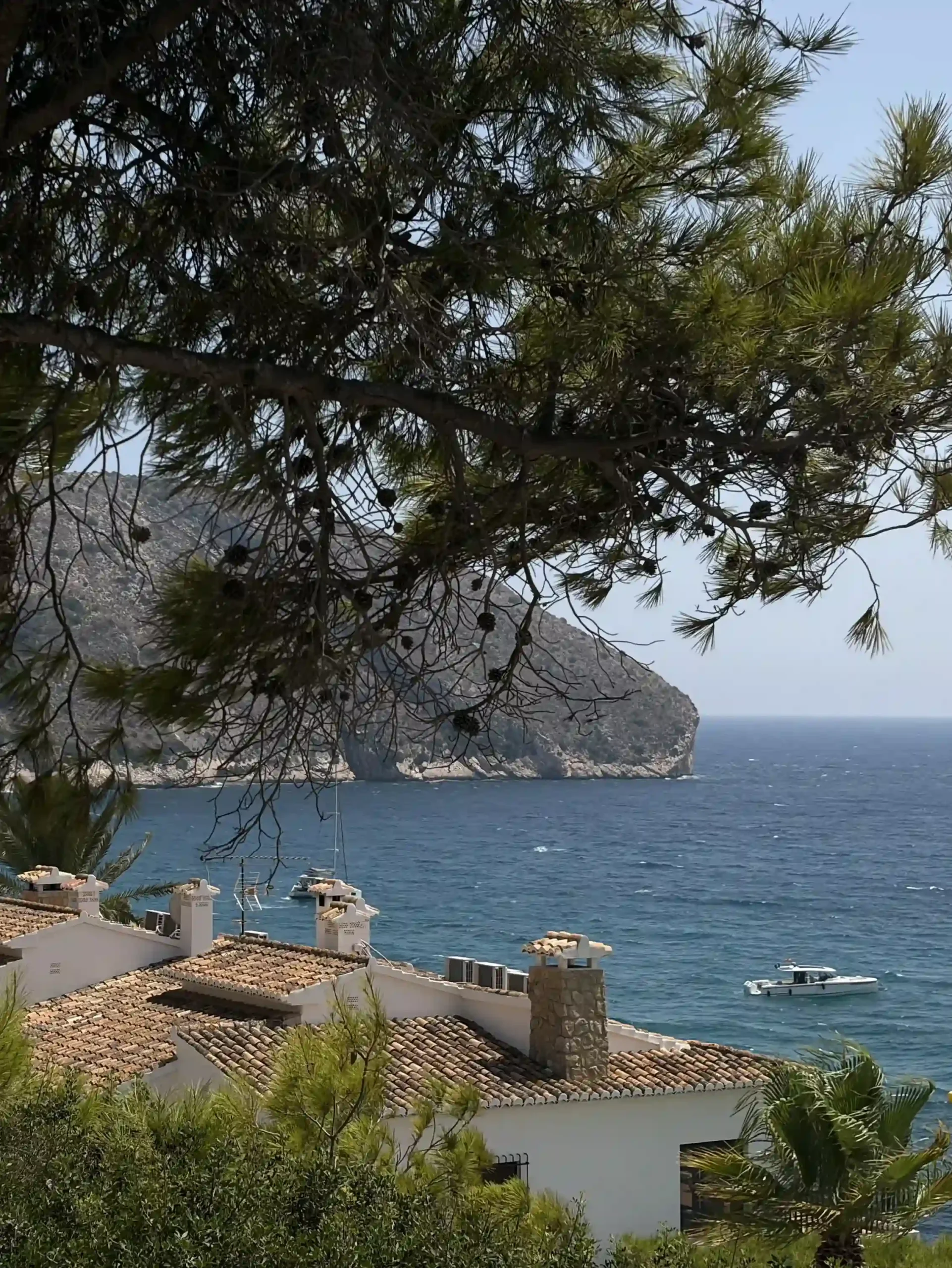
Along Spain’s Mediterranean coast, the landscape takes on the sun-drenched character that most imagine when picturing the country—vibrant blue waters, sandy beaches, and palm-lined promenades.
Stretching from southern Catalonia through Valencia and down towards Murcia, the region is home to the famous Costa Blanca and some of Spain’s most popular coastal destinations.
© Lukas Kaj Hewson
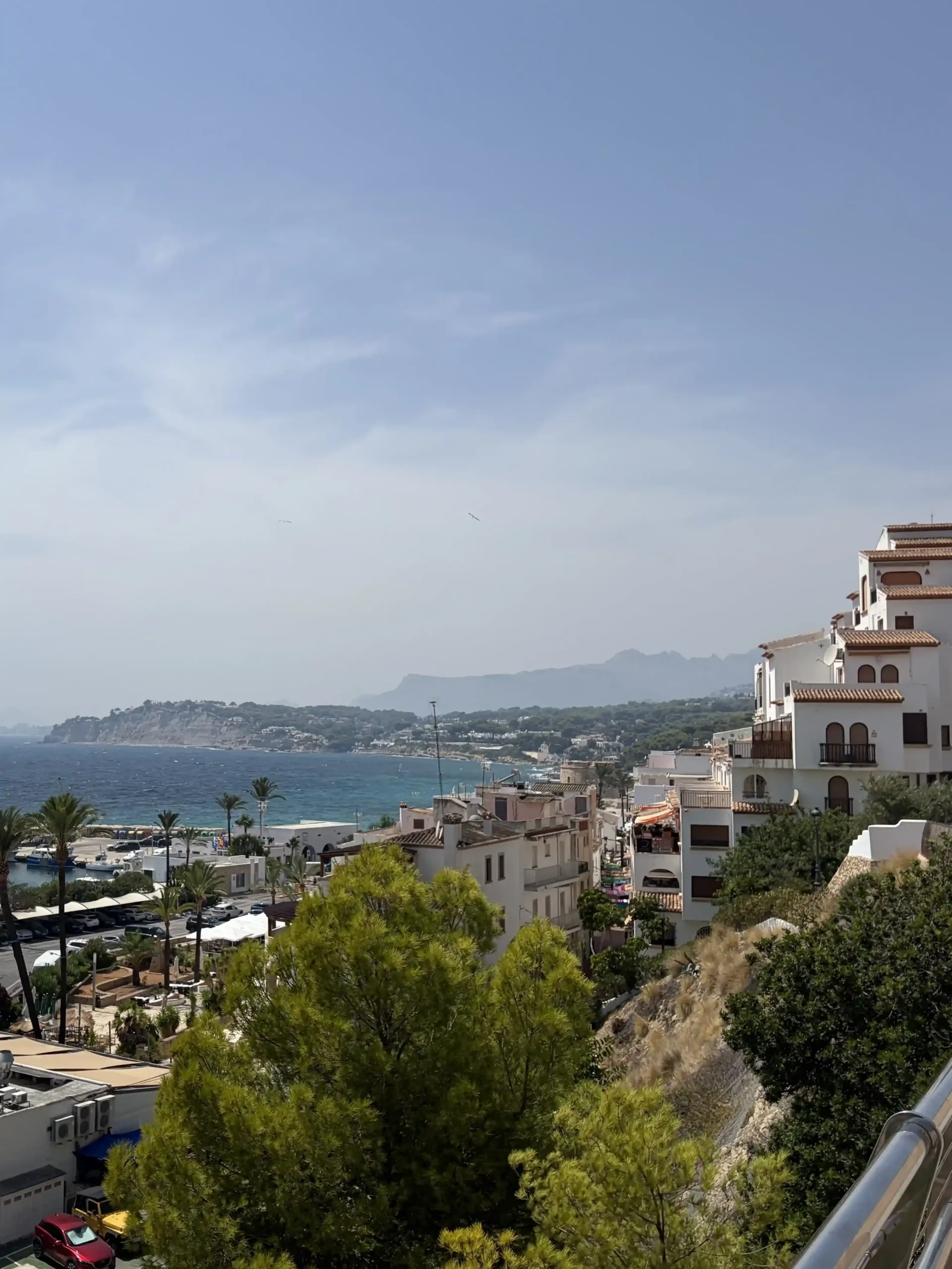
© Lukas Kaj Hewson
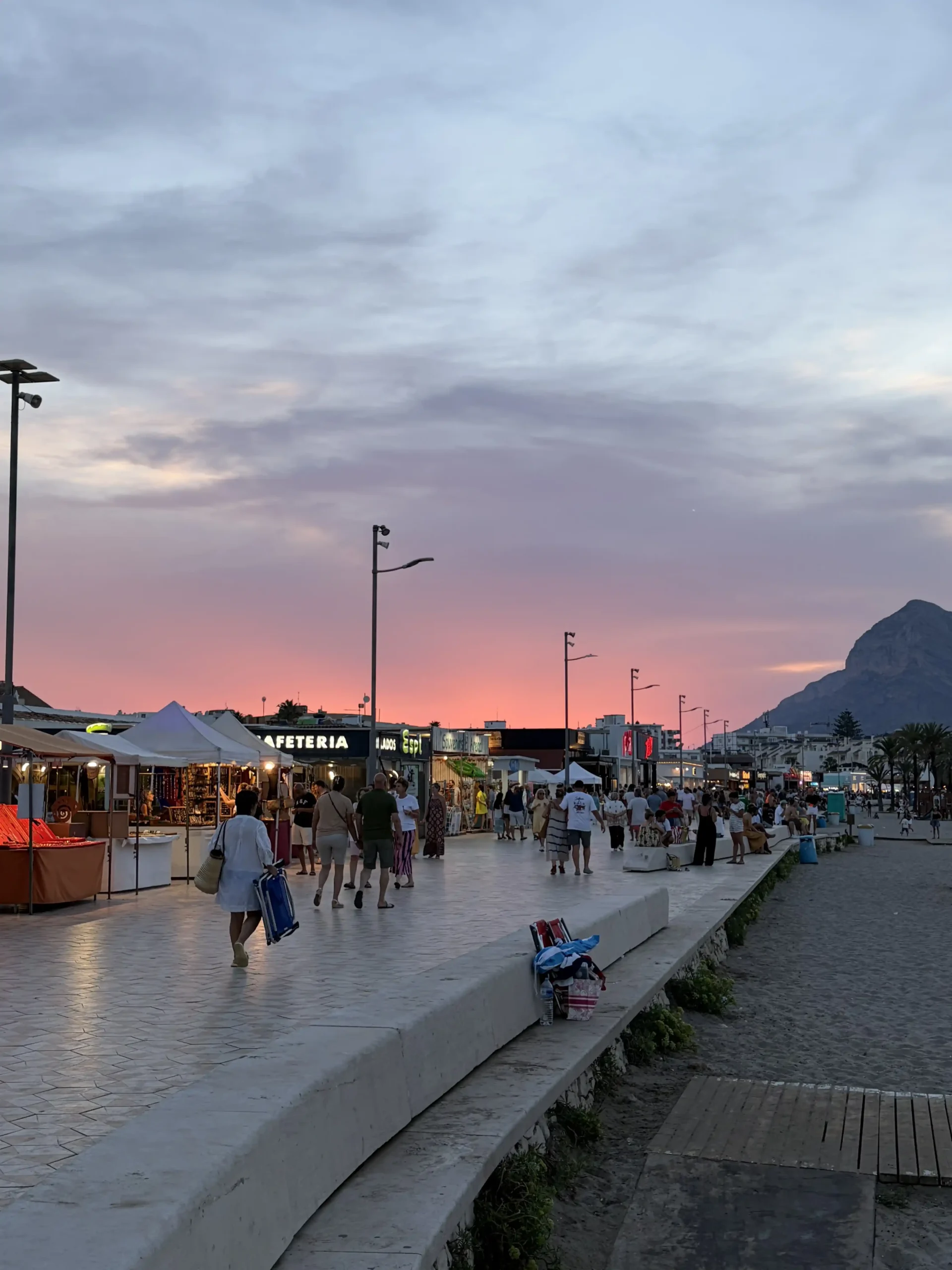
© Lukas Kaj Hewson
The coast can be lively and highly touristic, especially during the summer months. However, amongst all the tourists you’ll find the same warmth and sense of community that runs through the rest of Spain.
Heading inland, the landscape rises into rugged mountains, quiet valleys and traditional villages, offering a very different perspective of the Mediterranean.
Must-See Parks/Nature:
- Montgó: Rising to 2,470 feet (753 m) between Dénia and Xàbia in Alicante province, Montgó is known as El Elefante Dormido (“The Sleeping Elephant”) because of its characteristic silhouette. The mountain offers spectacular views across the Mediterranean and the surrounding coastline.
- Jalón Valley and Guadalest Valley: Walk through almond groves. From late January through February, the orchards burst into vibrant pink and white flowers.
- Parque Natural de las Lagunas de La Mata y Torrevieja: Home to the famous Pink Lake of Torrevieja and one of the largest active salt extraction sites in Europe.
The Andalusian South
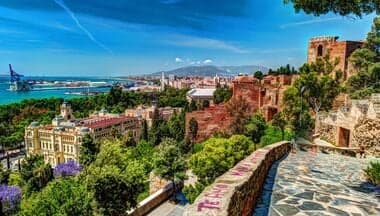
Pickup locations for motorhome hire in Spain: Malaga, Sevilla
As you continue south, Spain’s landscape becomes drier and warmer. Andalusia is a region of soaring mountains, sun-drenched valleys and endless olive groves, with the Guadalquivir River basin stretching across the countryside.
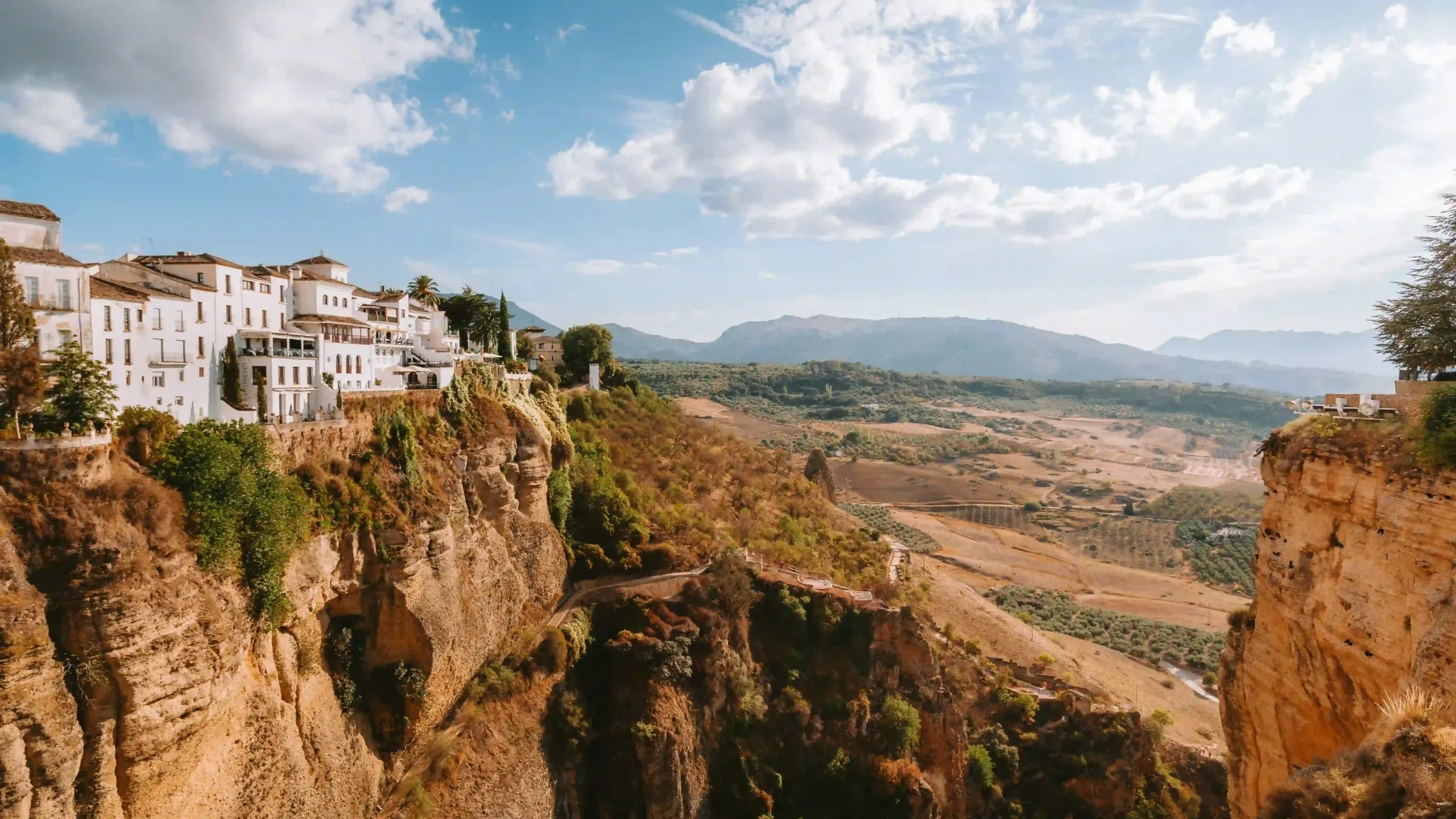
© jmiguel
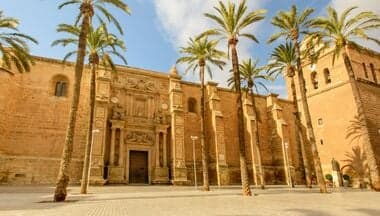
The scenery becomes even more dramatic around Almería. Here, the Tabernas Desert is widely regarded as mainland Europe’s only true desert. Nearby, Cabo de Gata offers a completely different experience, with volcanic cliffs, hidden beaches and wild coastal scenery.
Must-See Parks/Nature:
- Sierra Nevada National Park: Home to Spain’s highest mountains.
- El Torcal de Antequera: A natural labyrinth of towering limestone formations.
- Tabernas Desert: One of Spain’s most unusual landscapes.
- El Tajo Gorge: Carved by the Guadalevín River, this dramatic gorge cuts through the town of Ronda and plunges up to 394 feet (120 m) deep.
The White Villages Circuit (Ruta de los Pueblos Blancos)
Highlight Drive
Camping in Spain
Spain offers a wide variety of campsites ranging from large, resort-style coastal campsites with swimming pools and water parks to small, peaceful sites tucked away in the countryside and mountains. Whether you want to wake up by the beach, stay on a rural farm or use a campsite as a convenient base for exploring a city, there are plenty of options to choose from.
Resort-style coastal campsites
These large, family-friendly campsites are particularly common along the Costa Brava, Costa Blanca and Costa del Sol. They tend to offer plenty of facilities, including swimming pools, restaurants, electricity, and, in many cases, direct access to the beach.
They’re a great choice if you’re travelling with children.
Tip
Campsites near spanish cities
If you want to explore cities such as Barcelona, Valencia or Madrid, look for campsites on the outskirts with good public transport connections into the city centre. This can be much easier than trying to drive a motorhome into a busy city.
Área de pernocta (Motorhome Stopovers)
For a quieter and more local experience, look out for áreas de pernocta. These motorhome stopovers are often found in rural or agricultural areas and tend to be much simpler than traditional campsites.
Some are small, family-run places where you can park overnight and enjoy a peaceful setting away from the busier tourist areas. Facilities vary, so always check what’s included.
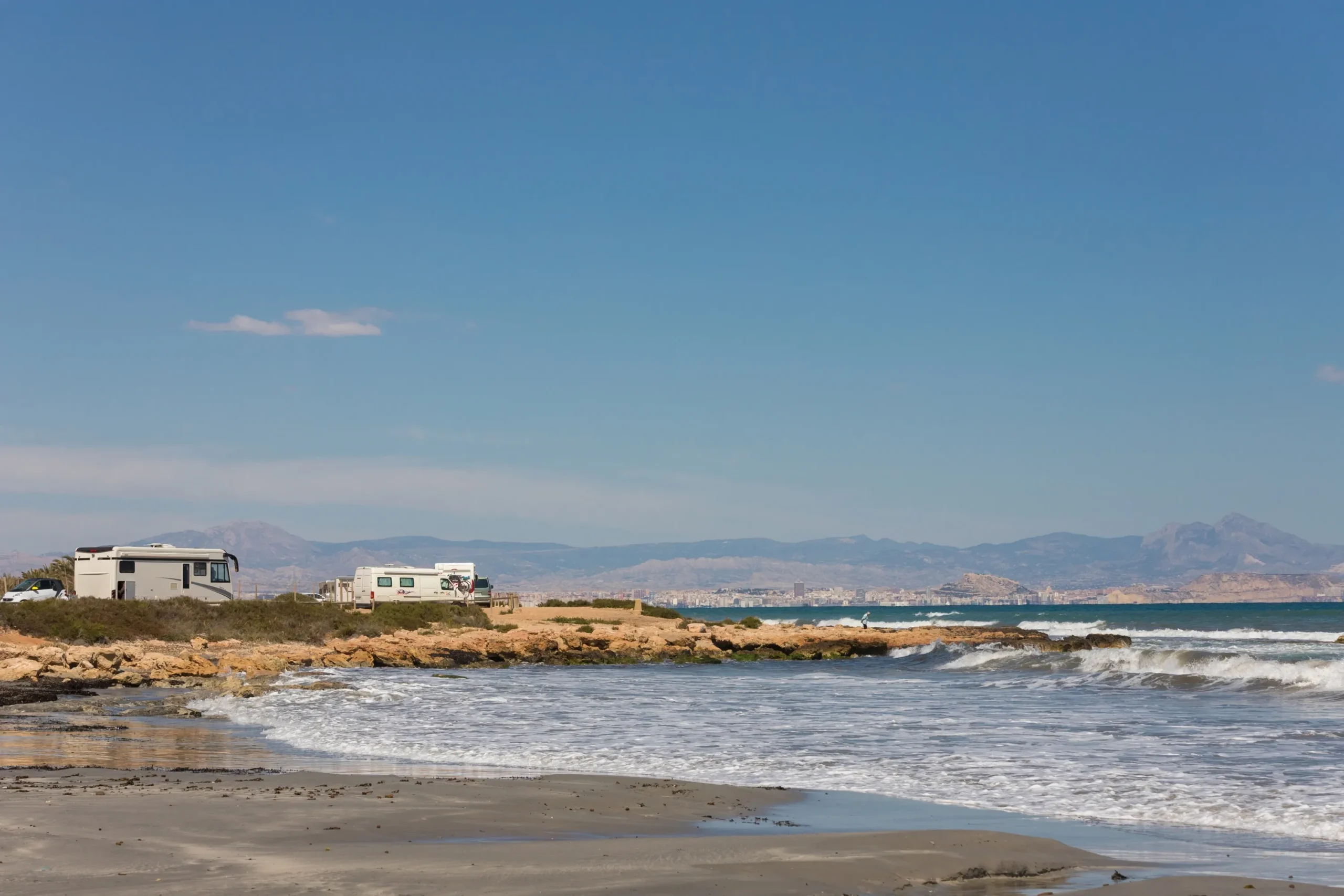
© Daniel Myjones
What to keep in mind
- Book coastal campsites well in advance if you’re travelling during the summer months. Popular sites can fill up quickly, particularly in July and August.
- Park4Night is a useful app for finding places to stay, from official campsites and motorhome areas to simpler rural parking spots.
- CAMPING-CAR PARK has motorhome sites across Spain and other European countries, which can be particularly handy if you’re planning to cross borders during your trip.
- Always check the latest reviews and site information before arriving, as facilities, access and overnight parking rules can change.
When is the best time to travel?
The best season for motorhome hire in Spain depends on the regions you want to explore and the type of road trip you have in mind.
- Summer (June – August): Brings intense warmth and bright sunshine, but Southern Europe becomes heavily crowded, prices peak.
- Shoulder Season (May & September – October): The absolute sweet spot for touring Spain. Temperatures are comfortably warm, roads and beaches are quieter, and rental rates drop significantly.
- Winter (November – April): Offers mild coastal temperatures in the south, though mountain passes may experience cold weather and some seasonal campsites close.
May to June or September
Best time to travel