Norway and Finland motorhome itinerary
A 10-day motorhome journey through Lapland and the North Cape.
© Pascal Kretz
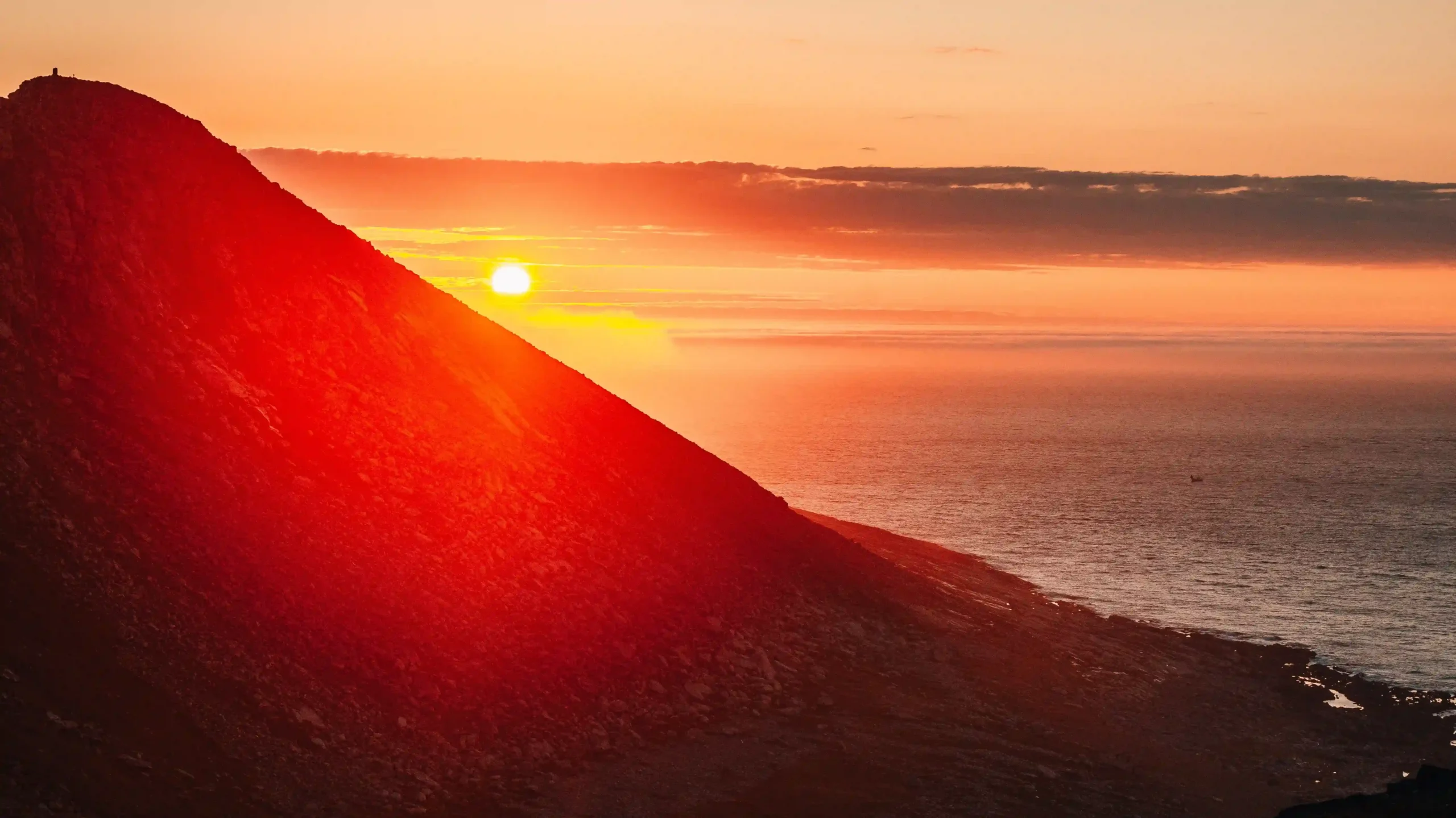
Driving through the northernmost reaches of Scandinavia, this 900-mile (1,450 km) loop takes you deep into the Arctic Circle, a region defined by vast tundra, ancient forests, and high fells that eventually give way to the vertical drama of the Norwegian fjords.
This is the land of the Midnight Sun and the indigenous Sámi culture, where reindeer often outnumber people. The journey begins in the Finnish forests of Rovaniemi—the official home of Father Christmas—before crossing into Norway’s dramatic mountain plateaus and culminating at the North Cape, the legendary northernmost point of mainland Europe.
Highlights
- Santa Claus Village
- Pallas-Yllästunturi National Park
- Rock art in Alta
- North Cape
- Trollholmsund rock formations
- Lake Inari
Why explore the Arctic by motorhome?
© Pascal Kretz
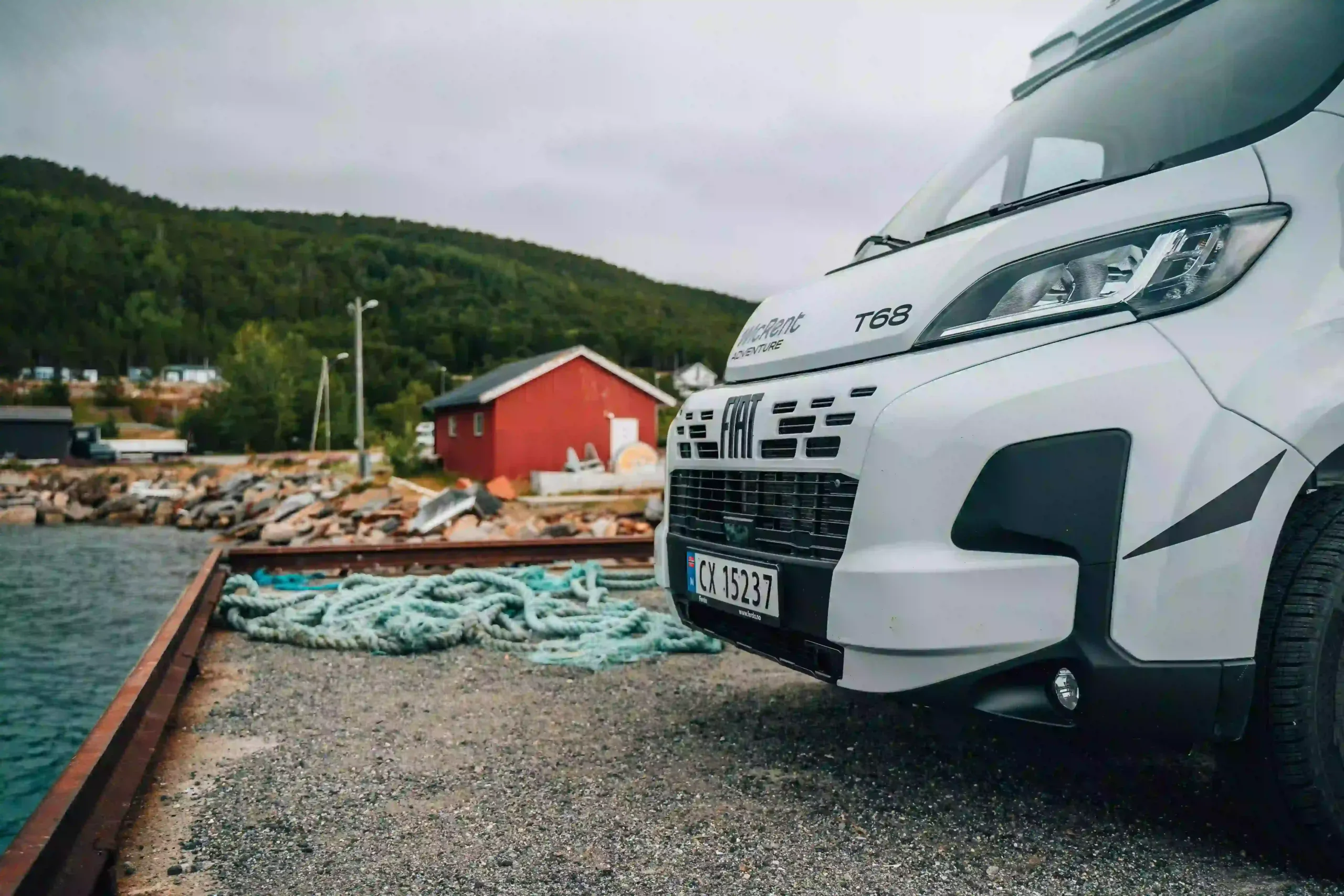
One of the greatest draws of an Arctic road trip is the concept of Allemannsretten. This traditional right allows for a deep connection with the wilderness, as wild camping is generally permitted for campervans and motorhomes, though there are a few essential ground rules to ensure the landscape remains pristine:
- You can generally park on uncultivated land for up to two nights in one spot.
- You must remain at least 492 feet (150 m) away from inhabited houses or holiday cabins to respect local privacy.
- Avoid cultivated fields or private farm tracks. Always follow local traffic laws and respect any “No Camping” signs, which are common in sensitive or high-traffic areas.
- To find the best legal pitches, use apps like Park4night or Bobilplassen, which provide up-to-date user reviews and photos of remote spots.
Beyond the freedom to wild camp, the infrastructure for motorhomes in Scandinavia is world-class. You’ll find plenty of emptying stations—known as “tømmestasjon” in Norwegian and “tyhjennysasema” in Finnish—for managing water and waste, making self-sufficient travel remarkably easy.
| Day | Route / Destination | Driving time | Highlights |
| 1–2 | Arrive in Rovaniemi (Finland) | Santa Claus Village, Arktikum Museum, Ounasvaara | |
| 3 | Rovaniemi → Muonio (Finland) | ~3 hrs | Pallas-Yllästunturi National Park, Husky farms |
| 4 | Muonio → Kautokeino (Norway) | ~2 hrs | Juhls’ Silver Gallery, Sámi Cultural heartland |
| (Opt) | Detour: Kautokeino → Reisa National Park (Norway) | ~5 hrs | Reisadalen Valley, Mollisfossen Waterfall |
| 5 | Kautokeino → Alta (Norway) | ~3.5 hrs | Rock Art, Northern Lights |
| 6–7 | Alta → North Cape (Norway) | ~3.5 hrs | North Cape Hall, Midnight Sun, Magerøya Island |
| 8 | North Cape → Lakselv (Norway) | ~3 hrs | Porsangerfjorden, Trollholmsund rock formations |
| 9 | Lakselv → Inari (Finland) | ~2.5 hrs | Lake Inari, Siida Sámi Museum, Sajos Centre |
| 10 | Inari → Sodankylä → Rovaniemi (Finland) | ~4 hrs | Old Church of Sodankylä, return to Rovaniemi |
Rovaniemi: The start of your Norway and Finland motorhome itinerary
Your journey begins by flying into Finnish Lapland. You can collect your vehicle in Rovaniemi, with a wide range of campervans and larger motorhomes available through CU | Camper.
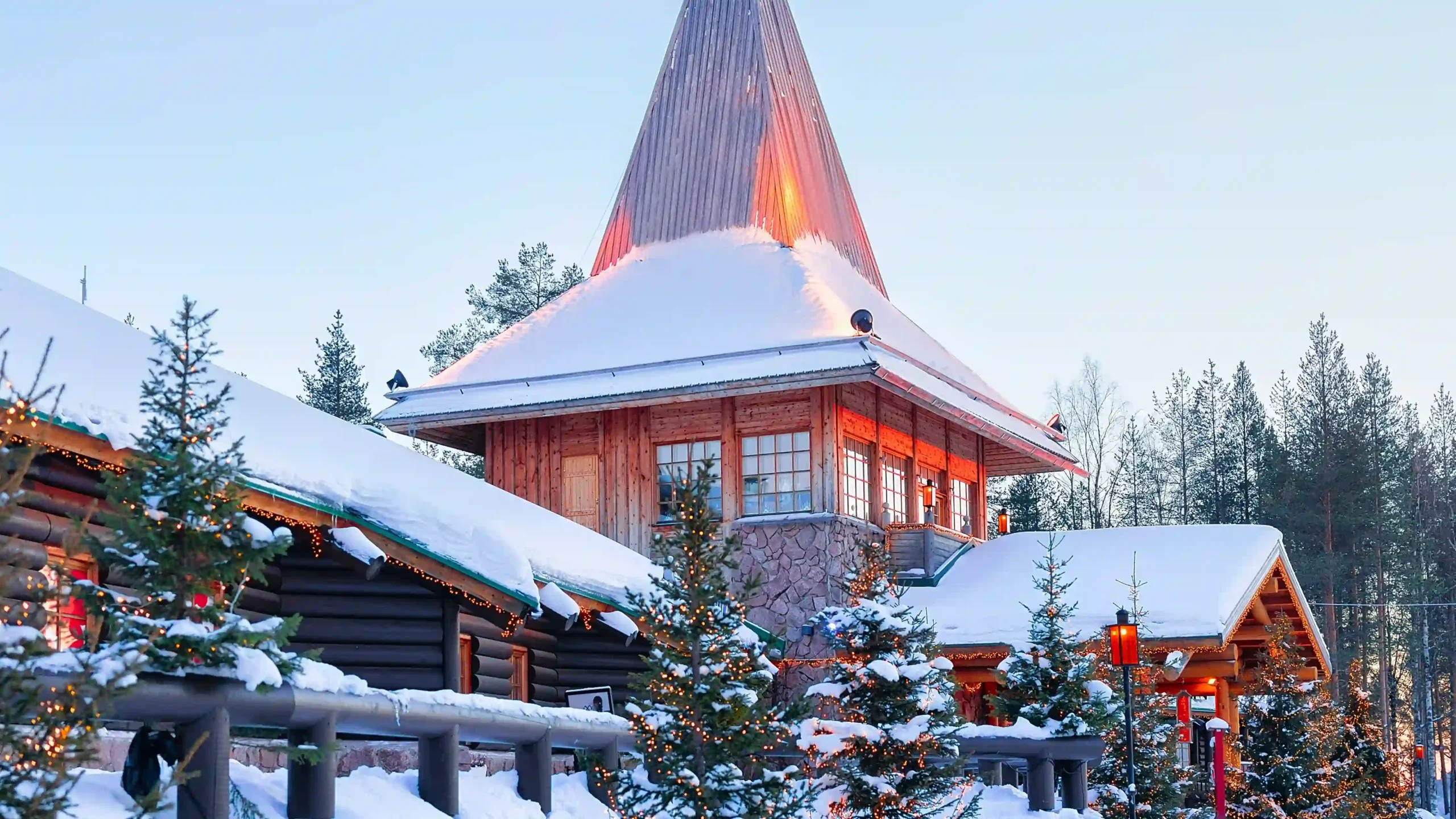
Rovaniemi, the official hometown of Father Christmas, sits directly on the Arctic Circle. It’s well worth spending a day exploring the town and the nearby Santa Claus Village, where you can officially cross the line into the Arctic.
© Roman Babakin
For a deeper dive into the region’s history, the Arktikum Science Centre offers a fascinating expedition through Arctic ecology and Sámi culture.
Do a big shop before you leave. Rovaniemi is your last major urban hub for several days.
Tip
© Kevin Charit
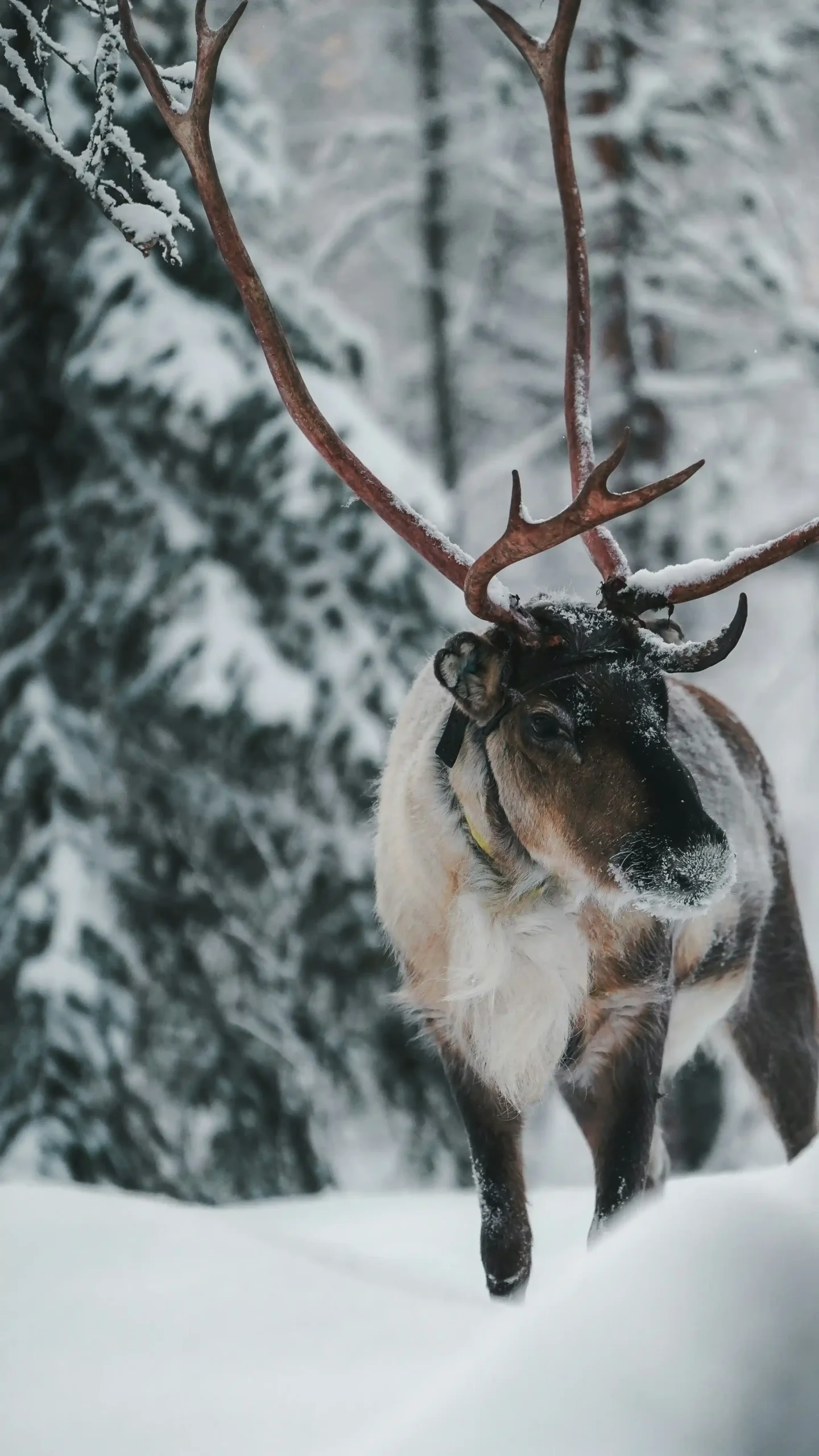
When you think of Lapland, reindeer are likely the first thing that comes to mind. These iconic animals are central to life here, and no trip is complete without seeing them. You can visit local reindeer farms to watch them graze, and some even allow you to feed them.
If you are visiting between late August and April, you might also have the chance to chase the Northern Lights on the back of a husky sled.
For a rush of adrenaline, snowmobiling across frozen lakes and through endless pine forests is one of the quintessential things to do in Rovaniemi.
The Ounasvaara Ski Resort offers excellent downhill skiing and snowboarding, while the surrounding forest offers trails for hiking and mountain biking in summer.
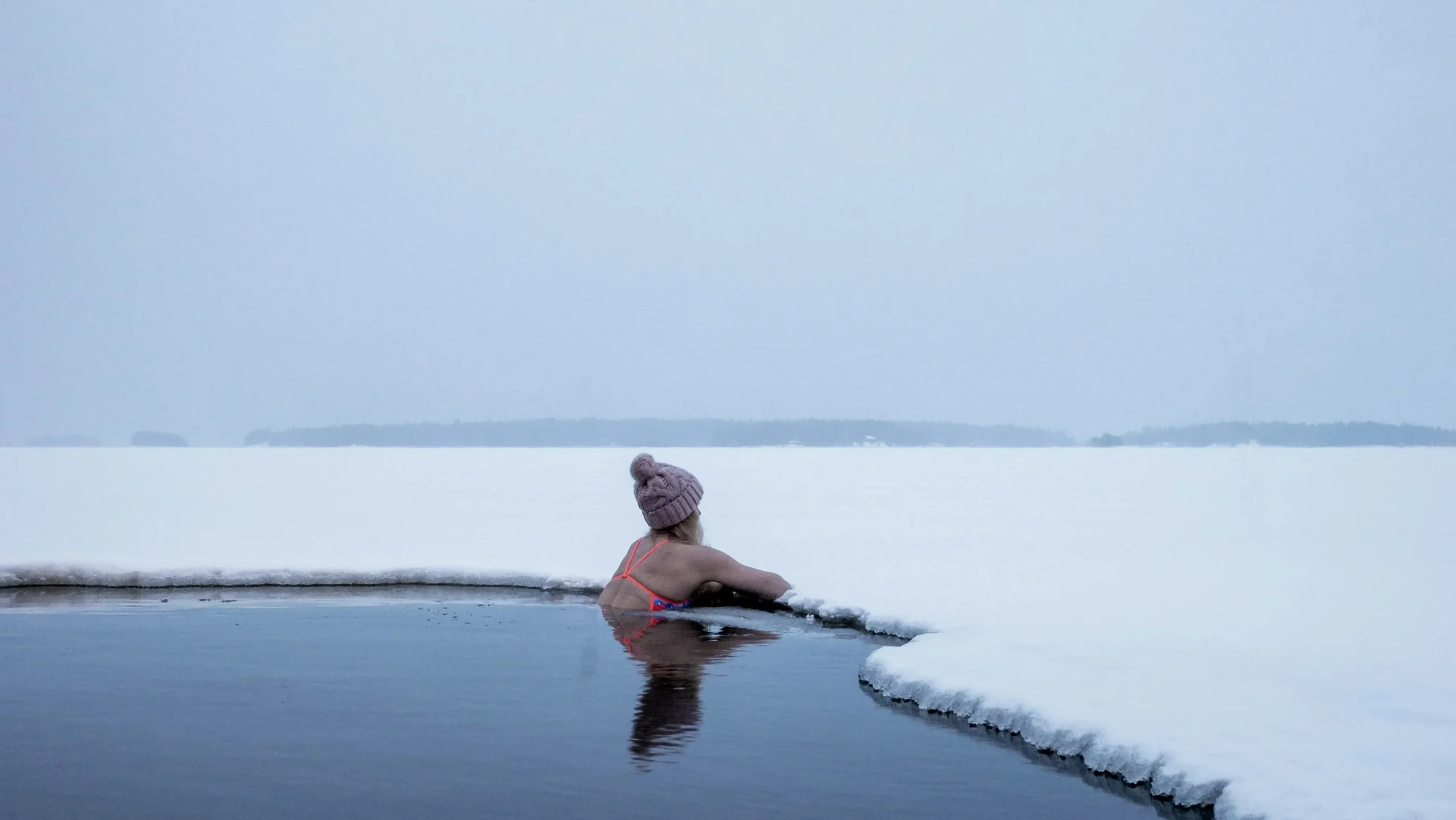
To truly live like a local, you must try a Finnish sauna. Finns swear by the health benefits of alternating between a steaming hot sauna and an ice-cold lake dip.
© Mika Ruusunen
Ice swimming (known as avantointi) is specifically a winter activity in Finland, occurring once the lakes have frozen over and a hole has been cut into the ice.
Note
Where to stay
Ounaskoski Camping Rovaniemi is an ideal base for your first night. It sits right on the east bank of the Kemijoki River and is within walking distance of the town centre.
Rovaniemi to Muonio
Leaving the lights of Rovaniemi behind, the first leg of your journey takes you northwest into the deep silence of the Lappish backcountry. The drive is a rhythmic passage through endless pine forests and clusters of small, glass-like lakes.
After roughly 90 minutes, you’ll reach the Swedish border, where the Muonionjoki River acts as a natural frontier. From here, the route—still hugging the Finnish side—leads straight north.
Another 90 minutes of driving brings you to your destination for the day. As you approach Muonio, you are essentially skirting the western edge of Pallas-Yllästunturi National Park, a wilderness area famous for having the “freshest air in the world”.
Exploring the Lappish peaks
Muonio is often referred to as the “Land of Fells”, and it isn’t hard to see why. The area is defined by a dramatic chain of 20 distinct fells (rounded Arctic mountains) and over 200 lakes. For hikers, the prominent peaks offer unparalleled views across the tundra. Taivaskero is the highest point in the area at 2,654 feet (809 m).
If you’re looking for a slightly less strenuous climb, Olostunturi reaches 1,719 feet (524 m) and provides a fantastic vantage point for watching the sunset over the border into Sweden.
If you prefer the water to the peaks, the Muonionjoki River offers a shot of adrenaline; it is one of the longest free-flowing rivers in Europe, and white-water rafting through its rapids is a popular way to experience the raw power of the Arctic summer.
Where to stay
Lapin Lomamökit & Camping offers a beautifully rustic riverside setting just south of Muonio. It is an ideal spot to park the motorhome, with pitches that sit right along the riverbank.
Crossing into Norway: Kautokeino
Leaving the Finnish fells behind, you’ll cross the border into Norway on a drive that takes just under two hours.
Kautokeino: The Sámi heart of Norway
© Pascal Kretz
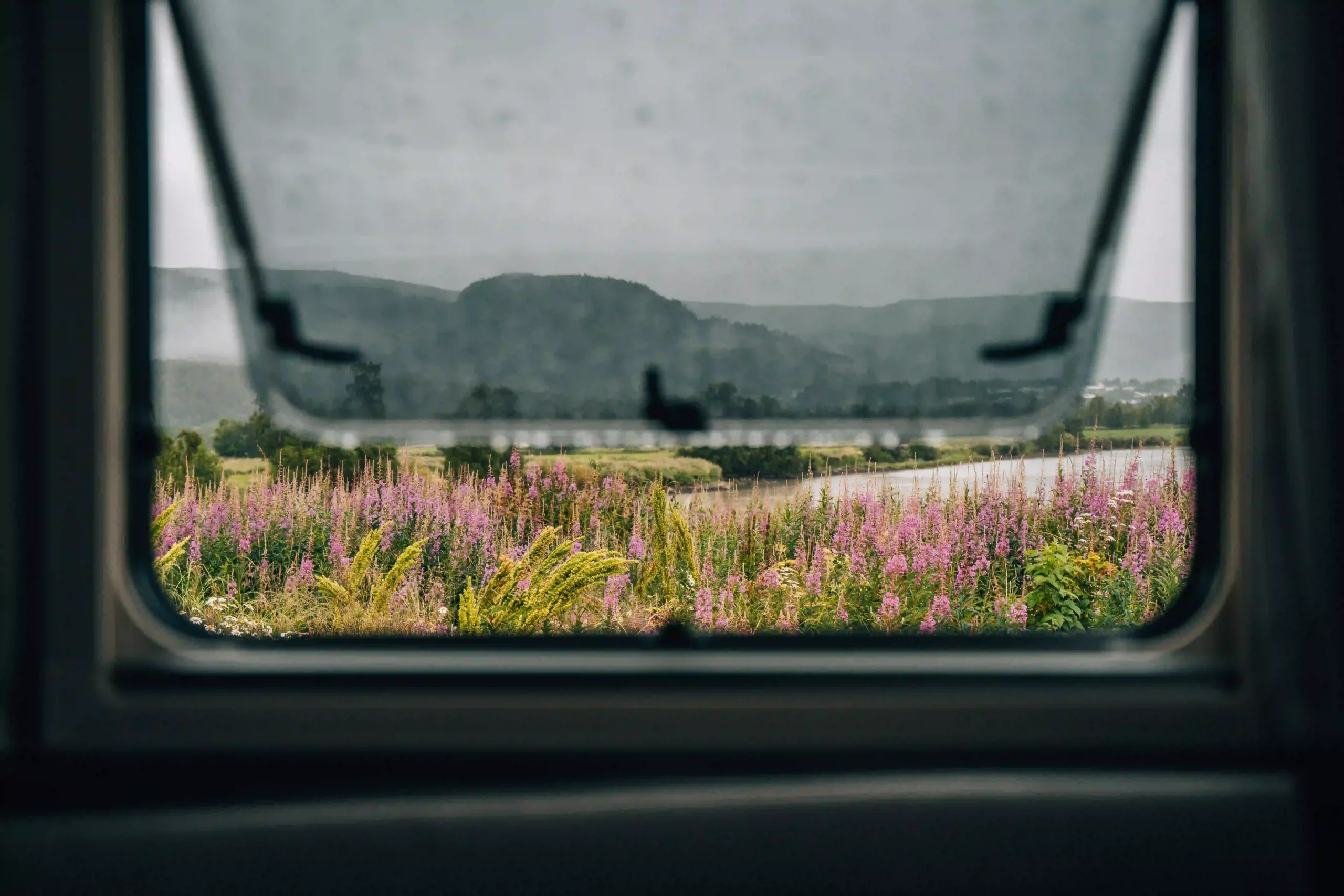
As you arrive in Kautokeino, you are entering one of the most culturally significant hubs for the Sámi people in Norway. This is a place where the indigenous language is spoken daily.
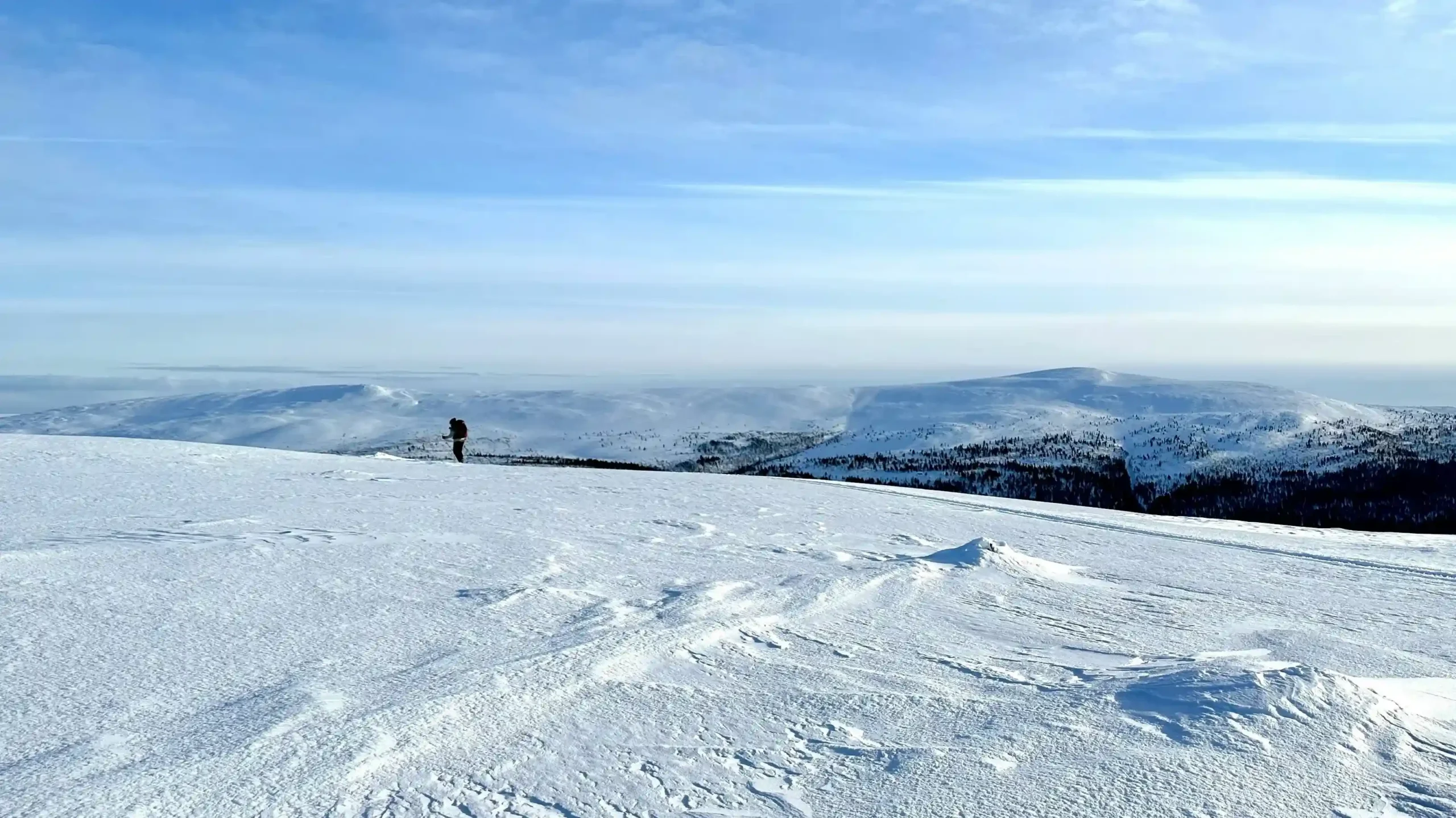
Kautokeino is a land of environmental extremes, offering intense Arctic experiences regardless of the season. In the summer, you can witness the surreal glow of the Midnight Sun, while the winter months bring the Northern Lights and temperatures that can go down to –50°C.
For a true taste of local life, you can try reindeer sledding or visit one of the local silver smithies—such as Juhls’ Silver Gallery—where traditional Sámi jewellery is crafted.
The surrounding wilderness is a paradise for fishing. The region is dotted with thousands of lakes and rivers where you can try catching Arctic char, trout, and whitefish. It is the ultimate way to spend an afternoon in the Arctic; standing in the quiet of the plateau, rod in hand, with nothing but the sound of the wind for company.
Where to stay
Arctic Motell & Camping is well-positioned for exploring the local area and offers all the essential facilities for a comfortable stay.
Kautokeino to Alta
As you leave the high plateaus, the drive finally reaches the coast. This two-hour journey is a dramatic transition as the sparse, open tundra begins to give way to the deep, blue waters of the Altafjord.
Alta—what’s special
© Pascal Kretz
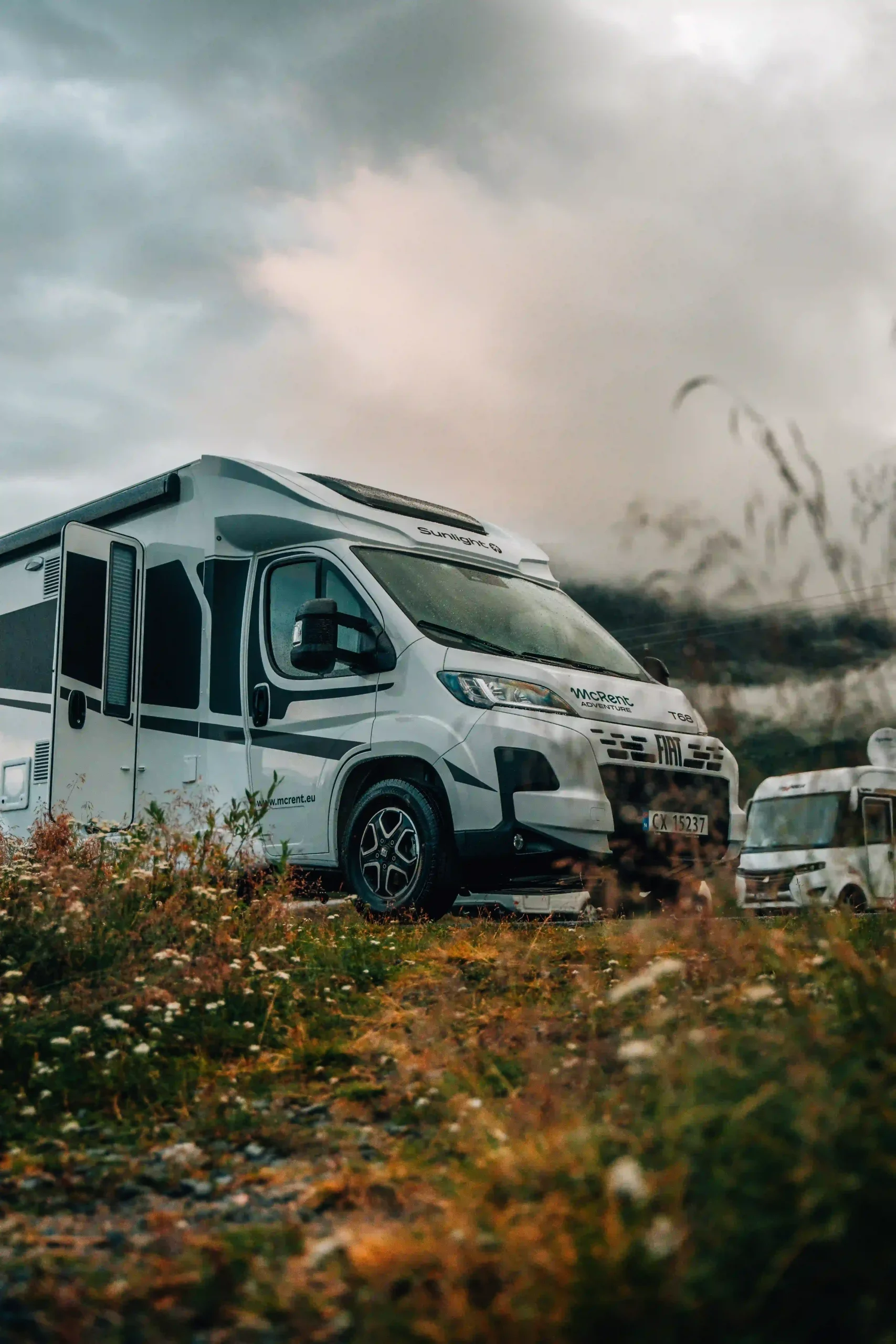
Alta is perhaps most famous as a premier destination for witnessing the Northern Lights. Due to its stable climate and clear skies, it offers some of the best chances in the world to catch the aurora borealis dancing over the mountains.
It’s also home to some of the oldest rock carvings in the world. At the Hjemmeluft World Heritage Site, you can explore a fascinating collection of thousands of rock art paintings and engravings.
Beyond its history, Alta serves as your gateway to Finnmark, one of Norway’s wildest and most wonderful regions. As Europe’s dog sledding hotspot, it is the perfect place to hop on a sled or a snowmobile to explore the Finnmarksvidda. This is Norway’s largest mountain plateau, a breathtaking landscape of birch woods, glacial lakes, and traditional Sámi settlements.
Optional Detour: Reisa National Park
If you have an extra day to spare, you should visit Reisa National Park on your drive from Kautokeino to Alta. However, be prepared: this is a major detour that replaces a simple 2-hour drive with over 7.5 hours of driving, not including the time spent in the park.
Located southwest of Alta and northwest of Kautokeino, Reisa is geographically “in the middle” but logically “out of the way”. You have to drive all the way to the coast at Storslett just to head back inland into the canyon—but it’s well worth the effort.
The park is renowned for its dramatic canyon and stunning waterfalls, most notably the Mollisfossen, which plunges a staggering 882 feet (269 m) into the valley below. Another highlight is Imofossen, a unique site where two separate rivers plunge over a vertical rock wall into a narrow, foaming canyon.
© Pascal Kretz
The salmon-rich Reisa River is a great place to go canoeing in summer. If you’re looking to stretch your legs, head to Ovi Raishiin. A popular short hike follows the trail on the western side of the river for roughly 6 miles (9 km) to Sieimma, offering a beautiful introduction to the park’s rugged terrain.
Where to stay
Alta River Camping offers excellent facilities right on the banks of the famous salmon river, providing a peaceful forest setting.
Alta to North Cape
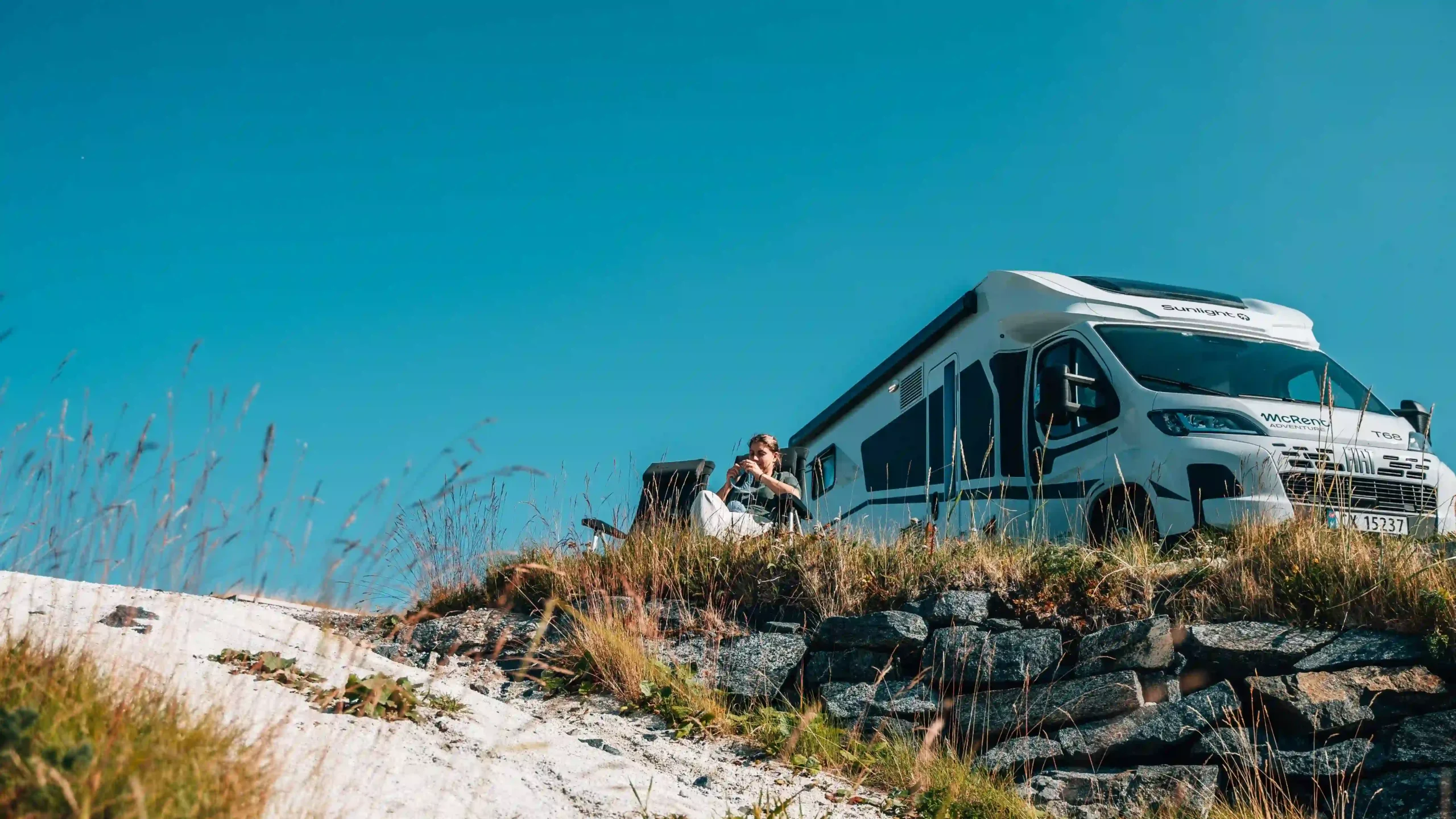
Leaving Alta behind, the final push north begins. The road to the North Cape is widely regarded as one of the most spectacular in the world; it is a masterclass in coastal engineering that clings to the rugged edge of the Porsangerfjorden. You’ll navigate through deep undersea tunnels and across soaring bridges until you finally reach the island of Magerøya.
The landscape here is treeless and windswept, a raw display of Arctic beauty where the land seemingly dissolves into the sea.
The Edge of the World
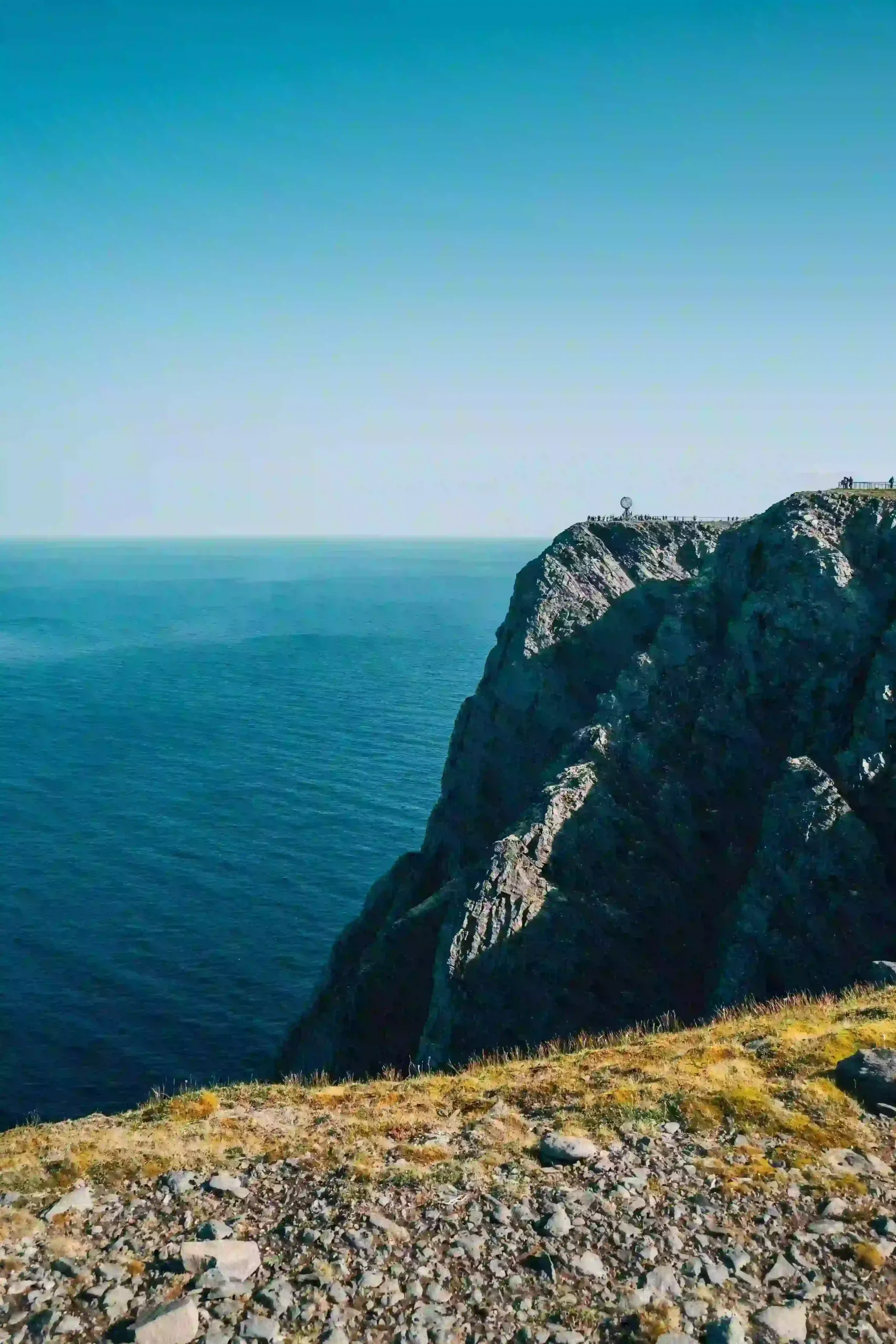
Standing on the 1,000-foot (307 m) cliff at the North Cape, looking out toward the North Pole, is a truly humbling experience. This is the northernmost point of Europe accessible by road, and there is nothing but open ocean between you and the pack ice of the Arctic.
© Pascal Kretz
© Pascal Kretz
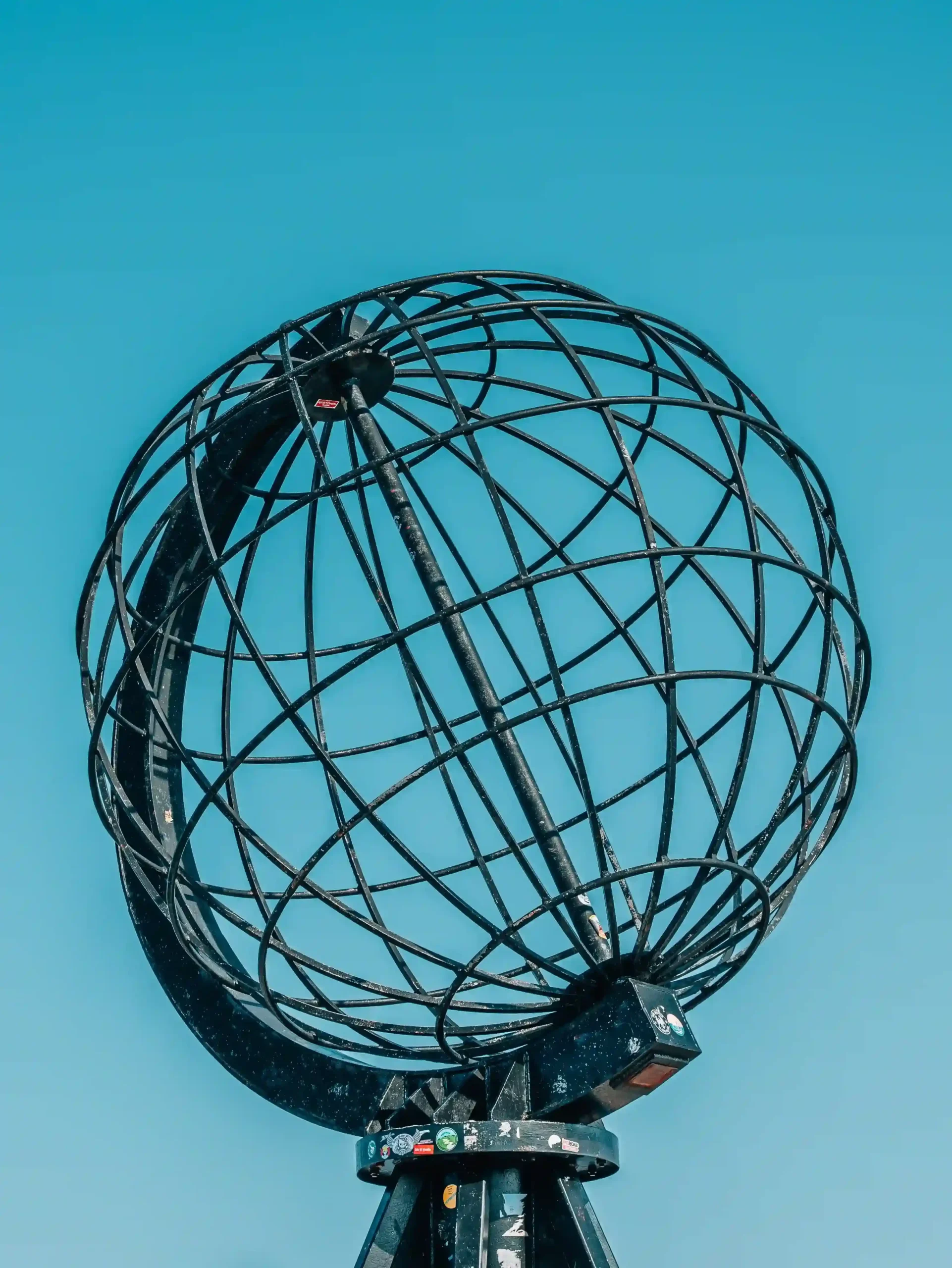
The iconic “Globe” monument marks the plateau, symbolising the spot where the Atlantic and Arctic oceans meet.
Where to stay
Nordkapp Camping is located just south of the Cape in Skipsfjorden. It is a rugged, exposed site that truly makes you feel like you are at the “end of the world”.
Returning South: Lakselv
© Pascal Kretz
As you begin your descent, the three-hour drive south toward the Finnish border brings you to Lakselv. Situated at the innermost point of the Porsangerfjord, this area offers a final taste of Norwegian coastal drama before you return to the deep forests of the south.
Be sure to make a stop at Trollholmsund. Here, the shoreline is dotted with strange, white dolomite rock formations. According to local Sámi legend, these pillars are actually trolls who were caught out in the open and turned to stone by the rising sun.
Where to stay
Fjordutsikten Camping is the go-to spot for fjord views.
Lakselv to Inari
Crossing back into Finland, the landscape softens into the familiar roll of fells and forests. The 2.5-hour drive brings you to Inari, situated on the shores of Lake Inari. Known as the “Sámi Sea”, this lake contains over 3,000 islands.
A visit to Siida, the national museum of the Finnish Sámi, is essential. The museum is masterfully designed to explain the “eight seasons” of the Arctic—a calendar dictated by the movement of reindeer and the changing light. It provides a profound context for everything you have witnessed on your journey north.
Where to stay
Valkeaporo offers a peaceful retreat on the shores of Lake Menesjärvi, serving as an authentic gateway to the vast Lemmenjoki National Park.
© Harri P
Inari to Rovaniemi via Sodankylä: Completing the Loop
The final leg of your journey takes you south through Sodankylä, home to one of the region’s most precious historical treasures: the Old Church. Built in 1689, this stunning wooden structure has survived centuries of brutal Arctic winters and remains one of the best-preserved examples of traditional Finnish architecture.
As you continue toward Rovaniemi, the forests thicken again, and the open tundra feels like a distant memory.
Before or after a motorhome trip, it’s often a good idea to spend a few days in a major city.
Normandy road trip
This 8-day Normandy road trip connects dramatic chalk cliffs and WWII landing beaches with lush valleys, and the iconic Mont Saint-Michel—creating a captivating journey through the region’s coast and countryside.
RV rental San Francisco
Resting dramatically on the edge of Northern California, San Francisco is widely considered one of the best cities in the US. Celebrated around the world for its iconic landmarks, vibrant…
Vancouver itinerary
Explore a modern oceanfront city framed by towering peaks. Park up at picturesque campsites, catch coastal ferries, and launch your ultimate British Columbia road trip.
My first trip to Canada
Buckle up for my first-ever Canadian adventure! Experience the magic of the Rockies from the driver’s seat of a Fraserway RV, featuring close-up wildlife encounters, roaring canyon waterfalls, and views that will leave you speechless.
Camping Los Angeles
Stroll the Santa Monica Pier, take in sweeping skyline views from Griffith Observatory, and soak up iconic film history.
Calgary to Vancouver road trip
Journey along the Rockies on your way from Calgary to the Pacific coast. Drive past turquoise lakes and massive glaciers, exploring the best of the mountain wilderness in a motorhome.