© Eric Valenne geostory
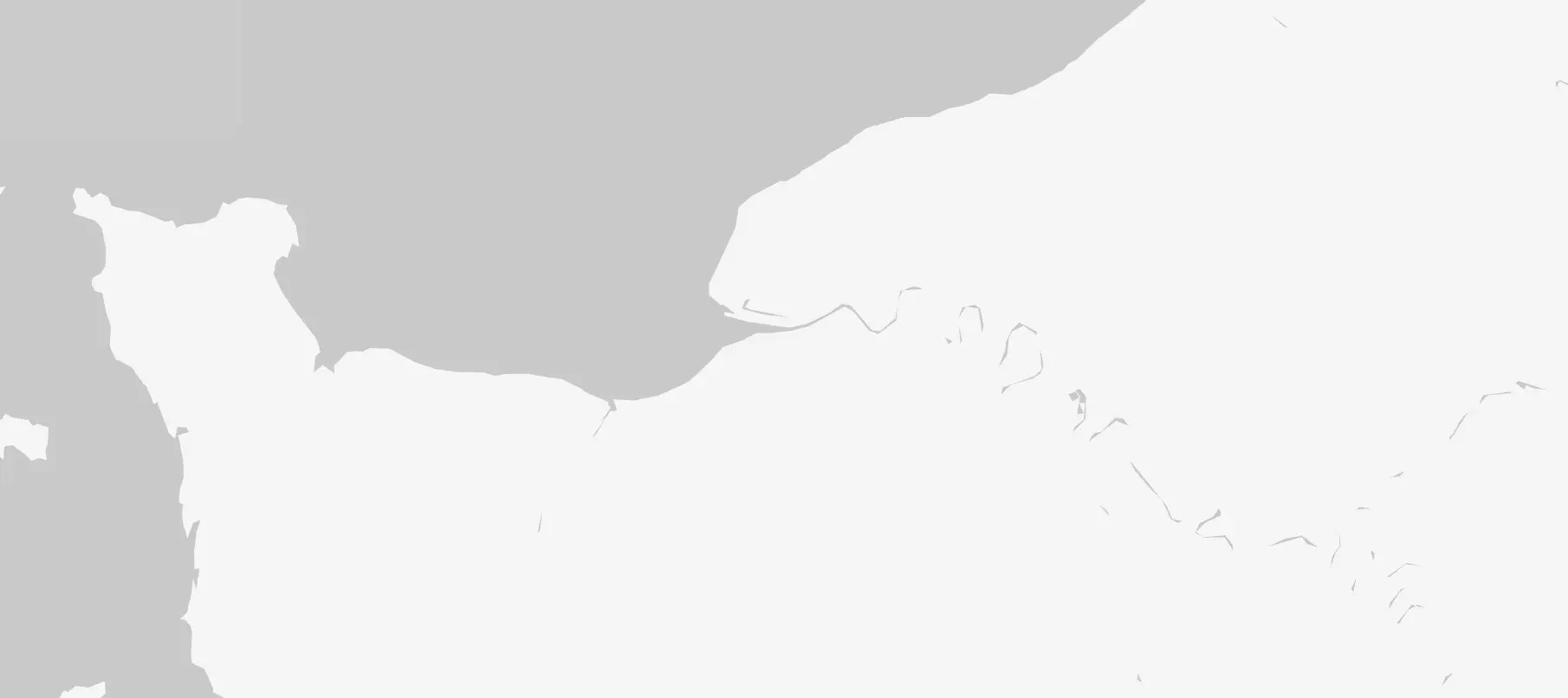
When mentioning France, most tend to think of the capital, Paris, or the sunny south, often forgetting about Normandy in the north—a region where white chalk cliffs drop straight into the English Channel. It’s a part of France defined by its coastline and rich history, including the legacy of the D-Day landings in World War II.
This 400-mile (650 km) Normandy road trip can be done in four to five days. However, to truly immerse yourself in the landscapes and discover what the north-west of France has to offer, we recommend spending at least eight days.
Highlights
- Rouen’s Gothic Cathédrale
- Étretat’s Alabaster Chalk Cliffs
- Honfleur’s picturesque port
- The WWII D-Day Landing Beaches
- The island of Mont Saint-Michel
- The river valleys of Suisse Normande
Why explore Normandy by campervan?
Normandy is arguably one of the most welcoming regions in France for campervan travel. With an excellent network of campsites across the country, it’s easy to find everything from simple overnight stops to fully serviced sites with fresh water, electric hook-ups, and modern facilities.
Thanks to apps like CAMPING-CAR PARK, you can easily get access to hundreds of campervan-friendly locations across France. For a more authentic experience, France Passion shows you where you can stay for free or at a low cost with local farms, cider producers, and cheese makers throughout the Norman countryside.
| Day | Route / Destination | Driving time | Highlights |
| 1 | Rouen → Les Andelys | ~1 hr | Gros-Horloge, historic pedestrianised quarter, Château Gaillard |
| 2 | Les Andelys → Étretat | ~2 hrs | Alabaster Coast chalk cliffs, L’Aiguille sea stack, Chapel of Notre-Dame de la Garde |
| 3 | Étretat → Le Havre → Honfleur | ~1.5 hrs | Auguste Perret architecture in Le Havre, Pont de Normandie, Honfleur’s Vieux Bassin, Church of Sainte-Catherine |
| 4 | Honfleur → D-Day Landing Beaches | ~2 hrs | Operation Overlord sectors (Utah, Omaha, Sword, Gold, Juno), coastal WWII history & memorials |
| 5 | D-Day Beaches → Cotentin Peninsula (La Hague & Granville) | ~3 hrs | Nez de Jobourg cliffs, “Little Ireland” countryside, Granville harbour, Christian Dior Museum |
| 6 | Granville → Mont Saint-Michel | ~1 hr | Iconic medieval island, dramatic high-tide bay scenery |
| 7 | Mont Saint-Michel → Suisse Normande (Clécy & Falaise) | ~2 hrs | Deep river valleys of Norman Switzerland, riverside Clécy, Château Guillaume-le-Conquérant in Falaise |
| 8 | Suisse Normande → Pays d’Auge → Rouen | ~2.5 hrs | Traditional bocage landscape, lush apple orchards, scenic loop back along the lower Seine Valley |
Booking through CU | Camper makes it easy to compare campervan hire options and choose the vehicle that best suits your needs.
Starting your Normandy road trip in Rouen
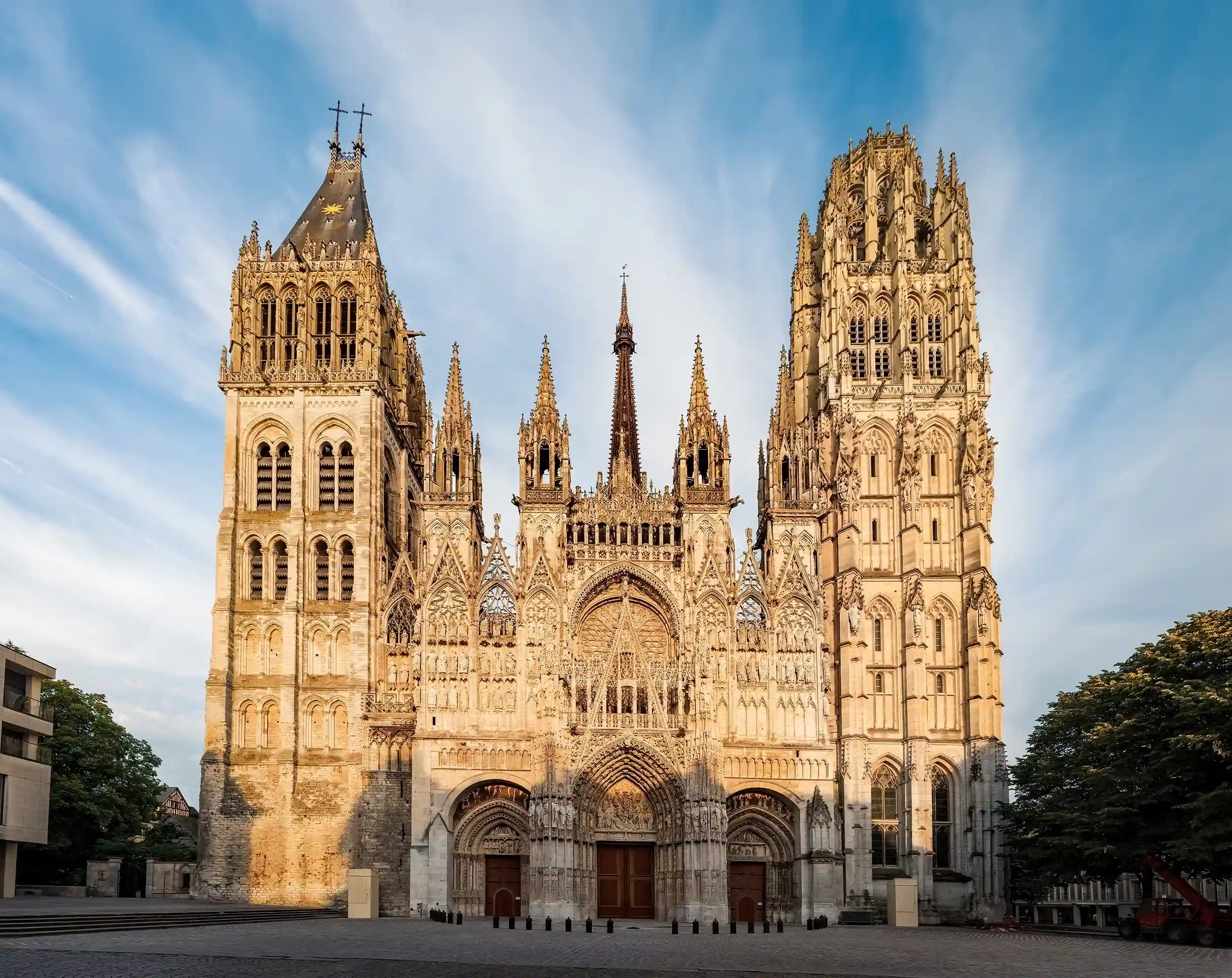
As the historic capital of Normandy, Rouen serves as an ideal starting point for your Normandy road trip. The city immediately immerses you in its rich past, best experienced at the Cathédrale Notre-Dame de Rouen as you stand beneath its soaring Gothic arches.
© Valerie2000
© Catarina Belova
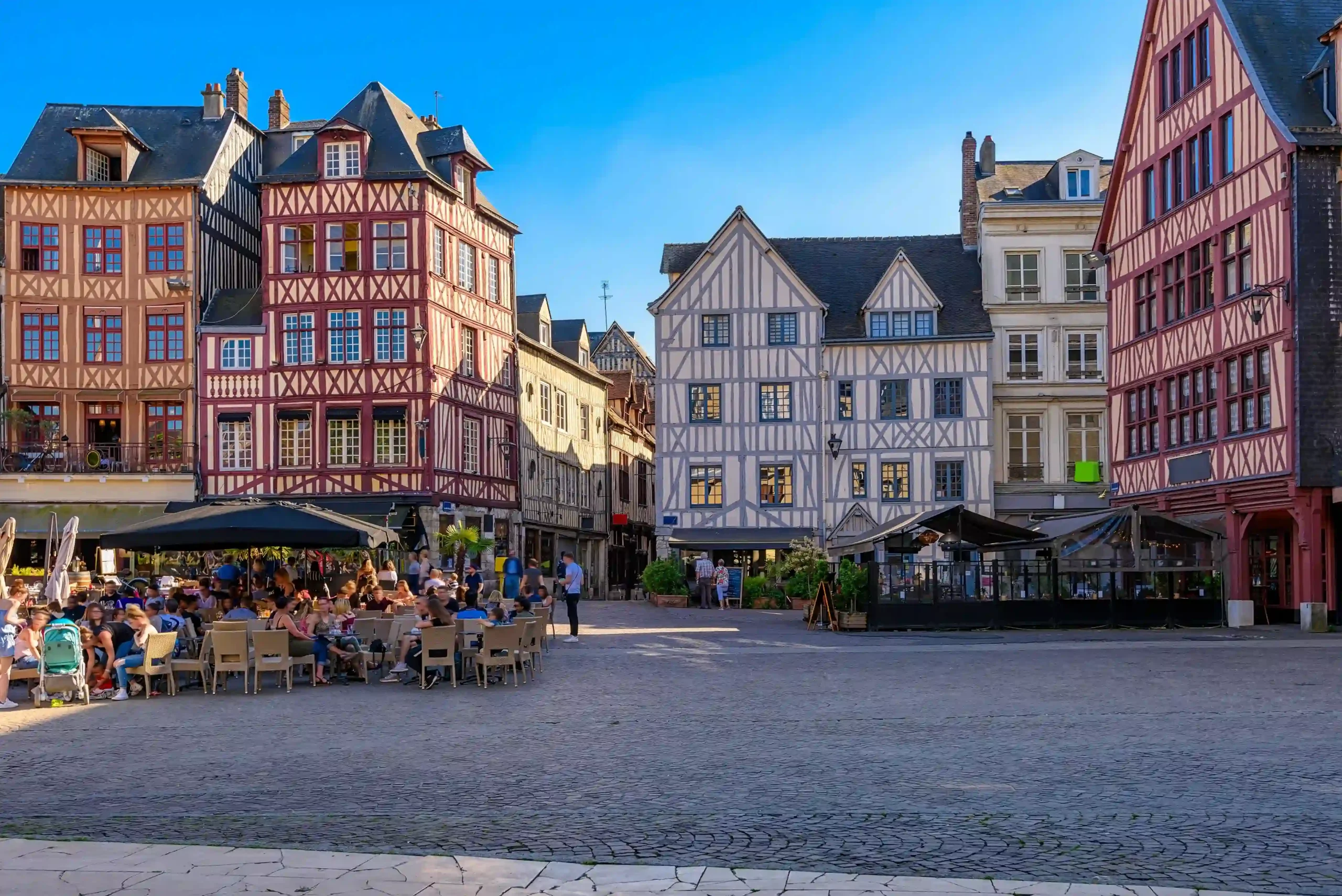
Spend the rest of your day wandering the cobblestone streets of Normandy’s largest pedestrianised quarter, where timber-framed houses lean over narrow alleys. Walk beneath the Gros-Horloge (a striking 14th-century astronomical clock), before reaching the Place du Vieux-Marché.
Les Andelys: A scenic Seine River Town
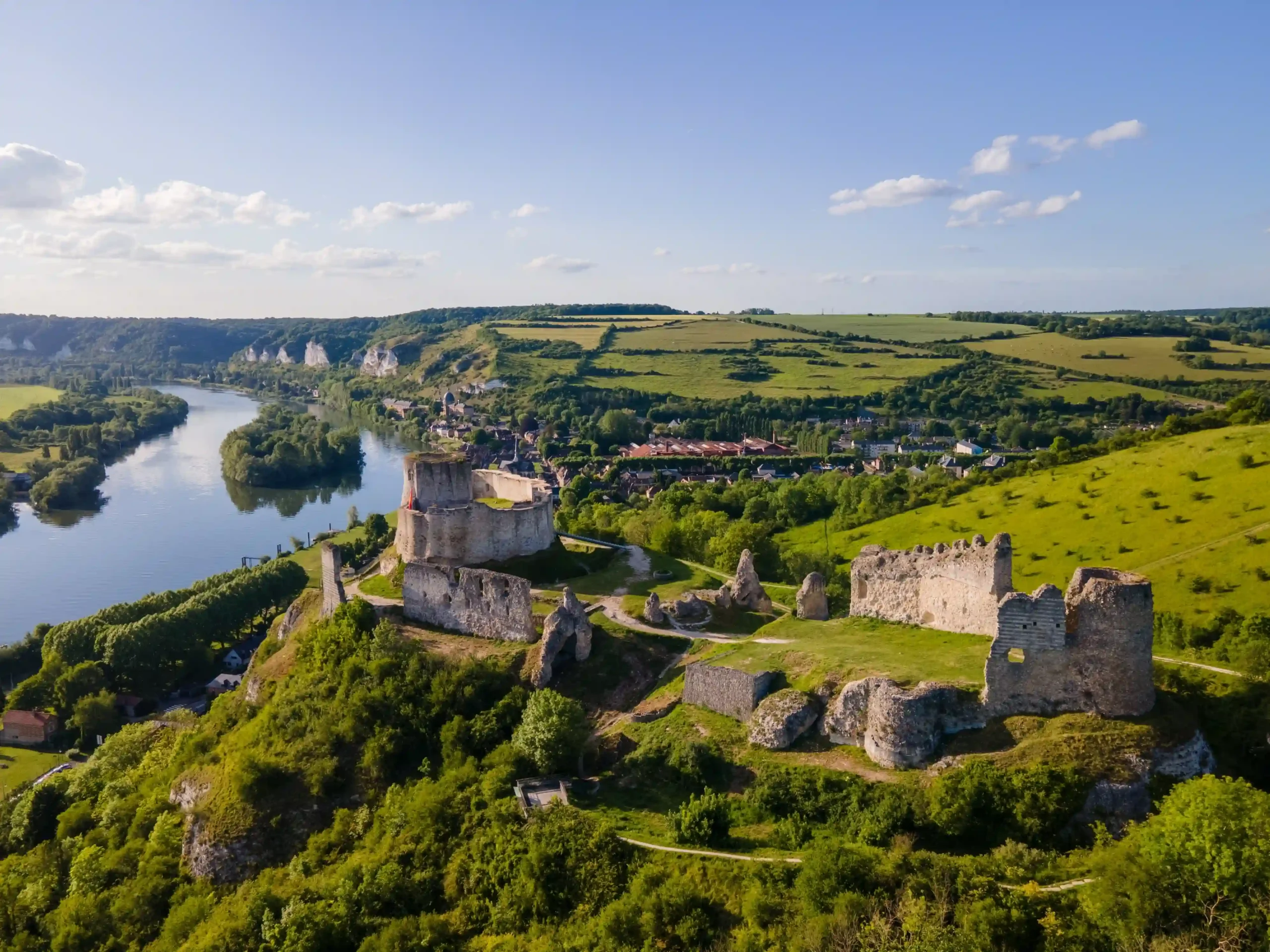
Just upstream from Rouen lies Les Andelys, a picturesque river town dominated by the dramatic ruins of Château Gaillard.
© David Briard
Built by Richard the Lionheart in 1196 in a record-breaking two years, this legendary fortress perched on a high cliff was engineered to guard the River Seine against the French King Philip II. Walk through the ruins and take in sweeping views of the river’s horseshoe bend.
Stock up on non-perishable groceries and bottled water at a large supermarket (Carrefour or E.Leclerc) on the outskirts of Rouen before driving towards the coast.
Tip
Where to stay
Flower Camping L’Ile Des Trois Rois in Les Andelys offers spacious grassy pitches on the banks of the River Seine, an outdoor swimming pool, and the convenience of being within walking distance of the town centre.
The Alabaster Coast: Étretat to Honfleur
Leaving the Seine Valley, drive north towards the Côte d’Albâtre (Alabaster Coast), where towering white chalk cliffs rise above the grey-green waters of the English Channel.
The chalk cliffs of Étretat
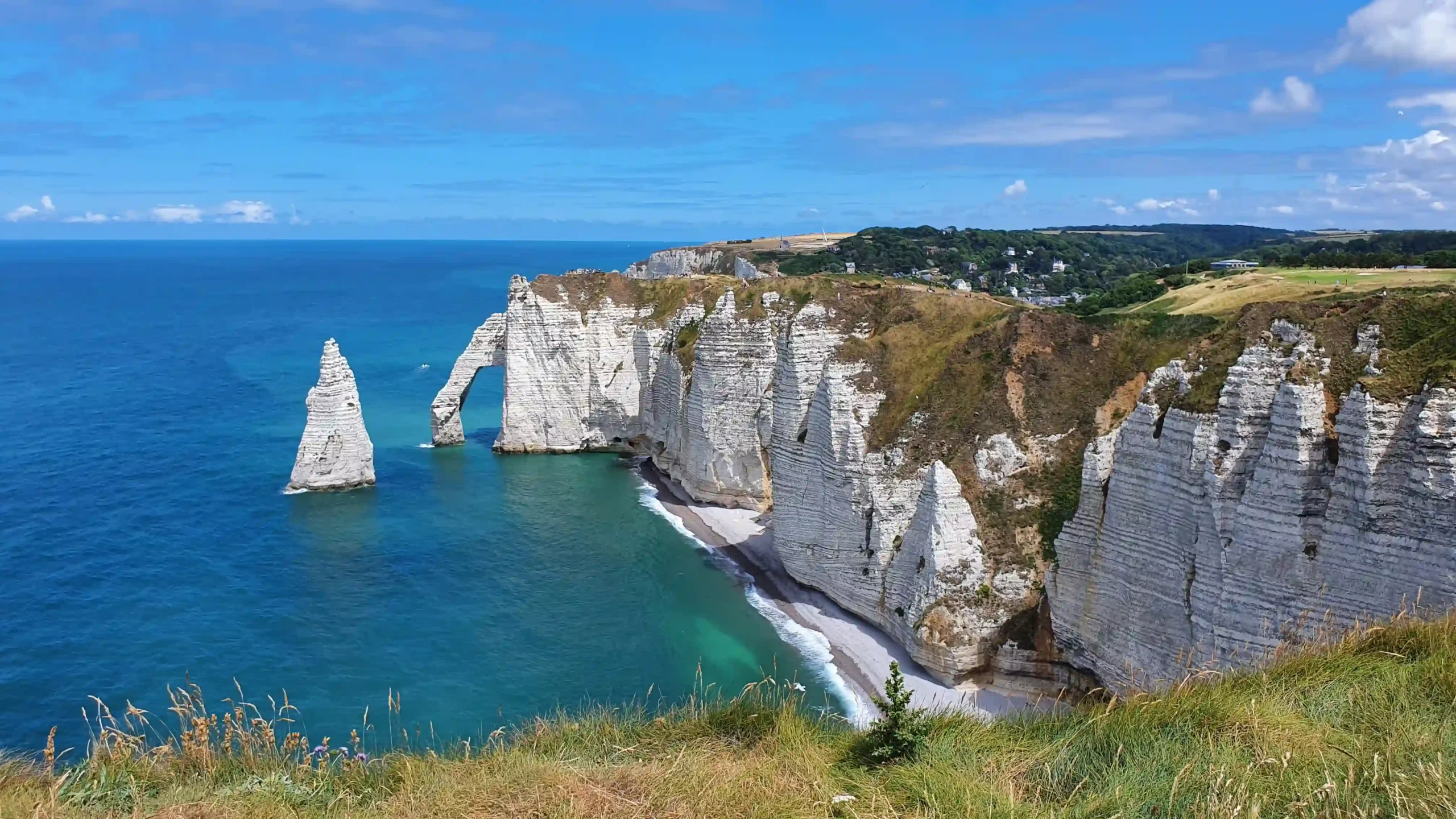
The seaside town of Étretat is one of Normandy’s most iconic coastal destinations, famed for its natural arches and the freestanding sea stack of L’Aiguille (The Needle).
© Finja Pajewski
The best way to appreciate the scenery is to follow the coastal path above the cliffs, where a short but steep climb leads to the Chapel of Notre-Dame de la Garde. From here, you can look out across the sweeping coastline and watch the waves carve their way through the landscape.
A different side of Normandy in Le Havre
A 40-minute drive from Étretat lies Le Havre. Almost completely destroyed during World War II, the city was re-engineered from scratch under the direction of architect Auguste Perret, who worked together with a team of roughly 60 to 100 architects.
Le Havre’s aesthetic is distinctly different. Instead of the classic cream-coloured limestone buildings of Paris or the timber-framed houses of Normandy, the city is defined by its extensive use of reinforced concrete.
From Le Havre, drive south across the Pont de Normandie—a cable-stayed bridge spanning the mouth of the River Seine, to reach Honfleur.
The Pont de Normandie can experience strong crosswinds. Keep a firm grip on the steering wheel when driving high-sided motorhomes across the structure.
Note
Honfleur
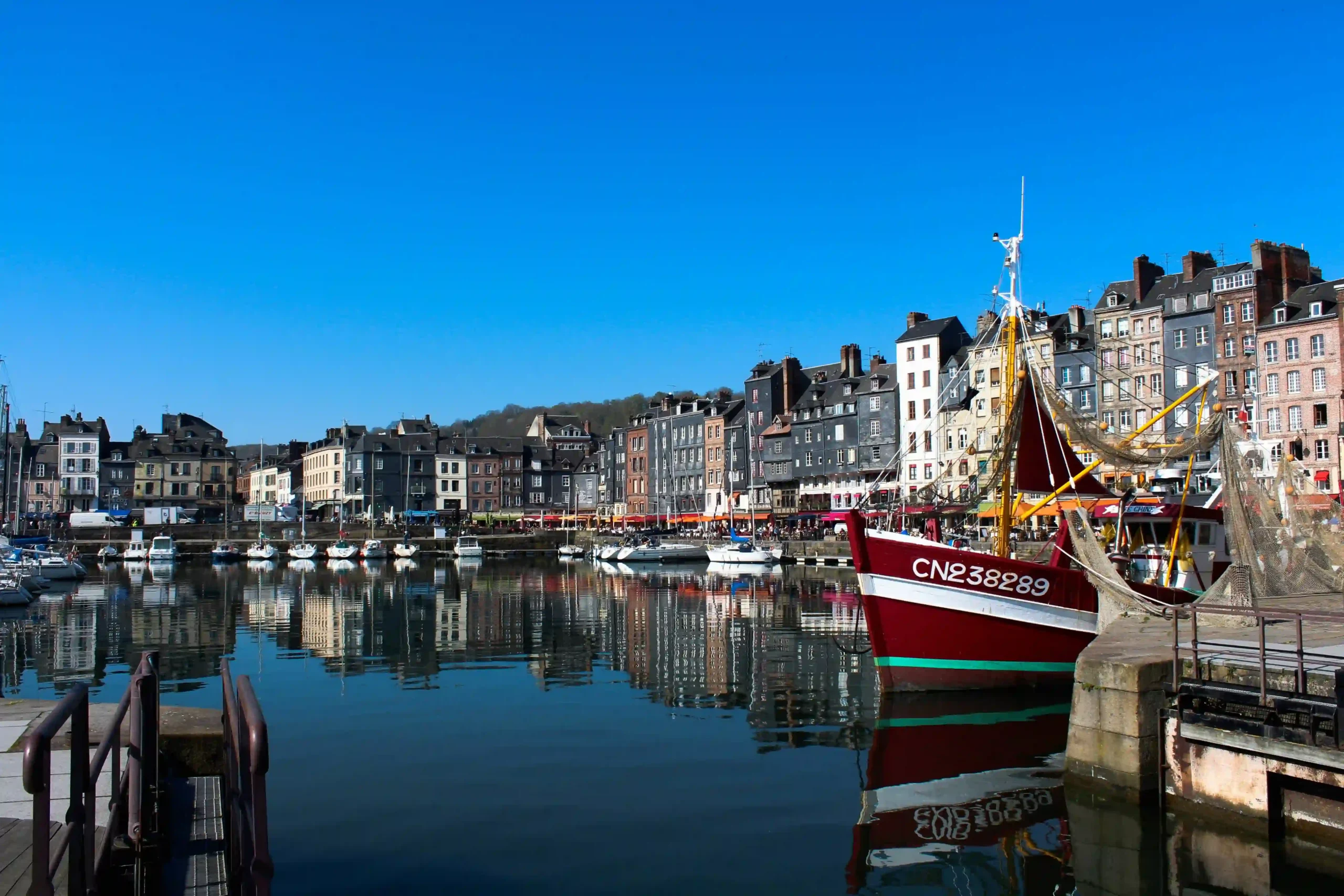
Honfleur’s Vieux Bassin (Old Harbour), one of France’s most picturesque ports, is lined with tall, slate-fronted 17th-century houses reflected in the calm waters.
© Gunther Bauer
Stroll along the cobbled streets near the harbour before visiting the wooden Church of Sainte-Catherine. Built by local shipwrights in the 15th century after the Hundred Years’ War, the church is unique for its ceiling designed to resemble the inverted hull of a ship. It is a fascinating reminder of Honfleur’s maritime heritage.
Where to stay
Located just outside Honfleur, Camping La Briquerie offers a relaxing stay, with an outdoor swimming pool, on-site restaurants, and fresh bread available each morning.
Honouring history along the Normandy coast
© Zack Frank
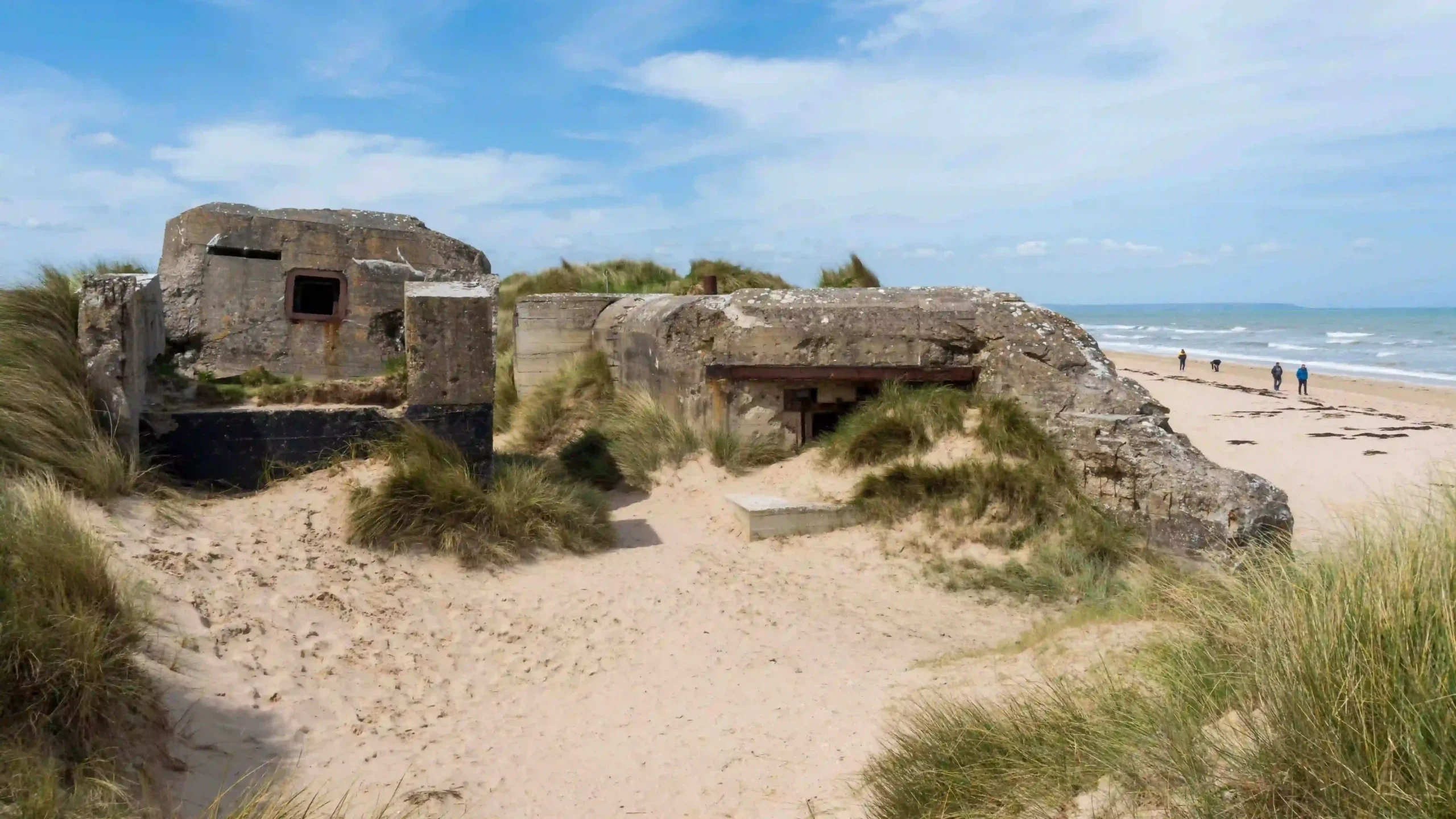
Historically, the Normandy beaches are most famous for the D-Day landings during World War II. Operation Overlord, launched on 6 June 1944, remains the largest seaborne invasion, with more than 150,000 Allied troops landing across five designated sectors code-named Utah and Omaha (assigned to the US forces), Gold and Sword (assigned to the British forces), and Juno (assigned to Canadian forces). These code names endured and are now the official names used to identify those stretches of the Normandy coast.
The Cotentin Peninsula to Mont Saint-Michel
As you travel further west beyond the WWII Normandy beaches, you’ll pass through the Cotentin Peninsula, a large piece of land sticking out like a finger pointing north.
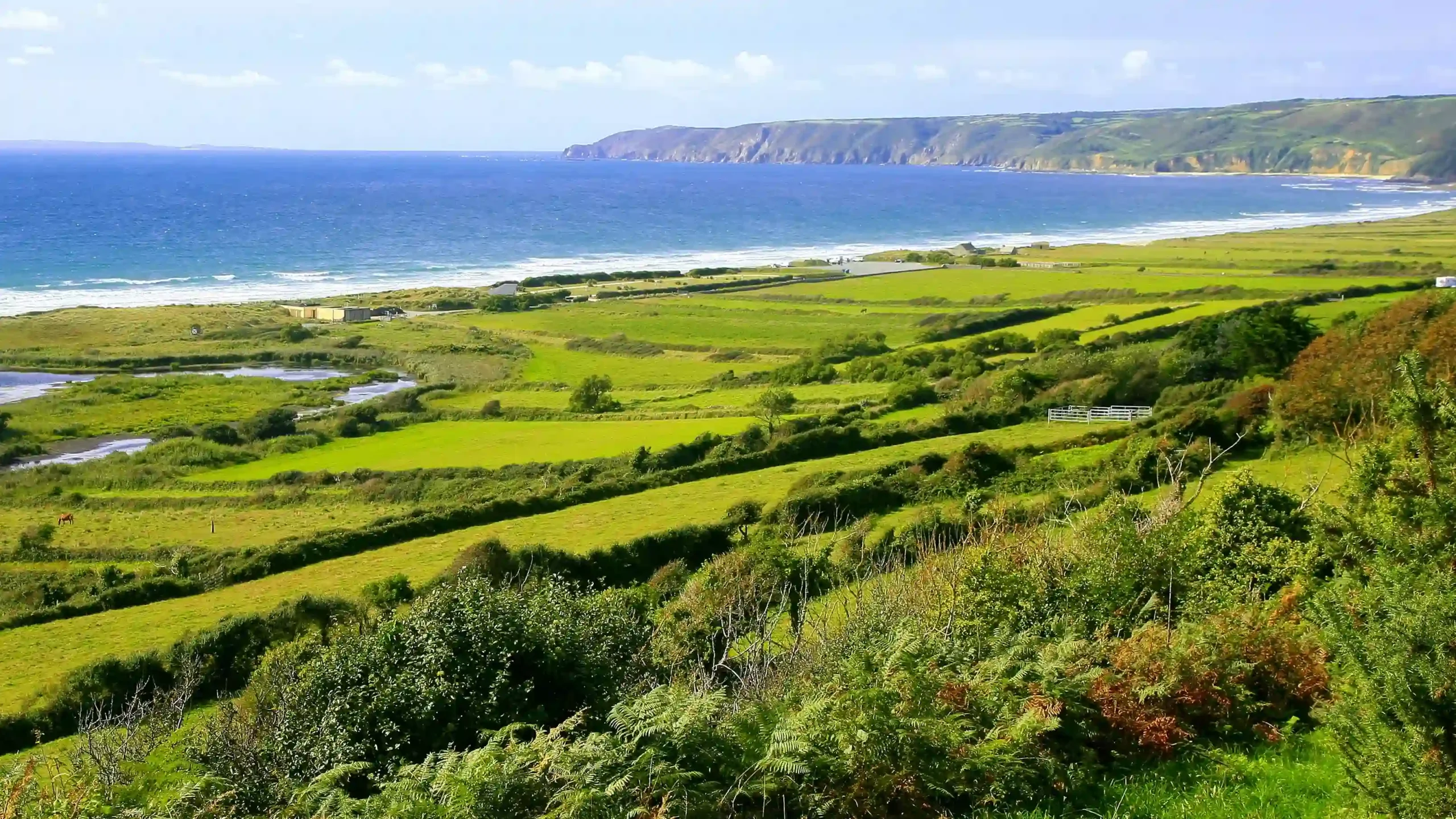
Often nicknamed “Little Ireland”, this remote and wilder corner of Normandy is known for its rolling green fields, winding hedgerows, and dramatic cliffs.
From La Hague’s cliffs to Granville’s harbour
At the northern end of the Cotentin Peninsula, La Hague reveals Normandy’s highest cliffs, Nez de Jobourg, rising 420 feet (128 m) above the crashing waves. Along the coastal paths, you’ll pass through rugged moorlands, where sheep graze along the cliff edges.
Continuing south, the scenery gradually shifts from wild cliffs to the lively harbour town of Granville. Known as France’s leading shellfish port and the second-largest port in the Manche department after Cherbourg, Granville combines maritime heritage with seaside charm. Perched above the town, the Christian Dior Museum offers a glimpse into the life of the famous designer, as well as sweeping views across the Bay of Mont Saint-Michel.
Mont Saint-Michel
Without a doubt, Mont Saint-Michel is one of Normandy’s most iconic landmarks and a must-see on any Normandy road trip.
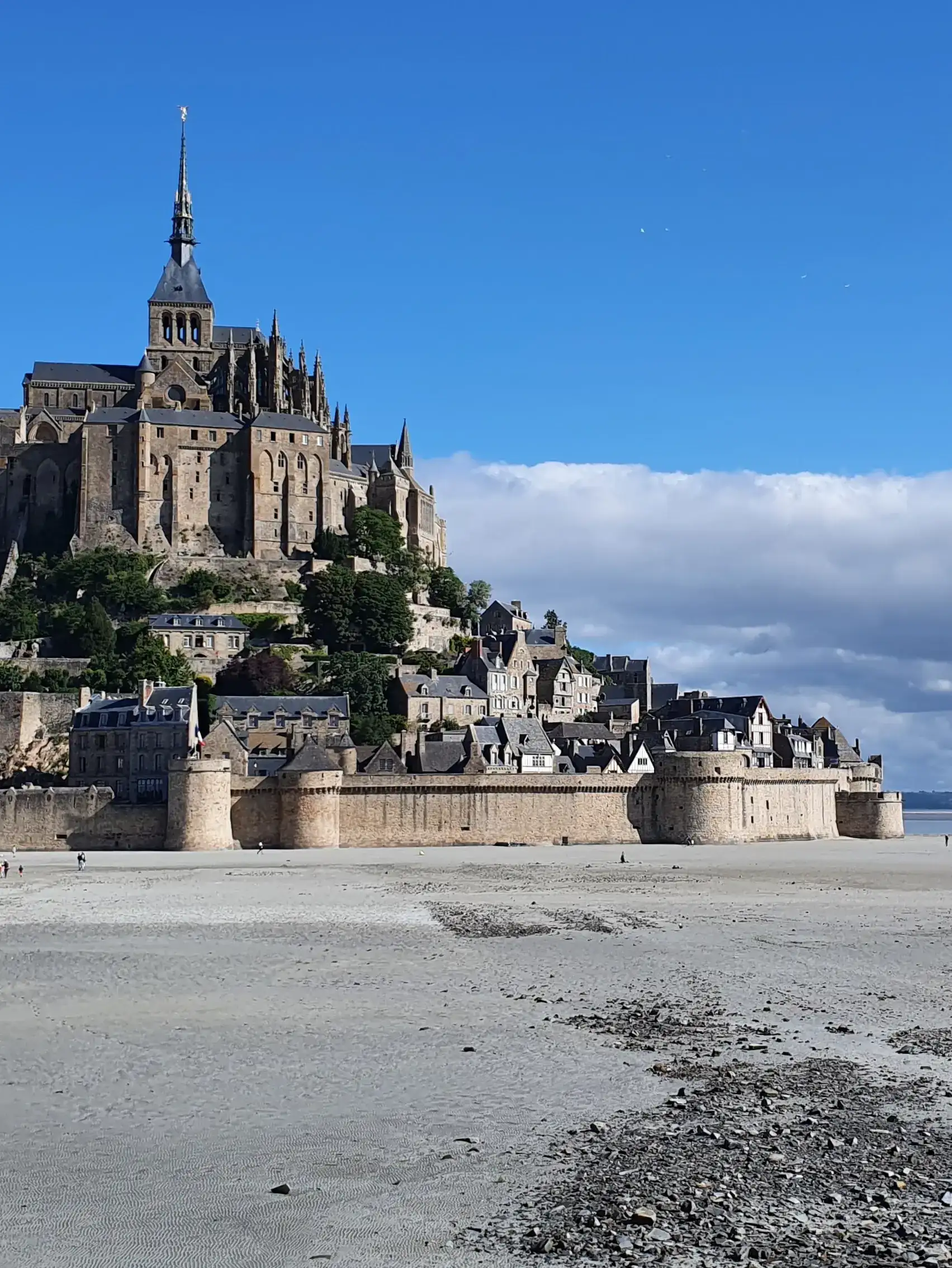
© Finja Pajewski
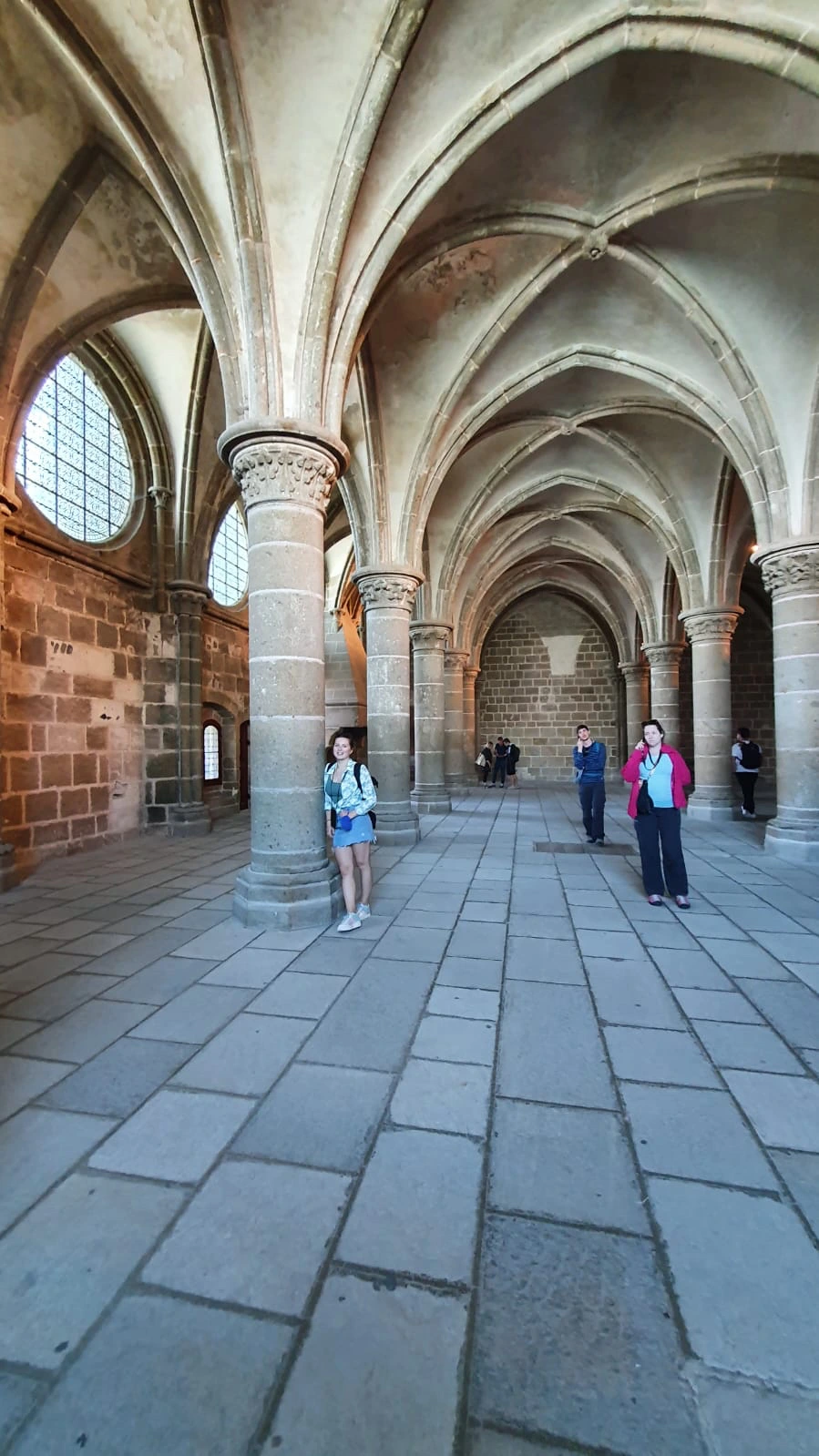
© Finja Pajewski
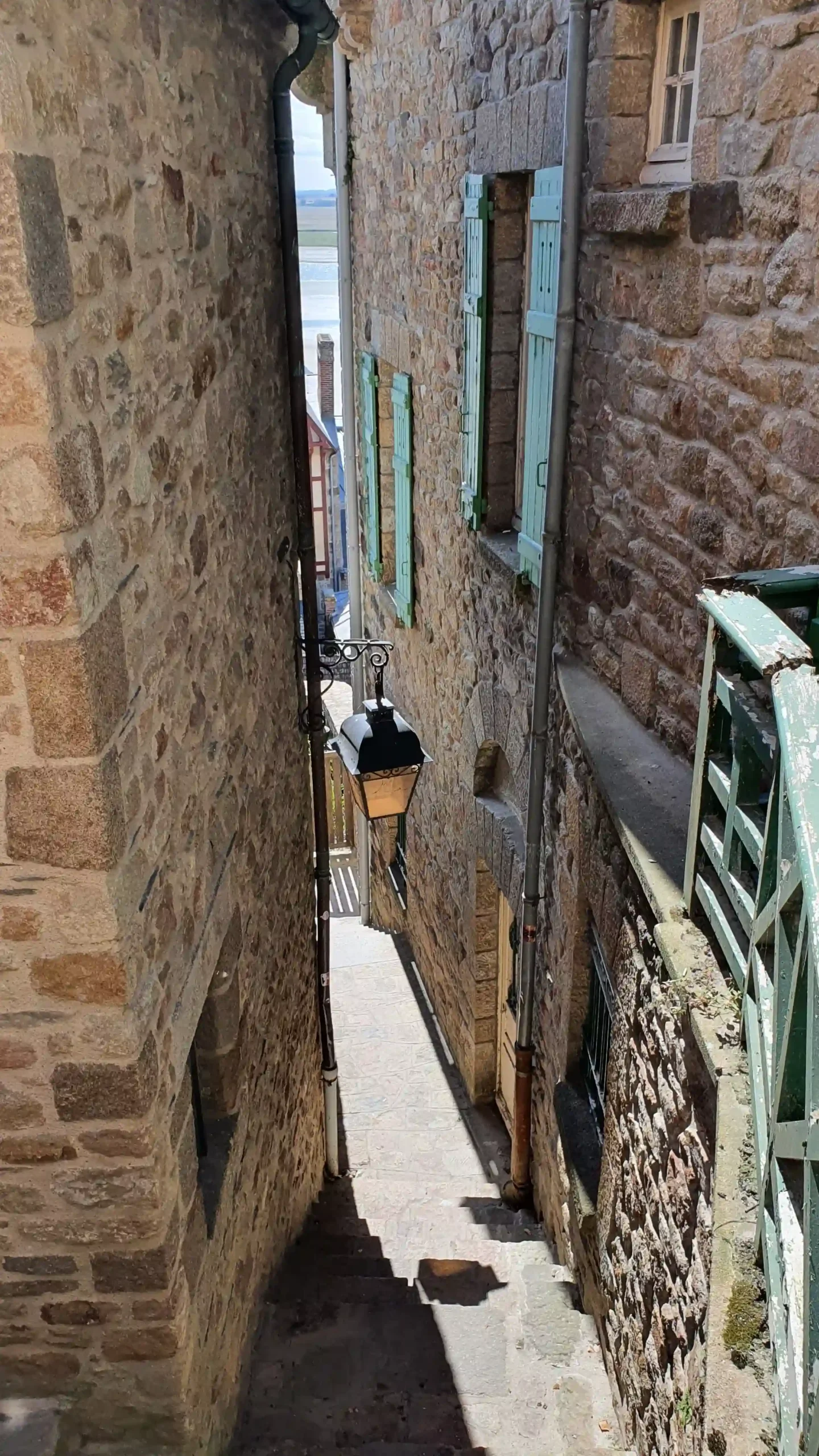
© Finja Pajewski
Rising dramatically from the expanse of its surrounding bay, this medieval island experiences some of Europe’s highest tides, with the sea rushing in to transform the entire landscape in a matter of hours.
Where to stay
Aire de Camping-Car La Bidonnière is a budget-friendly and convenient base for exploring Mont Saint-Michel and the Cotentin Peninsula. While basic, this stopover covers the essentials—offering fresh water, electric hook-ups, and a grey water dumping station.
Suisse Normande (Norman Switzerland)
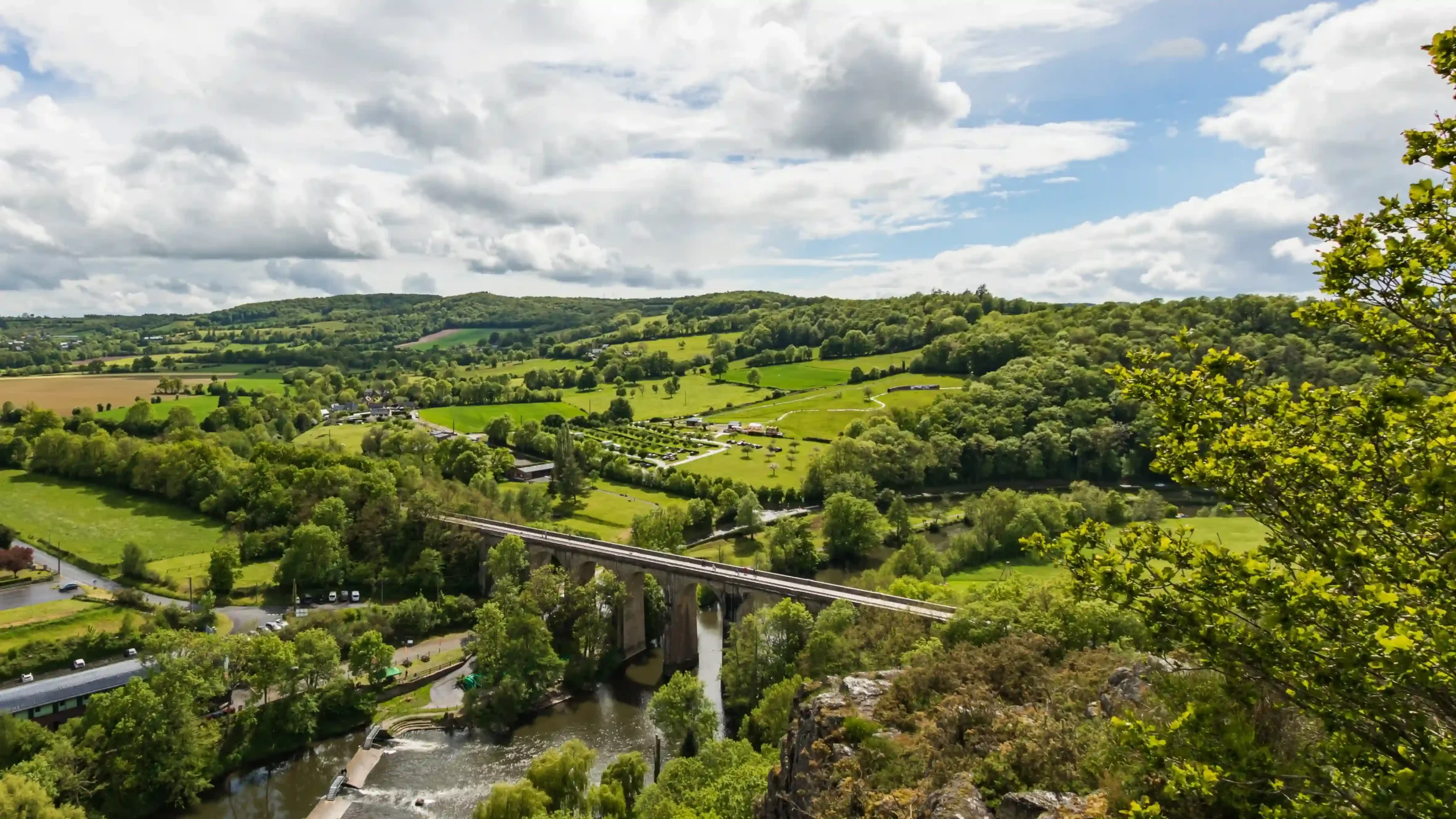
© ldgfr photos
As you leave the campsite, turn inland to begin your loop back toward Rouen. Passing through Suisse Normande brings you face-to-face with deep river valleys. It’s a fantastic place for outdoor adventure sports and charming riverside villages like Clécy.
If you have the time, make a detour to Falaise—a historic town built around the imposing Château Guillaume-le-Conquérant, the birthplace of William the Conqueror in 1028.
The Pays d’Auge
The final leg of your loop leads through the heart of the Pays d’Auge, where the countryside opens up into a traditional bocage landscape of lush pastures, old apple trees, and hedge-lined lanes. Following the sweeping curves of the lower Seine Valley, your return to Rouen brings a close to one of France’s most spectacular road trips.
If you’re planning a longer two- to three-week road trip, consider continuing on to Brittany. With a coastline far wilder than Normandy’s and deep Celtic roots, it makes a complementary addition.
Ensure your motorhome’s wastewater tanks are emptied before returning your vehicle to the rental depot.
Note
A Parisian detour (optional)
Extending your Normandy road trip and driving to Paris offers a great contrast to what you’ve seen so far. Beyond the capital’s iconic landmarks like the Eiffel Tower, Cathédrale Notre-Dame on the Île de la Cité, and the Louvre’s glass pyramids, the capital buzzes with an infectious outdoor energy. Here, high-fashion streets blend effortlessly with a lively café culture.
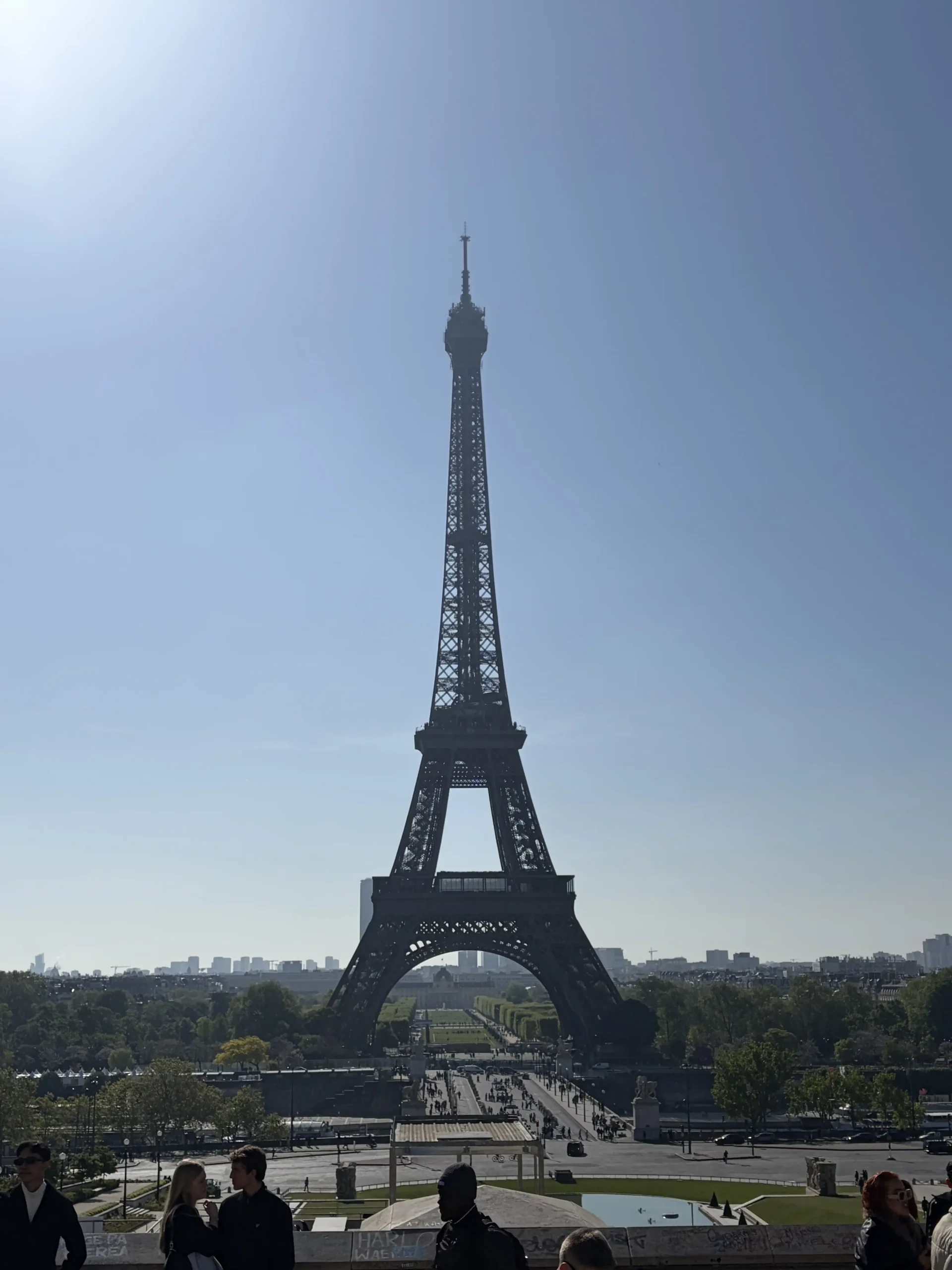
© Lukas Kaj Hewson
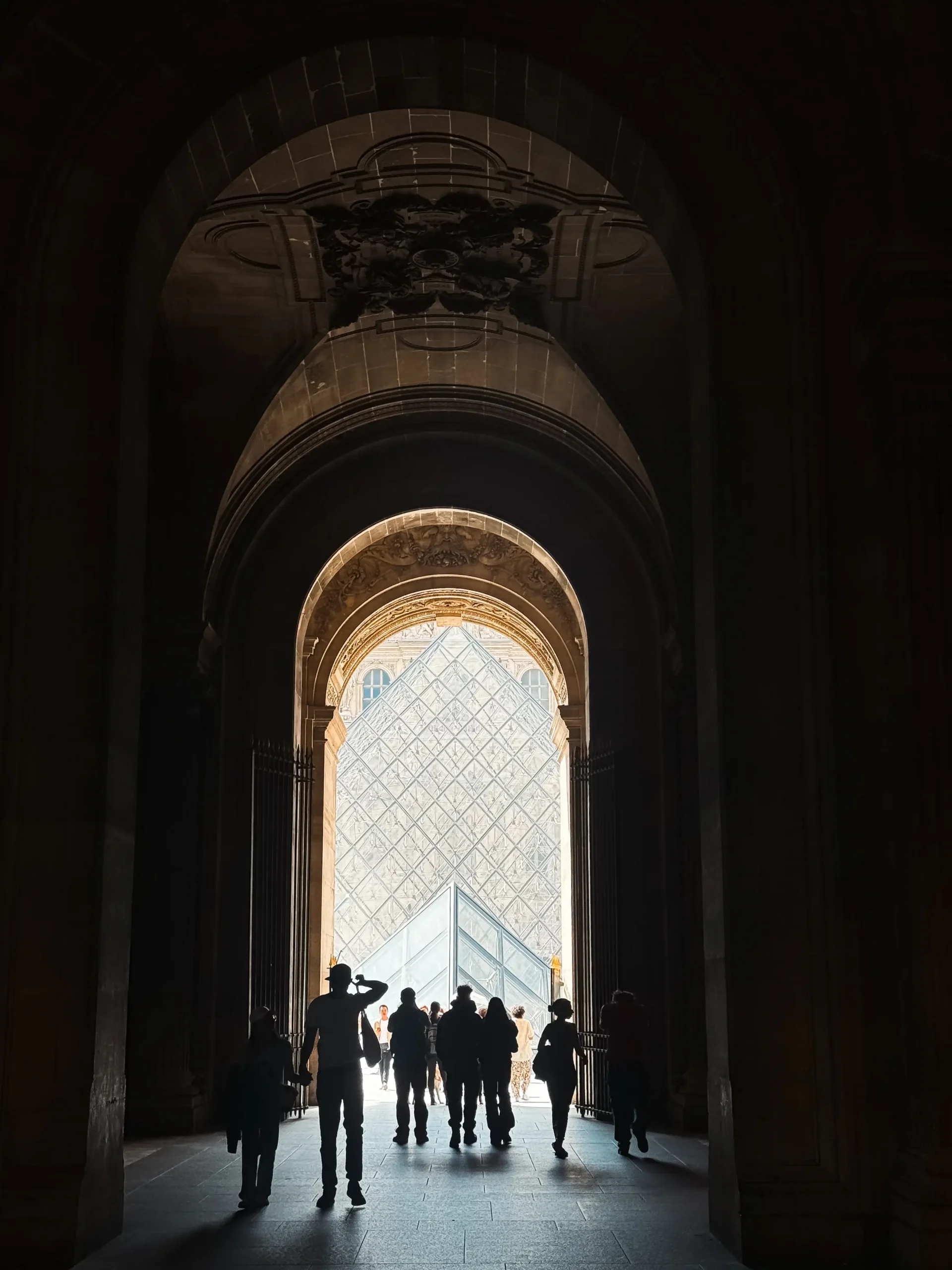
© Björn Esperling
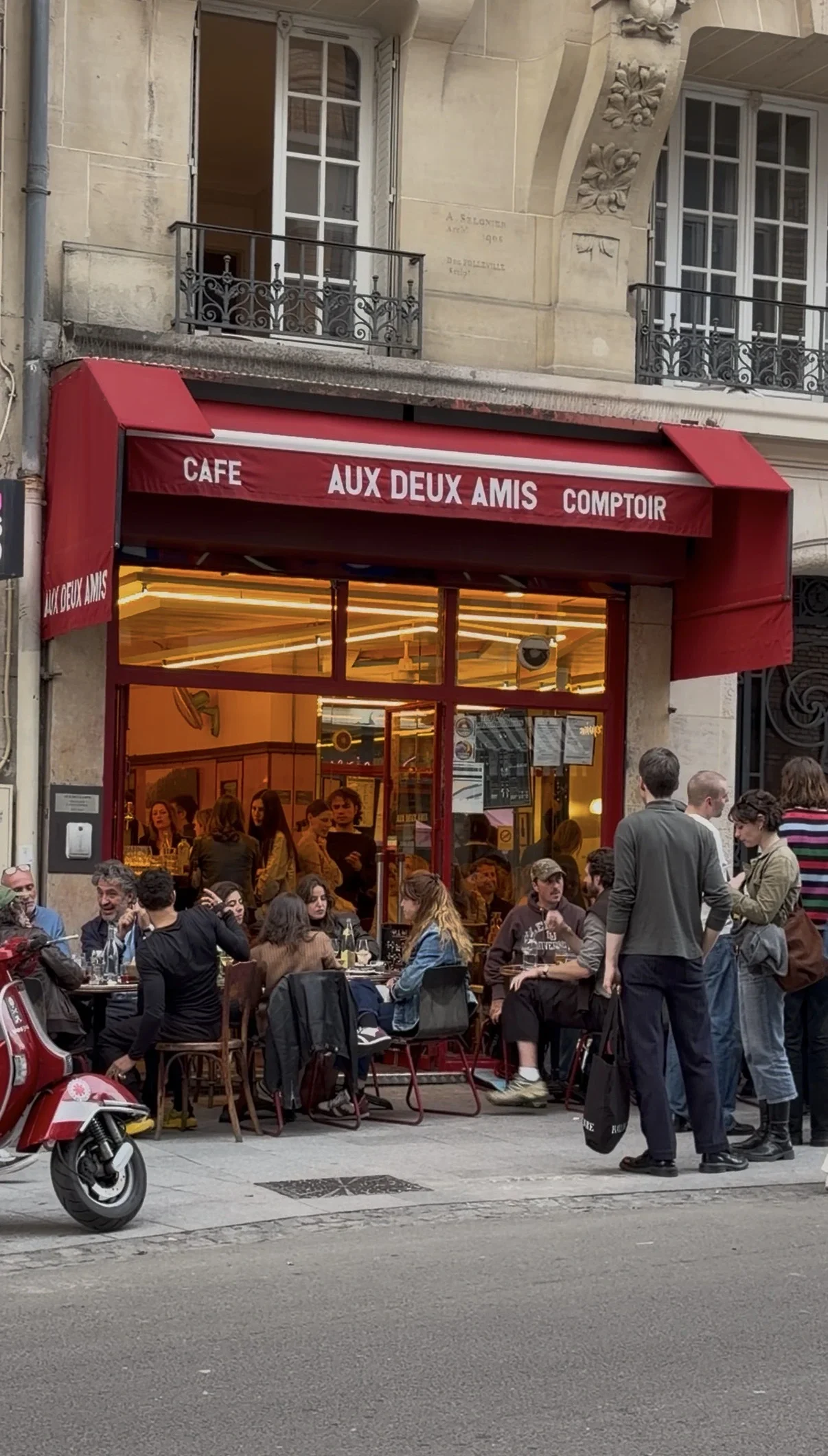
© Lukas Kaj Hewson
However, to experience an evening in Paris like a true local you need to pick up a fresh, crusty baguette, some local cheese and a bottle of wine (preferably red), then join the locals along the stone wall of the Canal Saint-Martin. Sitting near the iconic green iron footbridges as canal boats drift by at sunset is a simple yet unforgettable Parisian ritual—and a great way to end your Normandy road trip.
Tips & costs for your Normandy road trip
When planning a road trip around Normandy, it’s worth considering a few key factors, including the season, vehicle size and daily expenses, as these can have a direct impact on your overall costs.
Best time to visit Normandy
Late spring (May to June) and early autumn (September to October) are the best months for a Normandy road trip, offering pleasant temperatures and quieter roads and campsites.
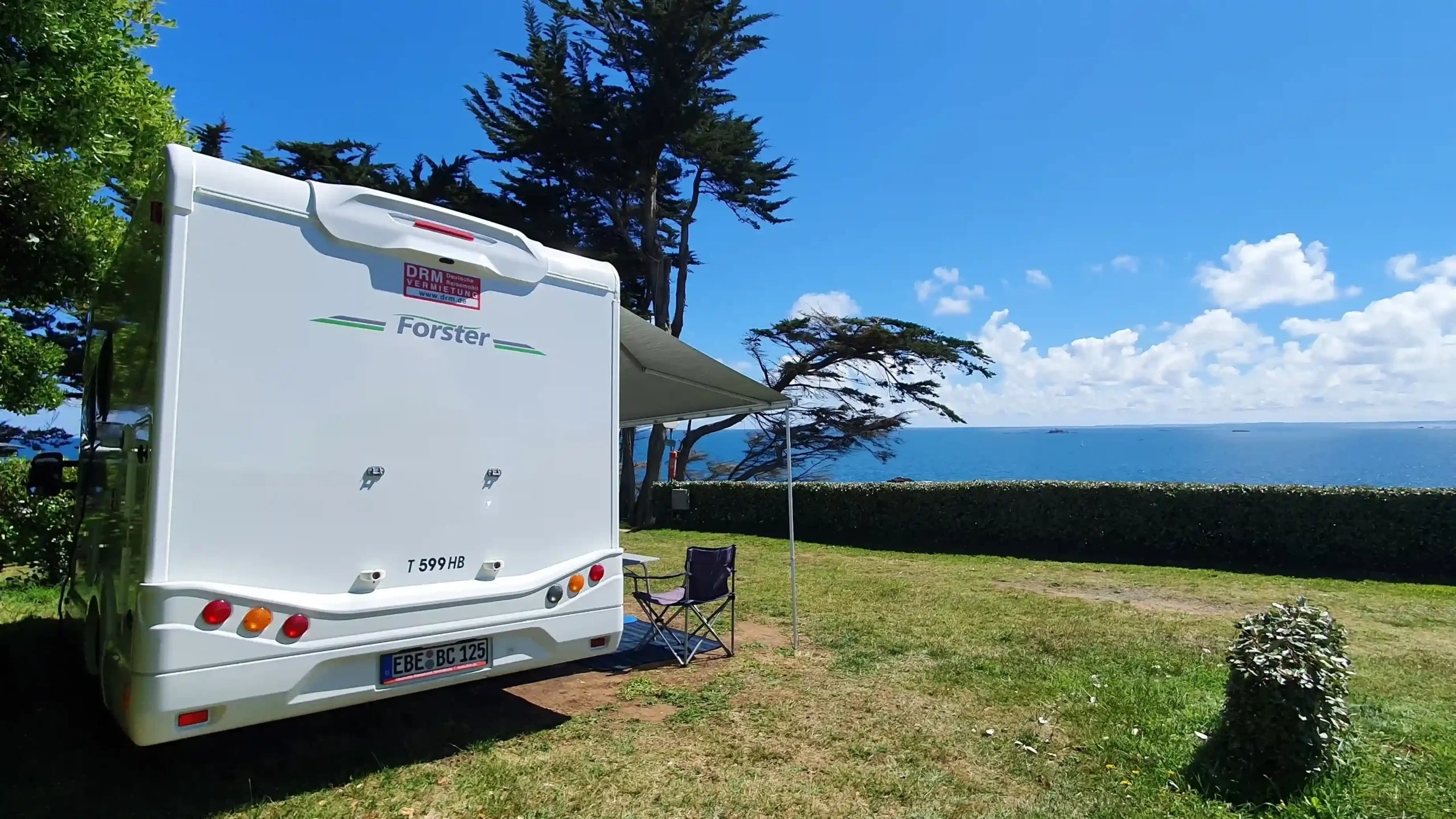
© Finja Pajewski
During these periods, coastal towns operate as usual, while June, in particular, sees numerous anniversary events surrounding D-Day, creating a unique atmosphere.
Choosing the right motorhome
Normandy’s roads range from modern multi-lane motorways to extremely narrow rural lanes lined with stone walls or dense hedges (bocage).
On our CU | Camper website, you’ll find a range of vehicles to choose from. A campervan of up to 22 feet (7 m) is relatively easy to manoeuvre around narrow lanes and smaller coastal car parks. However, if you’re travelling with a family, space can quickly become limited, so a large motorhome may be a better option. These often come with slide-outs and fixed rear beds, providing more living space and comfort.
Overall, it’s best to park at campsites or car parks outside city centres and continue your journey on foot, by public transport or by bicycle.
Ensure your vehicle is equipped with a European electrical adapter plug and chemical toilet treatment products.
Note
Normandy travel costs
While the exact costs depend on the time and duration of your Normandy road trip, your choice of vehicle and campsites, as well as your personal spending habits, the following breakdown provides a helpful overview, to get a feeling of what an 8-day Normandy road trip would roughly cost for two people.
Vehicle rental and fuel
- Renting a campervan or motorhome for eight days generally ranges between €1,000 and €2,000 depending on the season, insurance options, and vehicle size.
- Covering roughly 400 miles (650km) will require approximately €200 to €250 in diesel, depending on fluctuating fuel prices and vehicle weight.
- As you’ll want to ease through your Normandy road trip, you will avoid motorway tolls completely by following scenic Routes Nationales (N-roads) and Routes Départementales (D-roads).
The coastal route from Rouen to Mont-Saint-Michel, following the D514 past the Normandy beaches, is entirely toll-free.
Note
Overnight stays and food
- Expect to pay €20 to €60 per night on basic campsites depending on the season.
- Cooking local produce in your motorhome kitchen also keeps costs down. Budget around €500 for grocery shopping alongside occasional meals out at coastal bistros for fresh oysters, crepes, and local cider.
Overall, a 8-day Normandy road trip for two people will roughly cost between €2,500 and €3,500.
Frequently asked questions about a Normandy road trip
What is the best time of year to drive around Normandy?
Late spring (May to June) and early autumn (September to October) are ideal for a Normandy road trip, offering pleasant temperatures and quieter roads and campsites. June sees numerous anniversary events surrounding D-Day, whilst autumn brings the local apple harvest.
Where can I hire a campervan or motorhome for a Normandy road trip?
The most flexible option is to collect your vehicle near Paris through CU | Camper. Pickup locations include Rouen and Évreux, where you can choose from a range of vehicles from our trusted partner, McRent.
How many days do you need for a Normandy road trip?
A Normandy road trip can technically be completed in four to five days if you focus only on the main highlights. However, spending at least eight days allows you to explore the historic towns, Normandy beaches, Mont Saint-Michel, and the countryside at a more relaxed pace.
How much does a Normandy road trip cost?
An 8-day Normandy road trip for two people typically costs around €2,500 to €3,500. This includes campervan rental, fuel, campsites, groceries, and occasional meals out. Costs vary depending on the season, vehicle size, campsite choices, and travel style.
How much does it cost to rent a campervan in Normandy?
Campervan or motorhome rental in Normandy generally costs between €1,000 and €2,000 for eight days. The final price depends on the season, insurance options, and the size of the vehicle.
Before or after a motorhome trip, it’s often a good idea to spend a few days in a major city.
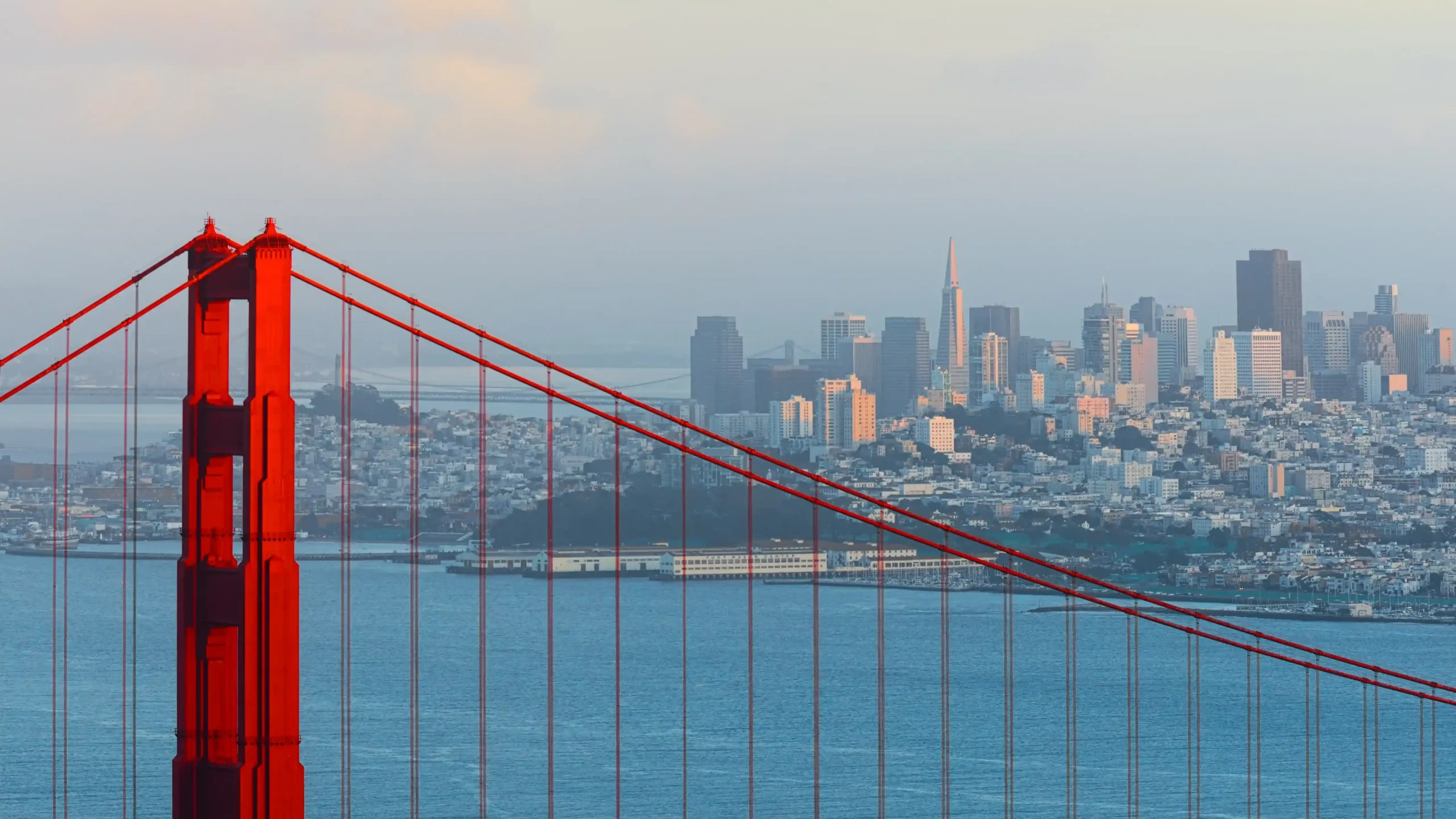
RV rental San Francisco
Resting dramatically on the edge of Northern California, San Francisco is widely considered one of the best cities in the US. Celebrated around the world for its iconic landmarks, vibrant…
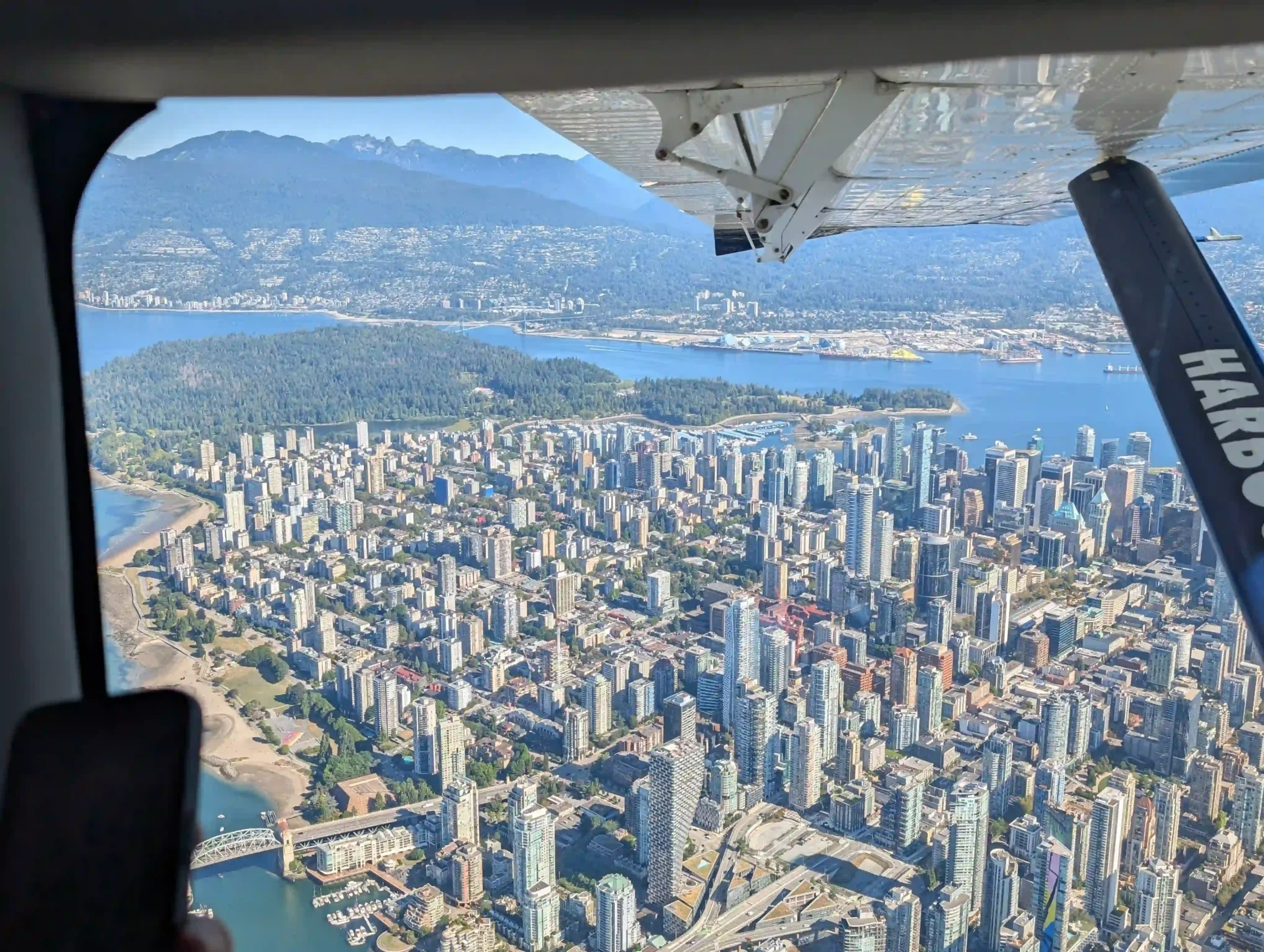
Vancouver itinerary
Explore a modern oceanfront city framed by towering peaks. Park up at picturesque campsites, catch coastal ferries, and launch your ultimate British Columbia road trip.
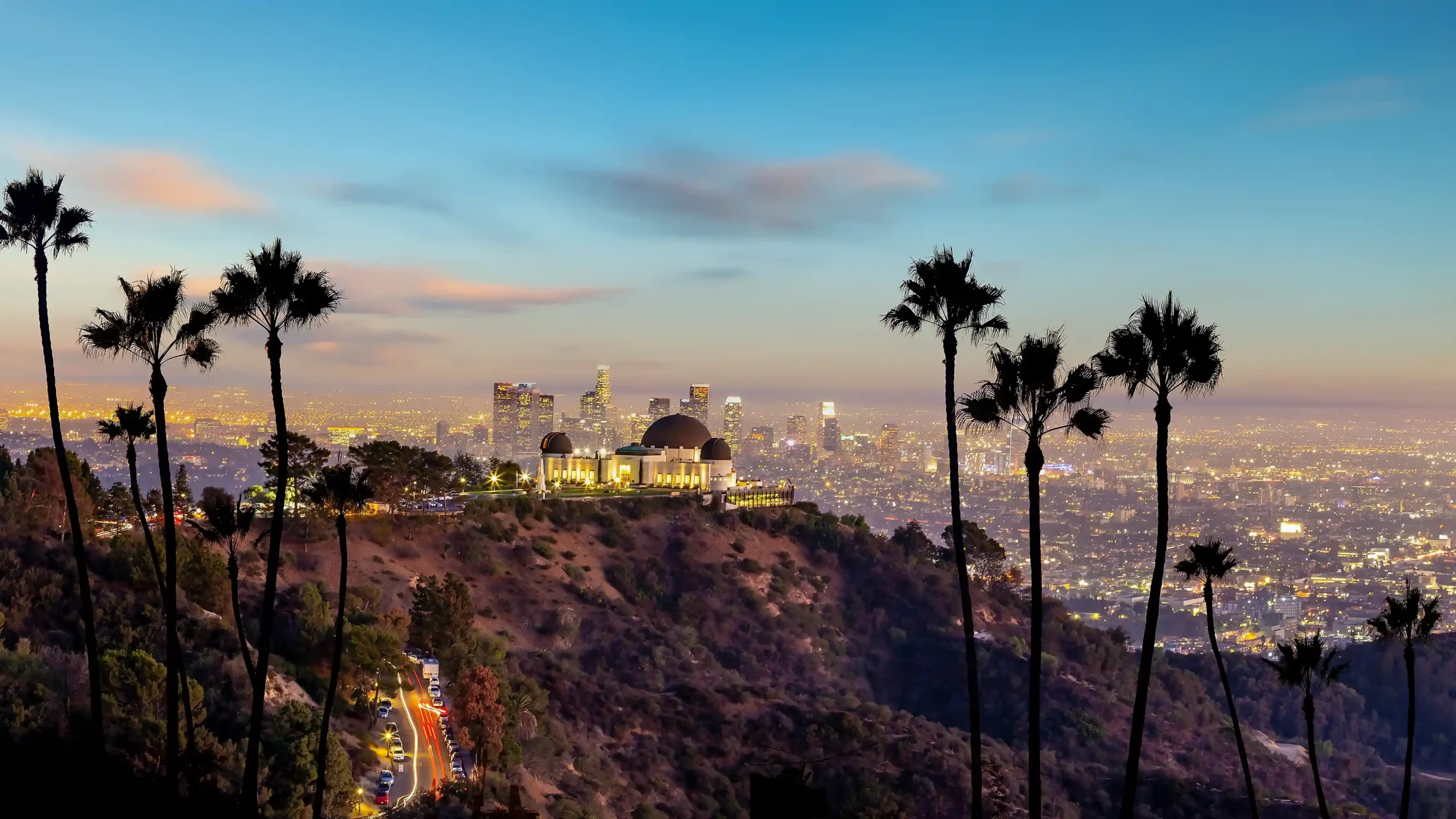
Camping Los Angeles
Stroll the Santa Monica Pier, take in sweeping skyline views from Griffith Observatory, and soak up iconic film history.
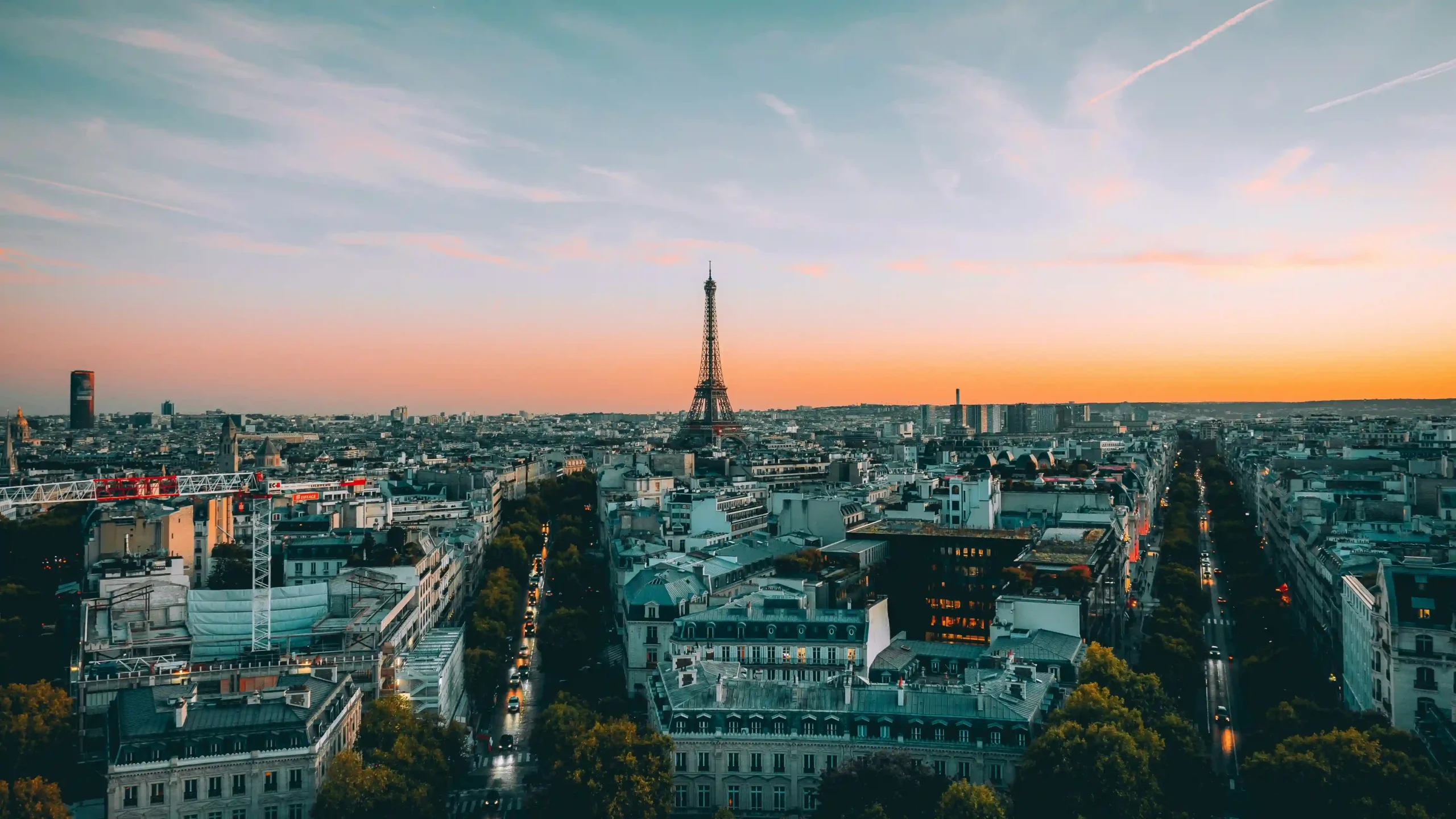
Camping Paris
Experience a city shaped by its visual harmony, culture of leisure, and devotion to style.
Norway and Finland motorhome itinerary
A 10-day motorhome journey from Rovaniemi to the North Cape. Encounter reindeer in Lapland and witness the Midnight Sun at the edge of the continent.
Calgary to Vancouver road trip
Journey along the Rockies on your way from Calgary to the Pacific coast. Drive past turquoise lakes and massive glaciers, exploring the best of the mountain wilderness in a motorhome.