
Calgary to Vancouver road trip
A journey from the Rocky Mountains to the Pacific Coast.
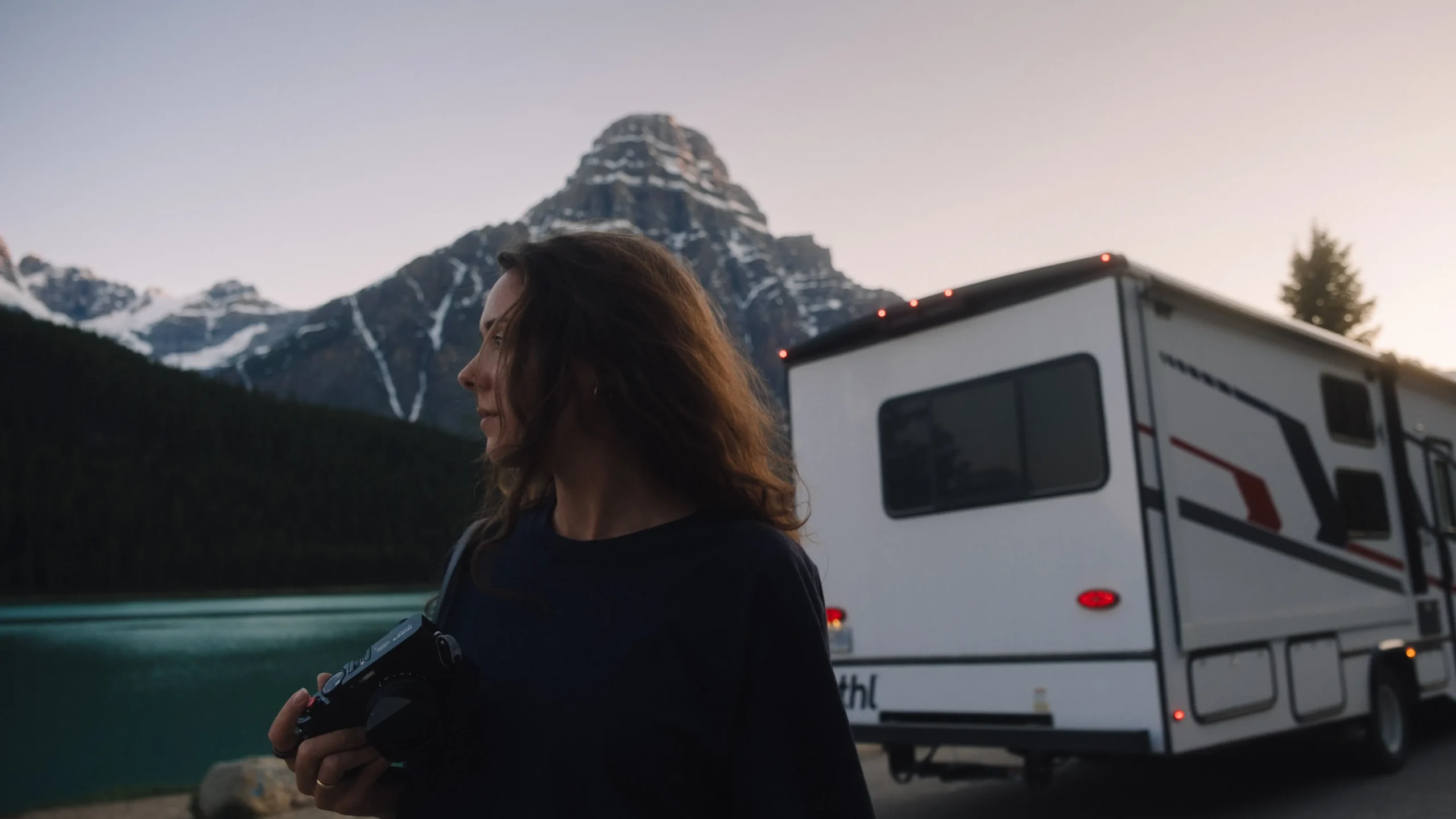
© Noah Mlinaric
From the limestone giants of the Rocky Mountains in Alberta to the salt-spray of the Pacific in British Columbia, this itinerary from Calgary to Vancouver captures the very essence of the Canadian wilderness.
You’ll cover around 870 miles (1,400 km) of terrain, following the direction of the mountains, seeing the scenery change from jagged peaks and emerald lakes to lush rainforests and a rugged coastline.
Highlights
- The Calgary Tower skyline view
- Canoeing on Lake Louise
- The legendary Icefields Parkway drive
- Athabasca Glacier’s prehistoric ice
- The thundering Helmcken Falls
- Vancouver’s Stanley Park Seawall
Why choose a motorhome for this Calgary to Vancouver road trip?
The sheer scale of the landscape – Banff and Jasper National Parks alone cover more ground than some European countries – makes a motorhome the most practical and immersive way to travel.
With a motorhome, you can wake up at the foot of a mountain or on the edge of a rugged beach. Canada’s campsite network is world class, with wide, forested sites that provide a feeling of complete seclusion, where you can fall asleep to the scent of pine or the sound of crashing waves.
| Day | Route / Destination | Driving time | Highlights |
| 1–2 | Arrive in Calgary | Calgary Tower, Peace Bridge, Inglewood | |
| 3–4 | Calgary → Banff | ~1.5 hrs | Lake Louise, Moraine Lake, Legacy Trail |
| 5–6 | Banff → Jasper | ~3.5 hrs | Icefields Parkway, Athabasca Glacier, Spirit Island |
| 7–8 | Jasper → Clearwater | ~3.5 hrs | Mount Robson, Helmcken Falls |
| 9 | Clearwater → Whistler | ~5.5 hrs | Duffey Lake Road, Squamish Lil’wat Centre |
| 10 | Whistler → Vancouver | ~2 hrs | Stanley Park, Granville Island, Capilano Bridge |
| (Opt) | Detour: Whistler → Nanaimo → Tofino → Victoria | ~11.5 hrs + Ferry | Cathedral Grove, Pacific Rim National Park, surfing, whale-watching, Butchart Gardens |
Calgary: The Gateway to the Rockies
After collecting your motorhome—which you’ve booked through CU | Camper—spend a day or two exploring Alberta’s largest city first. It offers everything you’d expect from a big city. From contemporary arts centres, beloved music districts and avant-garde architecture, to a world-class culinary scene. Make sure to sample the local flavours, from a classic prairie “flapper pie” or locally sourced Alberta steak.
Before leaving the city, ensure your water tanks are topped up and your fuel is full. Check that your fridge and heating are functioning on both battery and external power—essential for those cooler mountain nights.
Tip
Start your experience at the Calgary Tower. Standing 626 feet (191 m) tall, the observation deck provides a 360-degree perspective of the downtown skyline set against the breathtaking, jagged backdrop of the Rockies. Afterward, head to the iconic Peace Bridge, a striking red helical structure spanning the Bow River that has become a symbol of the city’s modern design.
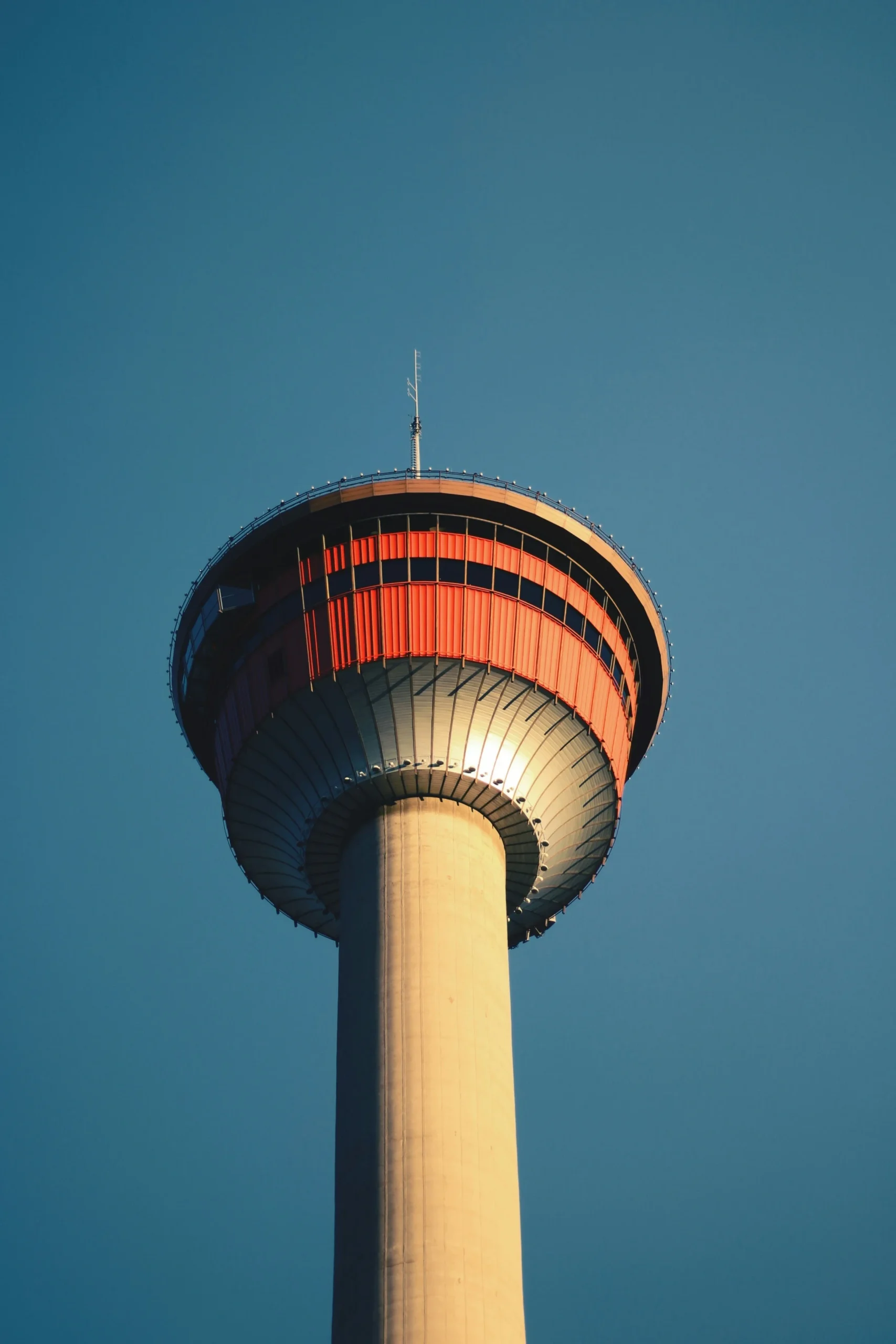
© Umer Shahid
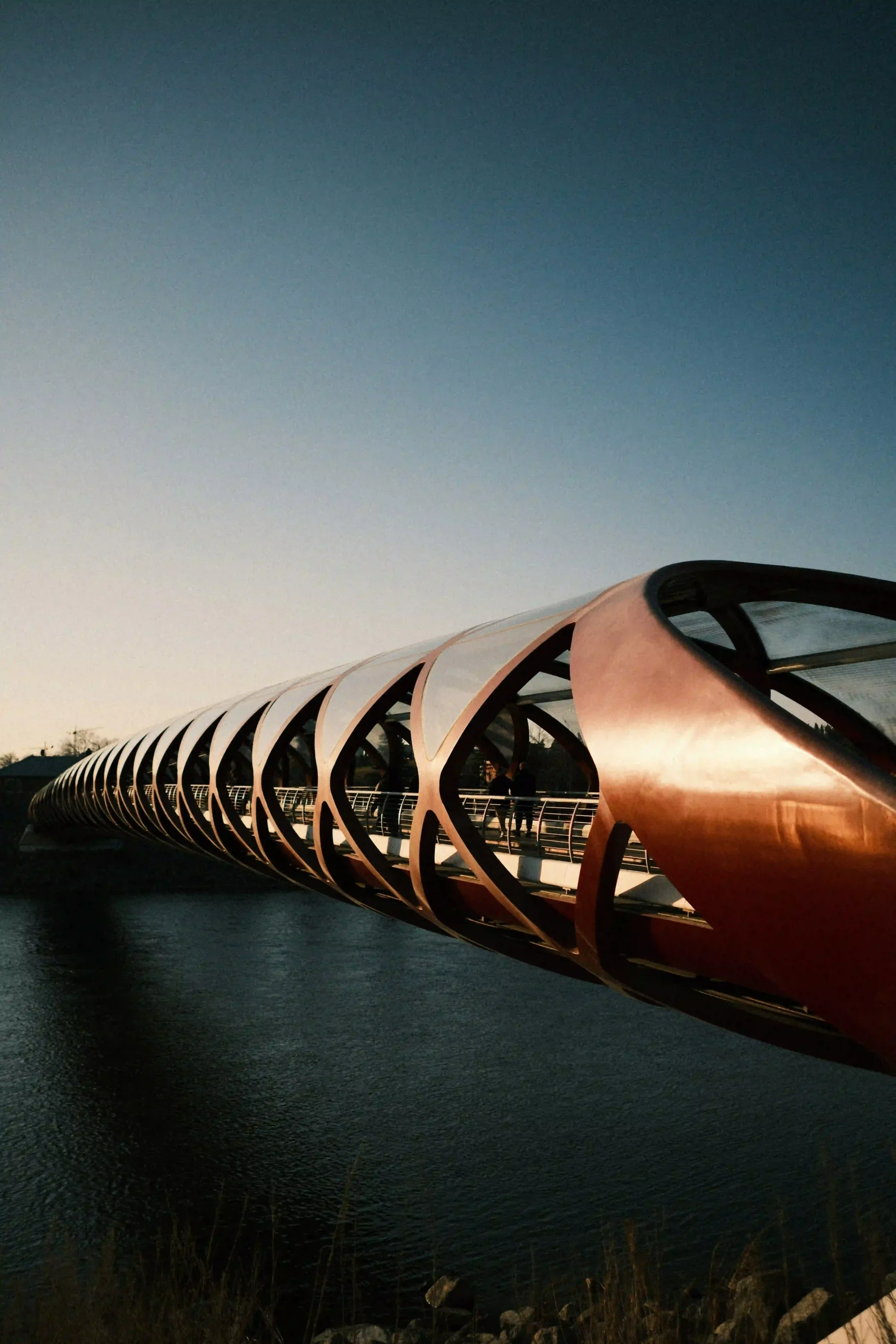
© Vitalii Khodzinskyi
Calgary also offers plenty of opportunities to get on the water:
- Glenmore Reservoir: A popular spot for canoeing, kayaking, and sailing.
- Bowness Lagoon: An off-shoot of the Bow River, perfect for a calm paddle under the shade of towering trees.
- Quarry Lake (Canmore): A local favourite for paddleboarding and the region’s warmest mountain lake.
If you’re eager to hit the trails, several iconic hikes are within a short drive of the city:
- Troll Falls (Kananaskis): An easy, family-friendly hike to cascading waterfalls.
- Prairie Mountain (Kananaskis): A moderate climb with great panoramic views.
Where to stay
For a convenient stay near the city, both Calgary West Campground and Bow RiversEdge Campground serve as an excellent base.
Calgary to Banff National Park
The drive from Calgary takes roughly 90 minutes. After an hour the Rockies suddenly erupt from the horizon—a wall of limestone and ice that makes the skyscraper skyline of Calgary look like a toy set.
Banff National Park
With mountain peaks towering in every direction, finding an epic sunrise or sunset spot is effortless. At Moraine Lake, the early morning sun illuminates the Ten Peaks, turning the rock faces a brilliant shade of pink and gold. Meanwhile, at Vermilion Lakes, the iconic silhouette of Mount Rundle shimmers on the water’s glass-like surface.
For an active start to your day, head to Johnston Canyon. This easy trail leads you past the thundering spray of the Lower and Upper Falls.
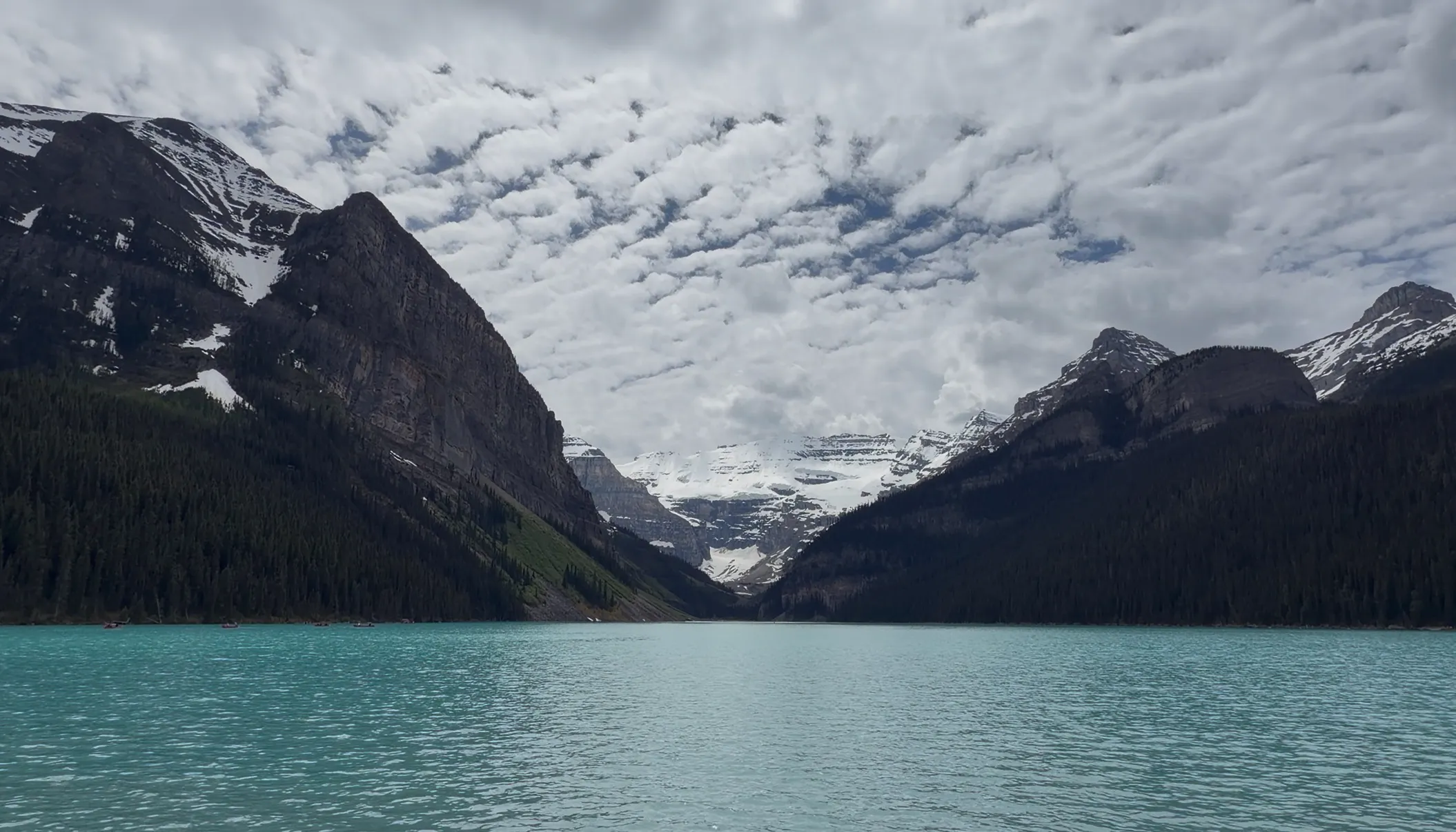
© Lukas Kaj Hewson
To truly immerse yourself in the scenery, no trip is complete without renting a bright red canoe at Lake Louise. Gliding across the glacial waters, surrounded by the Victoria Glacier, is the quintessential Canadian experience.
Parking at these famous spots is restricted. For a stress-free experience, park your motorhome at the Lake Louise overflow and use the Parks Canada shuttle.
Note
Whether you are a mountain biker or simply looking for a gentle ride to unwind, the park offers an extensive network of trails. The Banff Legacy Trail is the most popular.
© Chris Amat
© Lukas Kaj Hewson
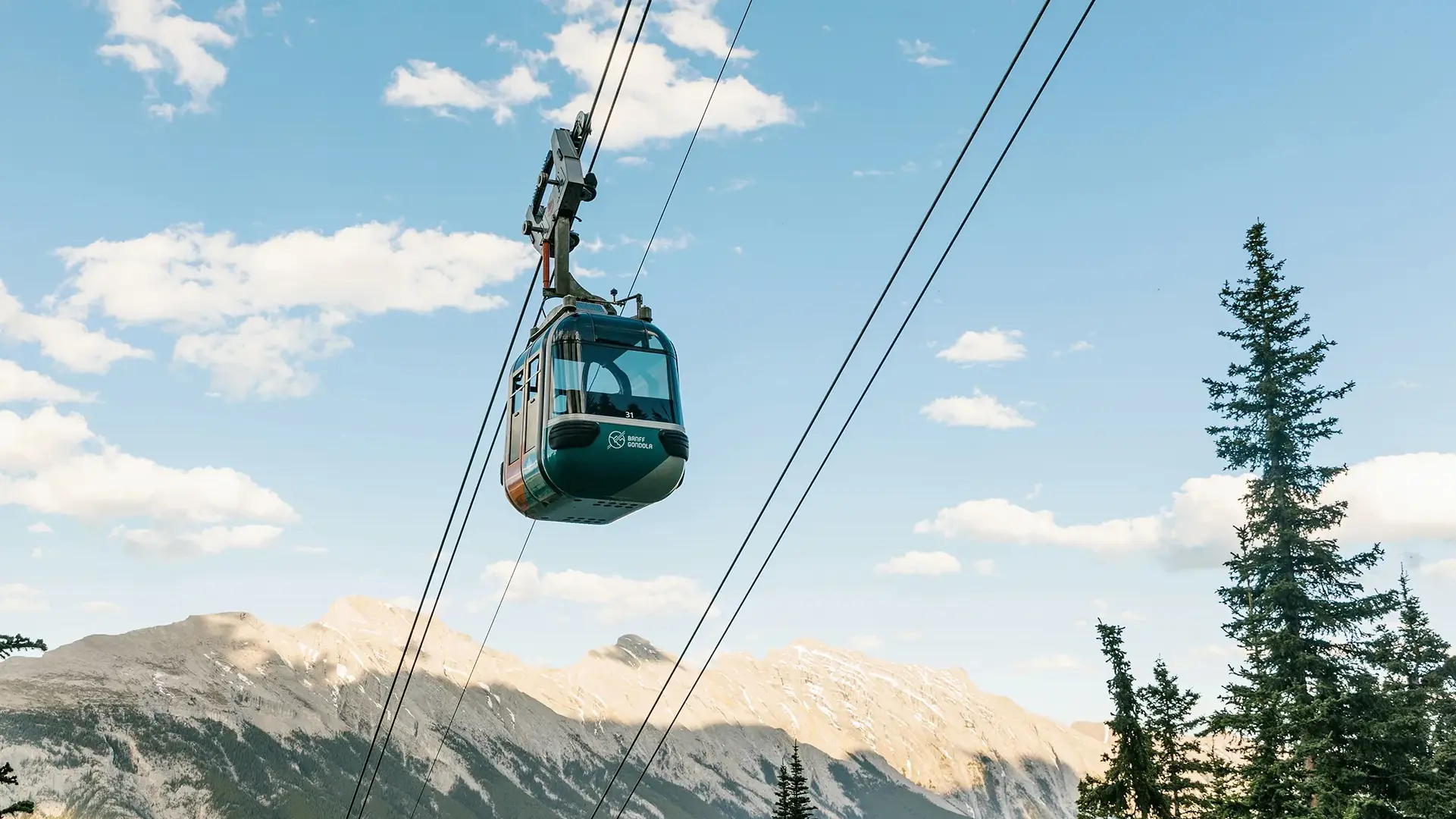
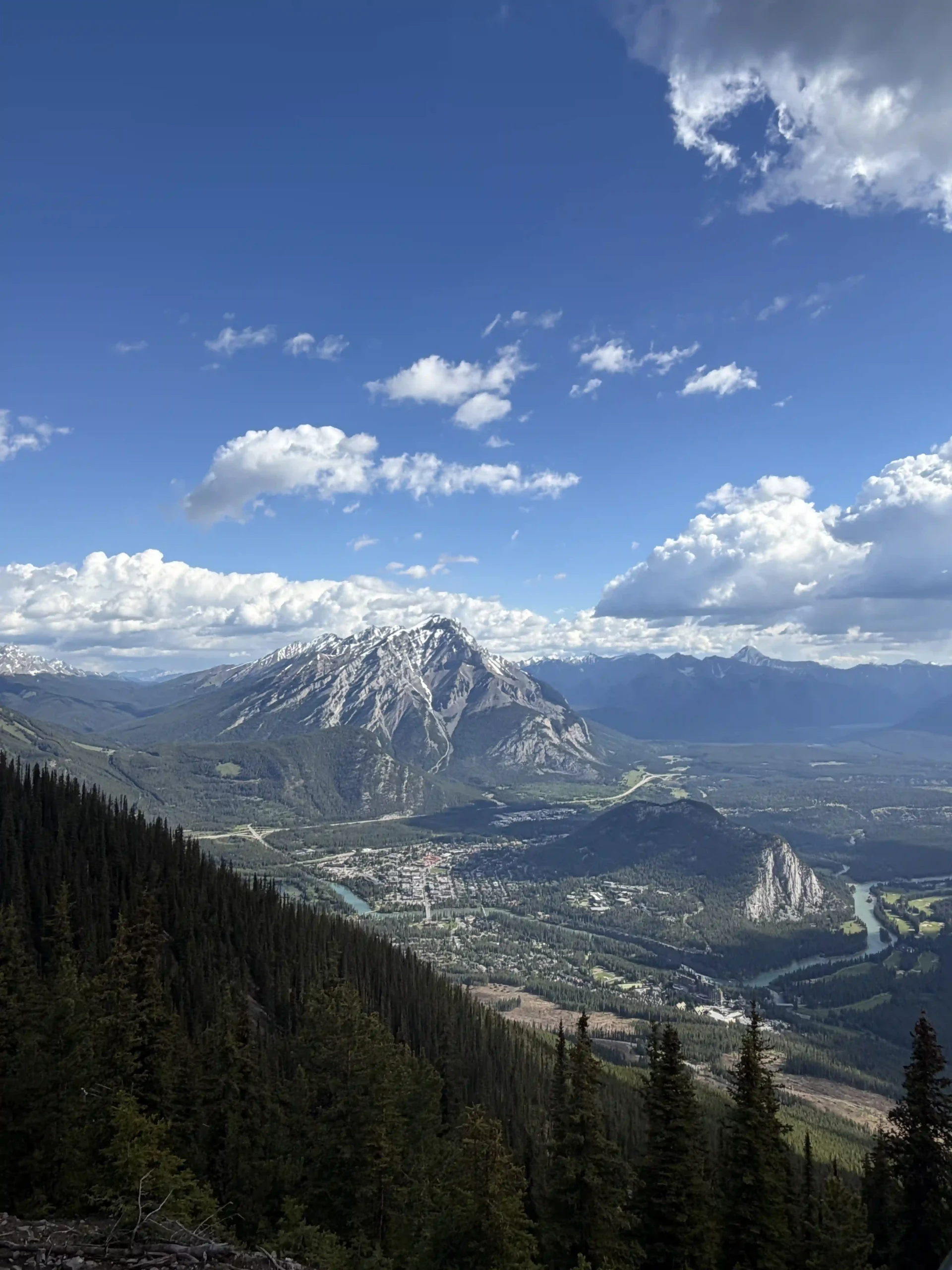
For a true bird’s-eye perspective of the Bow Valley, you have two choices: either hike up Sulphur Mountain, or take the Banff Gondola.
From the summit, you can walk the boardwalk to Sanson’s Peak for a 360-degree view of the surrounding wilderness.
Where to stay
Tunnel Mountain Village II is the only year-round campsite in Banff with electricity. It offers sweeping views of Mount Rundle and is frequently visited by local elk. Two Jack Lakeside Campground is a fantastic alternative, specifically suited for smaller motorhomes (up to 27 feet / 8.5 m).
North to Jasper National Park
The journey north from Banff follows Highway 93, famously known as the Icefields Parkway. Spanning 144 miles (232 km), it is widely considered one of the most beautiful drives in the world.
As you navigate the winding corridor, make time to stop at the thundering Sunwapta and Athabasca Falls. Both sites offer easy trails where you can feel the raw power of glacial meltwater carving through solid rock.
The Columbia Icefield
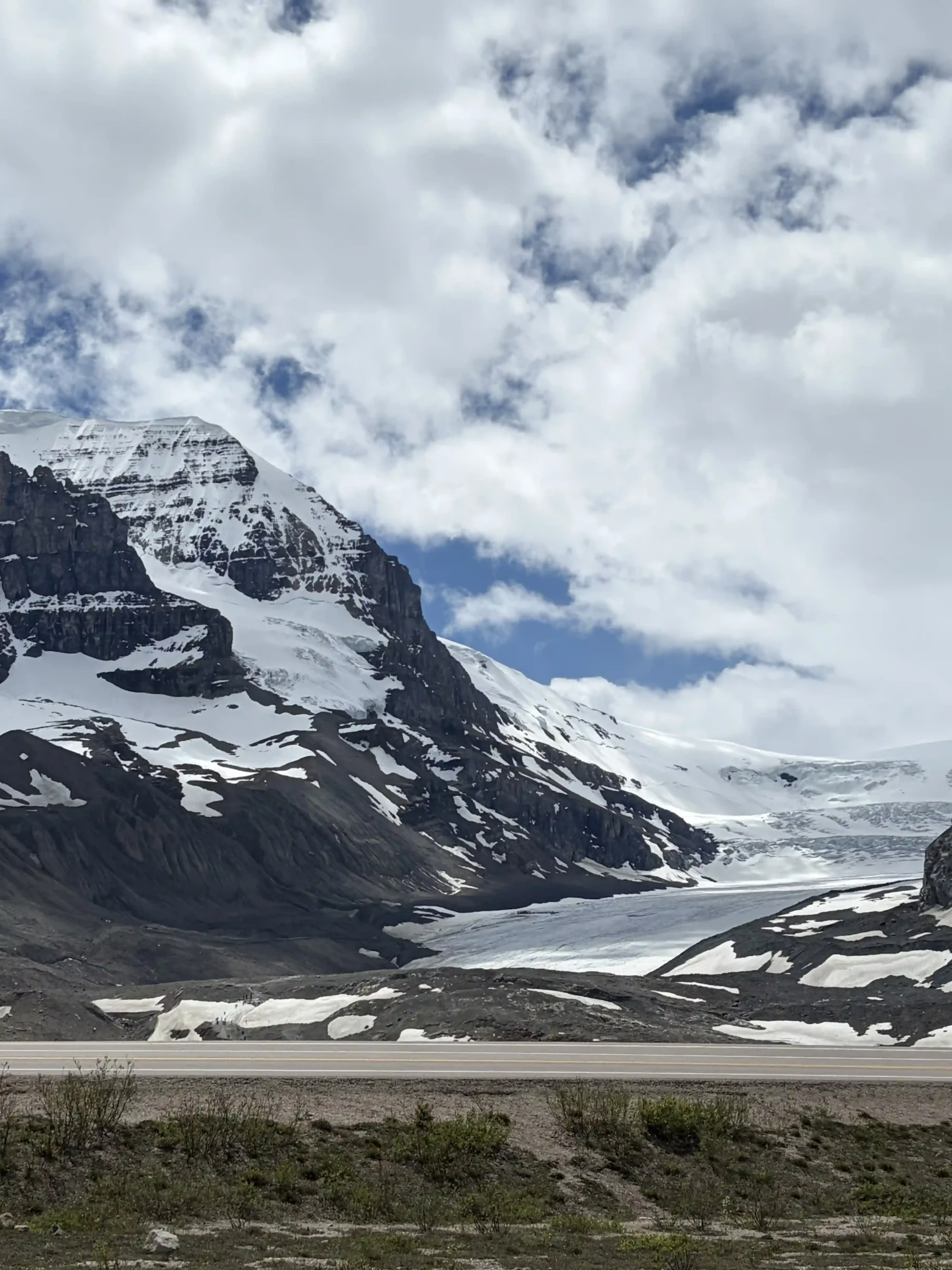
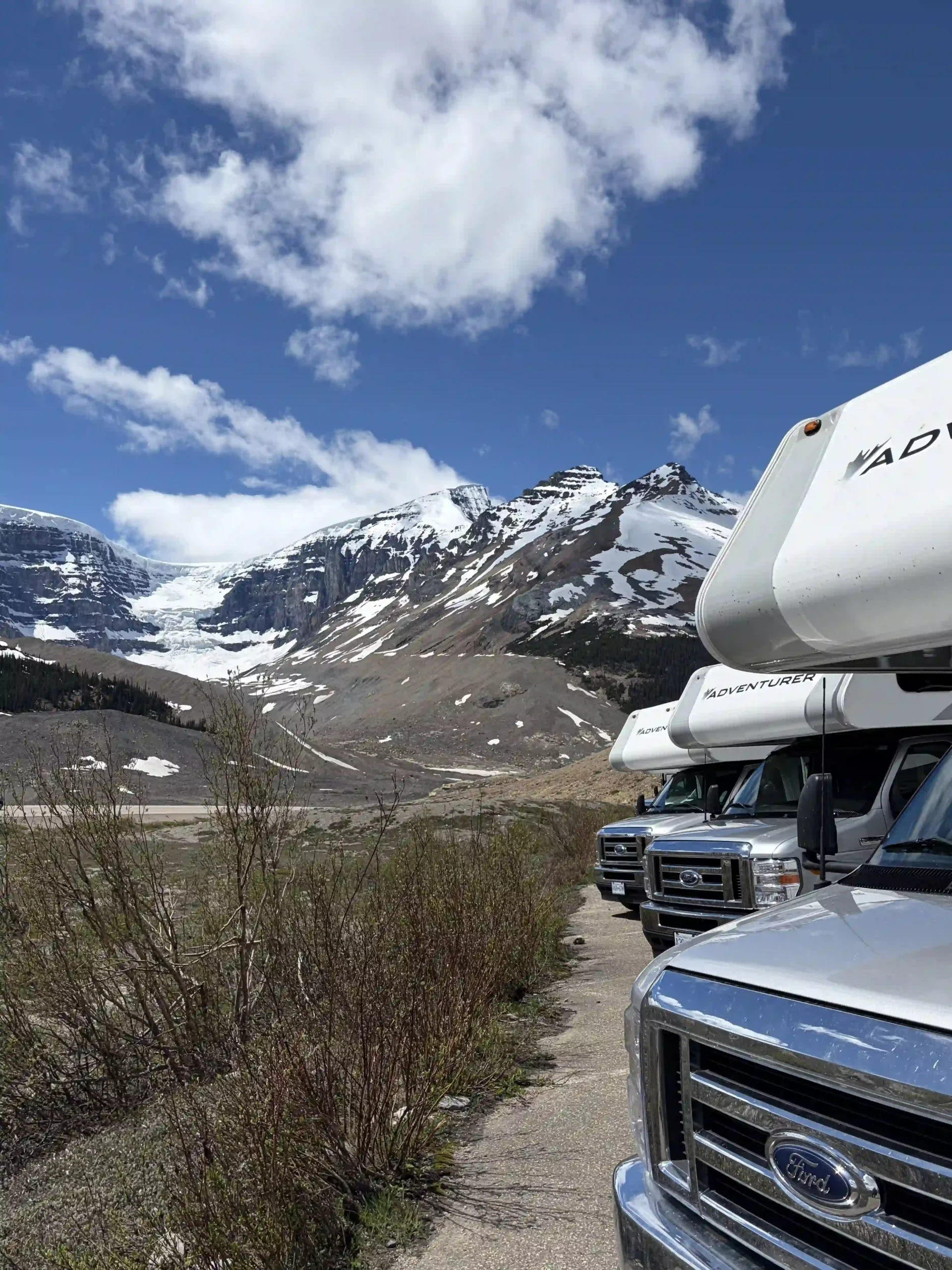
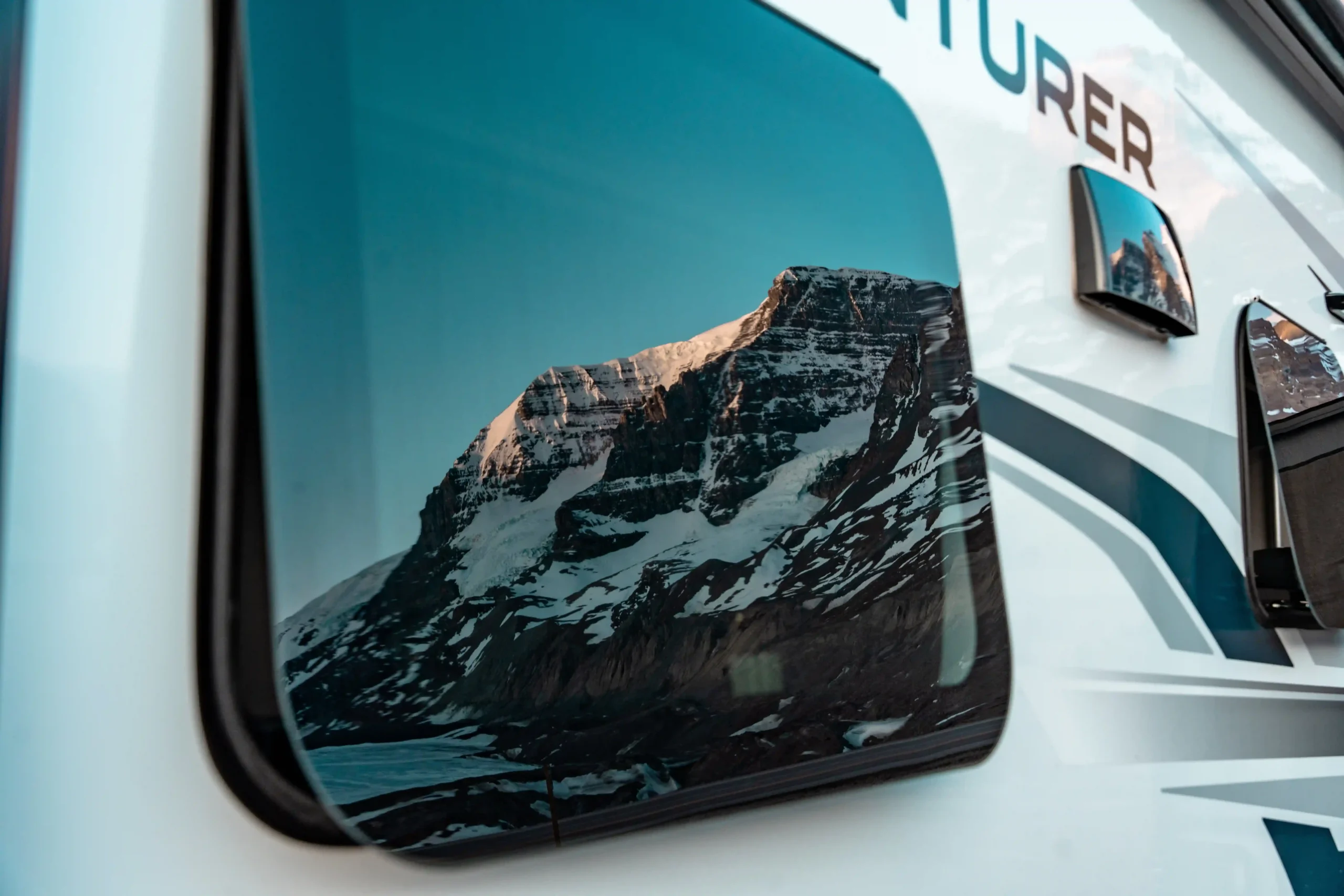
Roughly halfway to Jasper, you will encounter the Columbia Icefield, the largest body of ice in the Rocky Mountains. Here, the landscape feels prehistoric. You can take a guided tour onto the ice or walk right up to the “toe” of the Athabasca Glacier to witness the sheer scale of the retreating ice.
© Lukas Kaj Hewson
© Lukas Kaj Hewson
For some adrenaline, head to the Glacier Skywalk. This glass-floored observation platform sits a staggering 918 feet (280 m) above the Sunwapta Valley. Standing over the sheer drop, you’ll have an unobstructed view of the rugged wilderness stretching out beneath your feet.
Exploring Jasper National Park
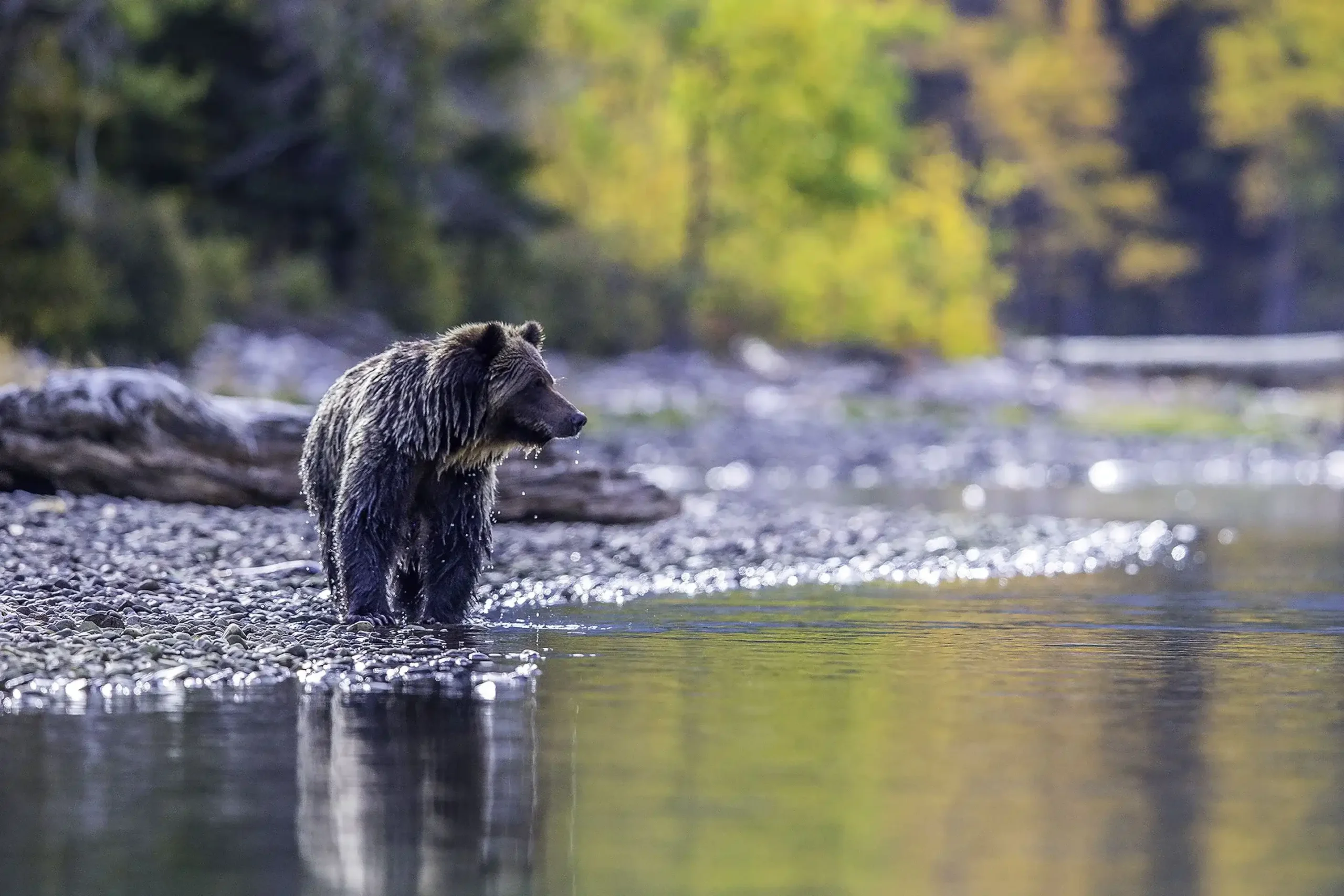
While the park’s grandeur remains intact, its landscape now tells a story of regeneration following the significant wildfires of July 2024. In areas where the fire passed through, the forest floor has been reclaimed by a sea of vibrant fireweed and nutrient-rich grasses, which in turn have attracted an abundance of wildlife to these new foraging grounds. Keep an eye out for elk, deer, mountain goats, bighorn sheep, and grizzly bears.
© TDImage
To truly understand the park’s scale, you have to experience it from several perspectives. Start with a boat cruise across the glacier-fed waters of Maligne Lake to reach Spirit Island.
Then take the Jasper SkyTram to the summit of Whistlers Mountain. From there, the vastness of the Athabasca Valley unfolds in every direction, offering a perspective that puts the entire mountain range into context.
© Valerie Schwarz
If you’re up for a hike, the Cavell Meadows Trail is a must, providing stunning views of the Angel Glacier spilling over the cliffs of Mount Edith Cavell.
And as the sun sets, the magic continues. Jasper is the world’s second-largest Dark Sky Preserve. Step outside your motorhome after dark and you aren’t just looking at the stars—you’re witnessing the cosmos in high definition.
If timing and luck are on your side, the horizon may even ignite with the dancing greens and purples of the Northern Lights.
Where to stay
Whistlers Campground is a massive, recently renovated site featuring excellent facilities, including new shower buildings and full hook-ups. It’s also a wildlife hotspot.
Jasper to Clearwater: The High Peaks
Leaving the rugged outskirts of Jasper, the drive west takes you across the border into British Columbia. Almost immediately, you are greeted by the majestic silhouette of Mount Robson. Standing at 12,972 feet (3,954 m), it is the highest peak in the Canadian Rockies.
Your destination is Clearwater, a quiet mountain town that serves as the gateway to Wells Gray Provincial Park. While it may not have the fame of Banff or Jasper, Wells Gray offers a raw, volcanic landscape that feels significantly more secluded and wild.
The Land of Hidden Waterfalls
© Tim Gouw
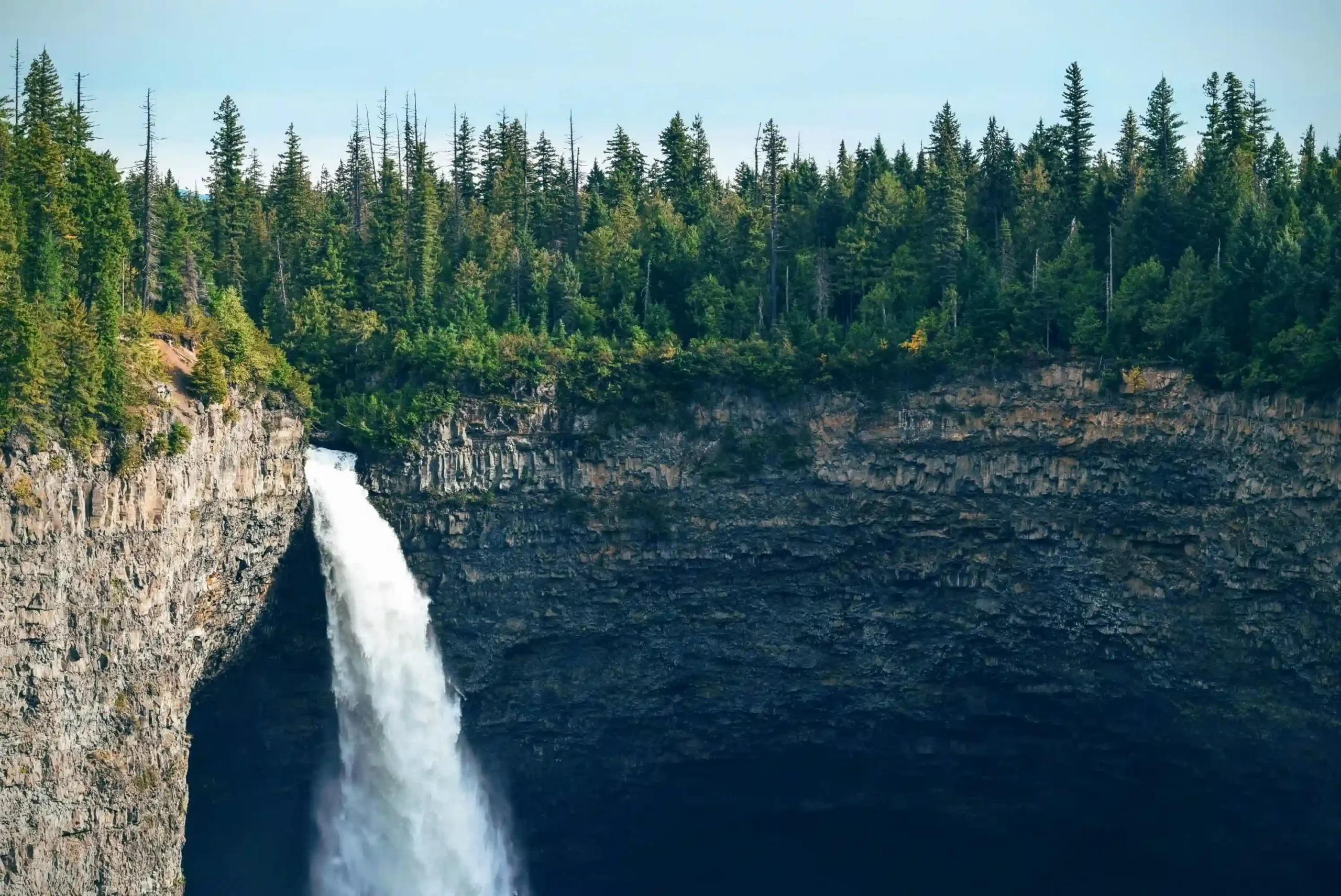
Wells Gray is affectionately known as the “Land of Hidden Waterfalls”, and for good reason—the park protects an incredible 41 named falls. The undisputed crown jewel is Helmcken Falls, where the Murtle River plunges over a dramatic volcanic cliff into a massive canyon. At 463 feet (141 m), it is nearly three times the height of Niagara Falls and creates a thunderous roar that echoes through the surrounding forest.
For a different perspective, make a stop at Dawson Falls. Often called “Little Niagara”, this waterfall stretches 295 feet (90 m) across a wide ledge of ancient lava beds. If you are visiting in late summer, keep an eye on the river beneath Spahats Falls; you might catch a glimpse of Chinook salmon battling their way upstream to spawn.
Where to stay
Wells Gray Golf Resort & RV Park is a fantastic base. Located just at the entrance to the park, it offers spacious sites with full hook-ups and easy access to the main road leading to the waterfalls.
Clearwater to Whistler: The Coast Mountains
The drive from Clearwater to Whistler, particularly the stretch along the Duffey Lake Road (Highway 99), is a masterclass in mountain driving. This is a route that demands focus; the road is steep and winding, with tight switchbacks that cling to the mountainside.
Adventures in Whistler
© Rémi Prévost
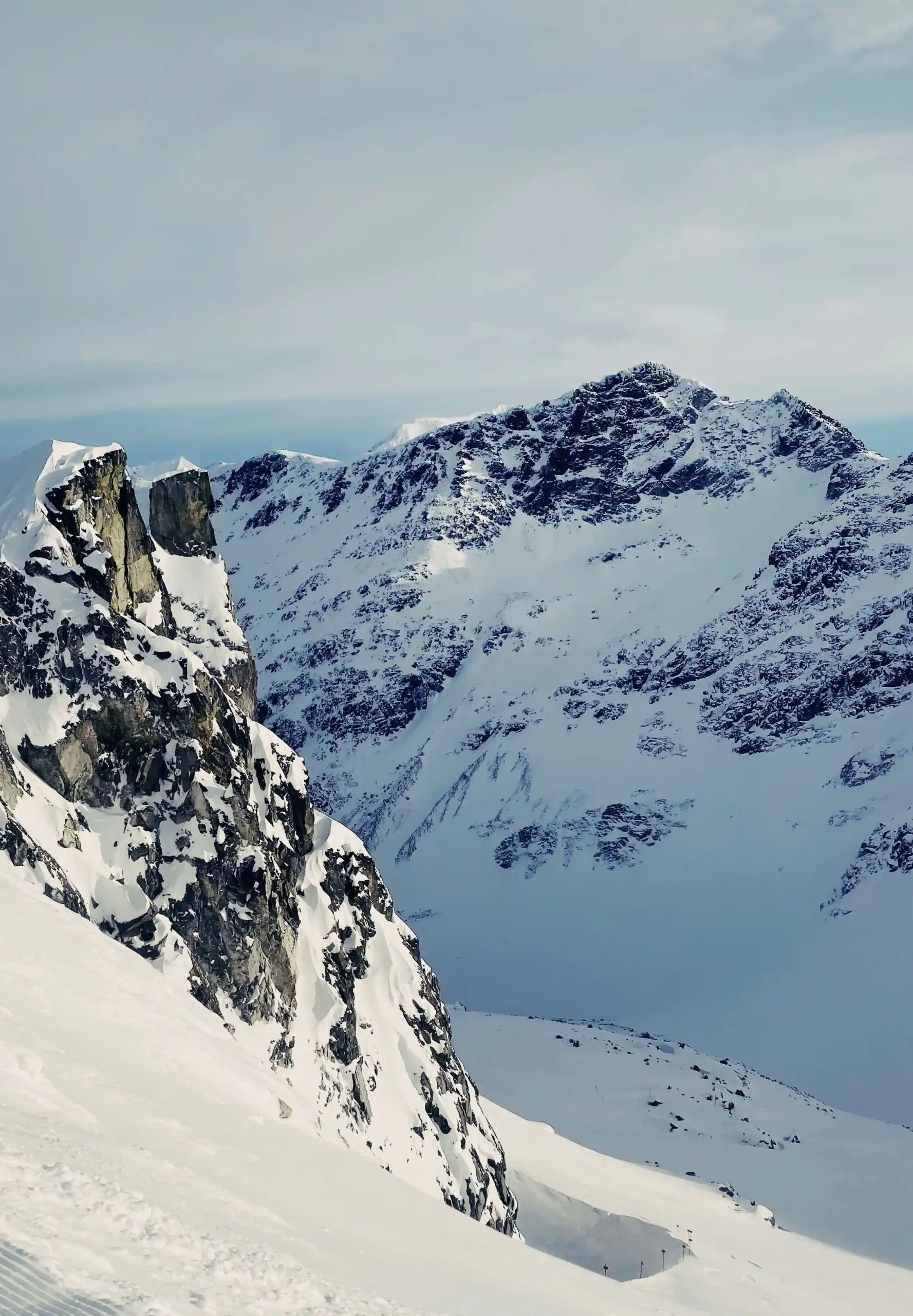
Situated at the base of the twin peaks of Whistler and Blackcomb, this is one of North America’s largest and most storied ski resorts. In the winter, the focus is firmly on world-class skiing and snowboarding, but as the snow melts, the landscape transforms into a premier destination for mountain biking and hiking.
Beyond the adrenaline, Whistler offers a deep dive into the region’s heritage. A visit to the Squamish Lil’wat Cultural Centre is a must. This modern building is dedicated to the art, history, and culture of the local First Nations. The thoughtfully curated collection features intricate carvings, canoes, weavings, and masks, alongside interactive exhibits that provide a meaningful connection to the land.
The town also boasts a buzzing art scene. You can wander through numerous galleries showcasing everything from traditional sculpture to contemporary mixed media: Adele Campbell Fine Art and Fathom Stone Art Gallery are excellent stops.
Head to the Cloudraker Skybridge. Spanning 427 feet (130 m) from Whistler Peak to the West Ridge, this seriously high walkway arches over the resort’s Whistler Bowl. It connects directly with the Raven’s Eye Cliff Walk platform, offering a dramatic, 360-degree view of the surrounding Coast Mountains.
If you prefer your views with speed, Ziptrek Ecotours offers a heart-pounding way to appreciate the slopeside scenery. On the Falcon tour, you’ll soar through the Fitzsimmons Valley between Whistler and Blackcomb Mountains. Featuring three ziplines and four treetop bridges, it is a spectacular blend of high-speed adventure and panoramic wilderness views.
Where to stay
Situated about 20 minutes south of Whistler, Whistler RV Park is famous for its panoramic views of Black Tusk and Whistler Mountain.
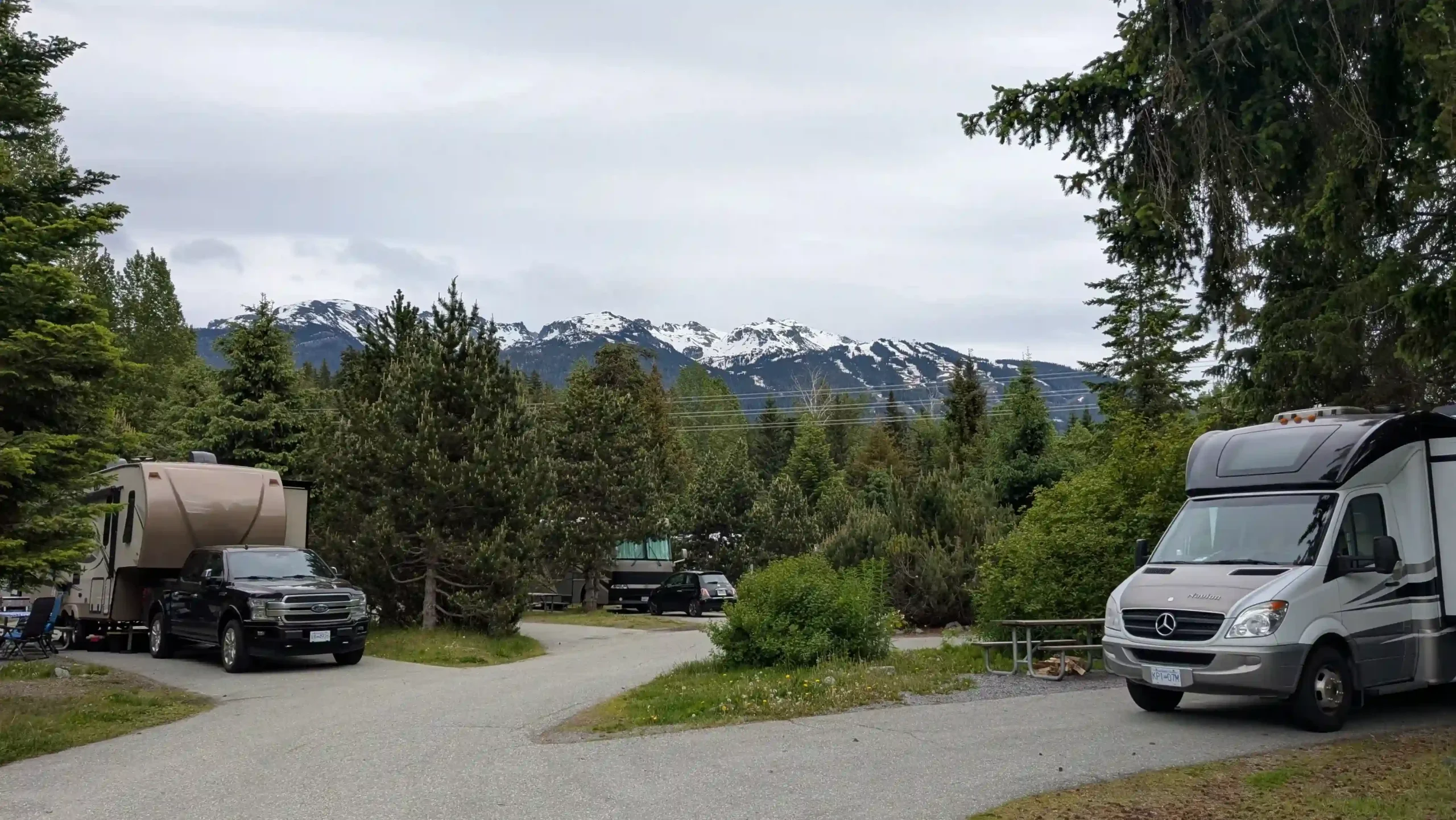
© Denis Schöneis
The Final Stretch: Whistler to Vancouver
The final two-hour leg brings you to the rugged Pacific coast. Vancouver is a cosmopolitan city with a unique geography, offering the chance to lounge on a beach in the morning and conquer a mountain peak by the afternoon.
Vancouver
To truly finish your trip in style, head straight to Stanley Park. You can walk or cycle the famous Seawall, a 5.5-mile (9 km) paved path that offers unparalleled views of the Burrard Inlet and the city skyline. If you head inland, you’ll find yourself beneath the canopy of a preserved rainforest, marvelling at giant Douglas fir and Western Red cedar trees that have stood for centuries.
For a taste of the local flavour, make your way to the Granville Island Public Market. This bustling hub is the perfect place to sample fresh Pacific seafood and locally grown produce.
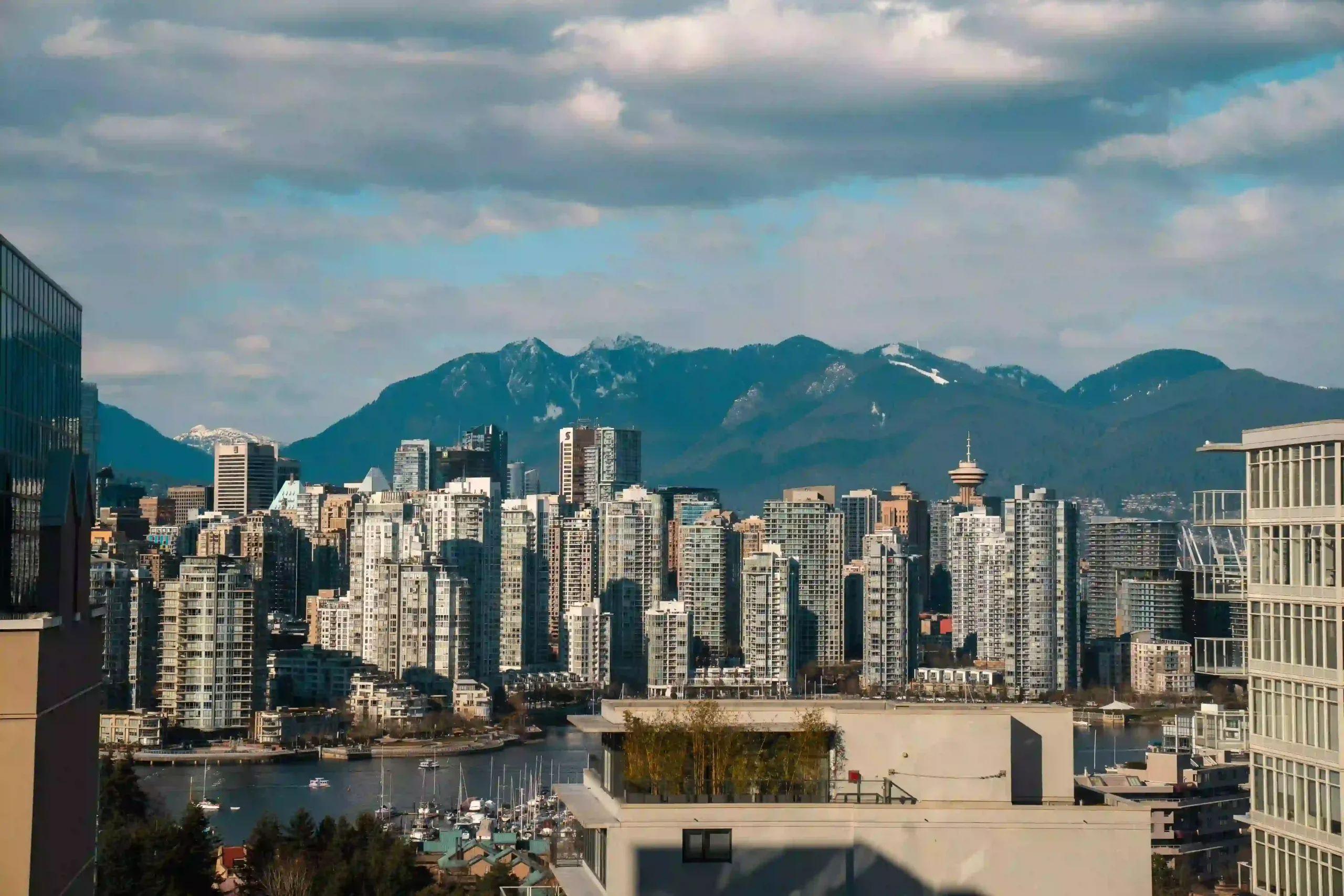
© Alejandro Luengo
If you haven’t had quite enough height yet, a walk across the Capilano Suspension Bridge is a must. The historic bridge hangs 230 feet (70 m) above the rushing Capilano River, swaying gently as you take in the views of the canyon.
Just 15 minutes from the city center, Grouse Mountain—the “Peak of Vancouver”—awaits. You can take the Skyride gondola to the summit for a panoramic view of the city and the shimmering Gulf Islands beyond.
However, nothing beats a flightseeing tour with Harbour Air Seaplanes, providing the ultimate bird’s-eye view of the Pacific coast.
Where to stay
Staying at Capilano River RV Park puts you just minutes away from Stanley Park, Grouse Mountain, and the Capilano Suspension Bridge.
Optional Detour: Crossing to Vancouver Island
If you have a few extra days, consider exploring the wild shores of Vancouver Island. Board a BC Ferry to Nanaimo—the crossing takes approximately 1.5 to 2 hours.
Once on the island, the road winds west through the ancient, towering Douglas Firs of Cathedral Grove. Continuing toward the coast, you’ll reach Tofino, Canada’s undisputed surf capital. Make your way down to Cox Bay to watch the swells roll in, or explore the Pacific Rim National Park Reserve. Here, the Rainforest Trail offers a network of elevated boardwalks that lead you through 800-year-old, moss-draped trees in a landscape that feels almost prehistoric.
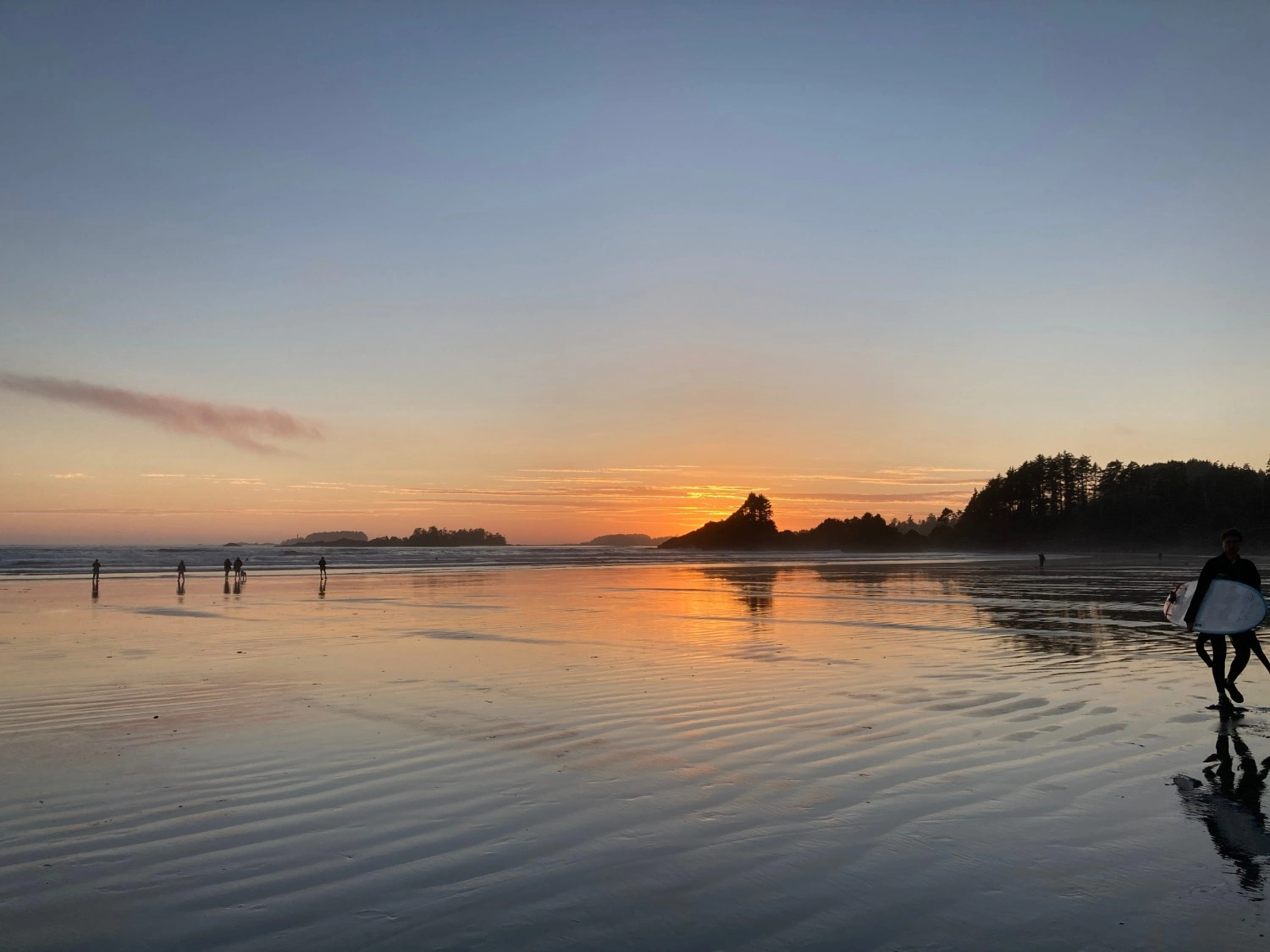
© kzandbeek
Before returning to Vancouver, head south toward Victoria, the capital of British Columbia. It is a premier destination for whale-watching tours, and no visit is complete without wandering through the world-renowned floral displays of Butchart Gardens.
For a more detailed route on the island, check out our dedicated Vancouver Island itinerary.
Before or after a motorhome trip, it’s often a good idea to spend a few days in a major city.
Normandy road trip
This 8-day Normandy road trip connects dramatic chalk cliffs and WWII landing beaches with lush valleys, and the iconic Mont Saint-Michel—creating a captivating journey through the region’s coast and countryside.
RV rental San Francisco
Resting dramatically on the edge of Northern California, San Francisco is widely considered one of the best cities in the US. Celebrated around the world for its iconic landmarks, vibrant…
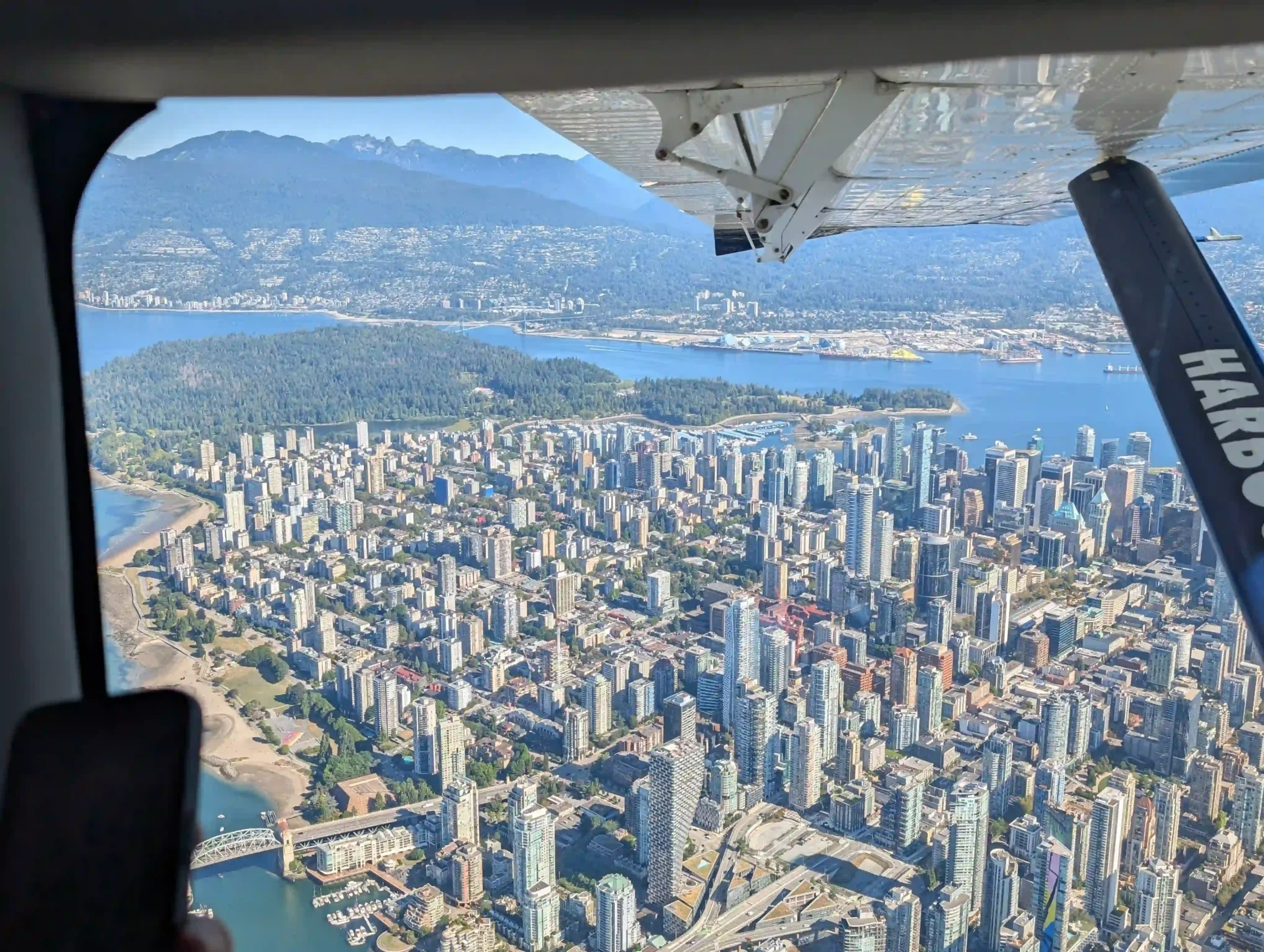
Vancouver itinerary
Explore a modern oceanfront city framed by towering peaks. Park up at picturesque campsites, catch coastal ferries, and launch your ultimate British Columbia road trip.
My first trip to Canada
Buckle up for my first-ever Canadian adventure! Experience the magic of the Rockies from the driver’s seat of a Fraserway RV, featuring close-up wildlife encounters, roaring canyon waterfalls, and views that will leave you speechless.
Camping Los Angeles
Stroll the Santa Monica Pier, take in sweeping skyline views from Griffith Observatory, and soak up iconic film history.
Norway and Finland motorhome itinerary
A 10-day motorhome journey from Rovaniemi to the North Cape. Encounter reindeer in Lapland and witness the Midnight Sun at the edge of the continent.