Campervan hire New Zealand
Diverse nature on two islands.
Auckland
.
Auckland
12/27/2026 - 01/10/2027
2 travellers
Our trusted rental partners:









Driving in New Zealand
- Drive on the left side of the road.
- You can drive in New Zealand with your EU license for up to 18 months as a visitor (ensure it is in English or accompanied by an accredited translation/IDP).
- Rental companies usually require drivers to be at least 21, often 25.
- Do not underestimate travel times. Roads, particularly on the South Island, are often narrow, winding, and hilly (lack of motorways).
- Be aware of one-way bridges—check the arrows to see who has the right of way.
- The roads are often shared with flocks of sheep or cattle.
- If travelling between June and August, carry snow chains if possible and check road conditions regularly.
Discover New Zealand
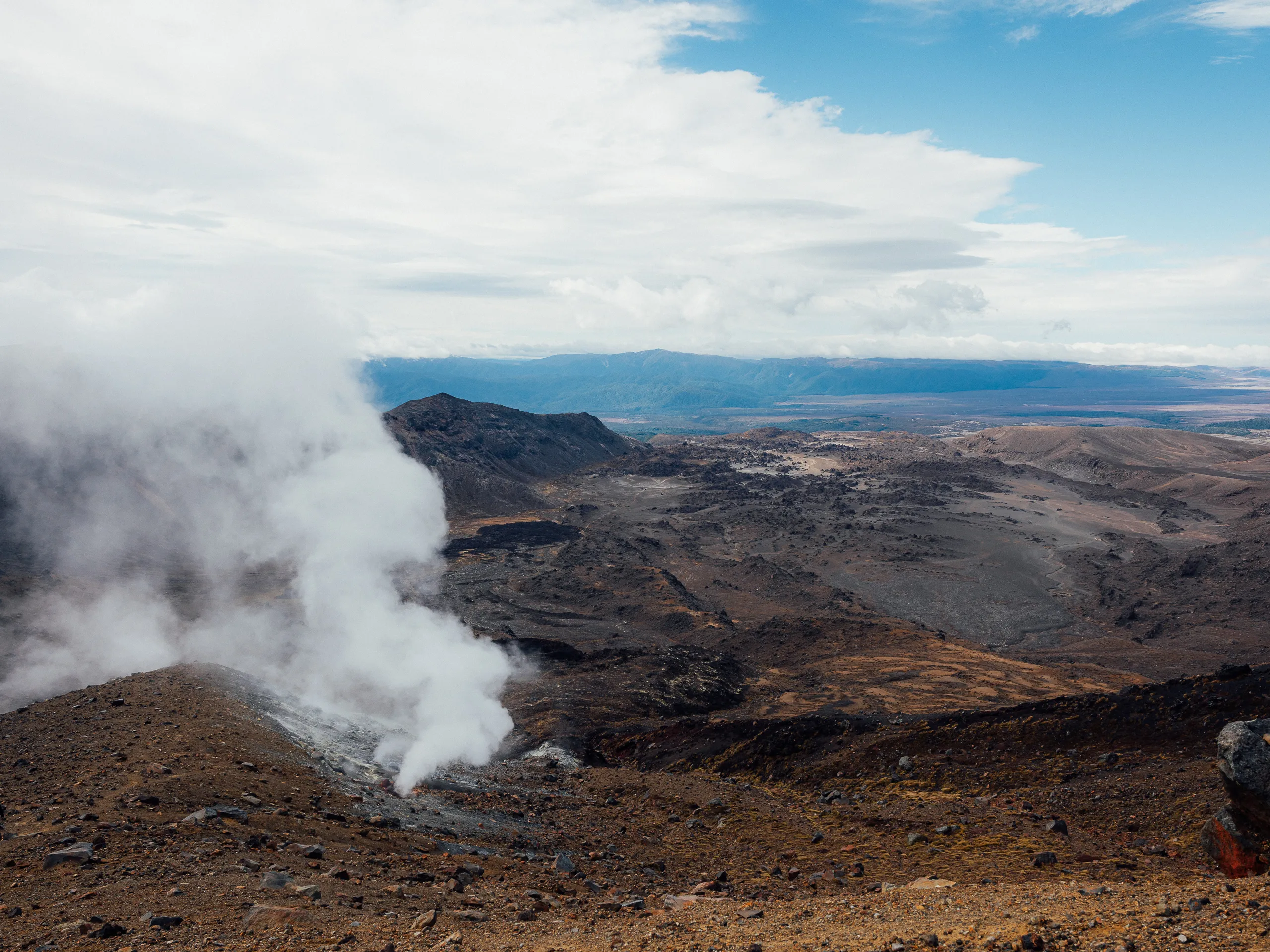
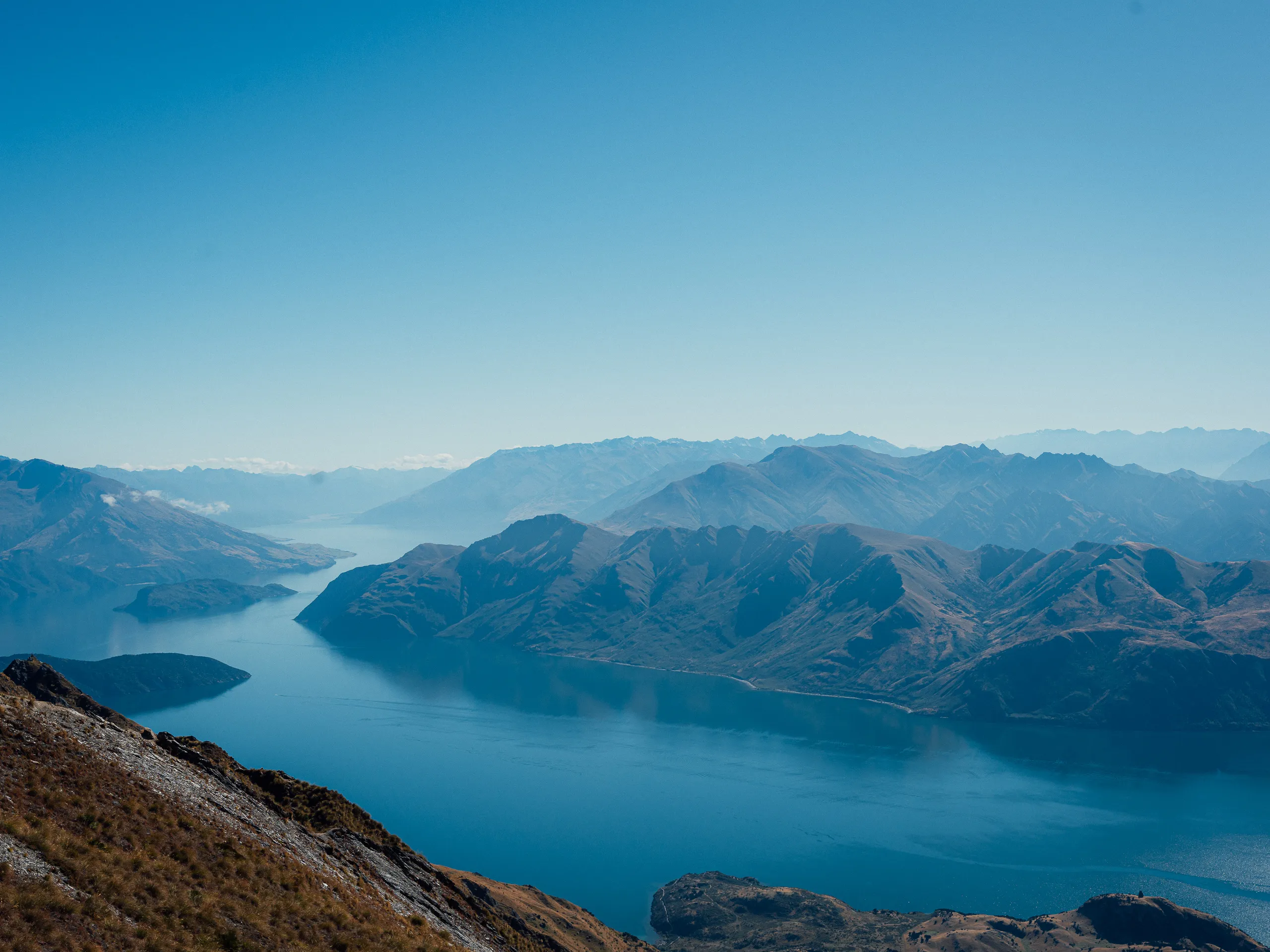
Located in the Southern Hemisphere, New Zealand is blessed with stunning diversity. The country is divided between the North and South Islands, each offering a distinct character and pace.
© Leander Kamp
© Leander Kamp
The North Island is shaped by geothermal activity, Māori heritage, and subtropical coastlines. The South Island is defined by alpine drama—glaciers, fjords, and vast, open wilderness. Across both islands, the cultural legacy of the Māori people is woven into everyday life, enriching the journey far beyond the scenery.
The North Island
Pickup location: Auckland
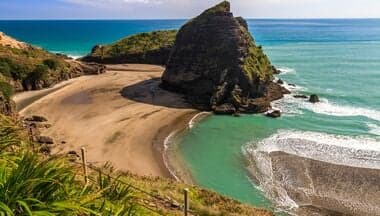
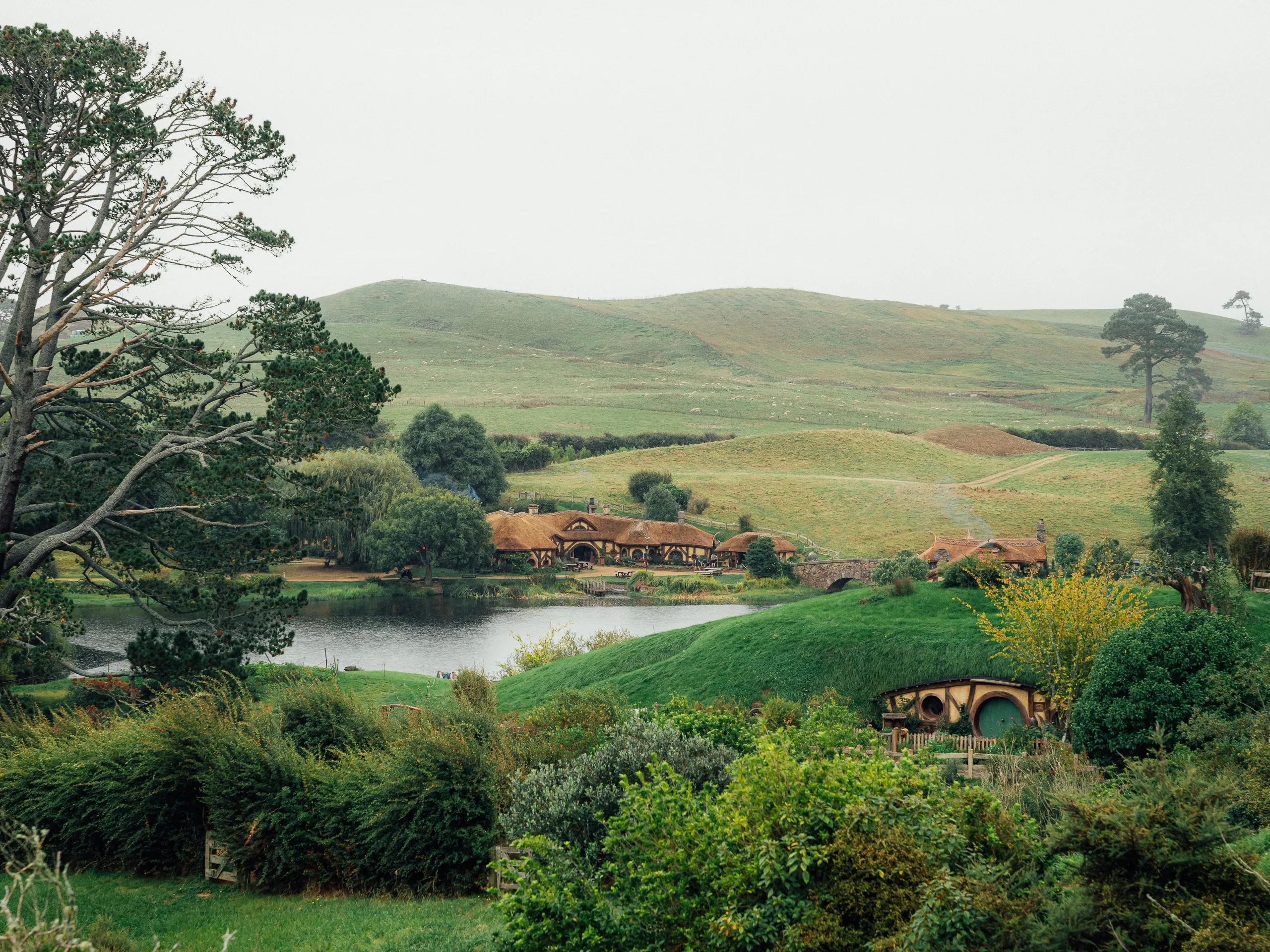
The North Island feels warmer, greener, and more densely populated. Steam rises from geothermal fields in Rotorua, while black-sand beaches line the rugged west coast. Rolling farmland dominates the Waikato region, home to the iconic “Hobbiton” film set, nestled among soft green hills.
© Leander Kamp
The region’s national parks include:
- Tongariro National Park, New Zealand’s oldest, famed for its active volcanoes and alpine crossings.
- Whanganui National Park, centred around one of the country’s most important rivers.
Furthermore, New Zealand’s metropolises are particularly diverse and well worth a visit. New Zealand’s capital, Wellington, located at the southern tip of the North Island, embodies a fascinating blend of urban flair and natural beauty. Auckland, the country’s largest city, stretches between two coastlines and is known for its skyline, sailing culture, and multicultural character.
Pacific Coast Highway
Highlight Drive
The South Island
Pickup locations: Christchurch, Queenstown
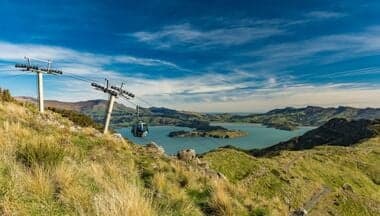
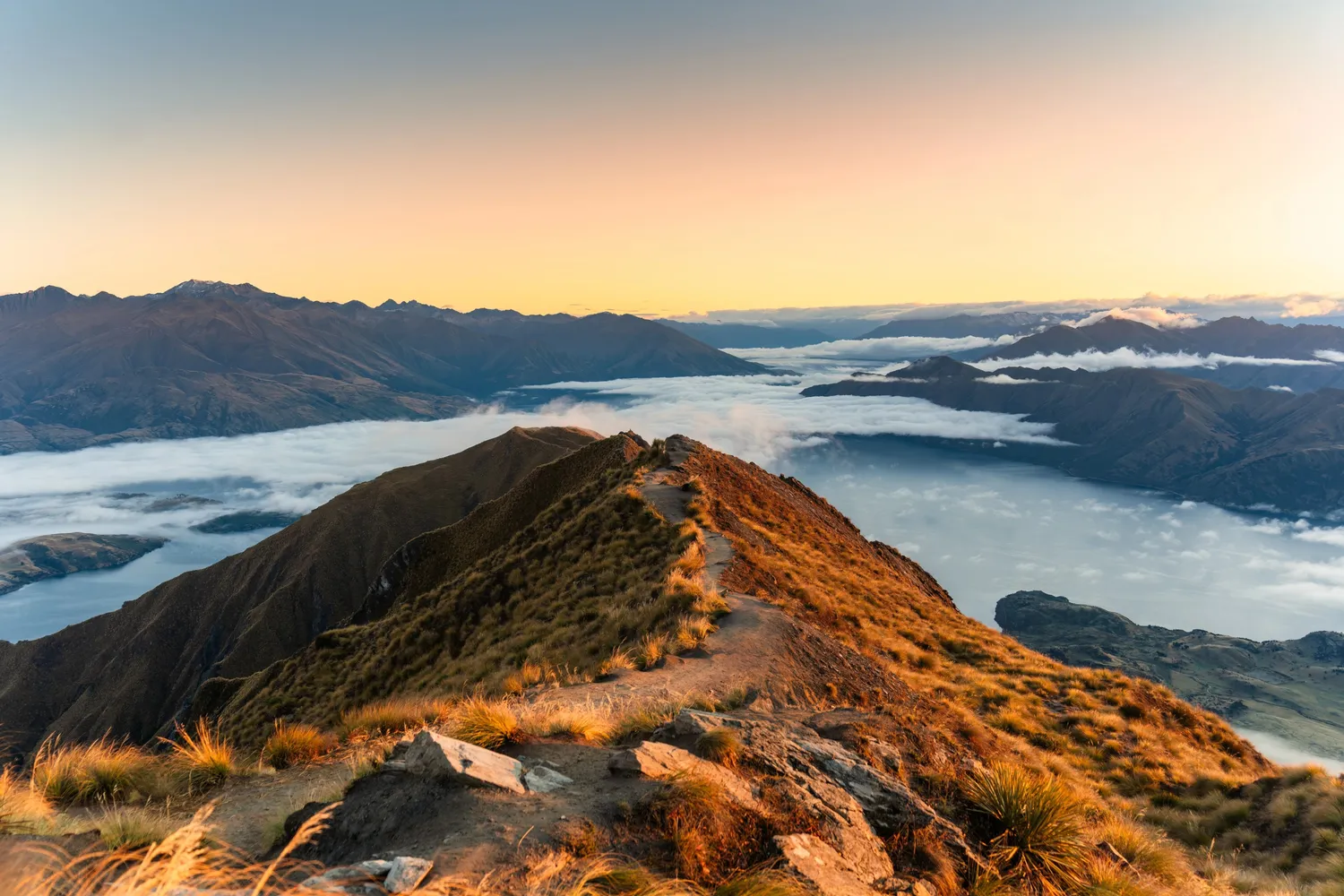
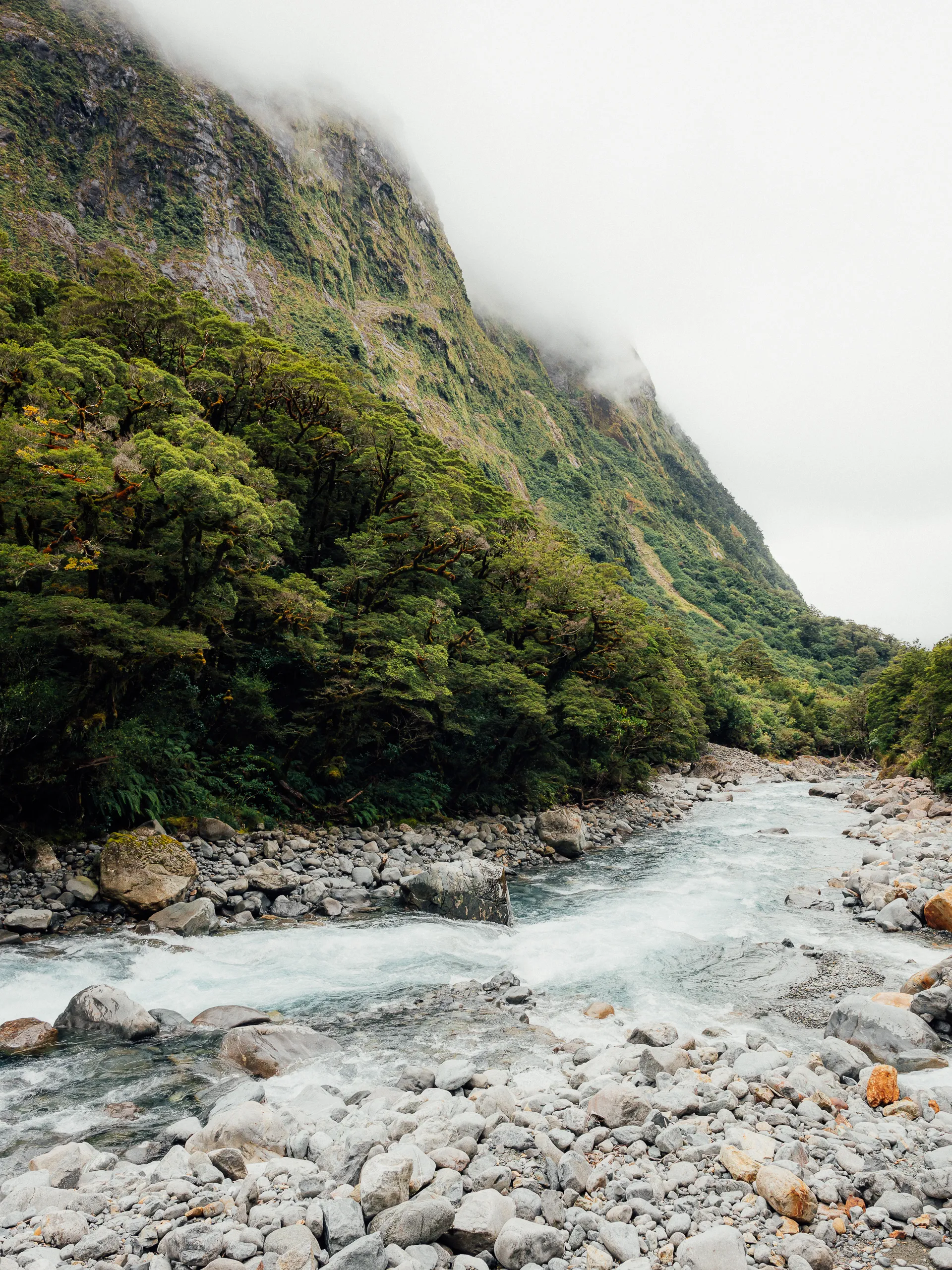
The South Island is larger, wilder and less populated. Here, long drives unfold beneath the Southern Alps, where weather shifts quickly and landscapes feel vast and untamed. Glaciers descend towards turquoise lakes, while rainforests meet windswept coastlines.
The region’s national parks include:
- Fiordland National Park, home to dramatic fiords, such as Milford Sound.
- Aoraki / Mount Cook National Park, featuring New Zealand’s highest peak (Mount Cook), glaciers, and pristine alpine lakes.
- Abel Tasman National Park, known for its golden beaches and clear, sheltered bays.
© Leander Kamp
© Leander Kamp
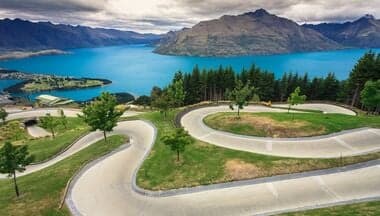
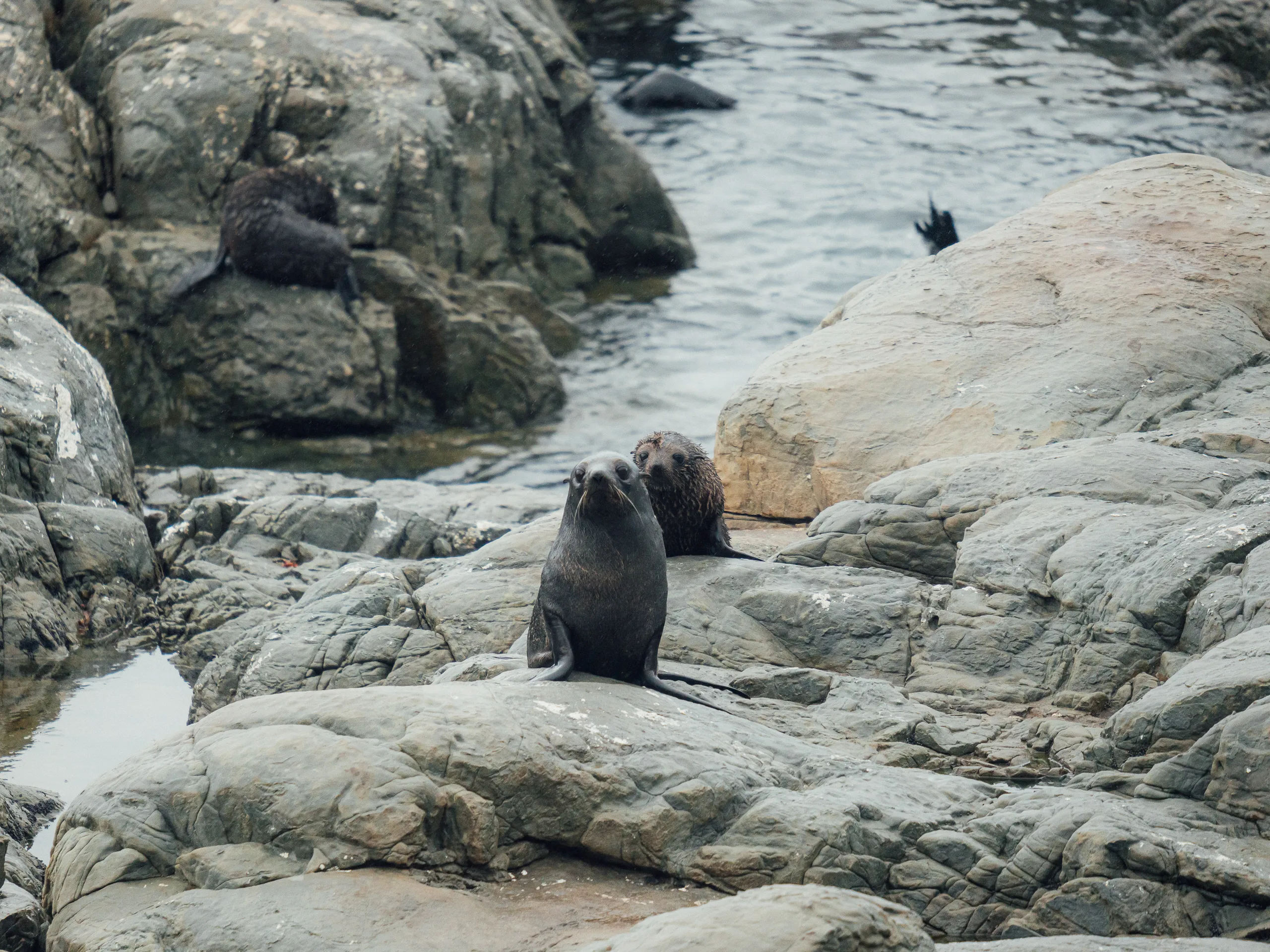
This is a natural playground for adventurers—whether you are kayaking in Milford Sound, bungee jumping in Queenstown or hiking in the silent valleys of Fiordland. The South Island is also home to some of the world’s most famous wine regions, while wildlife encounters are common along the coast, with seals, dolphins, and penguins frequently spotted. Weather conditions can change rapidly—it is not unusual to experience several seasons in a single day.
Camping in New Zealand
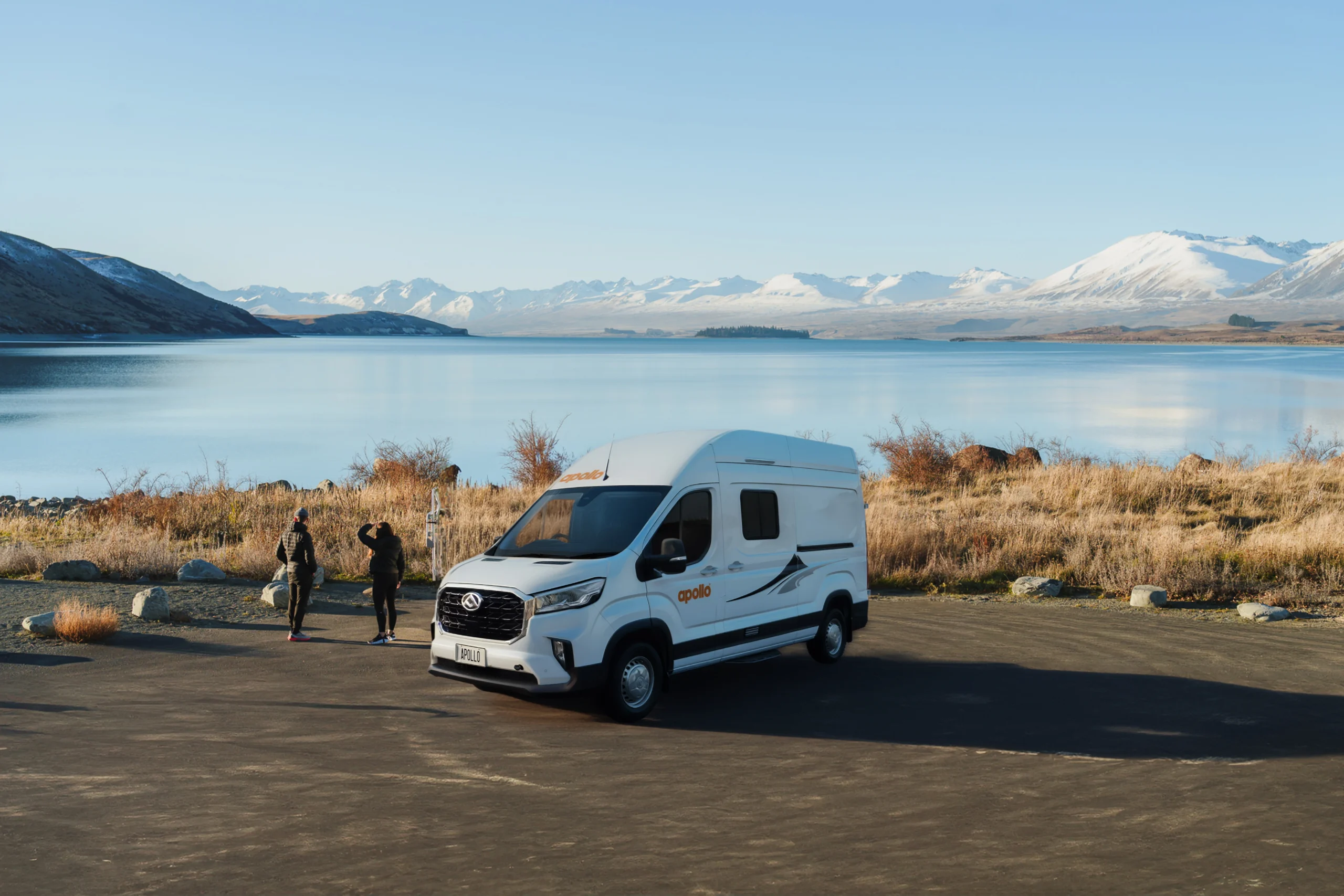
New Zealand is well equipped for campervan travel, with a variety of campsites ranging from remote DOC sites to fully-equipped private holiday parks. While van conversions are well suited, larger RVs may face limitations on narrow roads or at busy sites.
Department of Conservation (DOC) campsites
These campsites are often located in stunning natural settings, such as national parks, forests, or beside lakes. Facilities tend to be basic, including toilets and water, but the locations are unbeatable.
Private Holiday Parks
Privately run campsites typically offer a higher level of comfort, including powered sites, fresh water connections, shower blocks, laundry facilities, and, in some cases, small on-site shops
What to keep in mind
© Apollo RV
- Campsites are generally spacious, with plenty of room between vehicles.
- Popular areas can require advance bookings during peak season.
- Use camping and navigation apps such as CamperMate to locate nearby sites and assess their suitability.
- In shoulder seasons, spontaneous overnight stops are often easier.
- Urban campsites are typically located on city outskirts but often have good public transport connections.
When is the best time to travel?
- Summer (December – February): The warmest weather and long daylight hours. Perfect for beaches and hiking, but book campsites well in advance.
- Shoulder Season (March–May and September–November): Brings milder weather, quieter roads, and fewer crowds.
- Winter (June – August): The South Island transforms into a winter wonderland. It is quiet and incredibly scenic, but be prepared for cold nights and icy roads.
Spring & Autumn
Best time to travel