© Anthony Tan
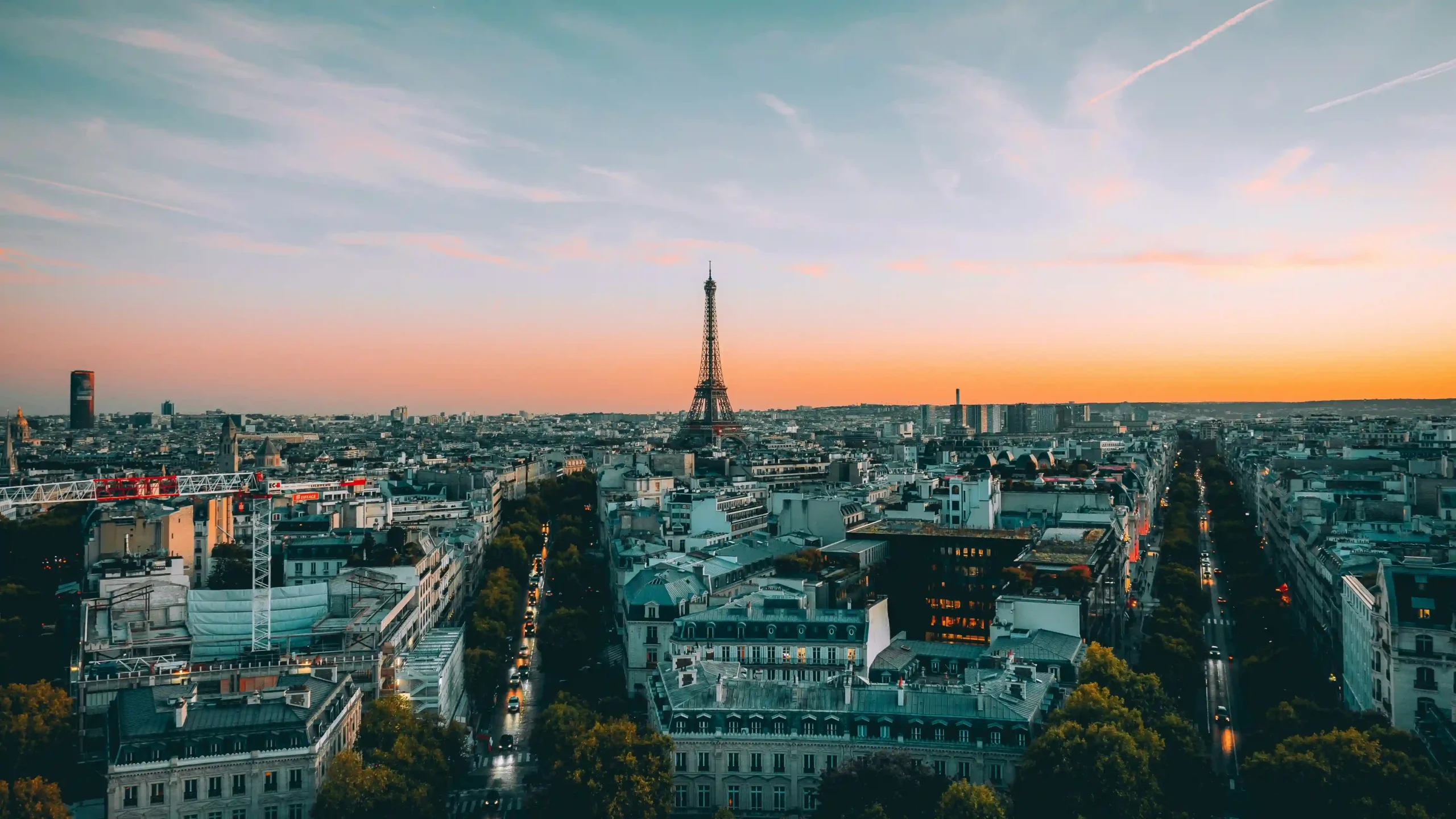
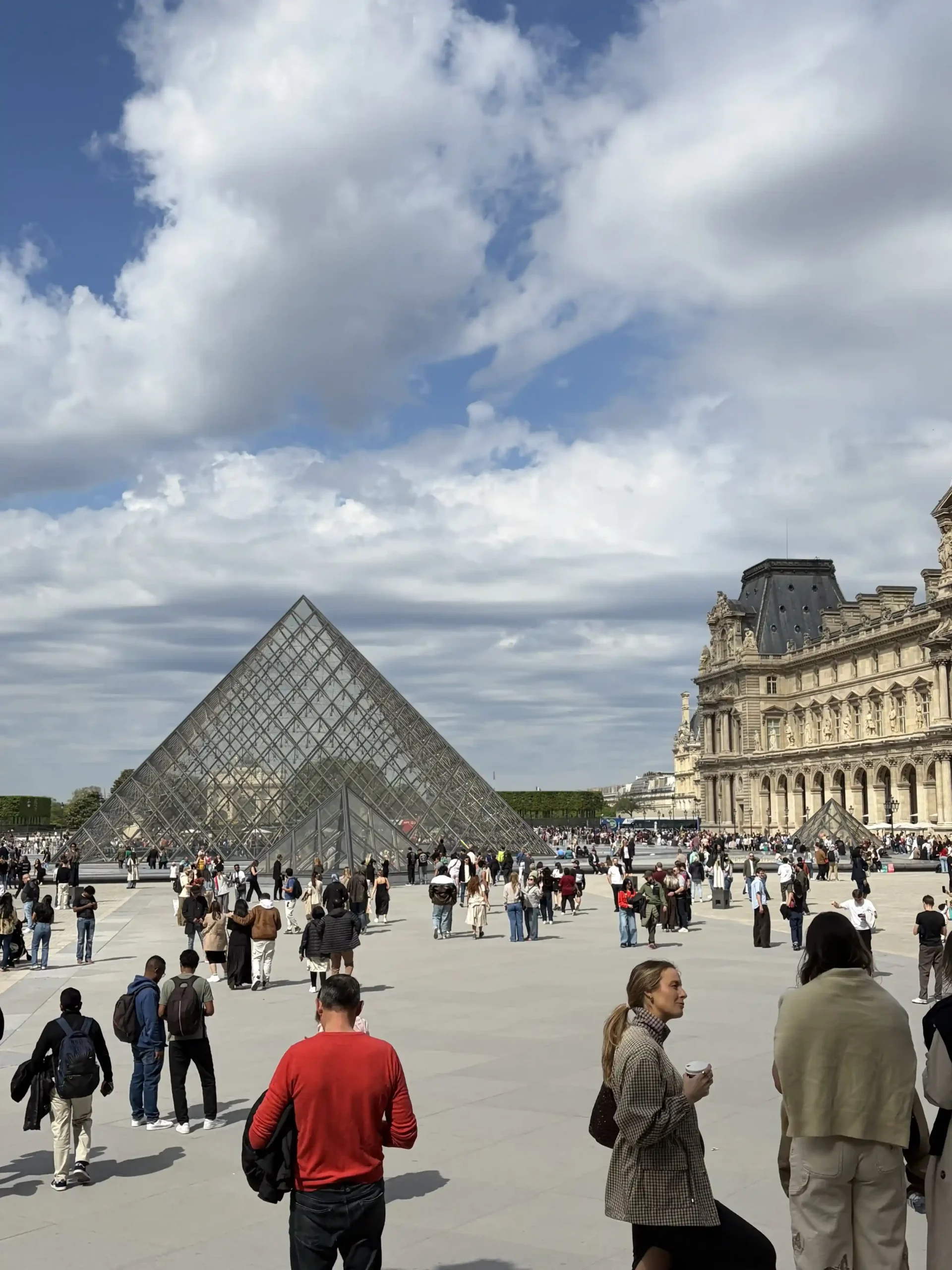
There is a vibrant, unmistakable magic to Paris, shaped by its visual harmony, culture of leisure, and devotion to style. And while the magnetic pull of the Eiffel Tower or the glass pyramids of the Louvre might be what first inspires your journey, it is the city’s elegant, outdoor-loving soul that will eventually capture you.
Situated in the heart of north-central France, Paris is a masterclass in strict urban planning. Unlike New York or London, you won’t see towering glass skyscrapers pierce the city centre.
During the 19th century, Paris introduced strict urban planning rules that closely linked building heights to street widths, helping create the city’s distinctive visual harmony. Because of this architectural foresight, the sun actually reaches the pavement, the sky remains unblocked, and you never feel swallowed up by giant towers.
It is a layout artfully designed to push life outdoors. Along wide, tree-lined boulevards, manicured public parks, and the historic stone banks of the River Seine, you will discover the true essence of Parisian life—people eating, drinking, and effortlessly enjoying the present moment together.
Long a historic hub for writers, artists, and fashion houses, the city continues to attract a vibrant concentration of people who value expression, romance, and style.
Highlights
- Eiffel Tower
- Musée du Louvre
- Hôtel des Invalides
- Cathédrale Notre-Dame
- Arc de Triomphe
- Parc de Belleville
Suggested 3-day camping Paris itinerary
| Day | Focus | Highlights | Overnight spot |
| 1 | The historic core | Notre-Dame, Louvre, Jardin du Palais-Royal | Camping de Paris |
| 2 | Monuments | Eiffel Tower, Hôtel des Invalides, Arc de Triomphe | Camping de Paris |
| 3 | Local vibe & viewpoints | Canal Saint-Martin, Parc de Belleville, Le Marais | Camping Paris Est |
Understanding the “snail’s shell”
To navigate Paris with confidence, it helps to understand its unique layout. The city is divided into 20 distinct districts called arrondissements, which spiral outward clockwise from the centre like a snail’s shell (l’escargot).
The lower the number, the older the district and the closer you are to the River Seine and the historic heart of the city.
Note
While every district carries its own distinct personality, they follow a predictable pattern as you move along the spiral. The single-digit districts at the city centre are renowned for world-famous monuments, palatial architecture, and dense history. As the numbers climb into the double digits, the tourist crowds thin out, giving way to trendy, high-energy local hotspots, before eventually settling into the quiet, authentic residential neighbourhoods that make up the city’s outer ring.
Architectural marvels
The architectural landscape of Paris is a living narrative written in stone, where grand monarchical visions seamlessly collide with bold, modern structures. It is a city where every facade tells a story of power, revolution, and meticulous design.
Classic Paris and royal gardens
Start your walk at the Cour Carrée du Louvre, a beautiful Renaissance courtyard.
© Lukas Kaj Hewson
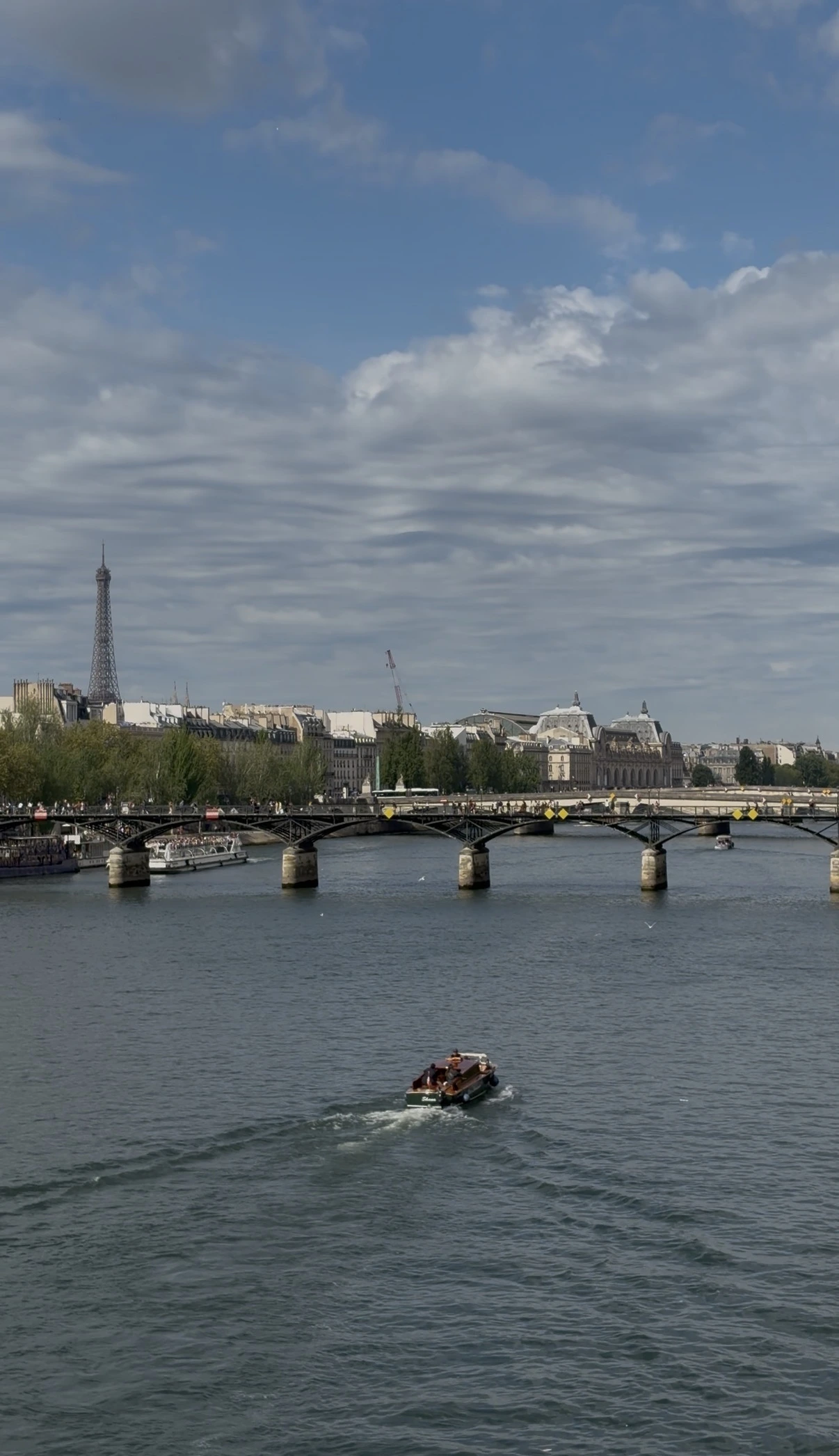
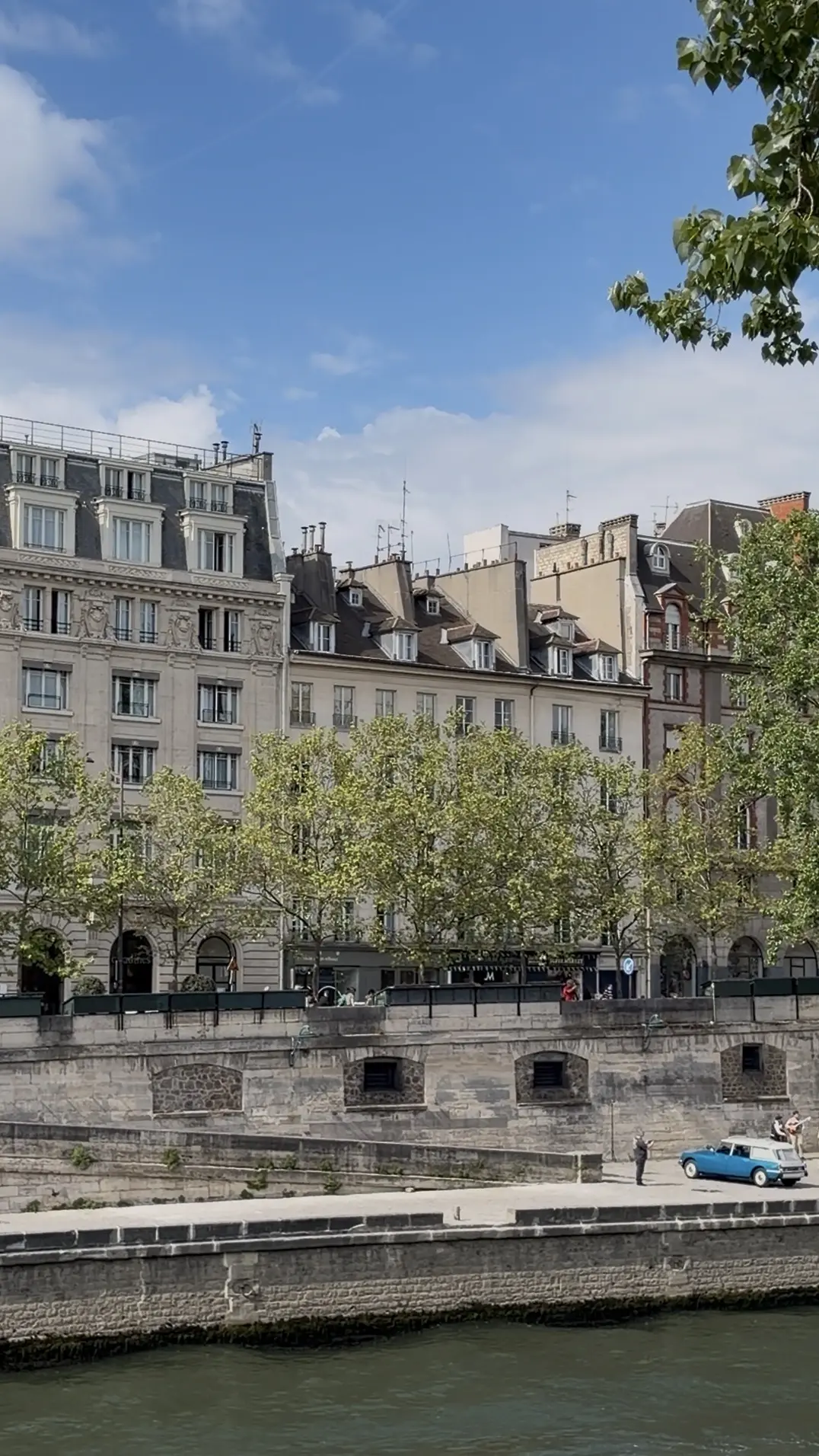
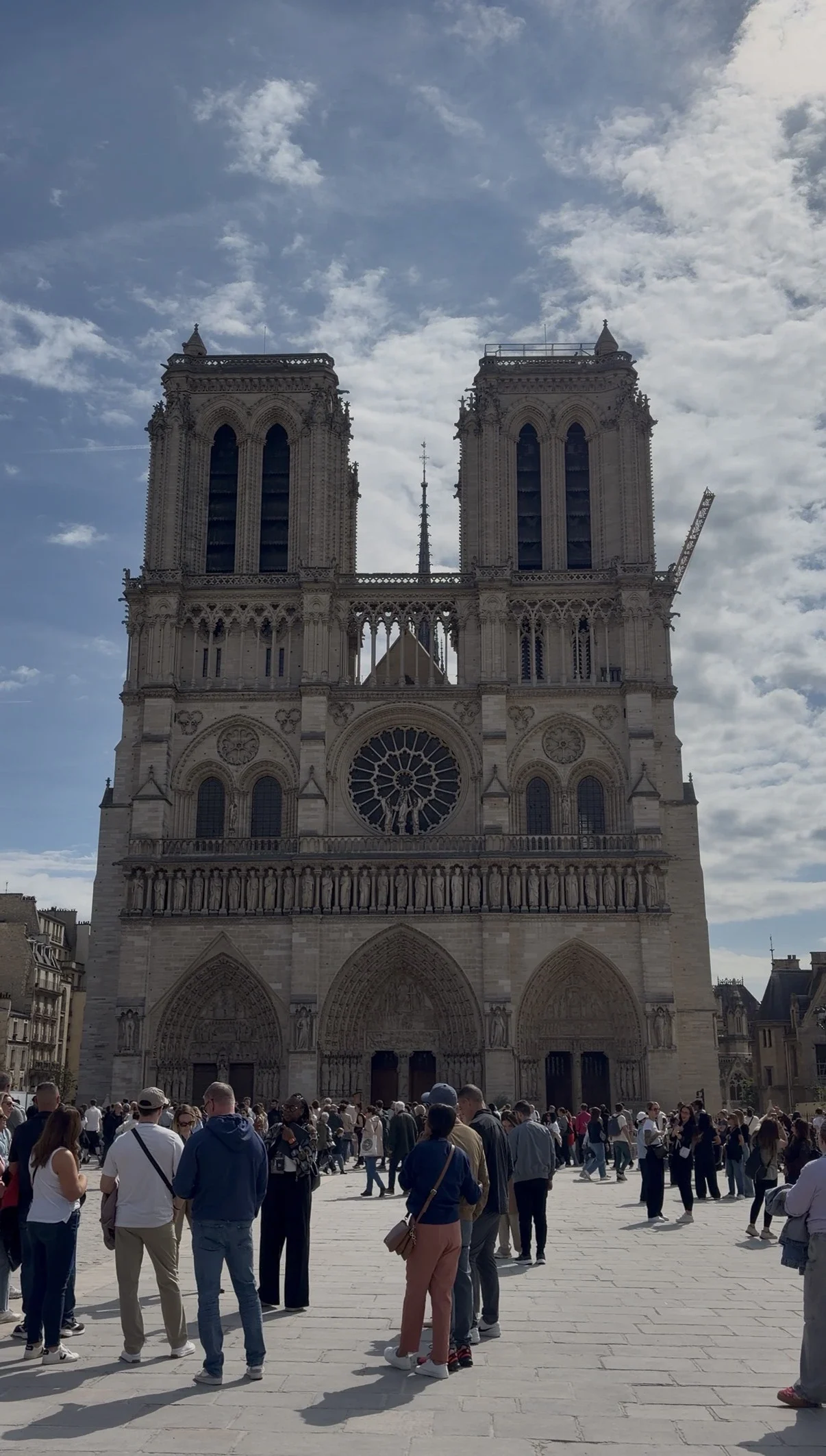
From there, walk across Pont Neuf—the city’s oldest standing bridge—to enjoy views of the River Seine and the restored towers of Notre-Dame. Film fans might also recognise this iconic bridge from key scenes in Disney Pixar’s Ratatouille.
© Lukas Kaj Hewson
© Lukas Kaj Hewson
© Lukas Kaj Hewson
Next, pass the Palais de l’Institut and head to the Palais-Royal. In its courtyard, you will see a mix of history and modern art: Daniel Buren’s famous black-and-white striped columns.
Afterward, relax under the trees in the Jardin du Palais-Royal or walk past the luxury shops toward the grand Place Vendôme.
Modern designs
For a total change of style, cross into the Beaubourg area to visit the Centre Pompidou. This “inside-out” building features bright, colourful pipes, structural beams, and glass escalators exposed on the exterior, leaving the interior entirely open. Afterwards, check out the high-fashion architecture of the Louis Vuitton hub and La Samaritaine.
Bohemian heights in Montmartre
Don’t miss out on Montmartre, a famous hilltop neighborhood in the 18th arrondissement. Once the creative home of masters like Picasso and Van Gogh, these steep, winding lanes still hum with artistic energy.
Climb the historic cobblestone streets to the beautiful white domes of the Sacré-Cœur Basilica, where you can watch the entire city unfold below you. As the sun sets, the quiet alleys transform and come alive.
Meeting the Emperor
© Lukas Kaj Hewson
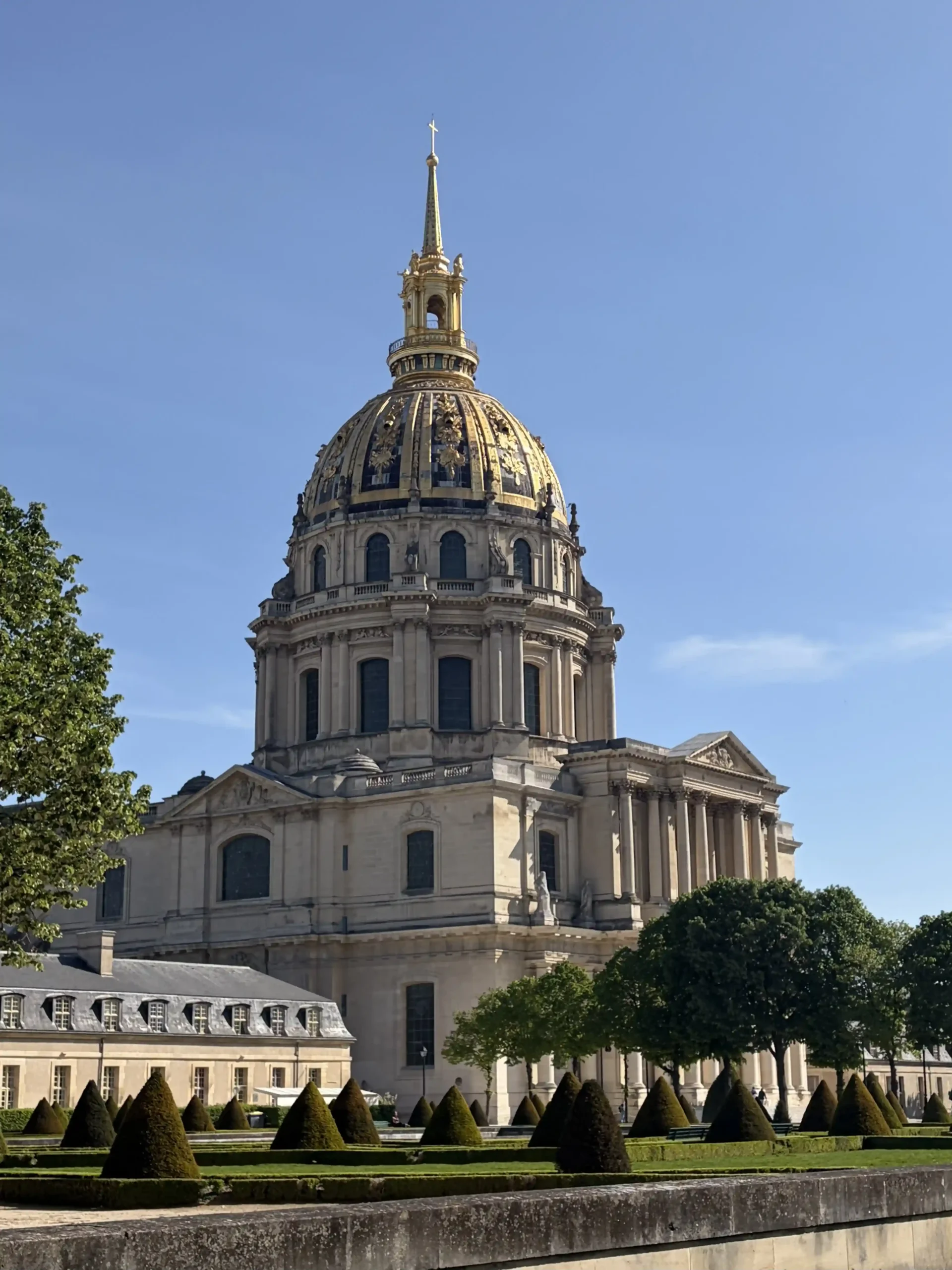
The Hôtel des Invalides—Napoleon Bonaparte’s final resting place—demonstrates how architecture can be weaponised as psychological theatre. Standing in the vast Cour d’Honneur, the sheer, monumental scale of the doors instantly shrinks you, forcing a sense of insignificance.
However, the true architectural genius lies directly beneath the golden dome, where Napoleon’s massive red quartzite sarcophagus resides. Because the tomb is positioned in an open crypt below the main floor, it is impossible to view it at eye level. The setup naturally changes your body language, forcing you to either lean forward over the barrier to look down or stand on the lower level and look up. Ultimately, you’re left with no choice, as the architecture forces you to either bow down or look up to the Emperor.
Cafés, canals, and culinary delights
To experience the true essence of Paris, you don’t necessarily need expensive museum tickets; you only need its vibrant side streets and sidewalk terraces.
Start your morning simply, with a flaky, buttery croissant or a pain au chocolat from a local boulangerie, enjoyed with an espresso while watching the city wake up.
In the evening, settle into a cosy wine bar to enjoy local wines alongside crusty baguette slices and artisanal cheeses.
© Lukas Kaj Hewson
© Lukas Kaj Hewson
© Lukas Kaj Hewson
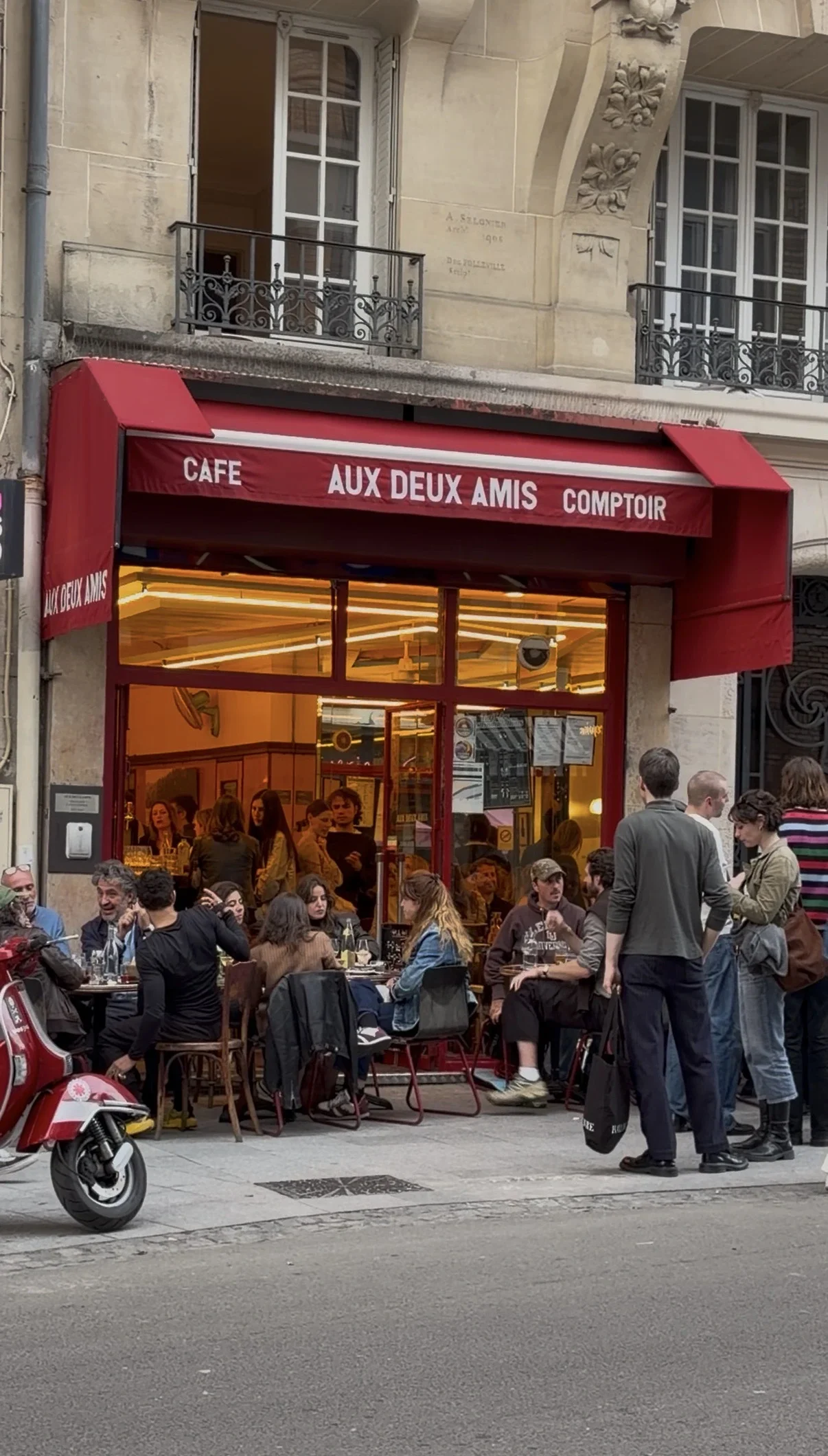
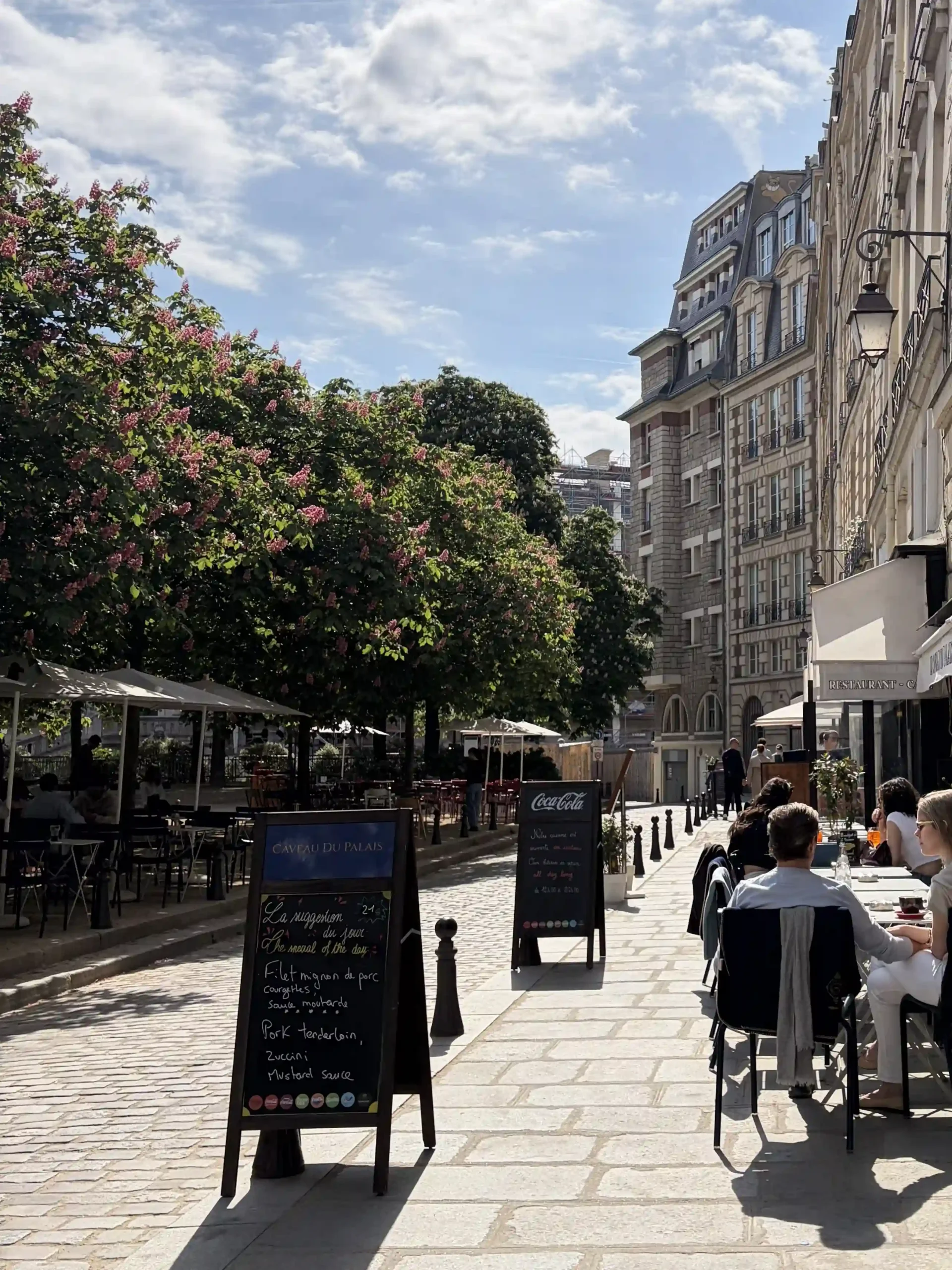
For an authentic slice of Parisian nightlife, seek out the waterside charm of Chez Prune, the lively energy of Café Aux Deux Amis, or the historic charm of Caveau du Palais tucked away on the Île de la Cité.
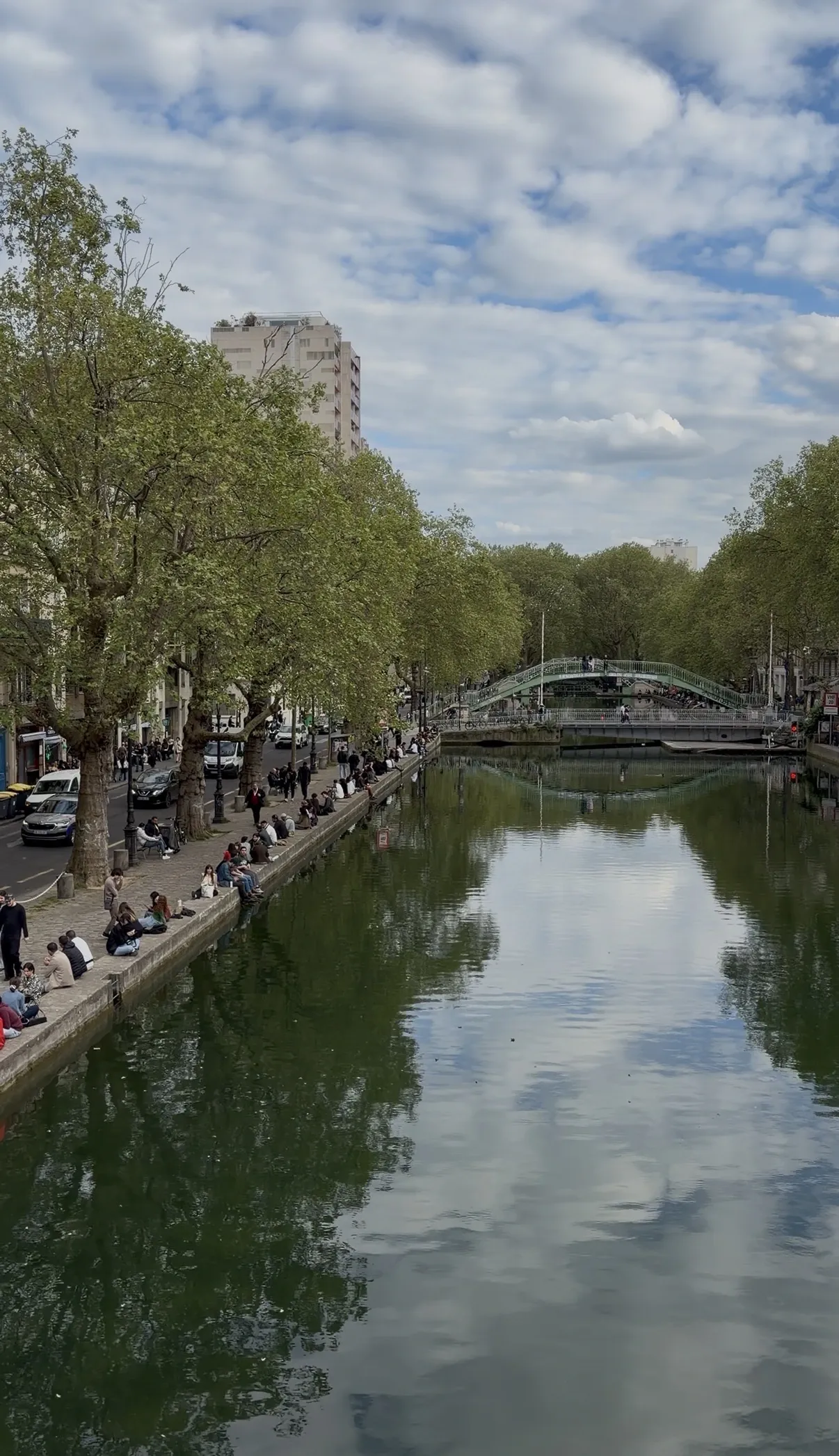
For a truly local evening, pick up a fresh baguette, some charcuterie, and a bottle of wine, then head to the Canal Saint-Martin. Find a perch along the water’s edge near the Passerelle Emmanuelle Riva; join the local crowds, and toast to the sunset as the canal boats drift by.
Green escapes & hidden viewpoints
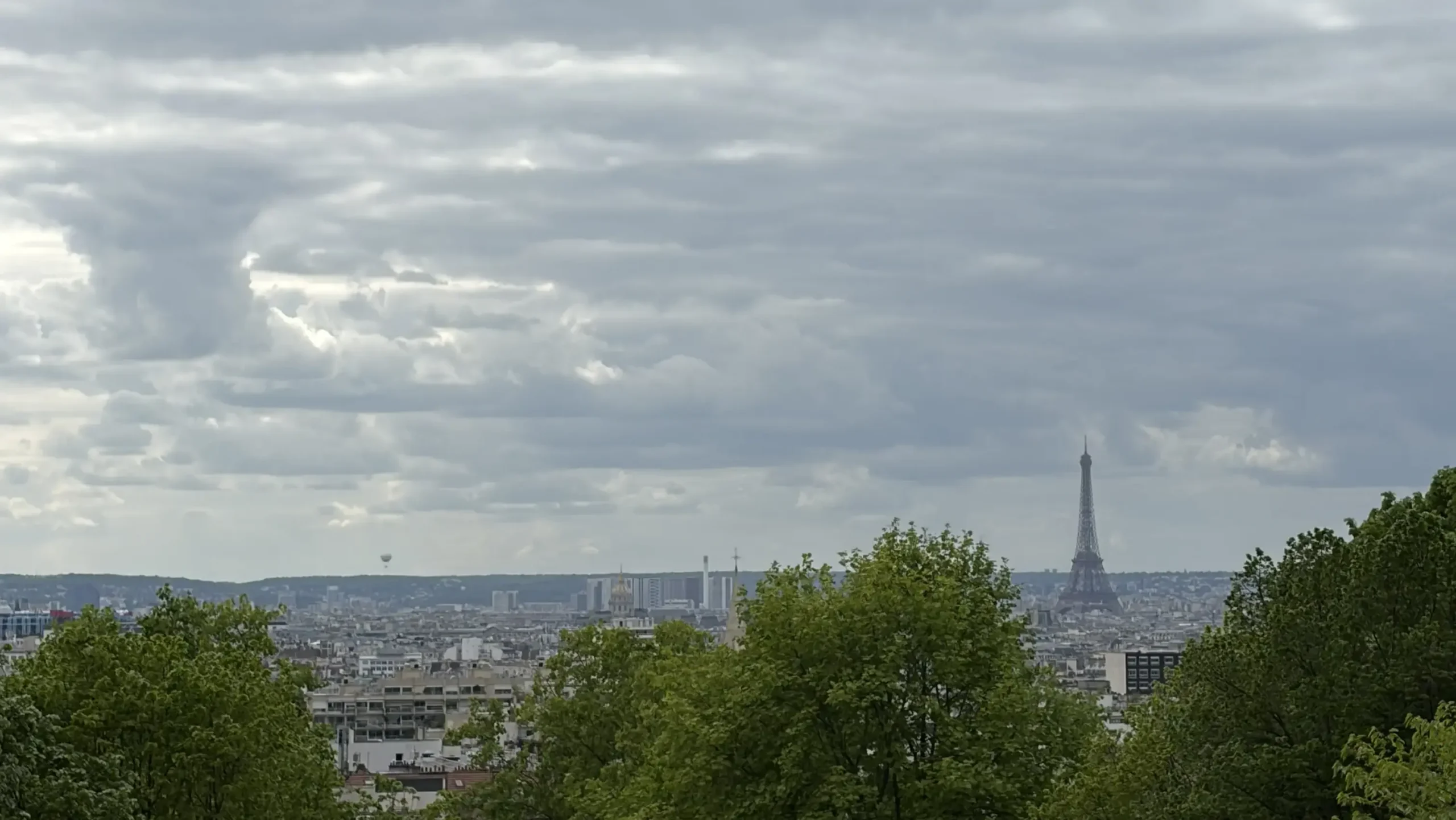
While everyone flocks to the crowded Trocadéro for photos, the most spectacular, romantic views of the Eiffel Tower and the wider Paris skyline can be found in the outer arrondissements.
© Lukas Kaj Hewson
Head up to the Belvédère de Belleville in the 20th arrondissement. This elevated park offers an amazing, unobstructed panoramic view over the entire city and the iron lace of the Eiffel Tower, framed by local street art.
Equally spectacular is the Parc des Buttes-Chaumont in Paris’s northeast corner. This is one of the city’s largest and most dramatic green spaces, highly unique due to its completely artificial design. Built out of an old quarry, it features steep, vertical cliffs, a suspension bridge swinging high above a lake, and a lovely hidden waterfall inside a rocky grotto.
While exploring the city’s hilly northeast or the narrow lanes of Rue des Rosiers in Le Marais, keep your eyes peeled for the work of the famous French street artist, Invader.
Tip
He has “invaded” Paris with over 1,500 pixelated tile mosaics—mostly of retro video game characters—tucked high up on street corners.
Best Paris overnight spots
While parking a large motorhome in central Paris is not permitted, excellent, green campsites sit right on the city’s outskirts, connected to the heart of the capital by seamless public transport:
- Camping de Paris (Bois de Boulogne): The premier choice for motorhomes. Situated in a massive forest park right along the River Seine, it offers over 200 pitches, excellent amenities, and a private shuttle bus that connects directly to the Metro line. It’s also close to the historic Jardin d’Acclimatation amusement park.
- Camping Paris Est: Located just 20 minutes from the city centre, this site sits beautifully between central Paris and Disneyland Paris.
- Camping Les Rives de Paris: A quieter, budget-friendly riverside option on the eastern outskirts, offering spacious pitches and easy access into the city.
Best time to visit Paris
Spring (March to May) and autumn (September to November) offer the most pleasant temperatures for exploring the city on foot, which is by far the best way to experience Paris.
Be mindful of visiting in August. Many local shops, family-run bakeries, and independent restaurants close entirely for the month, as Parisians traditionally take their own summer holidays to the coast.
Note
Disneyland Paris
© Nathan Langer
If you are travelling with family or simply want to experience a different kind of magic, Disneyland Paris sits roughly an hour’s drive east of the city centre in Marne-la-Vallée.
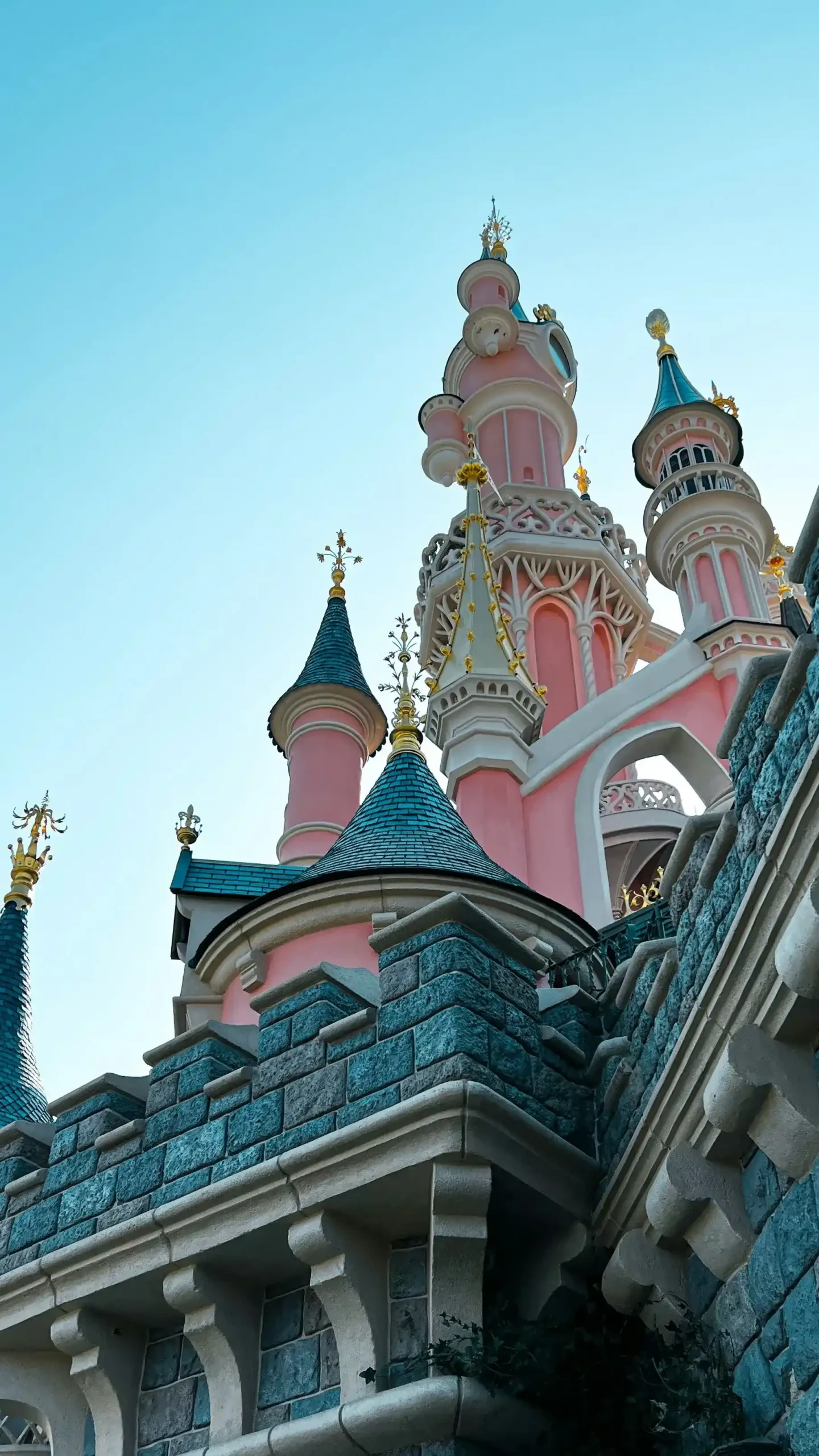
It is a brilliant addition to a campervan itinerary, allowing you to easily swap the historic architecture of the Seine for the fairy-tale spires of Sleeping Beauty Castle before pointing your vehicle back towards the coast or further into the French countryside.
Disneyland Paris is incredibly welcoming to campervans, allowing overnight stays right in the main visitor parking lot.
While the area includes a waste-water dump station, public toilets, and shower facilities, electric hookups are not provided.
Before or after a motorhome trip, it’s often a good idea to spend a few days in a major city.
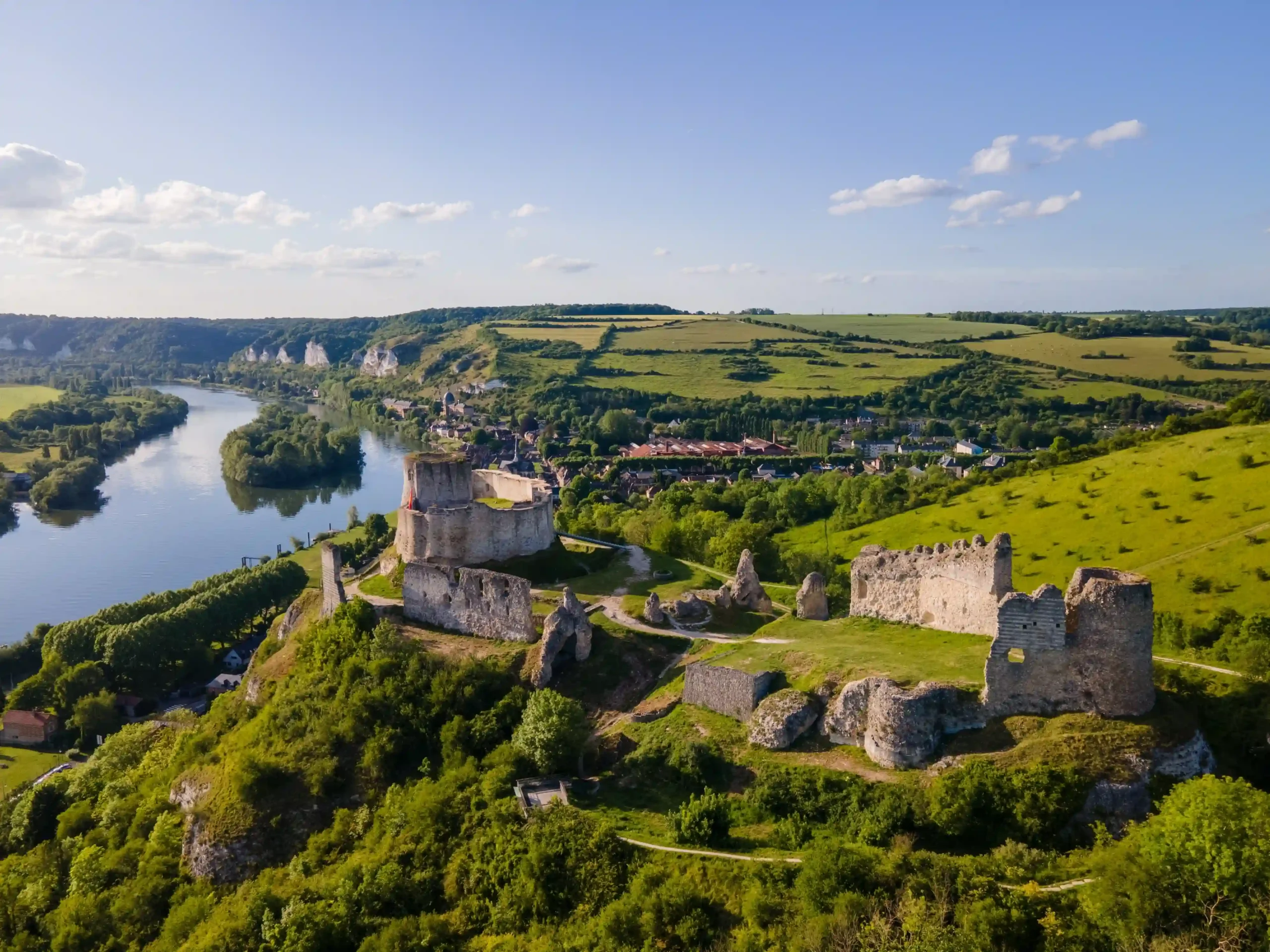
Normandy road trip
This 8-day Normandy road trip connects dramatic chalk cliffs and WWII landing beaches with lush valleys, and the iconic Mont Saint-Michel—creating a captivating journey through the region’s coast and countryside.
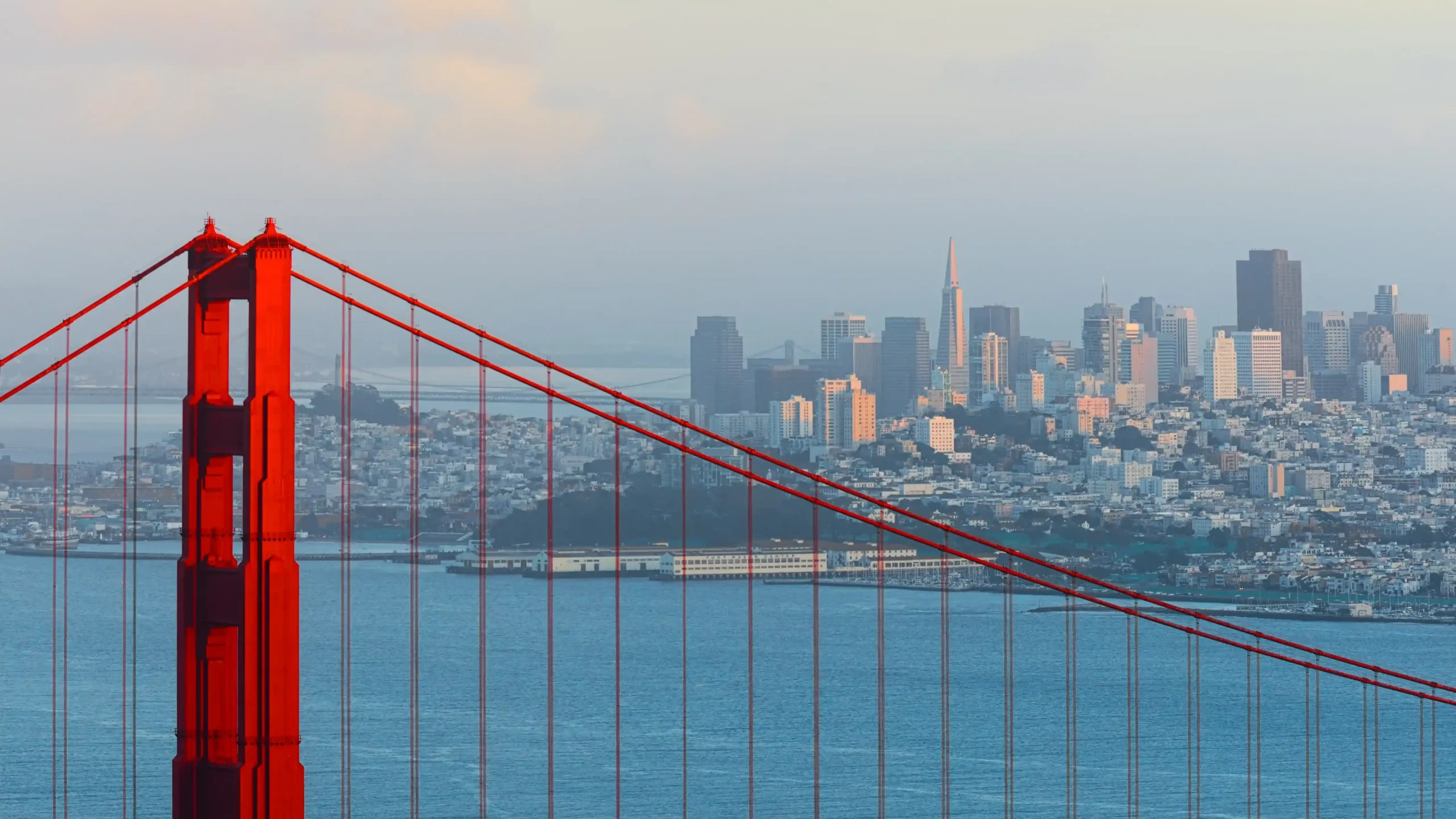
RV rental San Francisco
Resting dramatically on the edge of Northern California, San Francisco is widely considered one of the best cities in the US. Celebrated around the world for its iconic landmarks, vibrant…
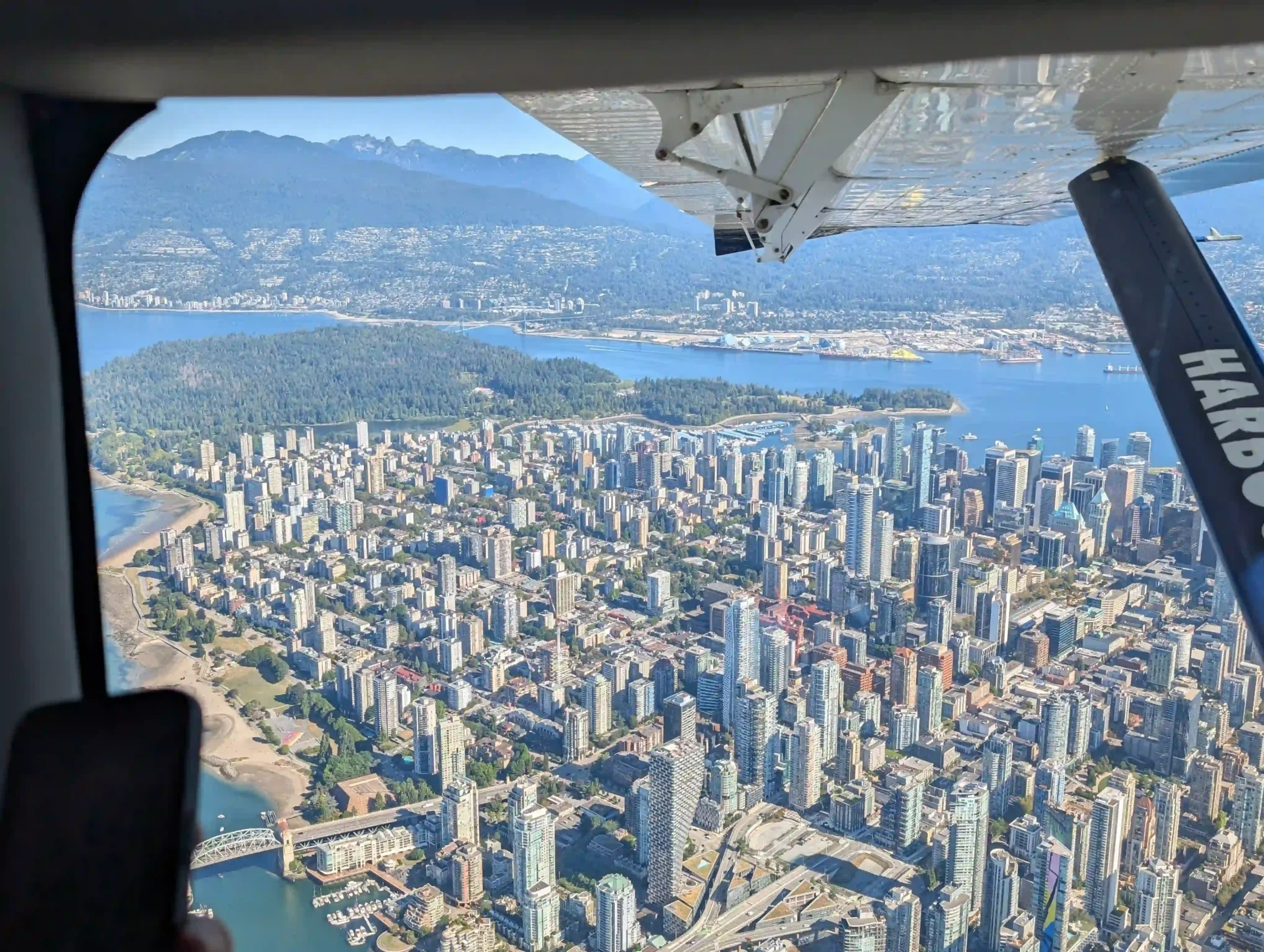
Vancouver itinerary
Explore a modern oceanfront city framed by towering peaks. Park up at picturesque campsites, catch coastal ferries, and launch your ultimate British Columbia road trip.
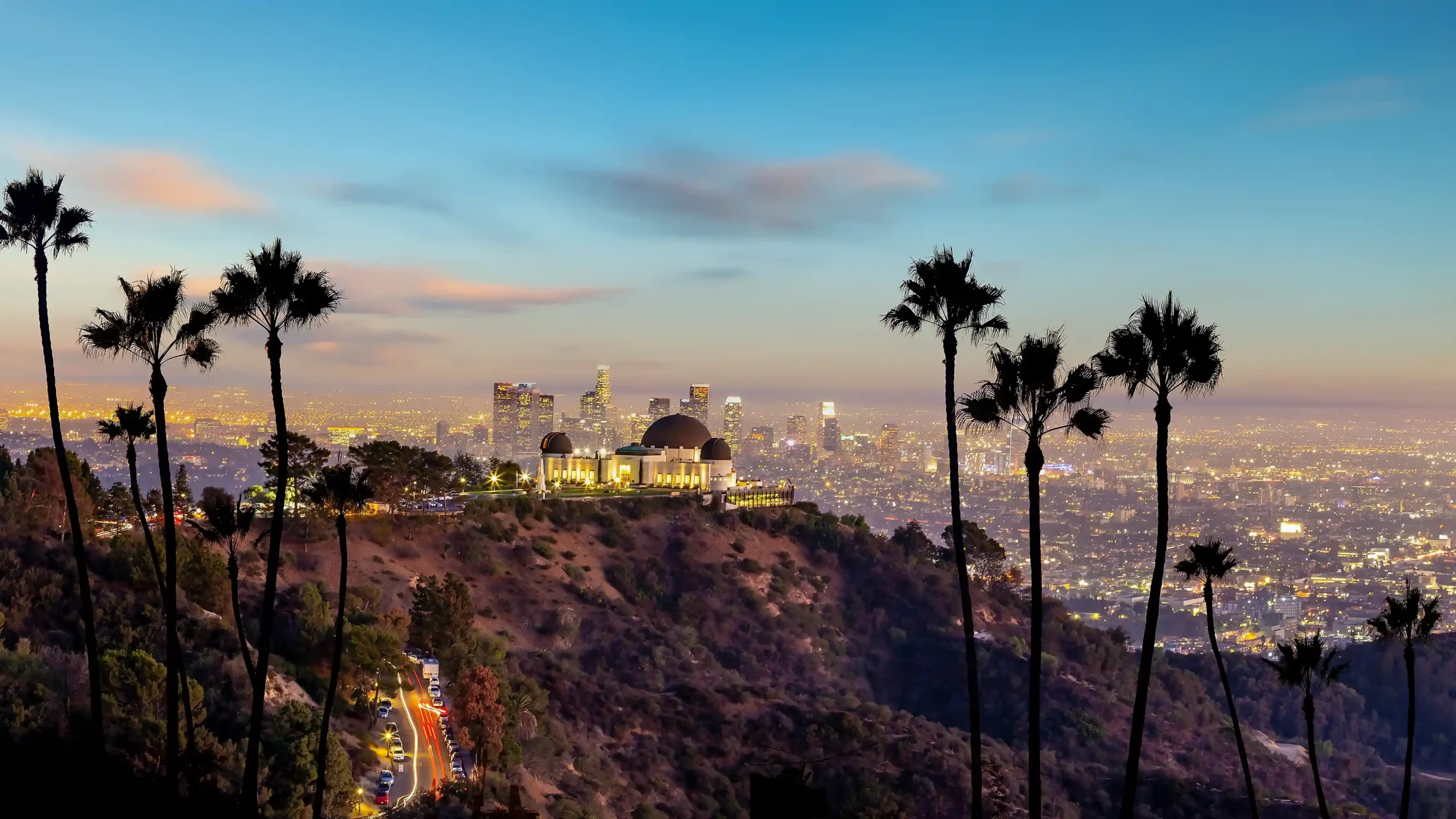
Camping Los Angeles
Stroll the Santa Monica Pier, take in sweeping skyline views from Griffith Observatory, and soak up iconic film history.
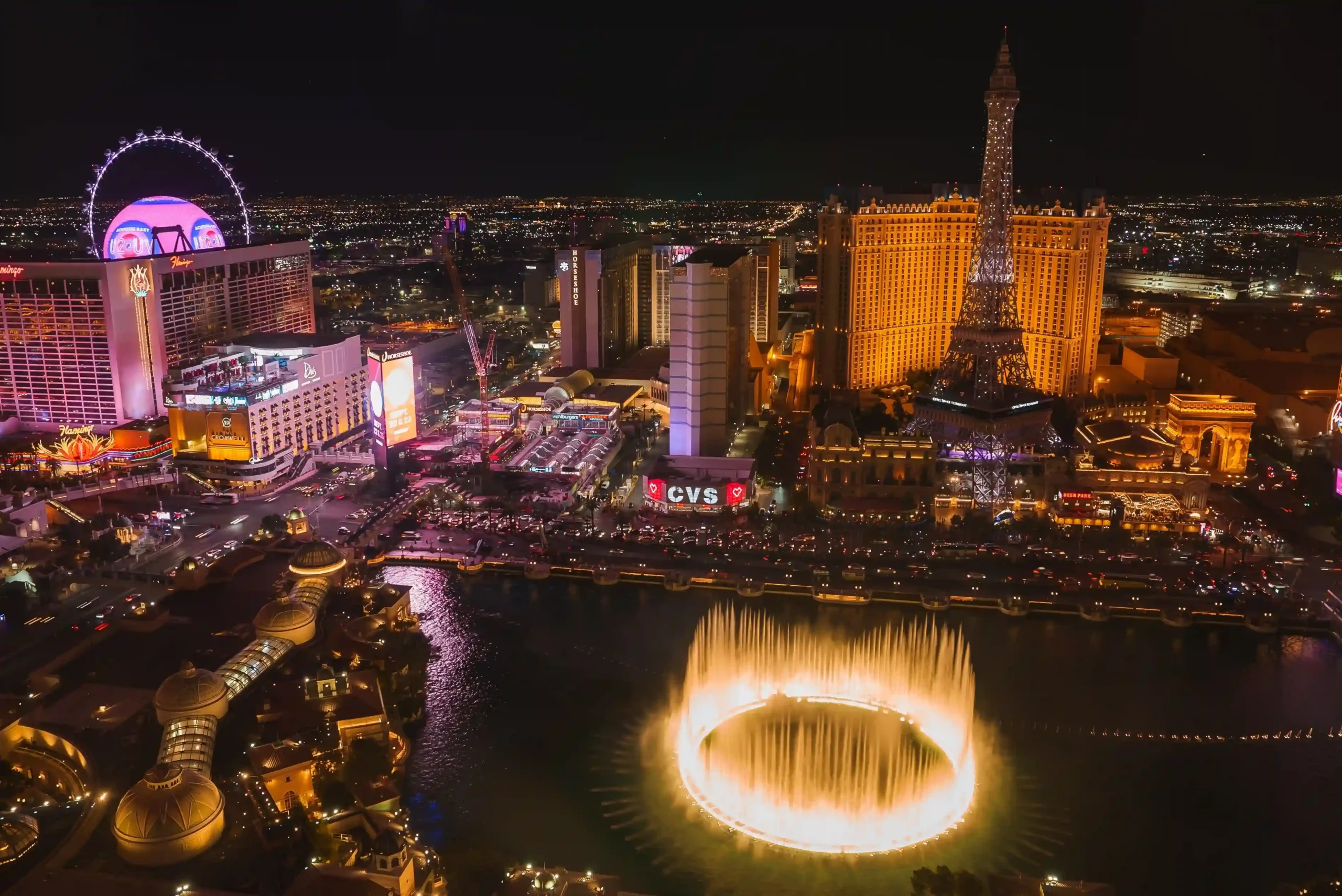
RV rental Las Vegas
Kick off your adventure on the vibrant Strip, testing your luck at the slot machines. Once you’ve had your fill of the bright lights, escape to the fiery red peaks of Red Rock Canyon.
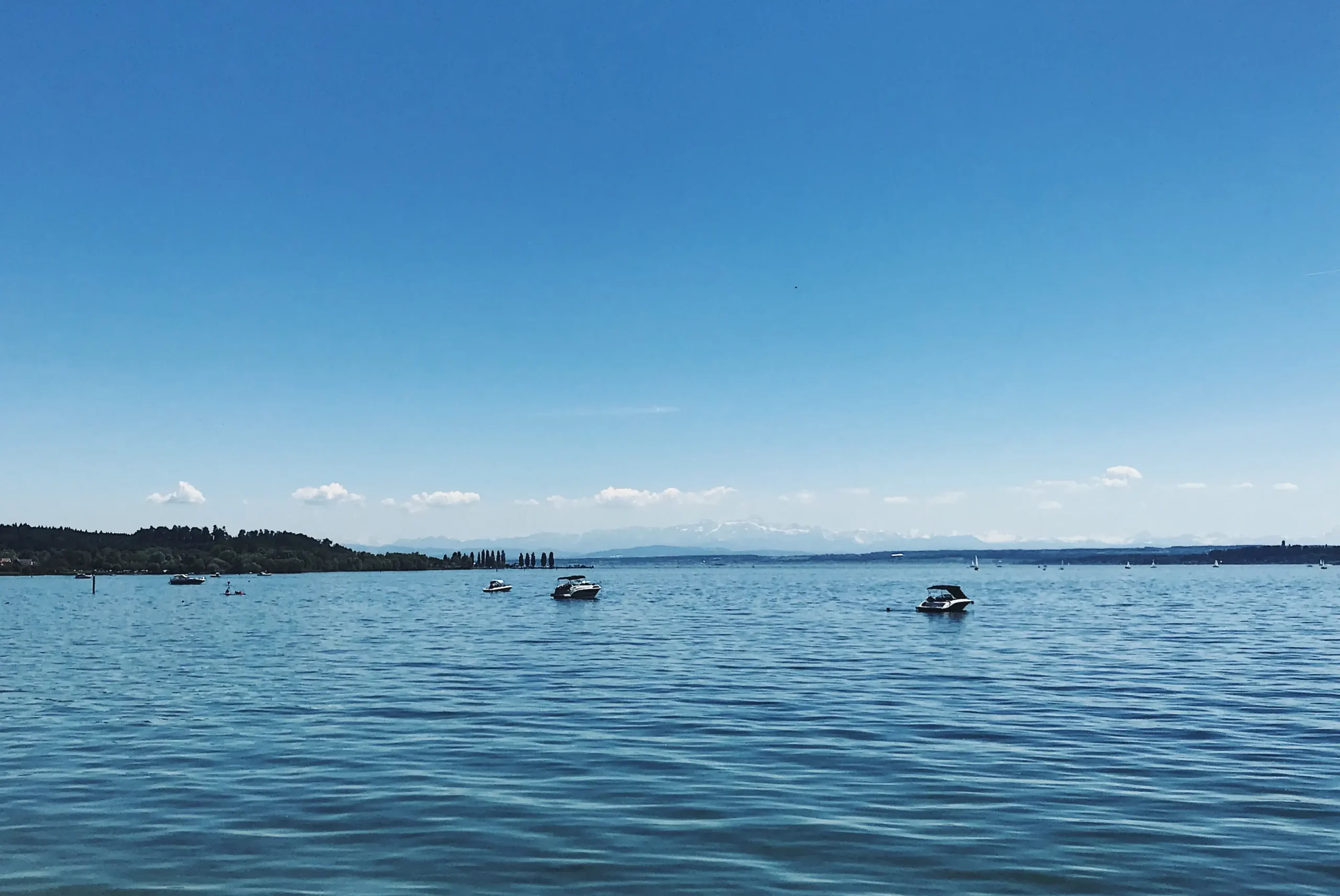
Central Europe Alps itinerary
Set out on a five-country Alpine loop through Germany, Austria, Italy, France, and Switzerland. Explore historic cities like Munich and Milano, cross high mountain passes, and relax by world-famous lakes.