
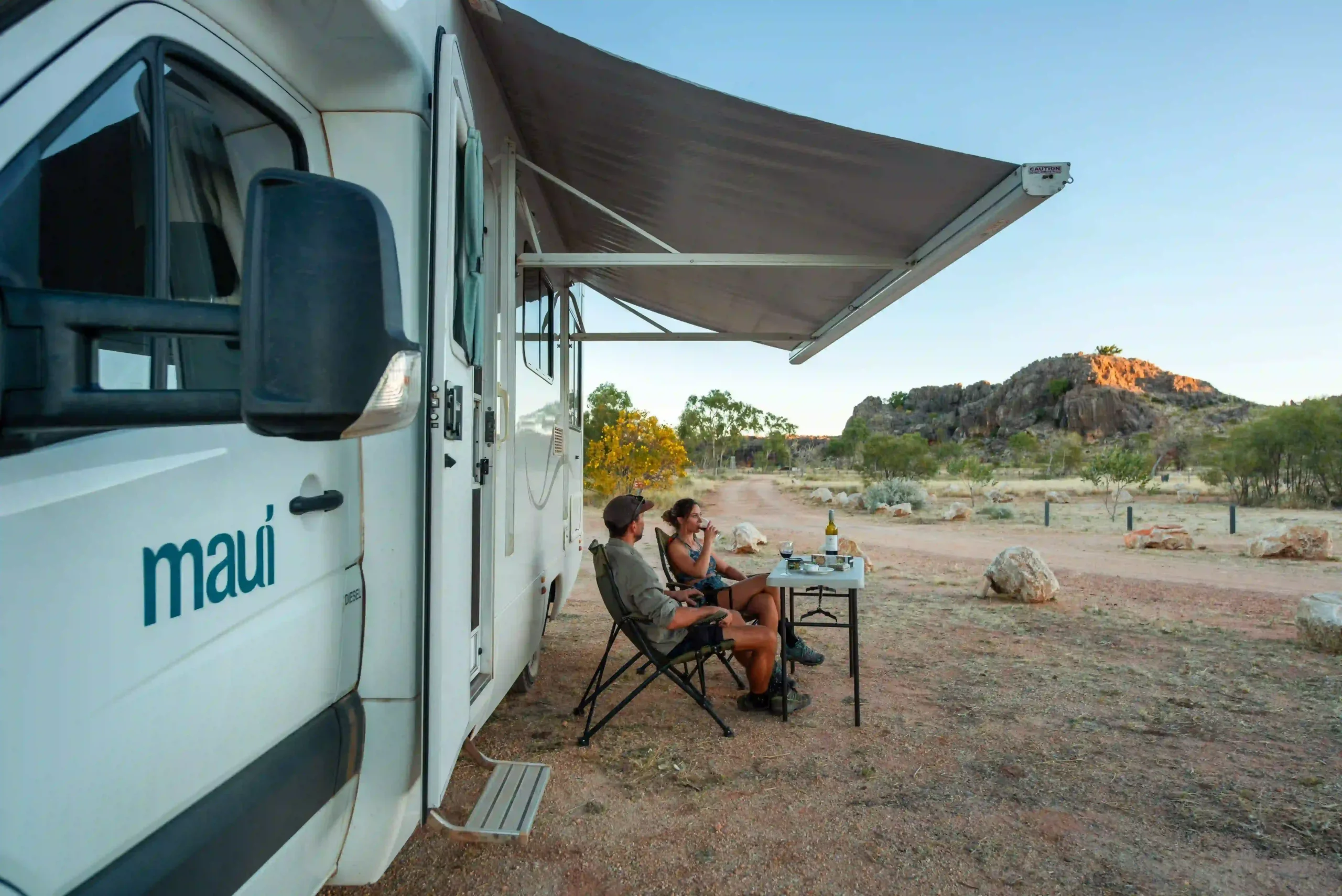
© Maui
Probably the first thing that comes to mind when thinking about Australia is the vast outback and endless desert. However, the country has so much more to offer—especially along its coastlines. While this Great Ocean Road itinerary covers only a small corner of the continent, it serves as a stunning counterpoint to Australia’s desert, showcasing the lush diversity of dreamlike beaches, dramatic cliffs and ancient eucalyptus forests.
Stretching roughly 700 miles (1,130 km), this road trip isn’t about rushing from one place to another, like you might in parts of Canada or the US where the drive often takes centre stage. Here, it’s more about the destinations—as they invite you to linger and explore.
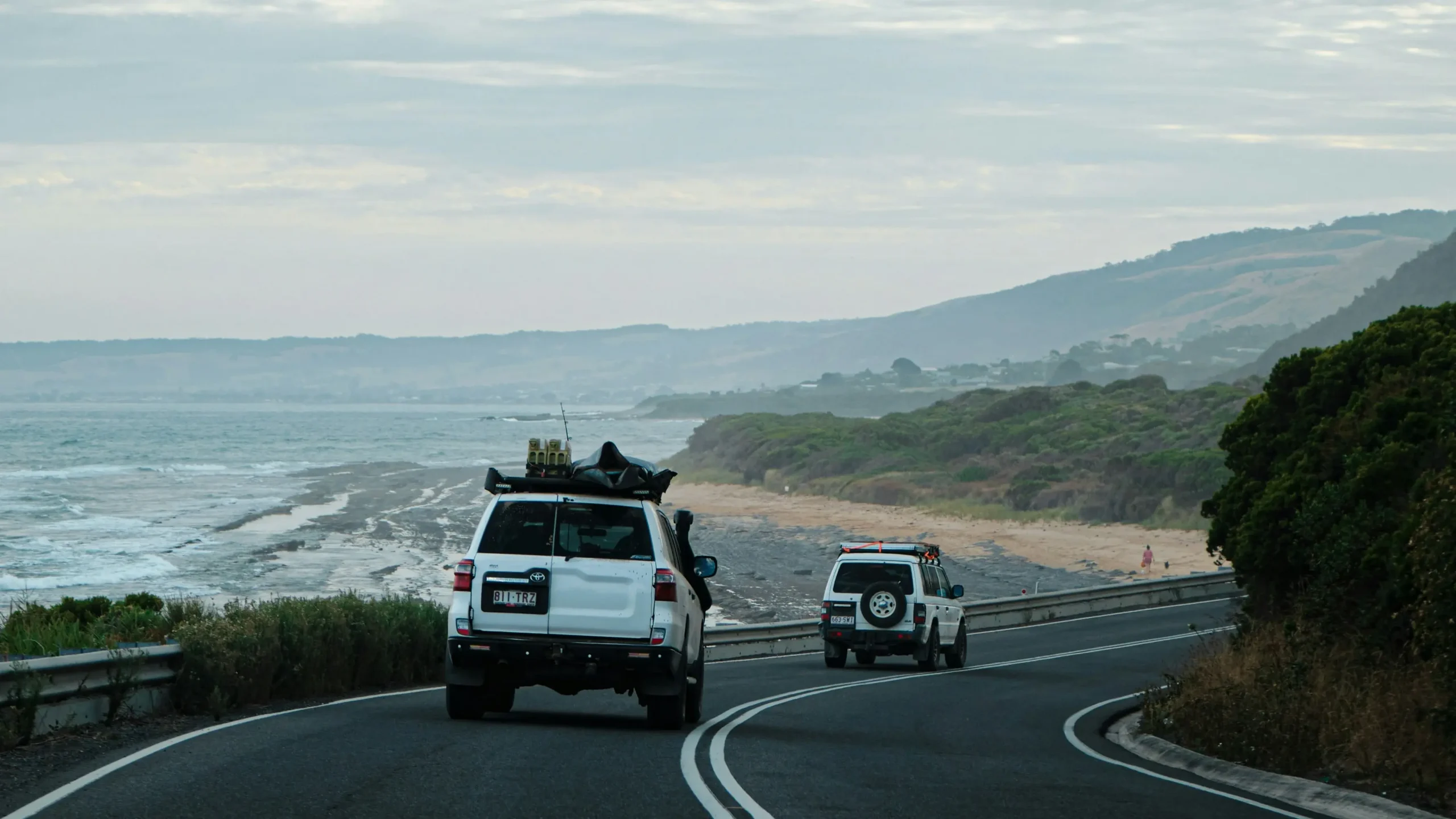
From Melbourne to Adelaide, the journey follows one of Australia’s most famous coastal drives: the Great Ocean Road, roughly 150 miles (240 km), before continuing further along the southern coastline. You could drive the Great Ocean Road in a day if time is scarce—but to truly experience this part of Australia, allow 7–10 days. It’s in the quieter moments that the trip really comes to life.
Highlights
- Melbourne’s urban laneways
- Lorne & Erskine Falls
- Twelve Apostles: Iconic limestone stacks
- Loch Ard Gorge
- Port Fairy & Griffiths Island
- Mount Gambier’s Blue Lake & sinkholes
- Robe’s beaches
- Victor Harbor: Wildlife encounters
- Adelaide’s beaches & city culture
Why explore Australia’s southern coast by campervan?
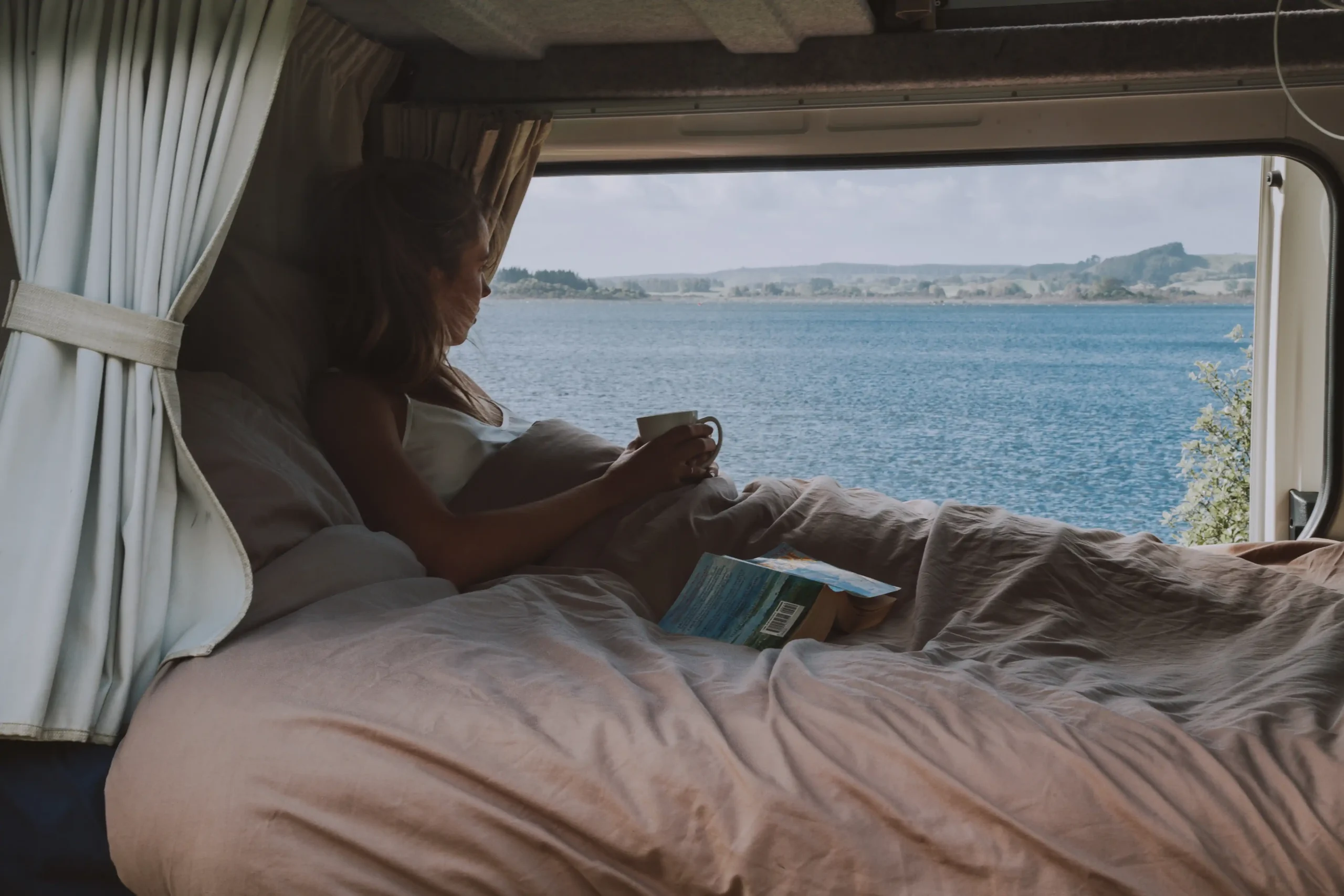
This road trip takes place in the states of Victoria and South Australia, where well-maintained roads make it easy to travel by campervan. But more than that, travelling this way brings a real sense of freedom. You can decide as you go—whether to stop at a place you hadn’t planned or simply stay a little longer because it feels right.
At the same time, many campsites are set in beautiful natural surroundings. Instead of just passing through, you’re staying right in the landscape—waking up by the coast or surrounded by forest—which makes the whole experience feel far more immersive.
| Day | Route / Destination | Driving time | Highlights |
| 1–2 | Arrive in Melbourne | Queen Victoria Market, Fitzroy Gardens, Eureka Skydeck | |
| 3 | Melbourne → Lorne | ~2 hrs | Lorne Pier, Erskine Falls, Teddy’s Lookout |
| 4 | Lorne → Twelve Apostles | ~2.5 hrs | Twelve Apostles, Gibson Steps, Cape Otway Lighthouse |
| 5–6 | Twelve Apostles → Port Fairy | ~1 hr | Tower Hill Wildlife Reserve, Loch Ard Gorge, wildlife spotting, Griffiths Island |
| 7 | Port Fairy → Mount Gambier | ~2–3 hrs | Blue Lake, Umpherston Sinkhole, Kilsby Sinkhole |
| 8 | Mount Gambier → Robe | ~1.5 hrs | Long Beach, Cape Dombey Obelisk, local seafood |
| 9 | Robe → Victor Harbor | ~3.5–4 hrs | Granite Island, Urimbirra Wildlife Park, Waitpinga Beach |
| 10 | Victor Harbor → Adelaide | ~1.5–2 hrs | Adelaide Botanic Garden, Rundle Mall, Glenelg Beach |
The best time to follow this Great Ocean Road itinerary is generally between October and March. During these months, you’ll enjoy warmer temperatures, longer days, and ideal conditions for coastal drives and outdoor activities. Keep in mind that peak summer (December to February) can be busier, so travelling in October–November or March offers a great balance of good weather and fewer crowds.
Melbourne: Starting your adventure
Melbourne is the perfect place to begin your coastal journey, especially since it has an international airport. The city blends vibrant urban life with easy access to nature, making it a gentle introduction to your adventure.
Here, you’ll pick up the motorhome rental you booked through CU | Camper, stock up on essentials, and spend at least two days exploring the city and its surroundings—an ideal start to your great ocean road itinerary.
What to do in Melbourne
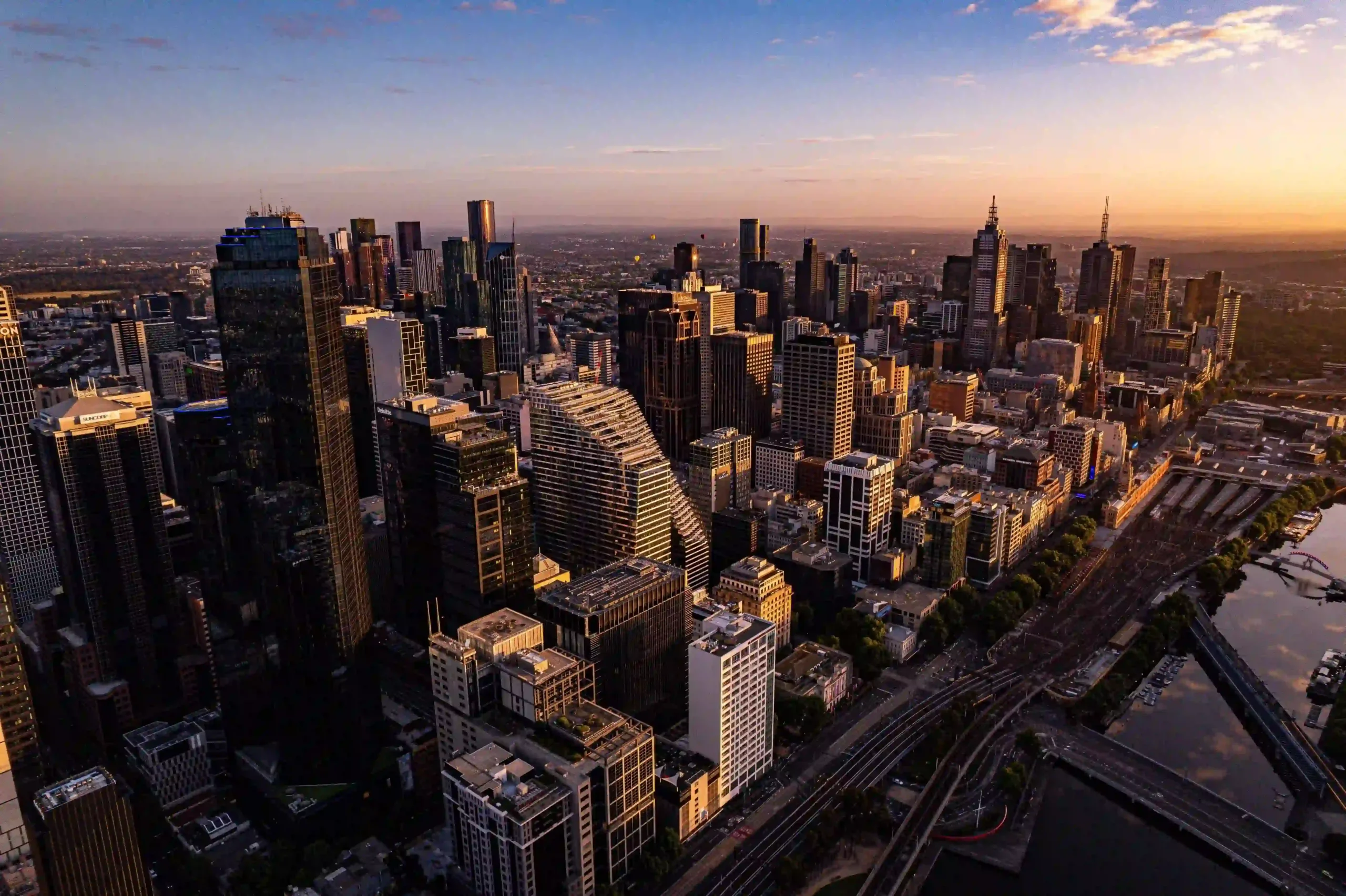
Start with a visit to the historic Queen Victoria Market, whether you’re grabbing fresh supplies for the road or simply soaking up the lively atmosphere. From there, take a stroll through Fitzroy Gardens, where tree-lined paths and open lawns offer a calm contrast to the city’s energy.
© Wirestock Creators
Nearby, the Royal Exhibition Building in Carlton Gardens adds a touch of history and architectural charm.
For a sense of scale head up to the Eureka Skydeck or take a ride on the Melbourne Star Observation Wheel. From above, you’ll see how quickly the urban landscape gives way to green spaces—and eventually, the coastline you’re about to explore.
© Victoria Mummenbrauer
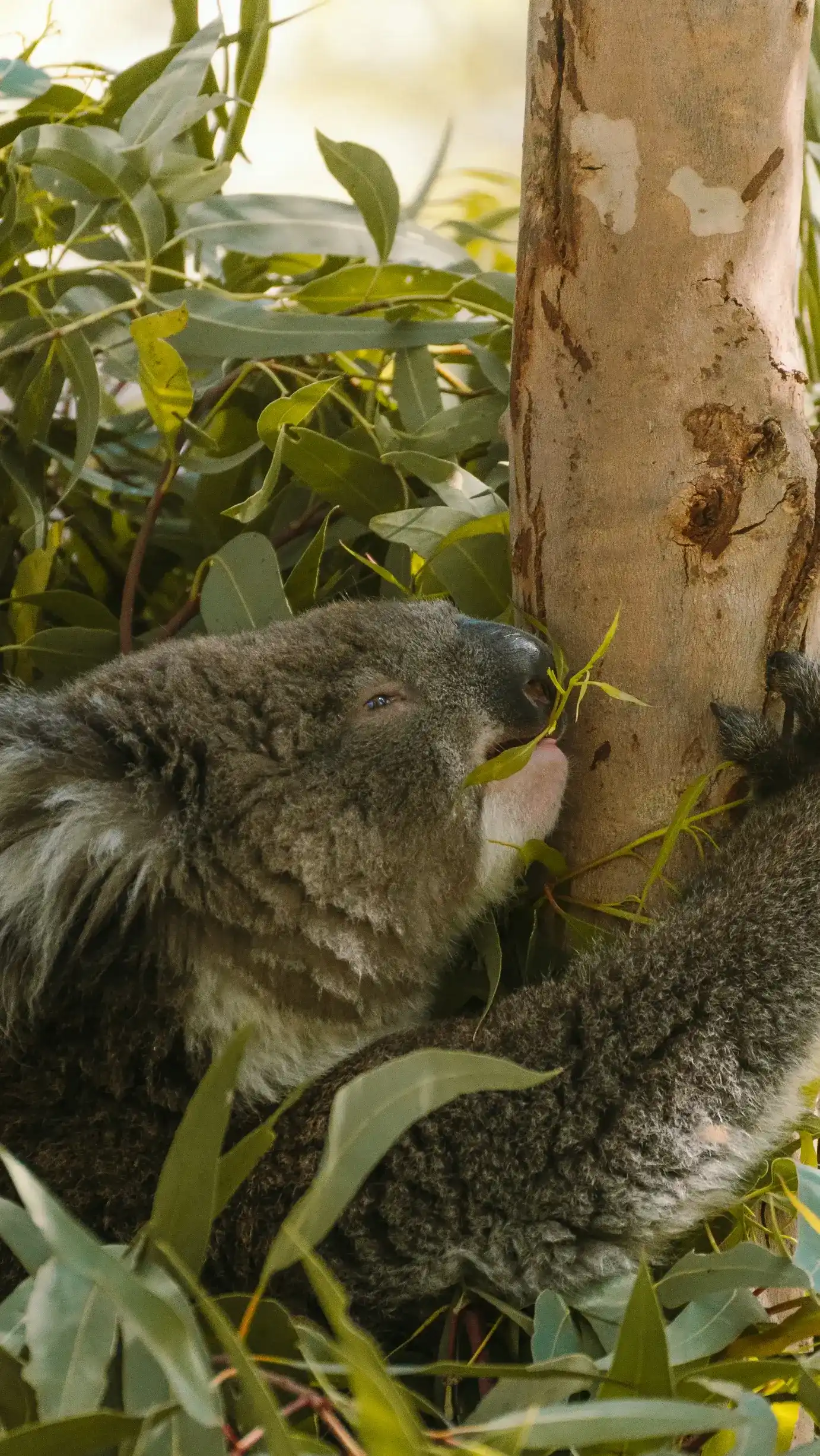
Within 1.5 hours, you can reach Kinglake National Park, where lush creek valleys shelter wombats and wallabies, and walking trails lead to spots like Masons Falls.
For a longer detour, Bunyip and Moondarra State Parks feature eucalyptus forests where koalas rest in the branches, while the Baw Baw massif—a high-altitude plateau—is perfect for hiking, mountain biking, and wildflower spotting. In winter, it becomes a playground for skiing, snowboarding, and tobogganing.
However, visiting these areas requires extra time, as they lie in the opposite direction from your coastal route.
Where to stay
Melbourne BIG4 Holiday Park, located in the north of the city, is a convenient and well-equipped site. From here, you can easily head out towards the Great Ocean Road. Other good options include Ashley Gardens, Crystal Brook Tourist Park, and Chelsea Holiday Park.
Melbourne to Lorne: Onto the Great Ocean Road
It’s about a two-hour drive to Lorne, passing through rolling countryside, then hitting coastal views. Swing by the Memorial Arch at Eastern View—it marks the official start of the Great Ocean Road, and it’s got a cool backstory as a tribute built by returning WWI soldiers.
Lorne sits where the Erskine River meets Loutit Bay. On one side, the sea stretches to the horizon; on the other, dense green forest rises behind the town, creating a striking contrast.
Lorne—what’s worth seeing
Lorne has a creative, laid-back feel to it. Small galleries are scattered throughout the town, with the Lorne Historical Museum and Qdos Fine Art Gallery offering a glimpse into both local history and contemporary art.
© Traveller Martin
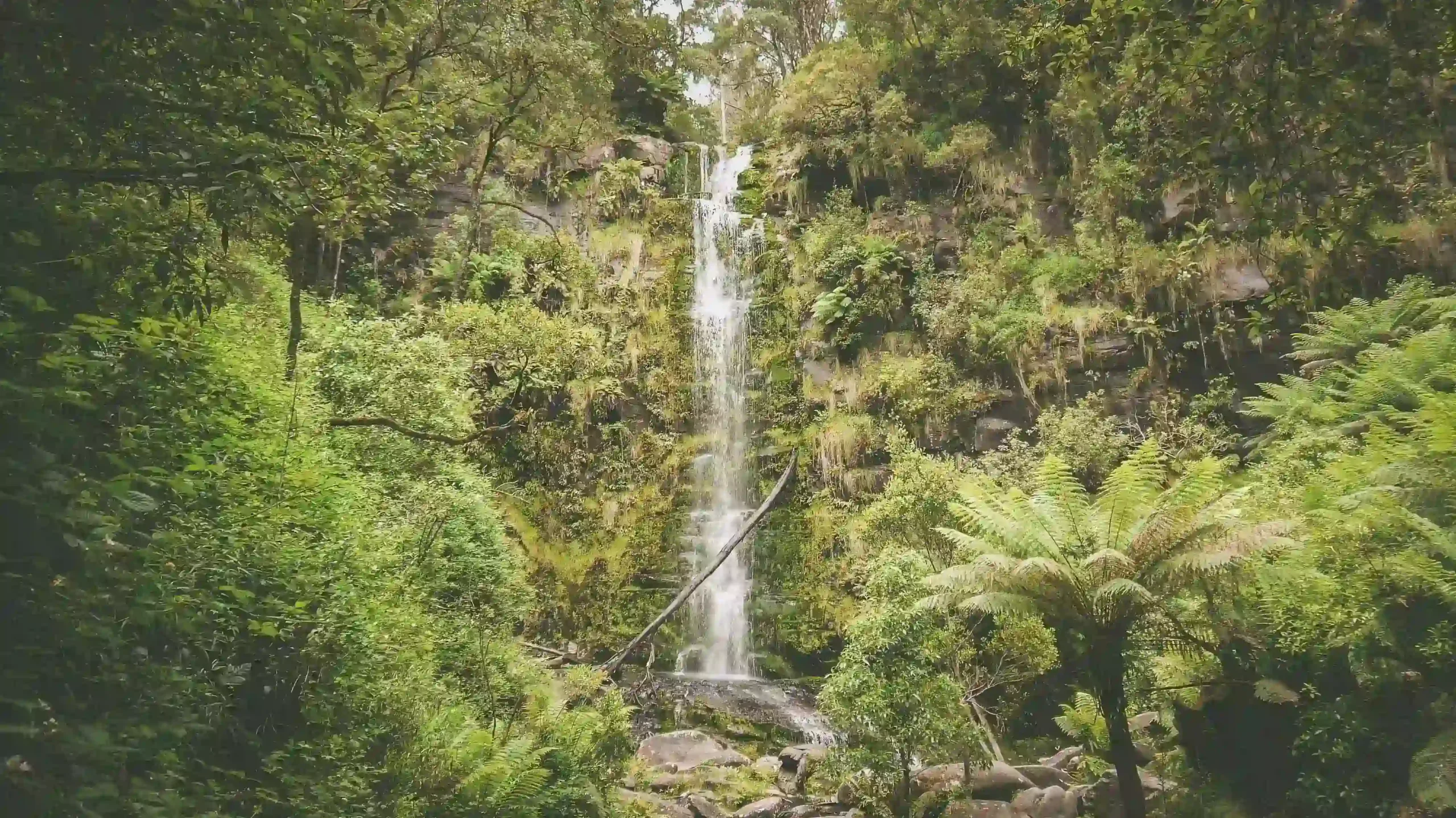
Along the shoreline, the Lorne Pier Walk follows the water’s edge, while just inland, the edge of the Great Otway National Park reveals a different world—waterfalls such as Erskine Falls and Sheoak Falls hidden among tall eucalyptus and ferns, where the air feels cooler and the sounds of the forest take over.
For one of the most memorable views along the Great Ocean Road, head up to Teddy’s Lookout. From here, the road curves along the cliffs, the ocean stretching endlessly beside it—a view that captures exactly what this journey is about.
Where to stay
Lorne Foreshore Caravan Park is one of the most convenient options, located close to both the beach and the town centre.
Lorne to the Twelve Apostles
The drive from Lorne to the Twelve Apostles takes around 2.5 hours. You can stop at the Otway Fly Treetop Adventure for views high above the forest floor, or at Melba Gully, where evening spotlight tours reveal glow-worms lighting up the forest.
Twelve Apostles
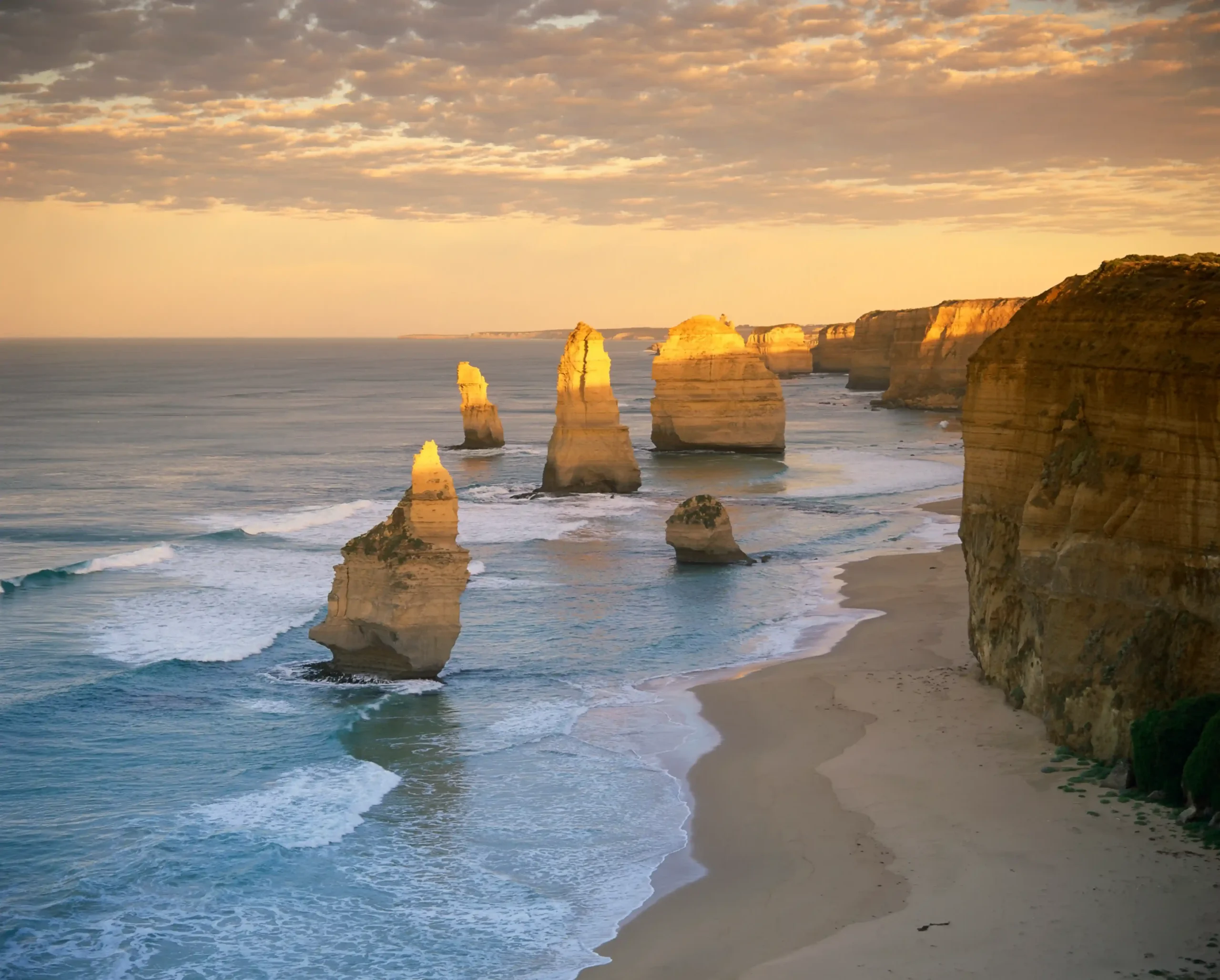
Rising from the sea, the Twelve Apostles are one of Australia’s most iconic sights. These limestone stacks—some reaching up to 150 feet (45 m)—stand against the crashing waves. Visit early in the morning or towards sunset, when the light softens and the rocks glow in warm tones.
© Robert Harding Video
For a different perspective, follow the steps down to the beach at Gibson Steps, where the scale of the cliffs becomes even more apparent. Despite the name, only seven stacks remain today, as a handful have collapsed over the years.
A short drive away, Cape Otway Lighthouse marks the rugged coastline. As the oldest surviving lighthouse on mainland Australia, it offers sweeping views over the ocean and surrounding cliffs.
This entire stretch is also rich in wildlife. Kangaroos and emus can often be seen grazing nearby, while offshore you might spot dolphins—or even whales during migration season.
Where to stay
NRMA Port Campbell Holiday Park provides a central spot with easy access to the beach and the Twelve Apostles. On your way to the campsite, be sure to stop at Loch Ard Gorge, famous for its historic shipwreck and dramatic cliffs.
From the Twelve Apostles to Port Fairy
Before reaching Port Fairy, stop at Tower Hill Wildlife Reserve, set within a dormant volcano. Join a guided walk with Worn Gundidj to experience the landscape through an Aboriginal perspective. Kangaroos, koalas, emus, echidnas, and hundreds of bird species roam freely, making it a truly immersive encounter with Victoria’s wildlife.
Port Fairy and Griffiths Island
Port Fairy is a charming historic fishing village at the end of the Great Ocean Road, known for its well-preserved 19th-century architecture and vibrant arts scene. Wander through its streets and soak in the atmosphere, before heading out to explore its surroundings.
© Steven Bostock
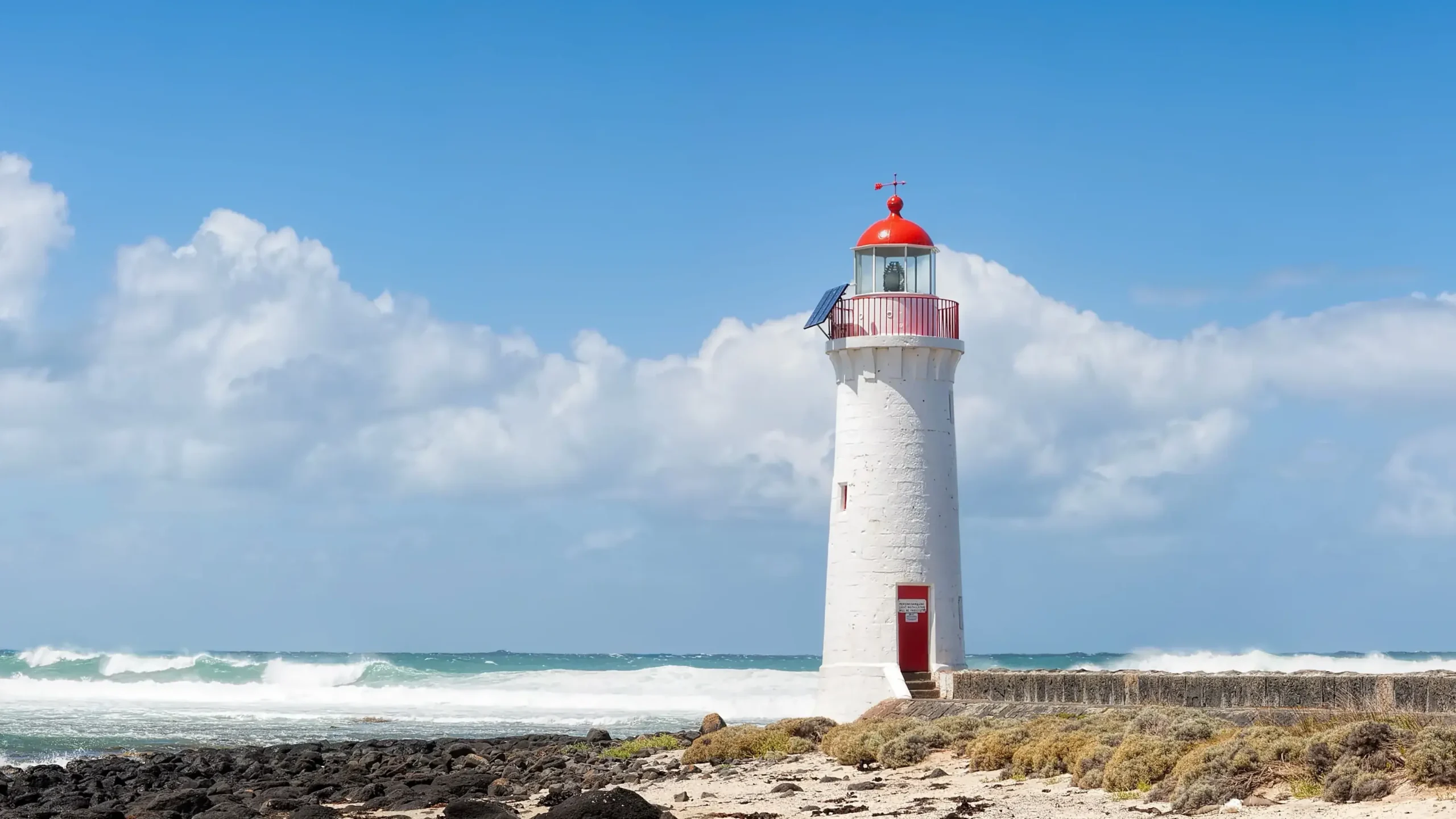
Just across a short causeway lies Griffiths Island, where an easy walking trail loops around the coastline. Along the way, you’ll encounter rugged volcanic rocks, seabird colonies, and the historic Port Fairy Lighthouse, all framed by the shimmering waters of the Southern Ocean.
For a more dramatic and challenging adventure, head a little further to the Cape Bridgewater Seal Walk. This trail climbs Victoria’s highest sea cliffs, rewarding you with sweeping views of the coastline and a resident colony of Australian fur seals basking on the rocks below.
Port Fairy to Mount Gambier
This leg takes 2–3 hours, shifting from coast to farmland and volcanic plains as you cross into South Australia.
Mount Gambier
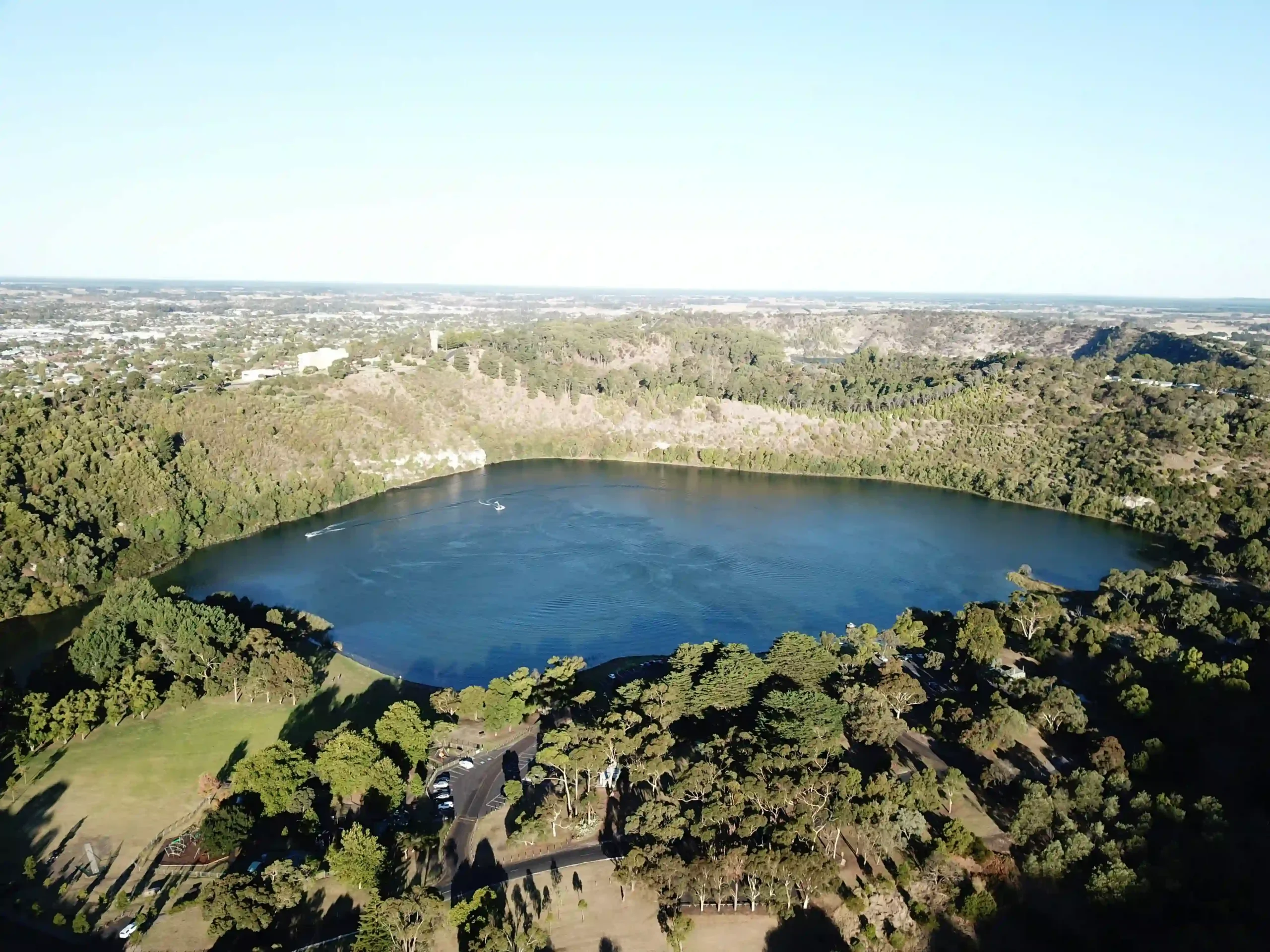
Mount Gambier itself is famous for its unique volcanic features, including the stunning Blue Lake, which changes colour seasonally, and the sunken craters of Umpherston Sinkhole, filled with lush gardens and native wildlife.
© Charles G
Not far from town, the Kilsby Sinkhole offers crystal-clear water, making it one of the most unique dive sites in Australia.
Where to stay
Admella Reserve is a solid base for exploring the Limestone Coast.
Mount Gambier to Robe
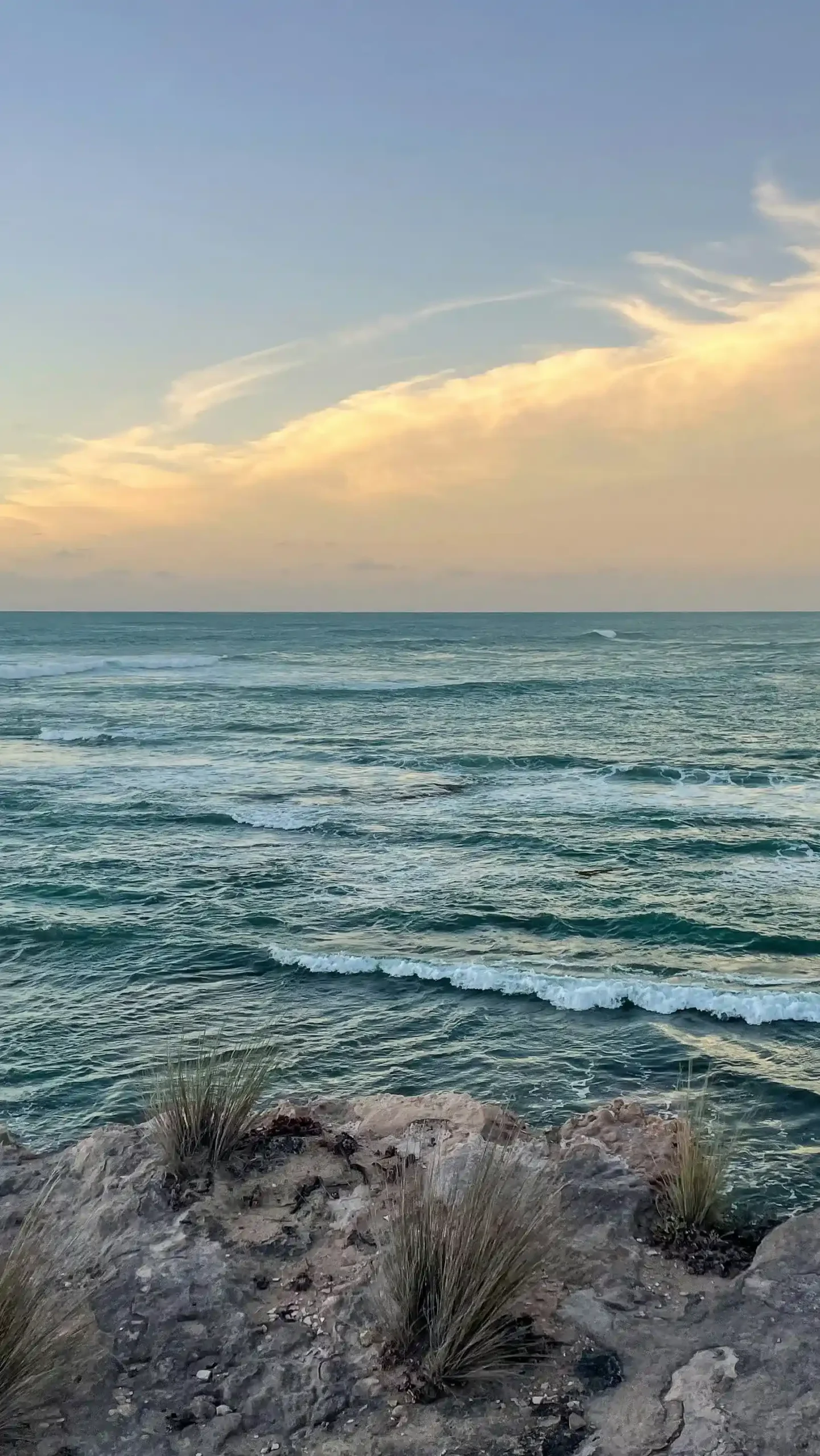
Just 90 minutes from Mount Gambier, this stretch takes you deeper into South Australia’s Limestone Coast, where dramatic cliffs and pristine beaches define the scenery.
Robe—what’s special
© Austin Wegener
Robe is pretty, relaxed, and all about the beaches. Stroll along Long Beach, stretching 7.5 miles (14 km) of soft, white sand, or even drive right onto it. Watch out for whales and seals during migration season.
Nearby, hit Hoopers Beach, Nora Creina Beach, or Little Dip Beach, each stunning in their own way. The Cape Dombey Obelisk is a local landmark and a favorite Instagram spot.
Robe also has a reputation for fresh, local seafood. Treat yourself to lunch or dinner at Sails at Robe along the main street or grab takeaway from Robe Seafood. Mahalia Coffee offers freshly roasted local coffee that pairs perfectly with your seaside stroll.
Where to stay near Robe
Robe Holiday Park is family-friendly and quiet, just a short walk from Long Beach.
Robe to Victor Harbor
This stretch is around 3.5 to 4 hours—rolling farmland, vineyards, and more coastline.
Victor Harbor
Victor Harbor mixes adventure and wildlife. A ride on the Granite Island Horse Drawn Tram takes you across the causeway to Granite Island, where you can spot a colony of little penguins—perfect for wildlife lovers.
Just five minutes from town Urimbirra Open-Range Wildlife Park offers a family-friendly day trip. If you’re after adrenaline, Waitpinga Farm Quad Bike Adventures, located about 15 minutes from Victor Harbor, offers an exciting 4×4 experience over farm tracks and rugged landscapes.
© MightyLITE
Experienced surfers will want to stop at Waitpinga Beach and Petrel Cove, while Middleton Beach is perfect for beginners seeking gentle waves.
Although summer draws the largest crowds, winter has its own appeal with whale-watching opportunities, allowing you a rare chance to see these magnificent creatures close to shore.
Victor Harbor to Adelaide
The final leg of your journey takes roughly 1.5 to 2 hours, bringing you from the rugged southern coast to the vibrant city of Adelaide.
Adelaide—making the most of your stay
Start off with a walk along North Terrace, Adelaide’s cultural boulevard, home to landmarks like the South Australian Museum and the Adelaide Botanic Garden. From there, visit Rundle Mall, the city’s main shopping area. From Rundle Mall, you can catch a tram to Glenelg Beach.
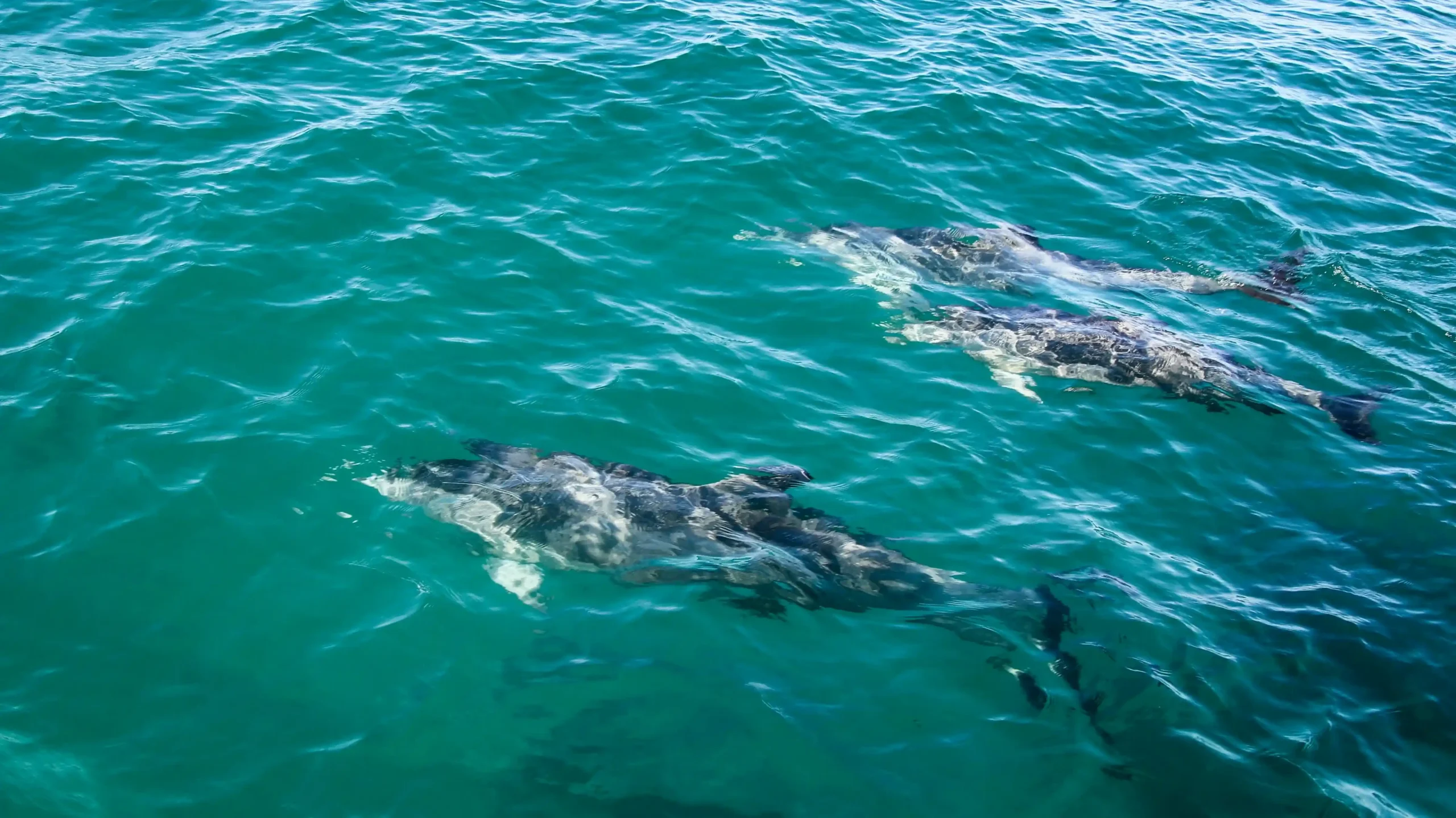
For water-based adventures, West Beach offers jet skiing, kayaking, and stand-up paddleboarding with Wild Rides. If sailing is more your style, Temptation Sailing, situated only 15 minutes from the city centre, offers dolphin swim tours, sunset cruises, and other experiences aboard a 58-foot (18 m) catamaran.
Or you could take part in a Dolphin Sanctuary Kayak Tour, where you’ll navigate through a 10,000-year-old mangrove forest whilst encountering dolphins and historic shipwrecks.
© Megan Clark
© Connor Home
Anstey Hill Recreation Park features eight mountain bike trails suitable for all skill levels; Adelaide’s mid-century buildings will fascinate you if you’re into architecture. Finally, no visit is complete without seeing the Adelaide Oval, widely regarded as one of the world’s most picturesque sporting grounds.
From coastal adventures to cultural landmarks, Adelaide perfectly caps off your Melbourne-to-Adelaide coastal road trip—a city where the salt air, urban energy, and natural beauty meet in harmony.
Before or after a motorhome trip, it’s often a good idea to spend a few days in a major city.
Normandy road trip
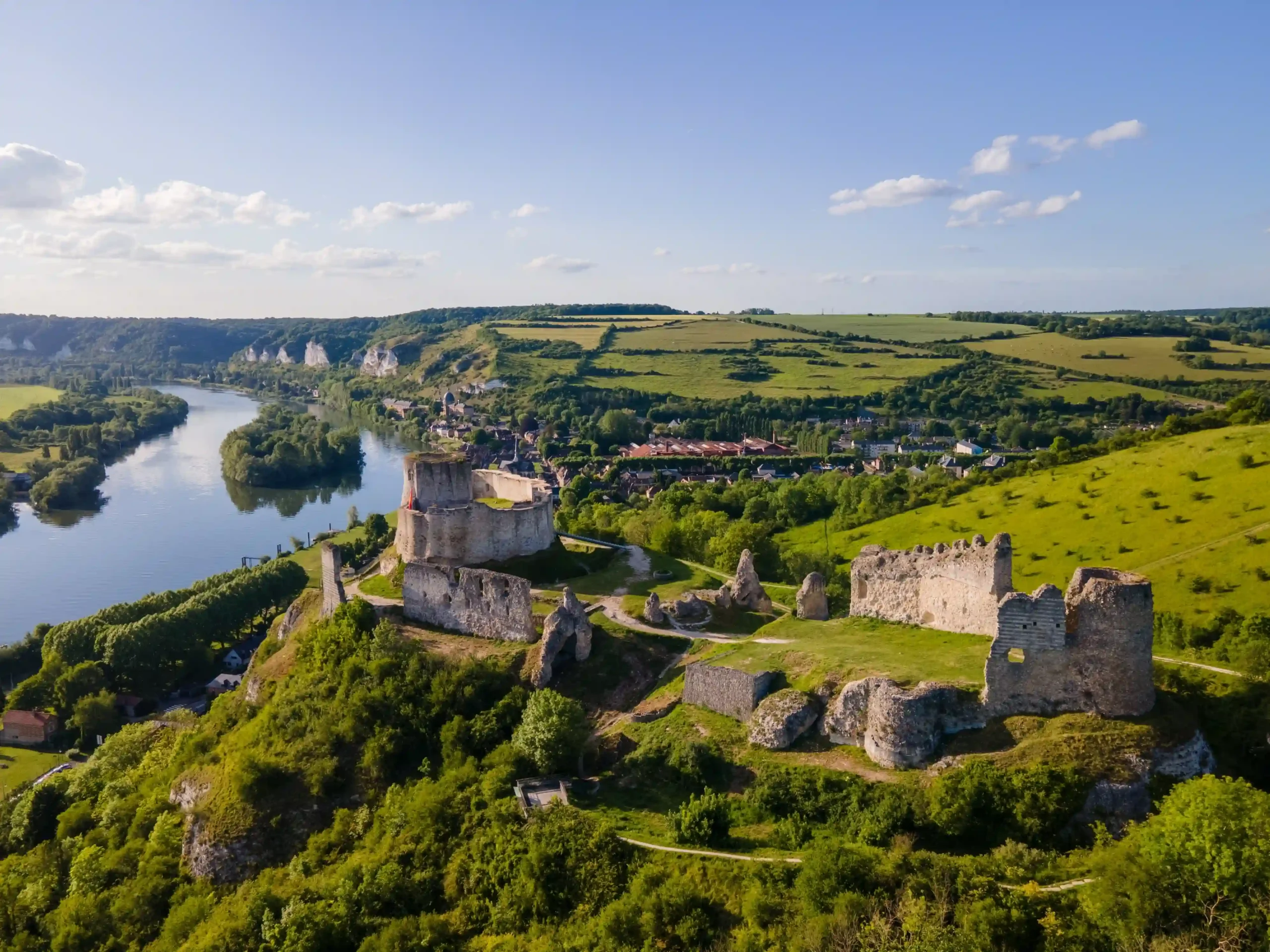
This 8-day Normandy road trip connects dramatic chalk cliffs and WWII landing beaches with lush valleys, and the iconic Mont Saint-Michel—creating a captivating journey through the region’s coast and countryside.
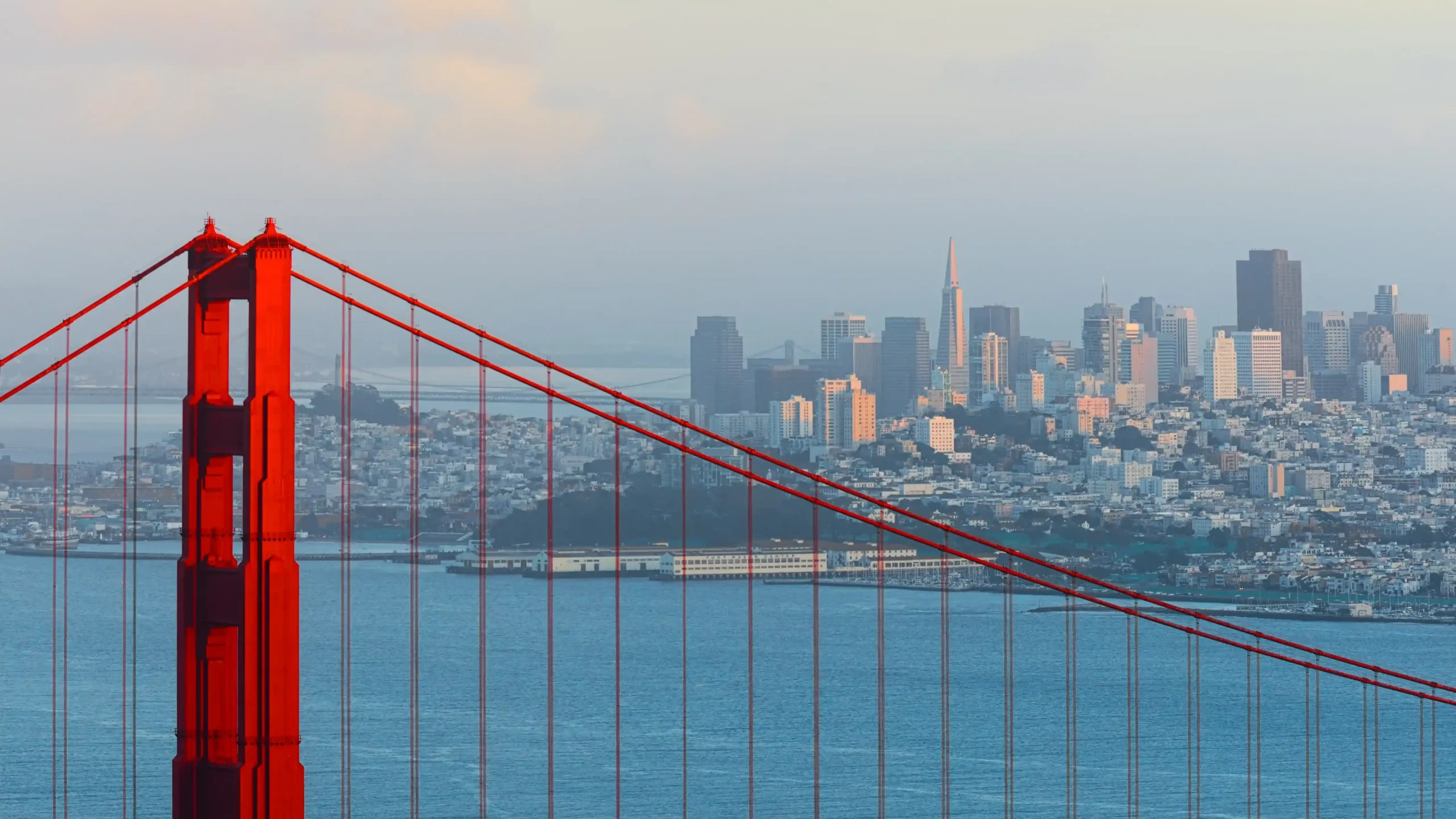
RV rental San Francisco
Resting dramatically on the edge of Northern California, San Francisco is widely considered one of the best cities in the US. Celebrated around the world for its iconic landmarks, vibrant…
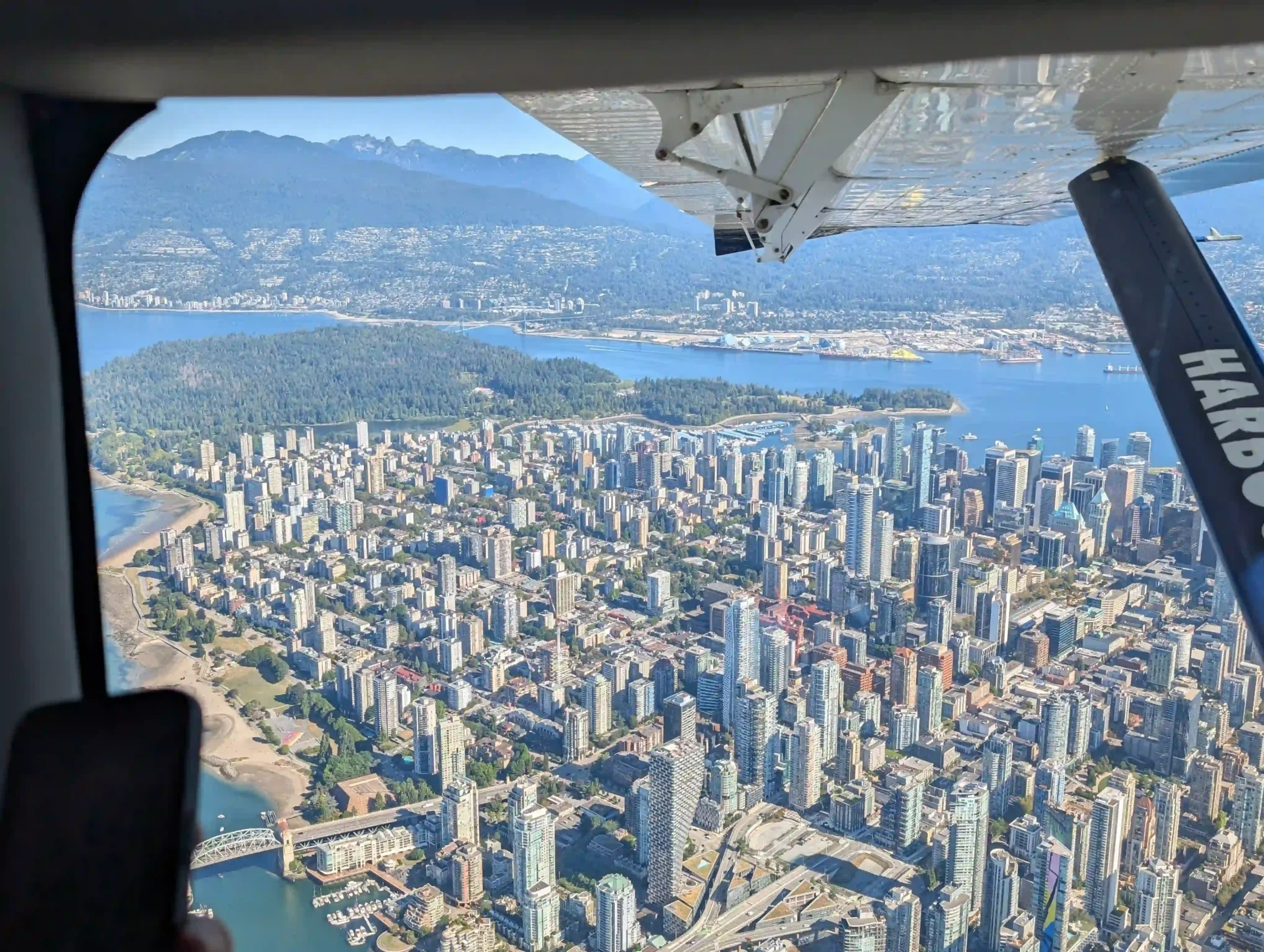
Vancouver itinerary
Explore a modern oceanfront city framed by towering peaks. Park up at picturesque campsites, catch coastal ferries, and launch your ultimate British Columbia road trip.
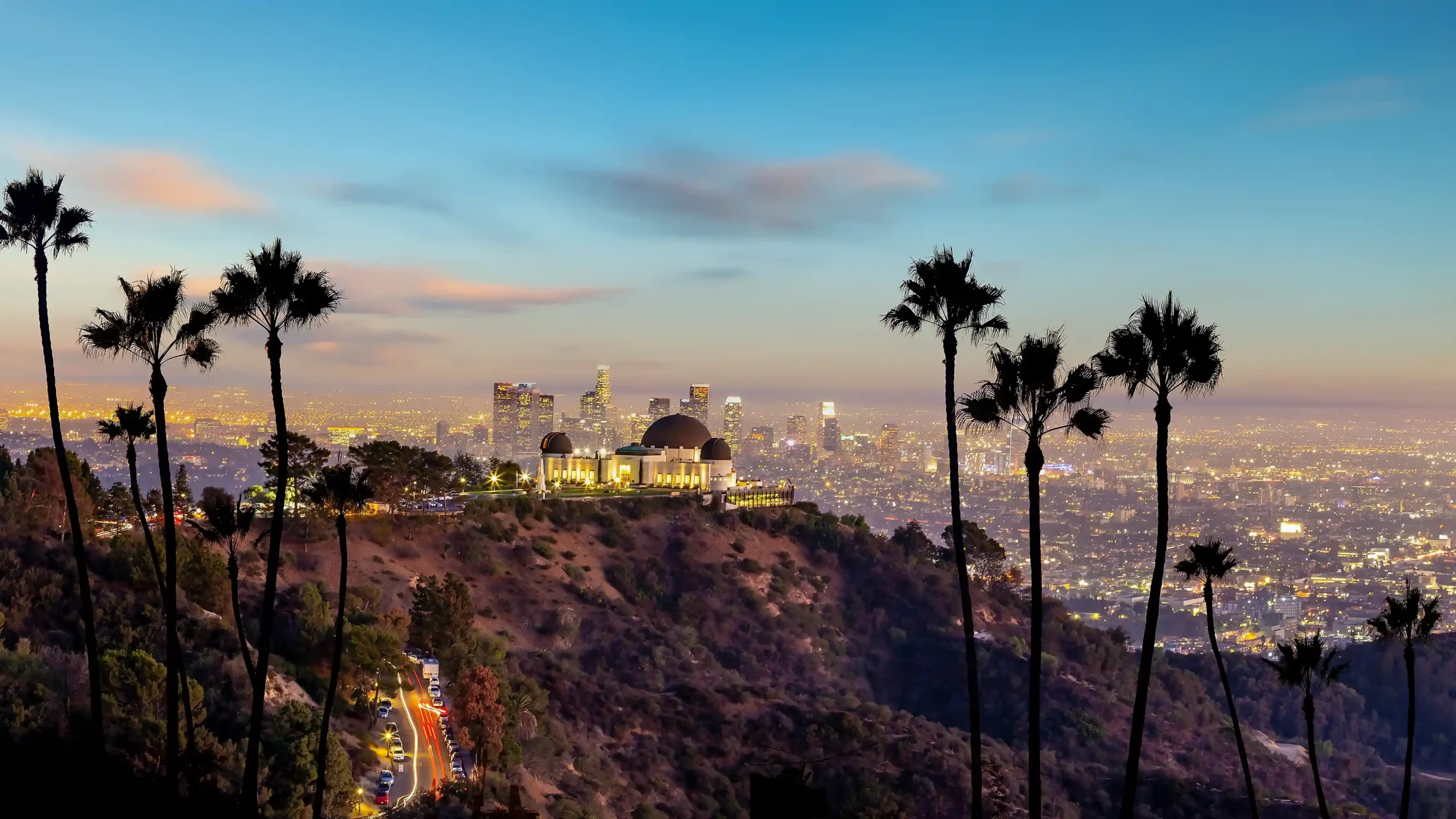
Camping Los Angeles
Stroll the Santa Monica Pier, take in sweeping skyline views from Griffith Observatory, and soak up iconic film history.
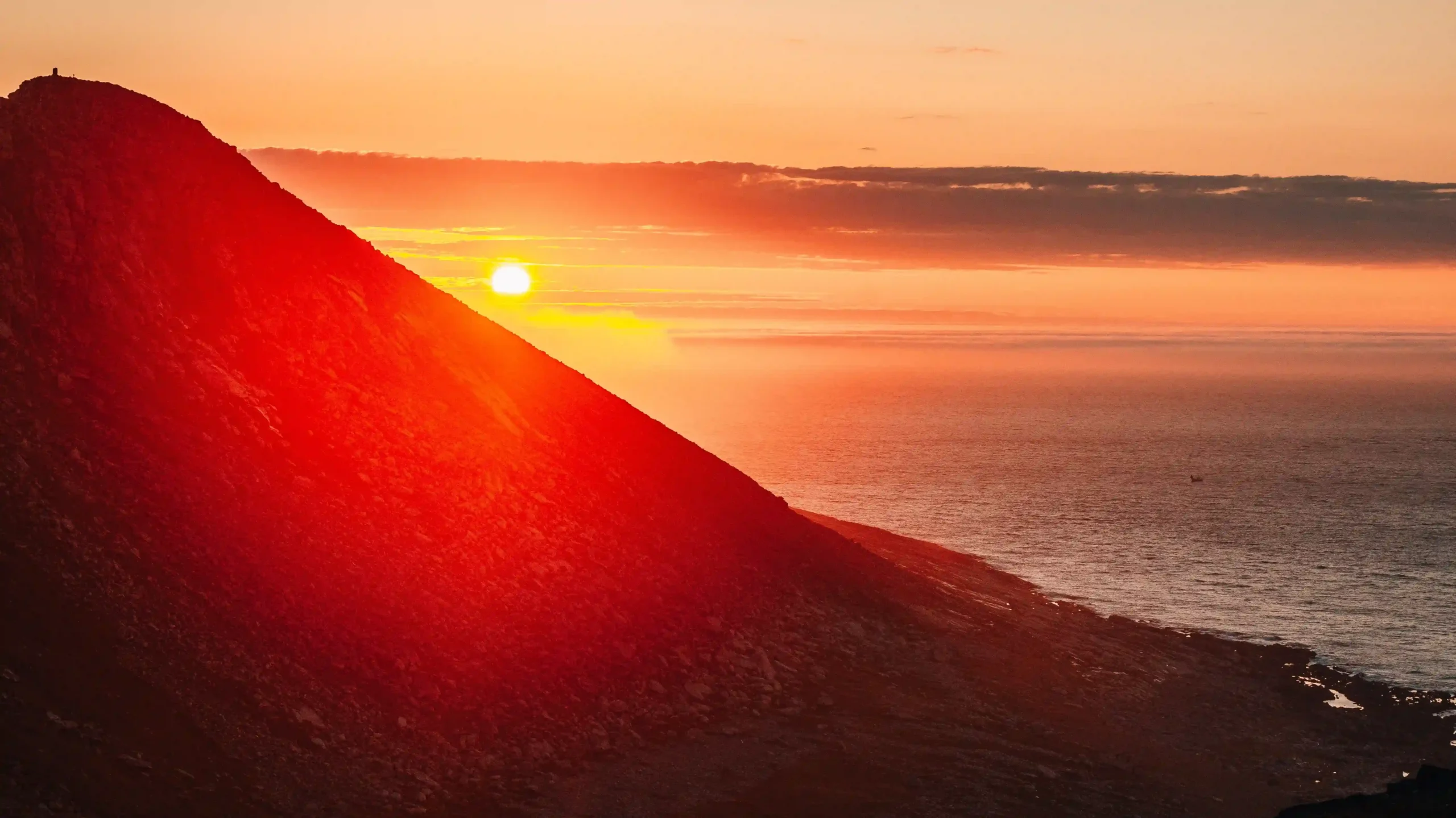
Norway and Finland motorhome itinerary
A 10-day motorhome journey from Rovaniemi to the North Cape. Encounter reindeer in Lapland and witness the Midnight Sun at the edge of the continent.
Calgary to Vancouver road trip
Journey along the Rockies on your way from Calgary to the Pacific coast. Drive past turquoise lakes and massive glaciers, exploring the best of the mountain wilderness in a motorhome.