
© Rawpixel.com
Highway 1, the legendary Pacific Coast Highway (PCH), driving it is like seeing the continent tumble into the sea, a 600-mile (965 km) stretch where the jagged drama of the north eventually dissolves into the sun-drenched, easy-going rhythm of the south.
This 8–10 day road trip captures the full spectrum of the West Coast. Start with the cool fog of San Francisco, cruise the cliff-hugging curves of Big Sur where redwoods meet the spray, and finally roll into the palm-fringed surf culture of San Diego. It is a route that balances the roar of the Pacific with the quiet stillness of ancient forests and the energy of Hollywood.
Highlights
- The iconic Golden Gate Bridge
- The cliffs of Big Sur
- The purple sands of Pfeiffer Beach
- McWay Falls
- The Griffith Observatory
- The historic streets of the Gaslamp Quarter
Why explore California’s coast by motorhome?
Traditional accommodation keeps you at arm’s length from the scenery, but a motorhome gets you right in it. California has a huge network of State Parks and private RV resorts. Many of them right next to the ocean where you can fall asleep to the rhythmic pulse of the tide.
The beauty of a motorhome, you’re not chasing a schedule. If you find a secret beach, a cool surf town or a view of the sunset you love, you can just pull over and stay.
| Day | Route / Destination | Driving time | Highlights |
| 1–3 | Arrive in San Francisco | Golden Gate Bridge, Alcatraz, Mission District | |
| (Opt) | Detour: Yosemite | ~4 hrs | El Capitan, Yosemite Falls, Mariposa Grove |
| 4 | San Francisco → Monterey | ~2.5 hrs | Half Moon Bay, Pigeon Point Lighthouse, Santa Cruz |
| 5 | Monterey → Big Sur → San Simeon | ~3 hrs | Bixby Bridge, McWay Falls, Pfeiffer Beach |
| 6 | San Simeon → Santa Barbara | ~2.5 hrs | Pismo Beach (whale-watching), Stearns Wharf |
| 7–8 | Santa Barbara → Los Angeles | ~2 hrs | Griffith Observatory, Santa Monica Pier, Venice Beach |
| (Opt) | Detour: Palm Springs | ~2 hrs | Mid-century design, Joshua Tree National Park |
| 9–10 | Los Angeles → San Diego | ~2 hrs | La Jolla Cove, Gaslamp Quarter, Coronado Beach |
San Francisco: The start of your California Coast itinerary
Once you’ve picked up your RV—which you’ve booked through CU | Camper—the urge to hit the open road is strong. But before you leave the city, spend at least two days exploring San Francisco. With its steep hills, iconic “Painted Ladies” Victorian homes, and a culture that’s always ahead of the curve, it remains one of the most unique cities in America.
At the pick-up station, ensure your water tanks are topped up and you’ve got plenty of fuel. It’s also worth double-checking that the fridge, pump, and heating are all working properly on both battery and external power.
Tip
Drive up Twin Peaks Boulevard first. It’s 15 minutes from downtown with great views of the city. Back at sea level, you can wander through the colourful, mural-lined streets of the Mission District or Haight-Ashbury.
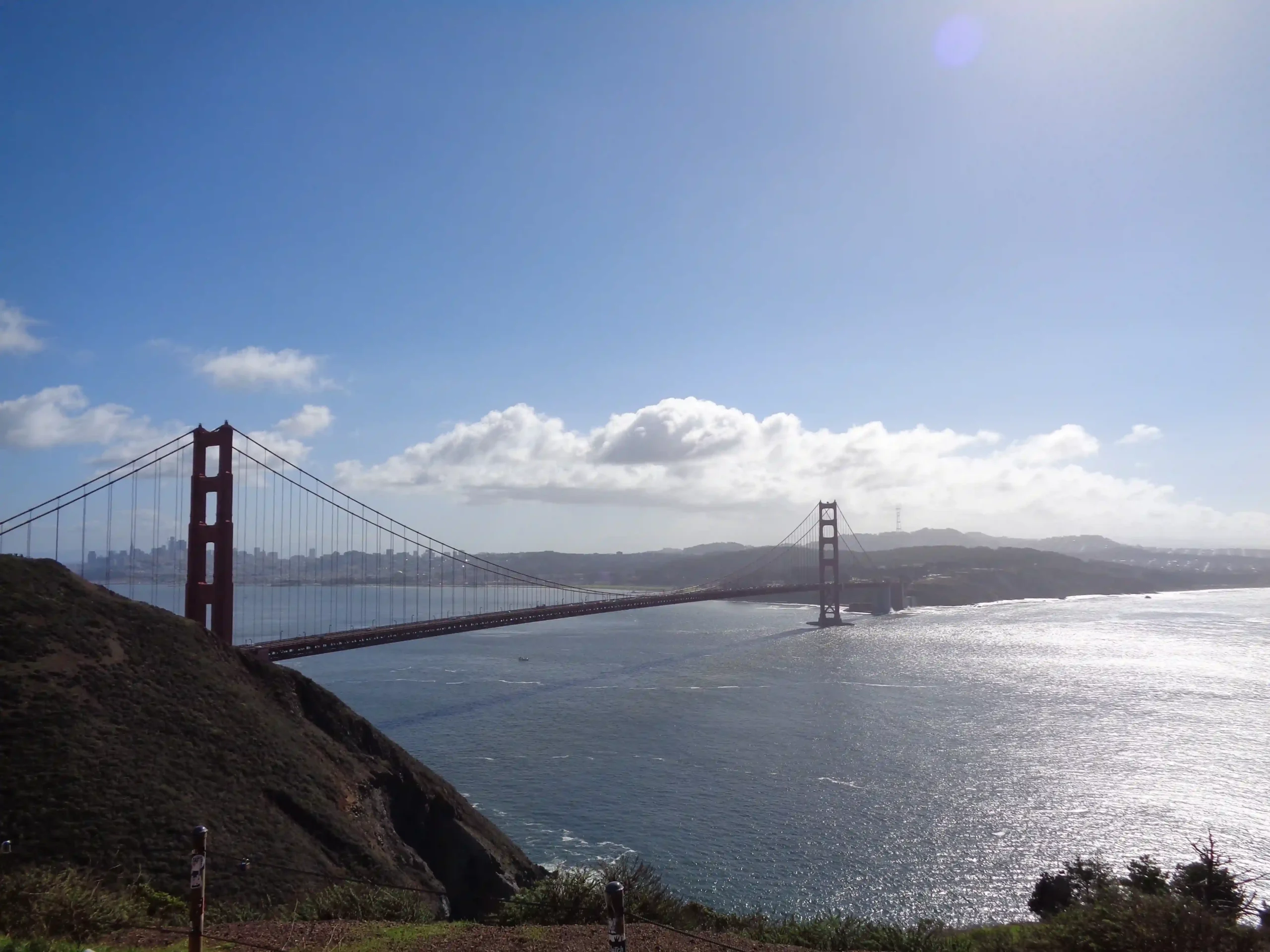
© Yvonne Sefner de Assis
A visit here isn’t complete without a drive across the Golden Gate Bridge. Be sure to check out the Castro District for its rich history, or head to Fisherman’s Wharf to catch a ferry to Alcatraz Island.
Stop at a large supermarket on the outskirts of the city, before heading south. Use the storage space in your motorhome to stock up on non-perishables and plenty of drinking water.
Tip
Prices in remote areas like Big Sur can be much higher, and being self-sufficient for a few days gives you the freedom to explore without constantly needing a grocery run.
Optional Detour: Yosemite National Park
If you can add a few extra days to your trip, head four hours east to Yosemite National Park. Here you will find the sheer granite face of El Capitan, the thundering mist of Yosemite Falls, and the ancient, massive sequoia trees of Mariposa Grove. It is a massive contrast to the coast and well worth the drive.
Where to stay
San Francisco RV Resort is a fantastic base. It offers incredible sunset views over the Pacific Ocean, and is only 15 minutes south of the city. For Yosemite, try to book a spot at North Pines or Lower Pines well in advance to stay right in the heart of the valley.
San Francisco to Monterey
Leaving the city behind, the two-hour drive takes you south toward Monterey. Your first natural break should be Half Moon Bay, located just 40 minutes from San Francisco. Here, the Half Moon Bay Coastal Trail offers pathways that hug the shoreline, providing constant ocean views and easy access to hidden stretches of sand.
Continuing south, keep an eye out for the Pigeon Point Lighthouse. Standing at 115 feet (35 m), it is one of the tallest and most iconic beacons on the West Coast. Beyond its historic architecture, the rocky reefs just offshore serve as a natural sanctuary for harbor seals. You can often spot them resting on the stones or bobbing in the surf of the small bay.
After passing through the classic surf town of Santa Cruz, make a point to visit Carmel-by-the-Sea. Located just five miles (8 km) from Monterey, this fairytale-like village is famous for its shingled cottages and art galleries. If the campgrounds in Monterey are full, this area serves as a fantastic alternative for your overnight stop.
Monterey & Big Sur
© Tina Spiewok
Monterey captures the maritime spirit of California with its bustling harbour and the historic Cannery Row. It is a premier destination for wildlife lovers; you can head out on a whale-watching tour or kayak alongside sea otters in the kelp forests.
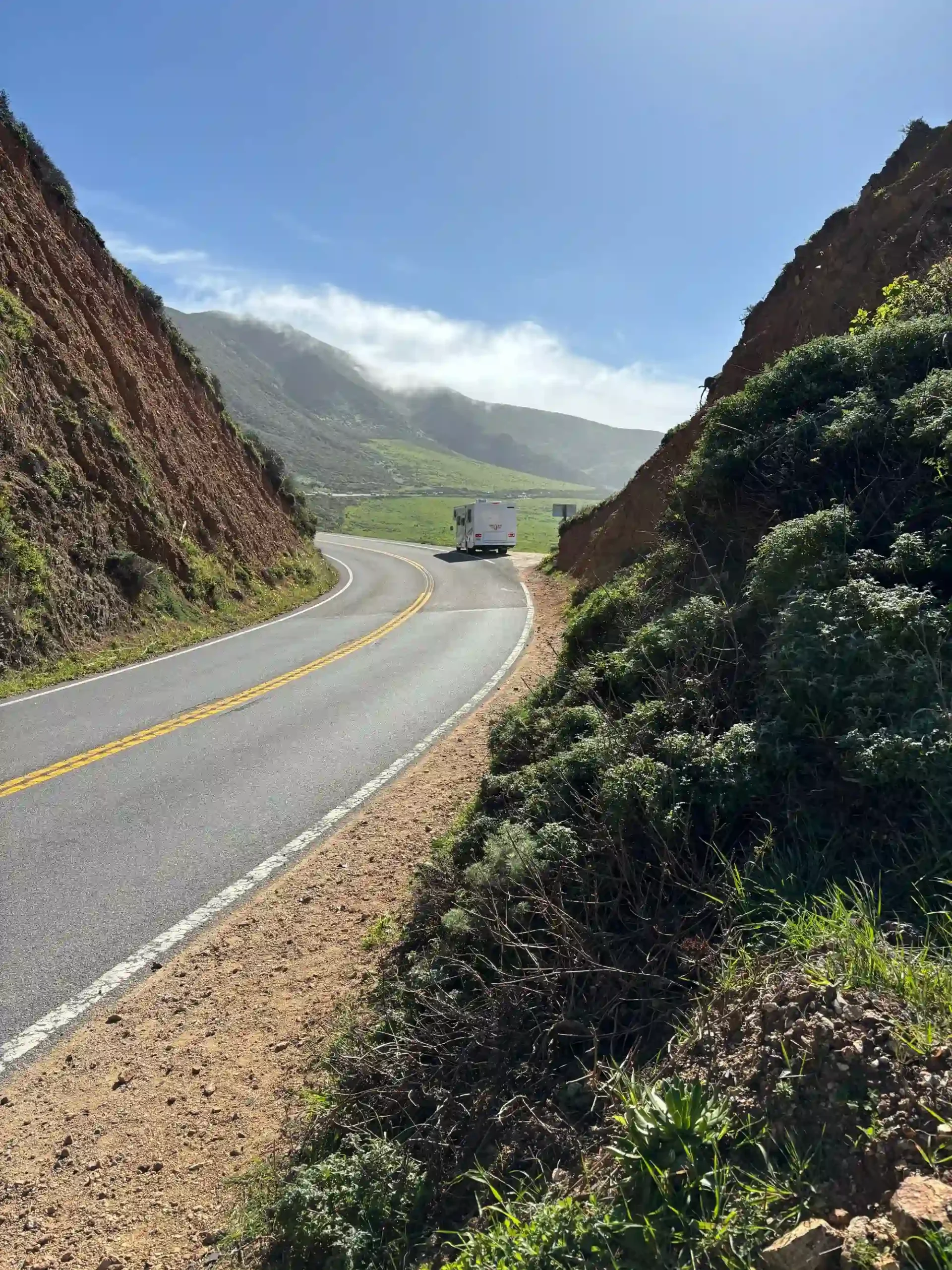
As you continue south, you enter Big Sur. This world-famous stretch of coastline is where the Santa Lucia Mountains drop sharply into the Pacific, creating a landscape that feels completely wild and untouched. As you navigate the winding road, you will cross the Bixby Creek Bridge, an architectural marvel soaring 260 feet (80 m) above the canyon floor.
It’s not a road to be rushed—the slower you go, the more you can enjoy the views.
The road through Big Sur is narrow and windy, with tight hairpin turns that hug the cliffside.
Note
Be sure to take it slow and use the frequent “turnouts” to let faster traffic pass.
© Polina Kuzovkova
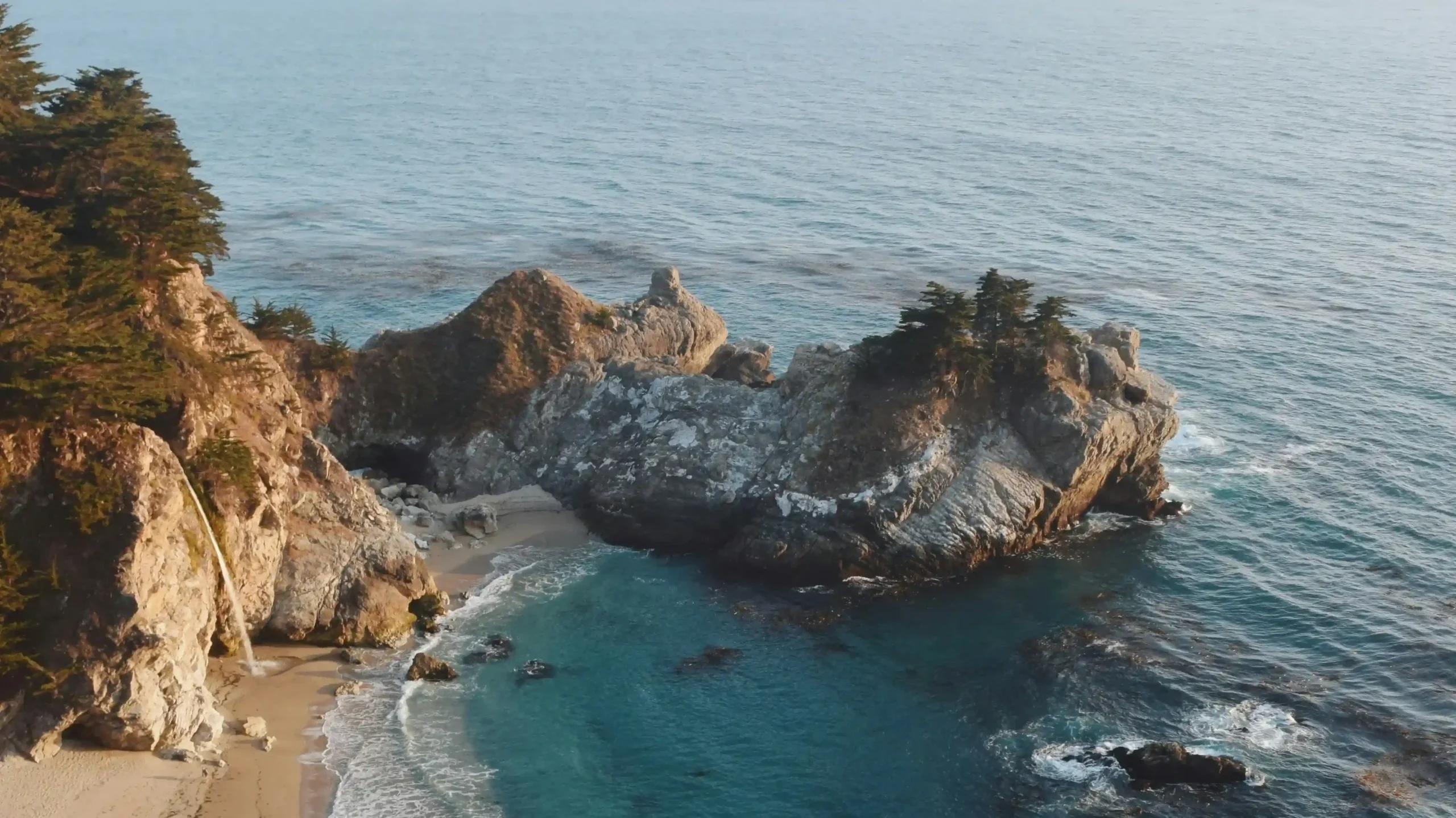
Further down the coast, don’t miss McWay Falls. This is one of the few waterfalls in the world that drops directly onto a beach. While the beach itself is inaccessible to protect the environment, the view from the overlook is spectacular.
For a unique experience, stop at Pfeiffer Beach. It is globally renowned for its patches of purple sand, created by manganese garnet minerals washing down from the nearby cliffs.
Where to stay
Pfeiffer Big Sur State Park is a must-visit. Unlike the breezy coastal sites, these campsites are tucked deep among the towering redwoods, offering a quiet, shaded retreat and the soothing sound of the Big Sur River.
Use these shaded stops to air out the camper. The redwoods provide a natural “cool box” effect.
Tip
Monterey to Santa Barbara
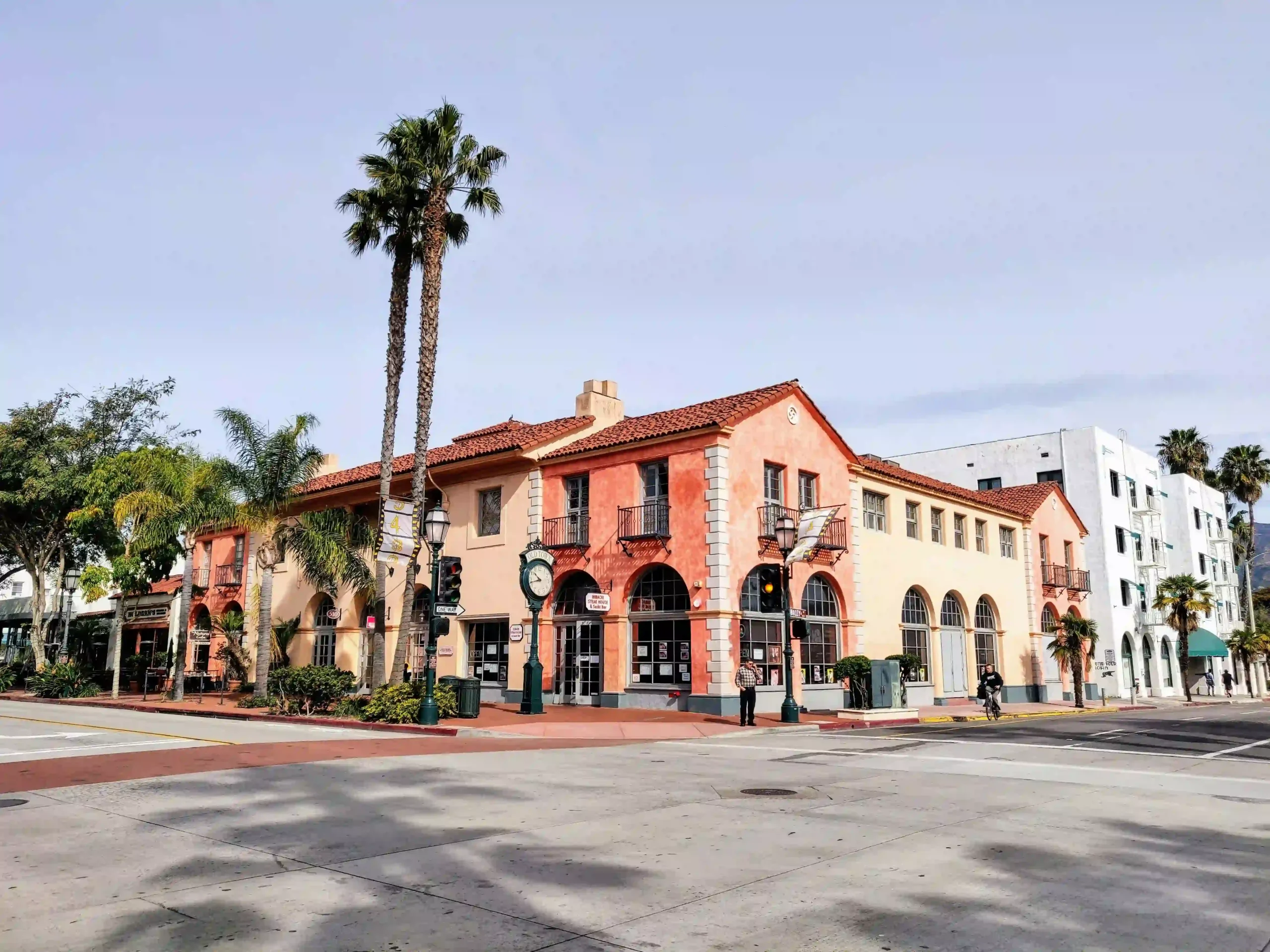
By this stage of your journey, you have reached the halfway point of your road trip, where the dramatic cliffs begin to soften into the sun-drenched beauty of the “American Riviera”. Before arriving in the city, make a stop at Pismo Beach. If you are travelling between December and April, keep an eye out, as this stretch of water is a primary highway for migrating humpback whales.
© Benoit Debaix
The rugged, wild edges of the coast are replaced by Mediterranean-style red-tiled roofs, white-washed walls, and elegant, palm-fringed boulevards—with the Santa Ynez Mountains as a backdrop.
Exploring the “American Riviera”
For a taste of the city’s modern, creative energy, head to the Funk Zone. This district was once a collection of weathered fishing shacks and warehouses, but it has been vibrantly reimagined. Today, it is a walkable maze of boutique art galleries, local breweries, and small surf shops.
Where to stay
Sun Outdoors Santa Barbara is an excellent choice. The premium RV sites are spacious enough for slide-outs and come equipped with full hookups and Wi-Fi. Each spot also features a private picnic table and a fire pit with a half-moon grill, making it easy to enjoy a quiet evening of outdoor cooking under the stars.
Santa Barbara to Los Angeles
As you roll into Los Angeles, the pace of your road trip shifts from coastal solitude to the high-energy pulse of a global metropolis.
The LA experience
Begin your day at the Griffith Observatory. Situated high above the city, it offers the most iconic perspective of the Hollywood Sign and a sweeping view of the downtown skyline.
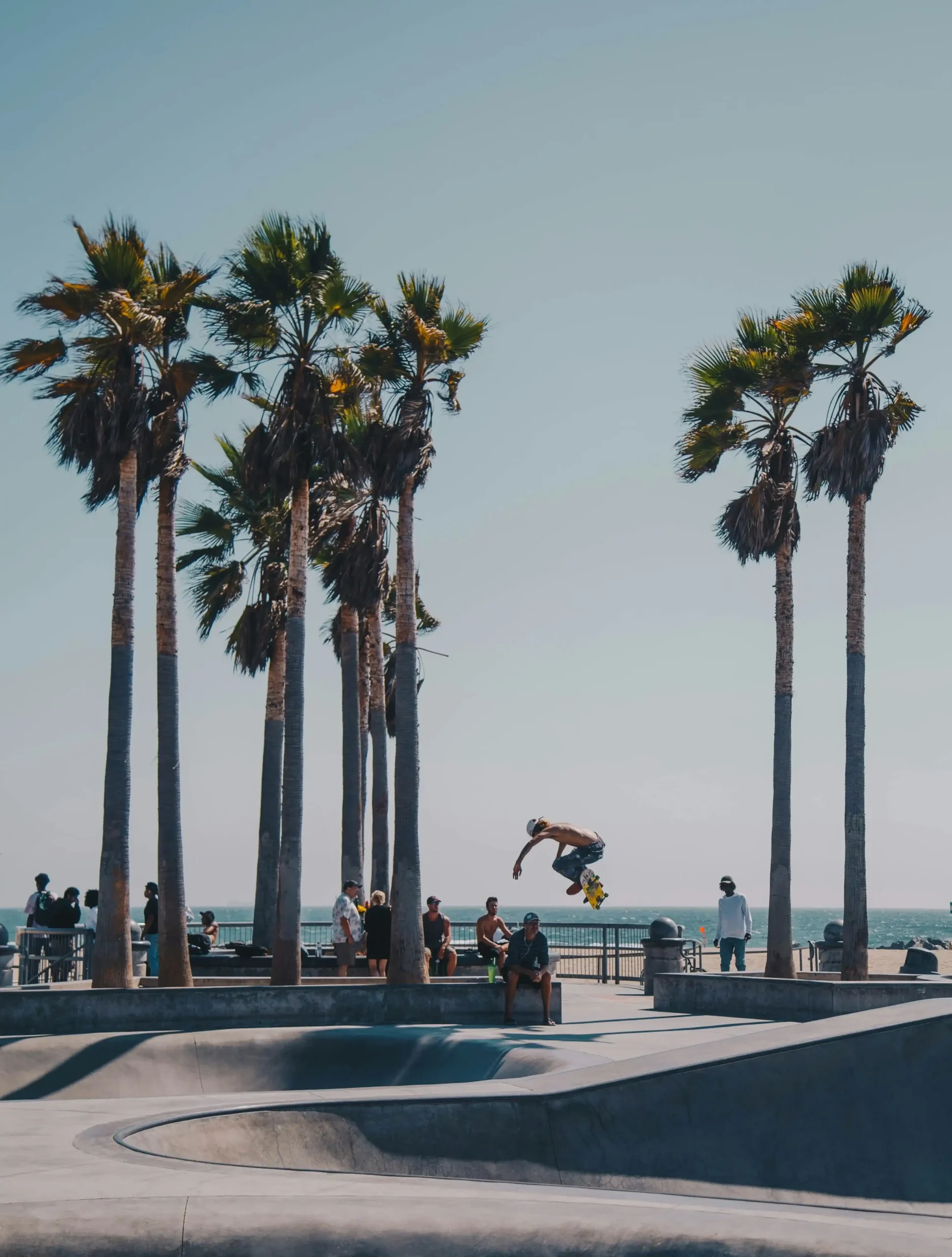
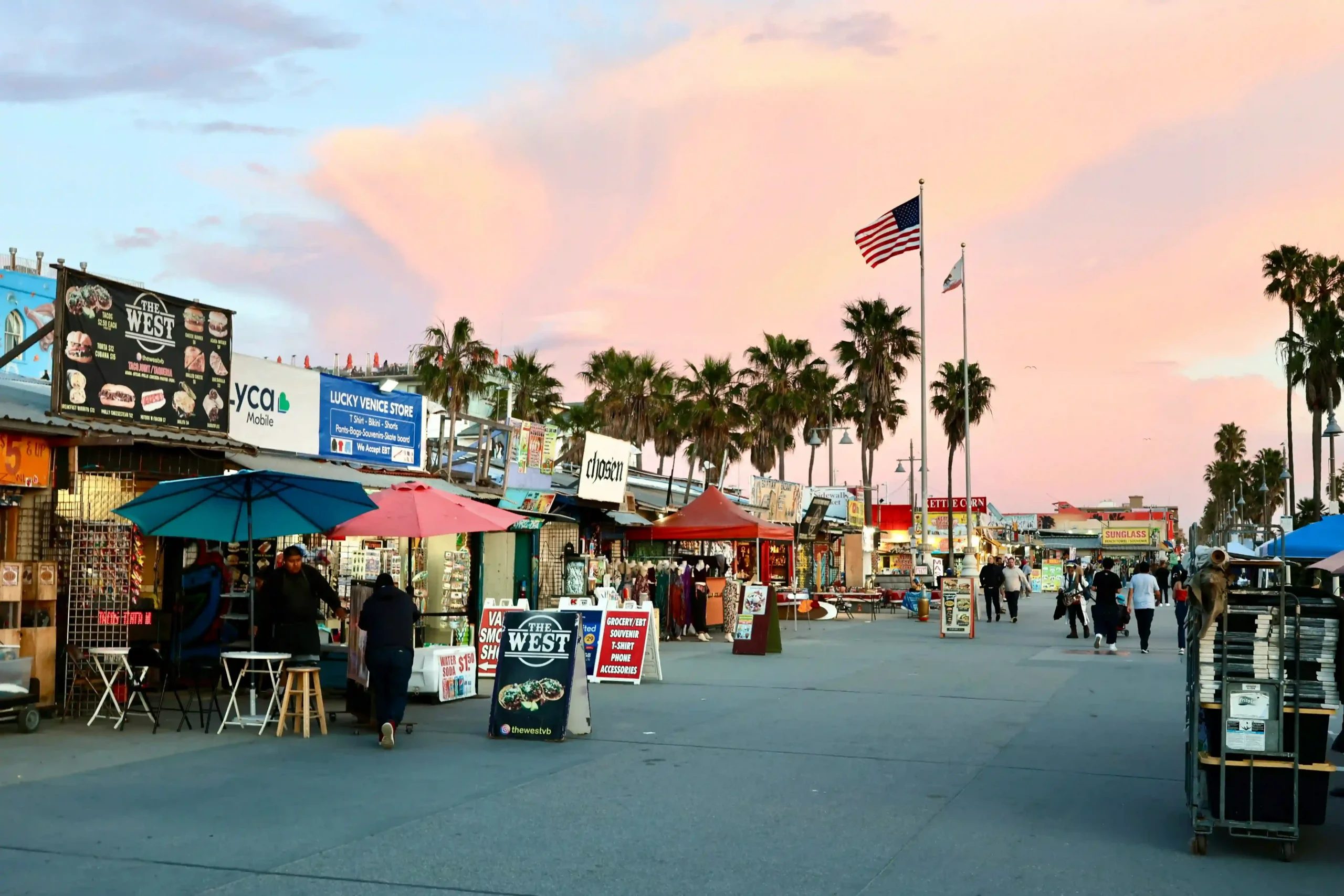
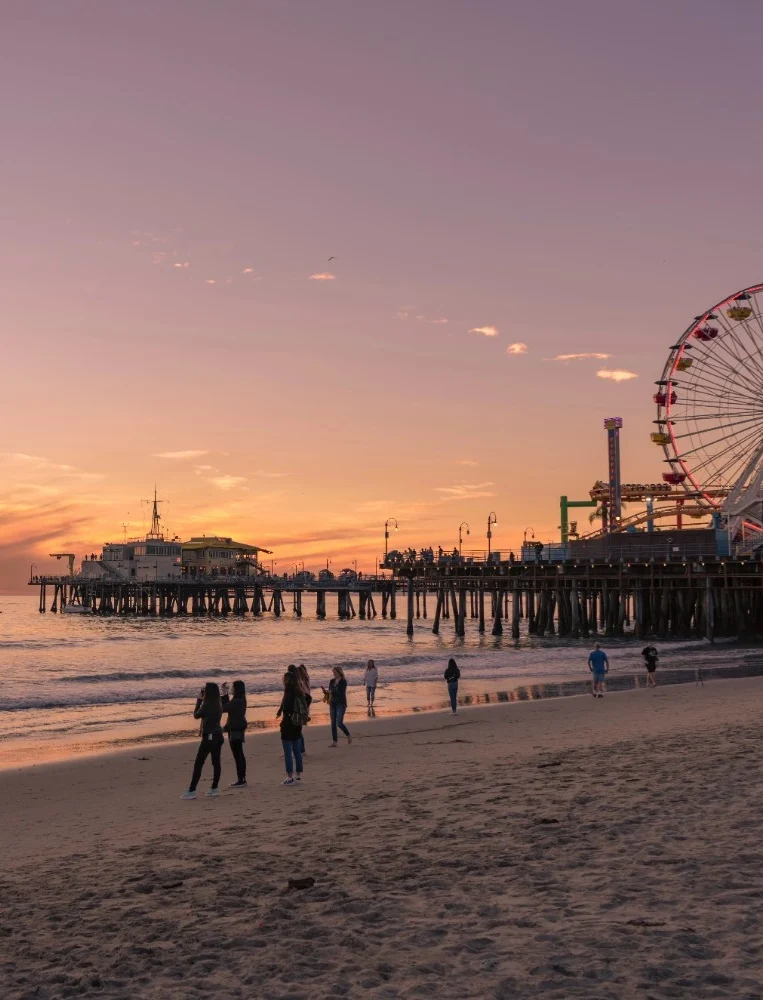
In the afternoon, head to the coast to experience Venice Beach, or ride the famous Ferris wheel on the Santa Monica Pier.
© Rafael romero
© Scott Greer
© Tommaso Teloni
If you are a film enthusiast, a Warner Bros. Studio Tour provides a fascinating look behind the scenes. Between sightings, make sure to dive into the local food scene. Los Angeles is a culinary heavyweight, famous for its world-class Mexican street tacos and the sprawling, authentic eateries of Koreatown and the San Gabriel Valley.
Optional detour: Palm Springs & Joshua Tree
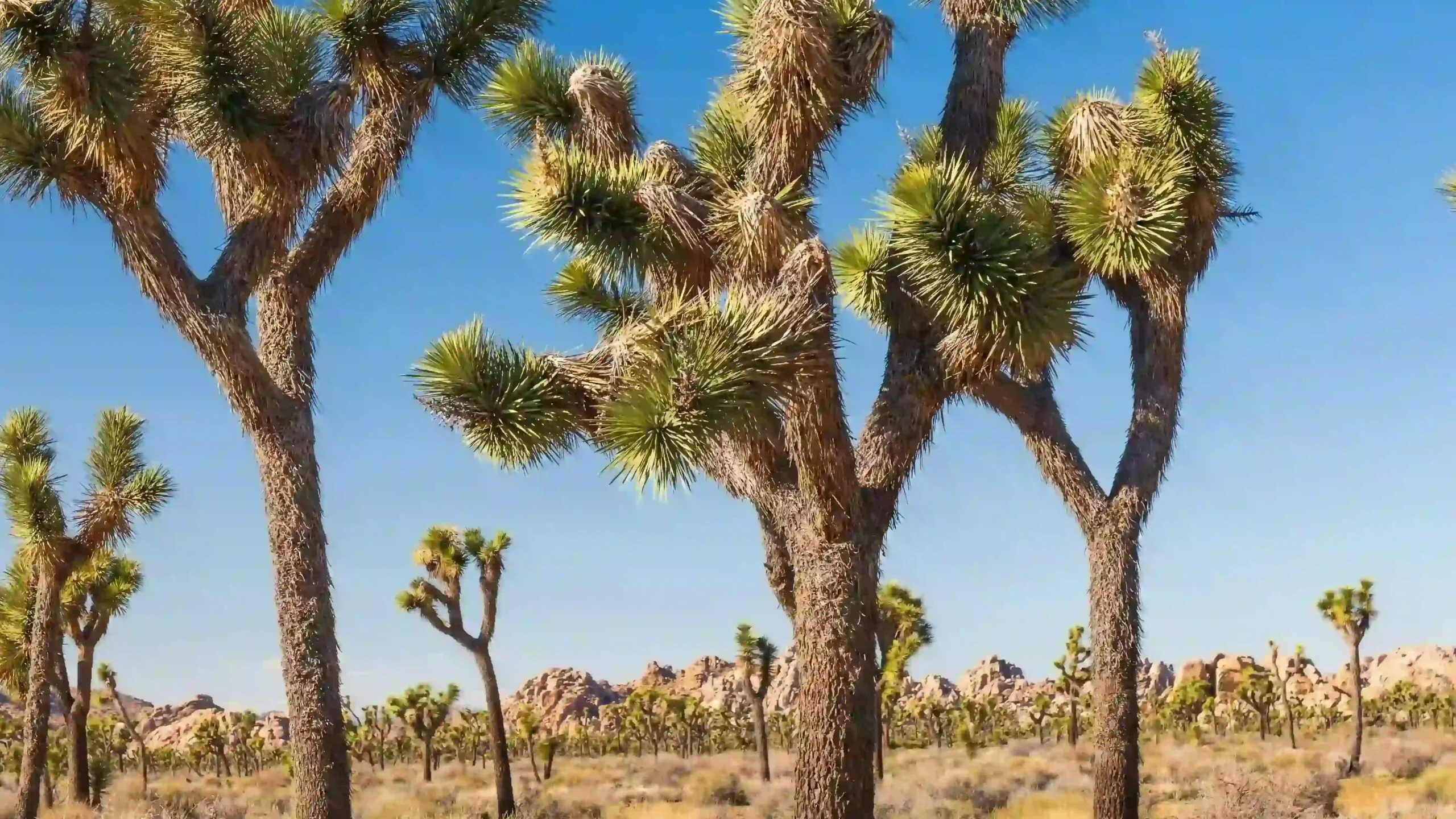
© Emily Marie Wilson
If you are ready for a break from the coast, drive two hours east into the Coachella Valley to find Palm Springs. This desert oasis is a time capsule of mid-century modern architecture and mountain-fringed pool decks.
It also serves as the perfect gateway to Joshua Tree National Park. Here, the Mojave and Colorado deserts collide, creating a surreal landscape of twisted Yucca trees and massive monzogranite boulders that glow orange at sunset.
Where to stay
Finding a place to park in a big city can be a challenge, but Dockweiler RV Park is a true standout. It is the only campsite in Los Angeles located directly on the beach, allowing you to enjoy a sunset.
Los Angeles to San Diego: The finish line
After roughly two hours of driving, your journey ends in San Diego, California’s second-largest city. Here, life is noticeably more relaxed than in Los Angeles.
Final stops
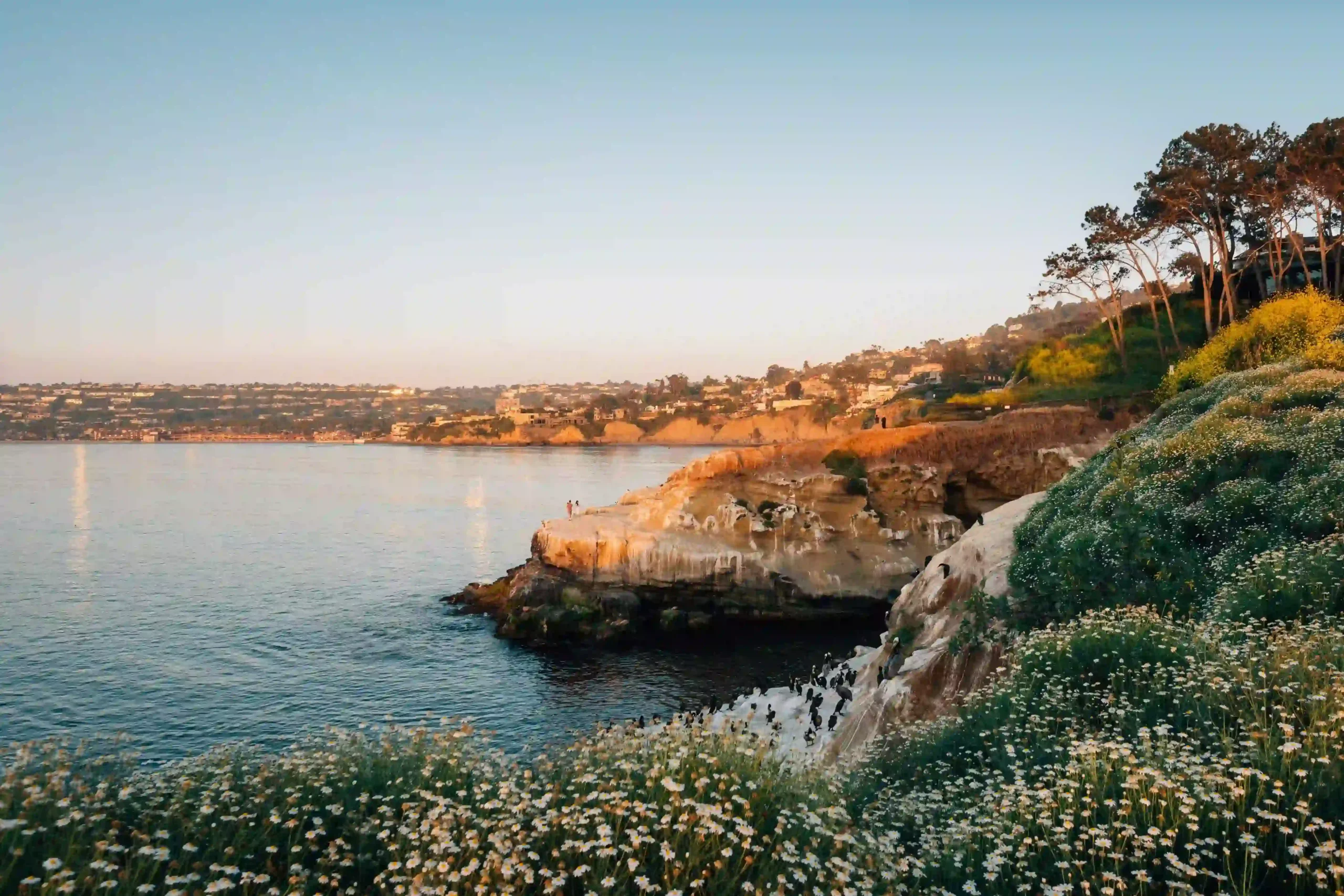
© Jon Bilous
Start your final day at La Jolla Cove. This small, deep-water bay is flanked by sandstone cliffs and is famous for its resident colony of wild seals and sea lions. You can watch them lounging on the rocks from the boardwalk or, if the water is calm, rent a kayak to see the sea caves from a different angle.
To experience the city’s urban side, head to the Gaslamp Quarter. This historic district is packed with Victorian-era buildings that now house vibrant restaurants and rooftop bars.
For something more local, wander through North Park, a neighborhood celebrated for its thriving craft coffee culture and independent boutiques.
Of course, you can’t leave San Diego without one last afternoon on the sand. Whether you choose the wide, family-friendly shores of Coronado Beach or the energetic surf vibe of Pacific Beach, it’s the perfect way to soak in the last few hours of the Golden State sun.
Before or after a motorhome trip, it’s often a good idea to spend a few days in a major city.
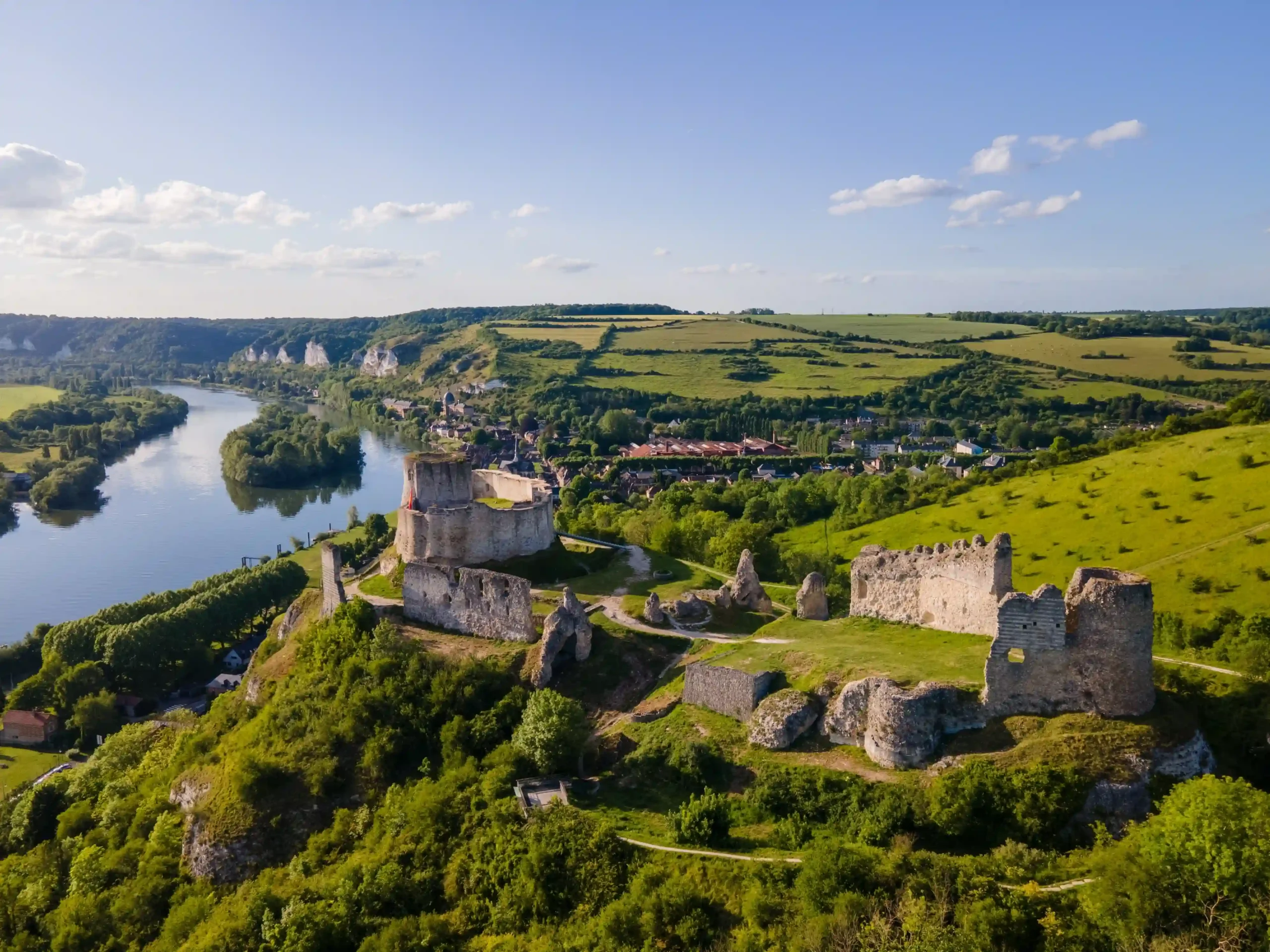
Normandy road trip
This 8-day Normandy road trip connects dramatic chalk cliffs and WWII landing beaches with lush valleys, and the iconic Mont Saint-Michel—creating a captivating journey through the region’s coast and countryside.
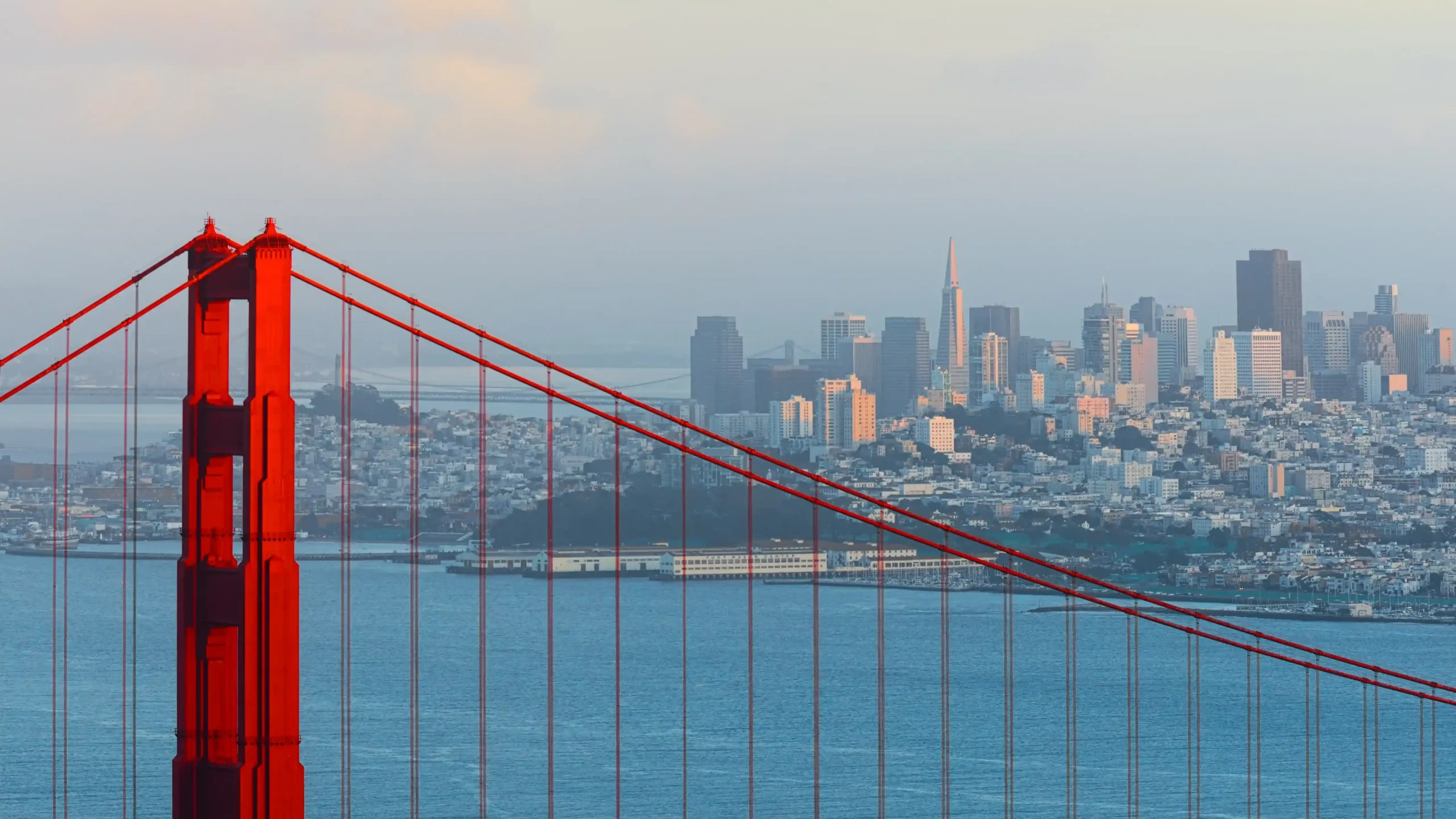
RV rental San Francisco
Resting dramatically on the edge of Northern California, San Francisco is widely considered one of the best cities in the US. Celebrated around the world for its iconic landmarks, vibrant…
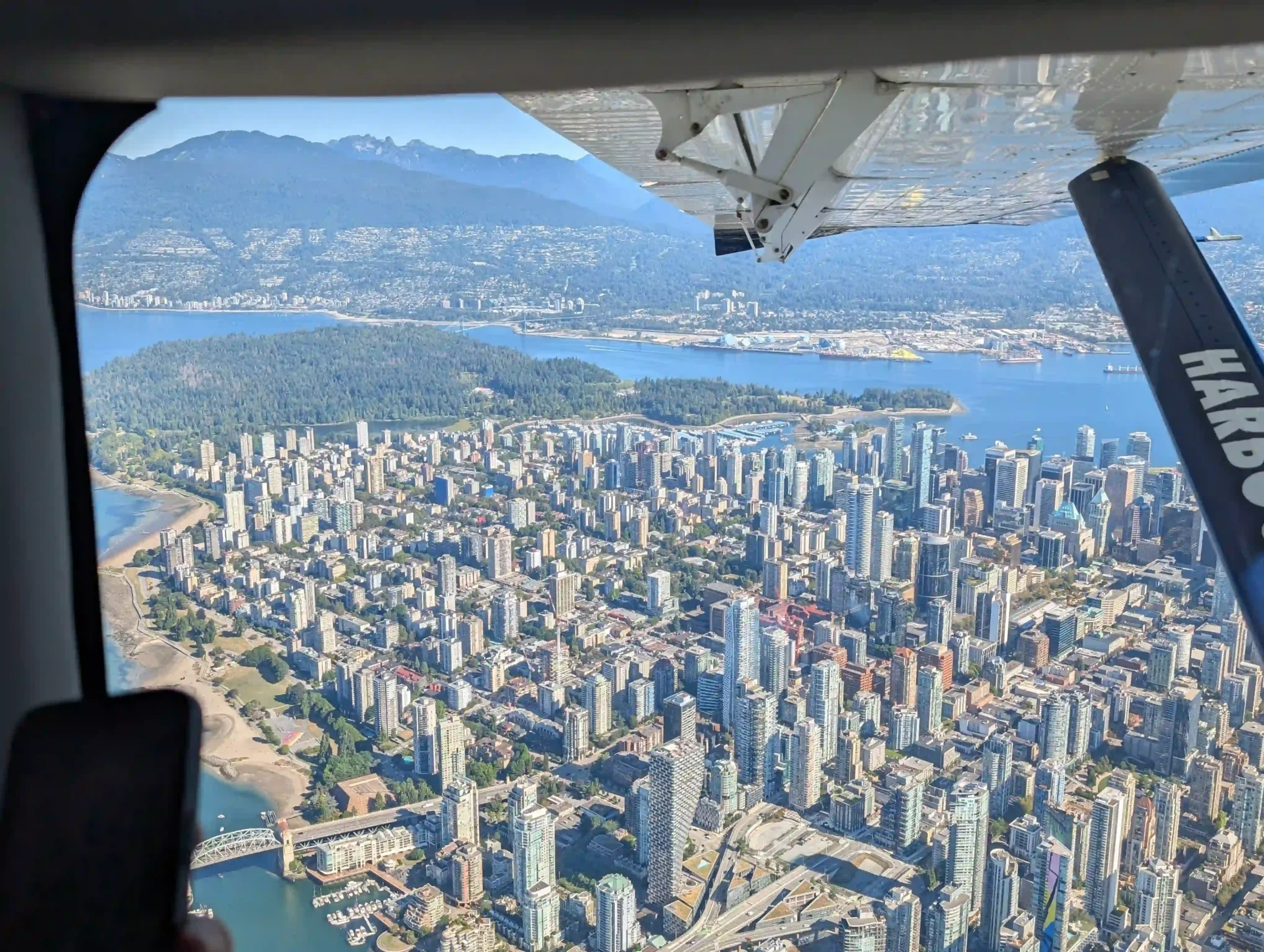
Vancouver itinerary
Explore a modern oceanfront city framed by towering peaks. Park up at picturesque campsites, catch coastal ferries, and launch your ultimate British Columbia road trip.
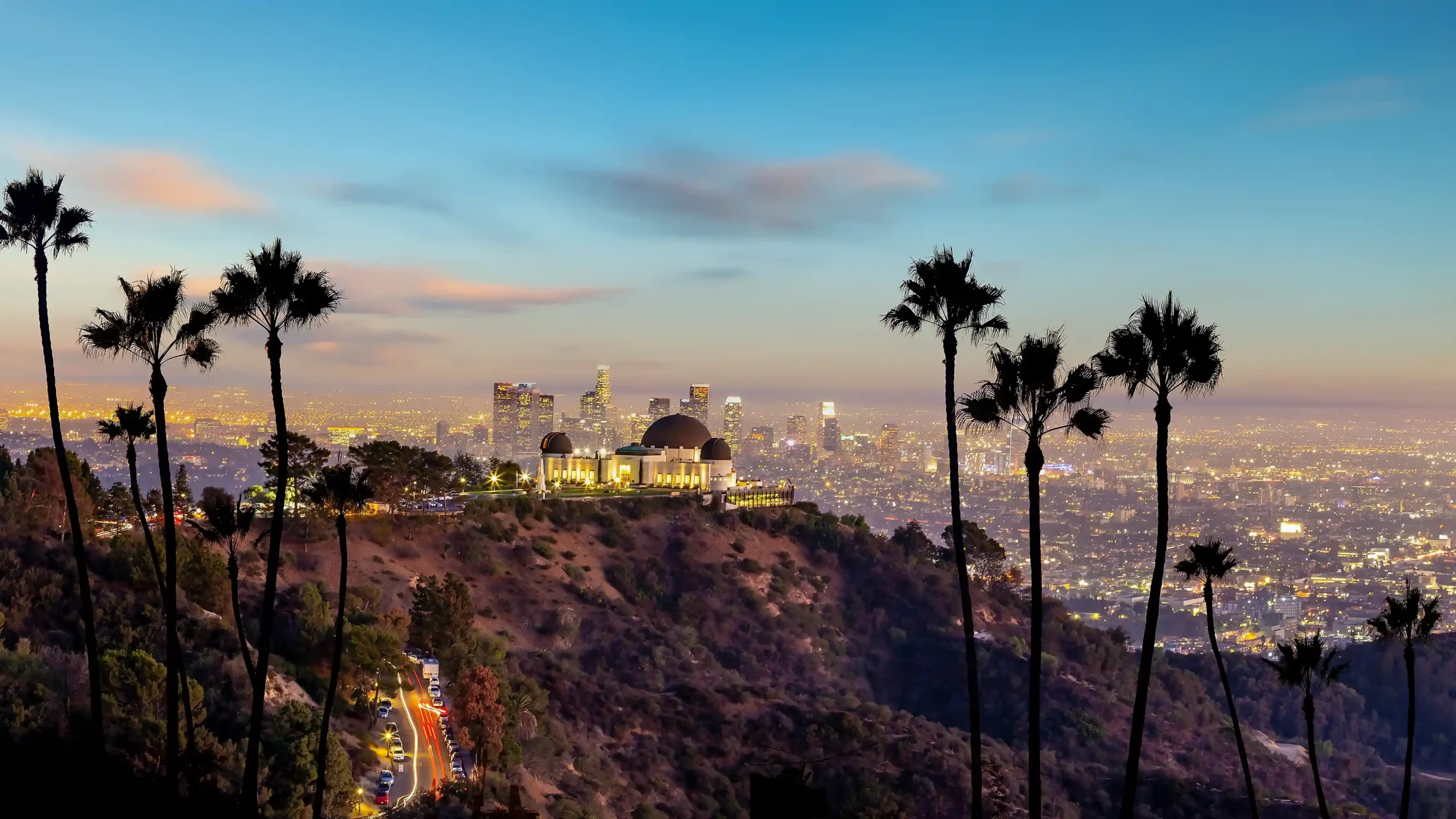
Camping Los Angeles
Stroll the Santa Monica Pier, take in sweeping skyline views from Griffith Observatory, and soak up iconic film history.
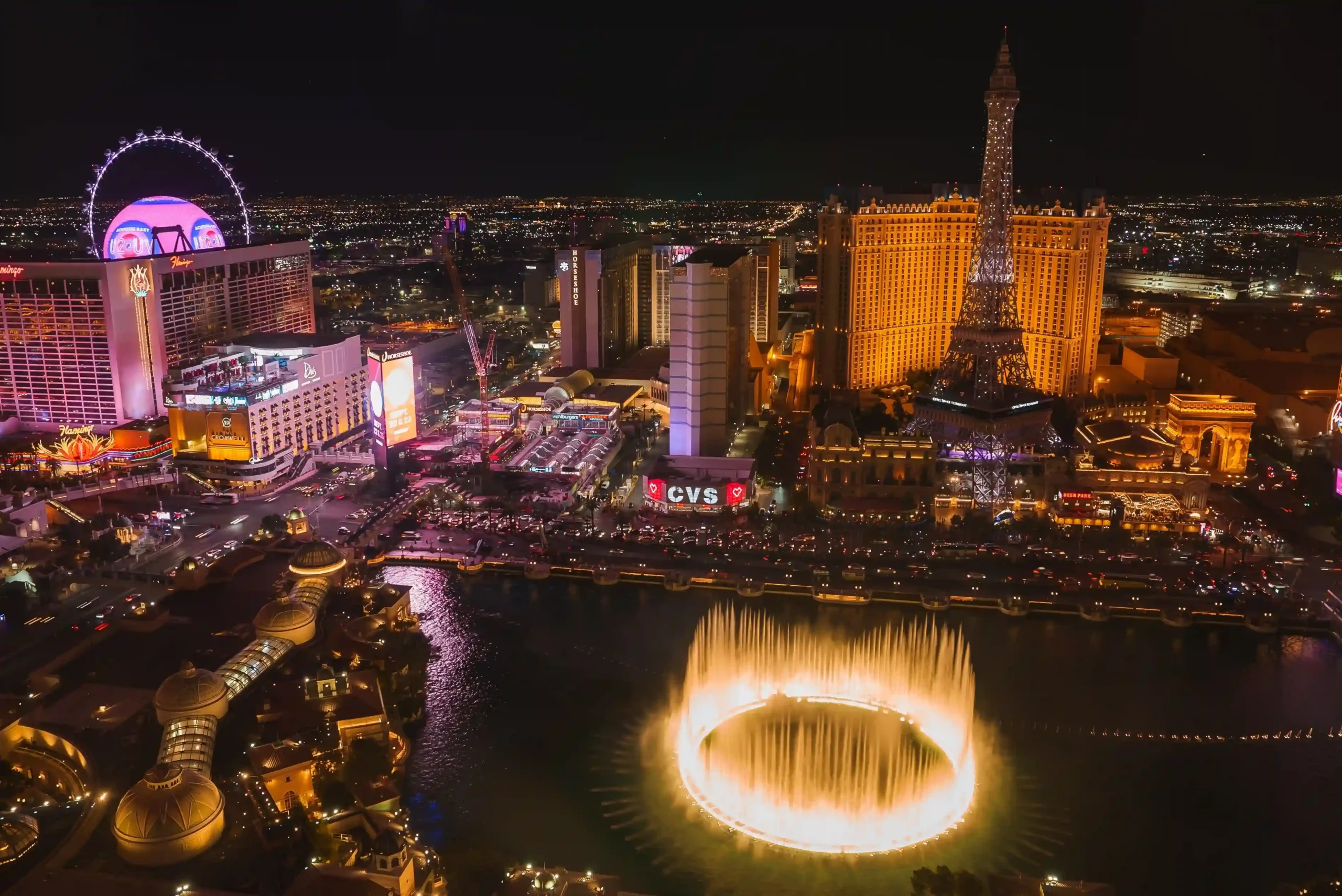
RV rental Las Vegas
Kick off your adventure on the vibrant Strip, testing your luck at the slot machines. Once you’ve had your fill of the bright lights, escape to the fiery red peaks of Red Rock Canyon.
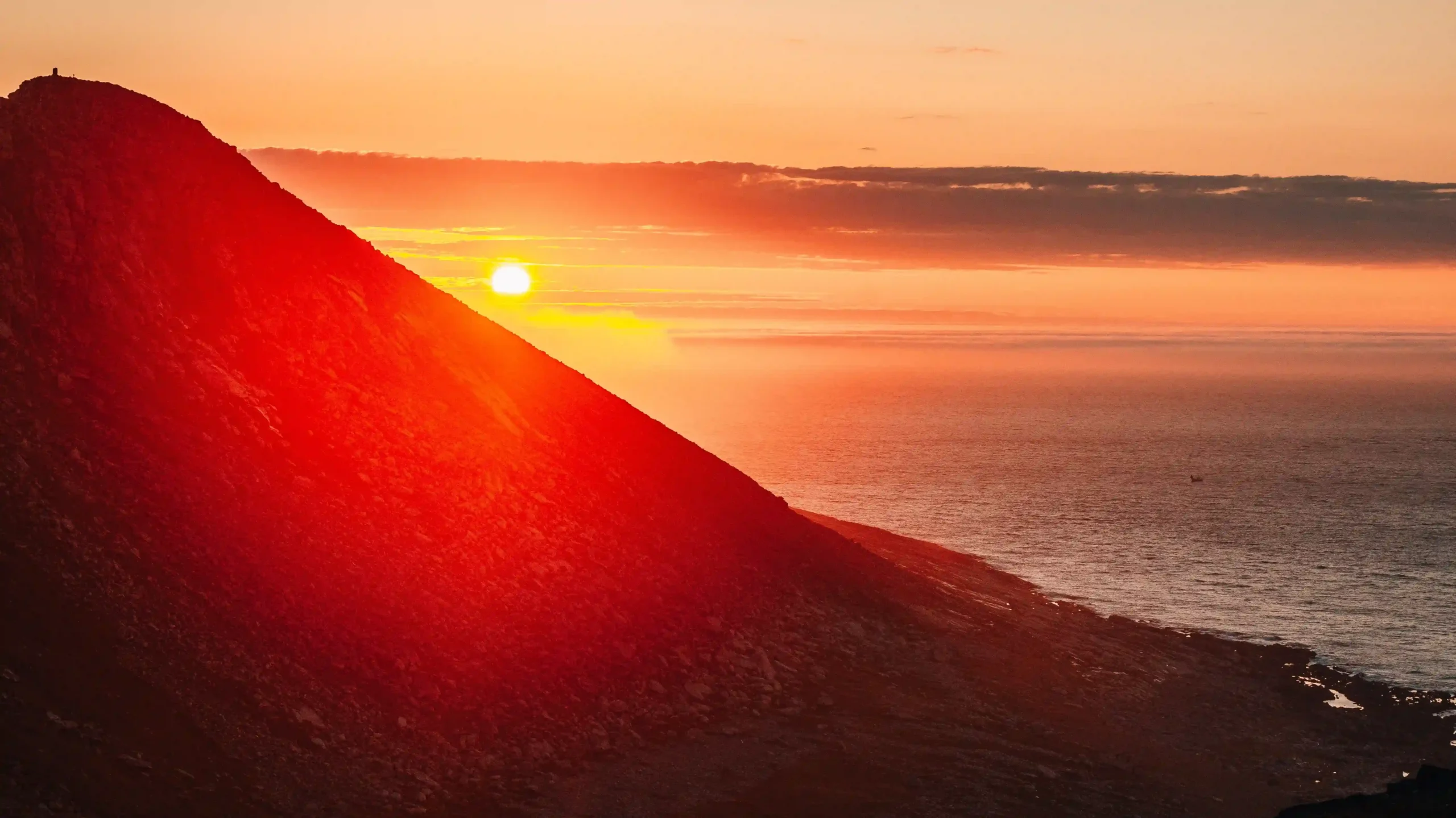
Norway and Finland motorhome itinerary
A 10-day motorhome journey from Rovaniemi to the North Cape. Encounter reindeer in Lapland and witness the Midnight Sun at the edge of the continent.