
© Suchakra Sharma
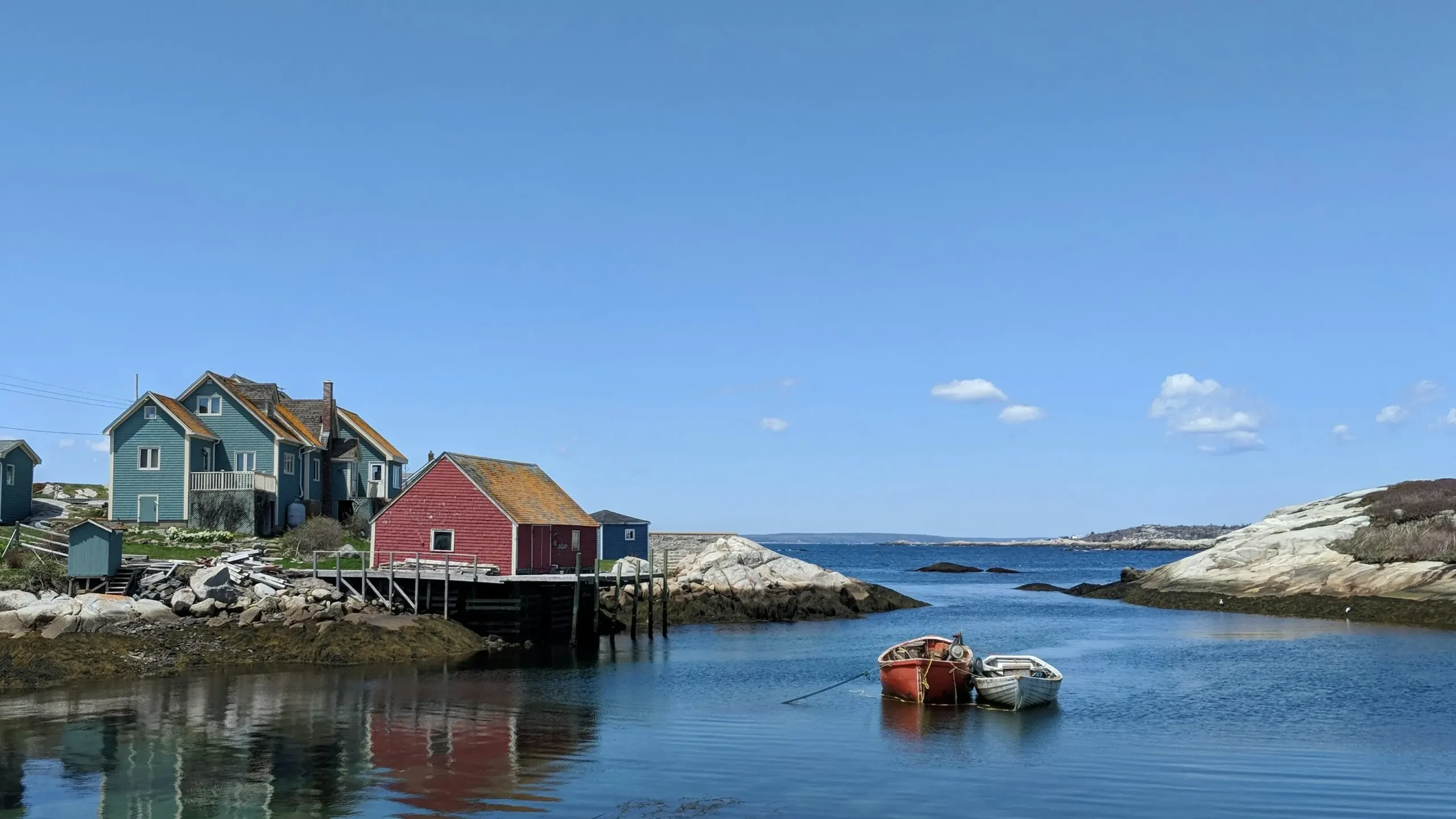
The coastal provinces of eastern Canada reveal a landscape shaped by the Atlantic Ocean. Here, rugged coastlines give way to brightly painted fishing villages, while numerous lighthouses stand watch over restless waters. Beyond the shoreline, vast forests stretch inland, home to moose and black bears.
Beginning and ending in Halifax, this 2-week campervan itinerary follows a circular route of about 1,000 miles (1,600 km) through Nova Scotia, New Brunswick, and Prince Edward Island (PEI). Along the way you’ll wander the colourful streets of Lunenburg, paddle through the lakes of Kejimkujik National Park, witness the world’s highest tides at the Bay of Fundy, and drive the iconic Cabot Trail through Cape Breton Highlands National Park.
This journey immerses you in the spirit of Canada’s Maritime provinces. Fresh Atlantic air, winding coastal roads, and the welcoming pace of small towns shape a road trip that is as much about discovery as it is about the quiet moments along the way.
Highlights
- Halifax’s historic waterfront
- Peggy’s Cove lighthouse
- Kejimkujik National Park
- Bay of Fundy’s world’s highest tides
- Hopewell Rocks ocean floor walk
- Cabot Trail scenic drive
Nova Scotia itinerary: Why explore Atlantic Canada by campervan?
The real beauty of travelling by campervan is the freedom it brings. Especially along the coast, the best moments often happen unexpectedly—a lighthouse appearing around a bend, a roadside seafood shack serving the day’s catch, or a quiet beach perfect for an evening walk.
Campsites range from fully serviced RV parks to rustic national park spots beside lakes or overlooking the ocean. Many national parks offer well-maintained campgrounds close to hiking trails, beaches, and wildlife viewing areas.
Halifax serves as the main gateway to Atlantic Canada and offers several rental options through CU | Camper, from compact campervans suited to couples to spacious motorhomes ideal for families.
| Day | Route / Destination | Driving time | Highlights |
| 1–2 | Arrive in Halifax | Explore the waterfront, visit Citadel Hill, sample fresh Atlantic seafood | |
| 3 | Halifax → Lunenburg | ~1.5 hrs | Follow the Lighthouse Route past Peggy’s Cove, Mahone Bay, and Chester to colourful Lunenburg |
| 4 | Lunenburg → Kejimkujik National Park | ~1.5 hrs | Canoeing, hike Hemlocks and Hardwoods Trail, stargazing |
| 5 | Kejimkujik National Park → Fundy National Park | ~4.5 hrs | Experience the world’s highest tides |
| 6 | Fundy National Park → Hopewell Rocks | ~1 hr | Walk the ocean floor at low tide |
| 7–8 | Hopewell Rocks → Prince Edward Island | ~2.5 hrs | Cross the Confederation Bridge, explore red cliffs, beaches, and Charlottetown |
| 9–10 | PEI → Cape Breton Highlands National Park | ~5.5 hrs | Drive the Cabot Trail |
| 11–12 | Cape Breton → Charlos Cove → Port Dufferin | ~5 hrs | Quiet eastern shore fishing villages, coastal hikes in Taylor Head Provincial Park, views of the “100 Wild Islands” |
| 13 | Port Dufferin → Halifax | ~2 hrs | Coastal drive back to Halifax |
Halifax: Gateway to Atlantic Canada
© snap shoot
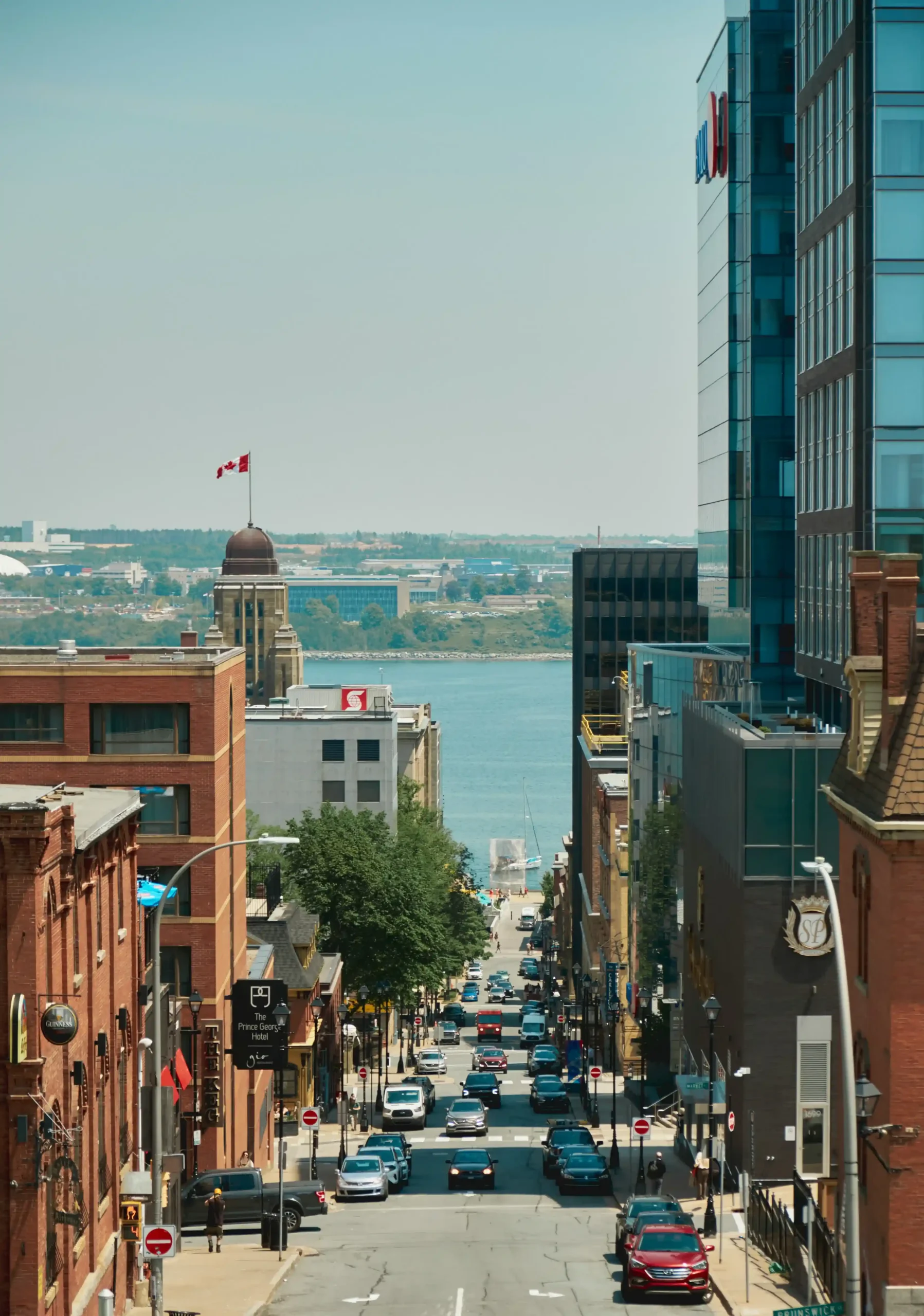
Founded in 1749 as a British military outpost, Halifax quickly developed into one of North America’s most important naval ports. Its natural harbour played a crucial role during both world wars and later became closely tied to the story of the Titanic, when rescue ships returned here carrying survivors.
The city also endured tragedy during the Halifax Explosion of 1917, when two ships collided in the harbour, triggering the largest non-nuclear explosion ever recorded at the time and destroying most of the city’s north end.
Today the city blends maritime heritage with a lively cultural scene. Salty sea air drifts through harbourfront streets, live music spills from pubs, and seafood restaurants serve some of the freshest Atlantic catches in Canada.
Things to do in Halifax
A natural starting point is the Halifax Waterfront Boardwalk, a lively promenade stretching roughly 2.5miles (4 km) along the harbour. Historic warehouses now house cafés, galleries, and small boutiques, while street performers and musicians create a relaxed atmosphere during the warmer months.
A highlight is the Halifax International Busker Festival.
Tip
The Maritime Museum of the Atlantic offers fascinating insight into the region’s seafaring past, including exhibits on shipbuilding, naval history, and the Titanic disaster.
For panoramic views of the harbour, head uphill to Citadel Hill, a star-shaped 19th-century fortress that once protected the city. Costumed interpreters and daily cannon firings bring Halifax’s military past to life.
© Darryl Brooks
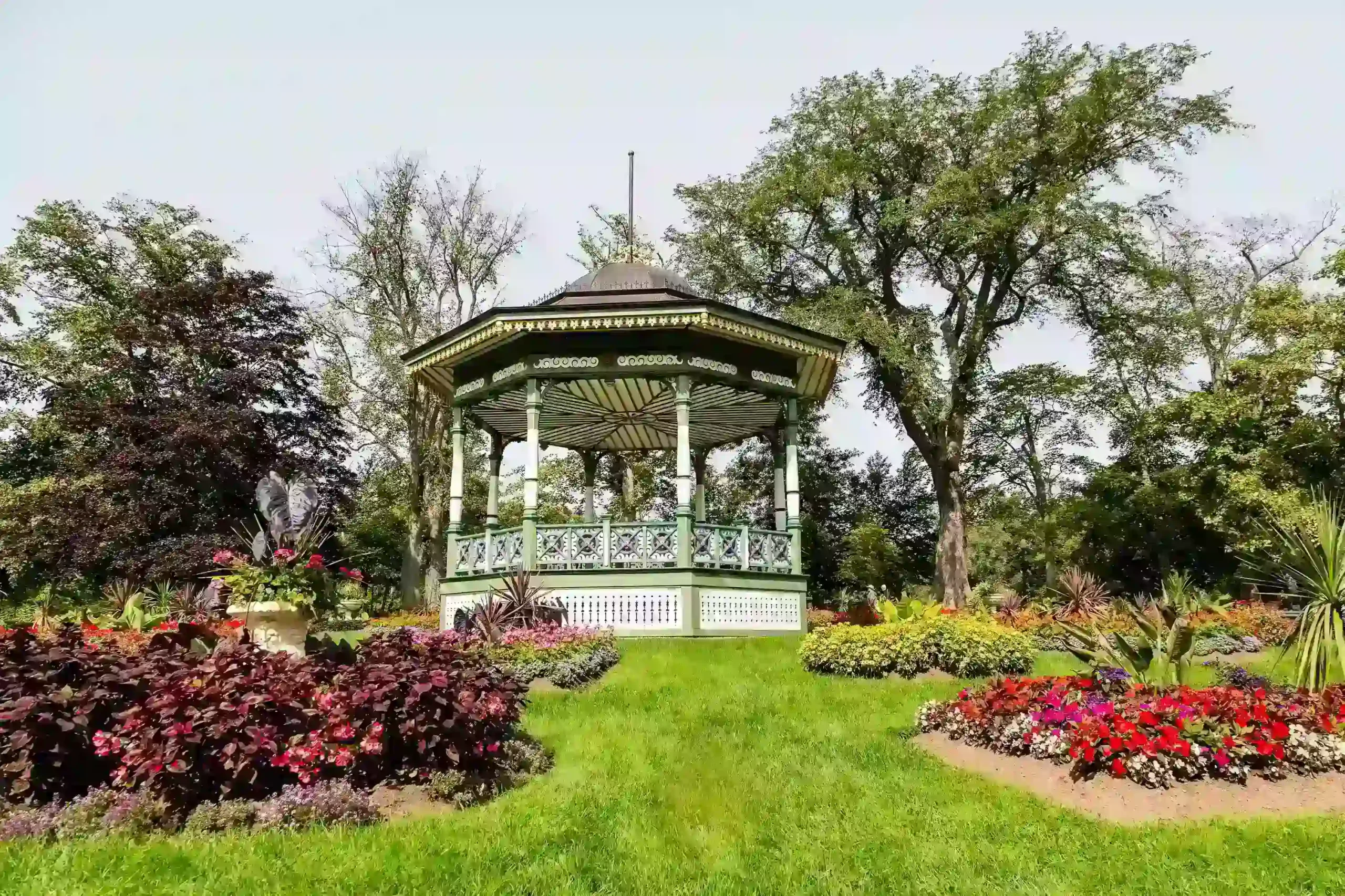
If you’re seeking green space, the Halifax Public Gardens provide a quiet escape. Established in the Victorian era, these elegant gardens feature ornamental fountains, winding pathways, and colourful seasonal flower displays.
Art lovers should explore Gottingen Street in the North End, where vibrant street art covers walls, alleys, and buildings, reflecting the city’s dynamic creative culture.
Just 20 minutes outside the city lies Fisherman’s Cove, a restored historic fishing village in Eastern Passage. Its brightly painted buildings house artisan shops and casual seafood eateries overlooking the harbour.
For those seeking adventure, Porters Peak Adventure Getaway—just 35 minutes from downtown Halifax—offers high-energy ATV trails through wooded and rugged terrain.
Where to stay near Halifax
For your first night in Halifax, Woodhaven RV Park offers a convenient base just outside the city. The park features spacious sites with full hookups, clean showers, laundry facilities, and Wi-Fi—everything you need for a comfortable stay.
Halifax to Lunenburg: Nova Scotia’s Lighthouse Route
Leaving Halifax, take Nova Scotia’s picturesque Lighthouse Route along the South Shore.The journey will pass through coastal villages where fishing boats rock gently in sheltered harbours and white churches stand against the blue Atlantic horizon.
One of the area’s most renowned landmarks is just a brief detour away.
Peggy’s Cove
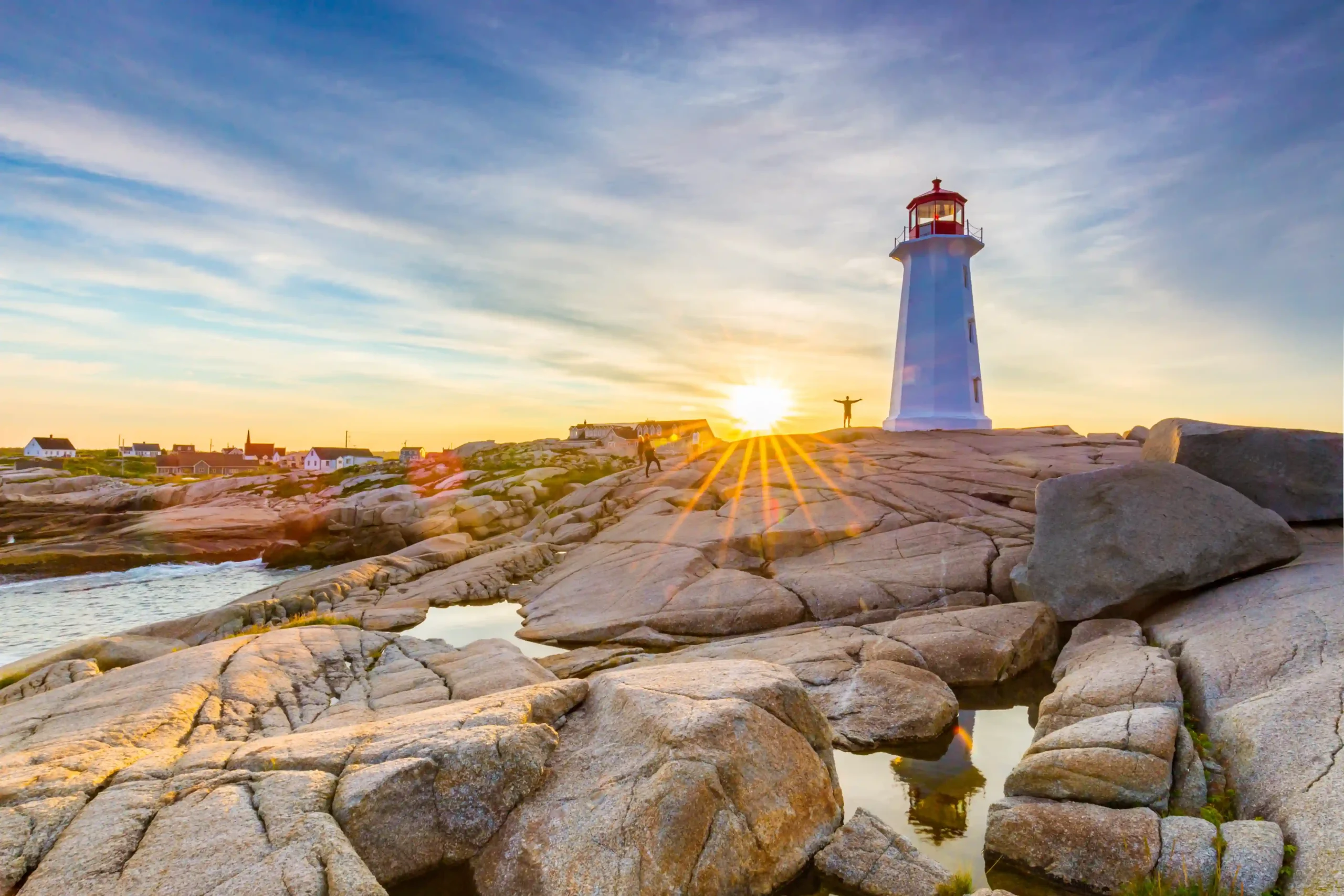
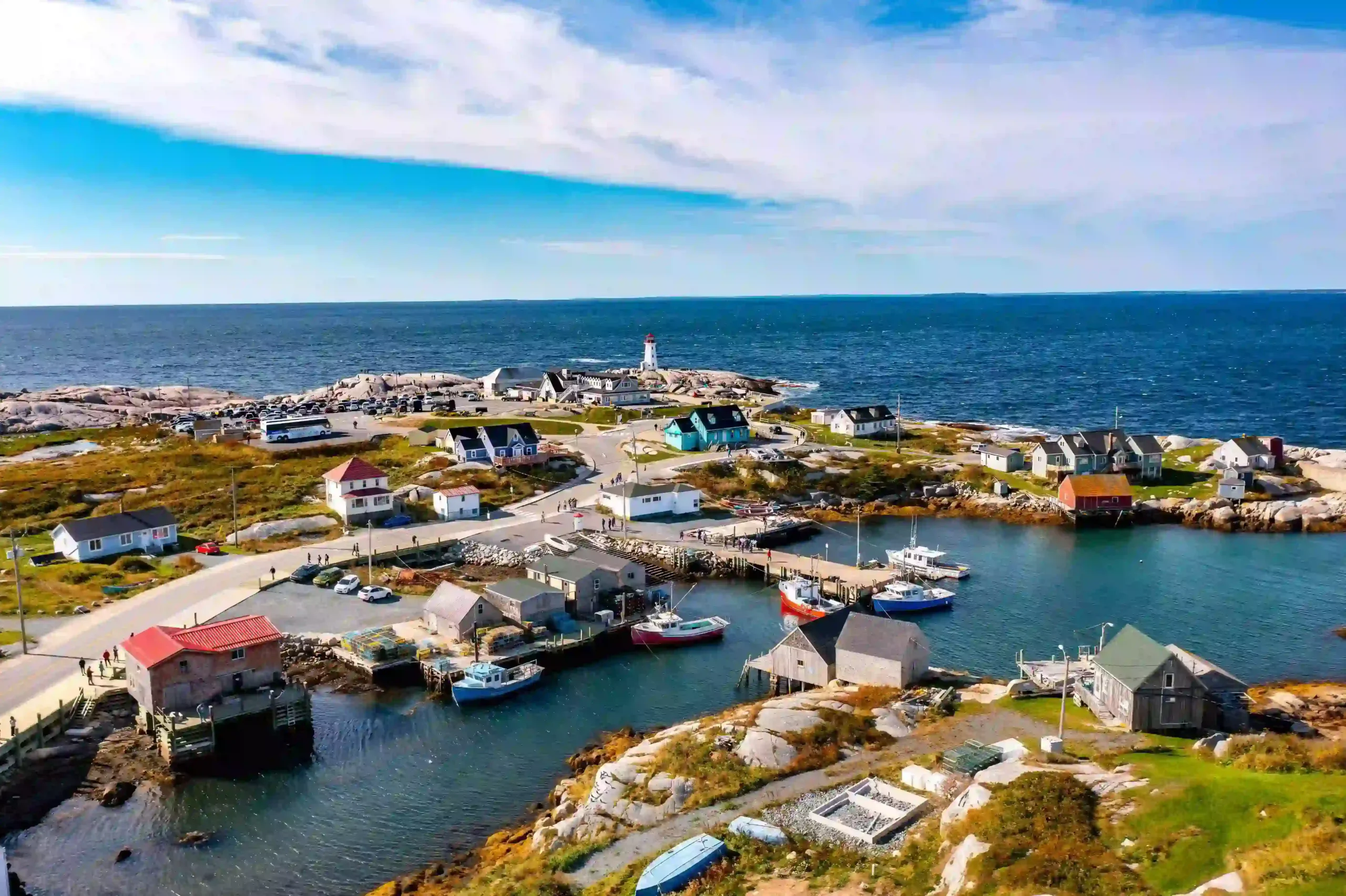
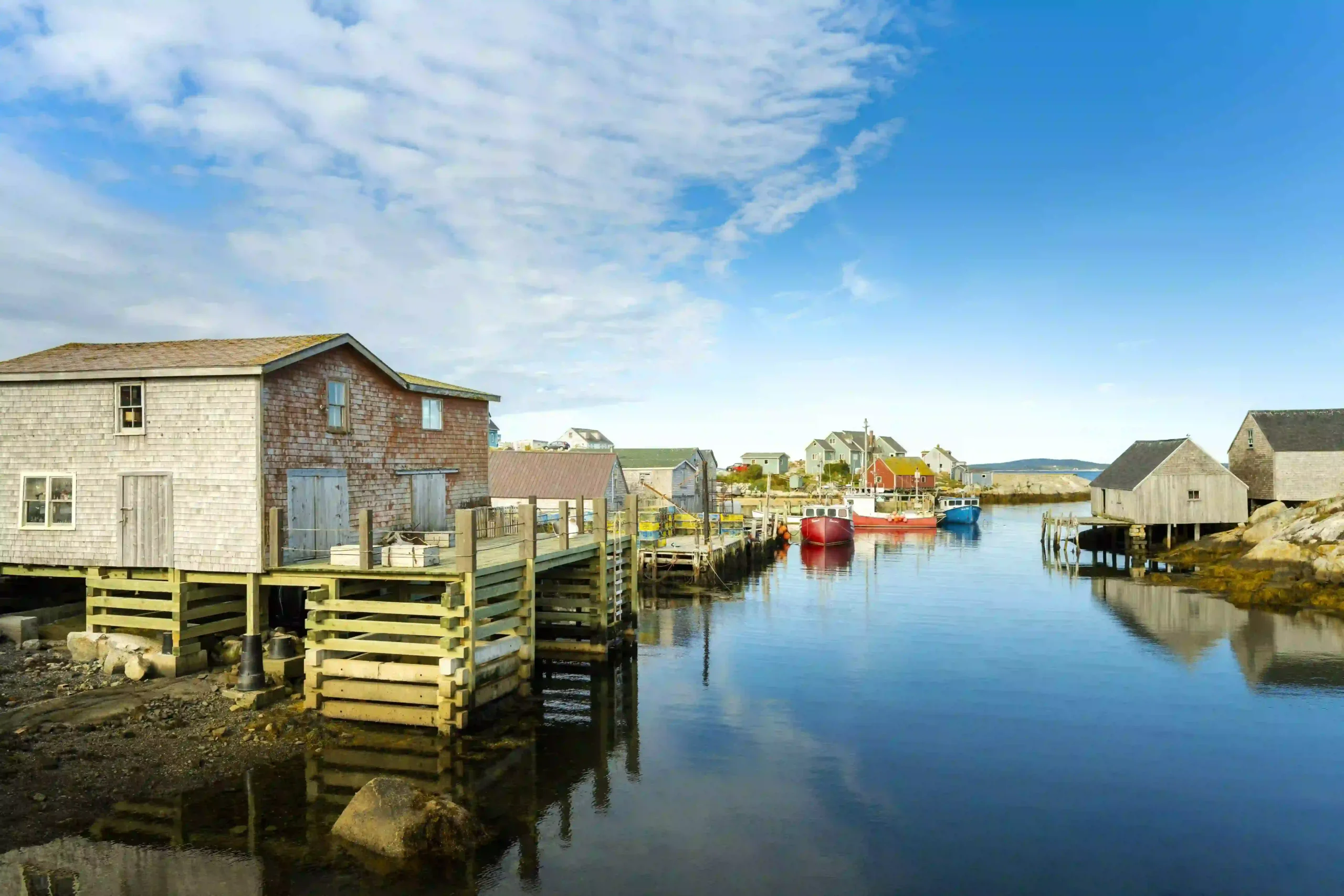
Few coastal scenes in Canada are as iconic as Peggy’s Cove. Here, a solitary lighthouse stands on smooth granite boulders shaped by centuries of wind and waves. Atlantic swells crash against the rocks, sending spray high into the air on stormy days.
© Tourism Nova Scotia
© Tourism Nova Scotia
© Tourism Nova Scotia
Nearby fishing shacks and brightly coloured houses add to the charm of this small community, making it one of the most photographed locations in the country.
Follow the scenic Lighthouse Route past Mahone Bay and Chester, two charming towns ideal for a brief walk or coffee stop. Just before entering Lunenburg, Rayport Campground offers oceanfront sites—perfect for relaxing before or after exploring the town.
Lunenburg: A UNESCO heritage gem
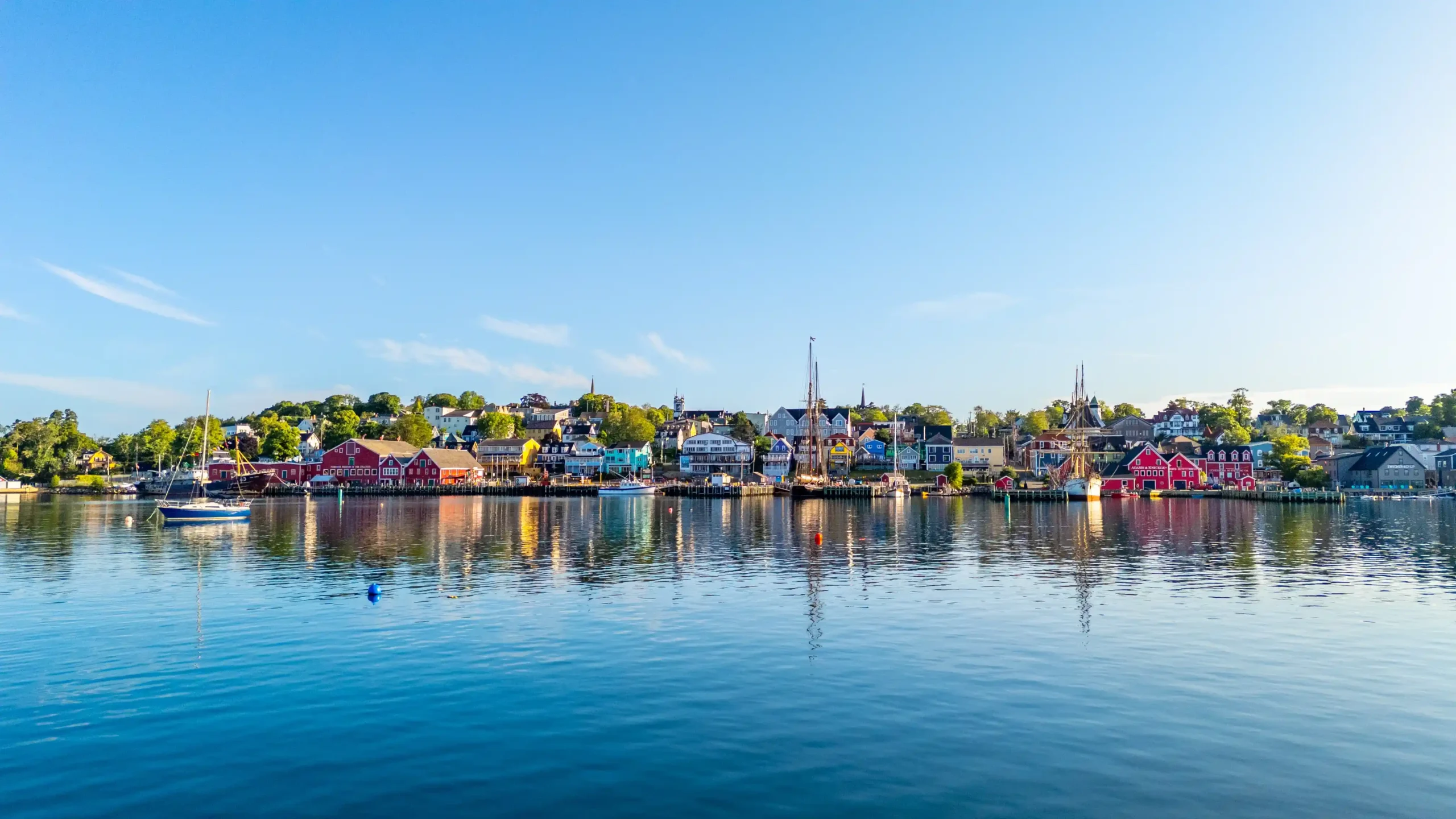
Founded in 1753, Lunenburg remains one of the best-preserved colonial towns in North America. Its network of narrow streets is lined with brightly painted wooden buildings—reds, blues, yellows, and greens—overlooking the harbour.
© Tourism Nova Scotia
A highlight is the Fisheries Museum of the Atlantic, where exhibits and historic vessels tell the story of generations who made their living from the sea.
Into the wilderness: Lunenburg to Kejimkujik National Park
From Lunenburg, the road gradually leaves the coast behind and heads inland toward a landscape of forests and lakes.
Exploring Kejimkujik National Park
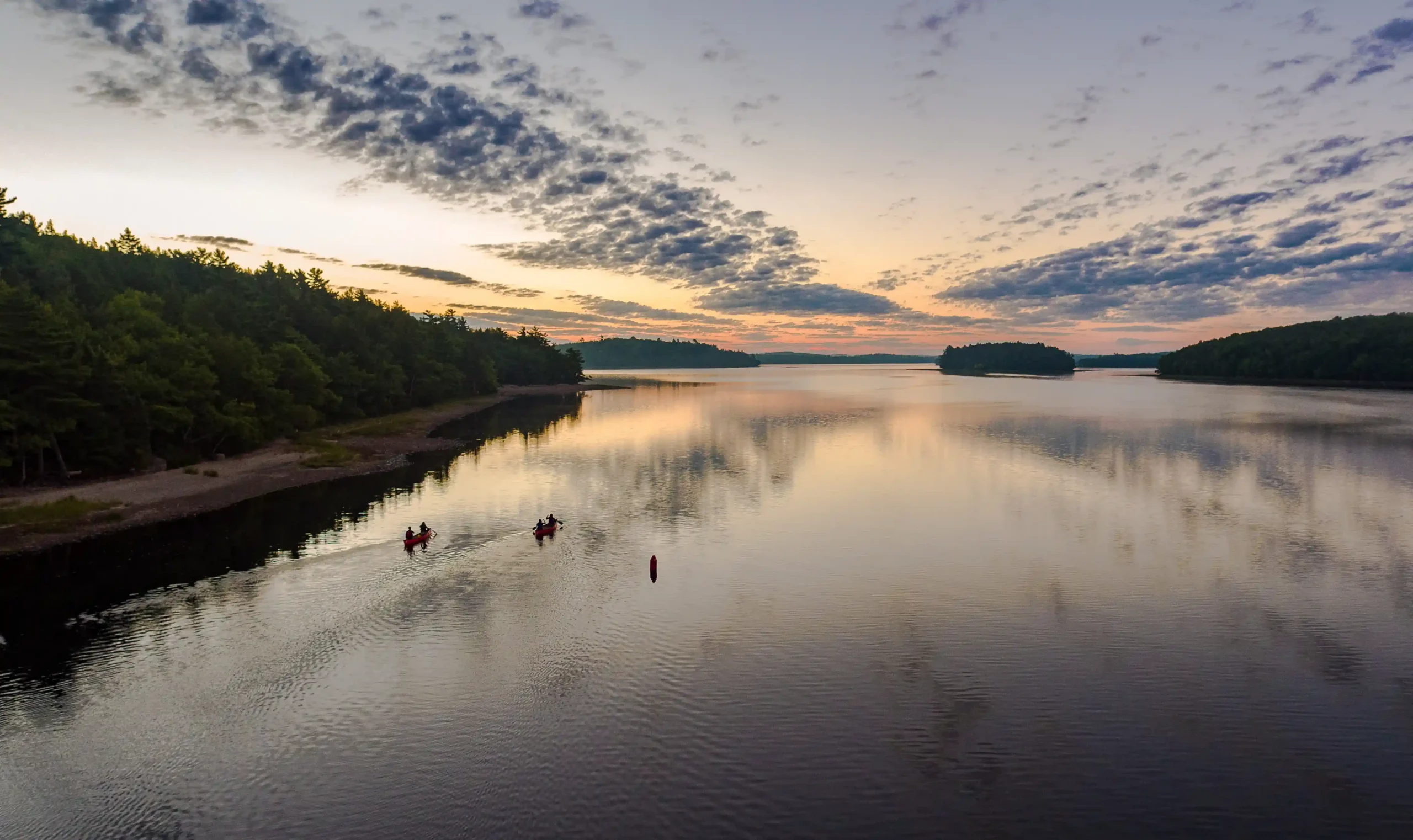
Kejimkujik National Park protects one of the province’s most pristine wilderness areas. Lakes, rivers, and forest trails weave through a landscape that has long been significant to the Mi’kmaq people.
© Tourism Nova Scotia
Canoeing is one of the best ways to explore the park. Calm lakes connect through gentle waterways, allowing you to experience the same routes Indigenous travellers used for centuries.
Hiking trails feature short walks such as the Hemlocks and Hardwoods Trail and Mill Falls Trail.
When night falls, Kejimkujik reveals another treasure—it’s one of Canada’s official Dark Sky Preserves, making it an exceptional place to see the Milky Way stretching across the sky.
Where to stay in Kejimkujik
Jeremy’s Bay Campground sits beside Kejimkujik Lake and offers forested sites, as well as modern showers and toilets.
Bay of Fundy: Kejimkujik to Fundy National Park
Leaving Nova Scotia behind, the road crosses into neighbouring New Brunswick, which features more than 3,400 miles (5,500 km) of varied coastline, from rugged cliffs to Canada’s warmest saltwater beaches.
Its crown jewel is the Bay of Fundy, renowned for the world’s highest tidal range, where sea levels can rise and fall by as much as 50 feet (16 meters), dramatically reshaping the coastline.
Fundy National Park highlights
© Wildnerdpix
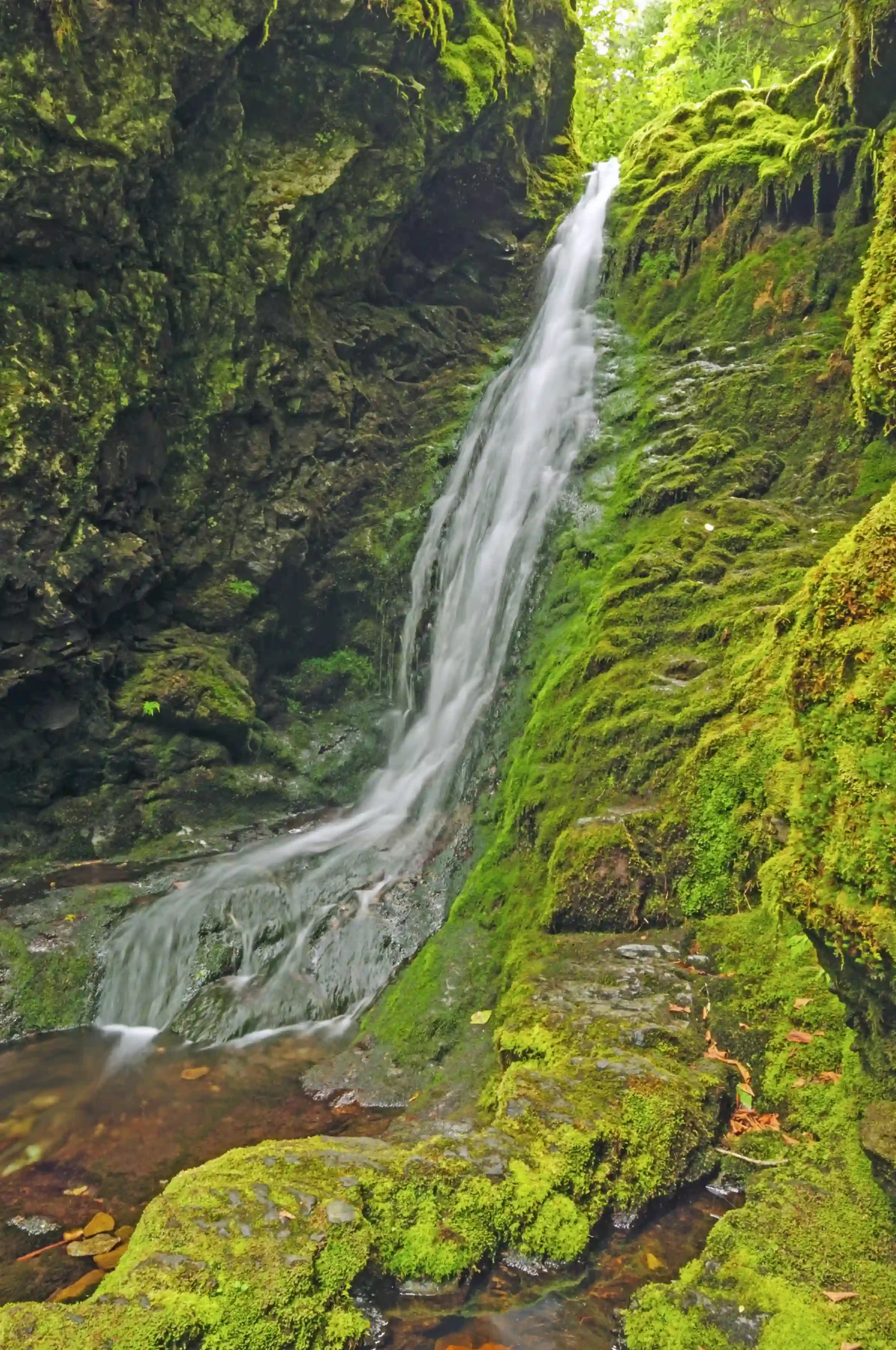
Fundy National Park combines rugged coastline with lush inland forests and cascading waterfalls.
Popular activities include:
- Hiking to Dickson Falls
- Kayaking along the Bay of Fundy
The park’s coastal views are particularly striking at low tide, when vast mudflats stretch far into the distance.
Where to stay in Fundy National Park
Fundy National Park offers several camping options depending on the type of experience you’re looking for:
- Chignecto Campground – The park’s main camping hub with both serviced and unserviced sites, close to many hiking and biking trails.
- Cannontown Campground – Fully serviced sites, some with views over the Bay of Fundy.
- Lakeview Campground – A quieter, more remote option offering only a handful of RV sites with minimal amenities.
Hopewell Rocks: Walking the ocean floor
© gqxue
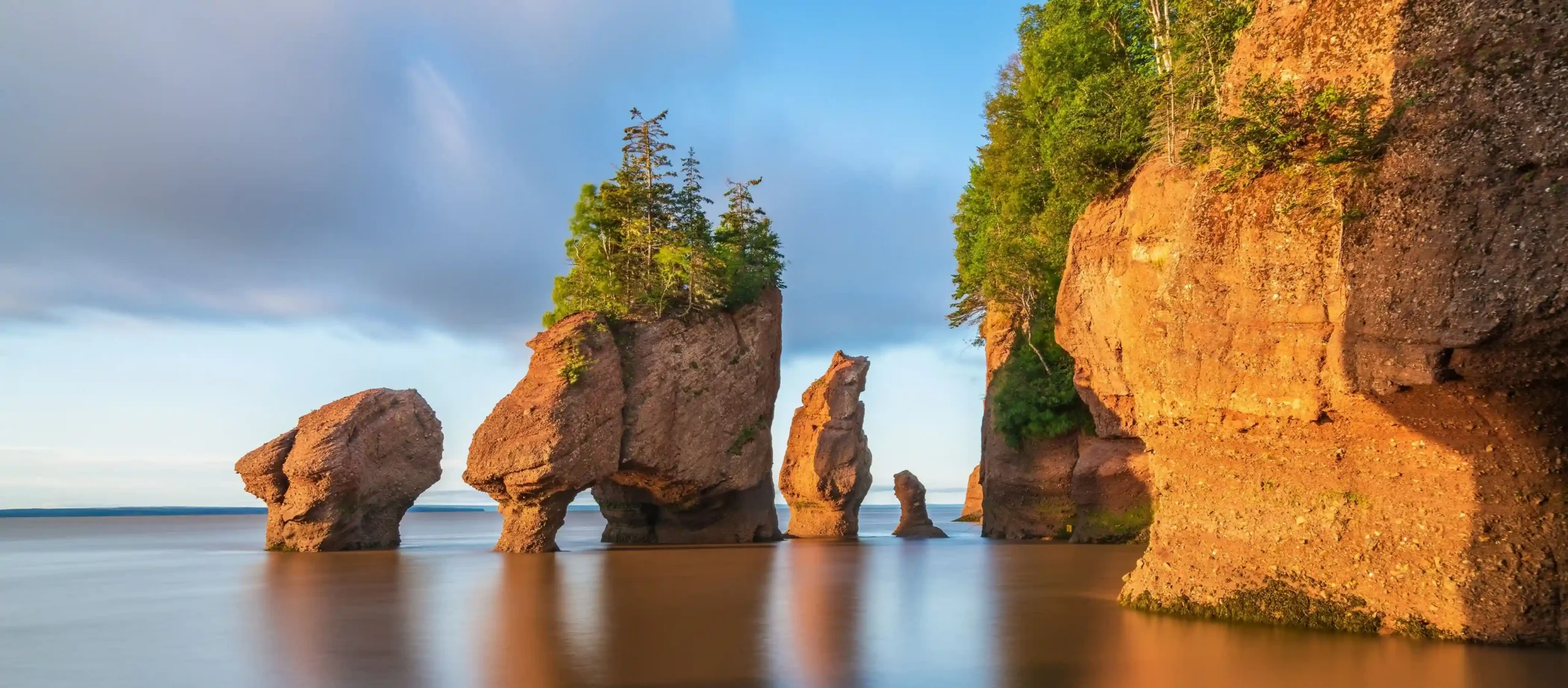
A short drive from Fundy National Park brings you to one of the bay’s most remarkable natural wonders: the Hopewell Rocks.
Here, towering sandstone formations rise from the seabed sculpted by centuries of tidal erosion. At low tide, you can walk across the ocean floor between the rock pillars. Just hours later, the same area fills with water deep enough for kayaking.
Hopewell Rocks to Prince Edward Island
From New Brunswick, cross the Confederation Bridge—a sweeping 8-mile (13 km) structure connecting the mainland to Prince Edward Island.
Known locally as the “Fixed Link,” it’s the longest bridge in the world spanning waters that freeze in winter.
Prince Edward Island may be Canada’s smallest province, but its scenery is full of contrasts—from red sandstone cliffs and windswept beaches to rolling green fields.
Highlights of Prince Edward Island
© Darryl Brooks
One of the island’s most scenic areas is Prince Edward Island National Park, where windswept beaches stretch along the Gulf of St. Lawrence and dunes shift constantly under the influence of wind and waves.
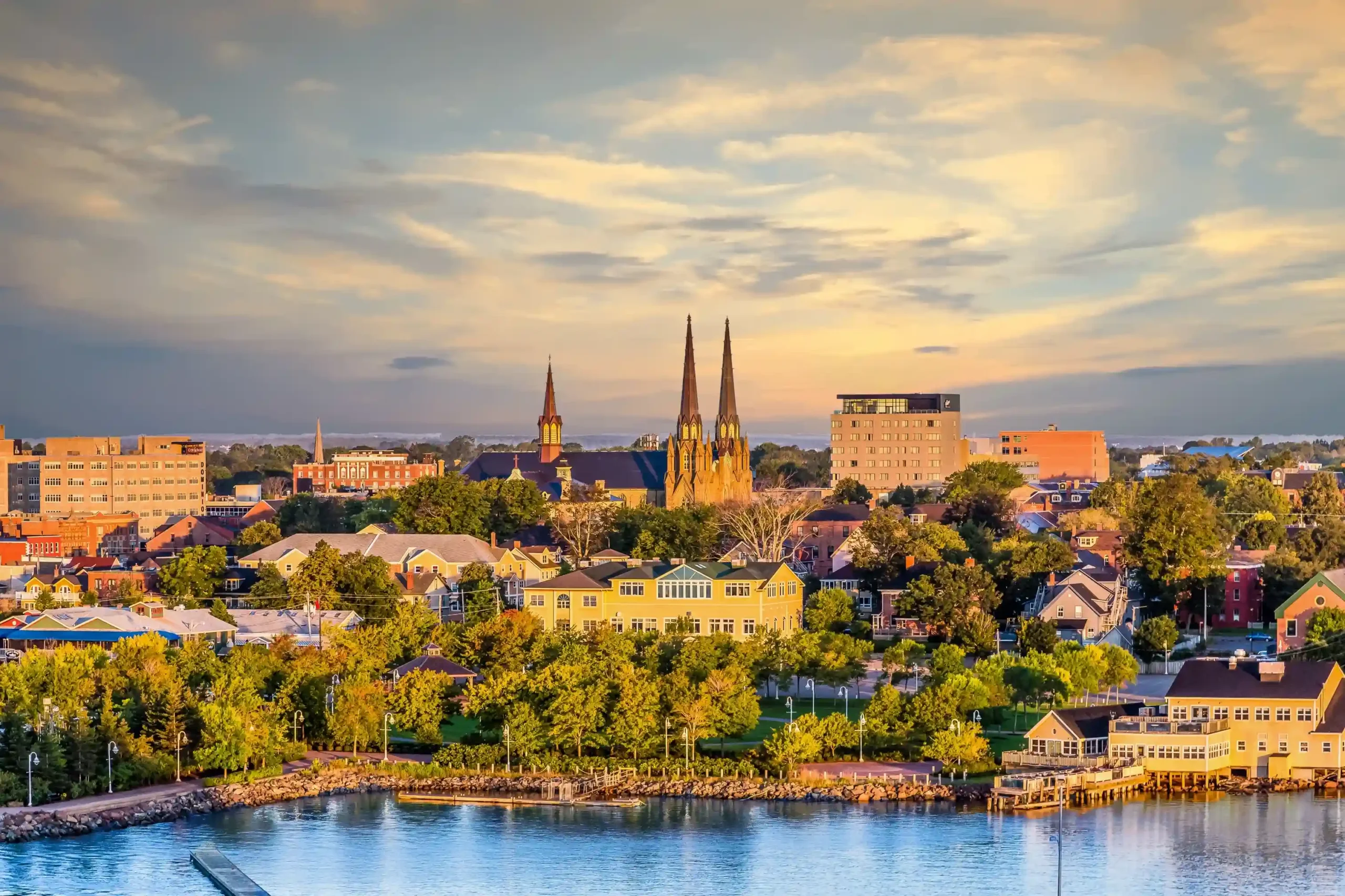
The island’s capital, Charlottetown, offers colourful streets, historic architecture, and a lively harbourfront filled with seafood restaurants.
Further east, Greenwich features a rare dune system connected by a floating boardwalk across a tranquil lagoon.
Where to stay on PEI
Prince Edward Island offers a variety of excellent camping options, many with beach access, cycling trails, and clean facilities. Notable campgrounds include: Twin Shores Camping Area, Stanhope Campground, and Cavendish Campground near Prince Edward Island National Park.
Cape Breton Highlands and the Cabot Trail
Returning to Nova Scotia, the road heads north toward Cape Breton Island, home to one of Canada’s most spectacular drives.
The Cabot Trail forms a 185-mile (300 km) loop around the northern tip of the island, winding along cliffs high above the Atlantic Ocean before climbing into the mountains of Cape Breton Highlands National Park.
Cape Breton Highlands National Park
Two of the park’s most rewarding hikes include:
© Kelsey Nicole
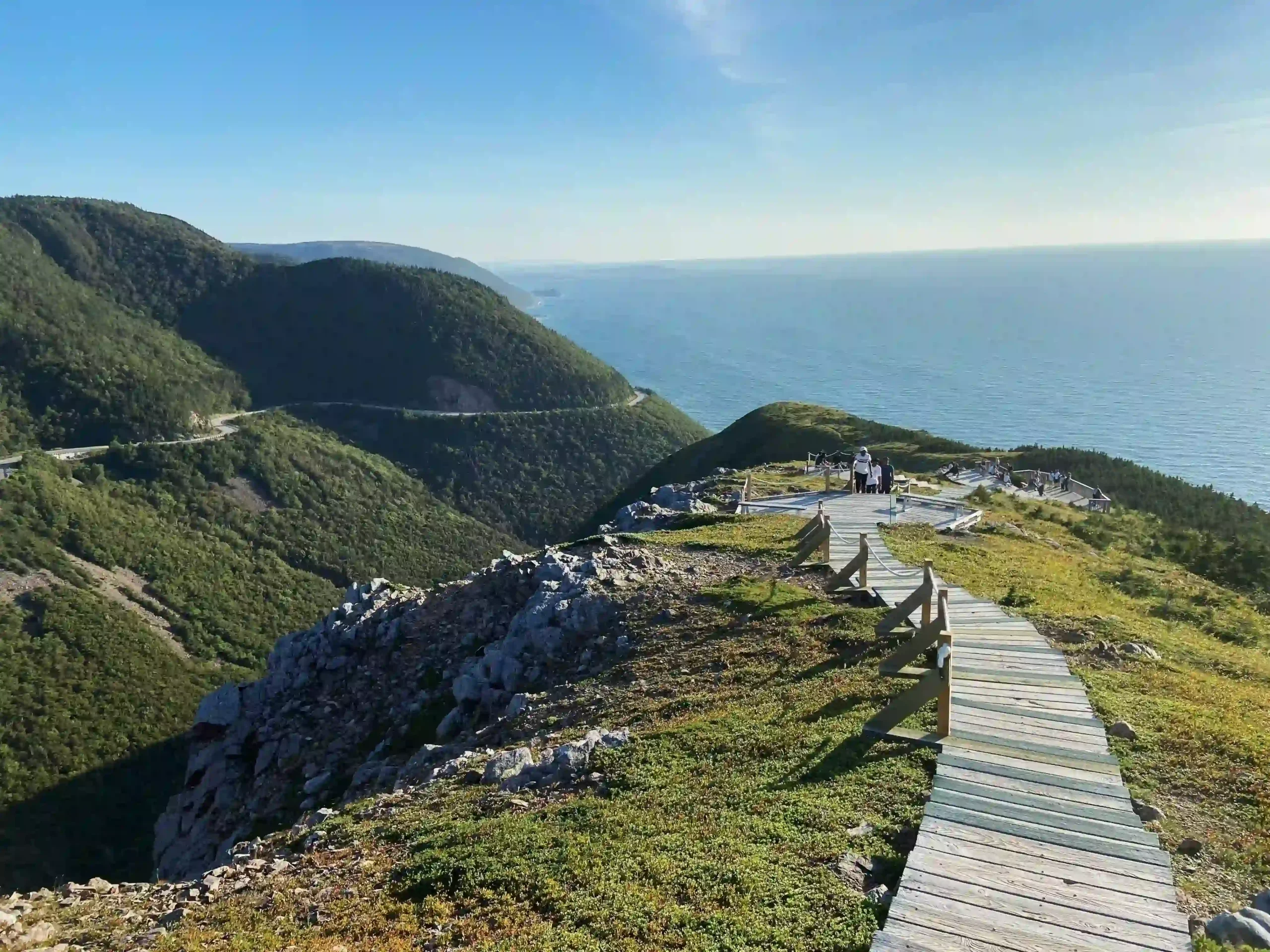
- Skyline Trail – an easy boardwalk path leading to dramatic coastal views.
- Franey Trail – a more challenging climb with panoramic mountain scenery.
Wildlife sightings are common along the trail. Moose often appear near wetlands, bald eagles circle above the coastline, and whales can occasionally be spotted offshore.
Where to stay in Cape Breton Highlands
© Nicole Haarmann
Broad Cove Campground and Hideaway Campground both provide a great place to spend the night.
Hidden gems along Nova Scotia’s eastern shore
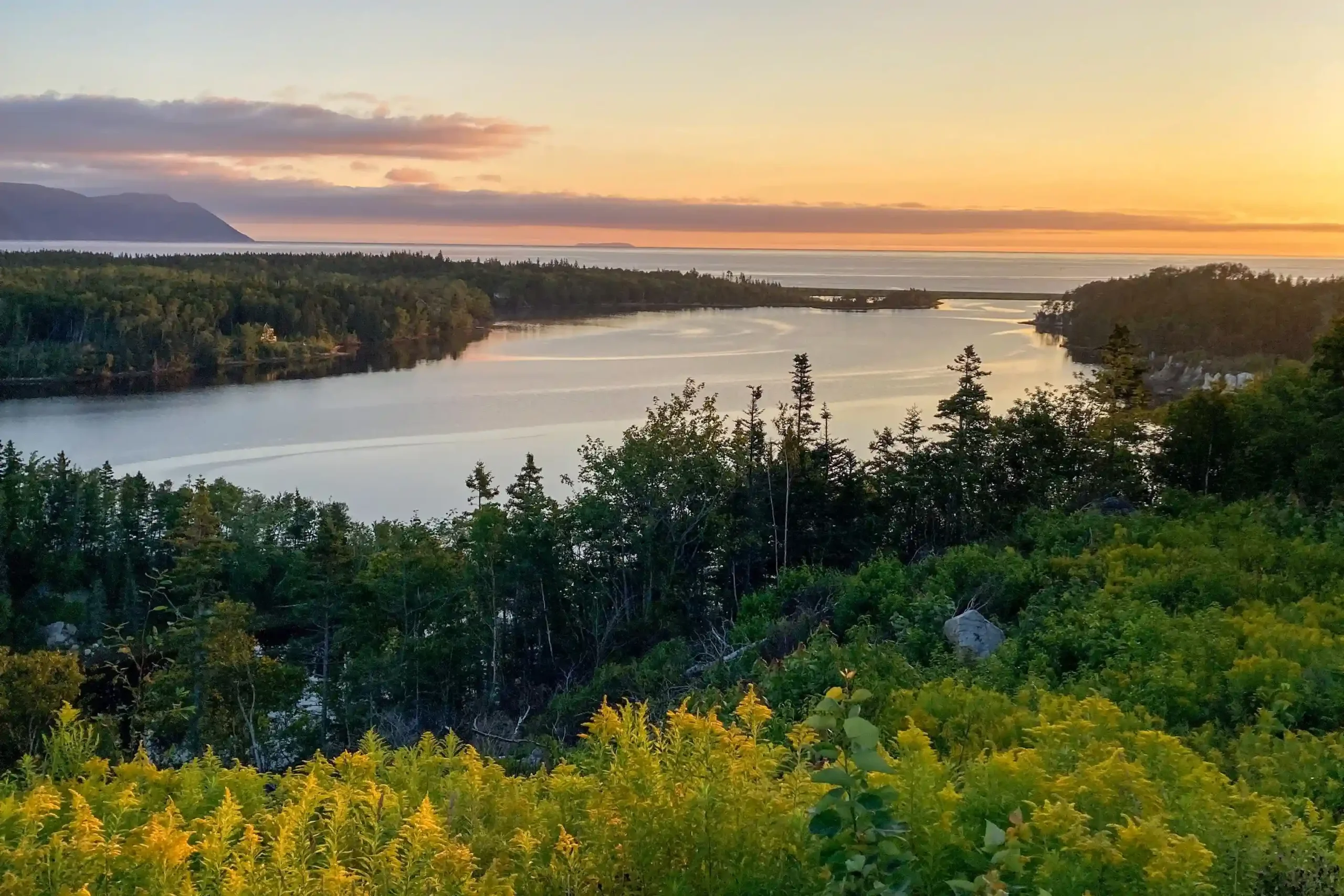
After completing the Cabot Trail, head south toward Charlos Cove for roughly 2.5–3 hours. This quiet coastal village has largely escaped the busier tourist spots. Nearby, Salsman Provincial Park or Rivers Edge Campground make convenient overnight stops.
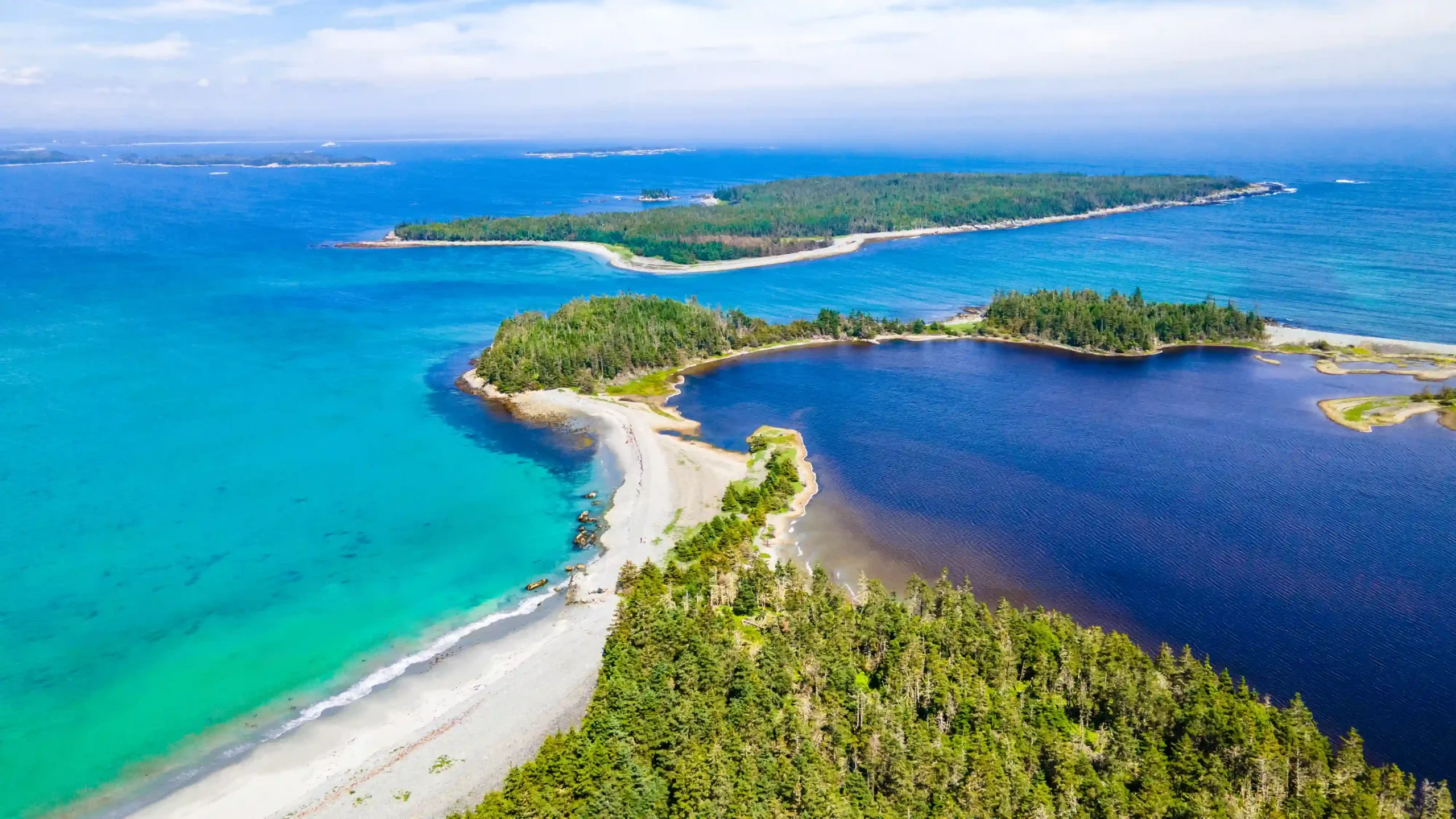
Further along the coast lies Port Dufferin, close to Taylor Head Provincial Park. This area is perfect for exploring some of the Eastern Shore’s most beautiful hikes, including the moderate Headland and Spry Bay Trails Loop and the easier Powers Pond Loop and Bobs Bluff via Spry Bay. The coastline here also offers opportunities for kayaking or boat tours to the “100 Wild Islands”.
© Tourism Nova Scotia
Before returning to Halifax, a final night at Murphy’s Camping provides a restful end to your coastal adventure.
Returning to Halifax
By the time you return your campervan, you’ll have travelled through three provinces, witnessed some of the world’s most dramatic tides, and explored coastlines shaped by centuries of maritime history.
Atlantic Canada may be quieter than many other destinations—but that’s precisely its charm.
Best time to visit
Late spring through early autumn is the best period for a campervan journey through Atlantic Canada. By May many attractions and campgrounds are open.
From June to September, warm temperatures and long daylight hours make it ideal for coastal drives, hiking, and kayaking. Summer also brings lively festivals and outdoor dining along the waterfronts of Halifax and Charlottetown.
Autumn (September–October) offers fewer crowds and beautiful fall colours across forests and countryside. The best spots for foliage are concentrated in Cape Breton, particularly along the Cabot Trail, as well as the scenic lakes surrounding Halifax.
Before or after a motorhome trip, it’s often a good idea to spend a few days in a major city.
Normandy road trip
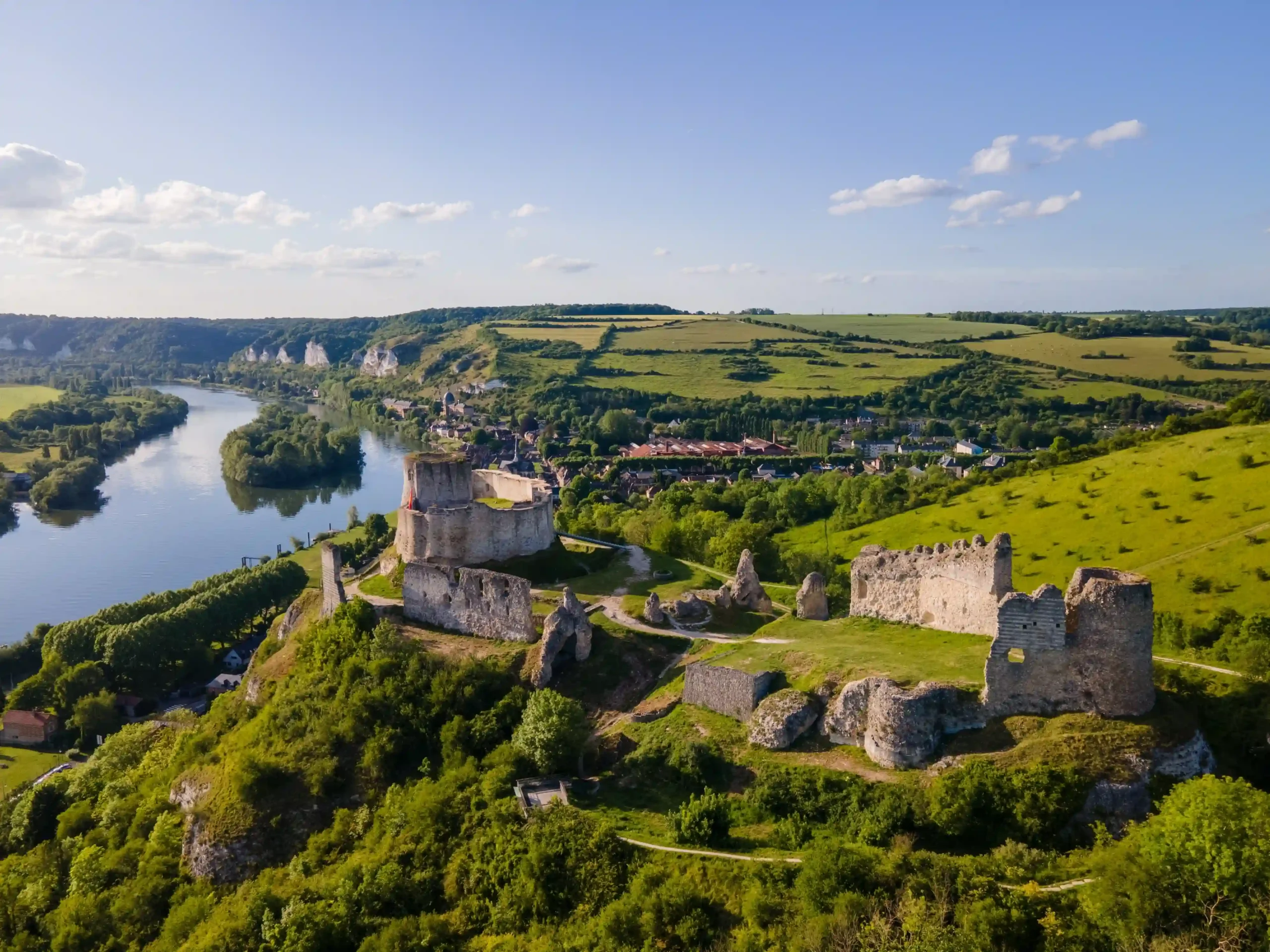
This 8-day Normandy road trip connects dramatic chalk cliffs and WWII landing beaches with lush valleys, and the iconic Mont Saint-Michel—creating a captivating journey through the region’s coast and countryside.

RV rental San Francisco
Resting dramatically on the edge of Northern California, San Francisco is widely considered one of the best cities in the US. Celebrated around the world for its iconic landmarks, vibrant…
Vancouver itinerary
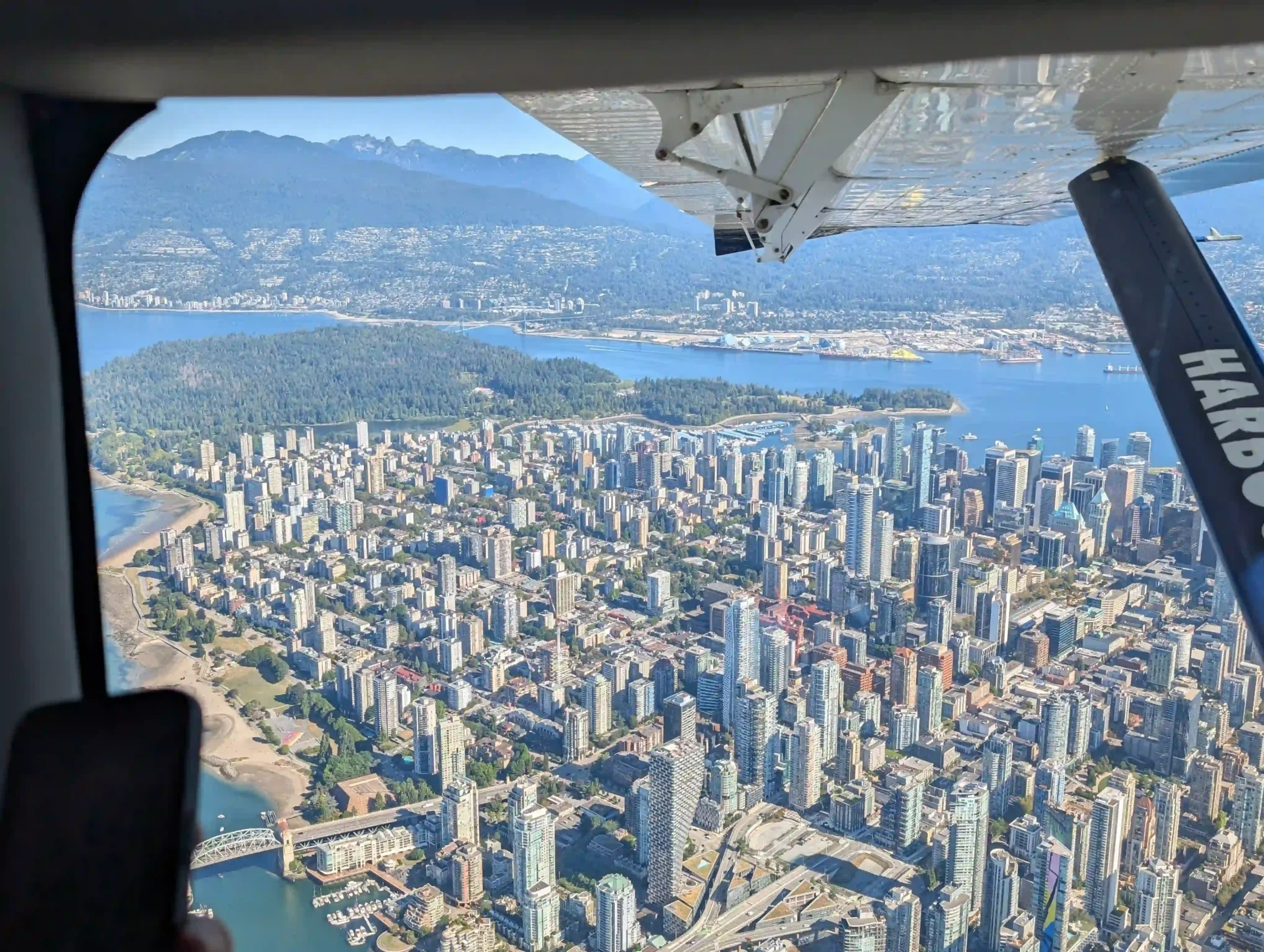
Explore a modern oceanfront city framed by towering peaks. Park up at picturesque campsites, catch coastal ferries, and launch your ultimate British Columbia road trip.

Camping Los Angeles
Stroll the Santa Monica Pier, take in sweeping skyline views from Griffith Observatory, and soak up iconic film history.
Norway and Finland motorhome itinerary
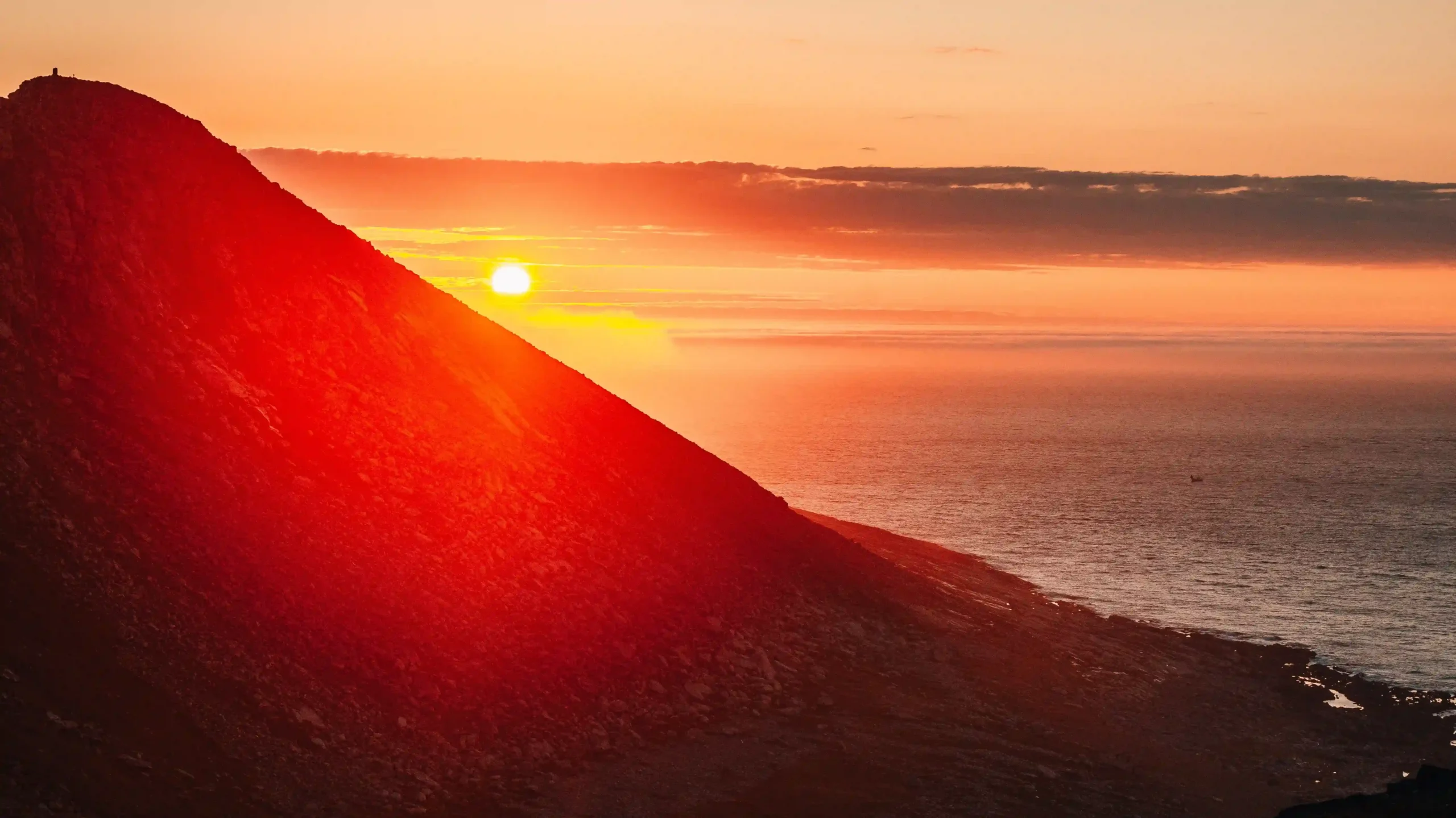
A 10-day motorhome journey from Rovaniemi to the North Cape. Encounter reindeer in Lapland and witness the Midnight Sun at the edge of the continent.

Calgary to Vancouver road trip
Journey along the Rockies on your way from Calgary to the Pacific coast. Drive past turquoise lakes and massive glaciers, exploring the best of the mountain wilderness in a motorhome.