
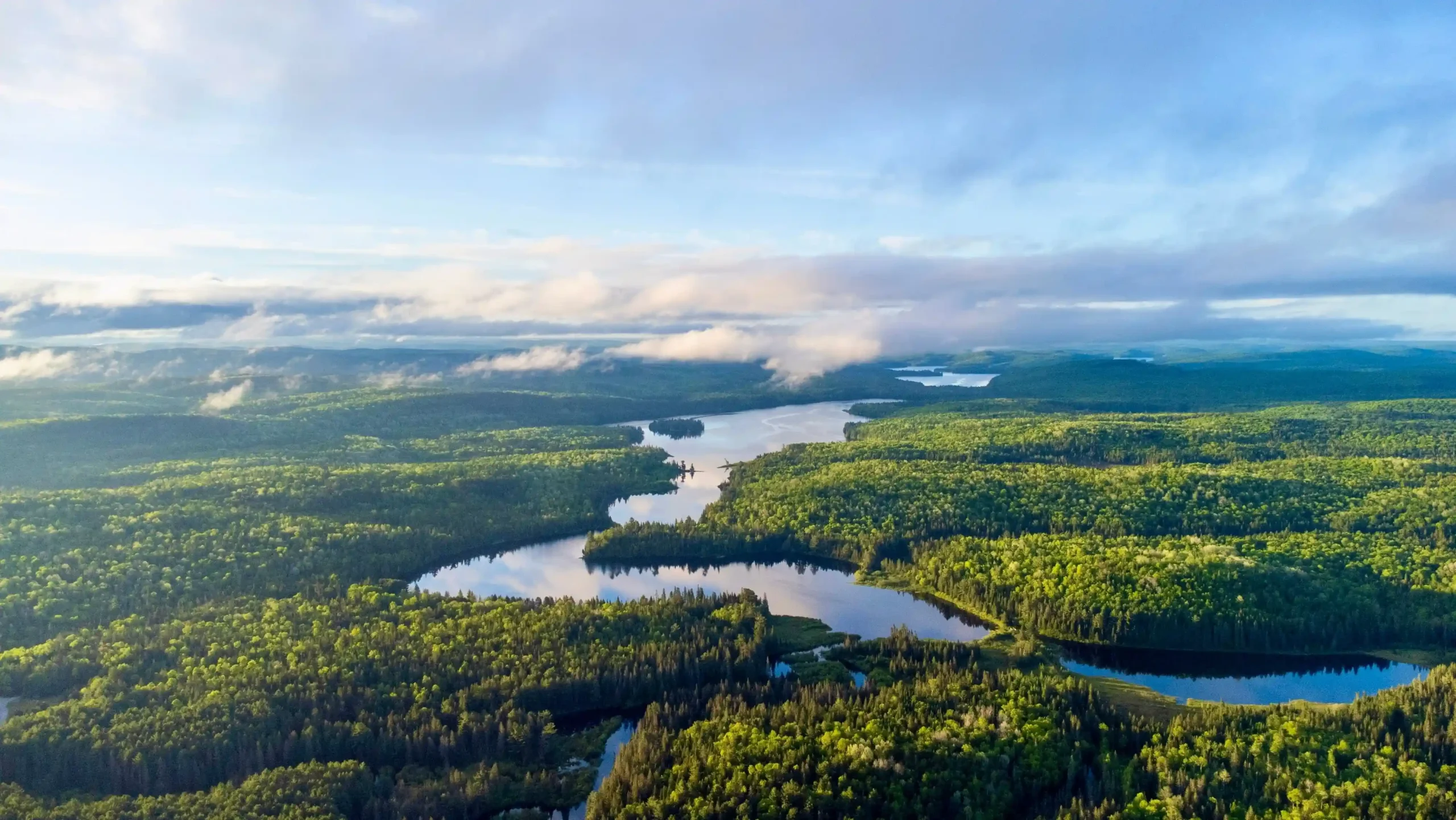
© Wirestock Creators
Canada is a place where nature doesn’t just exist—it dominates. Mention the country, and images of the jagged peaks of the Rockies, the silent march of glaciers, and the glass-still surface of turquoise lakes tucked away in the untamed wilderness come to mind.
However, Canada is far from uniform. Its landscapes also include rugged coastlines and dense forests—Vancouver Island, for example, is a hugely popular destination.
But to look only at the wild horizons of the West is to miss the heartbeat of the nation.
If the mountains are Canada’s spine, then Ontario and Quebec are its soul. In this part of the country, the story shifts: dense forests and thousands of lakes meet vibrant cities and centuries of history, as French culture mingles with North American energy.
This 18-day Eastern Canada travel itinerary covers roughly 1,640 miles (2,640 km), beginning and ending in Toronto. It takes you from the city’s lively streets to Algonquin’s wilderness, Ottawa’s architecture, Québec City’s French charm, and the cosmopolitan pulse of Montreal. Along the way, you’ll experience Canada’s rich Indigenous heritage, taste its culinary diversity, and explore landscapes that shift seamlessly from city elegance to untouched wilderness.
Highlights
- Toronto’s CN Tower
- Mighty Niagara Falls
- Algonquin’s lakes & wildlife
- Ottawa’s Parliament Hill
- Québec City’s French charm
- Whale-watching at Tadoussac
- Montreal’s Mount Royal
- Kingston: The “Limestone City”
- Thousand Islands cruise
Why explore Eastern Canada by campervan?
Canada is vast, and distances between destinations are long—but the roads are wide, well-maintained, and built for large vehicles. A strong network of campsites, from national and provincial park campgrounds to private RV parks, means you can stay close to nature while having access to amenities that range from basic to fully equipped sites.
Travelling by campervan gives you a choice—to either stick to your plan or make longer stops and spontaneous detours. Campervan travel helps you truly immerse yourself in your surroundings. It allows you to do more than just visit a destination; you travel through the country, seeing it from every angle. The routes themselves are spectacular, often revealing a hidden side of Canada—the quiet “in-between” places that you would otherwise miss if you were only jumping from one major landmark to the next.
| Day | Route / Destination | Driving time | Highlights |
| 1–2 | Arrive in Toronto | Visit Kensington Market, go up CN Tower, wander Distillery District, day trip Niagara Falls | |
| 3–4 | Toronto → Algonquin Provincial Park | ~3 hrs | Scenic drive past endless pine and sparkling lakes, hike Centennial Ridges Trail & Mizzy Lake Trail |
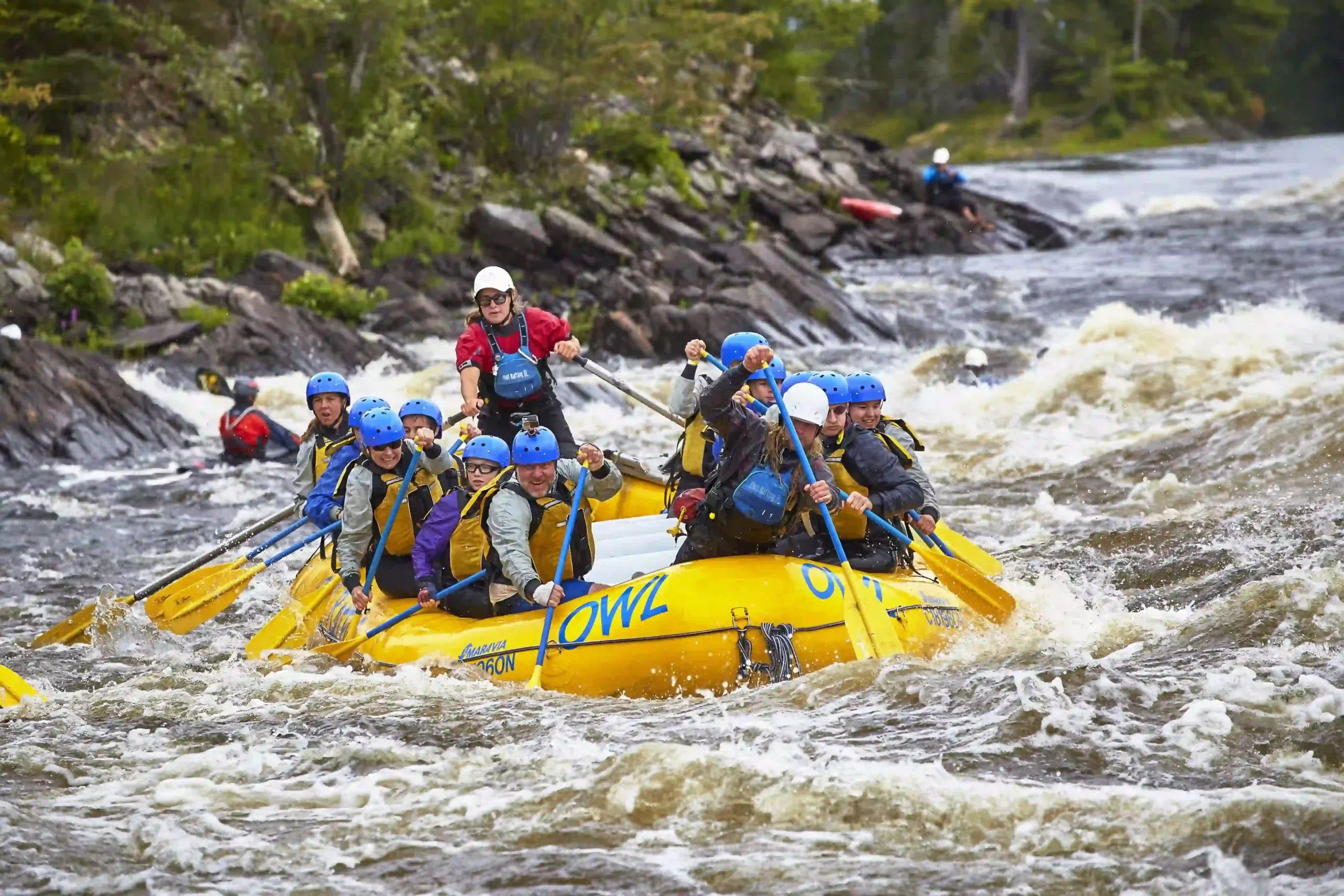
| 5–6 | Algonquin Provincial Park → Ottawa | ~3 hrs | Visit Parliament Hill, go whitewater rafting on Ottawa River |
| 7 | Ottawa → Mont-Tremblant | ~2 hrs | Scenic drive through the Laurentian Mountains, hike La Corniche Trail, paddleboard on Lac Tremblant |
| 8–9 | Mont-Tremblant → Québec City | ~3 hrs | Visit Montmorency Falls & Jacques-Cartier National Park |
| 10–11 | Québec City → Tadoussac | ~3 hrs | Drive along St. Lawrence River, whale-watching cruise, hike Tadoussac Dunes Trail |
| 12–13 | Tadoussac → Mauricie | ~5 hrs | Explore La Mauricie National Park |
| 14–15 | Mauricie → Montreal | ~4.5 hrs | Visit Mount Royal, Notre-Dame Basilica, explore RÉSO underground city |
| 16–17 | Montreal → Kingston | ~3 hrs | Cruise through Thousand Islands, stop in Prince Edward County wineries |
| 18 | Kingston → Toronto | ~2.5 hrs | Final descent to Toronto |
Starting your Eastern Canada travel itinerary in Toronto
Your journey begins in Toronto, Ontario’s capital and Canada’s largest city. It’s here that you’ll collect your campervan, with a wide range of vehicles available through CU | Camper, before setting out on your 18-day loop through the heart of Canada.
But don’t rush off just yet. Toronto deserves your time.
Exploring Toronto
Spend your first evening in Queen Street West, where the city’s creative spirit is embodied by independent boutiques and unique restaurants. Browse the shopfronts of Yorkville, lose yourself in the colour and character of Kensington Market, or wander through Chinatown, where the scent of street food drifts between market stalls. Toronto is layered, multicultural, and endlessly alive.
©
© TRphotos
© TRphotos
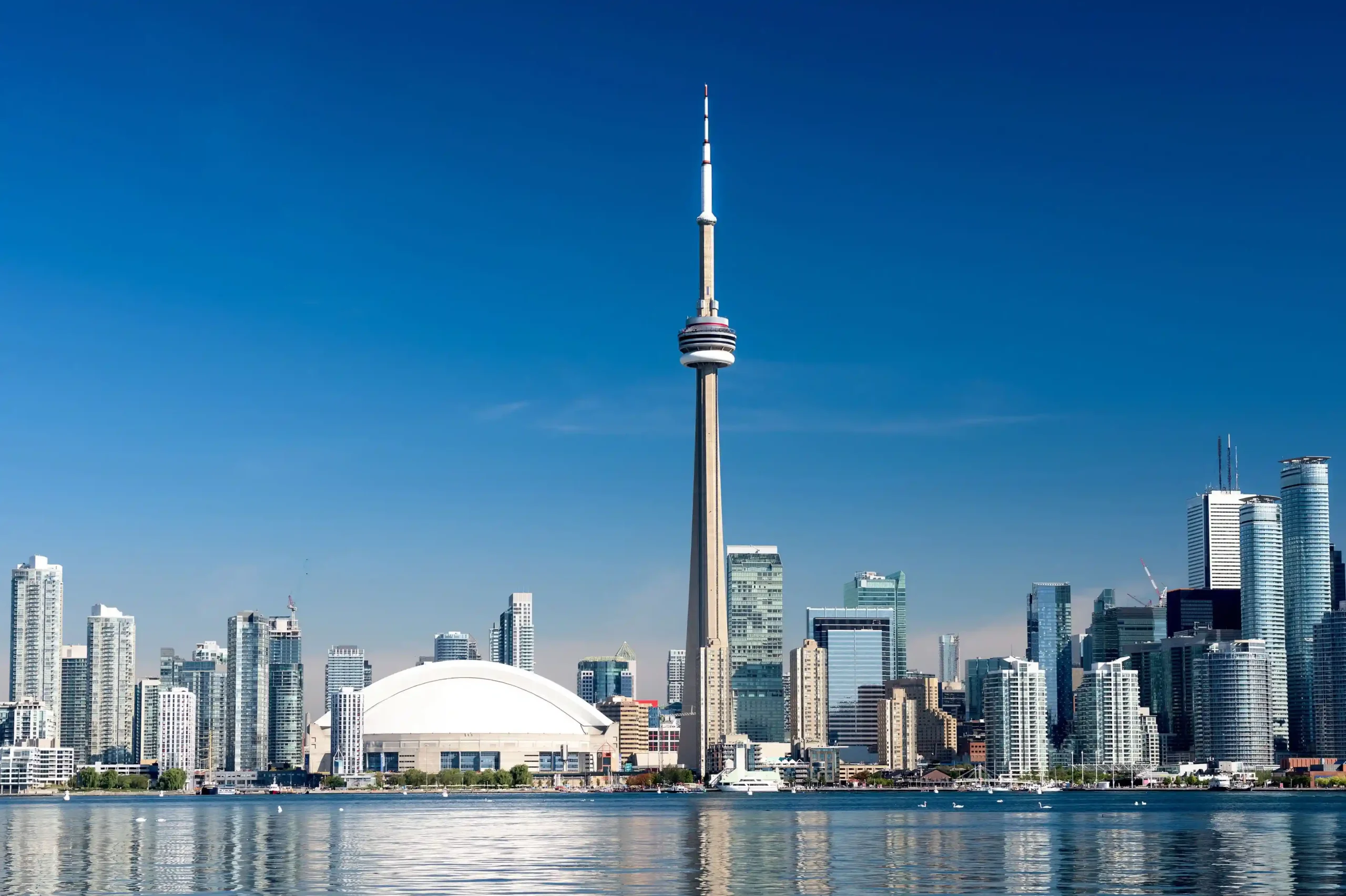
For the best view in the city, head straight to the iconic CN Tower. Standing 1,815 feet (553 m) tall, it dominates the skyline. Step onto the glass floor, 113 storeys above the pavement, or rise even higher to the SkyPod. For those seeking adrenaline, the EdgeWalk offers the world’s highest hands-free walk—strapped to a harness, you circle the tower’s exterior.
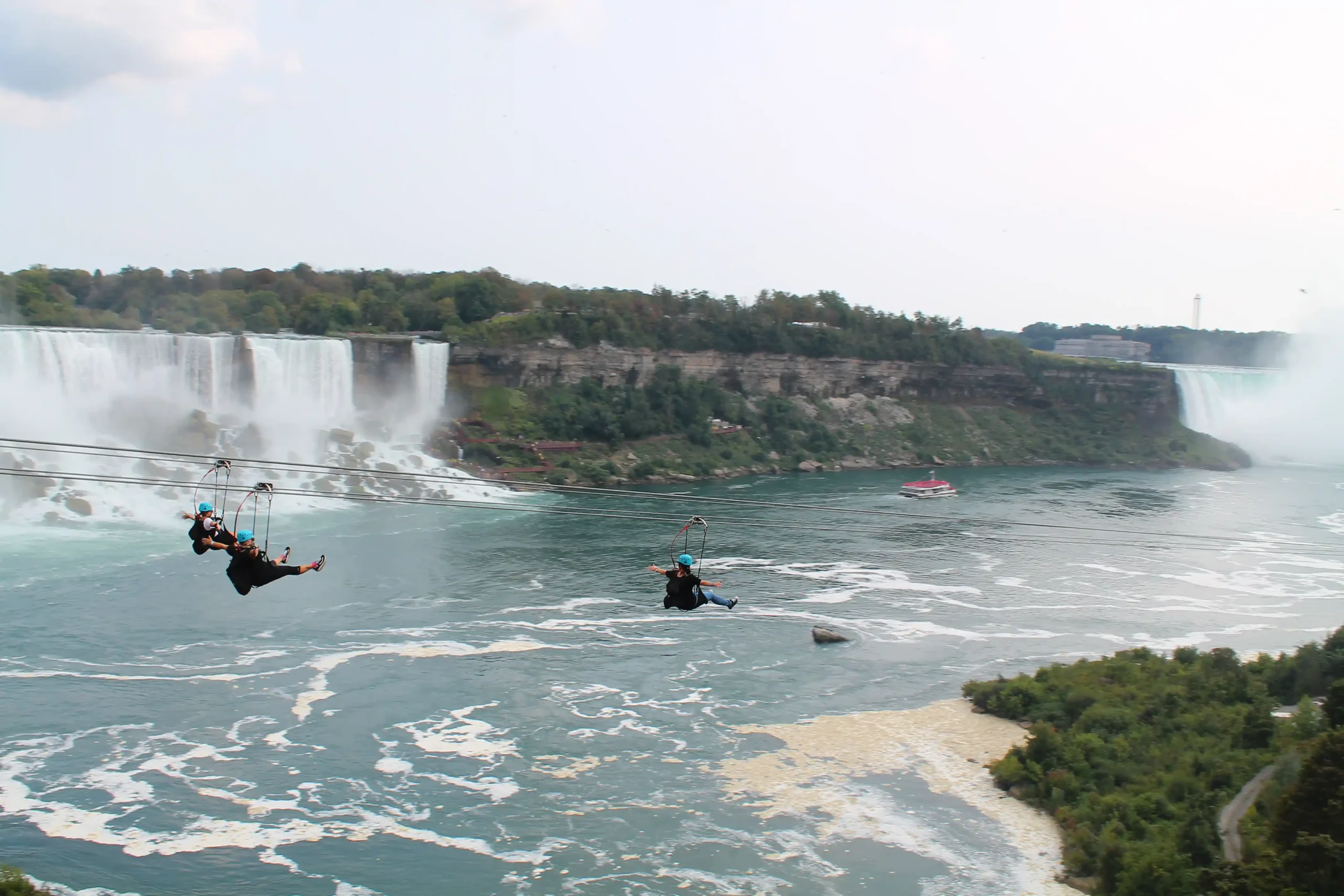
Back on solid ground, explore the sharp, crystalline architecture of the Royal Ontario Museum, often referred to as “The Crystal”, or descend beneath the surface at Ripley’s Aquarium of Canada, home to 16,000 marine animals gliding through 5.7 million litres of water. Wander the cobbled lanes of the Distillery Historic District, browse the stalls of St. Lawrence Market, step inside Casa Loma—a Gothic Revival castle, or lose an afternoon inside the Art Gallery of Ontario. And definitely take a day trip to the thunderous spectacle of Niagara Falls.
© Björn Esperling

© Björn Esperling
To understand Canada, you must understand hockey. At the Hockey Hall of Fame, you can trace the story of the nation’s favourite sport, test your skills, and even touch the legendary Stanley Cup.
Toronto is more than a starting point—it is your introduction to Ontario. A province whose name stems from the word kanadario, meaning “sparkling water”, this fits, as it is home to more than 250,000 lakes. Among them are the vast freshwater shores of Lake Ontario, Lake Huron, and Lake Erie, which form part of the iconic Great Lakes.
Ontario is also home to the largest Indigenous population in Canada, offering rich cultural heritage alongside its stunning landscapes.
Where to stay
Spend your first night just outside Toronto. Indian Line Campground, 45 minutes from downtown, offers pull-through RV sites, clean facilities, a pool, and playgrounds—perfect for families. Toronto West KOA is another great option, with full-service sites, a pool, and easy access to highways leading into Ontario’s wilderness. Both provide a comfortable base before hitting the road.
Toronto to Algonquin Provincial Park
The drive from Toronto to Algonquin Provincial Park takes roughly three hours. Skyscrapers fade into farmland, farmland gives way to forest, and soon the road is lined with endless pine and sparkling lakes—a first true taste of Canada’s wilderness.
Algonquin Provincial Park
© Tony Campbell
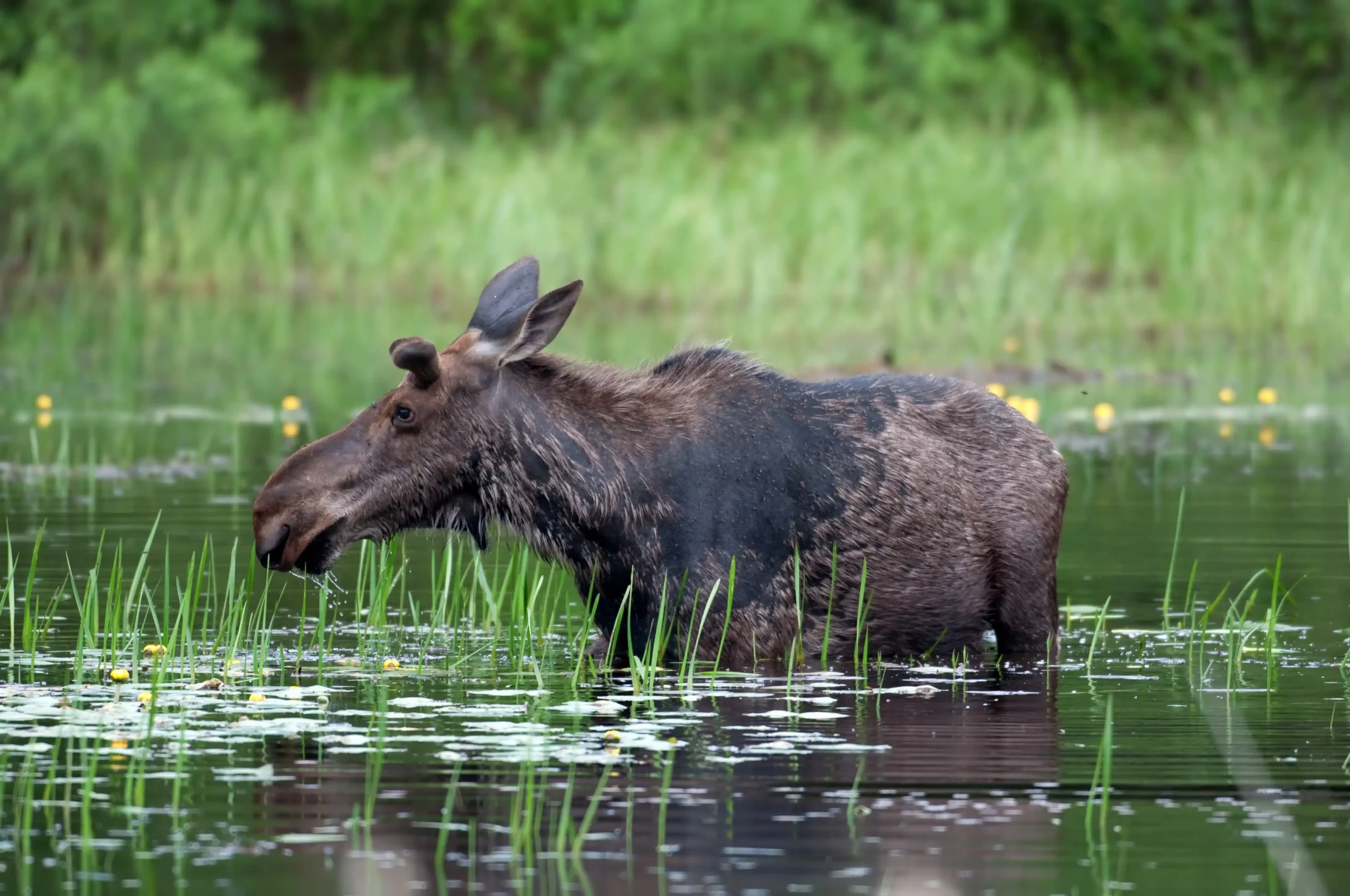
Algonquin is where Ontario reveals its wild heart. It stands out as one of Canada’s premier destinations for canoeing, hiking and wildlife watching—particularly if spotting a moose is high on your list.
Canoe routes wind through a maze of interconnected lakes and rivers, offering endless exploration, while hiking trails range from:
• Gentle lakeside strolls: Peck Lake Trail, Bat Lake Trail
• Elevated lookouts: Centennial Ridges Trail, Lookout Trail, Booth’s Rock Trail
• Wildlife-focused hikes: Mizzy Lake Trail, Beaver Pond Trail
Ontario’s Highway 60 Corridor—a 35-mile (57 km) scenic route cutting through the southern part of the park.
Highlight Drive
Where to stay
Algonquin Provincial Park offers a variety of campgrounds, with 15 main sites to choose from. For more spacious and private options, consider Two Rivers, Rock, Canoe, Peck, Timberwolf, Smoke, Whitefish, or Opeongo.
Availability can be limited, especially during the peak summer months of July and August, so booking well in advance is highly recommended. Staying within the park lets you immerse yourself in its wilderness, enjoy early morning paddles, evening campfires, and the chance to spot wildlife right from your campsite.
Algonquin Provincial Park to Ottawa
The drive from Algonquin Provincial Park to Ottawa takes roughly three hours, transitioning from Ontario’s wild heart to Canada’s vibrant capital.
What to do in Ottawa
At Parliament Hill, admire the iconic Gothic Revival architecture. A stroll or bike ride along the Rideau Canal—a UNESCO World Heritage Site—offers scenic views, and in winter, it transforms into the world’s largest naturally frozen skating rink.
Aviation and space enthusiasts should visit the Canadian Aviation and Space Museum, where historic aircraft and interactive exhibits celebrate Canada’s contributions to flight.
If you’re in the mood for something spooky, try one of Ottawa’s Haunted Walks, exploring the capital’s darker history through ghost stories, hidden alleyways, and centuries-old architecture.
© Sebastian Hudder
For a splash of adventure, whitewater rafting on the Ottawa River with OWL Rafting is a must. Trips range from gentle paddles to heart-pounding rapids, with the most challenging routes almost guaranteed to throw you overboard. After the ride, a boat brings you back to base, where a barbecue awaits.
You can then either relax on a small beach or keep the fun going with canoes, pedal boats, stand-up paddleboards, and volleyball. Several RV sites are available if you feel like staying overnight.
Where to stay
Alternatively, just outside Ottawa, Agape Gardens – Nature Retreat offers a tranquil escape about 30 minutes from the city. Surrounded by trees, you can unwind in the on-site sauna or take a refreshing cold plunge after a day exploring the capital. A closer option would be Wesley Clover Parks Campground.
Ottawa to Mont-Tremblant
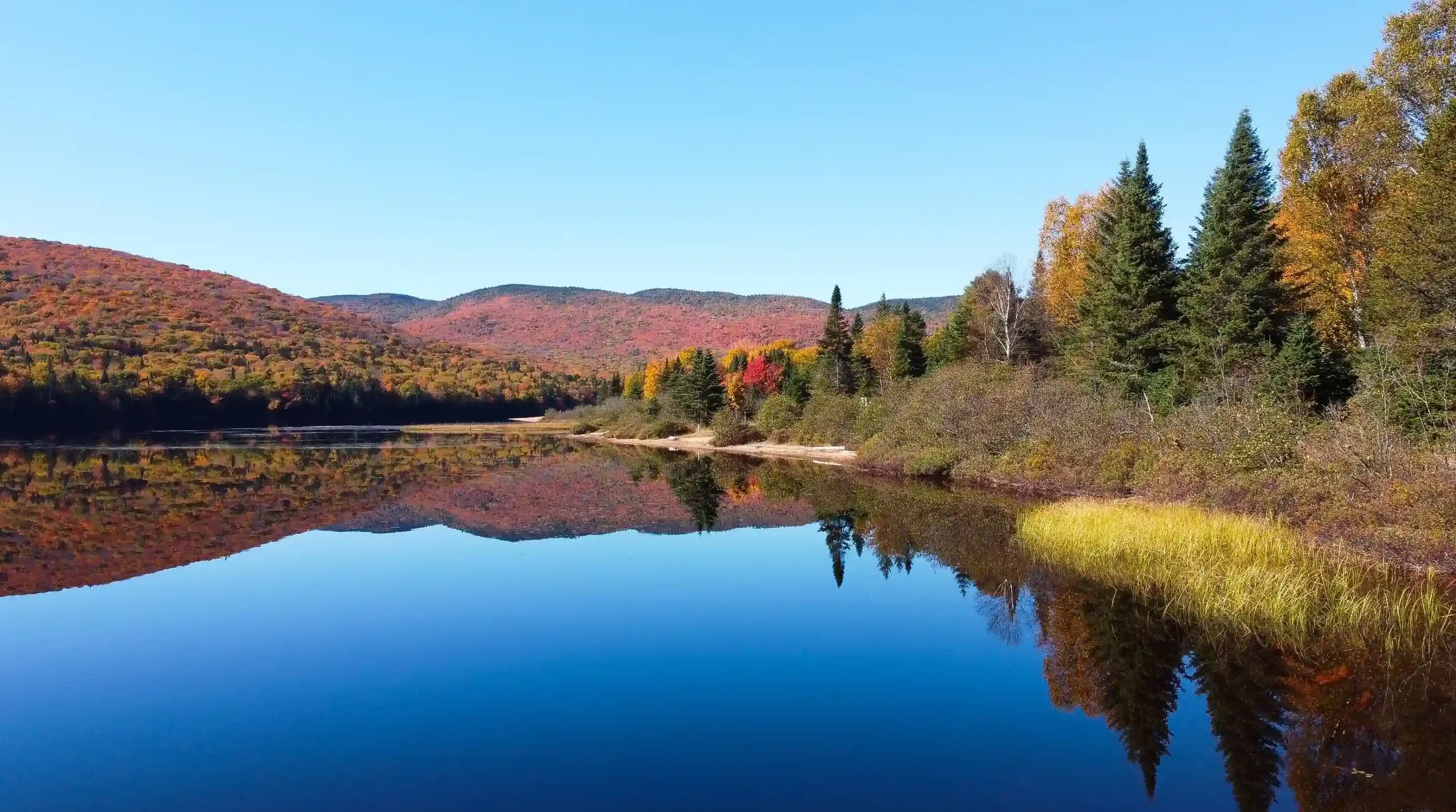
The drive from Ottawa to Mont-Tremblant is roughly 95 miles (150 km), winding through the scenic landscapes of Quebec’s Laurentian Mountains.
© Jalladeau Estelle
Mont-Tremblant: Adventure in the Laurentian Mountains
Nestled in the heart of Quebec’s Laurentian Mountains, Mont-Tremblant is a year-round playground for outdoor enthusiasts. In winter, the slopes attract skiers and snowboarders, while summer brings:
• Hiking: La Corniche Trail, Le P’tit Train du Nord
• Mountain biking: Lake Tremblant loop, Mont du Lac loop
• Water activities: Paddleboarding and kayaking on Lac Tremblant, or canoeing and boating with the family on the calmer waters of Lac Mercier
Mont-Tremblant to Québec City: Journey into French Canada
The drive from Mont-Tremblant to Québec City is roughly three hours, taking you deeper into the heart of French-speaking Québec.
Québec City
© Macy Nguyen
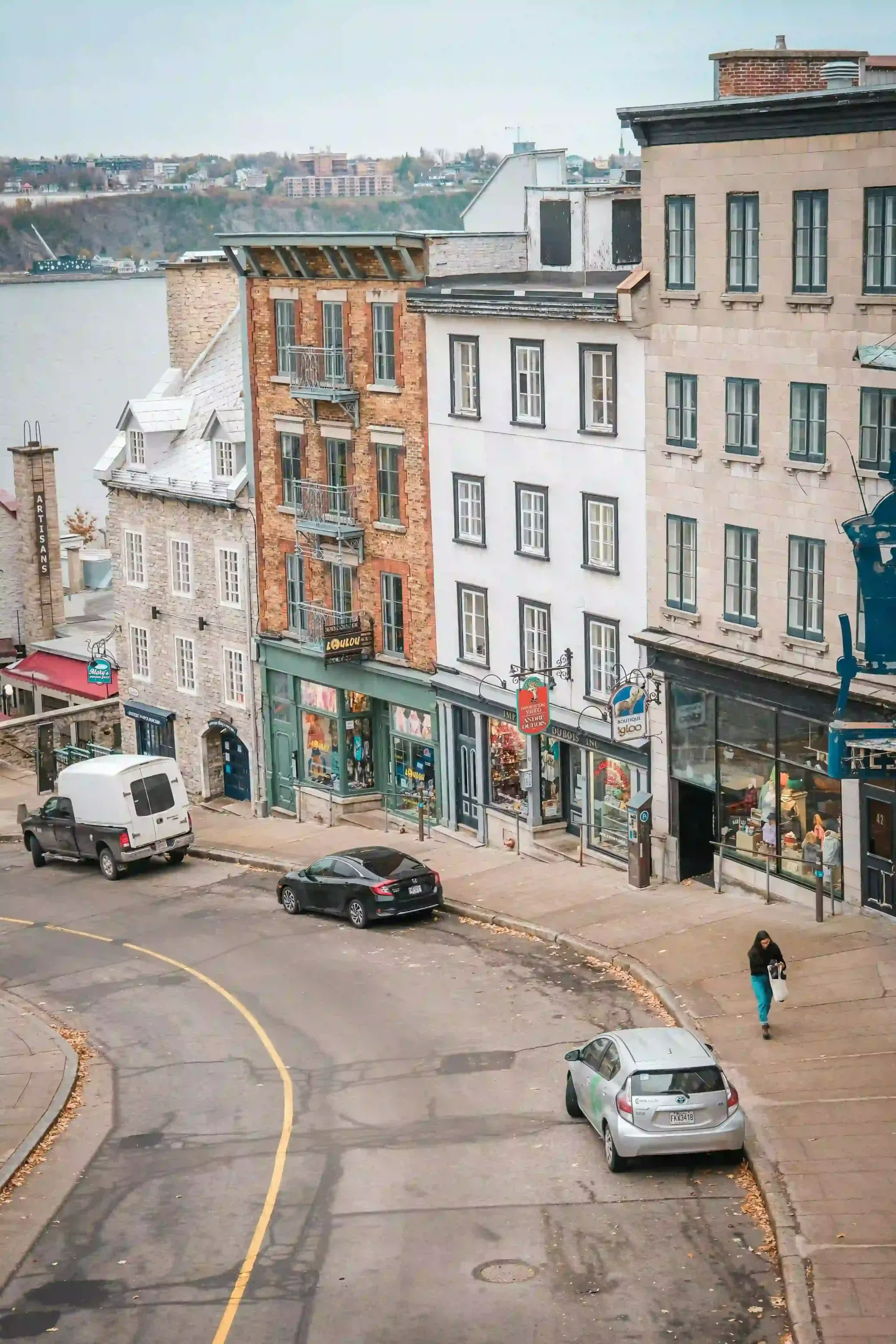
Québec City is a true enclave of French culture in North America, where cobblestone streets, centuries-old architecture, and a European flair throw you back in time.
Just minutes from the city, Montmorency Falls plunges 275 feet (83 m)—one and a half times taller than Niagara Falls. You can admire the falls from below, ride a gondola to the top, hike one of the three Via Ferrata trails, or zip line across the cascade.
For a deeper connection to nature, Jacques-Cartier National Park lies a short drive away, where you can hike, canoe, and watch wildlife along the dramatic valleys of the Jacques-Cartier River.
Trail highlights:
• Les Loups (panoramic views)
• L’Éperon (fall foliage)
• Les Cascades loop (family-friendly)
Québec City seamlessly blends cultural charm with outdoor adventure, making it an essential stop on any Eastern Canada travel itinerary.
Where to stay
For a stay close to the city, Boisé de la Chaudière – Condo Camping provides a quiet, wooded base. If you’d rather be near the mountains, Camping Mont-Sainte-Anne places you within easy reach of scenic hiking and cycling trails.
If you already want to drive towards Tadoussac and fancy camping by the water, Camping municipal de Saint-Siméon makes an ideal stop along the St. Lawrence River.
Québec City to Tadoussac
The drive from Québec City to Tadoussac takes about three hours. The route follows the scenic north shore of the St. Lawrence River, offering rolling hills, dense forests, and glimpses of the river along the way.
Tadoussac
© Alexandre Brondino
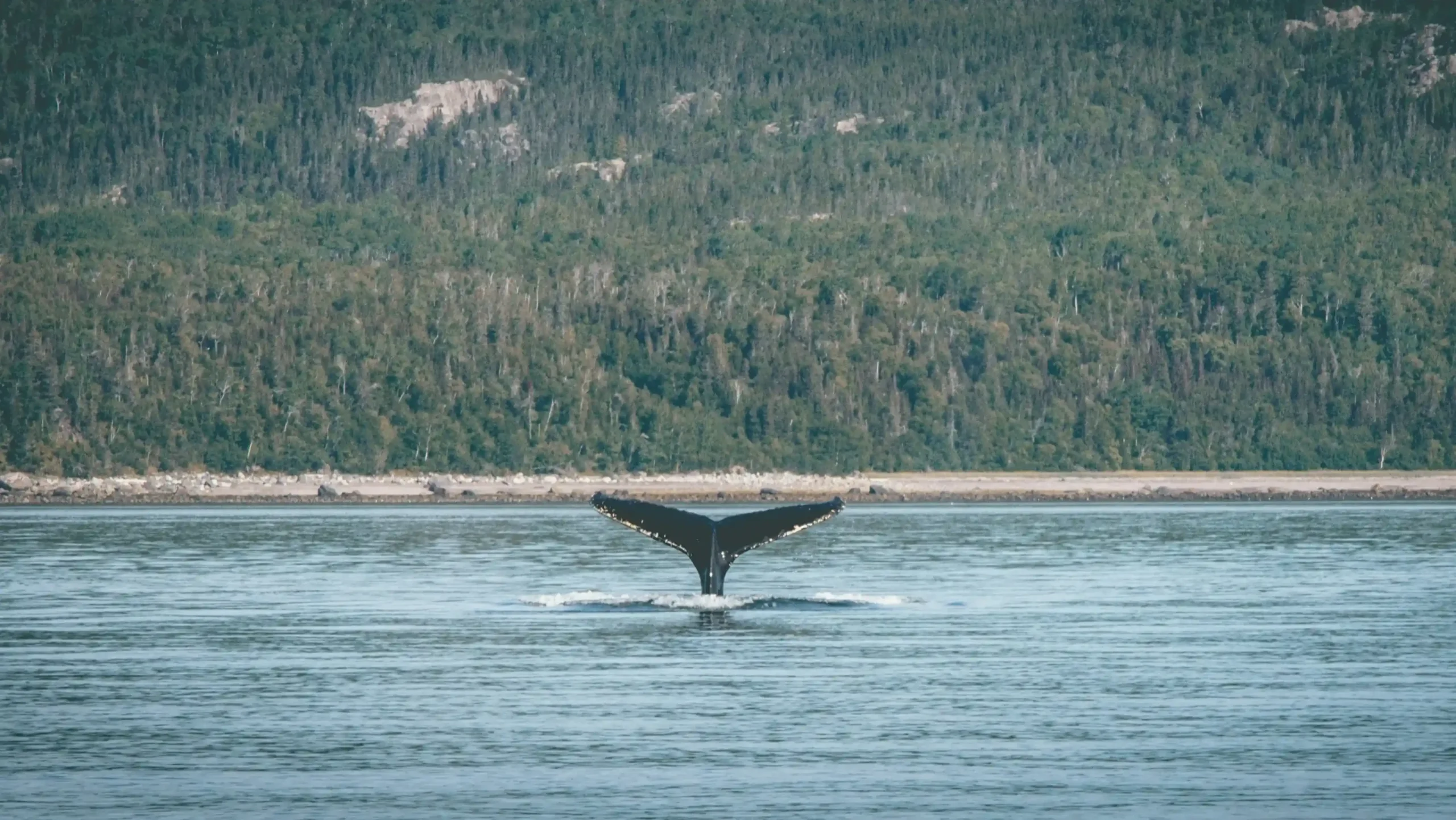
Tadoussac is Canada’s oldest village, set on one of the world’s most stunning bays. It is internationally celebrated for whale-watching, with sightings from May to October of humpback, minke, and blue whales, alongside playful belugas in the calmer stretches of the St. Lawrence River.
Beyond the whales, Tadoussac offers charming streets lined with historic buildings, small cafés, and artisan shops that showcase the local culture. Hiking trails wind through coastal forests, offering panoramic views of the Saguenay Fjord and the St. Lawrence River.
Trail highlights:
• Pointe-de-l’Islet Trail (wildlife)
• Sentier du Fjord (cliffside views)
• Tadoussac Dunes Trail (river views)
Tadoussac to Mauricie
The drive from Tadoussac to Mauricie, is one of the longer stretches of this Eastern Canada travel itinerary, spanning roughly 250 miles (400 km).
Mauricie
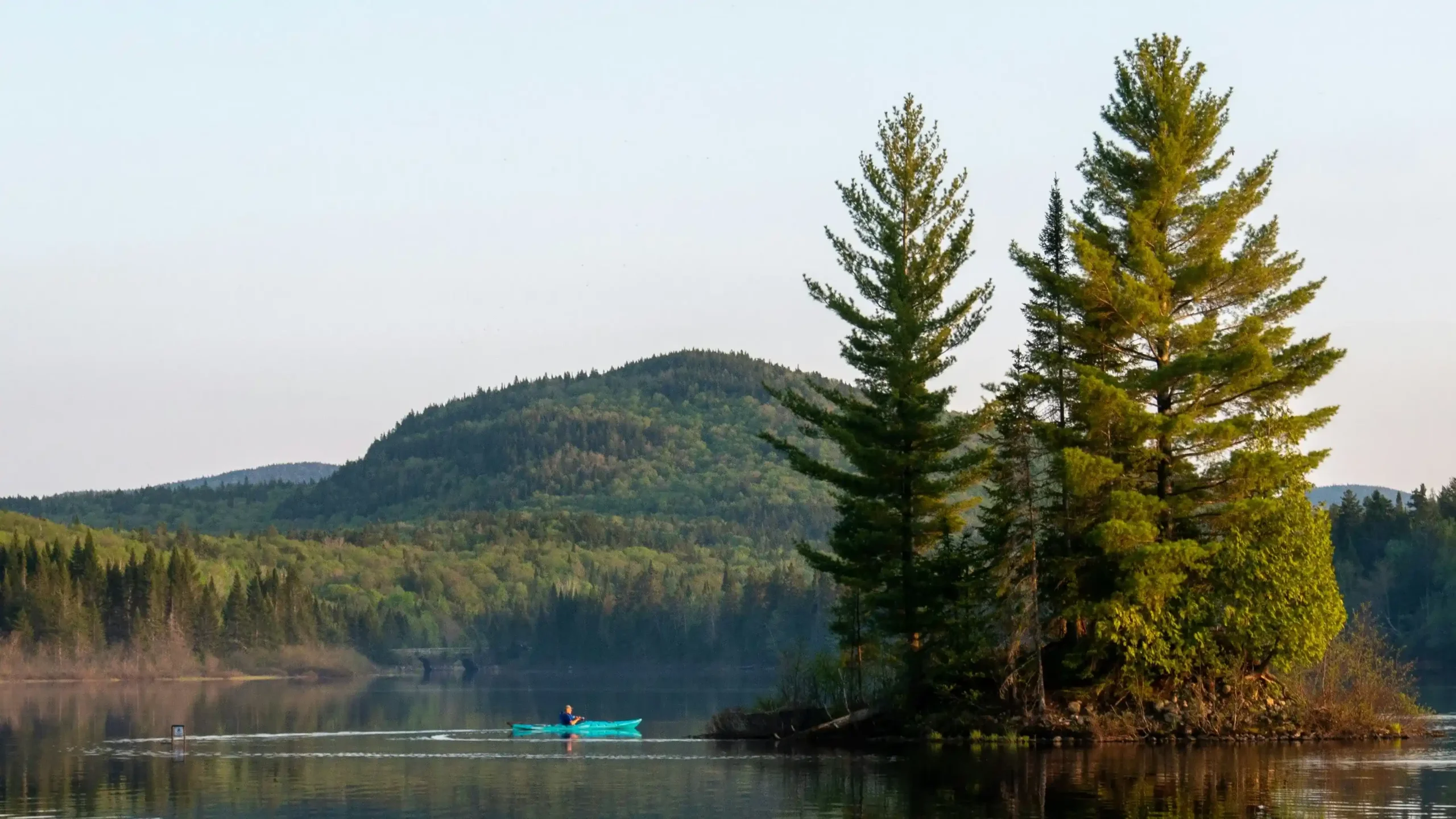
© Raphael Assouline
Largely defined by La Mauricie National Park, the region is made for exploration. Paddle across the tranquil waters of Lake Wapizagonke at dawn or dusk to spot local wildlife or wander along forested trails to the secluded Waber Falls.
In summer, the lakes offer excellent fishing, while in winter the park becomes a playground for fatbiking and cross-country skiing, making Mauricie a destination for all seasons.
Where to stay
Camping La Tuque offers a practical stop just outside the park, letting you stay immersed in forested surroundings.
Mauricie to Montreal
The drive from Mauricie to Montreal takes roughly 4.5 hours.
Montreal
Montreal pulses with creativity, blending European flair with North American vibrancy. From the crest of Mount Royal to the shores of the St. Lawrence River, the city is buzzing with culture, art, and history.
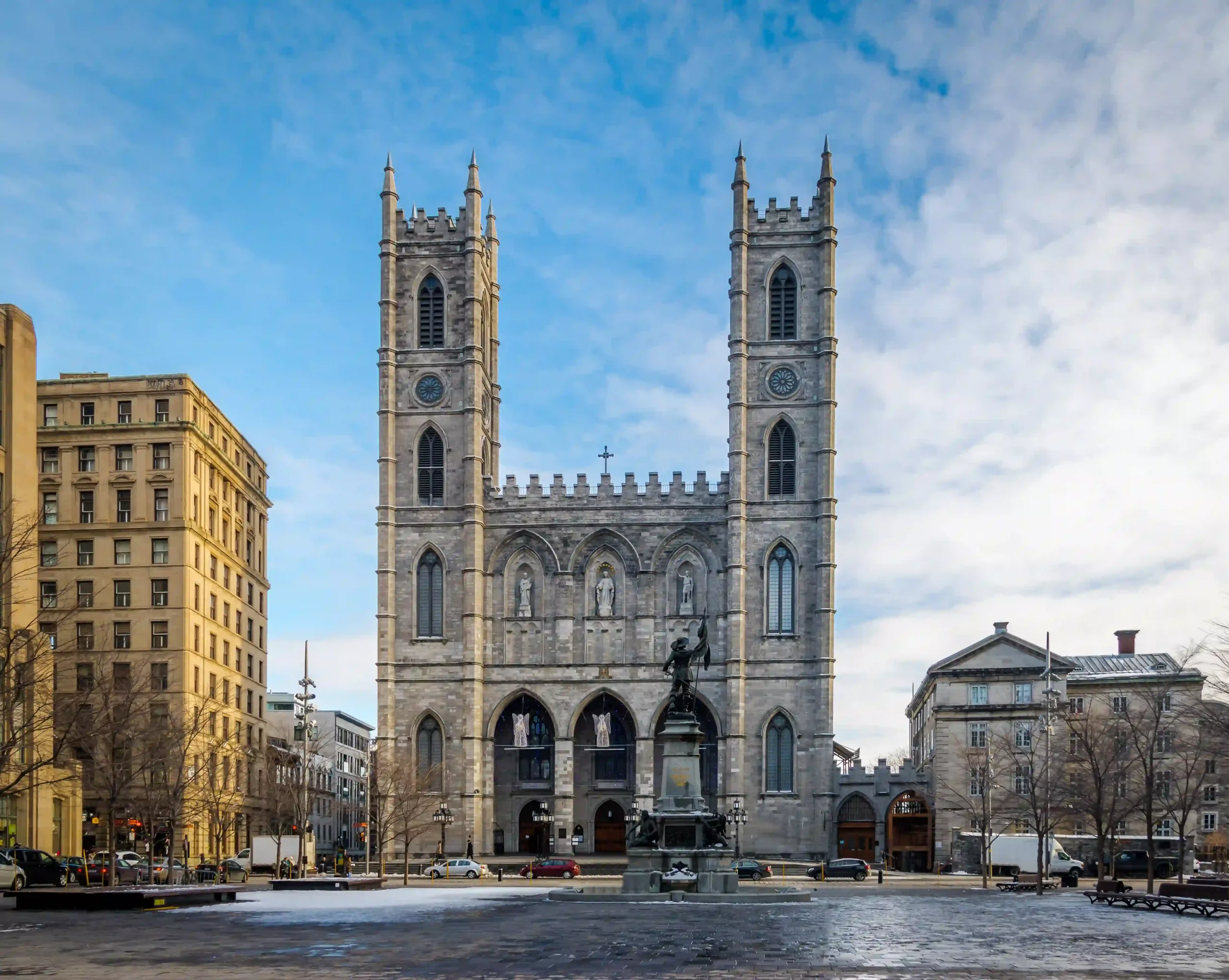
© Diego Grandi
In the Old Port, the two towers of the Notre-Dame Basilica of Montreal rise above the skyline. Completed in 1829, it’s the first Gothic Revival-style church in Canada, and stepping inside reveals an interior as breathtaking as its exterior.
Mount Royal sits at the heart of downtown, offering panoramic city views, while St. Joseph’s Oratory—Canada’s largest church—commands the skyline with its monumental dome, only surpassed in height by Saint Peter’s Basilica.
Montreal also features the remarkable RÉSO, also known as the “underground city”, a network of nearly 20 miles (32 km) of tunnels connecting shopping centres, subway stations, hotels, museums, and entertainment venues. Here, you can explore over 2,000 stores, 17 museums, an ice hockey arena, a movie theatre, nightclubs, and countless restaurants—all without ever stepping outside.
The city is a vibrant tapestry of old and new, where history, architecture, and modern urban life coexist seamlessly, making it a must-see stop on any Eastern Canada travel itinerary.
Where to stay
In and around Montreal, you’ll find several convenient options for parking your motorhome while keeping the city within reach. Camping Sogerive sits directly on the St. Lawrence River, with a river shuttle departing just two minutes away and running hourly to Montreal’s Old Port.
As alternatives, Montreal West KOA features spacious pull-through RV sites along with modern facilities, while Camping La Clé des Champs provides well-maintained sites in a peaceful setting.
Montreal to Kingston
Before your final stretch back to Toronto, take a scenic drive from Montreal to Kingston.
Kingston
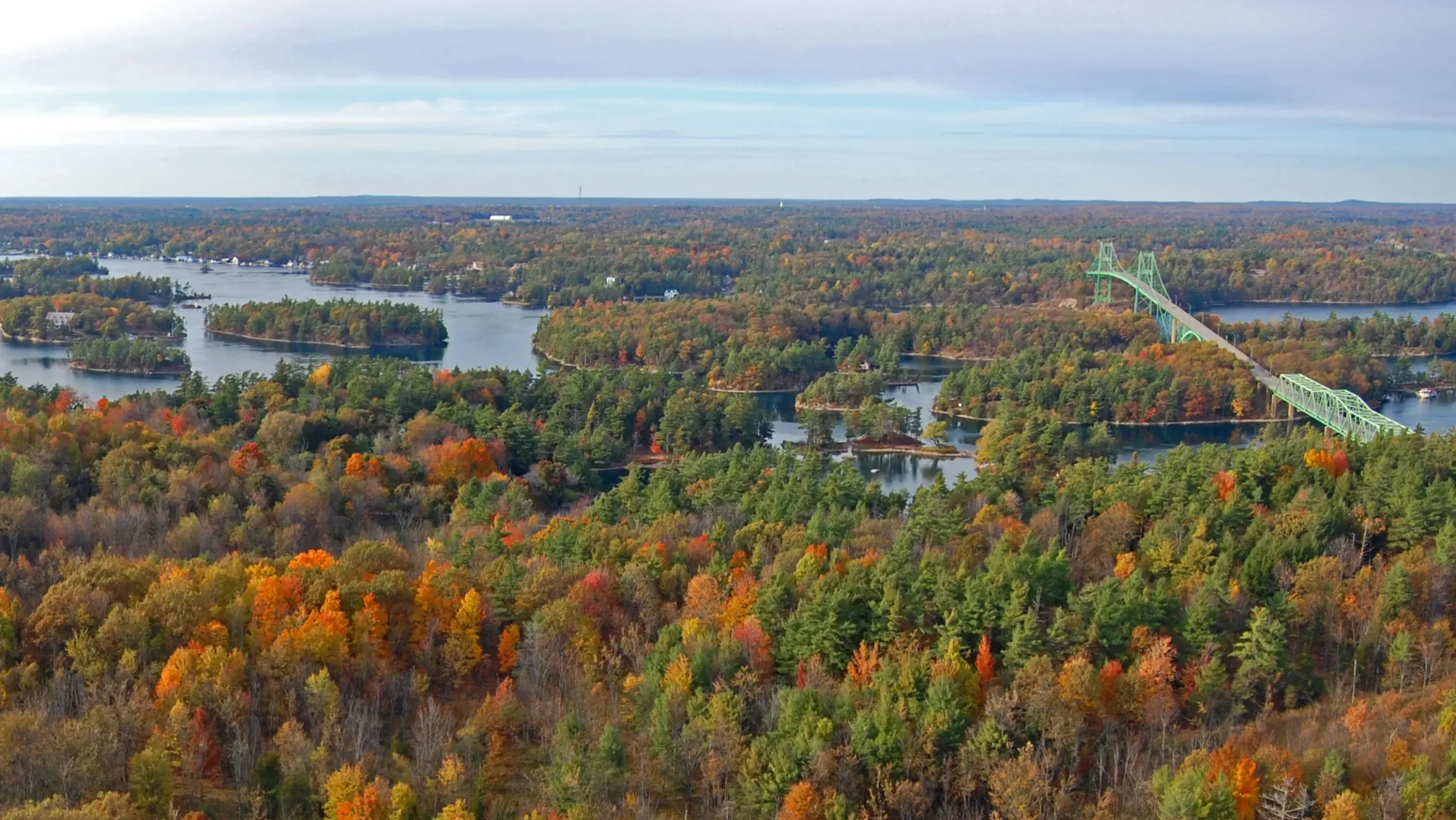
© Wangkun Jia
Often referred to as the “Limestone City” for its impressive 19th-century stone buildings, Kingston sits at the meeting point of Lake Ontario, the St. Lawrence River and the Rideau Canal. Its waterfront setting and historic streets give the city a distinctive character.
Take a boat cruise from Gananoque through the nearby Thousand Islands, or explore the scenic Prince Edward County, famous for its wineries and sandy beaches.
Where to stay
1000 Islands / Kingston KOA is located just a short drive from downtown Kingston and makes a convenient base for exploring the city and the Thousand Islands region. The campsite offers full-service RV sites along with clean washrooms and showers, laundry facilities, and a well-stocked camp shop.
Completing the loop: Return to Toronto
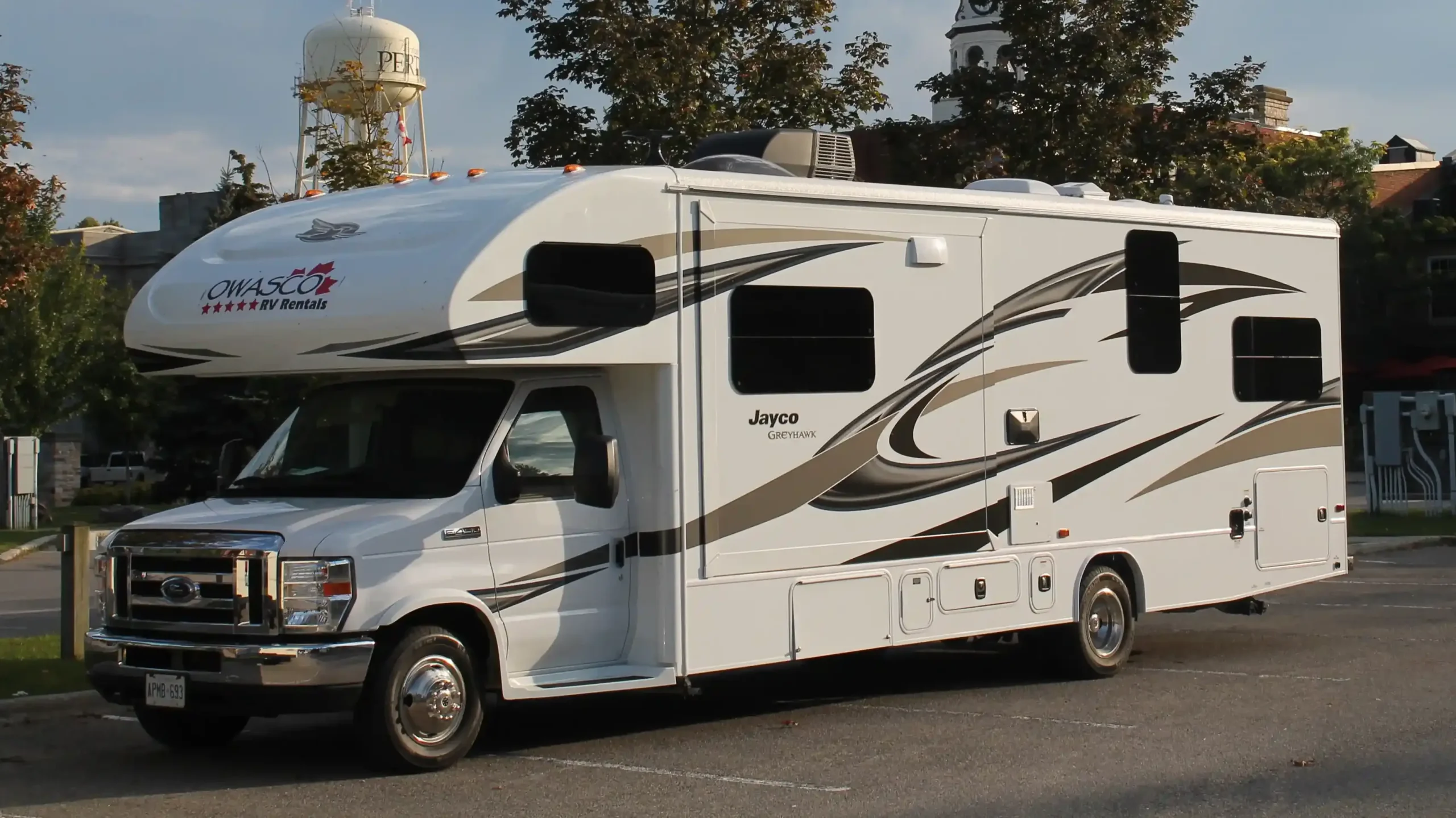
The final drive from Kingston back to Toronto completes your 18-day Eastern Canada travel itinerary. Back in Toronto, you can catch anything you didn’t manage at the start of your journey.
© Björn Esperling
With that, you’ve now completed one of the most scenic routes in Canada.
Montreal as an alternative start to the loop
There’s also the option to start your journey in Montreal. CU | Camper also offers a wide range of campervans there, allowing you to follow the same loop in reverse. Whether beginning in Toronto or Montreal, this Eastern Canada travel itinerary promises a complete, immersive experience.
Best time to visit
The ideal time to travel really comes down to the type of adventure you’re looking for. For most campervan journeys, May to September provides an ideal balance of weather, accessibility, and vibrant atmosphere—allowing you to fully experience both the urban energy and wild beauty of Eastern Canada.
Late September and October are arguably the most visually striking months. Forests across both provinces turn brilliant shades of red, amber, and gold, and popular sights are noticeably quieter.
Some seasonal campsites begin to close.
Note
From November to March, winter settles in and transforms the landscape into a snow-covered playground. This is the season for skiing, snowshoeing, and fat biking—especially in Quebec.
Before or after a motorhome trip, it’s often a good idea to spend a few days in a major city.
Normandy road trip
This 8-day Normandy road trip connects dramatic chalk cliffs and WWII landing beaches with lush valleys, and the iconic Mont Saint-Michel—creating a captivating journey through the region’s coast and countryside.
RV rental San Francisco
Resting dramatically on the edge of Northern California, San Francisco is widely considered one of the best cities in the US. Celebrated around the world for its iconic landmarks, vibrant…
My first trip to Canada
Buckle up for my first-ever Canadian adventure! Experience the magic of the Rockies from the driver’s seat of a Fraserway RV, featuring close-up wildlife encounters, roaring canyon waterfalls, and views that will leave you speechless.

Camping Paris
Experience a city shaped by its visual harmony, culture of leisure, and devotion to style.
Norway and Finland motorhome itinerary
A 10-day motorhome journey from Rovaniemi to the North Cape. Encounter reindeer in Lapland and witness the Midnight Sun at the edge of the continent.
Calgary to Vancouver road trip
Journey along the Rockies on your way from Calgary to the Pacific coast. Drive past turquoise lakes and massive glaciers, exploring the best of the mountain wilderness in a motorhome.