© EB Adventure Photography
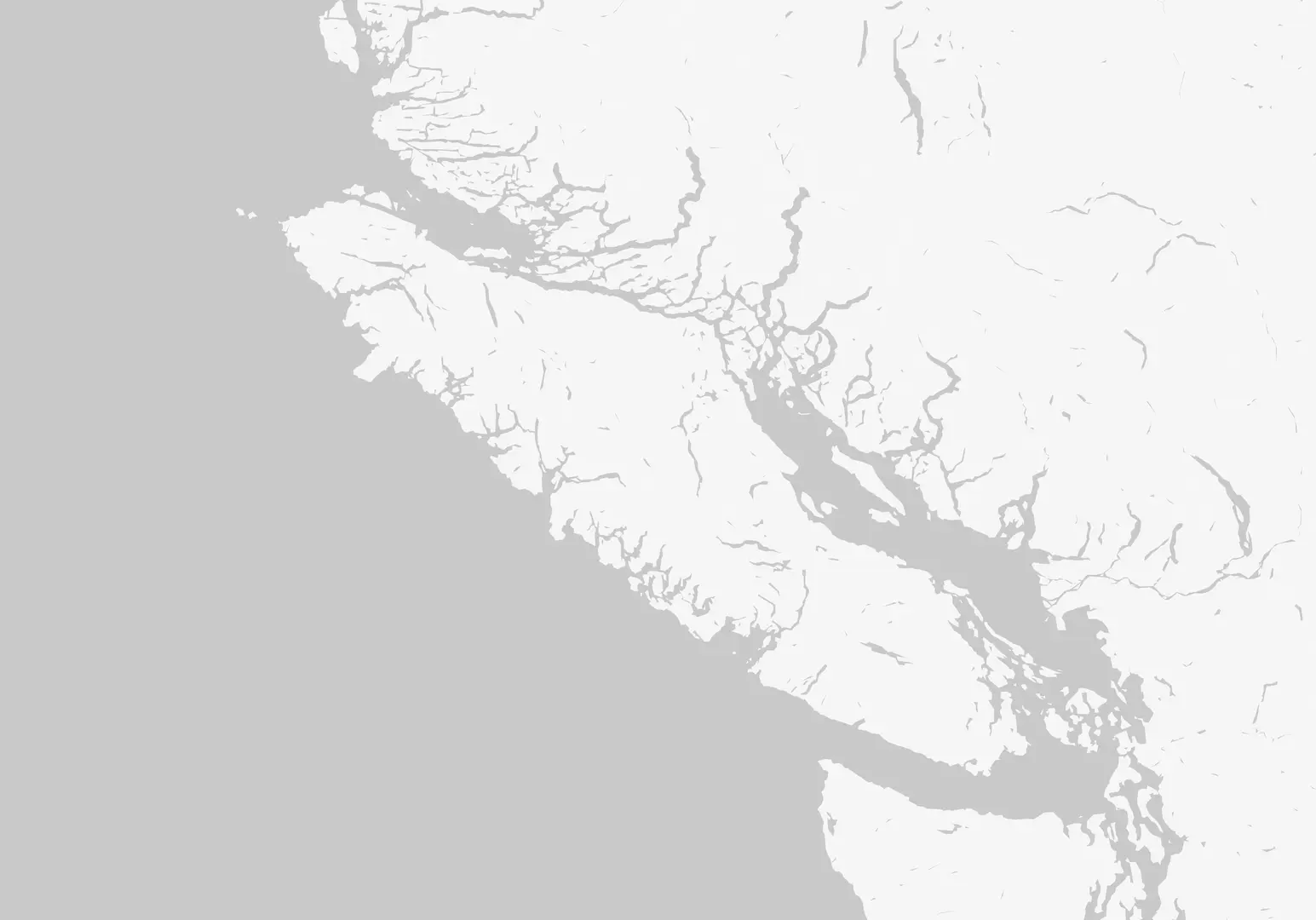
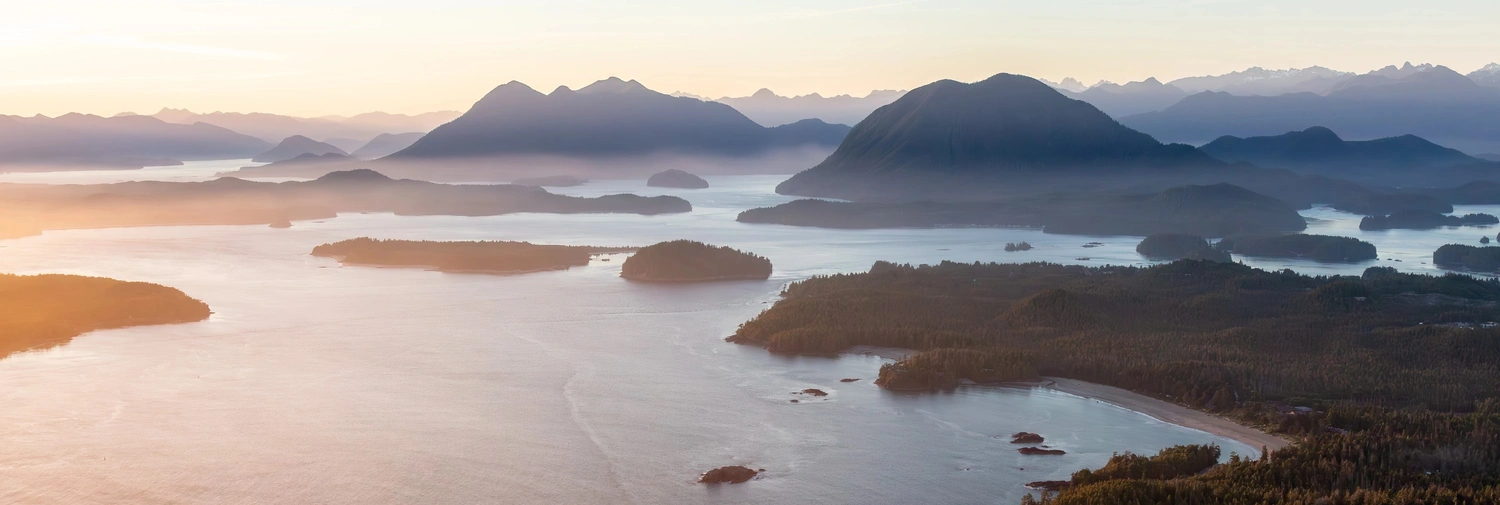
Tucked along Canada’s rugged Pacific coastline, Vancouver Island is a place where wild beauty and boundless freedom coexist. Stretching some 286 miles (460 km) from the capital Victoria in the south to Cape Scott in the far north, it feels like a world apart—a realm of towering forests, windswept beaches, and horizons that seem to go on forever. “Tall trees and cold seas”—a phrase that perfectly captures this unique place.
If you’re planning a Vancouver Island itinerary, you’ll find the journey is just as rewarding as the destinations. Whether you come for adventure or tranquillity, Vancouver Island invites you to breathe deeply in one of the most diverse ecosystems on Earth.
Exploring the island by campervan
And the best way to experience it all? Behind the wheel of a campervan, moving at your own pace. With a wide network of campgrounds scattered across the island, you can park almost anywhere. With multiple campervans available through CU | Camper in Vancouver, the city is a perfect starting point for your Vancouver Island itinerary.
Highlights
- Scenic ferry crossing to Vancouver Island
- Nanaimo’s Harbourfront Walkway
- Cathedral Grove ancient trees
- Surfing at Tofino
- Pacific Rim National Park Reserve
- Victoria’s Inner Harbour
- The Butchart Gardens
This itinerary covers roughly 600 miles (1,000 km), depending on stops and detours. To truly make the most of the places you visit, a minimum of ten days is recommended, allowing 1–2 days in Nanaimo, Campbell River, Tofino, Victoria, and Vancouver to fully experience the island.
| Day | Route / Destination | Driving time | Highlights |
| 1–2 | Vancouver → Nanaimo (via ferry) | ~1.5–2 hrs | Views of the Gulf Islands, stroll along Harbourfront Walkway, explore Old City Quarter, coastal views at Pipers Lagoon Par |
| 3 | Nanaimo → Campbell River | ~2 hrs | Scenic coastal drive along Highway 19A, visit Elk Falls Provincial Park, hike in Strathcona Provincial Park |
| 4–6 | Campbell River → Tofino | ~4–5 hrs | Stop at Little Qualicum Falls Provincial Park, giant trees in Cathedral Grove, surf at Cox Bay, explore beaches in Pacific Rim National Park Reserve |
| 7–9 | Tofino → Victoria | ~5 hrs | Scenic cross-island drive, explore the Inner Harbour, visit Fisherman’s Wharf, stop by The Butchart Gardens |
| 10 | Victoria → Vancouver (via ferry) | ~45 min + ferry | Scenic ferry crossing |
Crossing to Vancouver Island
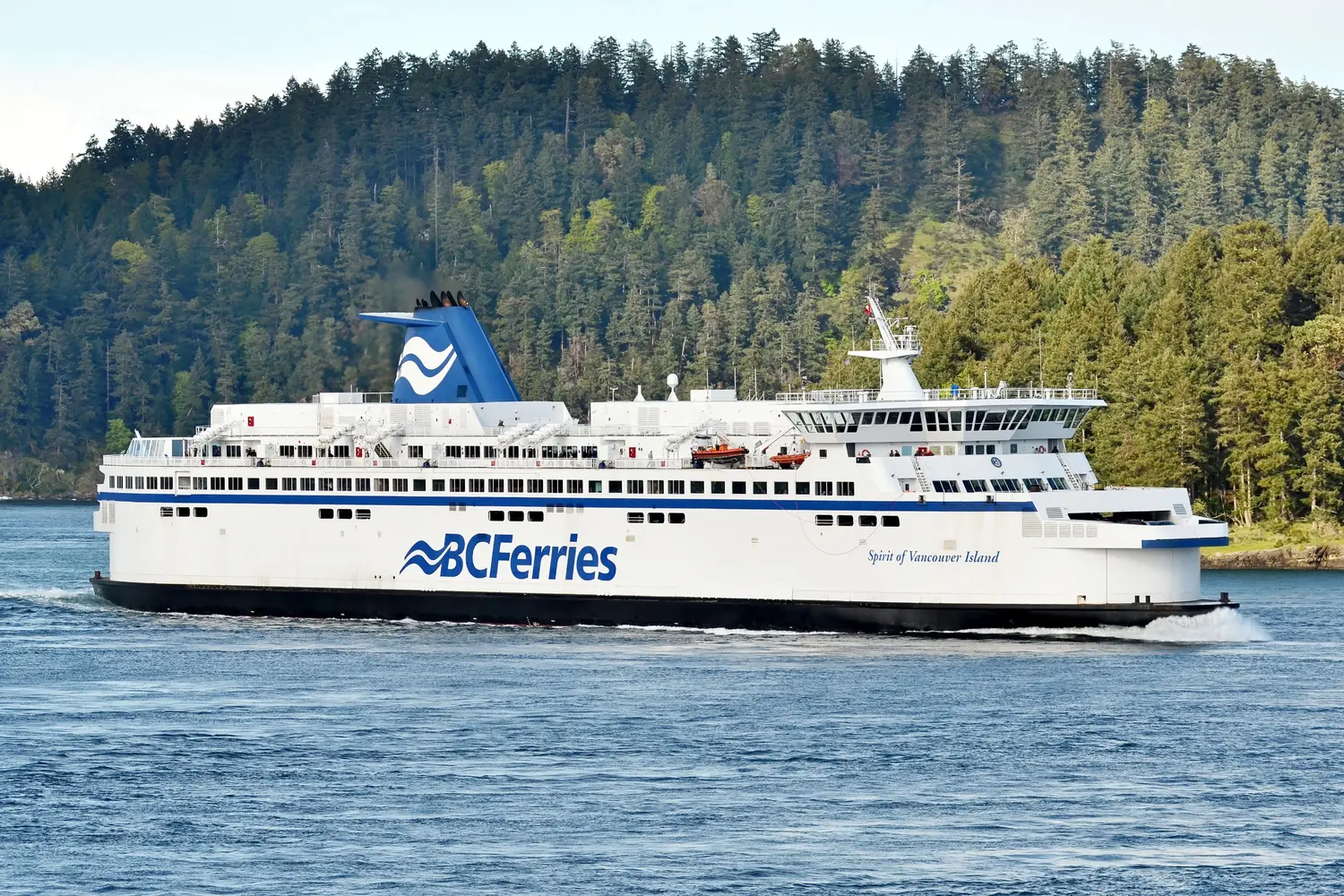
Your adventure begins with a ferry ride from Vancouver’s Horseshoe Bay to Nanaimo’s Departure Bay. The BC Ferries crossing takes about 1.5 to 2 hours.
© Scott Arkell
As the city skyline fades behind you, you can marvel at views of the Gulf Islands. The crossing sets the tone: slow down, breathe deep, and let the island’s wild beauty take over.
First stop on your Vancouver Island itinerary: Nanaimo
When you roll off the ferry at Nanaimo, before rushing onwards, take a day or two to explore this vibrant harbour city and its surroundings.
Things to do in Nanaimo
Stroll along the Harbourfront Walkway at Maffeo Sutton Park, where seaplanes skim the surface and fishing boats rock softly in their moorings. Explore the quirky Old City Quarter, full of cosy cafés and unique shops, or make your way to Piper’s Lagoon Park and enjoy the waterfront views.
Just south of town lies the quiet community of Cedar, home to scenic spots like Jack Point and Cable Bay Trail. Both offer leisurely coastal walks with panoramic views across the Strait of Georgia—and, if you’re lucky, the occasional seal or whale sighting.
Where to stay in Nanaimo
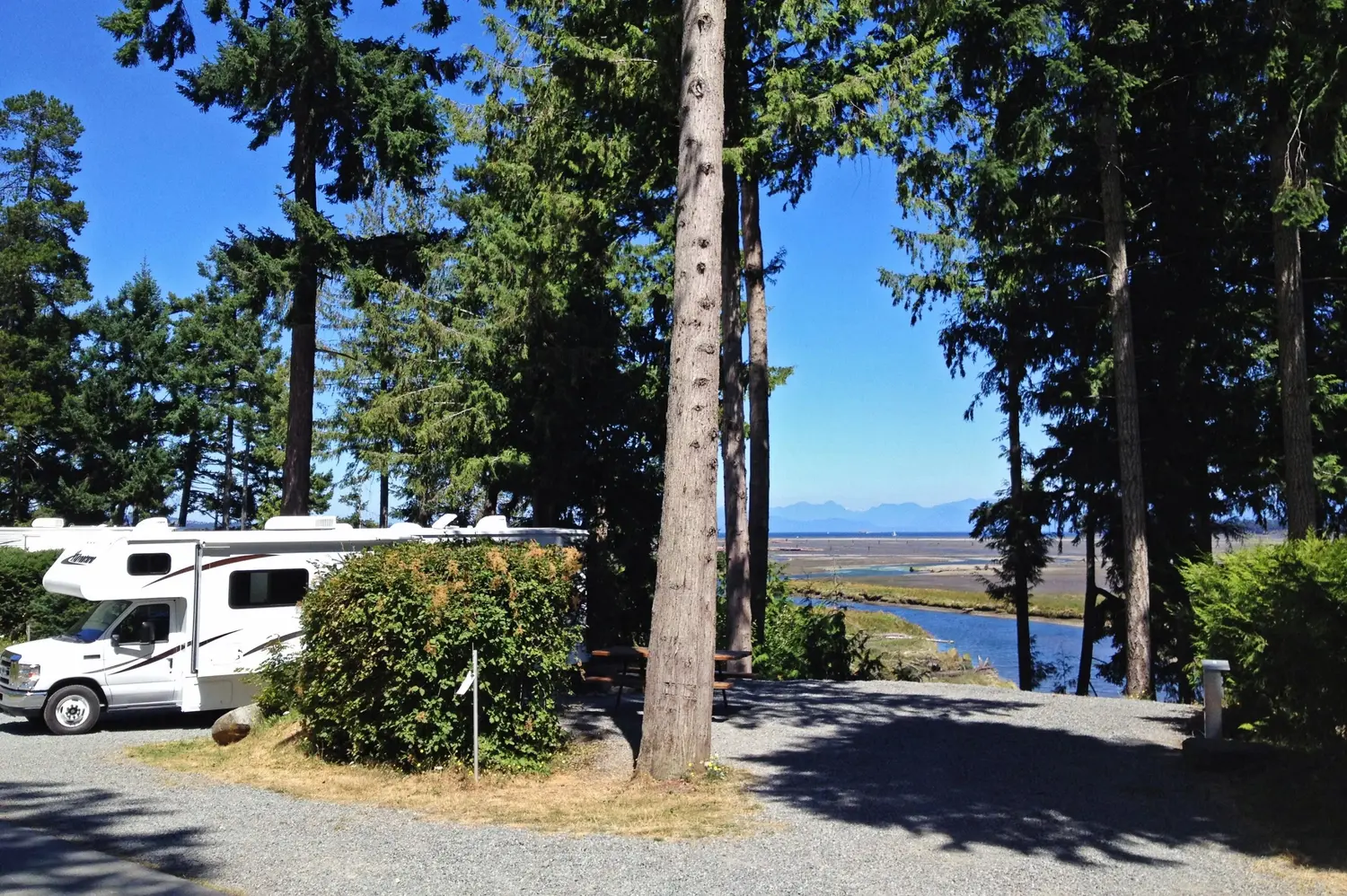
Living Forest Oceanside Campground—one of the most scenic campsites on the island, situated among towering trees and overlooking the water.
© Johannes Finke
Up the east coast
From Nanaimo, follow Highway 19A, the slower, scenic coastal route that traces the island’s eastern shoreline all the way to Campbell River. It’s roughly 100 miles (160 km)—a 2.5-hour drive if you go straight through. A scenic path runs alongside this highway called The Rotary Seawalk—it features driftwood sculptures by Alex Wickham. Grab a coffee at Fogg Dukkers—a quirky converted bait shop right on the beach.
Campbell River: The salmon capital of the world
Campbell River has earned the nickname “Salmon Capital of the World”—and it’s easy to see why. From May to October, anglers line the piers as salmon return to these waters, while bald eagles soar overhead, waiting for their chance at a meal.
Things to do in Campbell River
Just a few minutes away lies Elk Falls Provincial Park, home to a dramatic suspension bridge spanning a canyon, with waterfalls thundering below. For a deeper wilderness experience, head west into Strathcona Provincial Park—the island’s oldest park and a paradise for hikers. Glacier-fed lakes reflect the surrounding snow-covered mountains, while trails such as Bedwell and Elk River lead you deep into the island’s untouched wilderness.
Where to stay in Campbell River
If you’re looking for a place close to town, Thunderbird RV Park is a great choice, right on the waterfront. Another spot surrounded by forest with lake views is Loveland Bay Provincial Park.
Heading west: Campbell River to Tofino
The road from Campbell River to Tofino is one of Canada’s most scenic drives—168 miles (270 km) of ever-changing scenery, winding through mountain passes, beside lakes, and deep into rainforest.
© Lukas Lacina
Follow Highway 19 south for about an hour before joining Highway 4 at Qualicum Beach, the route that cuts across the island.
You’ll pass one beautiful natural spot after another along the way. Little Qualicum Falls Provincial Park is well worth the stop, and nearby Cameron Lake offers a stunning spot for a break or a chilly swim—if you’re brave enough for the cold water.
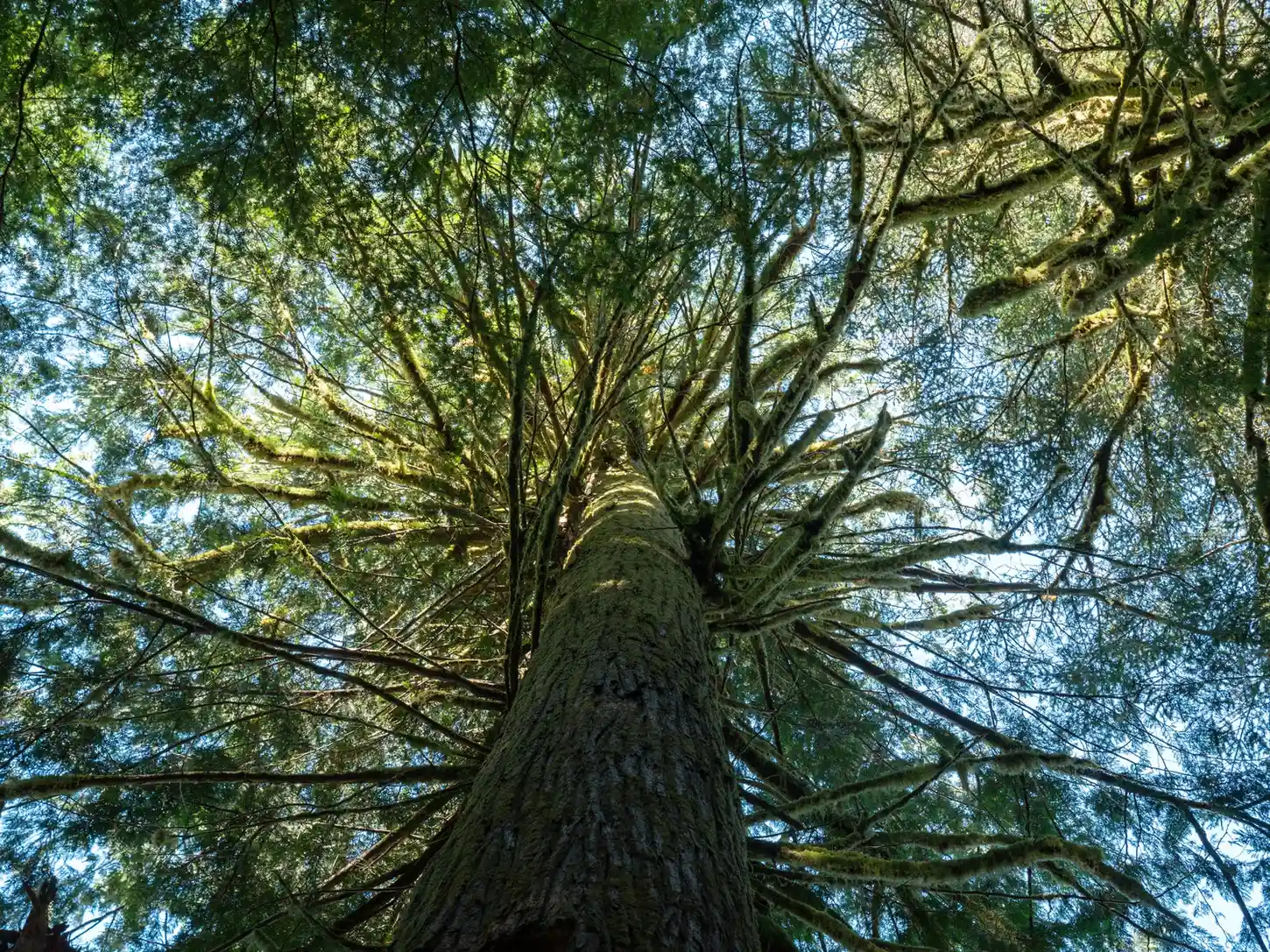
Then comes Cathedral Grove in MacMillan Provincial Park. Here ancient Douglas firs rise up to 250 feet (75 m) tall—some more than 800 years old—their trunks so wide it takes several people to wrap their arms around them. It’s nature’s own cathedral and a reminder that this Vancouver Island itinerary is anything but ordinary.
Make a stop at the Hole in the Wall near Port Alberni, then carry on to the Taylor River Rest Area with its striking turquoise pools—ideal for Instagram-worthy pictures.
Tofino: Canada’s surf capital
Tofino, a small town on the island’s rugged west coast, is the beating heart of Canadian surf culture—a place where life moves to the rhythm of the tides and a must-visit on any Vancouver Island itinerary.
Surfing in Tofino
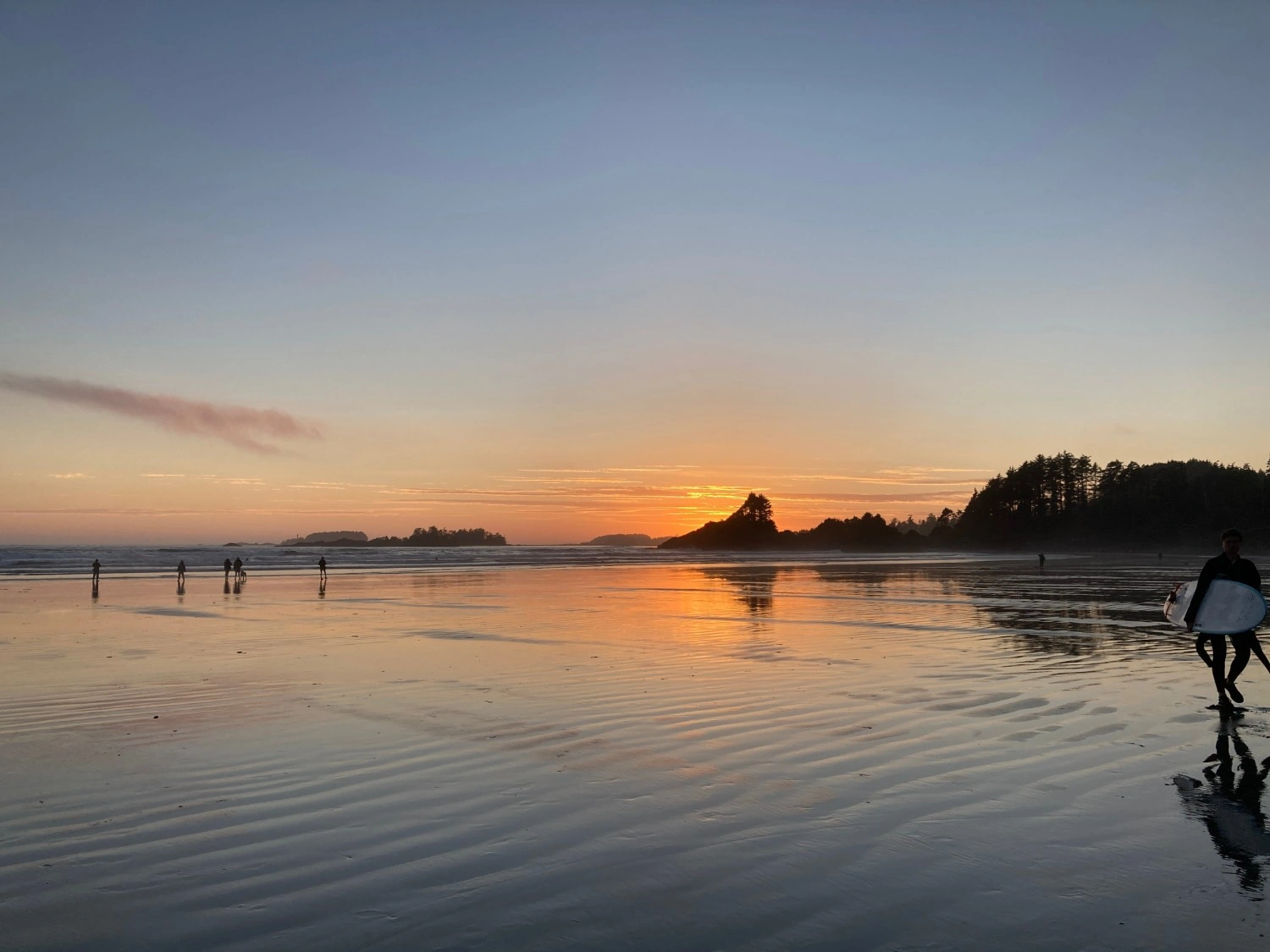
At dawn, surfers make their way down to Cox Bay, boards underarm, as the first light catches rolling swells. Even if you’ve never surfed before, the atmosphere is contagious.
© kzandbeek
Summer brings calmer waves—ideal for beginners.
Tip
Local surf schools and rental shops make it easy to join in. For gear and guidance, Pacific Surf Co. is a trusted local hub, offering lessons for every level, with their base right at Surf Grove Beachside Campground, the only campground directly on Cox Bay.
Exploring Pacific Rim National Park Reserve
Beyond the surf, Pacific Rim National Park Reserve stretches along the coastline. It’s a wild mosaic of beaches, islands, and old-growth forest trails. Walk the Rainforest Trail, paddle a kayak through quiet inlets, or take a whale-watching tour to spot grey whales and orcas between March and September.
Where to stay in Tofino
As I mentioned above, Surf Grove Beachside Campground is a great spot on the oceanfront right at the heart of the action. A pet-friendly alternative would be Bella Pacifica Campground.
Wild camping is not permitted in the Tofino area—stick to authorised campgrounds.
Tip
Food highlights in Tofino
- Tacofino: The legendary taco truck.
- Shelter Restaurant: Serving seasonal, wild-caught seafood.
- Lil’ Ronnie’s Beachside BBQ: Smoky flavours and live music.
Onwards to Victoria
After your west-coast adventure, retrace Highway 4 east towards Parksville, then continue south to Victoria, the island’s capital. The full drive from Tofino to Victoria takes about 4.5 hours, roughly 197 miles (317 km), though you’ll want to stop and explore along the way. If you missed anything on the journey out, now’s your chance.
Victoria: The capital of British Columbia
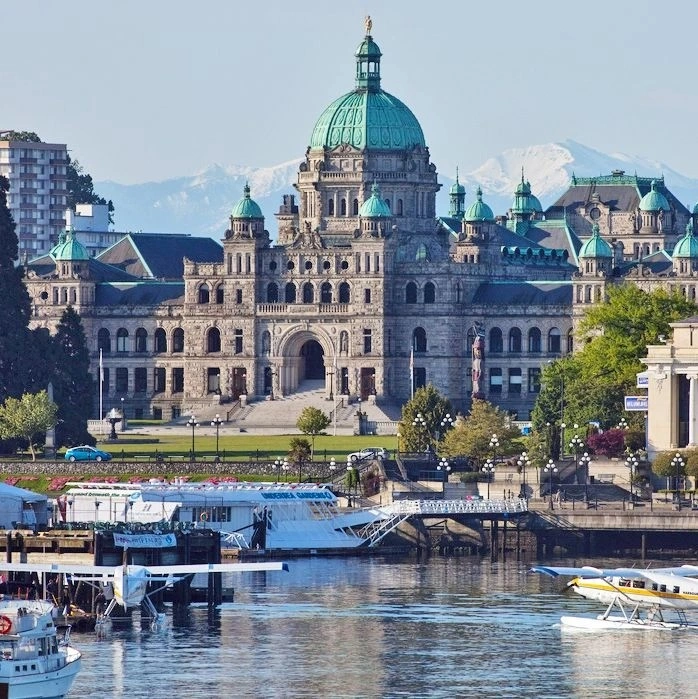
Victoria feels almost European in its elegance—a harbour city filled with grand architecture, flower-lined streets, and coastal charm. Its Inner Harbour is the heart of it all: buzzing with boats and seaplanes. The iconic Fairmont Empress and the Parliament Building standing side by side overlooking the water look like something straight out of a fairytale with the addition of countless hanging flower baskets and gardens that line the streets.
© Travel BC
© Jamies Whaling Station
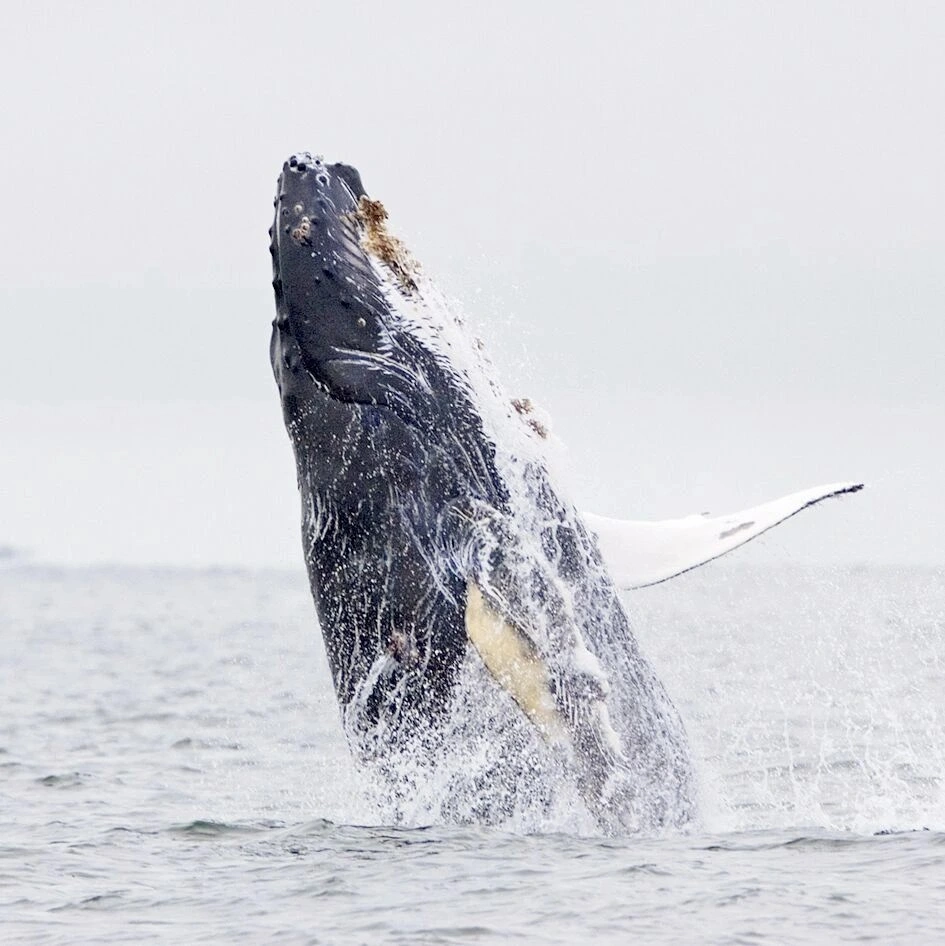
Hop aboard one of the quirky “pickle boats”—small water taxis that zip around the harbour—or even join a “pickle pub crawl”. For something truly spectacular, book a whale-watching tour; the waters around Victoria are among the best in the world for spotting orcas and humpback whales.
Cultural highlights
Don’t miss Chinatown, where narrow Fan Tan Alley winds between red-brick buildings lined with tiny boutiques and cafés.
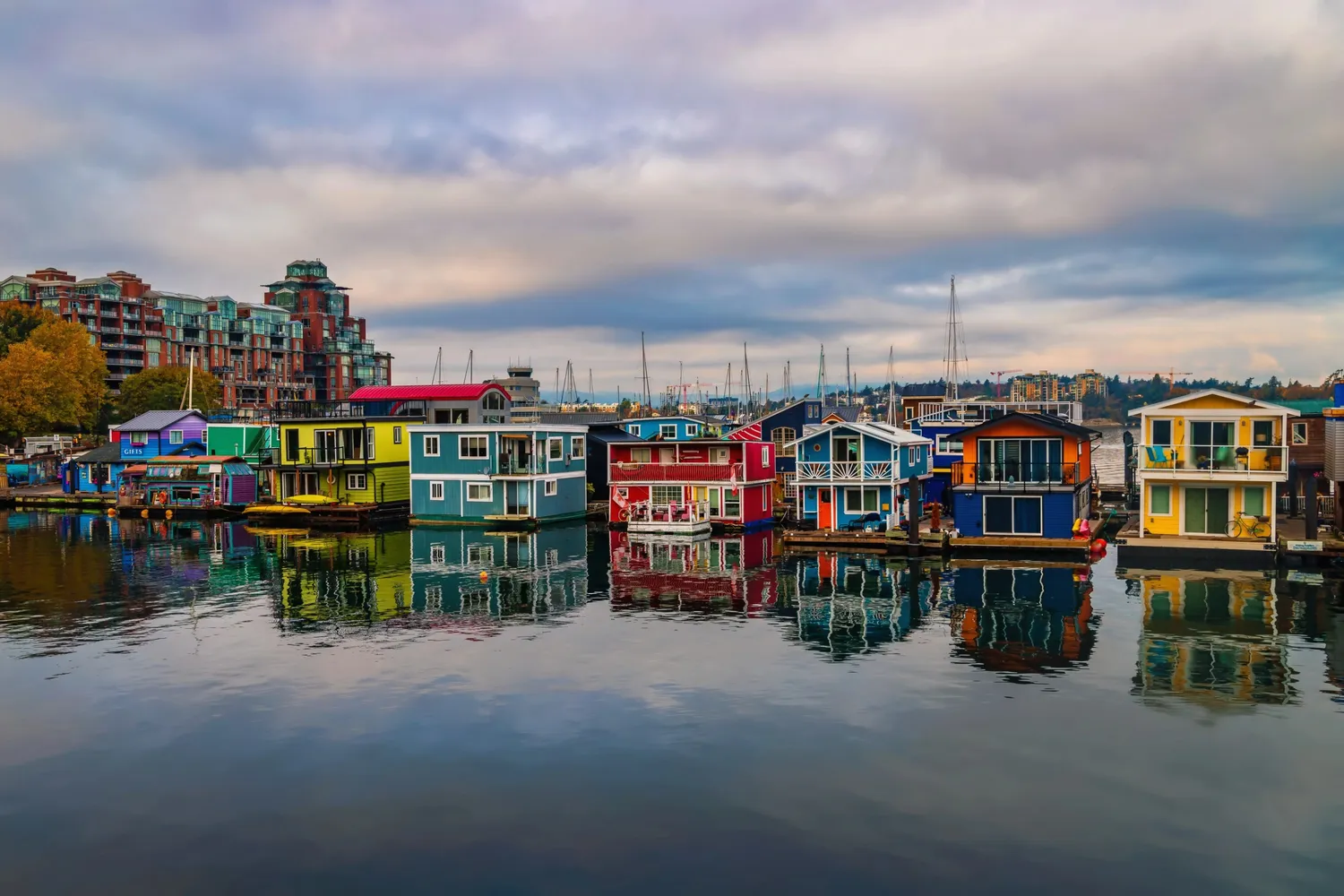
© LisaBourgeault
A short stroll away lies Fisherman’s Wharf, a floating community of colourful houseboats, seafood stalls, and kayak rentals.
Food and drink highlights in Victoria
- Red Fish Blue Fish: Seafood served from a converted shipping container on the pier.
- John’s Place or Nourish Kitchen & Café: Two excellent options for brunch.
- Visit Phillips: One of Victoria’s craft breweries.
Inland adventures near Victoria
Beyond the waterfront, there’s plenty of inland adventure too. Goldstream Provincial Park, just 20 minutes from downtown, offers lush forest trails and a spectacular waterfall. In autumn, it’s also one of the best places to witness the annual salmon run, when thousands of fish battle upstream to spawn.
For panoramic views, head up Mount Douglas. From the top, you’ll get 360-degree views of the city and coast. You can either hike to the top or just drive up there.
Where to stay in Victoria
For overnight stays, Salish Seaside RV Haven is convenient, or you can stay at Goldstream Provincial Park for a forested setting.
The Butchart Gardens
Just north of Victoria, about a 30-minute drive away, lies one of Vancouver Island’s most enchanting attractions: The Butchart Gardens. Spread across 55 acres, this National Historic Site of Canada is known for its beautifully crafted landscapes and vibrant seasonal colours.
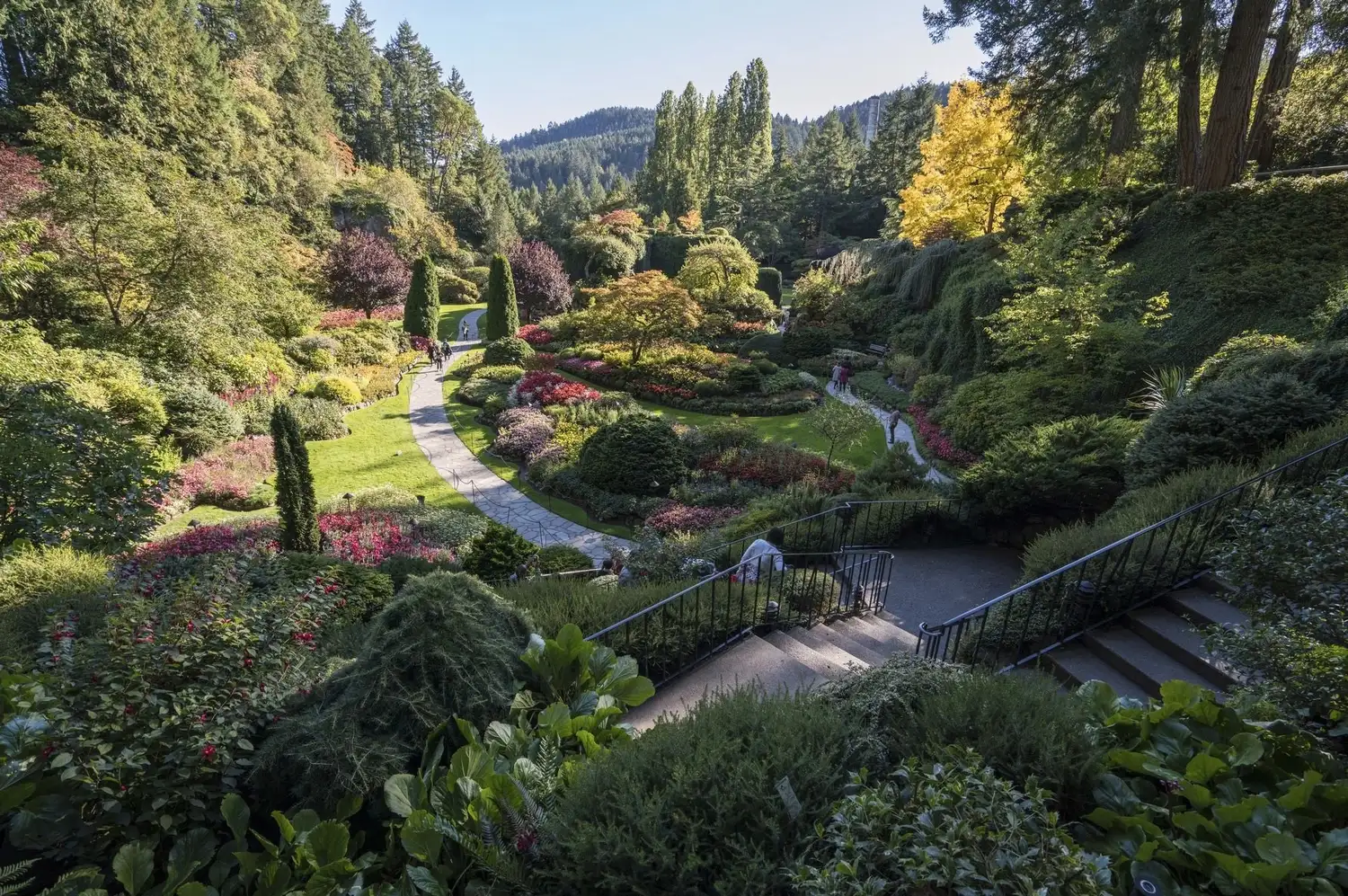
© Brian Caiss
Explore a variety of themed gardens, including the Sunken Garden, the Japanese Garden, the Rose Garden, and more. It’s a fitting finale to your Vancouver Island itinerary.
Returning to Vancouver
From The Butchart Gardens, it’s about a 25-minute drive to Swartz Bay, where you can catch the ferry back to Vancouver, bringing your holiday to a memorable close.
Oceanside RV Resort is a great place to stay the night before taking the ferry the next day.
Planning your adventure
Planning a trip to Vancouver Island takes a bit of preparation to make the most of your journey. This includes choosing the right time to visit and picking the most suitable campervan. Be sure to book campgrounds in advance during peak months and use only authorised sites, as wild camping is not permitted.
Best time to visit Vancouver Island
- June to August offers the best weather and full access to parks and activities—though it’s the busiest season.
- September is a sweet spot—mild temperatures, fewer crowds, and prime whale-watching.
- May and October bring quieter roads and lower costs, though some parks and campsites may be closed.
Choosing the right campervan for your Vancouver Island itinerary
When planning your Vancouver Island itinerary, selecting the right campervan can make all the difference in comfort, convenience, and driving ease.
For couples or solo travellers, a compact campervan provides easy manoeuvrability, fuel efficiency, and all the essentials for a cosy stay. Examples of compact campervans include the Van Conversion from Fraserway RV or the Deluxe Camper Van from Canadream.
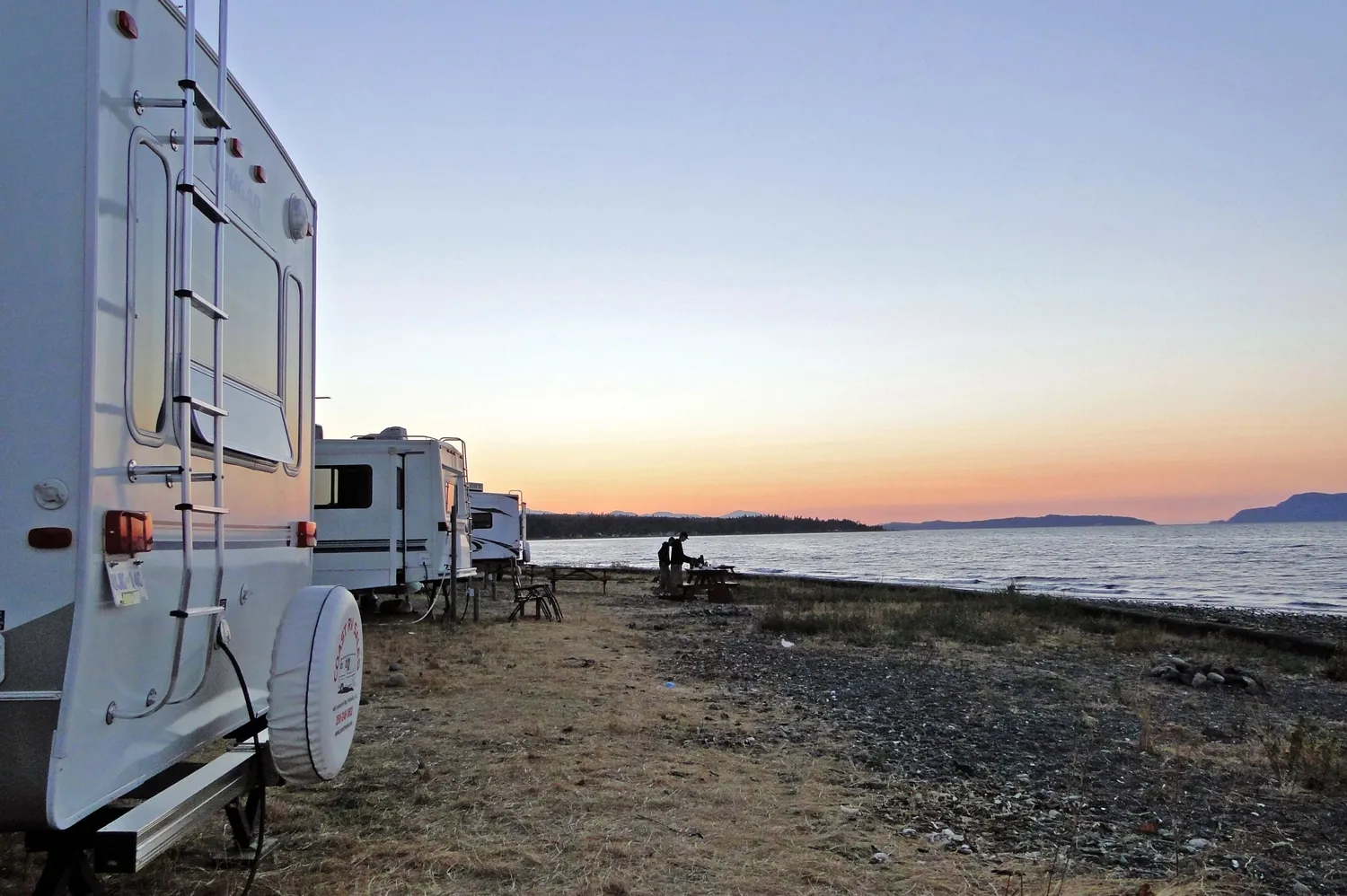
© Kolja Kassner
Families or groups may prefer larger motorhomes with separate sleeping areas and added features, such as a full kitchen or slide-outs for added living space. Examples of these larger motorhomes are the Motorhome C-MEDIUM PLUS from Meridian RV Rentals or the Motorhome C-Large Slide-out from Fraserway RV. However, the larger size can make city driving and parking more challenging.
Your journey awaits
Whether you’re chasing waves, wandering trails, or simply soaking in the scenery on your road trip, Canada’s west coast rewards curiosity and courage. So pack your gear, grab your keys, and let CU | Camper help you turn Vancouver Island into your own personal playground.
Adventure is waiting—and the journey is yours to create.
Before or after a motorhome trip, it’s often a good idea to spend a few days in a major city.
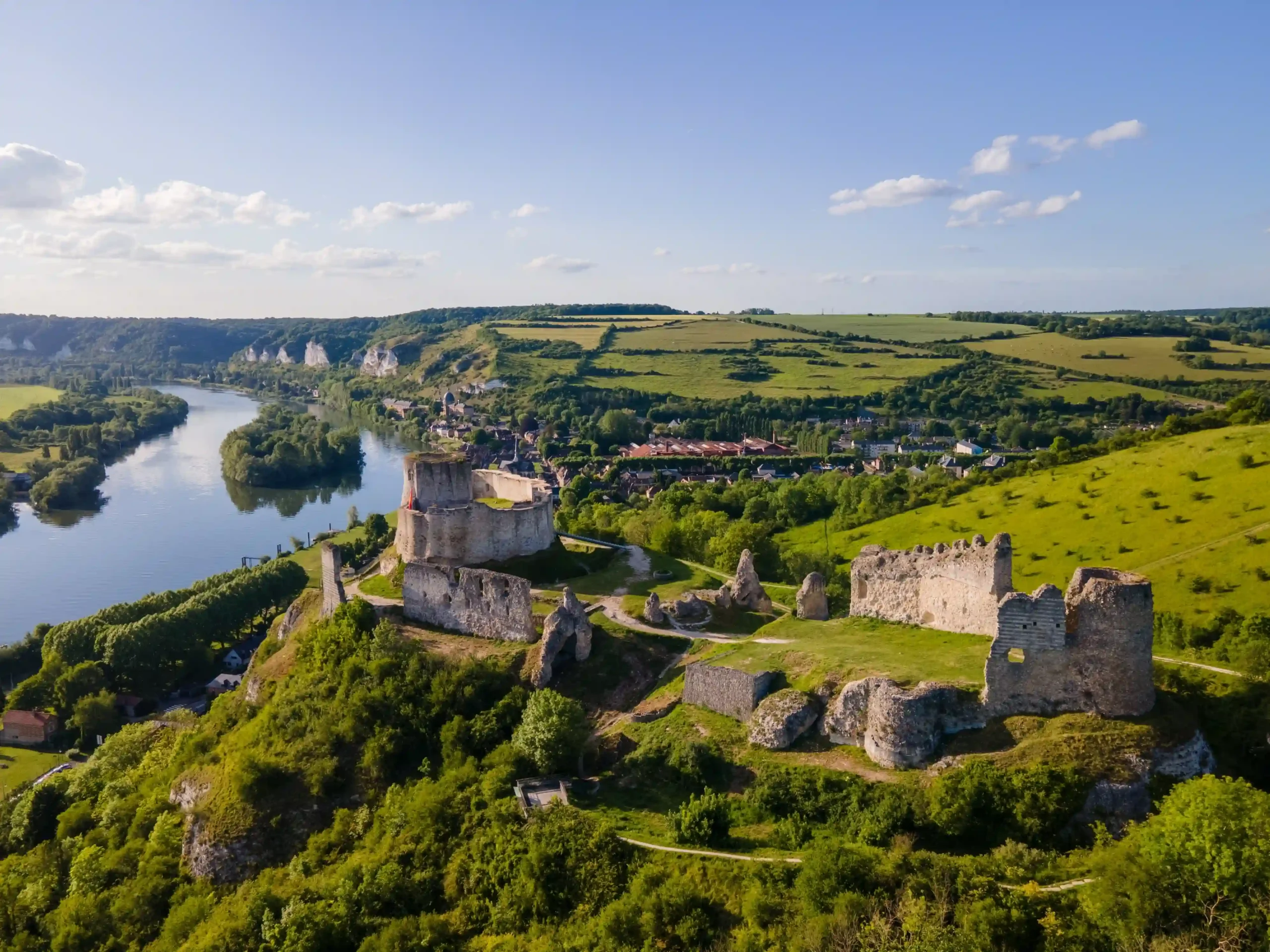
Normandy road trip
This 8-day Normandy road trip connects dramatic chalk cliffs and WWII landing beaches with lush valleys, and the iconic Mont Saint-Michel—creating a captivating journey through the region’s coast and countryside.
RV rental San Francisco
Resting dramatically on the edge of Northern California, San Francisco is widely considered one of the best cities in the US. Celebrated around the world for its iconic landmarks, vibrant…
Vancouver itinerary
Explore a modern oceanfront city framed by towering peaks. Park up at picturesque campsites, catch coastal ferries, and launch your ultimate British Columbia road trip.
My first trip to Canada
Buckle up for my first-ever Canadian adventure! Experience the magic of the Rockies from the driver’s seat of a Fraserway RV, featuring close-up wildlife encounters, roaring canyon waterfalls, and views that will leave you speechless.
Camping Los Angeles
Stroll the Santa Monica Pier, take in sweeping skyline views from Griffith Observatory, and soak up iconic film history.
Norway and Finland motorhome itinerary
A 10-day motorhome journey from Rovaniemi to the North Cape. Encounter reindeer in Lapland and witness the Midnight Sun at the edge of the continent.