© A. Michael Brown
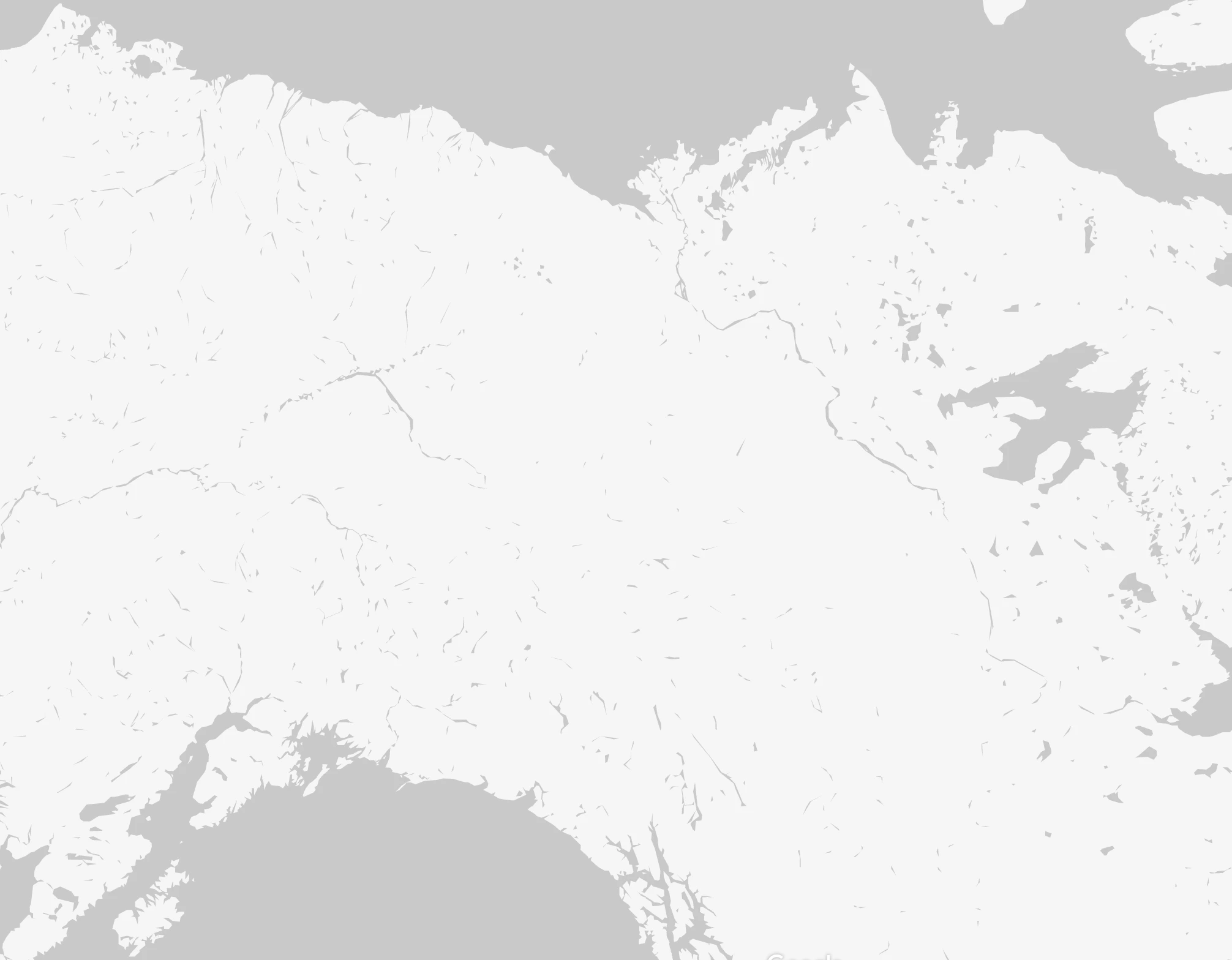
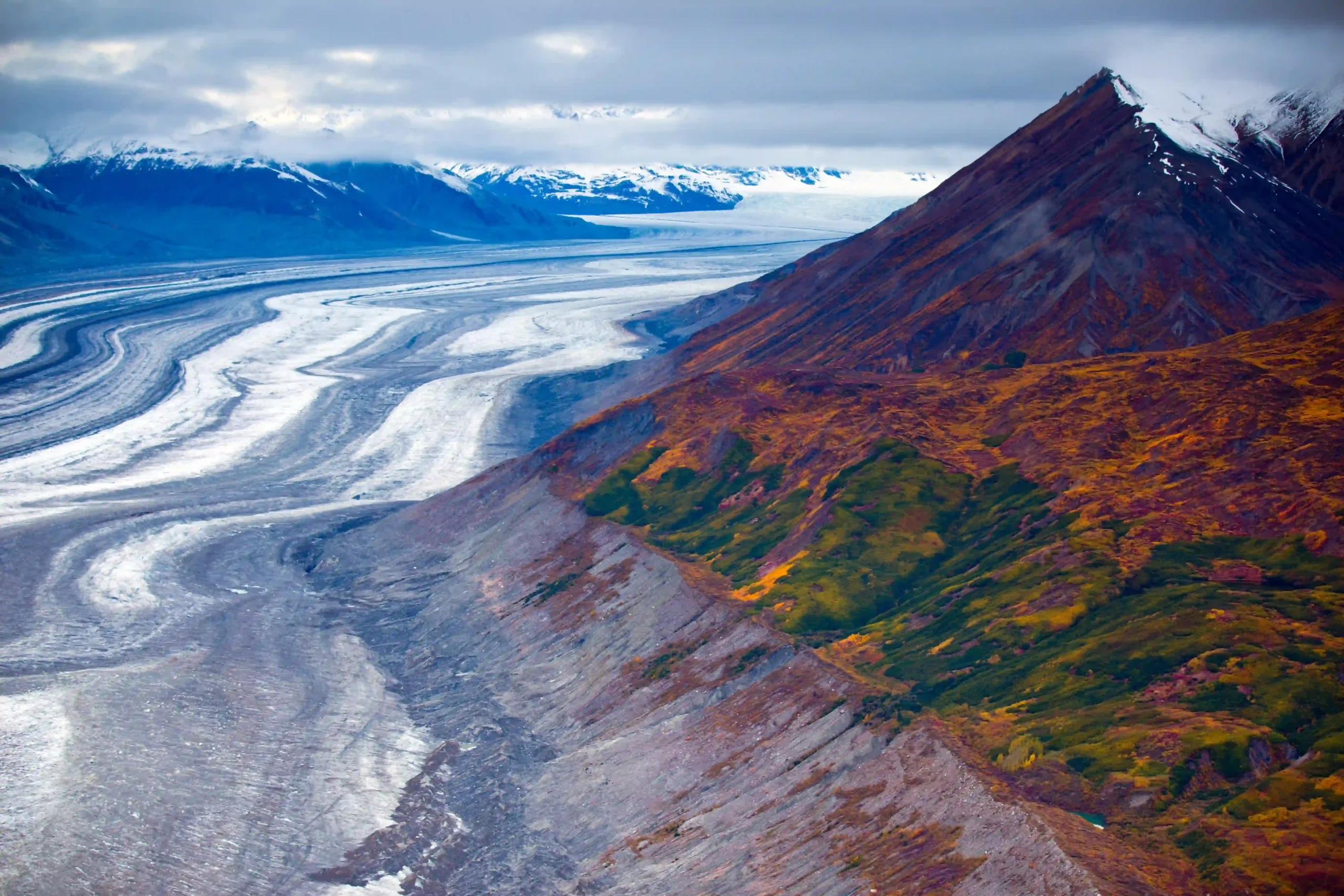
Canada, a land celebrated for its untamed wilderness and majestic landscapes, finds one of its purest expressions in the Yukon. Towering mountains, endless forests, and crystal-clear rivers stretch as far as the eye can see, inviting those who seek true escape. The Yukon is a place for the curious, the adventurous, and anyone longing to disconnect from the ordinary.
Stretching across more than 186,000 square miles—twice the size of the UK, yet home to fewer than 50,000 people—the Yukon is a land of deep silence. Its landscapes were forever shaped by the Klondike Gold Rush of 1897–1899, when fortune-seekers poured into the north. Today, abandoned cabins, rusting mining equipment, and ghost towns stand as witnesses to that era.
Why explore the Yukon by campervan?
As public transport is practically non-existent outside Whitehorse, hiring a vehicle is not merely a luxury—it is essential for unlocking the wilderness. A Yukon motorhome adventure lets you travel at your own pace, stay in remote locations, and experience the territory’s vast landscapes on your own terms.
Campsites vary from basic lakeside sites with fire rings and pit toilets to full-service RV parks with electricity, showers, and Wi-Fi.
Collecting your vehicle in Whitehorse means you can get straight on the road as soon as you arrive. Through CU | Camper, you can book everything from rugged truck campers to spacious motorhomes, ensuring you find the perfect vehicle for your trip.
Highlights
- Whitehorse: The “Wilderness City”
- Kluane National Park
- Top of the World Highway (optional)
- Dawson City’s gold-rush history
- Tombstone Territorial Park
- Carcross Desert
- Yukon road conditions
- Truck Camper vs. Motorhome
Starting and finishing in Whitehorse, this 1,120-mile (1,800 km) itinerary takes you through the Southern Lakes and up the historic road to Dawson City. While the loop can be driven in ten days, two weeks allow you to enjoy the stops properly rather than simply tick them off.
| Day | Route / Destination | Driving time | Highlights |
| 1–2 | Arrive in Whitehorse | Visit Miles Canyon, dip in the Eclipse Nordic Hot Springs, view the Northern Lights | |
| 3–4 | Whitehorse → Kluane National Park → Haines Junction | ~2.5 hrs | Drive Alaska Highway, flightseeing tour over the Saint Elias Mountains, hike Kokanee Trail |
| 5 | Haines Junction → Whitehorse | ~2 hrs | Driving back through Yukon’s wilderness |
| 6 | Whitehorse → Carcross | ~1 hr | Visit Emerald Lake and the unique Carcross Desert |
| 7 | Carcross → Whitehorse | ~1 hr | Scenic drive back through the Southern Lakes |
| 8–9 | Whitehorse → Dawson City | ~6.5 hrs | Stop at Five Finger Rapids viewpoint, explore historic Gold Rush streets, paddle the Yukon River, hike in Tombstone Territorial Park |
| 10 | Dawson City → Whitehorse | ~6.5 hrs | Scenic return along the Klondike Highway |
Whitehorse: The Wilderness City
Whitehorse, home to around 30,000 people, sits along the Yukon River and serves as the main hub for exploring the territory’s expansive wilderness.
Things to do in Whitehorse
© BestBetts
Start your Whitehorse adventure at the MacBride Museum of Yukon History, where you’ll receive an engaging introduction to the Klondike Gold Rush, early exploration, and First Nations culture. From there, travel even further back in time at the Beringia Interpretive Centre, wandering among mammoth fossils, giant beavers, and exhibits that reveal the Yukon’s Ice Age landscapes and its earliest inhabitants.
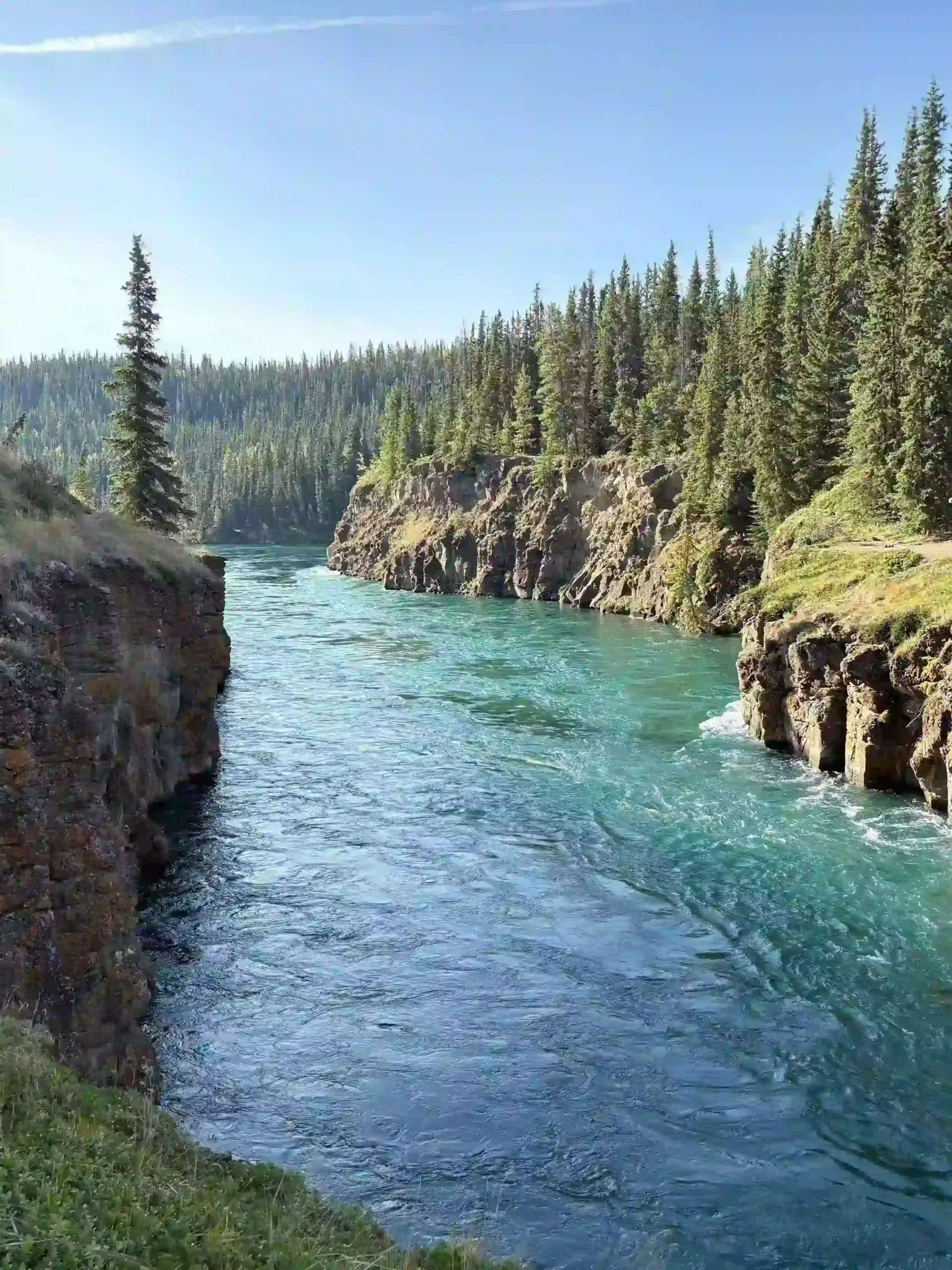
Having explored the area’s rich heritage, you can move on to the Yukon’s incredible outdoor scenery. Take a short drive to Fish Lake, where calm waters invite you to cast a line for lake trout, Arctic grayling, northern pike, or salmon. If you prefer dramatic scenery closer to the city, Miles Canyon is just 10 minutes away. Walk along towering basalt cliffs overlooking striking turquoise waters, cross the suspension bridge, and follow the Canyon City Trail while glimpsing the area’s Gold Rush past.
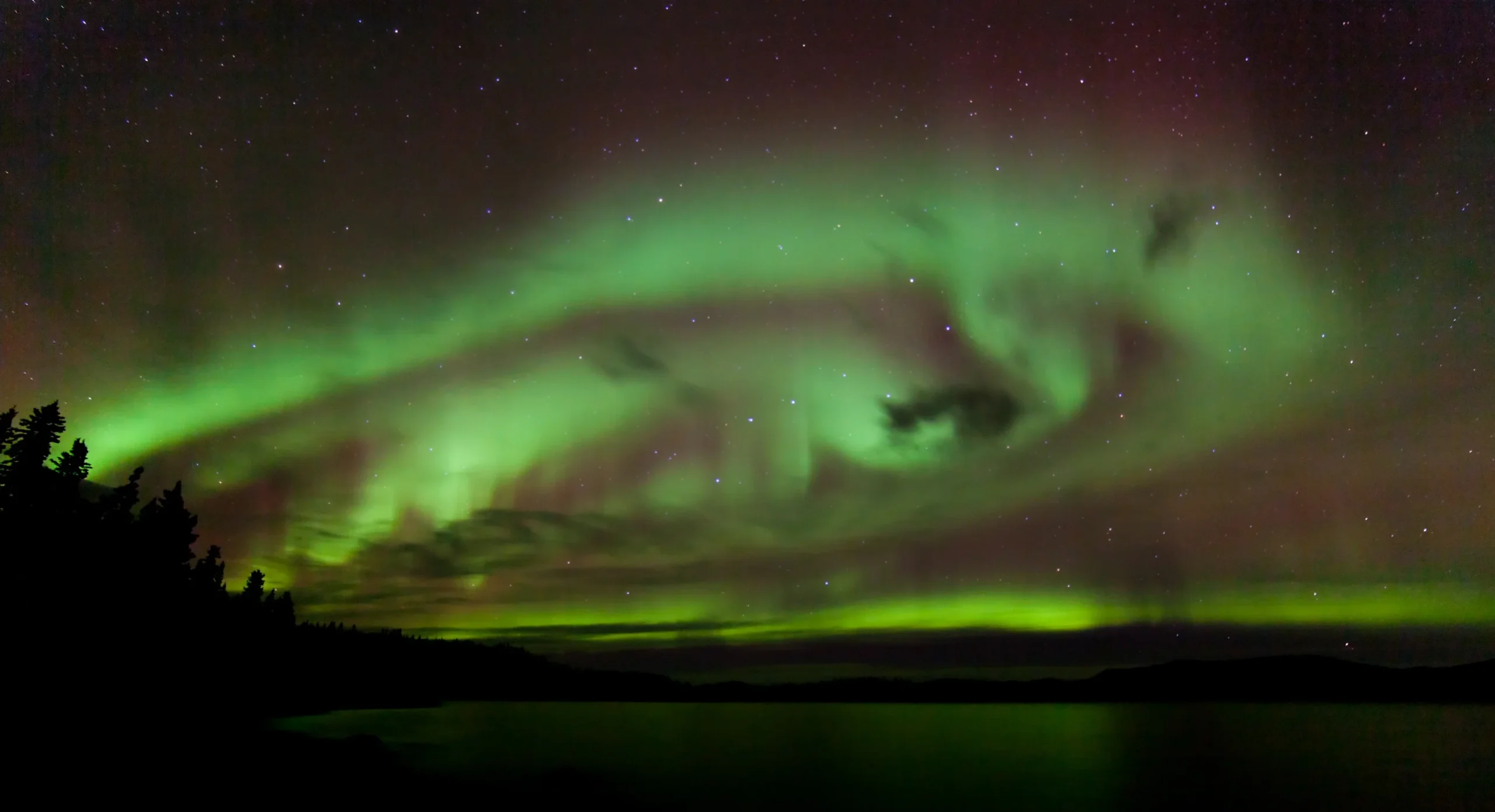
During the darker months (mid-August through April), Whitehorse is a world-class destination for spotting the Northern Lights, particularly if you combine it with a dip in the Takhini Hot Springs.
Food highlights in Whitehorse
After a full day, Dirty Northern is perfect for a comforting meal of pub classics. In the morning, swing by Baked Café—with locations on Main Street and at the Yukon Arts Centre—for great coffee, pastries, and a warm breakfast before you set off again on your Yukon motorhome adventure.
Recommended campsites near Whitehorse
For your first or last night in the Yukon, Hot Springs Campground sits about 25 minutes outside the city. The pitches are tucked into the forest and provide electricity, picnic tables, and fire pits, as well as access to the hot springs. Showers, fresh water, and Wi-Fi are available in the main building. Sites start from approx. $30 CAD (roughly €20) per night.
Driving the Alaska Highway to Haines Junction
Stock up on supplies in Whitehorse before heading west along the Alaska Highway. Within roughly two hours, you’ll arrive at Haines Junction, a small settlement that serves as the gateway to Kluane National Park, home to Mount Logan, Canada’s highest peak, and some of the country’s most dramatic alpine landscapes.
Kluane National Park: Glaciers, hiking, and flightseeing
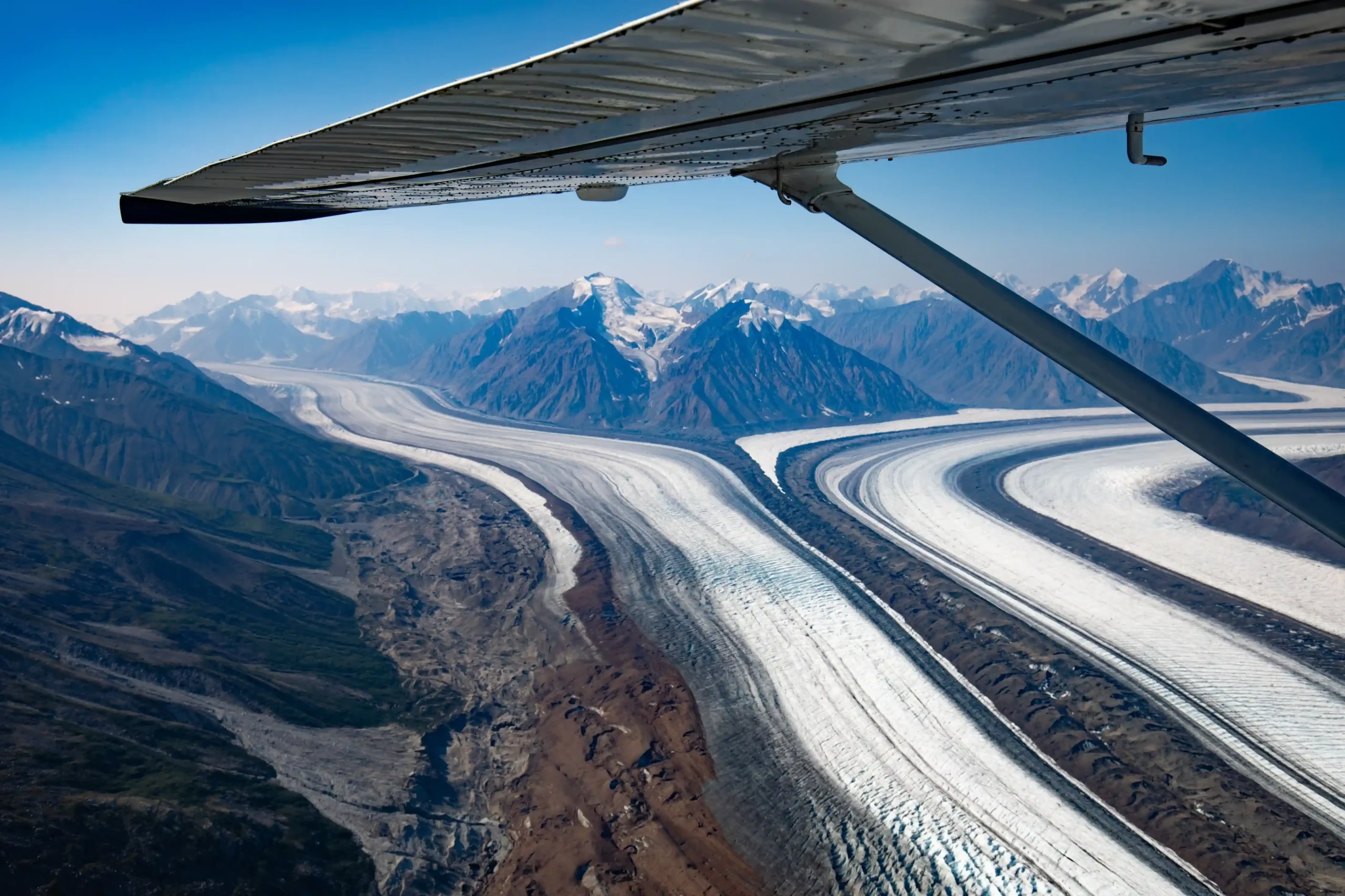
At Kluane, adventure is abundant. Paddle past glaciers on the Alsek River, or take to the skies from Burwash Landing on a flightseeing tour with Icefield Discovery. This is often cited as the highlight of a Yukon trip: flying over Slims River Valley, Kluane Lake, and over the mountain tops until the Kaskawulsh Glacier comes into view. Its prominent streaks of ice and dirt wind through the landscape, as it sits surrounded by the impressive Saint Elias Mountains.
© Pi-Lens
For a deeper understanding of the area, stop by the Thechàl Dhâl Visitor Centre or the Kluane National Park and Reserve Visitor Centre, where rangers provide guidance on trails, wildlife, and park highlights.
Kluane offers trails for every level, from easy lakeside walks to steep mountain climbs:
- Kokanee Trail: A short, flat boardwalk along Kathleen Lake, perfect for a peaceful stroll with scenic lake and mountain views.
- King’s Throne Trail: For a bigger challenge, this climbs steeply to a dramatic alpine cirque.
- Other options: Trails like Dezadeash River and Sheep Creek provide further opportunities to explore Kluane’s wilderness.
Hikers should be self-sufficient and bear-aware. Carrying bear spray is highly recommended.
Note
Best campsites near Haines Junction
Haines Junction offers a good selection of camping options. The year-round Otter Falls Cutoff RV Park is a practical choice, featuring showers, a store, a petrol station, and laundry facilities. If you prefer a lakeside setting, look at Congdon Creek Campground, Kathleen Lake Campground, Pine Lake Campground, or Dezadeash Lake Campground; these are more rustic, providing basic amenities like fire rings and toilets.
The “Top of the World” Route: Crossing into Alaska (Optional)
For those seeking a longer adventure, venture into the US with a roughly 4.5-hour drive along the Alaska Highway to Tok, Alaska, with the option to break up the journey at Beaver Creek, a quiet northern outpost.
From Tok, you connect to the Taylor Highway and then the Top of the World Highway (open late May to early September) for an unforgettable drive back into Canada. The entire route to Dawson City covers roughly 185 miles (300 km), winding high along ridges that give sweeping views of valleys and distant peaks. The journey ends with a mandatory ferry crossing at the George Black Ferry over the Yukon River.
Looping back via the Alaska Highway
© Roland E. Jung
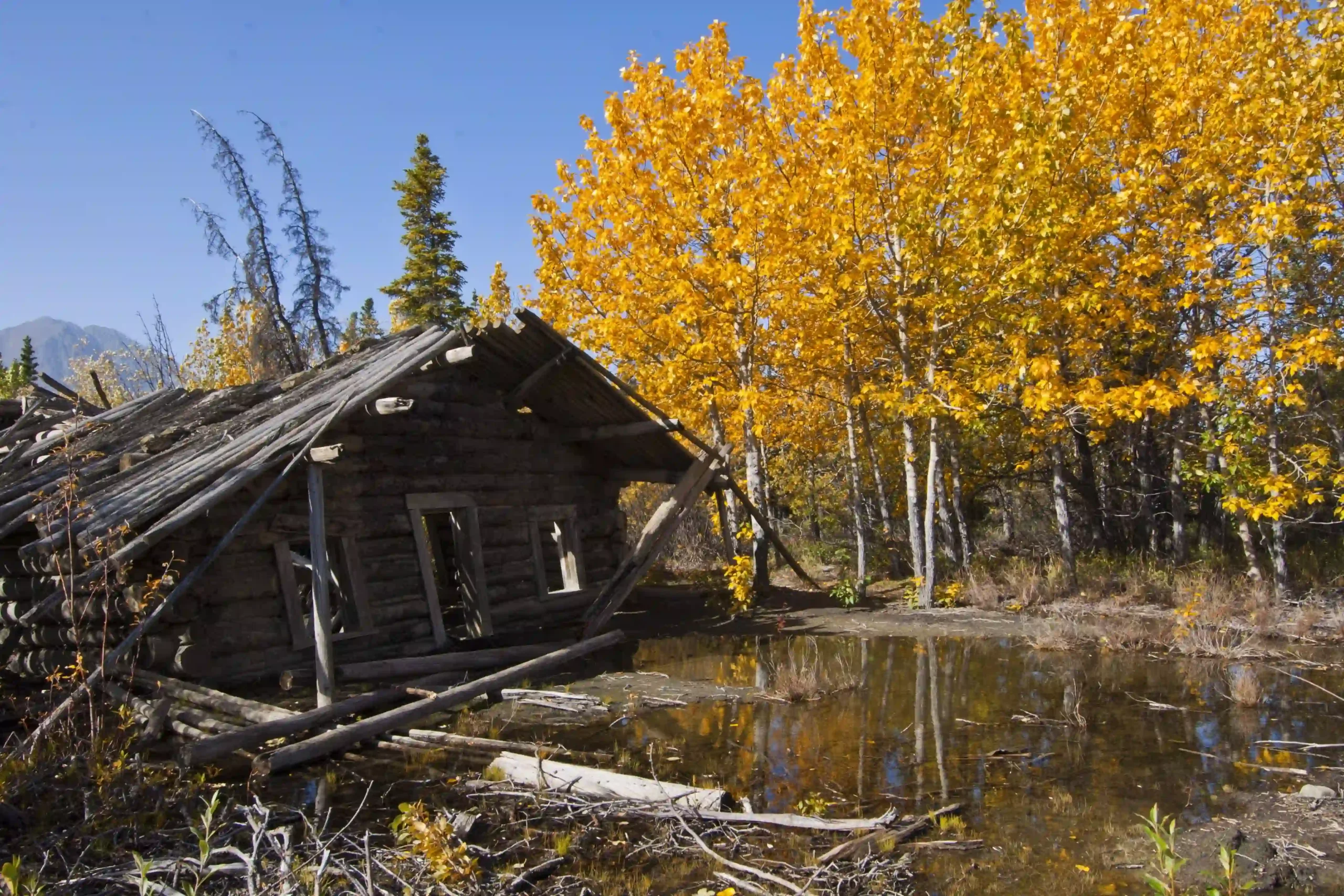
If you choose not to enter Alaska and instead loop back along the Alaska Highway, stay alert for wildlife—moose, bears, and caribou often appear along the roadside. For a step back in time, consider a detour to Silver City, Yukon’s largest ghost town, where decaying log cabins offer a haunting glimpse of Gold Rush history.
Back in Whitehorse, Hi Country RV Park is a convenient choice just minutes from the city centre on the Alaska Highway. It offers clean showers, Wi-Fi, and a launderette—perfect for a restful night before continuing your Yukon motorhome adventure.
The Southern Lakes region
About an hour from Whitehorse, the Southern Lakes region offers some of the Yukon’s most breathtaking scenery. Carcross serves as an ideal hub for exploring this area, where lakes, mountains, and desert sit side by side.
Must-see sights: Carcross Desert and Emerald Lake
© Maren Heuer
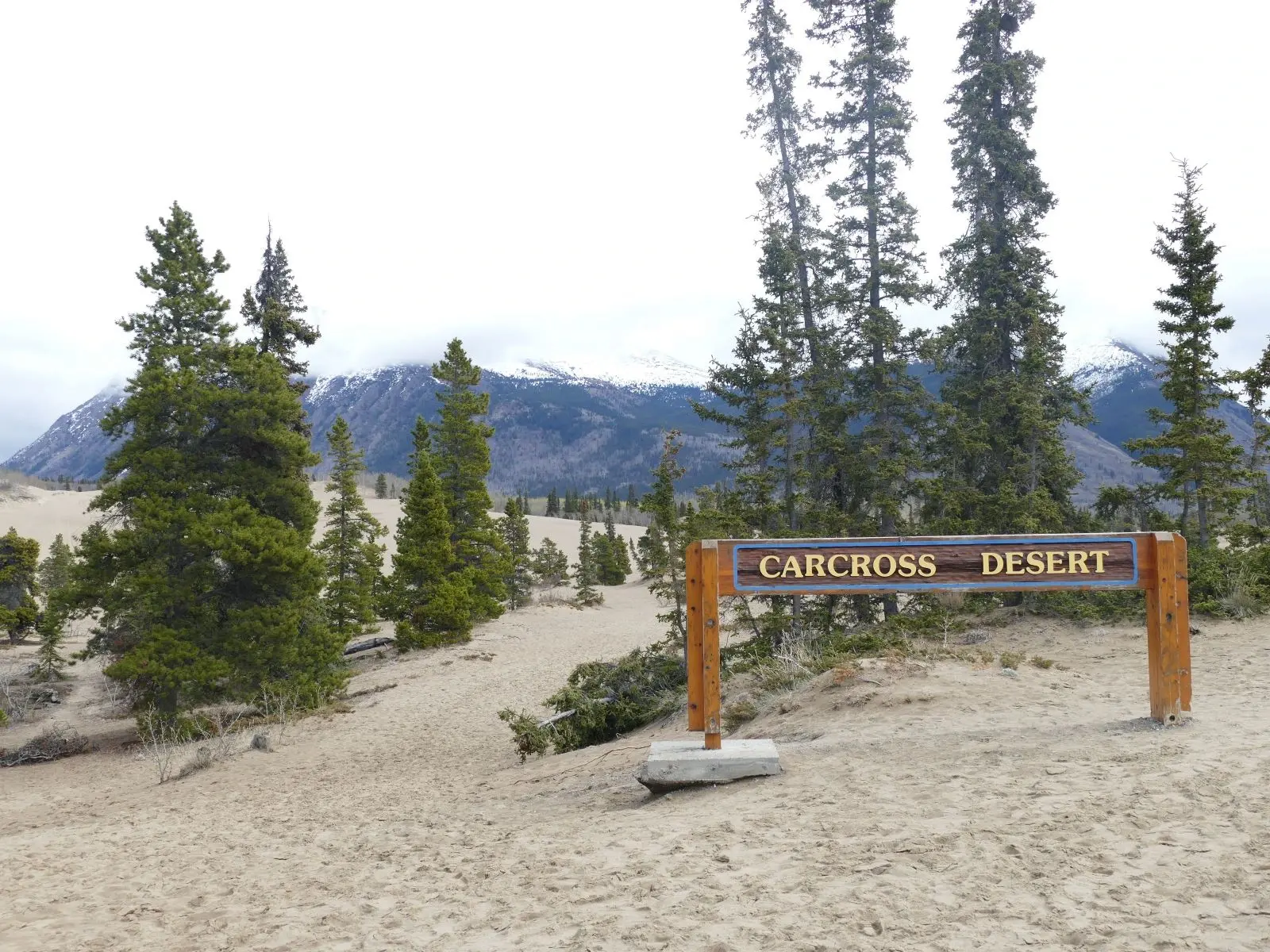
Start at the Carcross Desert, often called the world’s smallest desert. Its rolling sand dunes are remnants of a glacial lake that dried up after the last Ice Age, creating a surreal landscape of golden sand set against forests, lakes, and snow-capped peaks—a contrast that feels otherworldly and makes for incredible photography.
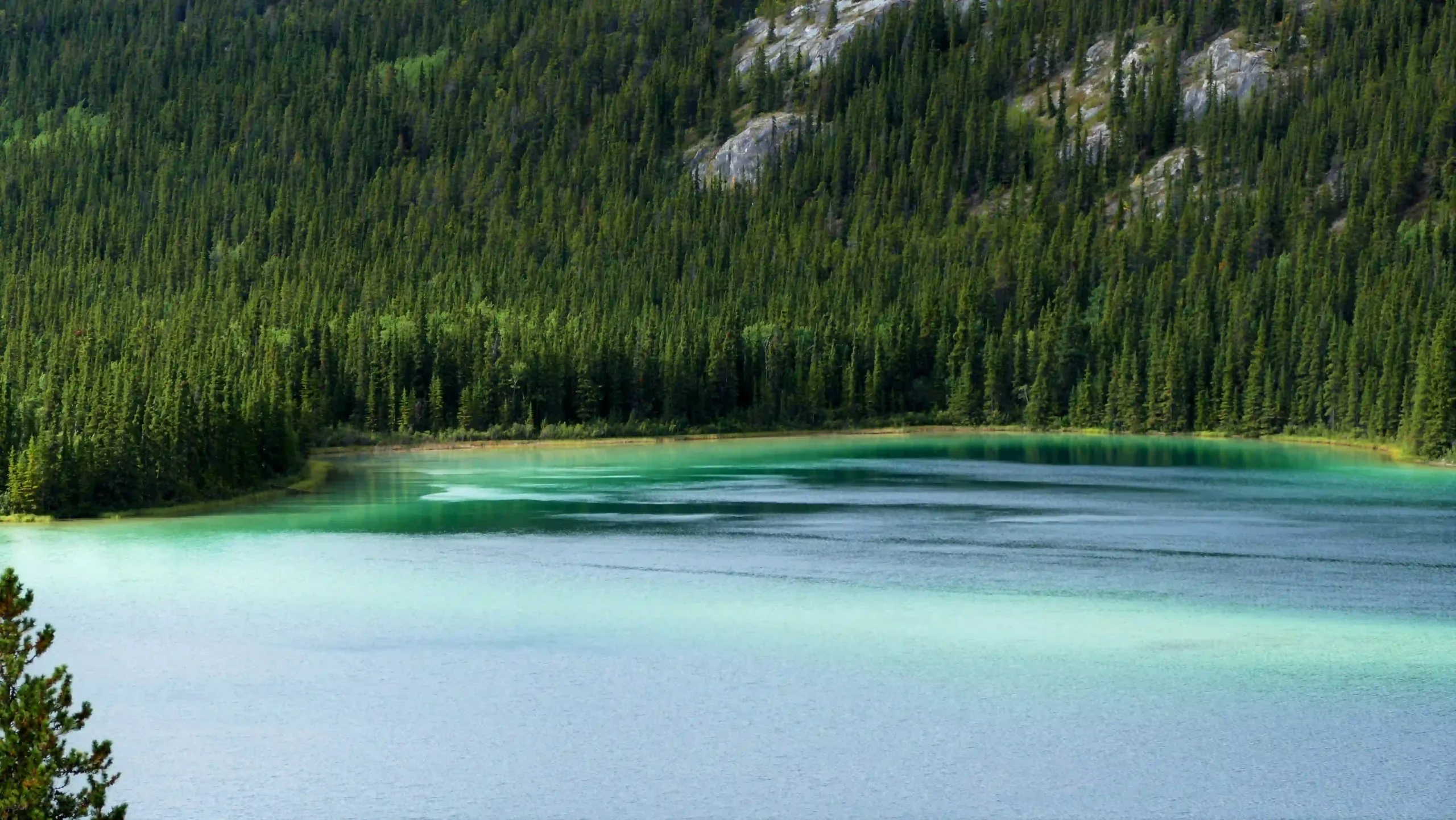
A short drive away is Emerald Lake, famous for its turquoise waters created by glacial silt suspended in the lake. Framed by towering peaks and lush forest, the lake is at its most striking in summer, when runoff from melting glaciers enhances its brilliant color.
© Joris Beugels
Nearby, Bennett Lake offers calm waters perfect for canoeing or kayaking, while Tagish and Marsh Lakes reflect the surrounding mountains.
Camping options near Carcross
The Conrad Campground, located on Tagish Lake’s Windy Arm about 10 miles (16 km) south of Carcross, offers scenic lake views and a convenient stop before heading north toward Dawson City.
The Klondike Highway: Driving north to Dawson City
Heading north from Carcross (passing back through Whitehorse) along the Klondike Highway, you’ll wind through vast stretches of remote wilderness. Make sure to fill your tank and stock up on supplies in Whitehorse, as you pass through.
Key stops along the way to Dawson City
The journey north offers several must-see stops. Begin with the Yukon Wildlife Preserve, where bison, moose, and caribou roam freely, providing a memorable wildlife experience. Take a relaxing dip at the Eclipse Nordic Hot Springs, or stop by Braeburn Lodge to try their legendary cinnamon buns.
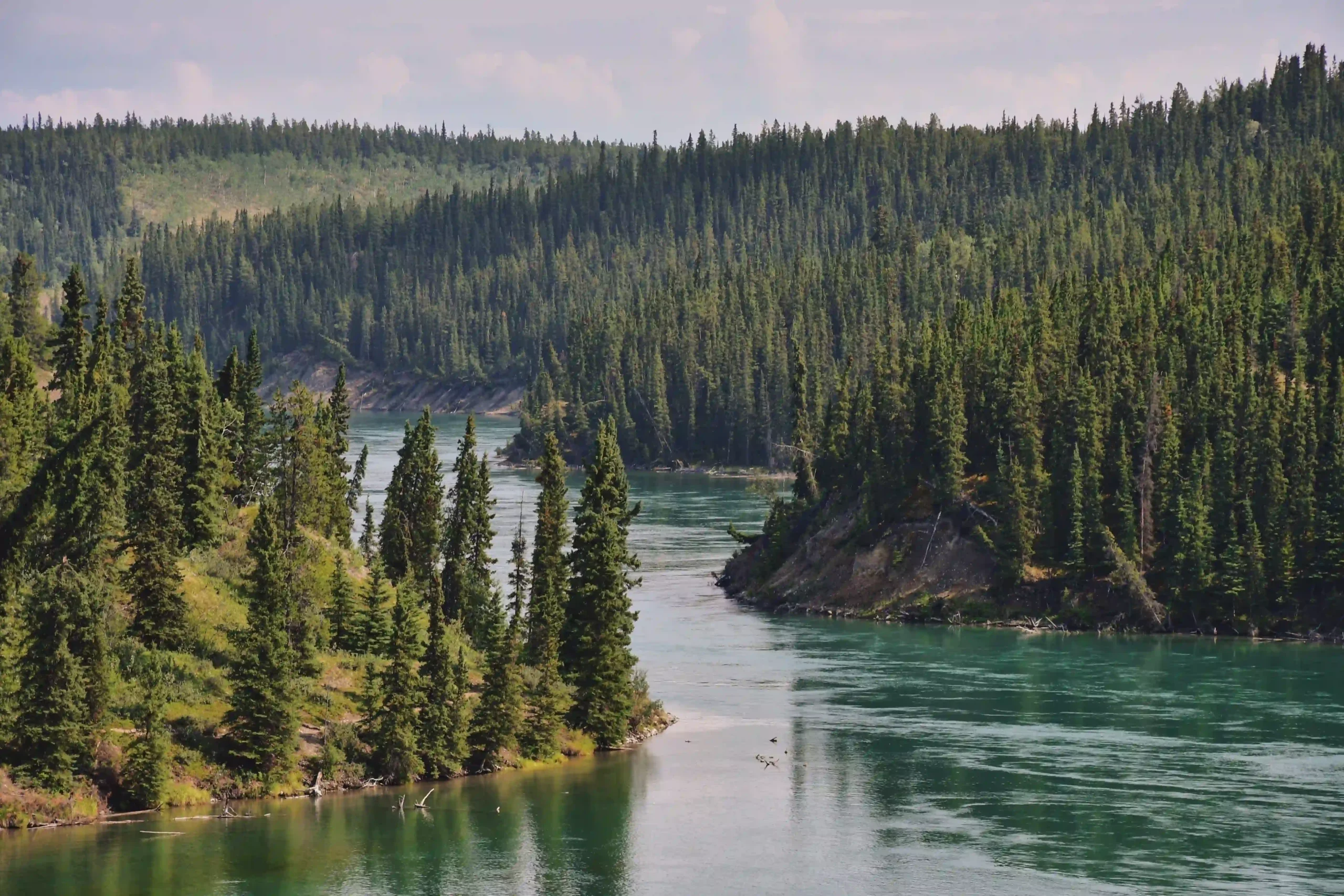
Halfway to Dawson City, the Five Finger Rapids offer dramatic views over the Yukon River, a natural spectacle worth stretching your legs for.
Consider making a short detour as you approach the city and explore Tombstone Territorial Park, with trails for every level—the top three being:
- Grizzly Lake Trail (Hard)
- Goldensides Mountain (Moderate)
- North Klondike River Trail (Easy)
© van the woods media
Finally, reach Dawson City, where the Yukon River invites rafting and canoeing adventures. For the ultimate northern experience, you must take the Dempster Highway, which stretches far north into the Arctic Circle.
Where to stay near Dawson City
Accommodation options include Dawson City RV Park & Campground, with Bonanza Creek running through it, or Yukon River Campground, accessible via the free ferry. Both offer full amenities including power, showers, and Wi-Fi.
Completing the journey in Whitehorse
With your journey through the Yukon complete, all that remains is the drive back to Whitehorse. Return your campervan, take a deep breath, and let the memories sink in—the vast wilderness, the sparkling lakes, the snow-capped peaks, and the quiet moments by the campfire. You’ve traced a loop through one of Canada’s last great frontiers, and the stories from this Yukon motorhome adventure will stay with you long after the road ends.
Planning your Yukon motorhome adventure
The most practical way to reach the Yukon is by flying into Whitehorse, the territory’s capital and main hub. There are no direct international flights, so most visitors connect via Vancouver. Air North, Yukon’s own airline, offers frequent flights, along with services from Air Canada and WestJet.
Best time to visit
Summer is brief in the Yukon, but it delivers the best conditions for a road trip. June and July offer the most reliable weather, long daylight hours, and full access to trails and campgrounds—ideal for driving, hiking, and flightseeing.
August to early September brings more rain, but also some of the Yukon’s most stunning fall colours, which peak from mid-August to mid-September. With longer and darker nights returning, your chances of seeing the Northern Lights also increase.
© Pi-Lens
Temperatures vary widely in this subarctic climate:
- Summer Averages: Expect pleasant daily highs of 20°C to 23°C. However, heatwaves are becoming more common and can push temperatures as high as 34°C.
- The Daily Swing: Even on hot days, temperatures often drop rapidly in the evening. It is not unusual to go from T-shirt weather at noon to needing a fleece jacket by 10 p.m.
- Winter: Winters are long, with lows commonly sitting between –20°C and –30°C, though cold snaps can plunge much lower.
Road conditions on Yukon highways
Roads in the Yukon are generally in good condition.
- The Alaska Highway is well maintained and has several services along the way.
- The Klondike Highway can be rough at times, with potholes and forest heaves, and petrol stations are few, the first appearing at Pelly Crossing after roughly a 3.5-hour drive from Whitehorse.
- The Top of the World Highway is largely gravel and dirt, with no petrol stations along its length.
Always drive cautiously and keep your tank as full as possible.
Tip
Truck Camper vs. Motorhome: Choosing the right vehicle
Selecting the right campervan is essential when travelling through the Yukon, where long distances, limited services, and rougher terrain make comfort, reliability, and self-sufficiency key.
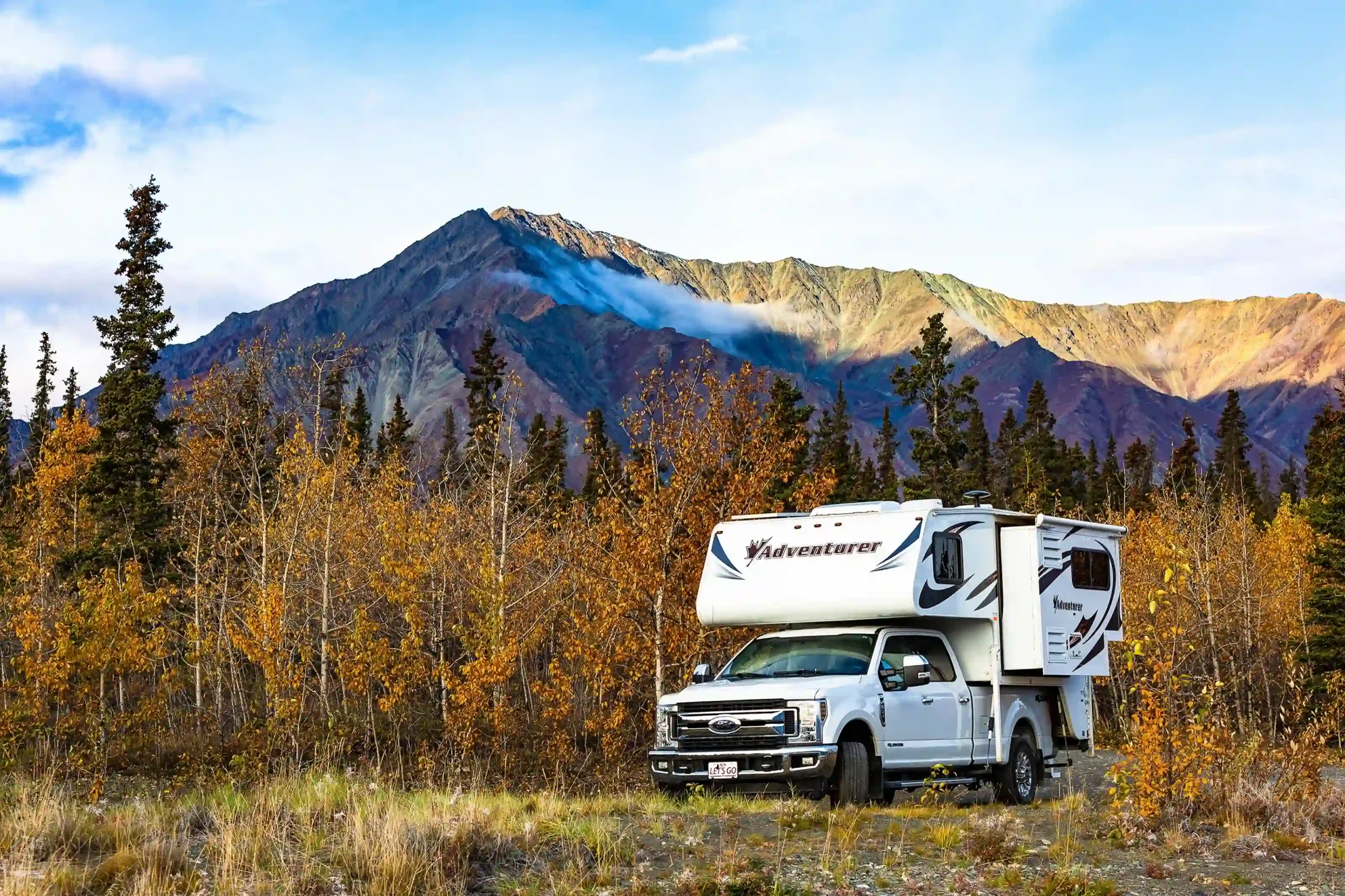
If you’re a solo traveller or couple seeking a budget-friendly option, compact models are ideal. The Truck Camper Scout from Fraserway RV or Truck Camper Silver from GoNorth both offer everything you need for a cosy stay—plus four-wheel drive, a real advantage on gravel roads and remote routes.
© Fraserway
If you prefer even more independence—or are travelling as a family or group—larger RVs provide extra space and added amenities. The Truck Camper Slide-out Diesel from Fraserway RV or Compact Motorhome MHC from CanaDream include separate sleeping areas and onboard showers—useful since many Yukon campgrounds offer only basic facilities.
No matter which model you choose, make sure it’s suited for Yukon conditions. Check that you have appropriate tyres, that the vehicle is fuel-efficient, and that all appliances and systems—from the refrigerator to the water pump and heater—work properly on both battery and external power. Always keep a close eye on fuel and water levels, as services can be few and far between in remote stretches of the territory.
Before or after a motorhome trip, it’s often a good idea to spend a few days in a major city.

RV rental San Francisco
Resting dramatically on the edge of Northern California, San Francisco is widely considered one of the best cities in the US. Celebrated around the world for its iconic landmarks, vibrant…
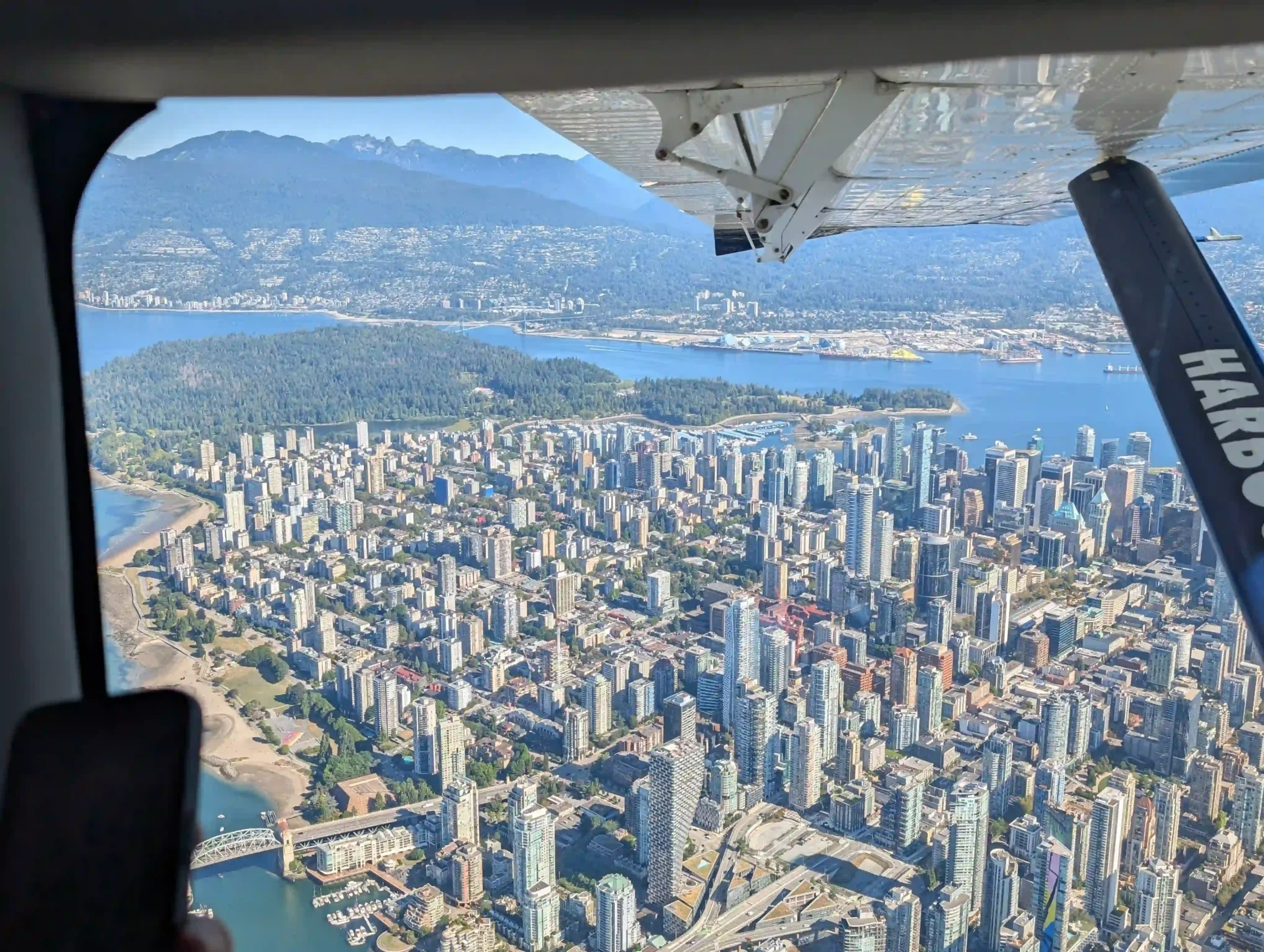
Vancouver itinerary
Explore a modern oceanfront city framed by towering peaks. Park up at picturesque campsites, catch coastal ferries, and launch your ultimate British Columbia road trip.
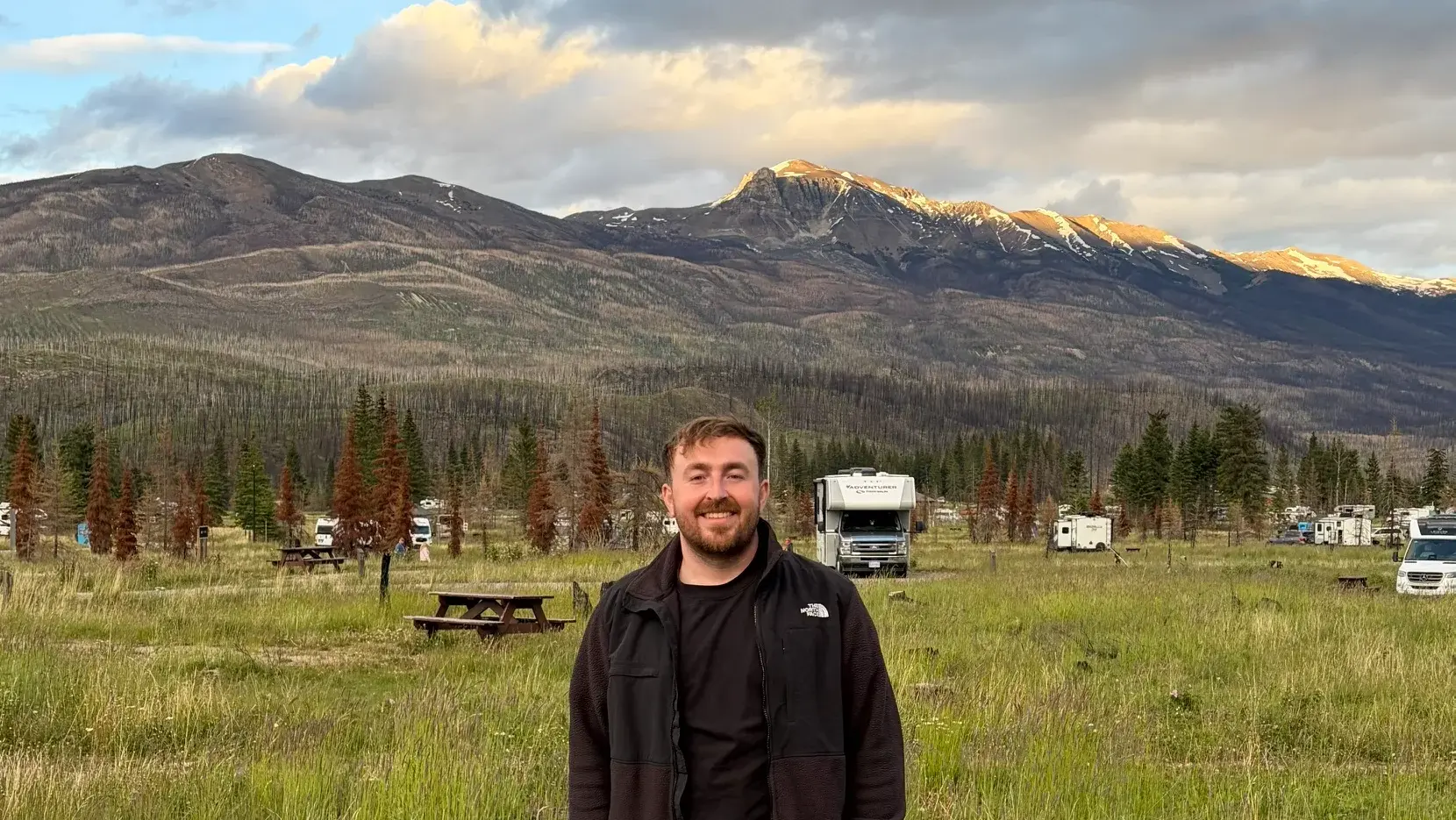
My first trip to Canada
Buckle up for my first-ever Canadian adventure! Experience the magic of the Rockies from the driver’s seat of a Fraserway RV, featuring close-up wildlife encounters, roaring canyon waterfalls, and views that will leave you speechless.
Camping Los Angeles
Stroll the Santa Monica Pier, take in sweeping skyline views from Griffith Observatory, and soak up iconic film history.
Norway and Finland motorhome itinerary
A 10-day motorhome journey from Rovaniemi to the North Cape. Encounter reindeer in Lapland and witness the Midnight Sun at the edge of the continent.
Calgary to Vancouver road trip
Journey along the Rockies on your way from Calgary to the Pacific coast. Drive past turquoise lakes and massive glaciers, exploring the best of the mountain wilderness in a motorhome.