© Pascal Kretz
Iceland has this wild energy that’s impossible to ignore. The land is always shifting, always alive—waterfalls thunder, glaciers creak as they shift, and steam hisses from deep underground.
There’s something surreal about standing on a black sand beach while the Atlantic pounds the shore or watching mist curl around mountains painted in colours you don’t see anywhere else.
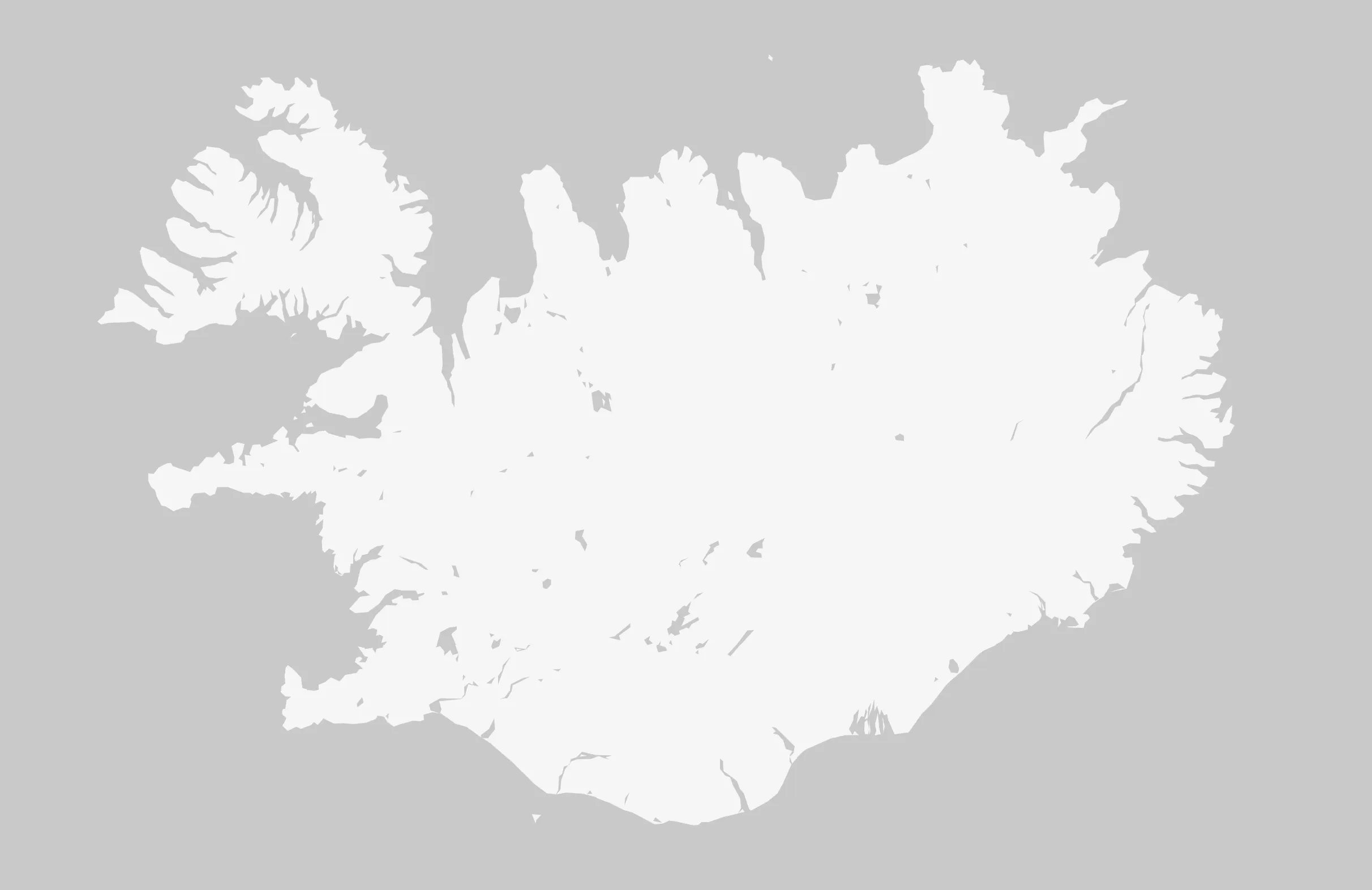
The Ring Road takes you right into the heart of it all. Stretching roughly 1,050 miles (1,700 km), circling the island like a thread—stitching together its most remote corners and fleeting wonders, evoking New Zealand’s dramatic scenery, yet with an Arctic twist.
Highlights
- Reykjavík: Nordic charm
- Dip in the Blue Lagoon
- Walk between continents at Þingvellir
- Watch geysers erupt at Geysir
- Chase waterfalls along the South Coast
- See icebergs at Jökulsárlón
- Discover steaming landscapes at Námaskarð
- Spot whales in Húsavík
Why drive the Iceland Ring Road itinerary by motorhome?
Driving is hands-down the best way to experience Iceland. Public transport won’t get you to half the places worth seeing, and tours can feel rushed. With your home on four wheels, you’re free to decide whether to linger or make a spontaneous stop.
With a campervan, you call the shots. Stop anywhere, linger as long as you like, or take off whenever it suits you.
And then there’s the silence. Iceland isn’t crowded once you leave the main stops. It’s just you, the open road, and landscapes that feel otherworldly.
| Day | Route / Destination | Driving time | Highlights |
| 1–2 | Arrive in Reykjavík | Blue Lagoon, Hallgrímskirkja, Harpa Concert Hall | |
| 3 | Reykjavík → Þingvellir | ~45 min | Þingvellir National Park, Silfra Gorge, Geysir Geothermal Area, Kerið Crater |
| 4 | Þingvellir → Vík | ~2.5 hrs | Seljalandsfoss, Gljúfrabúi, Skógafoss, Reynisfjara Beach, Dyrhólaey |
| 5 | Vík → Jökulsárlón | ~2.5 hrs | Eldhraun Lava Field, Fjaðrárgljúfur Canyon, Jökulsárlón Glacier Lagoon, Diamond Beach |
| 6 | Jökulsárlón → Egilsstaðir | ~4.5 hrs | Stokksnes, Petra’s Stone Collection, Hallormsstaðaskógur, Lagarfljót, Borgarfjörður Eystri |
| 7 | Egilsstaðir → Námaskarð | ~2 hrs | Dettifoss, Grjótagjá Lava Cave |
| 8 | Námaskarð → Akureyri | ~1.5 hrs | Whale-watching, Goðafoss, Akureyri Botanical Gardens |
| 9 | Akureyri → Trollaskagi Peninsula → Sauðárkrókur | ~3.5 hrs | Siglufjörður, Reykjafoss |
| 10–11 | Sauðárkrókur → Vatnsnes Peninsula → Eiríksstaðir → Akranes | ~5.5 hrs | Hvitserkur Rock, seal-watching, Viking longhouse |
| 12 | Akranes → Reykjavík | ~1 hr | Return to Reykjavík |
Timing your trip can shape the entire experience. The summer months—from June through August—bring the most reliable weather, long daylight hours and easy access to campsites.
© Pascal Kretz
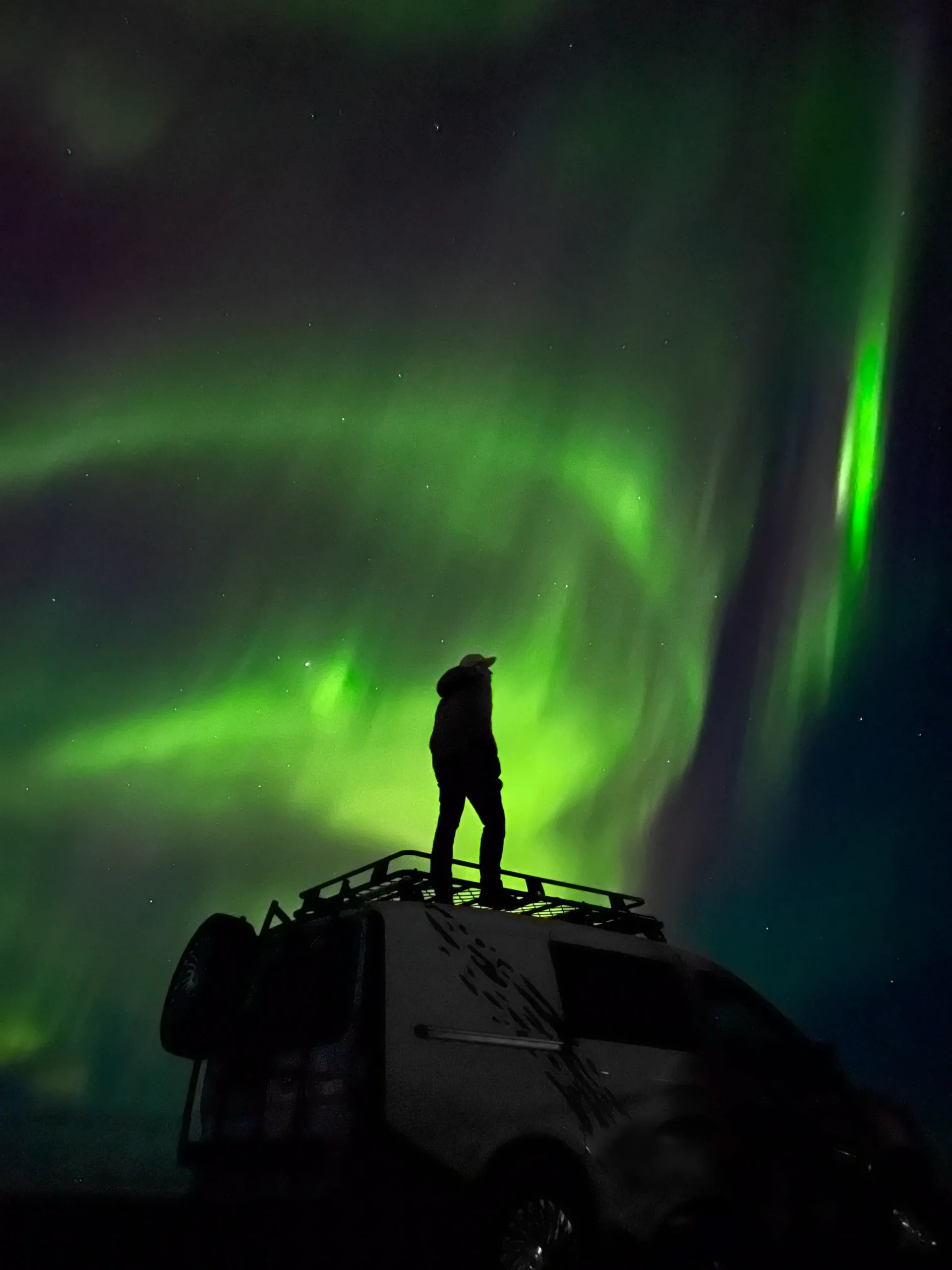
If you’re keen on a quieter journey, early autumn strikes a compelling balance. September tends to have fewer crowds while still offering relatively stable conditions for driving. By late August into September, darker nights return, increasing your chances of spotting the Northern Lights.
Reykjavík: The starting point
Reykjavík, Iceland’s capital, is where most start and end their Iceland Ring Road itinerary. Here you’ll collect your campervan, with a wide range of vehicles available through CU | Camper, and ease into the rhythm of the island. Spend at least two days in the city.
What to do in Reykjavík
Start with a dip in Iceland’s famed geothermal waters. The Blue Lagoon, just under an hour away, offers milky-blue pools of around 40°C set against black lava fields. If that’s too far, Sky Lagoon is a closer alternative.
Remember to stock up on snacks and supplies before leaving Reykjavík.
Tip
Check out the Sun Voyager sculpture and Harpa Concert Hall, then wander Laugavegur and Skólavörðustígur for cafés and shops. Hallgrímskirkja’s tower gives you an incredible view of the city.
Explore Perlan’s Wonders of Iceland with its ice tunnel, or visit Tjörnin Lake and Alþingi for a touch of history.
Where to stay
For your first night or two in Iceland, consider staying just outside central Reykjavík. Mosskógar, a charming organic farm about 15 minutes from the city, offers a quiet, rural setting while keeping you well-placed to start your journey toward Þingvellir.
Reykjavík to Þingvellir: The Golden Circle
Leaving Reykjavík, your Iceland Ring Road itinerary takes you to the heart of the Golden Circle. Just 45 minutes from the city lies Þingvellir National Park.
Þingvellir National Park
Þingvellir is where the North American and Eurasian tectonic plates drift apart, creating dramatic rifts and gorges. Walk along the trails to Öxarárfoss Waterfall and feel the stillness of Nikulasargja Gorge.
© Pascal Kretz
Lake Þingvallavatn holds another marvel: Silfra Gorge. Here’s your chance to snorkel right between two continents in crystal-clear glacial waters—a once-in-a-lifetime experience.
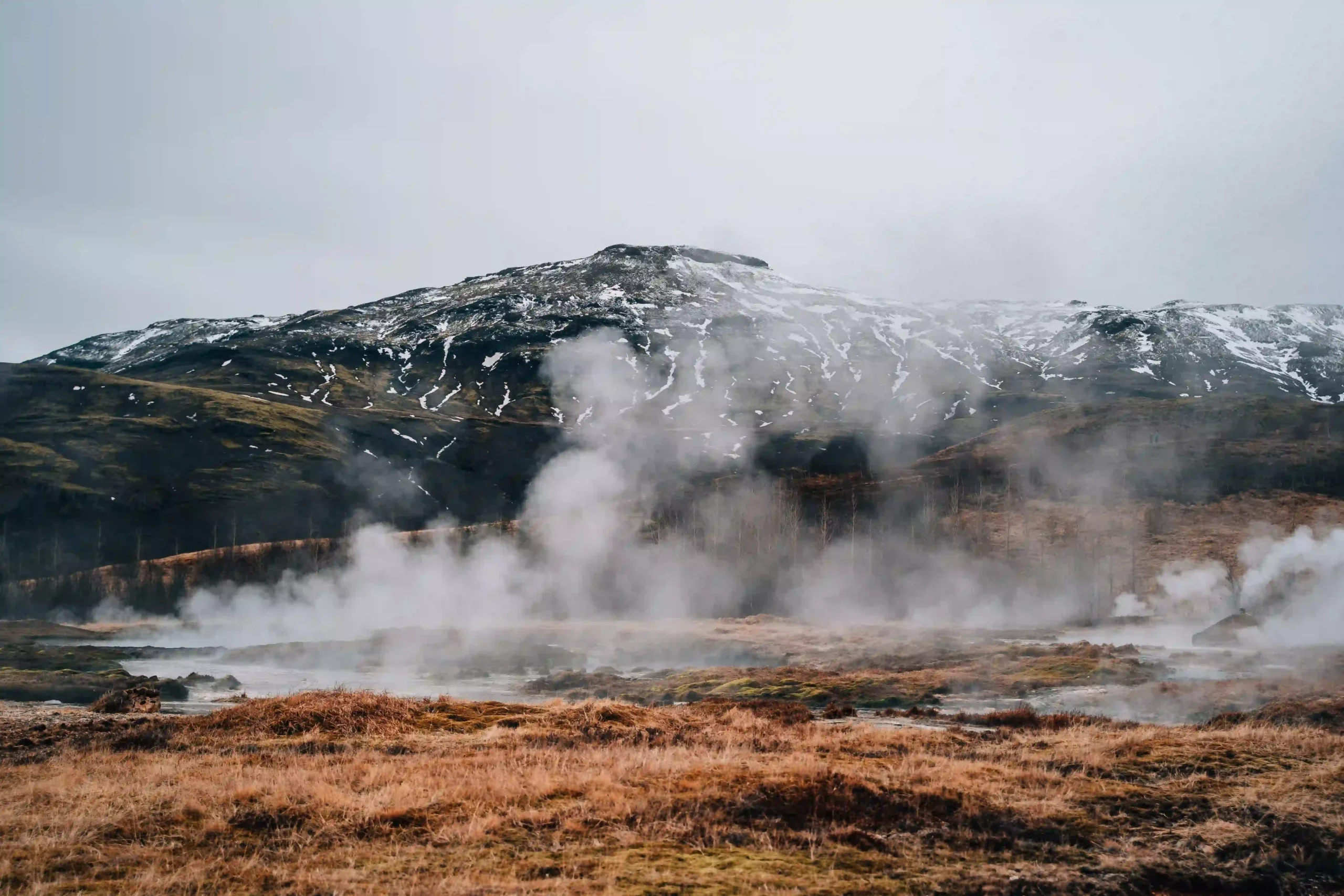
If time allows, continue to the Geysir Geothermal Area, just under an hour away. Strokkur geyser erupts every 5–7 minutes, sending a column of steaming water nearly 100 feet (30 m) into the sky—a perfect spectacle of Iceland’s volcanic energy.
© Pascal Kretz
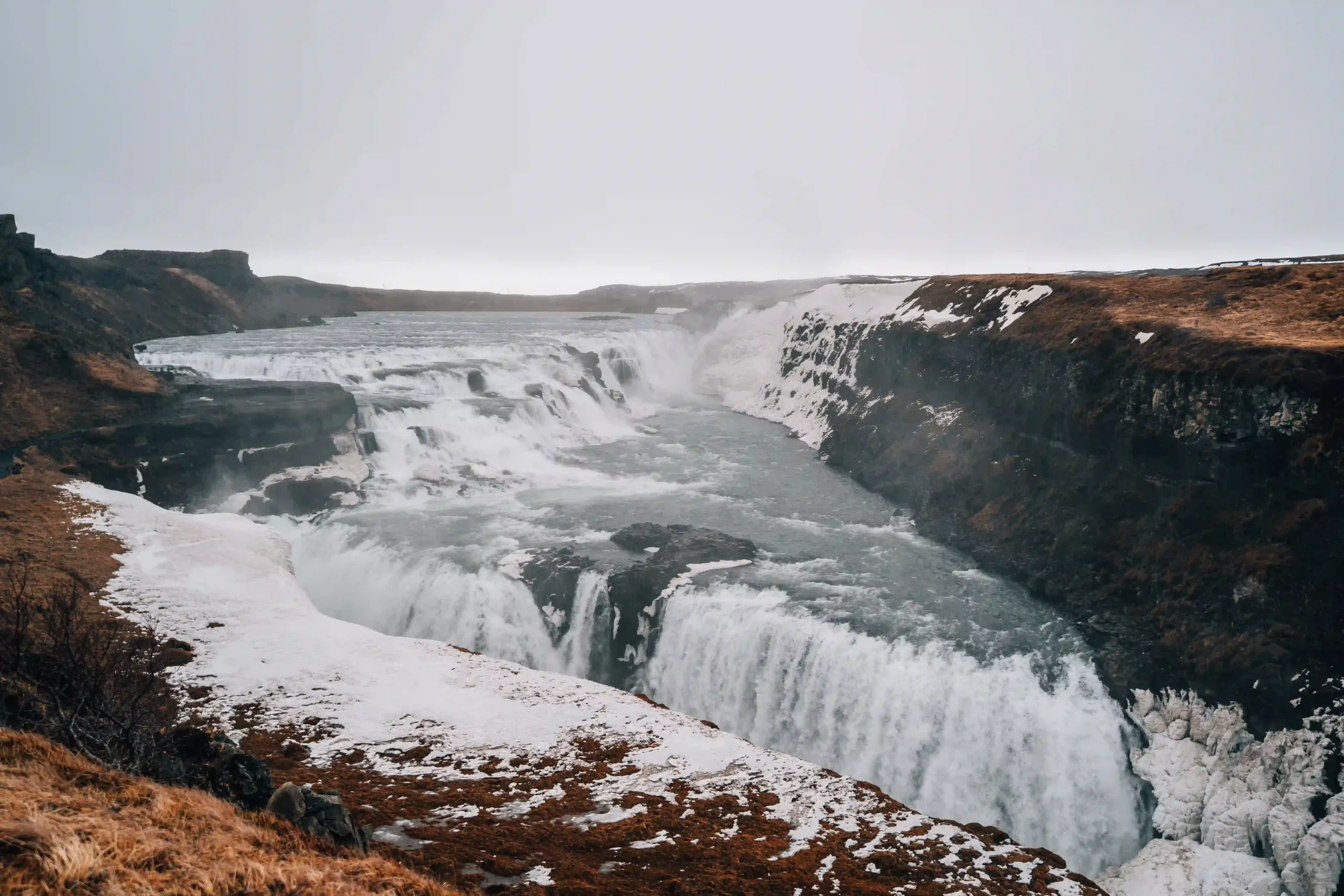
A short drive from Geysir brings you to Gullfoss, a waterfall of sheer unstoppable power fed by Langjökull, Iceland’s second-largest glacier. Several walking paths let you feel the spray on your face and experience the cascade from multiple perspectives.
End your Golden Circle loop with a visit to Kerið Crater. Walk around the rim of this dormant volcanic crater or descend to its vividly coloured basin, where the water shimmers in surreal blues and greens.
Where to stay
Nyrðri-Leirar in Þingvellir offers an immersive countryside experience, close to the park’s trails. For a more traditional camping setup, Campsite Selfoss provides all the essential facilities and is well-located for an early start toward the South Coast.
South Coast to Vík: Waterfalls and black sand
An area you could easily spend several days exploring, but on a 12-day Iceland Ring Road itinerary, you’ll need to be selective, making the most of just one day to capture its most unforgettable sights.
© Pascal Kretz
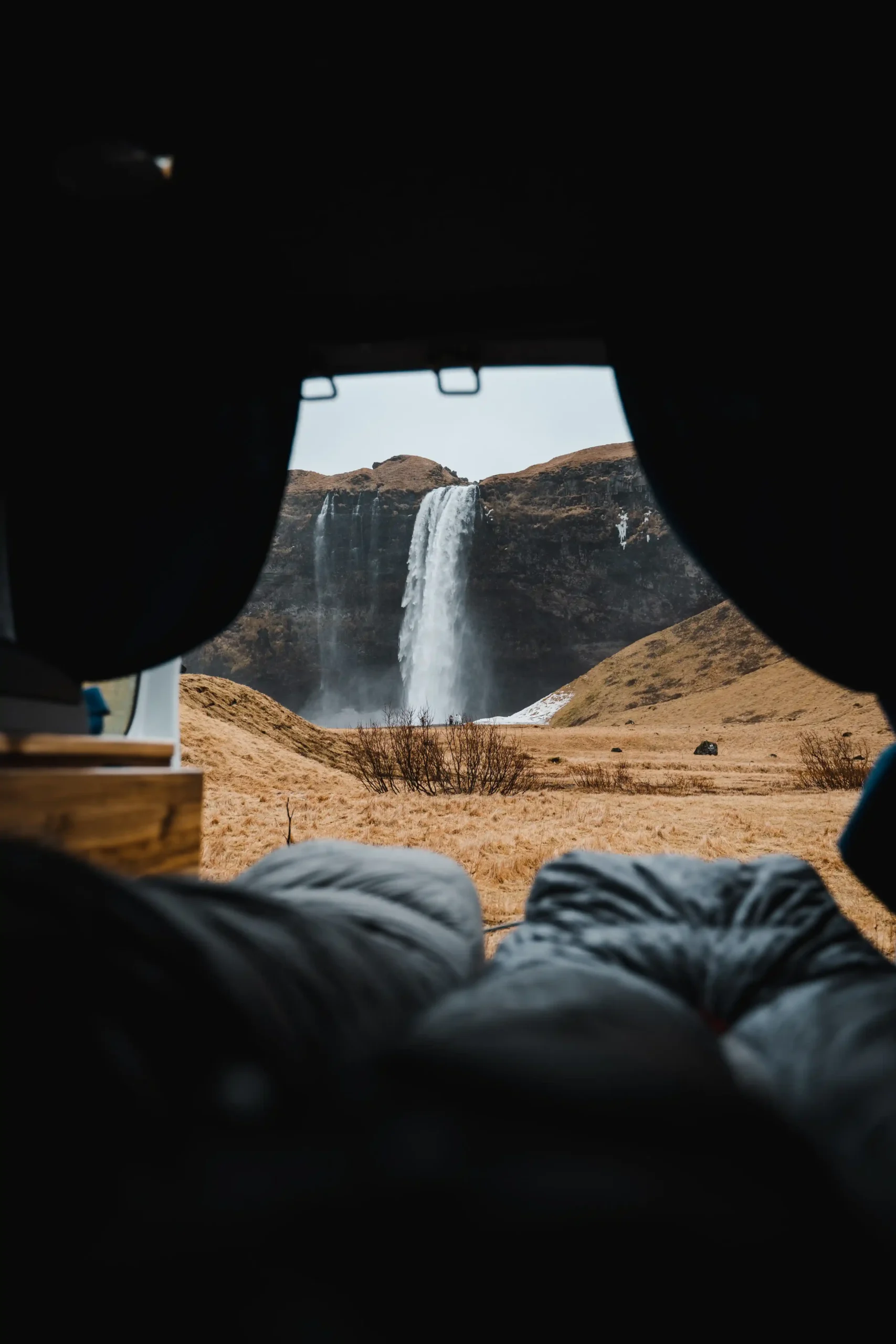
Just over an hour from Kerið Crater, Seljalandsfoss awaits. This iconic waterfall invites you to walk behind its cascading curtain, while a short stroll nearby leads to the hidden Gljúfrabúi, tucked away in a narrow gorge.
From there a 30-minute drive brings you to Skógafoss, a thundering cascade framed by verdant cliffs. Climb the staircase to the top for sweeping views of the coastline and highlands, where Iceland’s raw landscapes unfold in every direction.
Continue to Vík, a small village shadowed by towering cliffs. Reynisfjara, the black sand beach just outside town, is otherworldly—basalt columns rise from the shore, and the Atlantic crashes with relentless force. Nearby, the Dyrhólaey Lighthouse offers breathtaking vistas and dramatic rock formations, perfect for capturing the rugged beauty of this coastline.
Consider taking part in a Katla ice cave tour, where you can step inside ancient glacial formations at any time of year. The South Coast is also ideal for glacier hikes or kayaking on glacier lagoons.
Most glacier and ice cave tours do not allow children under eight.
Note
Where to stay
Vík Camping is the most convenient option, located just outside the village, equipped with electricity, toilets, and both hot and cold water. For something quieter, Kirkjubær II Campsite offers a more peaceful setting.
Vík to Jökulsárlón
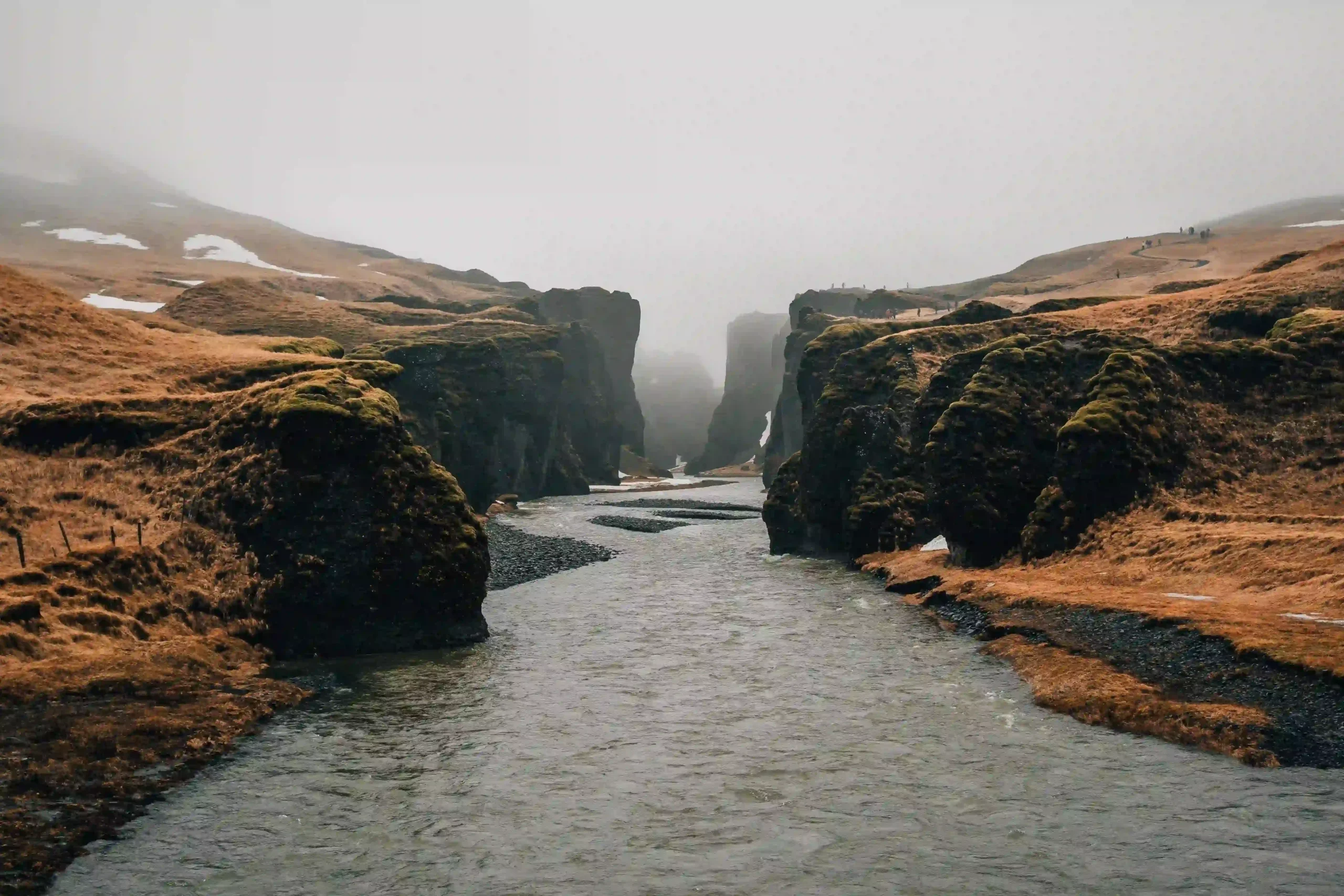
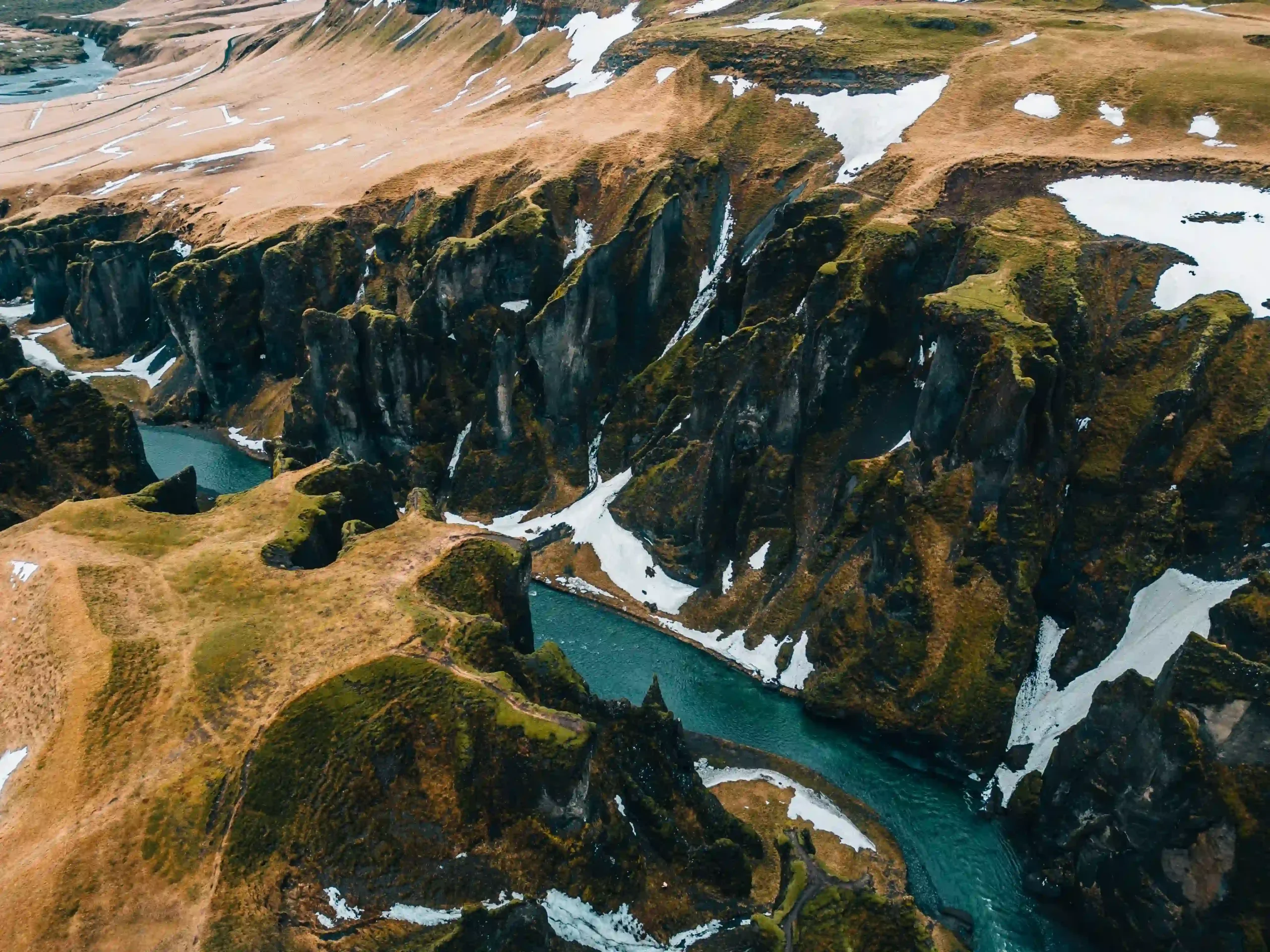
Leaving Vík behind, your Iceland Ring Road itinerary continues east. The drive to Jökulsárlón takes around 2.5 hours, winding past the vast Eldhraun lava field and the dramatic Fjaðrárgljúfur Canyon.
© Pascal Kretz
© Pascal Kretz
Jökulsárlón
© Pascal Kretz
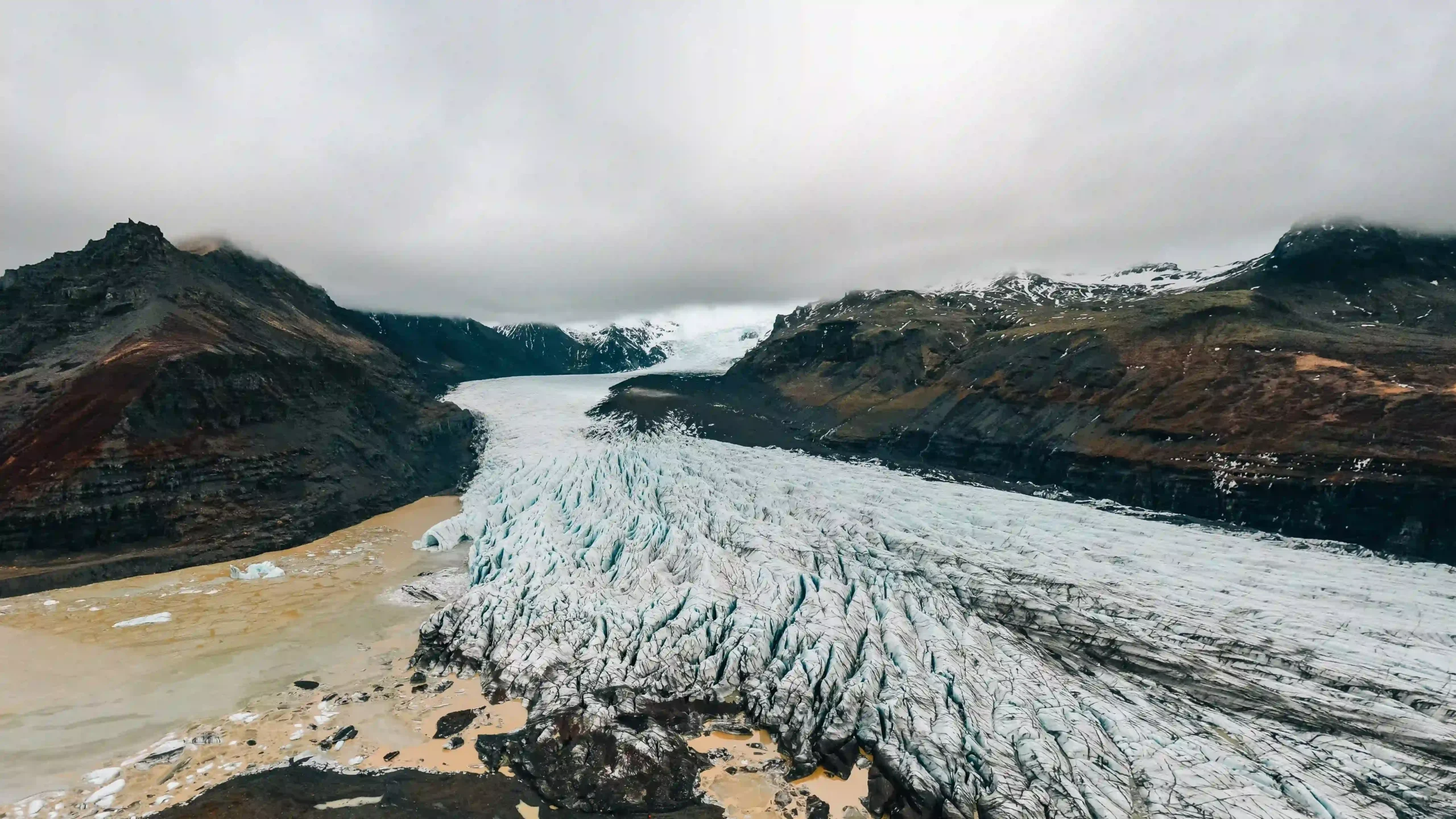
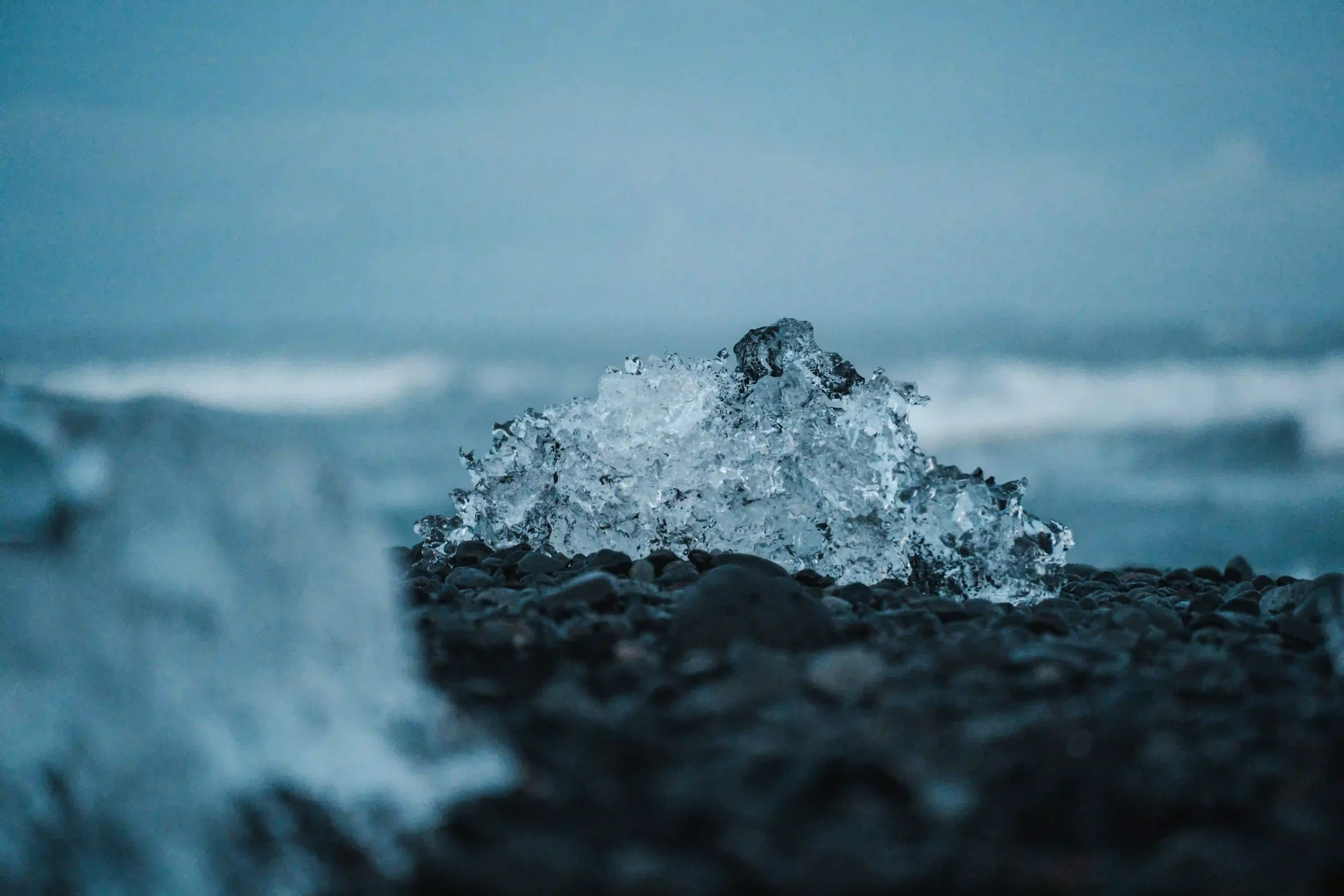
Jökulsárlón is one of Iceland’s most mesmerising sights. Here, icebergs break away from the glacier and drift slowly across still, glassy water before making their way out to sea.
Just across the road, these fragments are carried back to shore, scattered across the black sand like shards of glass—earning this stretch of coastline its nickname, “Diamond Beach”.
For a closer look, you can take a boat tour onto the lagoon itself, gliding between the icebergs and, if you’re lucky, spotting seals resting among the ice.
Where to stay
Skaftafell Camping, open year-round, is a convenient base for exploring Jökulsárlón. Sites are first-come, first-served, with toilets and electricity available.
East Iceland to Egilsstaðir: The quiet side
Around 1.5 hours from Jökulsárlón, make a stop at Stokksnes. Here, black sand stretches toward the dramatic peaks of Vestrahorn, a mountain that rises sharply from the coastline.
Continuing into the Eastfjords, the road hugs the coastline, revealing fjords that open and close with each turn. Along the way, visit Petra’s Stone Collection, a unique display of minerals and crystals gathered over a lifetime, or pause in Hallormsstaðaskógur—Iceland’s largest forest—an unexpected contrast to the country’s otherwise sparse landscape. If time allows, the small village of Eskifjörður offers a glimpse into everyday life in this remote region.
Further inland, the road leads to Lagarfljót, a long, serene lake steeped in local legend. Nearby lies Egilsstaðir, the largest town in East Iceland. It’s the ideal spot to refuel, rest, and prepare for the more rugged stretches still to come.
About an hour northeast lies Borgarfjörður Eystri. Follow the road to its end at Borgarfjarðarhöfn, where steep cliffs meet the sea. This is one of the best places in Iceland to see puffins, particularly between mid-May and mid-August, when they gather in large numbers along the cliffs.
Where to stay
In Egilsstaðir, Camp Egilsstaðir is a convenient base with basic amenities. For a more scenic option, the Borgarfjörður Eystri Campsite offers a quieter, coastal setting—perfect for puffin spotting.
Dettifoss & Námaskarð
From Egilsstaðir your Iceland Ring Road itinerary turns north into a landscape that feels increasingly wild and elemental. The drive to Dettifoss takes around four hours, crossing remote highlands where the sense of isolation becomes part of the experience.
You’ll hear Dettifoss—Europe’s most powerful waterfall—long before it comes into view. The ground seems to tremble as vast volumes of water crash into the canyon below.
© Pascal Kretz
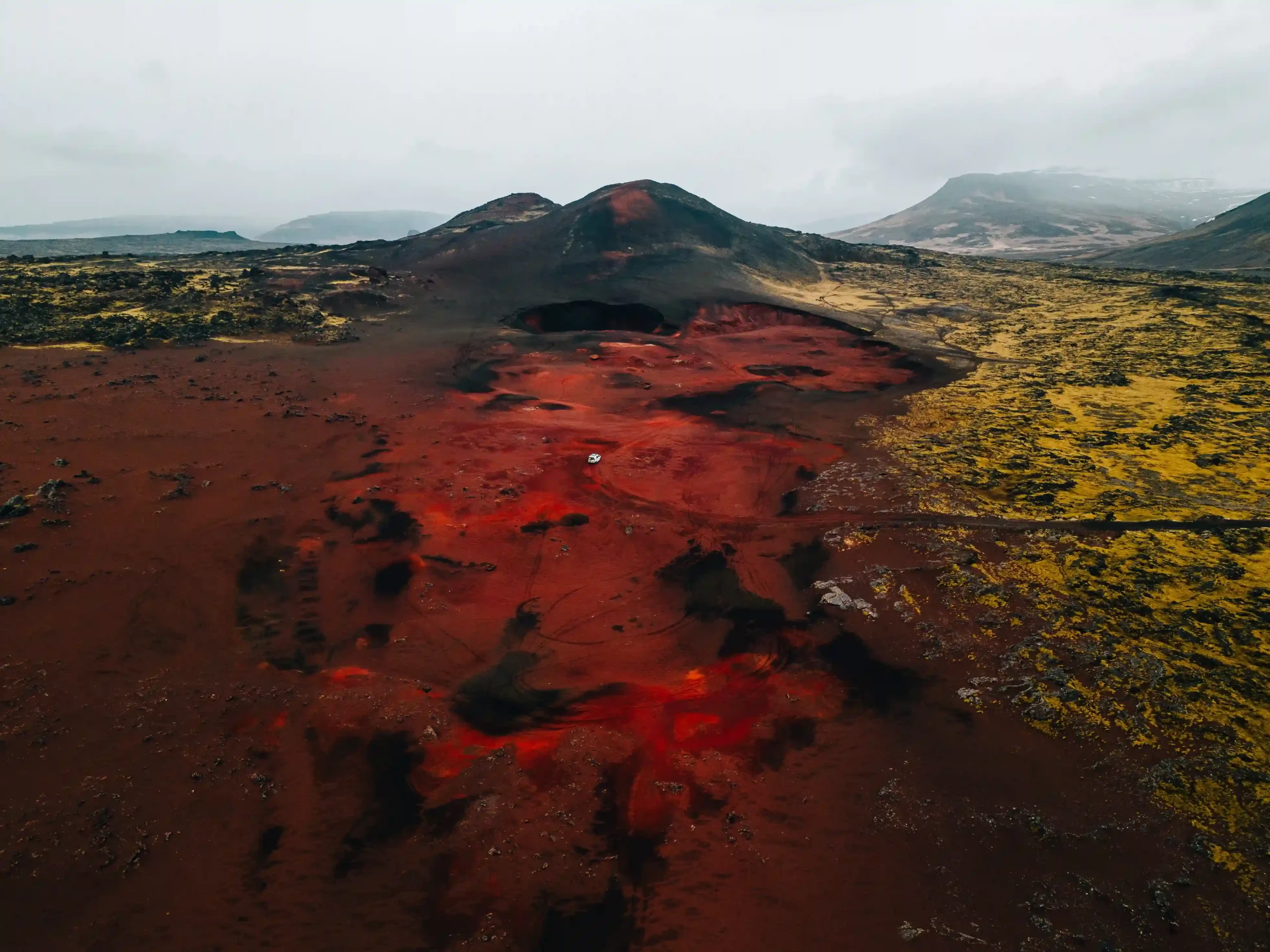
Nearby, the geothermal area of Námaskarð—often called Hverir—reveals a completely different side of Iceland. The ground bubbles and steams, with mud pots, fumaroles, and mineral-streaked earth painting the landscape in deep reds, oranges, and yellows.
A short detour leads to Grjótagjá, a small lava cave hiding a vivid blue thermal pool within.
Where to stay
Before continuing to Námaskarð, Ásbyrgi Campsite makes a well-equipped and comfortable stop. It features electric hook-ups, cooking facilities, washrooms, showers, a laundry room, and drinking water, surrounded by dramatic, tall cliffs.
Námaskarð to Akureyri: Whale-watching & northern charm
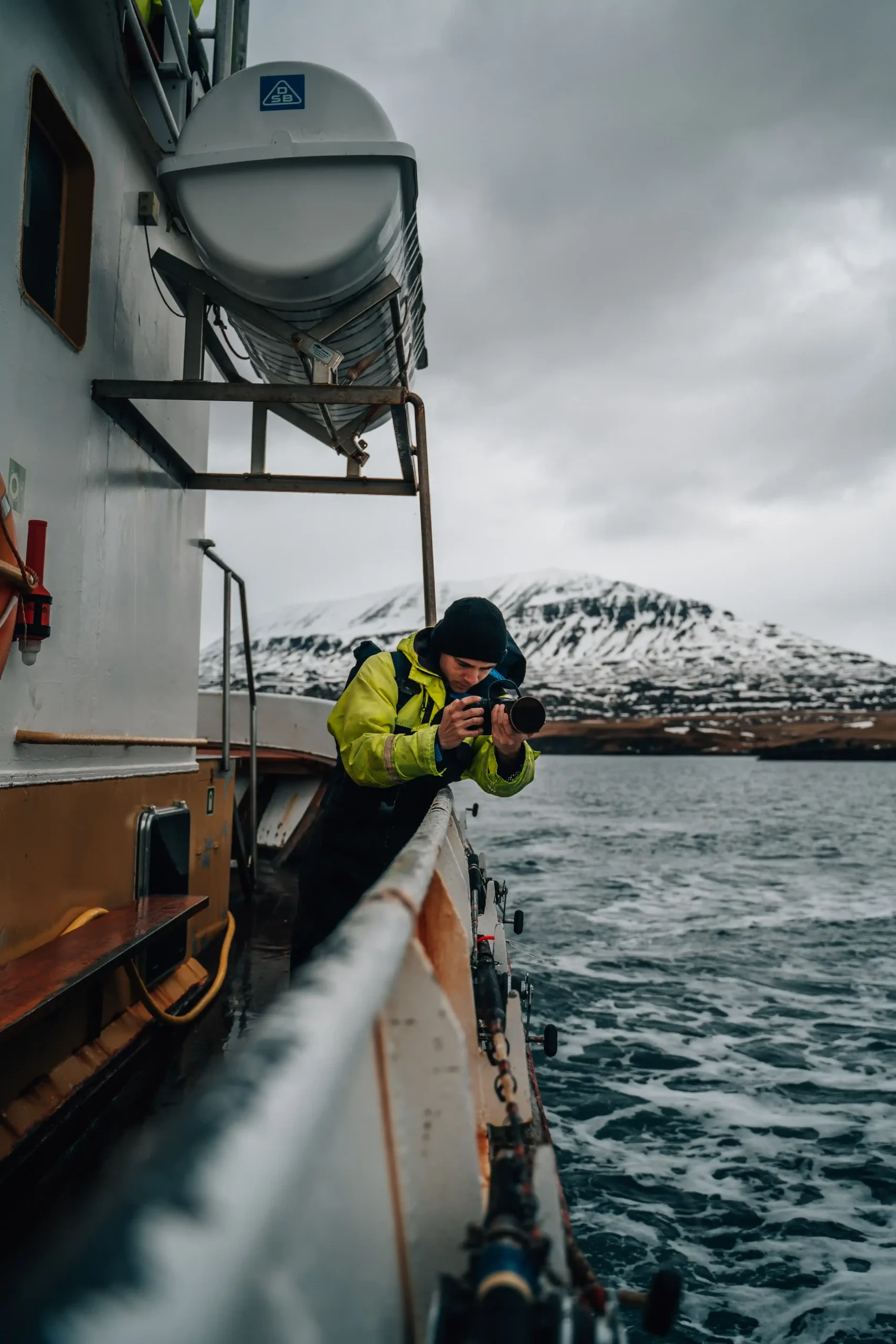
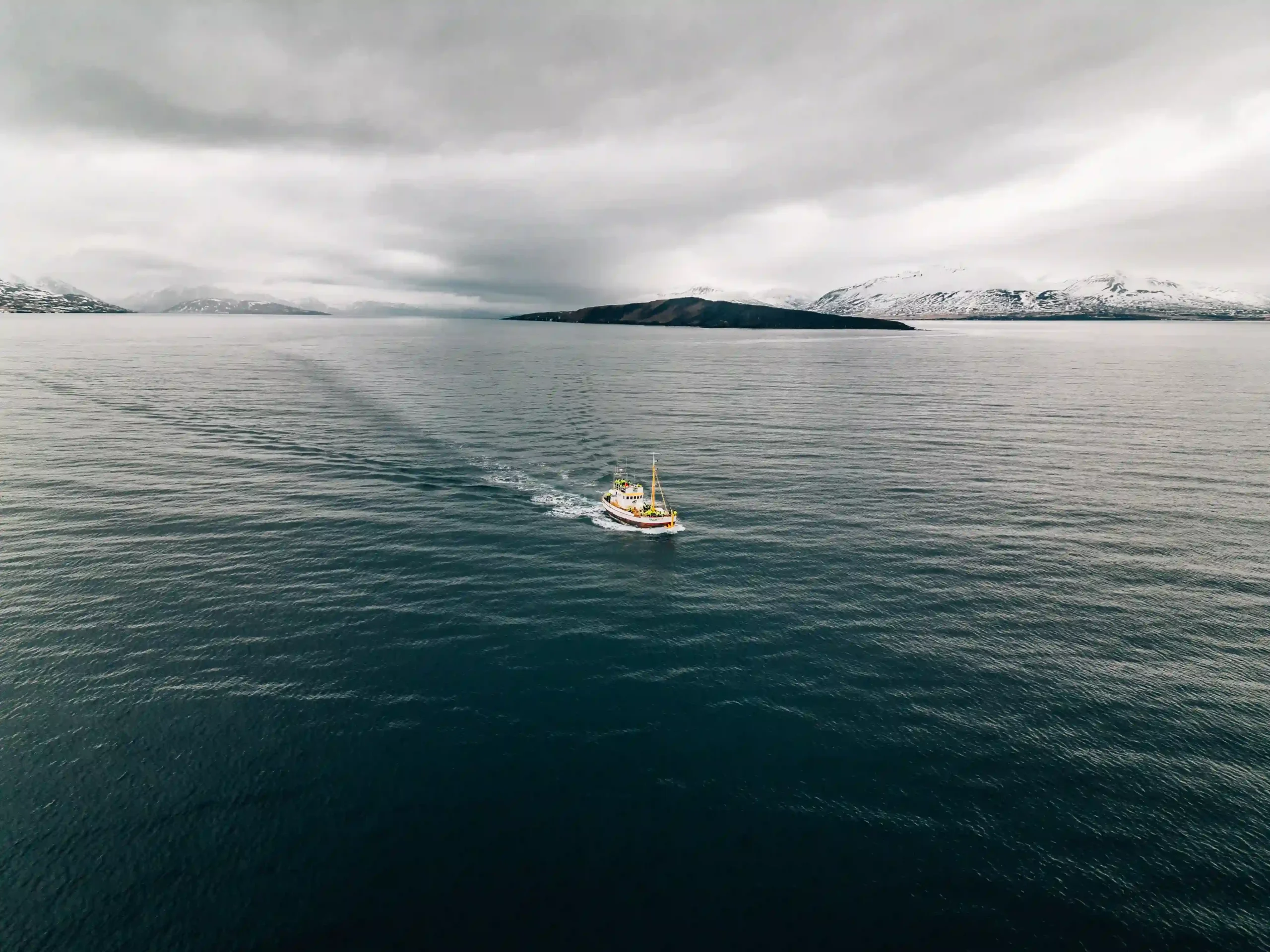
From the geothermal landscapes of Námaskarð, it’s a short 45-minute drive north to Húsavík—a small coastal town known as the whale-watching capital of Iceland. Set along a quiet bay, this is one of the best places in the country to head out to sea in search of humpbacks, minke whales, and even blue whales in the summer months.
© Pascal Kretz
© Pascal Kretz
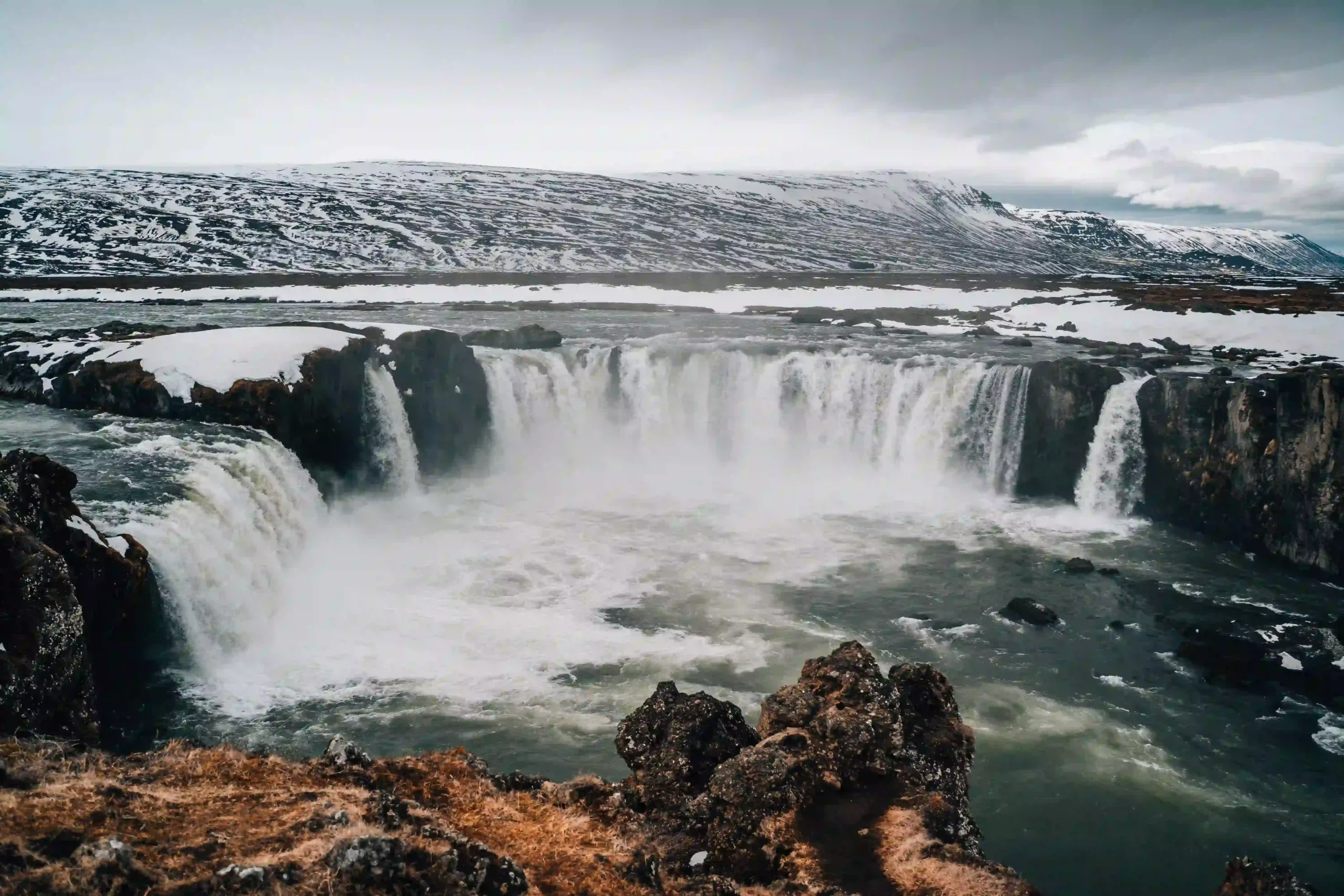
On your way west, stop at Goðafoss, often called the “Waterfall of the Gods”. Its wide, horseshoe shape and steady flow give it a quiet power, very different from the raw force of Dettifoss.
© Pascal Kretz
From here, continue along the Ring Road toward Akureyri, just 30 minutes away. The drive through the toll tunnel is the quickest option, but for a more scenic route, take the older mountain road and enjoy the views as you descend toward Iceland’s northern capital.
In Akureyri, spend some time at the Botanical Gardens on the edge of town, or stroll through the centre where cosy cafés and inviting restaurants offer a welcome break.
Where to stay
Húsavík Campsite is a well-equipped option in the centre of town, just a short walk from the harbour, restaurants, and grocery stores. Alternatives include Systragil Campsite in Fnjóskadalur or Akureyri (Hamrar).
Akureyri to Trollaskagi Peninsula
From Akureyri, head north to the Trollaskagi Peninsula. The drive to Siglufjörður takes about 1.5 hours, winding through dramatic fjords and lush valleys. This small town, once a herring-fishing hub, charms with its picturesque harbour, colourful houses, and quiet streets
A little further along the peninsula, you’ll come across Reykjafoss, a striking waterfall tucked into the landscape.
Overnight in Sauðárkrókur
For the night, Sauðárkrókur Campsite is an ideal stop. Equipped with electric hook-ups, showers, and toilets, and it’s conveniently close to shops, restaurants, and pubs.
Sauðárkrókur to Vatnsnes Peninsula
Or head to Hvitserkur, a striking rhino-shaped rock standing tall at the edge of a black sand beach on the Vatnsnes Peninsula. Its dramatic shape against the surf makes it one of Iceland’s most photogenic spots.
Where to stay
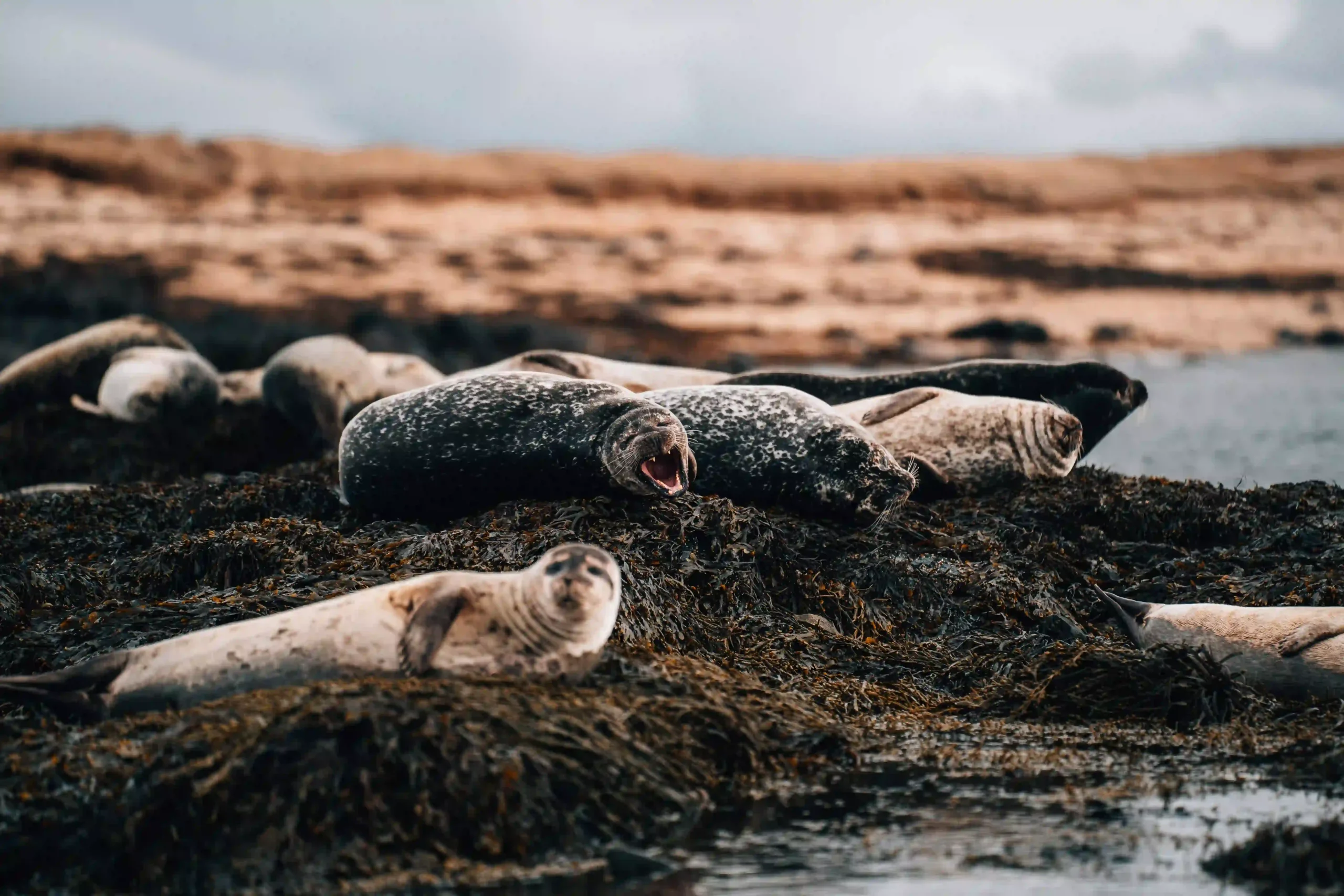
Spend the night at Illugastaðir on the Vatnsnes Peninsula. This area is renowned for seal-watching, offering one of the best spots in Iceland to see these playful creatures in their natural habitat.
© Pascal Kretz
Vatnsnes Peninsula to Eiríksstaðir
From Vatnsnes, drive roughly two hours to Eiríksstaðir, the reconstructed Viking longhouse that offers a glimpse into Iceland’s mediaeval past. Then continue toward the Snaefellsnes Peninsula.
Grundarfjörður: Kirkjufell and beyond
© Pascal Kretz
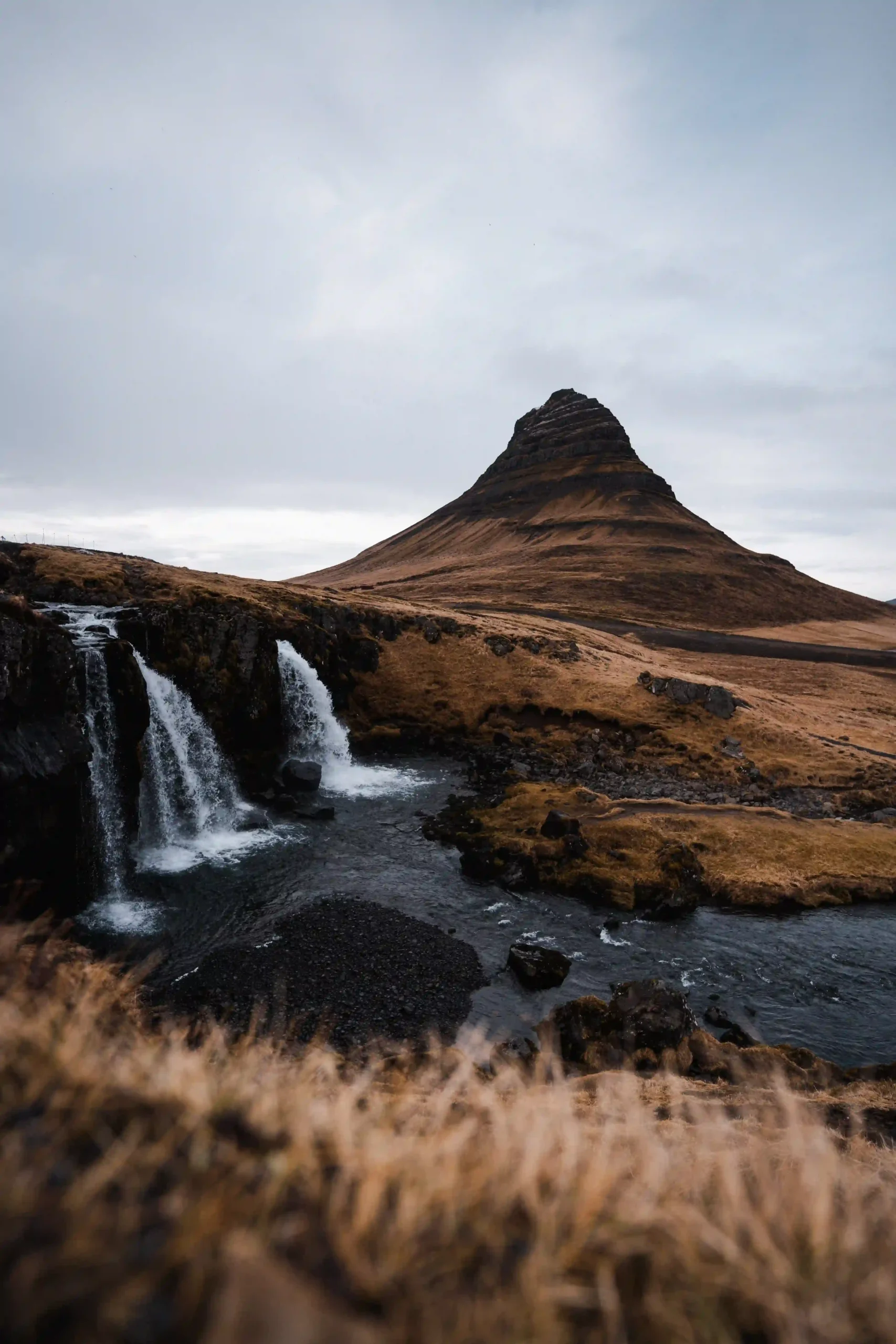
Stop in Grundarfjörður, less than two hours from Eiríksstaðir. Grundarfjörður Campsite offers a scenic base near Kirkjufell Mountain and its famous waterfall, Kirkjufellsfoss. Take a kayaking trip around Kirkjufell for a unique perspective.
Just under an hour from Grundarfjörður, explore the Saxholar Volcano Crater, where stairs lead to a panoramic view from the top. Nearby, Djúpalónssandur Beach invites a walk along black sands scattered with smooth, volcanic rocks.
Arnarstapi features spectacular coastal cliffs and unusual rock formations, with a scenic hike connecting Hellnar and Arnarstapi—though with limited time, you may need to choose your highlights carefully. Other notable stops include Rauðfeldsgjá Gorge, Búðakirkja, Bjarnarfoss, and Ytri Tunga Beach, where seals sometimes bask along the shore. Don’t miss a photo opportunity at the striking Gerðuberg Cliffs.
Where to stay
For the night, Akranes Campsite is just over two hours from Arnarstapi, offering a convenient spot to rest before the final leg back to Reykjavík.
Back to Reykjavík: Complete the circle
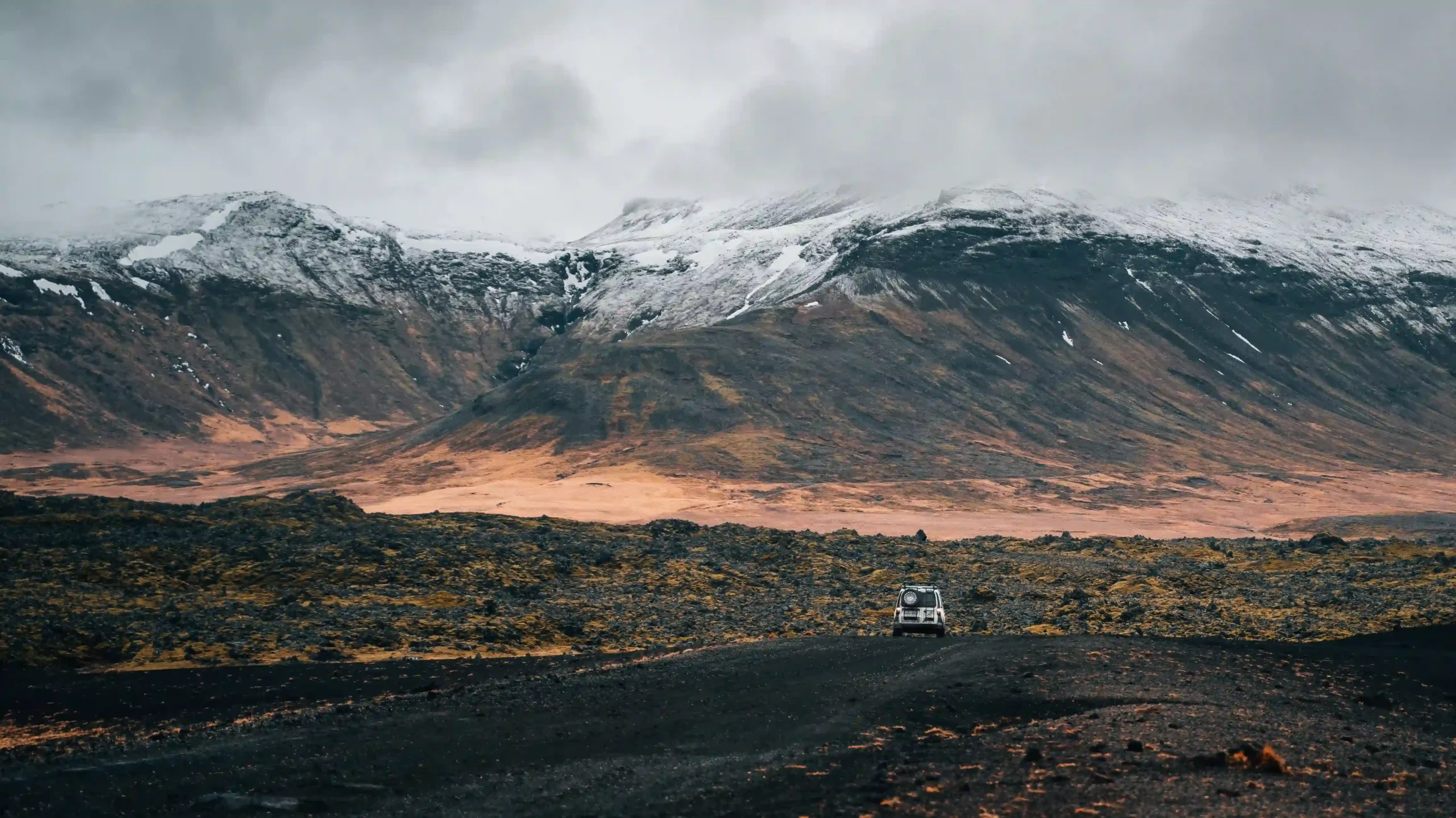
The drive back to Reykjavík from Akranes takes just under an hour. After completing the loop, returning to the capital feels different—you’ve seen the remote east, the powerful north, and the quiet west.
© Pascal Kretz
That’s the beauty of a well-paced Iceland Ring Road itinerary. It’s not just about seeing Iceland—it’s about experiencing its rapid transformations, the sheer vastness of the landscapes, and the humbling feeling of being small within them.
Before or after a motorhome trip, it’s often a good idea to spend a few days in a major city.
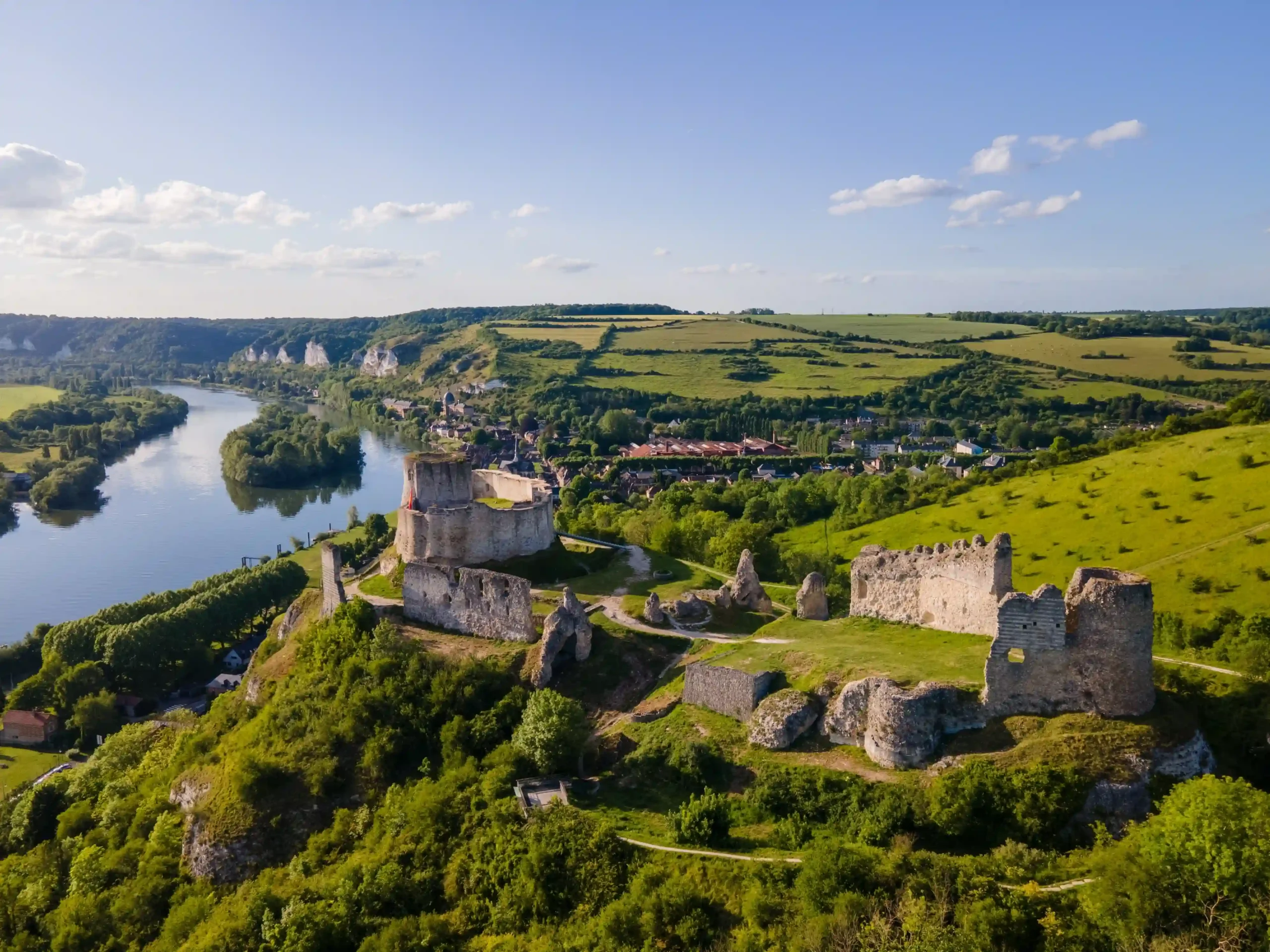
Normandy road trip
This 8-day Normandy road trip connects dramatic chalk cliffs and WWII landing beaches with lush valleys, and the iconic Mont Saint-Michel—creating a captivating journey through the region’s coast and countryside.
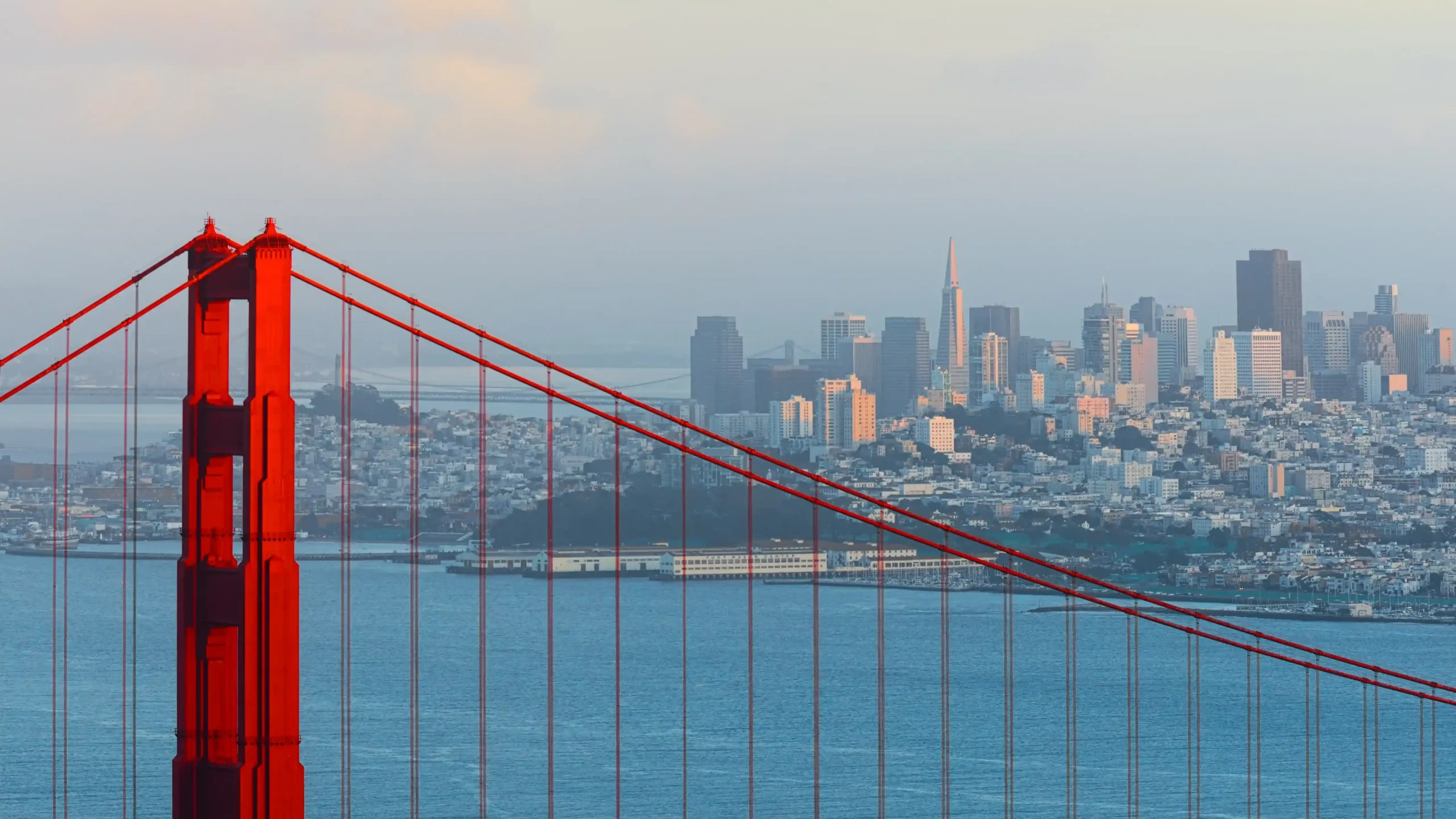
RV rental San Francisco
Resting dramatically on the edge of Northern California, San Francisco is widely considered one of the best cities in the US. Celebrated around the world for its iconic landmarks, vibrant…
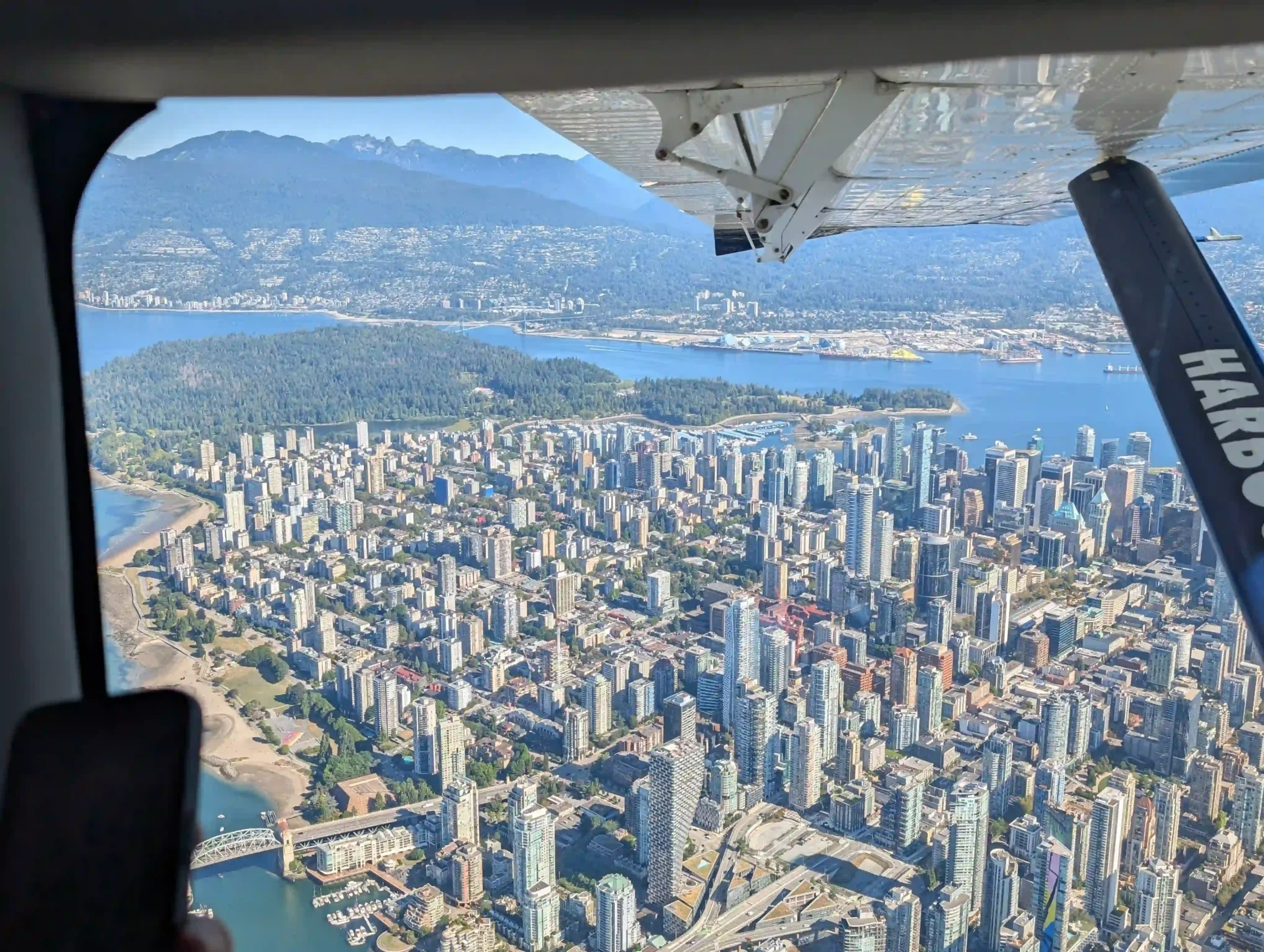
Vancouver itinerary
Explore a modern oceanfront city framed by towering peaks. Park up at picturesque campsites, catch coastal ferries, and launch your ultimate British Columbia road trip.
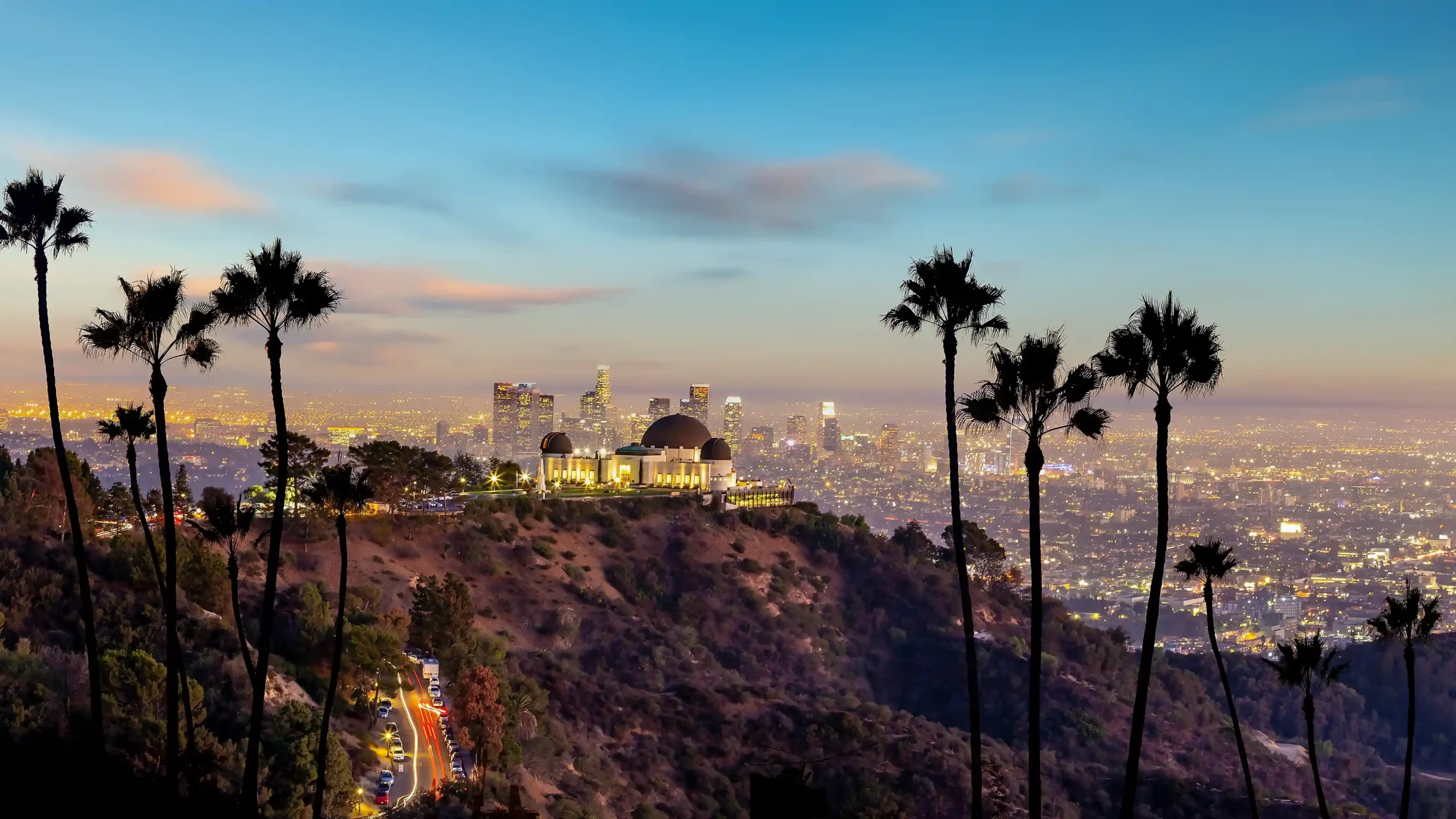
Camping Los Angeles
Stroll the Santa Monica Pier, take in sweeping skyline views from Griffith Observatory, and soak up iconic film history.
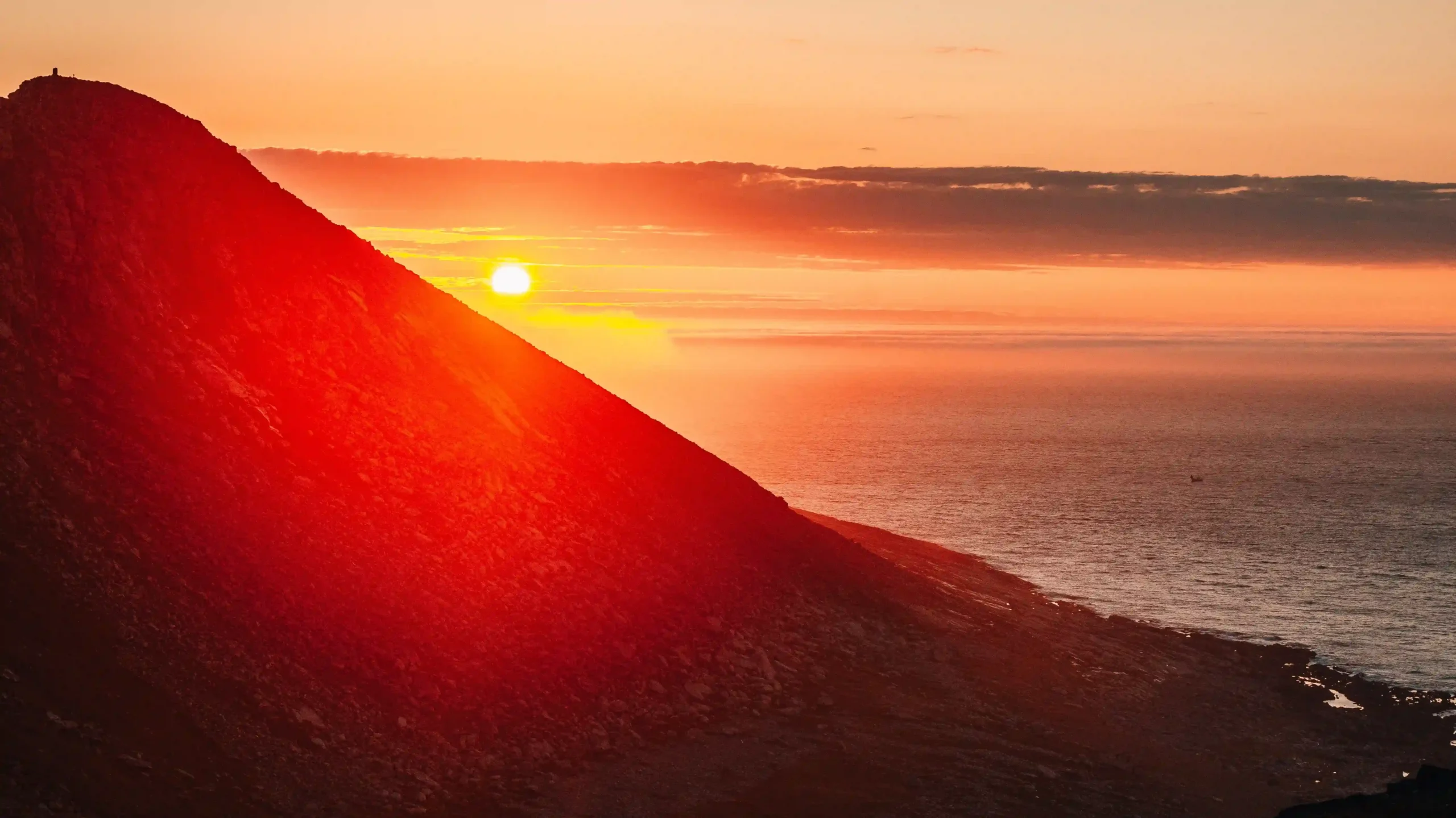
Norway and Finland motorhome itinerary
A 10-day motorhome journey from Rovaniemi to the North Cape. Encounter reindeer in Lapland and witness the Midnight Sun at the edge of the continent.
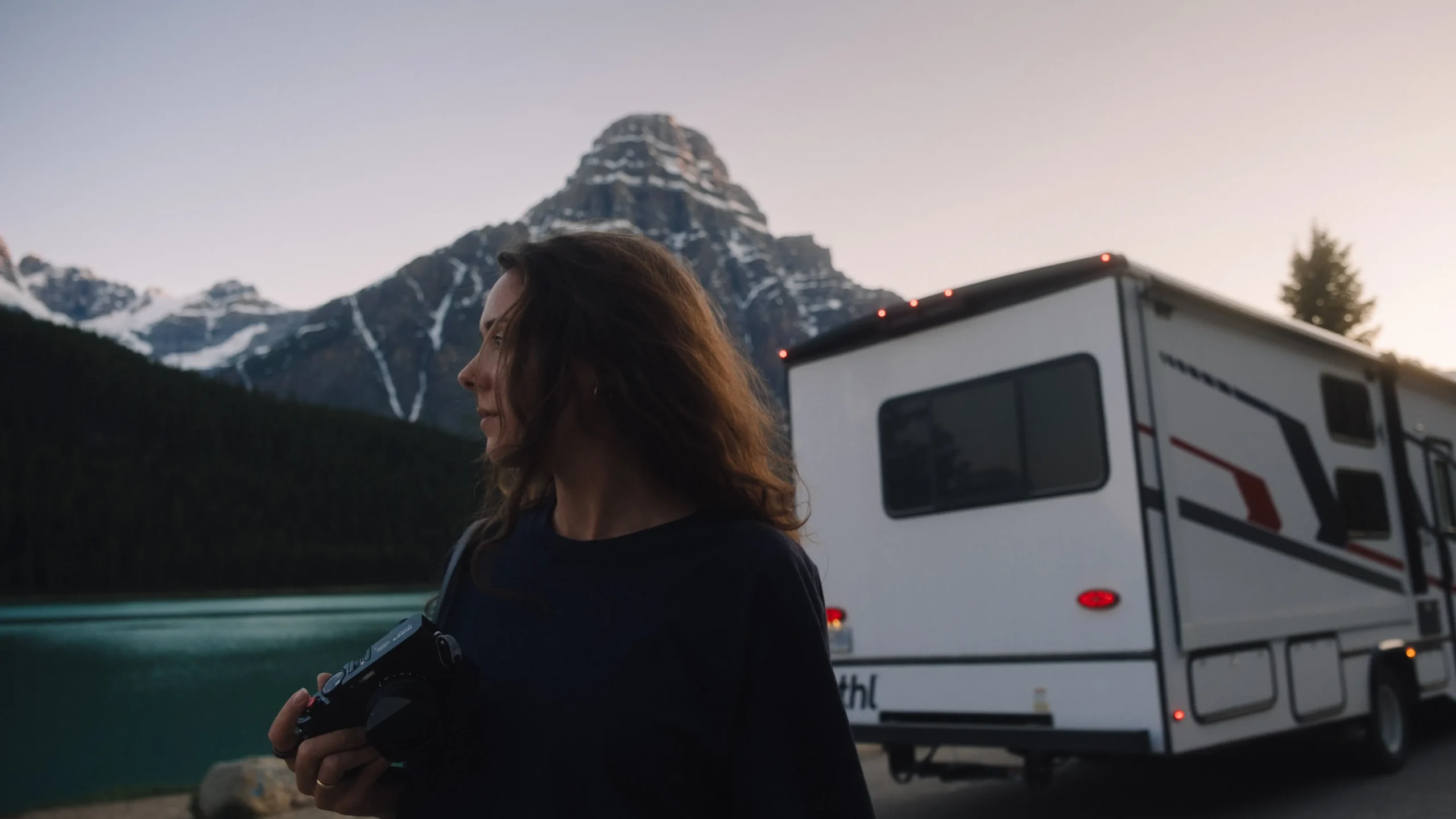
Calgary to Vancouver road trip
Journey along the Rockies on your way from Calgary to the Pacific coast. Drive past turquoise lakes and massive glaciers, exploring the best of the mountain wilderness in a motorhome.