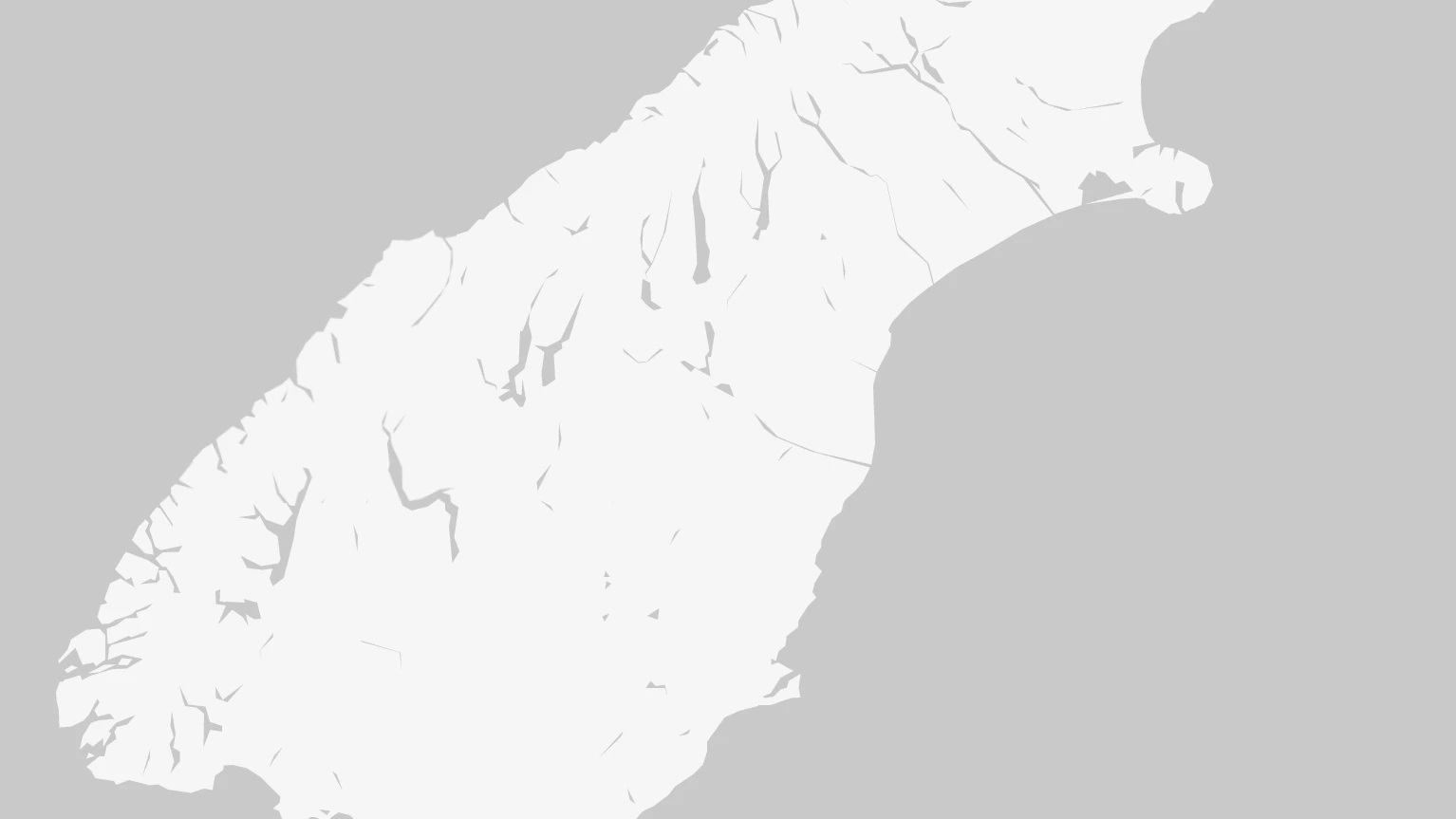
New Zealand South Island itinerary
A 2-week campervan loop passing alps, glaciers, and fjords.
© Leander Kamp
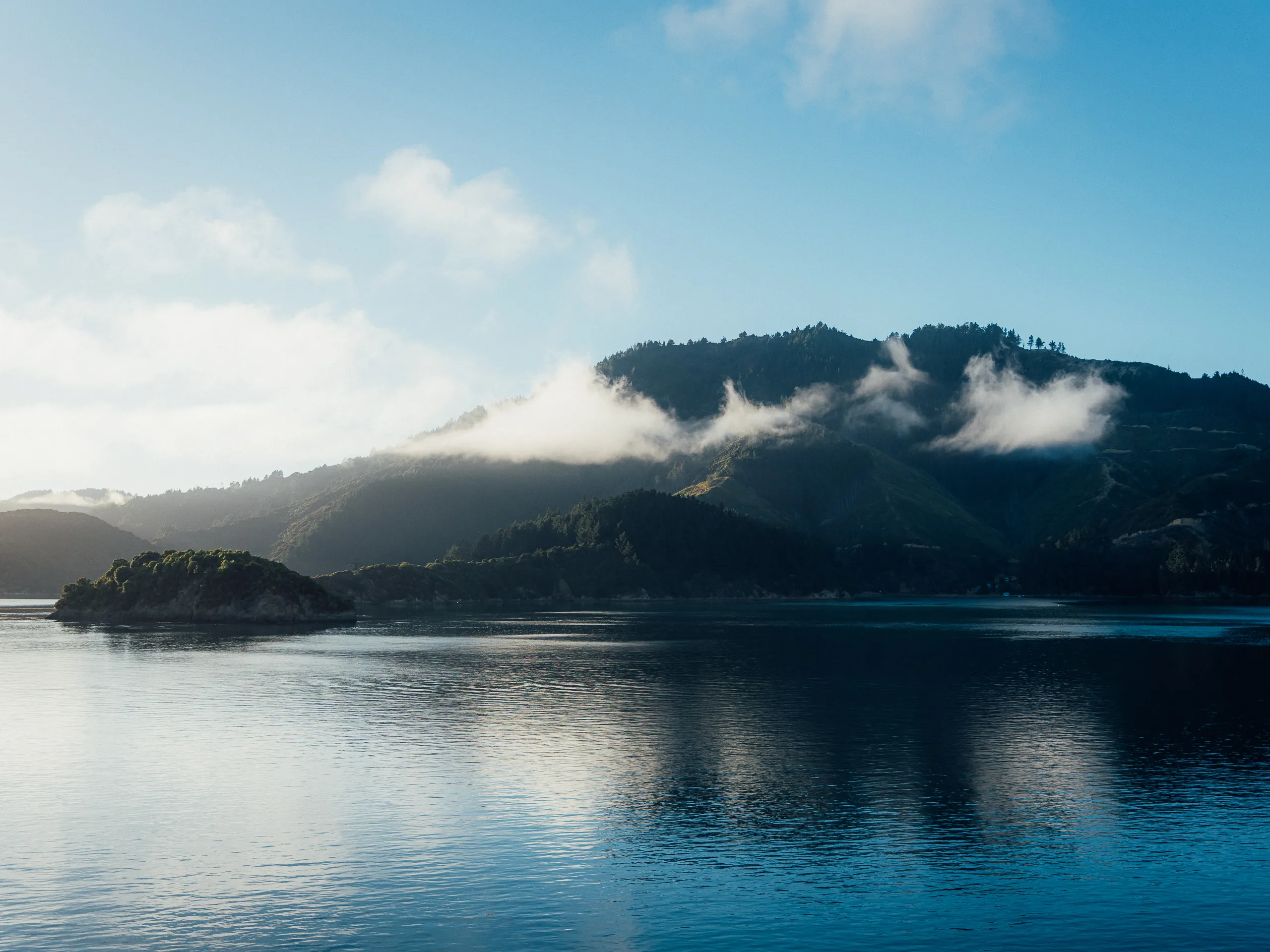
This is New Zealand’s South Island—a place where mountains rise like cathedral walls, glaciers carve their way through ancient rock, and rivers shimmer in impossible shades of turquoise.
The island is sculpted by the mighty Southern Alps—a 310-mile (500 km) backbone of stone and ice running from the wilderness of Fiordland in the south-west to the sunlit edges of Nelson in the north-east. They divide climates, carve valleys, and shape every mile of this journey.
Yet the South Island is not only about snow and stone. Vineyards roll beneath golden hills. Seals bask on wave-battered rocks. And above it all, vast starlit skies stretch across one of the darkest places on Earth.
This 2-week New Zealand South Island itinerary covers roughly 1,180 miles (1,900 km), beginning and ending in Christchurch. The loop leads you through glacial lakes, high alpine passes, vineyard-lined valleys, rainforest-covered fjords, and coastal highways. One day you’re standing beneath Aoraki’s icy summit; the next, you’re watching waves crash along the wild West Coast. It’s a journey of contrasts and adrenaline-filled activities.
Highlights
- Christchurch’s Botanic Gardens
- Lake Tekapo’s turquoise waters
- Aoraki / Mount Cook
- Thrill-seeking in Queenstown
- Fiordland National Park & Milford Sound
- Walking on Franz Josef Glacier
- Arthur’s Pass
- Extending the loop
If you have time for a longer adventure, pairing this route with the North Island is recommended. Together they tell a story of steam and snow, culture and wilderness. Yet even alone, this South Island loop captures the country’s raw, cinematic essence—and leaves a quiet ache to return.
| Day | Route / Destination | Driving time | Highlights |
| 1–2 | Arrive in Christchurch | Explore Botanic Gardens, Avon River punt ride | |
| 3–4 | Christchurch → Lake Tekapo | ~3 hrs | Drive Canterbury Plains, hike Mount John Summit Track, stargazing at Aoraki Mackenzie Dark Sky Reserve |
| 5 | Lake Tekapo → Aoraki / Mount Cook | ~1.5 hrs | Scenic drive along Lake Pukaki, Hooker Valley Track hike, scenic helicopter flight |
| 6–7 | Aoraki / Mount Cook → Queenstown | ~4 hrs | Visit Twizel & Omarama Clay Cliffs, drive Lindis Pass & Crown Range, explore Gibbston Valley, ride Skyline Gondola & Shotover Jet |
| 8 | Queenstown → Fiordland National Park | ~2.5 hrs | Cruise Milford Sound |
| 9–10 | Fiordland National Park → Wānaka | ~3.5 hrs | Hike Roy’s Peak Track, water taxi to Mou Waho Island, sunset at “That Wānaka Tree” |
| 11–12 | Wānaka → Franz Josef | ~4.5 hrs | Drive Haast Pass, heli-hike Franz Josef Glacier or Fox Glacier |
| 13 | Franz Josef → Hokitika | ~2 hrs | Scenic drive along the West Coast, visit Hokitika Gorge |
| 14 | Hokitika → Christchurch | ~3.5 hrs | Drive through Arthur’s Pass |
Why explore the South Island by campervan?
Here, distances are long, towns are few, and wilderness feels absolute.
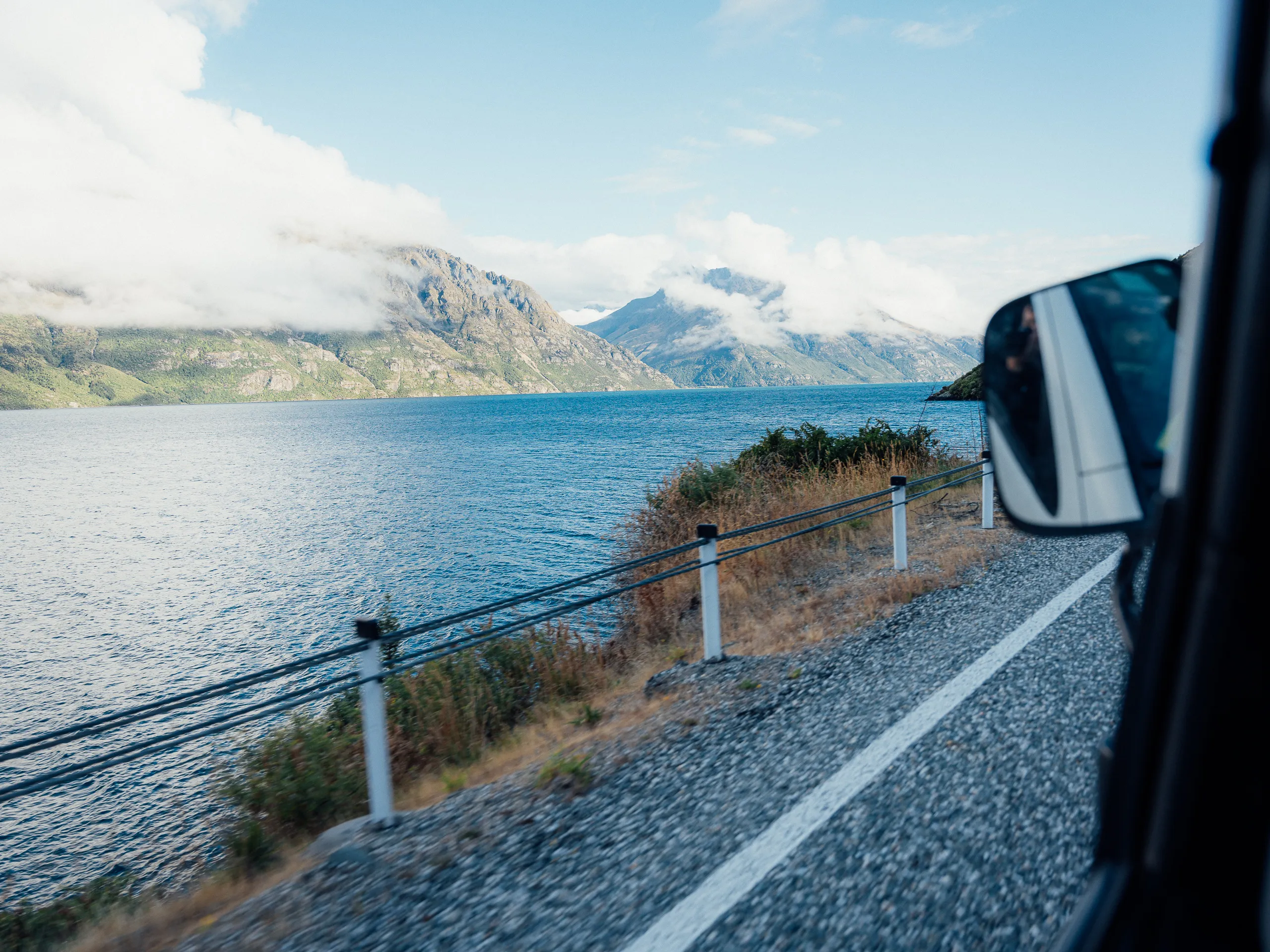
A campervan gives you the freedom the South Island demands—the ability to pull over by a glacial lake, to linger at a mountain pass, and to wake with frost on the grass and silence outside your motorhome.
© Leander Kamp
Roads are generally well maintained, traffic thins quickly beyond the main centres, and campsites—from DOC sites hidden in remote valleys to lakeside holiday parks—place you directly inside the scenery.
Freedom camping is usually limited to marked areas and often restricted to certified self-contained vehicles.
Keep in mind
Start your New Zealand South Island itinerary in Christchurch
Christchurch is the South Island’s main international gateway and the natural starting point for your New Zealand South Island itinerary. It’s here that you’ll collect your campervan, with a wide range of vehicles available through CU | Camper.
Known as the “Garden City”, Christchurch is home to extensive public parks, private gardens, and tree-lined streets. Iconic green spaces like the 163-year-old Botanic Gardens and 700+ parks define its character, blending nature with urban life.
Top experiences in Christchurch
One of the most iconic ways to experience the city is with a traditional “punt ride” along the Avon River, which winds gently through Christchurch’s verdant centre.
© Martin Valigursky
The city is also characterised by post-earthquake innovation, modern architecture, street art, and innovative spaces. Stroll along New Regent Street, its pastel façades glowing in the afternoon light, or wander through the bustling Riverside Market, where local flavours and artisan produce offer a taste of the region.
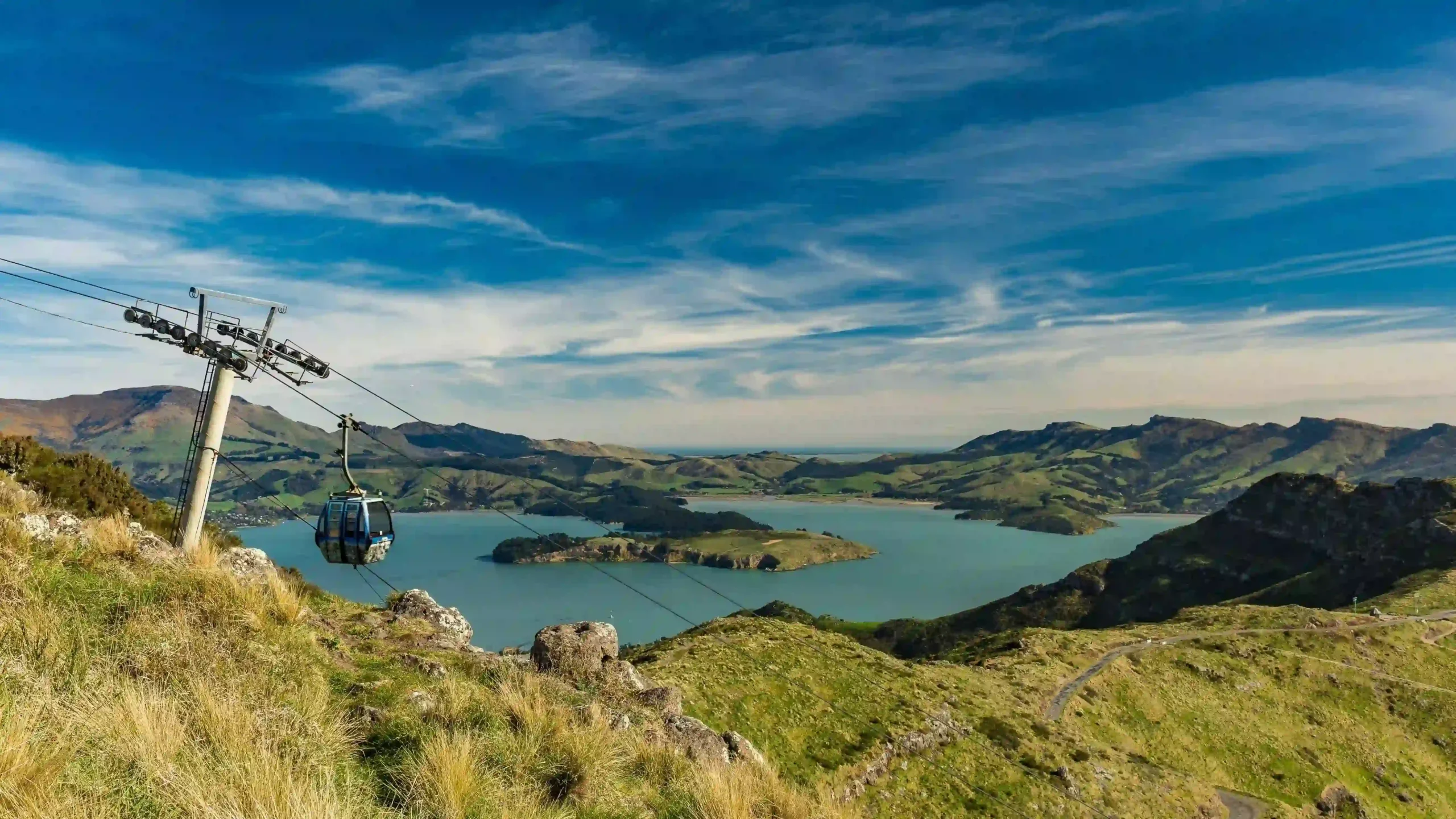
For views of the city and its harbour, either hike up or take the Christchurch Gondola into the Port Hills or visit nearby coastal areas like Sumner and New Brighton before the road begins to wind towards the Southern Alps.
Where to stay near Christchurch
Tasman Holiday Parks offers spacious, well-equipped campervan sites just 15 minutes from the city centre. For something more remote, Awaroa / Godley Head DOC Campsite sits along a beautiful coastal road, with windswept cliffs and far-reaching ocean views—a wilder farewell to the city before your journey really begins.
Christchurch to Lake Tekapo
The drive to Lake Tekapo takes around three hours, winding across the vast Canterbury Plains as the Southern Alps slowly come into view.
Along the way, the vineyards of Straight 8 Estate offer a tempting stop—sample their crisp Rieslings or delicate Pinot Noir and tuck a bottle away for an evening by the turquoise waters of Lake Tekapo. In Ashburton, you can take the adventure further with Skydiving Kiwis, even choosing a helicopter jump for an unforgettable aerial perspective of the Canterbury Plains.
Adventures at Lake Tekapo
Set in the heart of the South Island, the lake is famous for its striking turquoise colour, created by fine glacial silt carried down from the Southern Alps and suspended in the water.
Popular hikes include the Mount John Summit Track—a 1.5–3 hour climb via Tekapo Springs with panoramic views of the lake and surrounding mountains—as well as gentler options such as the Lake Tekapo Peninsula Walkway and Cowans Hill Walkway. Nearby, the small stone Church of the Good Shepherd is particularly magical at sunrise or sunset.
Temperatures can drop quickly after sunset—even in summer—so packing layers is essential.
Tip
Kayaking, paddleboarding, or taking a boat ride across the lake are wonderful ways to fully absorb the scenery. For relaxation, Tekapo Springs offers soothing hot pools with alpine views.
As night falls, look up. Tekapo sits within the Aoraki Mackenzie Dark Sky Reserve—one of the clearest stargazing locations on Earth.
Where to stay
Located right on the shores of Lake Tekapo, Lakes Edge Holiday Park features two types of powered sites: Sealed Front Row Sites, offering uninterrupted views of the lake, and Shingle Sites, a more affordable option set a little further from the water.
From the campsite, it’s an easy walk into the village centre and to Tekapo Springs (around 10–15 minutes), while the much-photographed Church of the Good Shepherd can be reached in approximately 20–25 minutes on foot—making it easy to explore the area straight from your site.
Lake Tekapo to Aoraki / Mount Cook
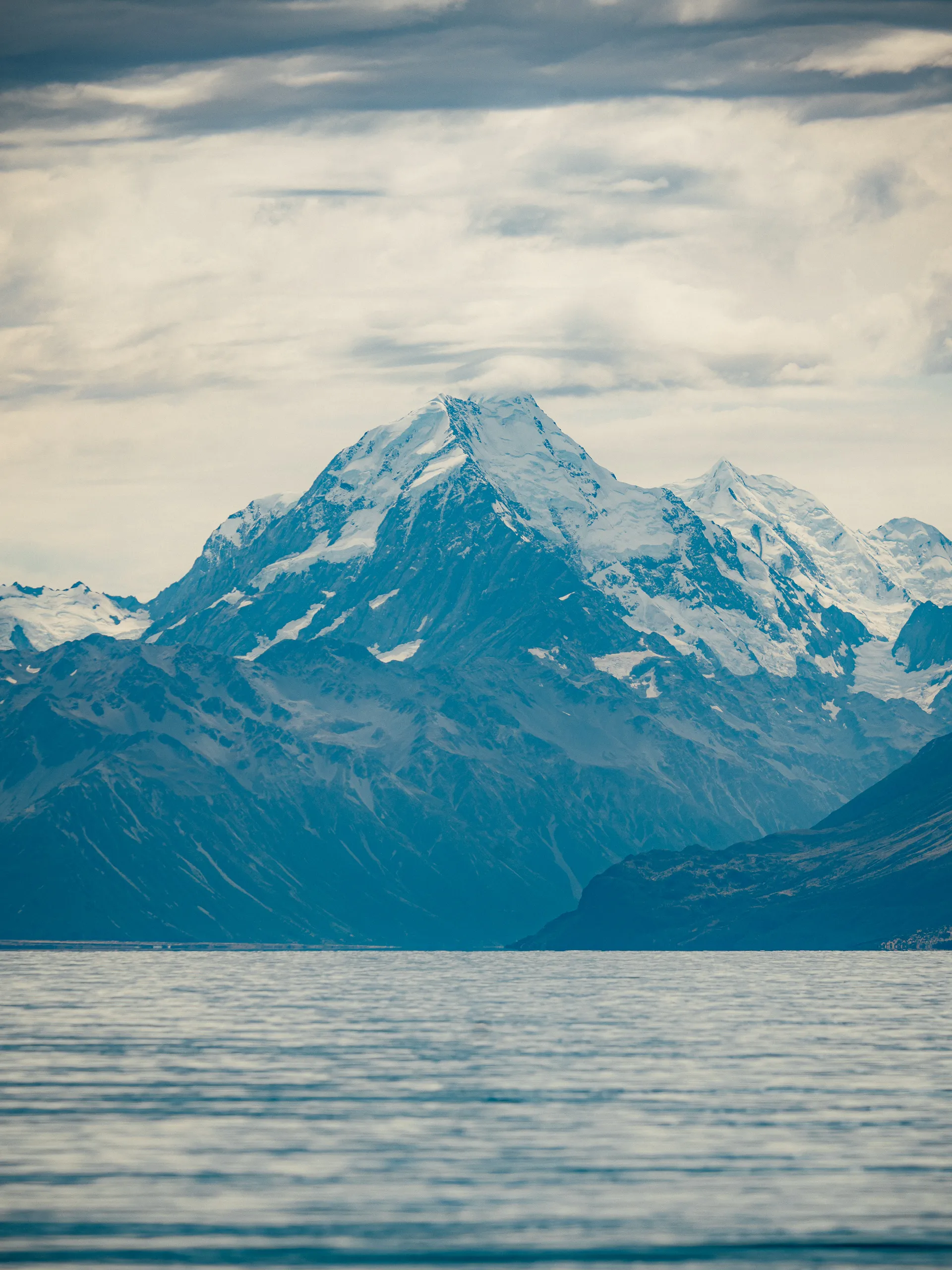
Widely regarded as one of the most scenic drives in the country, the 1.5- to 2-hour route towards Aoraki / Mount Cook is a highlight on any New Zealand South Island itinerary. The road traces the edge of Lake Pukaki, while the snow-covered peak of Aoraki rises ahead.
© Leander Kamp
At 12,218 feet (3,724 metres), Aoraki is the tallest mountain in the country, and its Māori name means “Cloud Piercer”, a fitting description of its towering presence over the surrounding landscape.
Things to do at Aoraki / Mount Cook
Walk the Hooker Valley Track, crossing swing bridges above braided rivers until you stand before a glacial lake scattered with icebergs. Climb the Sealy Tarns for a steeper challenge and sweeping alpine views. Or take to the skies in a ski plane or helicopter, landing on ancient ice.
Where to stay
Set beneath the dramatic peaks of Aoraki / Mount Cook National Park, White Horse Hill Campground (DOC) marks the end of Hooker Valley Road and serves as an ideal base for exploring the surrounding alpine trails. With mountains rising in every direction, it feels wonderfully immersed in the landscape.
The campground is popular throughout the year and frequently books out in peak season, so reserving in advance is highly recommended.
Note
Expect a rough alpine camping experience with unpowered sites, basic toilets, a cooking shelter, and drinking water. There are no showers on-site; however, coin-operated hot showers are available at the public facilities in Mount Cook Village, approximately 1.5 miles (2.5 km) away.
Aoraki / Mount Cook to Queenstown
© Wirestock Creators
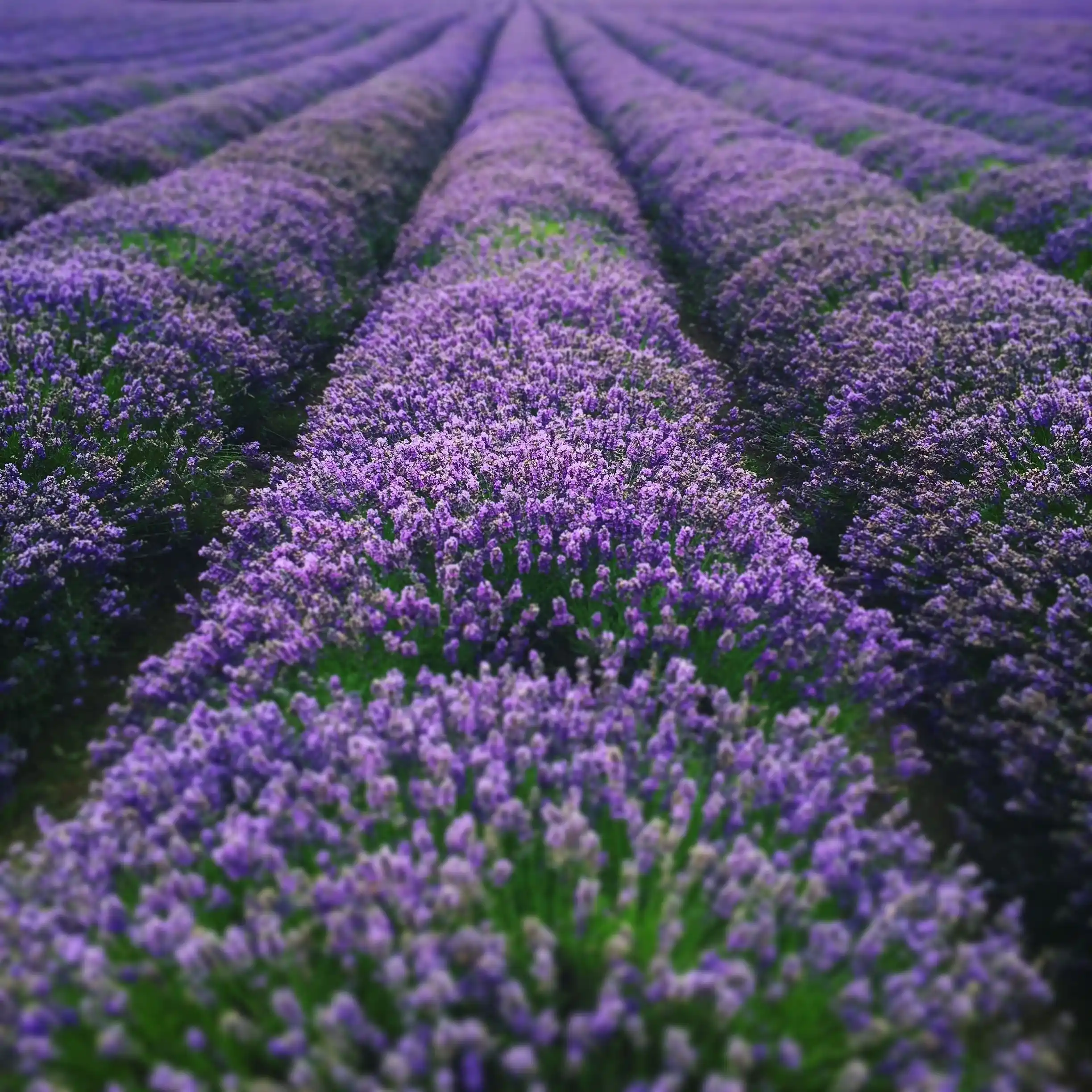
Heading south, the road runs alongside the waters of Lake Pukaki before passing the Alpine Lavender fields (in bloom from December through to March). The journey continues to Twizel, where you can sample some of the South Island’s freshest glacier-fed salmon.
Further on, the landscape grows more rugged as you reach the unusual Omarama Clay Cliffs, where sharp earthen pinnacles rise dramatically from the valley floor. From there, the road climbs over Lindis Pass, revealing distant views towards the Southern Alps. The final stretch crosses the Crown Range before descending towards Queenstown.
Allow around four hours for the drive—longer if, as is often the case here, the scenery persuades you to stop again and again.
Queenstown highlights
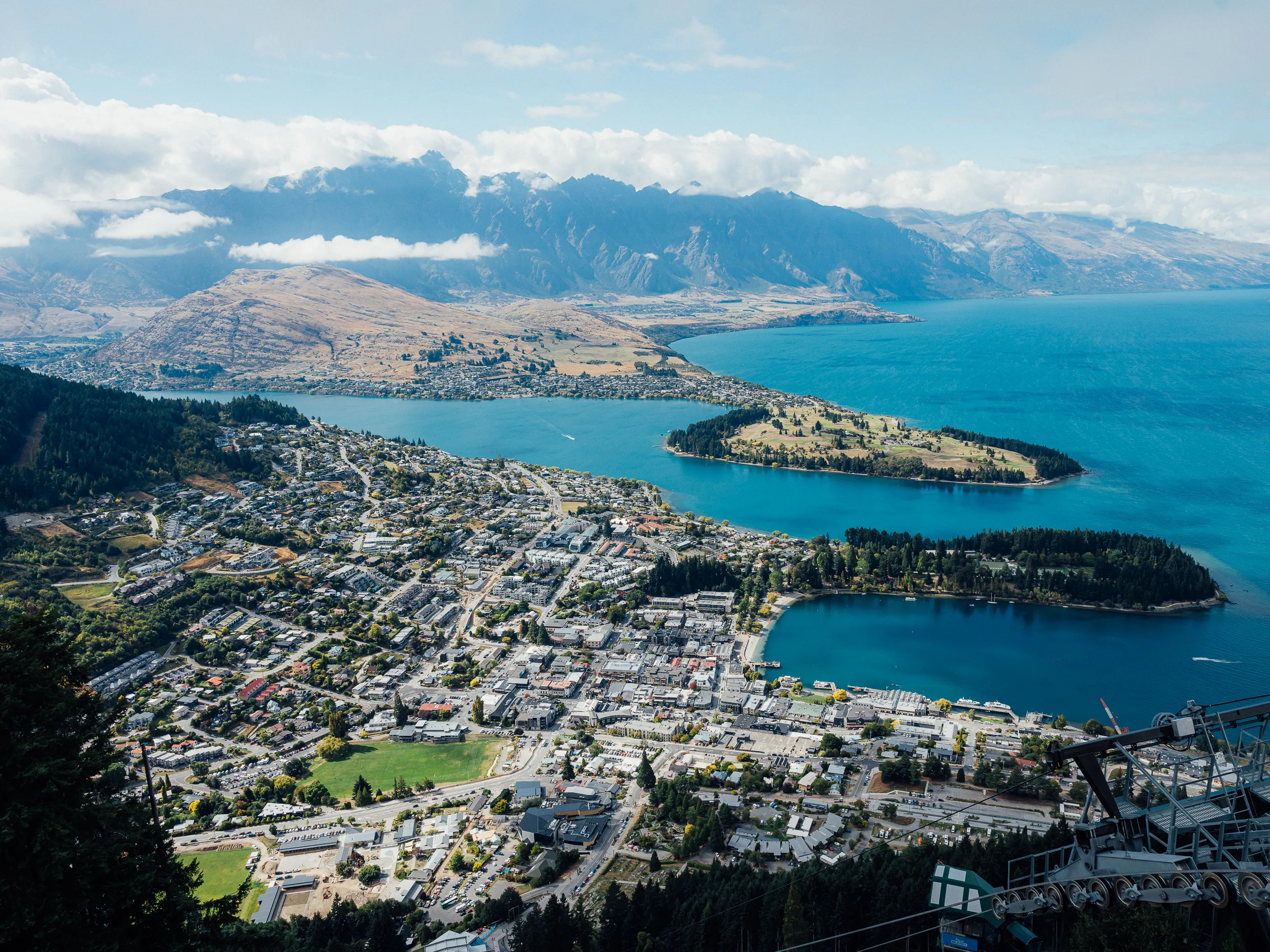
Set against the jagged peaks of The Remarkables and on the lightning-bolt-shaped shores of Lake Wakatipu, Queenstown is a stunning alpine destination.
Just east of Queenstown, the Gibbston Valley—often called the “Valley of the Vines”—is one of New Zealand’s most picturesque wine regions. Here, vineyards are sandwiched between rugged mountains and the rocky Kawarau River gorge. It’s the perfect setting for a long lunch and a glass of Central Otago Pinot Noir.
© Leander Kamp
For day hikes, climb Ben Lomond for sweeping views over the lake and surrounding peaks, or take the Tiki Trail up to Bob’s Peak and descend via the Skyline Gondola. A little further on, the road to Glenorchy leads into the wild beauty of Mount Aspiring National Park.
For a heart-pounding experience, board a Shotover Jet and race through the canyon’s narrow walls. To unwind, stroll along the lakeshore at dusk and watch paragliders drift peacefully as the mountains fade from golden light into deep blue shadows.
Where to stay
Just 30 minutes from Queenstown, Kingston Lake Camp sits along the southern shore of Lake Wakatipu—a free, scenic spot.
Queenstown to Fiordland National Park
Te Anau sits roughly halfway, offering a convenient stop.
Fiordland National Park
© Luisa Spöhrer
Fiordland National Park is famously one of the wettest places in New Zealand.
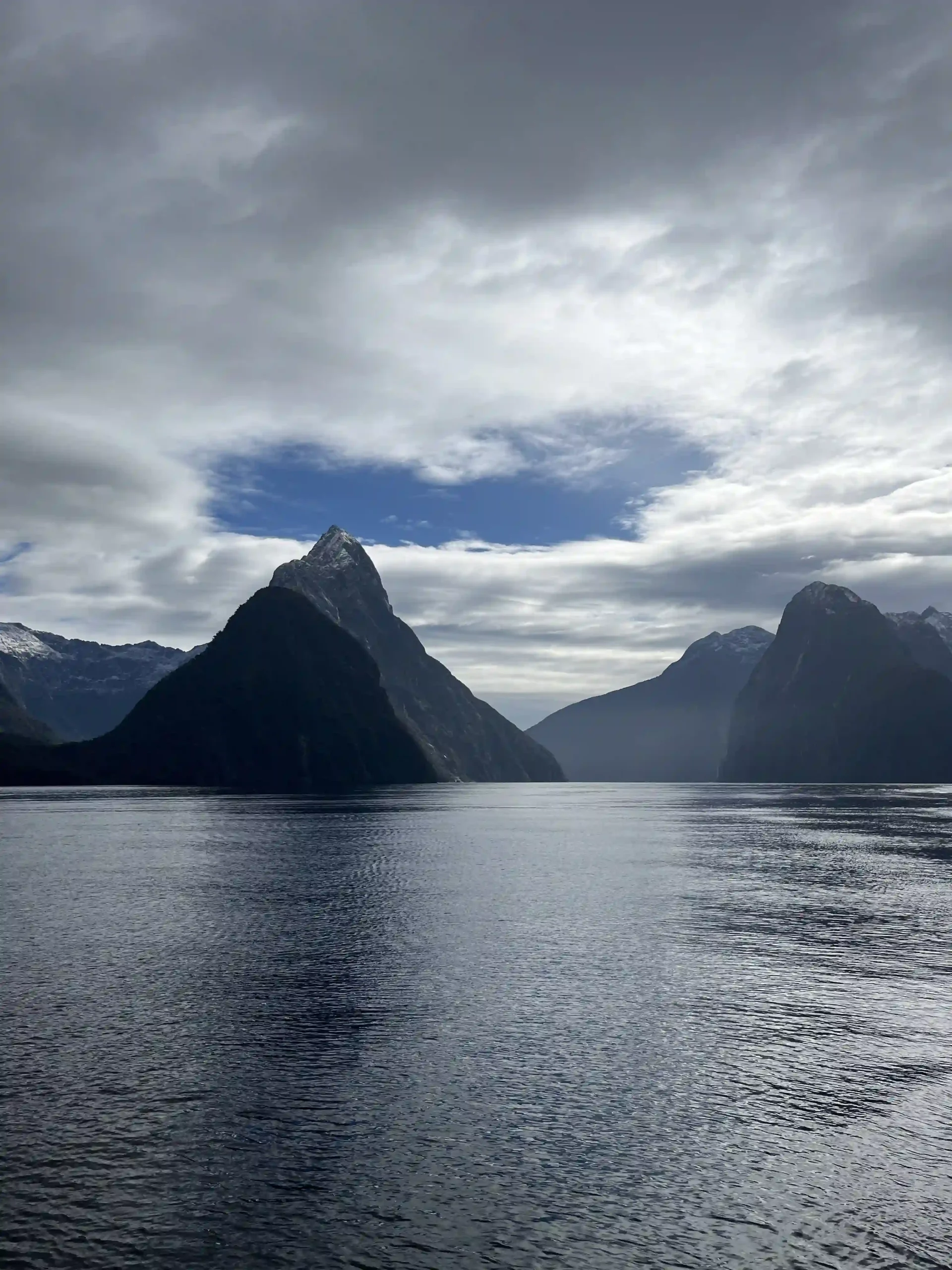
Towering peaks, deep valleys, and dense native forest create a sense of true remoteness. Milford Sound, the park’s most iconic fjord, is a masterpiece of this rugged landscape.
Mitre Peak rises sharply from the dark waters, while waterfalls cascade endlessly from sheer cliffs—especially after frequent rain showers.
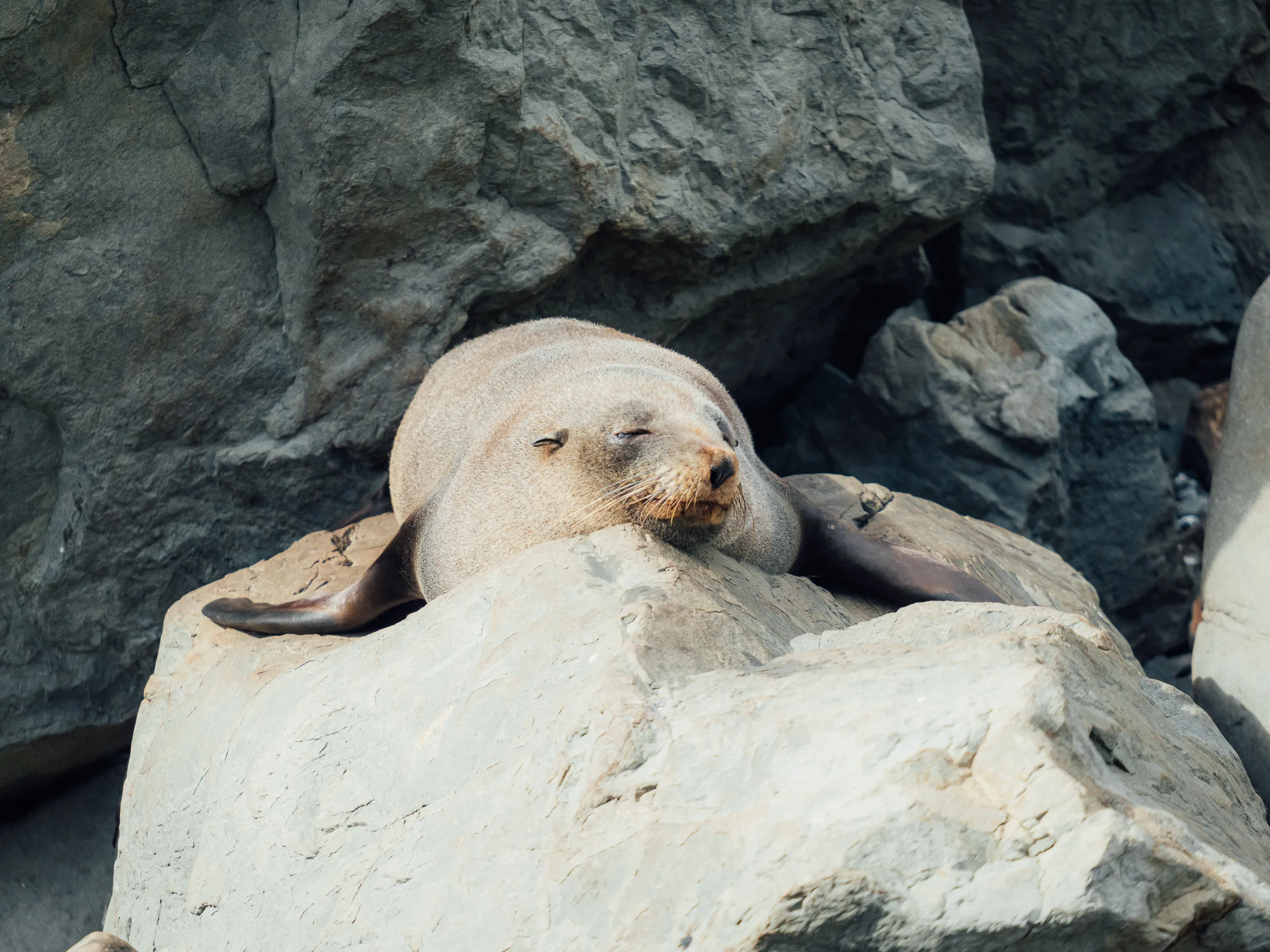
A boat cruise is the best way to take it all in, as seals sunbathe on rocks, and dolphins often ride the waves created by your vessel, adding a touch of playful magic to the dramatic scenery.
© Leander Kamp
Where to stay
Cascade Creek DOC Campsite sits in a stunning location along Milford Road (State Highway 94), close to Lake Gunn. Be prepared for sandflies, which are particularly persistent in this region. Strong insect repellent is essential, and keep campervan doors closed, especially in the evenings.
Alternatively, Mossburn Country Park is a popular stop between Queenstown and Te Anau. Friendly animals—including alpacas and peacocks—roam the grounds, adding a playful touch.
Fiordland National Park to Wānaka
Leaving the misty rainforests and towering fiords of Fiordland behind, the road retraces its path past Te Anau and Queenstown as you head north toward Wānaka. This small town rests on the shores of its lake, framed by the Alps, and offers a quieter experience, with unusual features that make its waters unlike any other alpine lake.
Top experiences in Wānaka
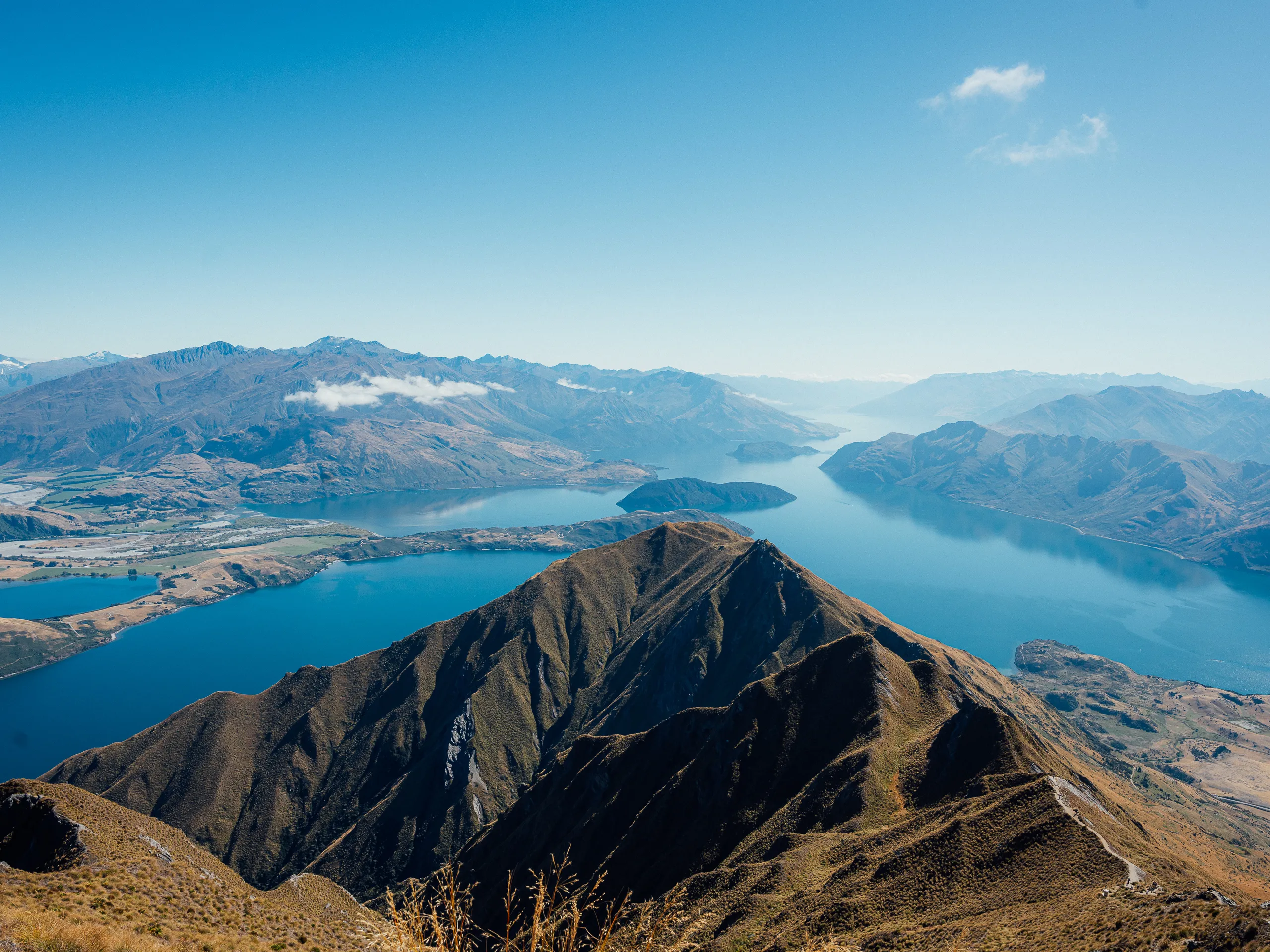
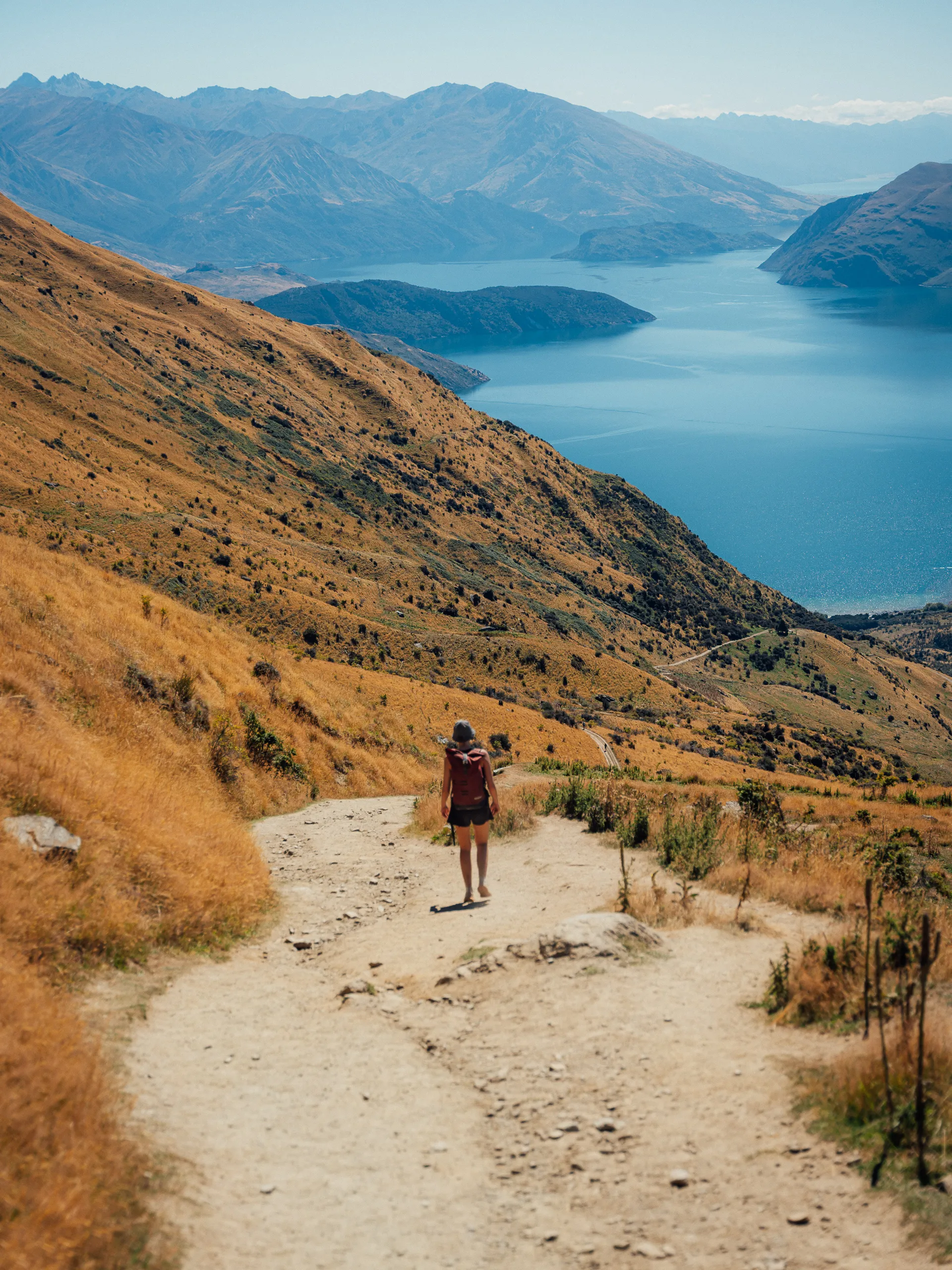
If you’re up for a hike, make it Roy’s Peak Track. The 10-mile (16 km) return trail is steep, taking around five to six hours. As you climb through open farmland, sheep grazing peacefully around you, Lake Wānaka slowly unfolds below. The panorama from the summit feels like standing at the edge of the world.
© Leander Kamp
© Leander Kamp
For something entirely different, paddle or take a water taxi to Mou Waho Island. At its centre lies Arethusa Pool—a hidden lake on an island in a lake. Swim in its waters and listen for native birds.
Then there’s the town’s celebrity: That Wānaka Tree. Growing directly from the lake’s shallow edge, it stands alone against a backdrop of mountains.
And for those who prefer two wheels, the Wānaka region offers more than 450 miles (750 km) of mountain biking trails, ranging from gentle lakeside routes to technical alpine terrain.
Where to stay
Hampshire Holiday Parks sits just a five-minute walk from the lake and 10 minutes from town. It’s a convenient and comfortable base, with well-maintained amenities.
Wānaka to Franz Josef
From Wānaka, the road winds west through Haast Pass, a corridor of waterfalls, ancient beech forests, and turquoise rivers.
Fuel up before leaving Wānaka and download maps—mobile service is limited through the pass.
Tip
Along the way you could stop at Blue Pools Track, a short 1.5 km walk through native bush to a swing bridge suspended above glacial waters. Continue to Fantail Falls, a picturesque cascade with a rocky riverbed, located just off the road, or Thunder Creek Falls.
Franz Josef Glacier
© Francesco Ungaro
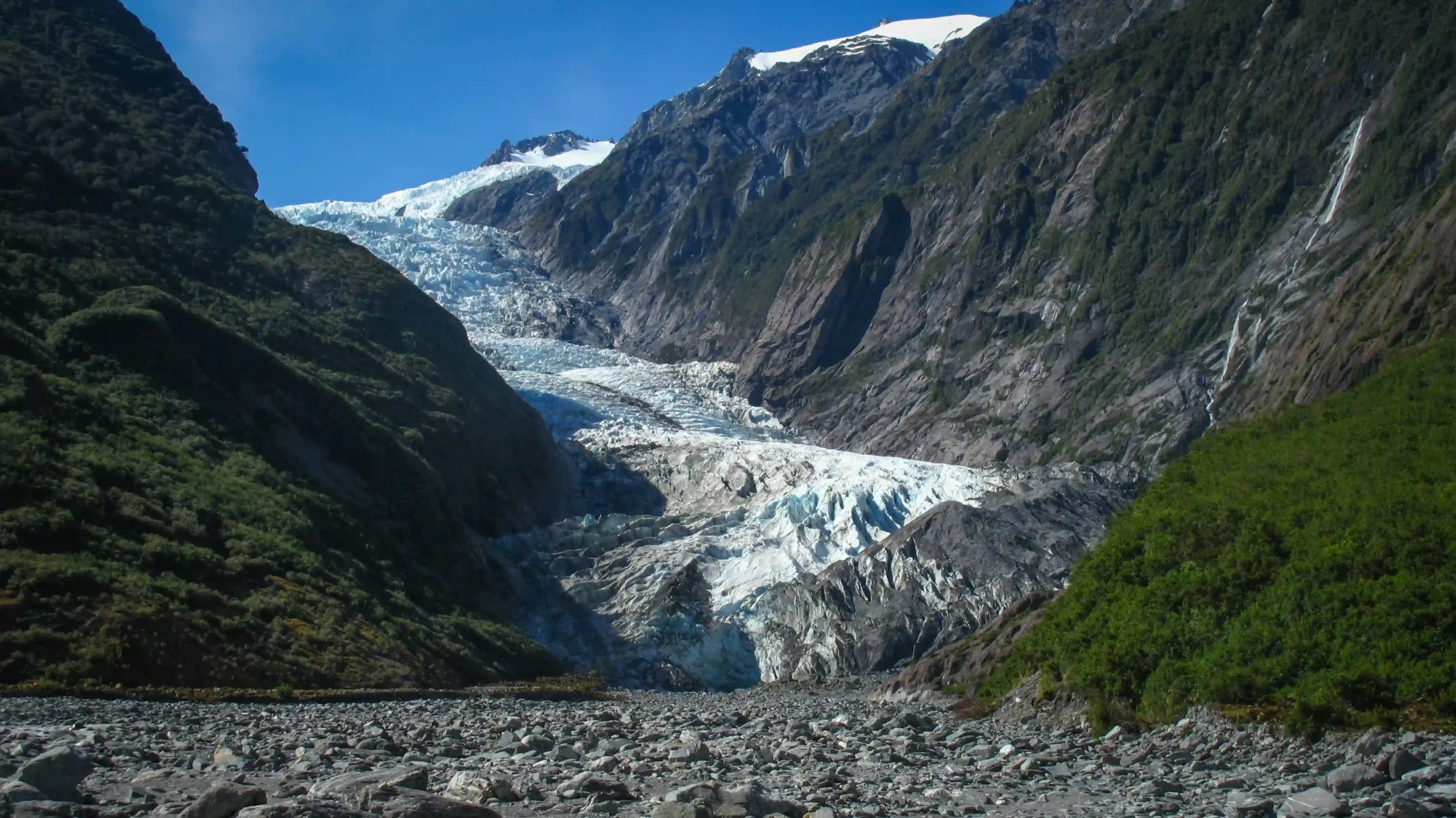
Franz Josef Glacier is one of the fastest-moving glaciers in New Zealand, constantly reshaping itself as ice caves collapse and seracs shift. Each visit feels unique, a living landscape of stone and ice.
In Māori legend, the glacier is known as Kā Roimata o Hinehukatere—“The Tears of Hinehukatere”. When her lover, Wawe, fell to his death in the mountains, her grief flowed down the valley. The gods froze her tears, forming the glacier.
Adventure here comes in many forms. Heli-hikes or guided ice climbs let you stand on the ice, while scenic flights reveal the glacier’s full scale. Nearby Fox Glacier provides a quieter, more secluded alternative for those seeking a private heli-hiking experience.
For a different kind of adventure, explore the rainforest and riverbeds by quad bike, or paddle across Lake Mapourika.
Where to stay
Orange Sheep Campervan Park sits just minutes from the glacier, offering powered and unpowered sites in a scenic, forested setting.
Franz Josef to Hokitika
The two-hour drive north traces the edge of the West Coast, where the Tasman Sea crashes against dark sands and driftwood is scattered along the shoreline.
Things to do in Hokitika
The highlight is Hokitika Gorge, where electric turquoise water winds through a narrow granite canyon. Walk the forest trail to the swing bridge and watch the river churn far below.
For a longer adventure, cycle part of the West Coast Wilderness Trail—riding through native bush and around Lake Kaniere before walking to the gorge itself.
Back in town, wander Hokitika Beach, where driftwood sculptures dot the sand and sunsets set the Tasman Sea ablaze.
Where to stay
Hokitika Holiday Park is just a short walk from town and the beach, making it a convenient base for exploring the West Coast. The campsite is pet friendly and offers spacious sites, modern facilities, and free Wi-Fi.
Hokitika to Christchurch via Arthur’s Pass
The final stretch climbs back into the Alps through Arthur’s Pass. Here, Kea—New Zealand’s mischievous alpine parrots—patrol car parks, curious and destructive in equal measure.
© Sahara Prince
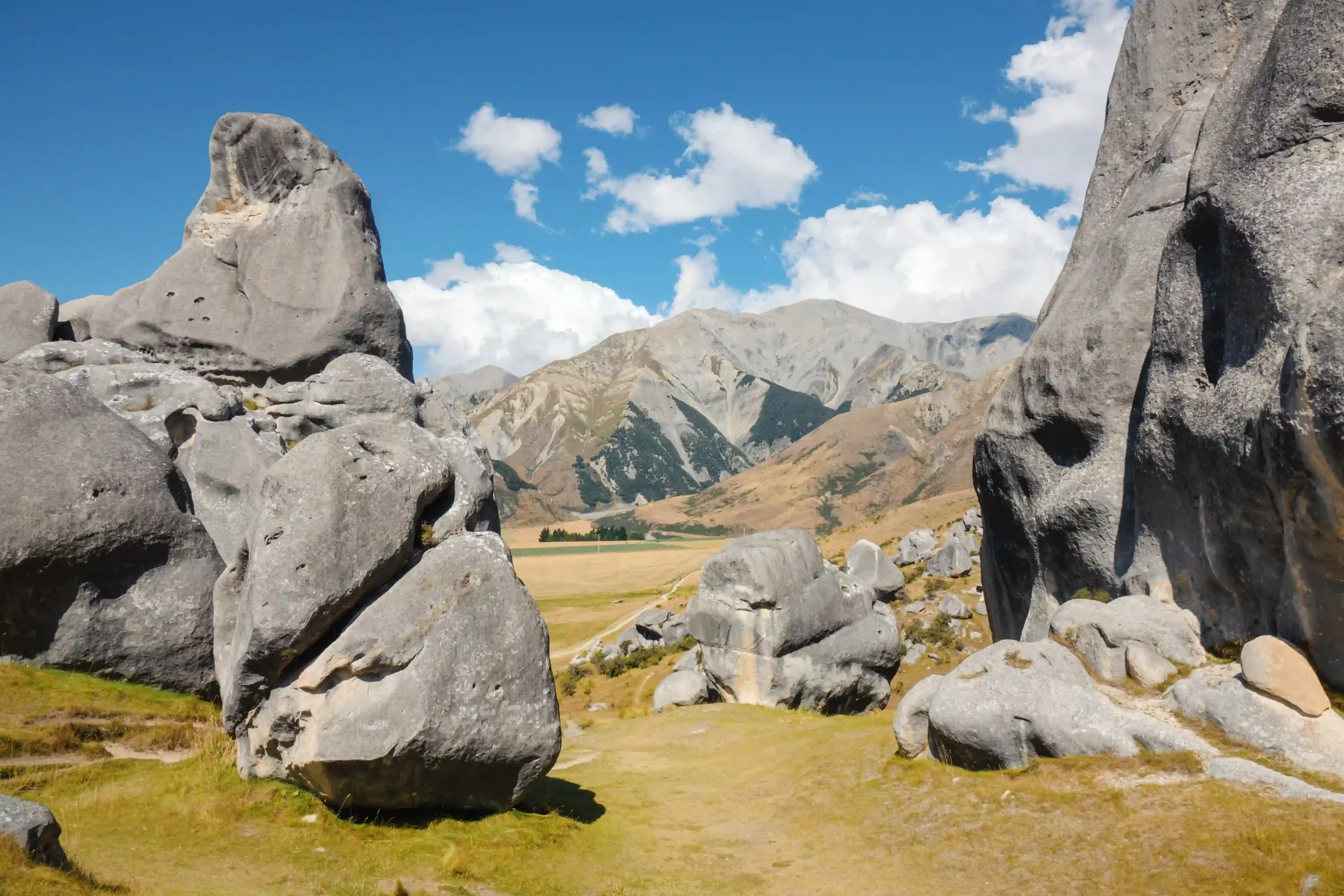
Stop at Castle Hill, where giant limestone boulders scatter across golden grassland. It was used as a filming location for The Chronicles of Narnia: The Lion, the Witch and the Wardrobe.
By late afternoon, descend towards Christchurch once more. The mountains recede in your mirrors. You’ve completed the loop.
Extending the loop
There are two ways to begin this adventure: either you’ve already explored the North Island and are continuing south, or your journey starts directly on the South Island.
This article focuses on a New Zealand South Island itinerary beginning in Christchurch, but if you’re arriving via ferry from Wellington to Picton (around 3.5 hours on the Interislander or Bluebridge), there are a few stops worth adding before heading south to Christchurch:
- Abel Tasman National Park – for golden beaches and coastal hiking.
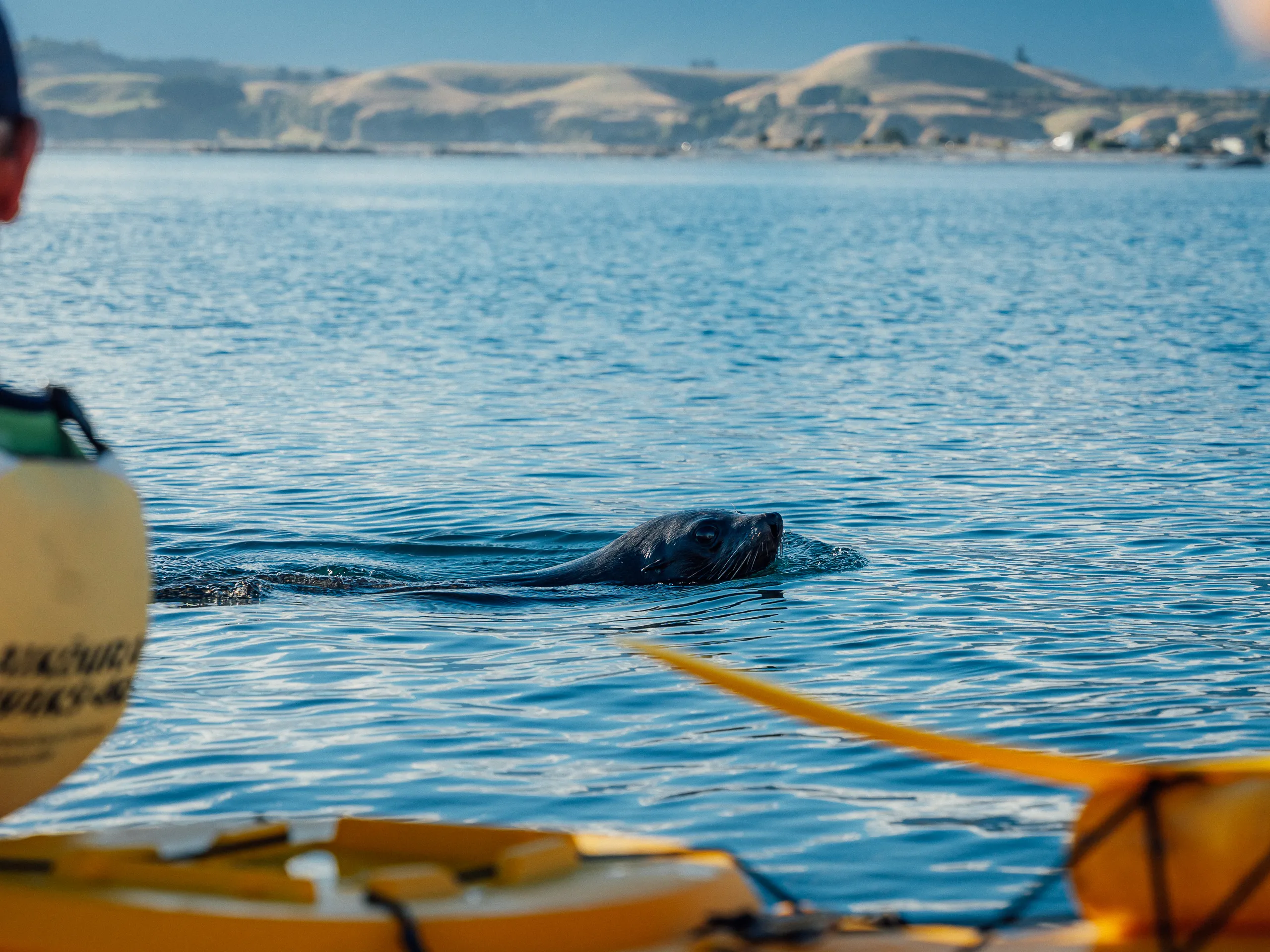
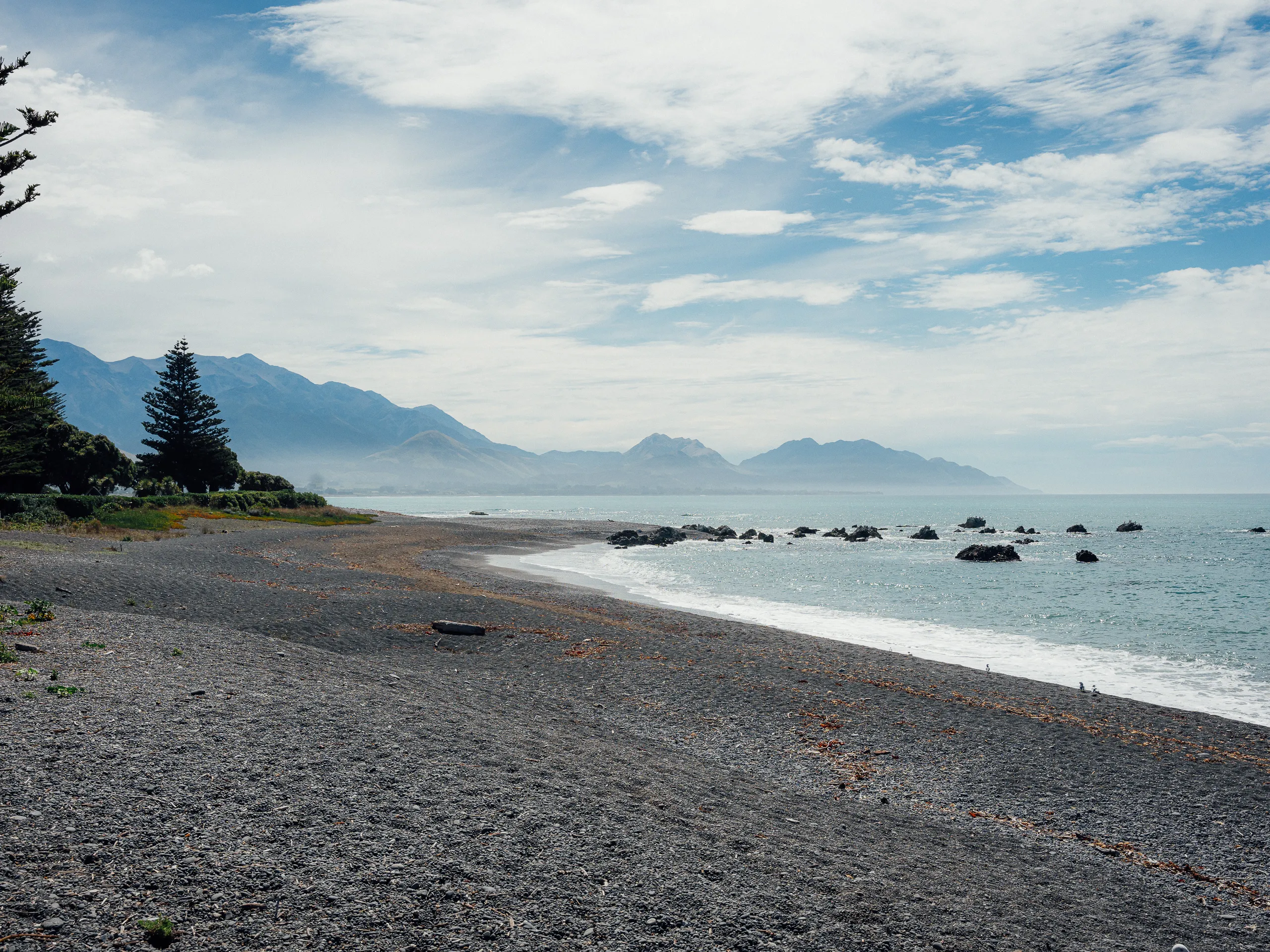
- Kaikōura – for whale-watching and kayaking with playful fur seals.
© Leander Kamp
© Leander Kamp
Best time to visit the South Island
- Spring (September–November): Snow still caps the peaks; waterfalls run full.
- Summer (December–February): Long daylight hours, busiest season.
- Autumn (March–April): Golden colours in Central Otago.
- Winter (June–August): Snow transforms alpine passes; some roads may close temporarily.
Before or after a motorhome trip, it’s often a good idea to spend a few days in a major city.
Normandy road trip
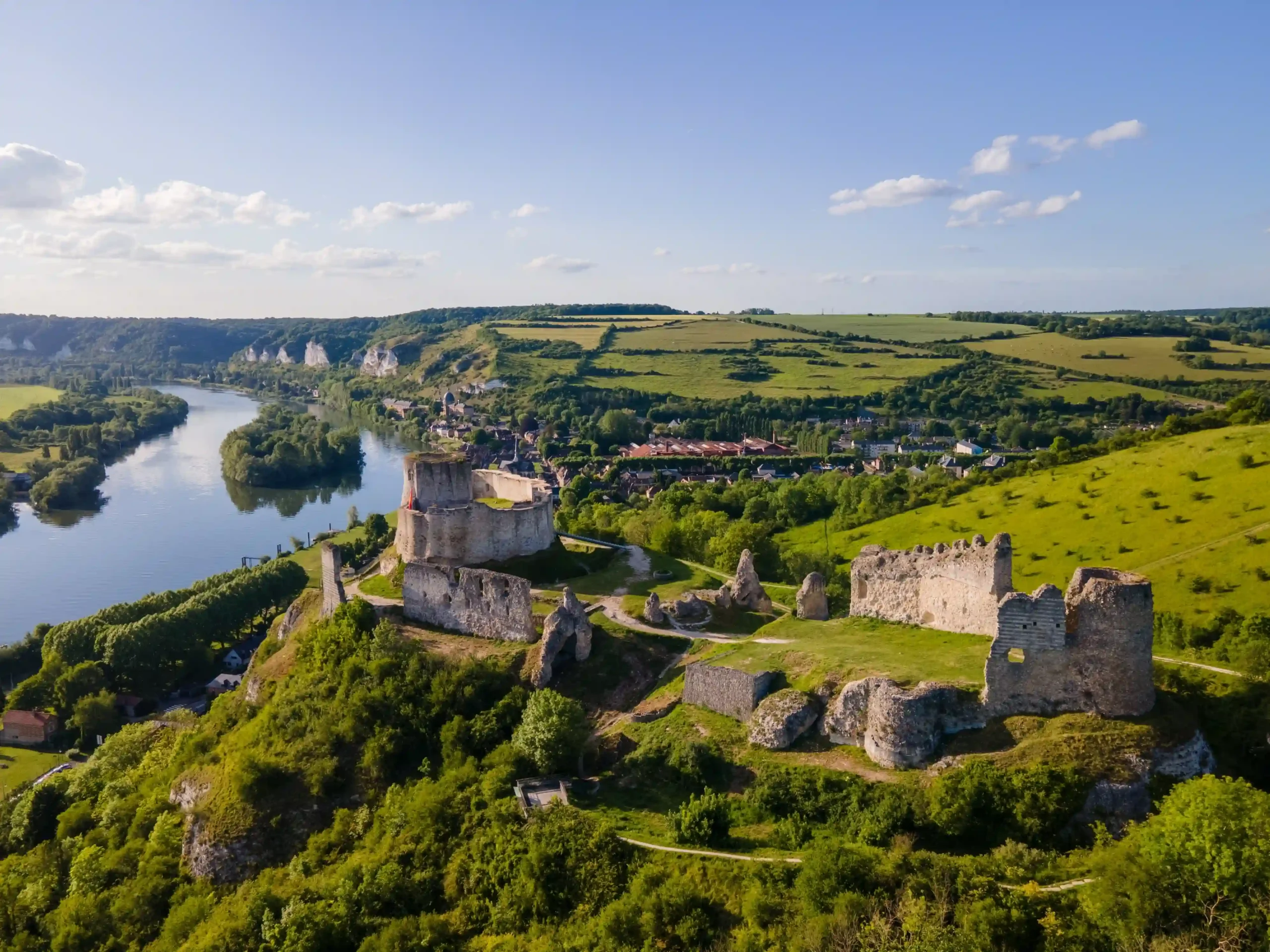
This 8-day Normandy road trip connects dramatic chalk cliffs and WWII landing beaches with lush valleys, and the iconic Mont Saint-Michel—creating a captivating journey through the region’s coast and countryside.

RV rental San Francisco
Resting dramatically on the edge of Northern California, San Francisco is widely considered one of the best cities in the US. Celebrated around the world for its iconic landmarks, vibrant…
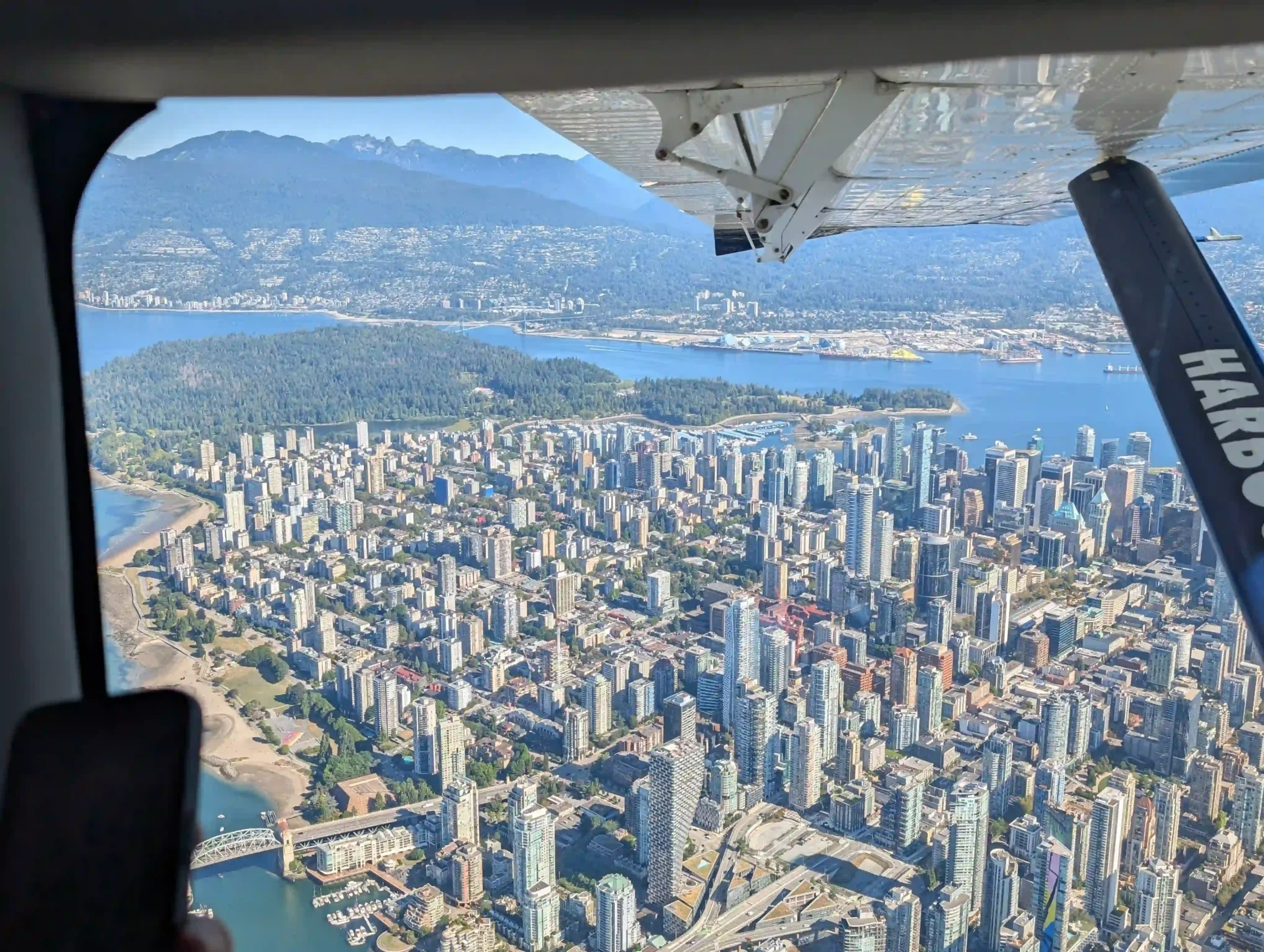
Vancouver itinerary
Explore a modern oceanfront city framed by towering peaks. Park up at picturesque campsites, catch coastal ferries, and launch your ultimate British Columbia road trip.
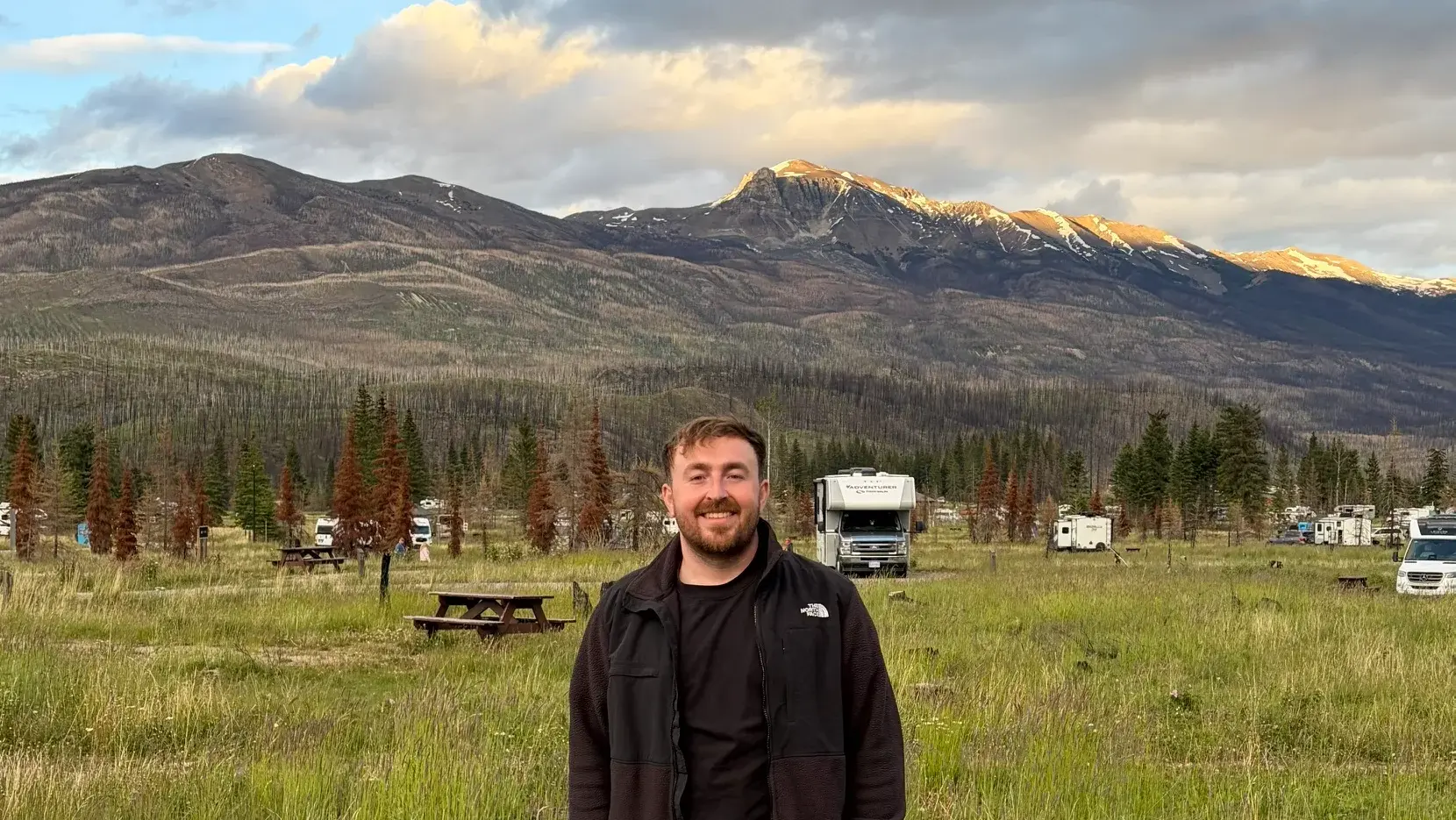
My first trip to Canada
Buckle up for my first-ever Canadian adventure! Experience the magic of the Rockies from the driver’s seat of a Fraserway RV, featuring close-up wildlife encounters, roaring canyon waterfalls, and views that will leave you speechless.

Camping Los Angeles
Stroll the Santa Monica Pier, take in sweeping skyline views from Griffith Observatory, and soak up iconic film history.
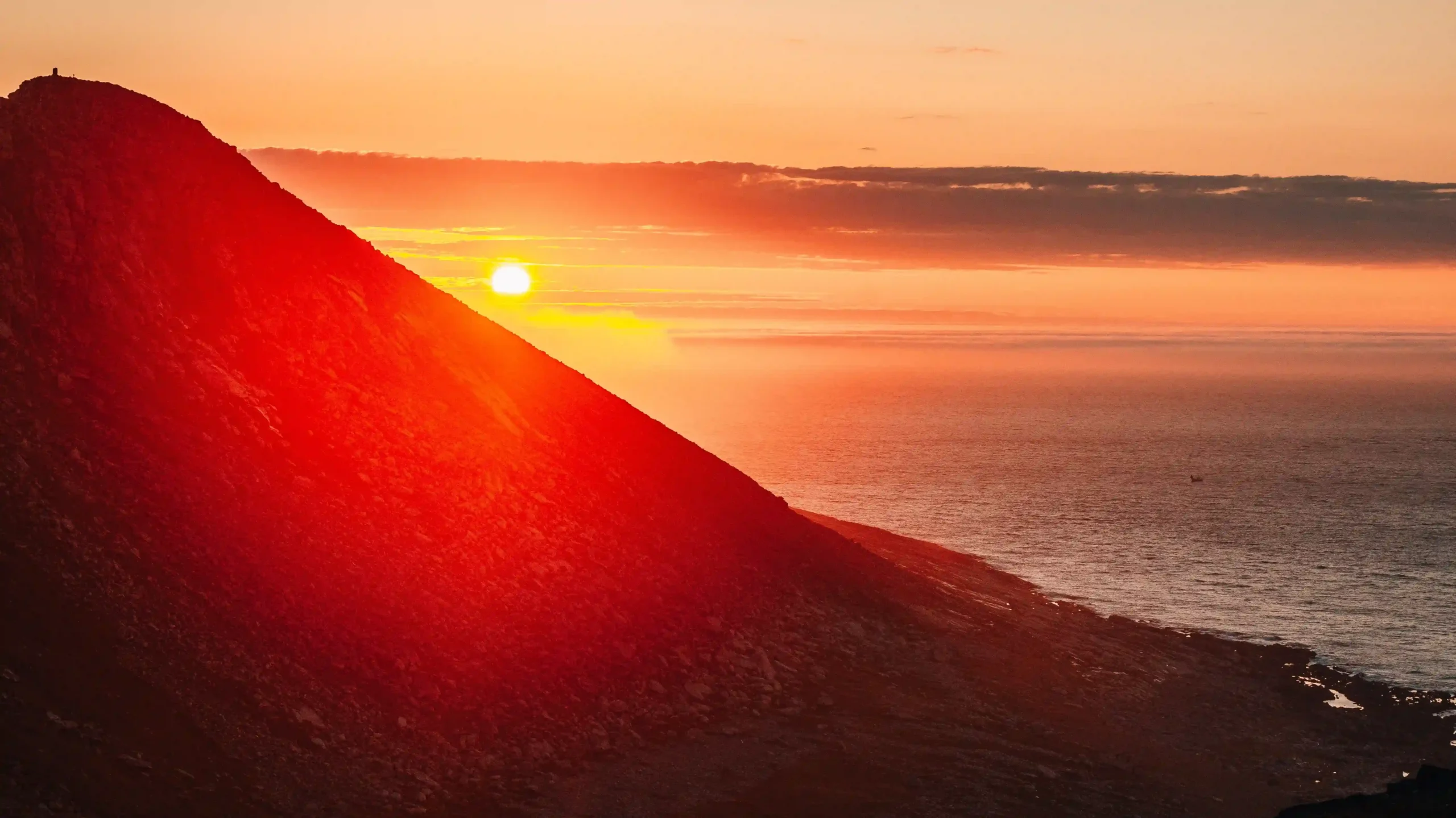
Norway and Finland motorhome itinerary
A 10-day motorhome journey from Rovaniemi to the North Cape. Encounter reindeer in Lapland and witness the Midnight Sun at the edge of the continent.