
© Francesco Ferrarini
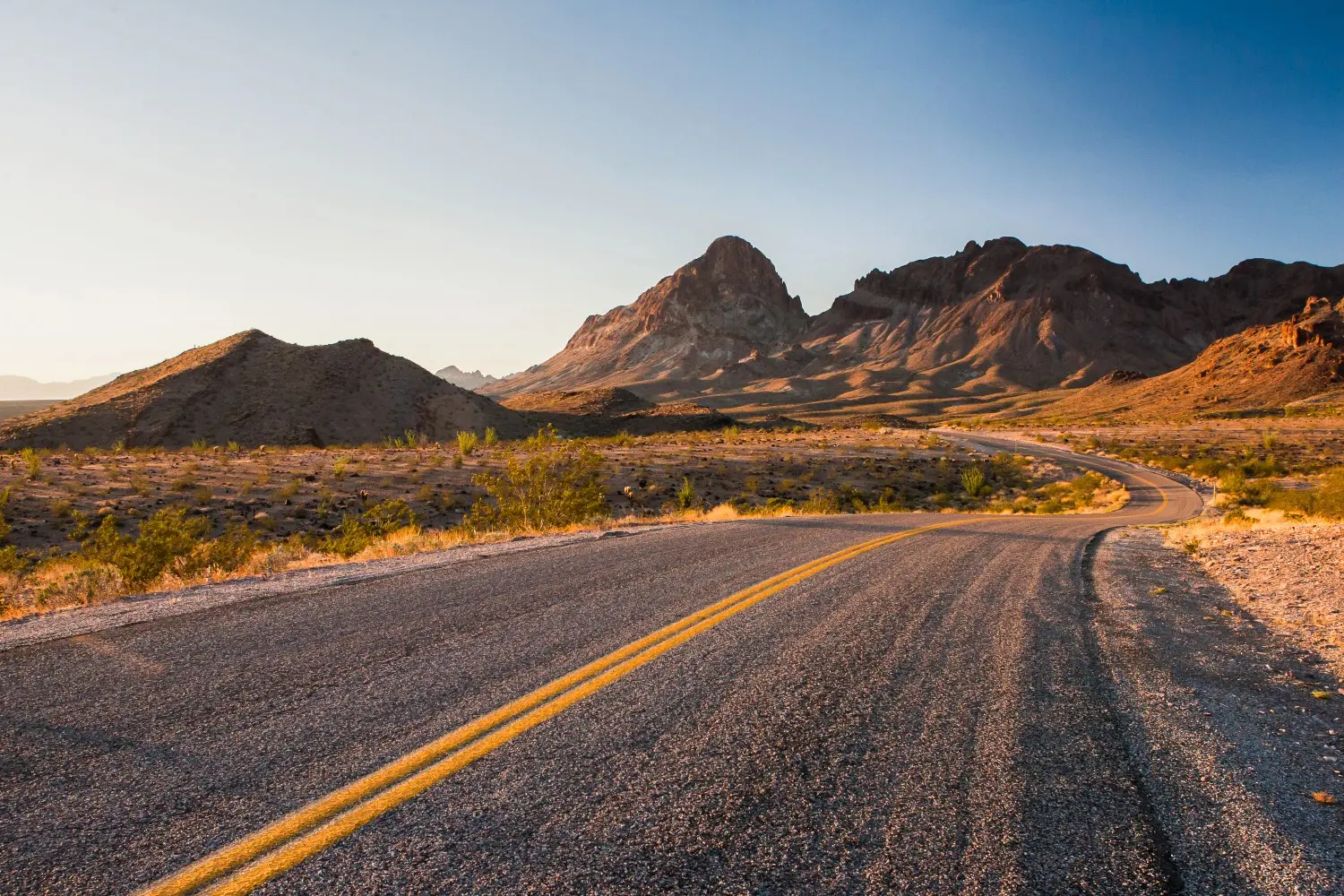
In a country built for open roads, due to its vast landscapes, Route 66 stands as the ultimate American drive—one of the world’s most legendary scenic drives that promises neon signs, quirky diners, fascinating architecture, and natural wonders. Stretching 2,448 miles (3,940 km) across eight states and three time zones, Route 66 runs from Chicago’s skyscrapers to the palm trees of Los Angeles.
If you’re planning a Route 66 itinerary, this iconic road is your ticket to a nostalgic journey through America’s past, where classic cars gleam outside old petrol stations, motels glow in neon, and the landscape shifts from grassland to desert to coastline.
Exploring Route 66 by campervan
A journey this iconic shouldn’t be rushed, and travelling by campervan gives you that freedom. With countless roadside stops, photo opportunities, and scenic detours, the ability to pull over whenever curiosity strikes is invaluable.
While you can do the Route 66 road trip in either direction, the classic journey runs from east to west. For that reason, this itinerary begins in Chicago, where you can find a range of RVs and campervans available through CU | Camper.
Highlights
- Iconic start in Chicago
- Illinois roadside classics
- St. Louis Gateway Arch
- Meramec Caverns
- Cadillac Ranch spray painting
- Petrified Forest National Park
- Grand Canyon National Park
- Santa Monica Pier, end of Route 66
You can finish the route in two weeks, but three weeks gives you the space to explore and truly soak in the spirit of Route 66. Daily driving averages 200 miles (320 km) between overnight stops—roughly 3–4 hours of driving per day.
| Day | Route / Destination | Driving time | Highlights |
| 1–2 | Arrive in Chicago | Visit Millennium Park & Cloud Gate (“The Bean”), walk | |
| 3 | Chicago → Springfield, Illinois | ~3.5 hrs | Stop at Gemini Giant & the Route 66 Association Hall of Fame & Museum in Pontiac |
| 4 | Springfield → Meramec Caverns | ~3 hrs | See Gateway Arch in St. Louis, explore Meramec Caverns |
| 5 | Meramec Caverns → Tulsa | ~5 hrs | Stop at restored petrol stations in Galena |
| 6 | Tulsa → Oklahoma City | ~2 hrs | Visit Tower Theatre, Milk Bottle Grocery, National Cowboy & Western Heritage Museum |
| 7 | Oklahoma City → Amarillo | ~4 hrs | Visit Cadillac Ranch, eat at Big Texan Steak Ranch, explore Palo Duro Canyon |
| 8 | Amarillo → Albuquerque | ~4 hrs | Stop at Santa Rosa’s Blue Hole, eat at 66 Diner |
| 9 | Albuquerque → Flagstaff | ~5 hrs | Drive through Petrified Forest National Park, visit Meteor Crater |
| 10–11 | Flagstaff → Oatman | ~3.5 hrs + detour | Scenic drive through the Black Mountains, detour to Grand Canyon National Park |
| 12 | Oatman → Barstow | ~3 hrs | Stop at the Route 66 Mother Road Museum |
| 13–14 | Barstow → Santa Monica Pier | ~2.5 hrs | Drive through Los Angeles, tour Hollywood studio, walk along Venice Beach |
Your Route 66 itinerary starts in Chicago
The historic starting point of Route 66 sits at East Adams Street and South Michigan Avenue, marked by a small sign. But before you hit the open road, take a day or two to explore Chicago’s iconic sights.
Things to do in Chicago
Start with a stroll or bike ride along the shores of Lake Michigan, or if you prefer the water, join a guided kayak tour with Wateriders, paddling beneath bridges and past the city’s iconic buildings.
© Tilo Krause-Duenow
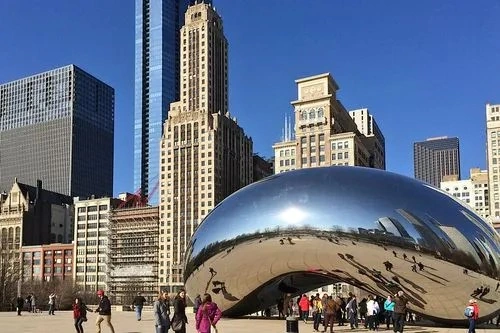
Next, wander into Millennium Park. Here you’ll find the world-famous Cloud Gate—“The Bean”—its mirrored surface reflecting the city around it like a giant drop of liquid chrome. Nearby, the Jay Pritzker Pavilion often hosts free summer concerts.
And if you’re seeking a heart-pounding experience, Willis Tower is a must. From the 103rd-floor Skydeck, enjoy panoramic views of the city, Lake Michigan, and even neighbouring states. For the ultimate thrill, step onto the glass ledges that extend from the building and feel the city stretching out beneath your feet.
Where to stay near Chicago
Located about 20 miles (30 km) outside downtown Chicago, Camp Bullfrog Lake offers a nature-filled escape close to the city, with hiking, fishing, kayaking, and well-maintained facilities.
Into the Heart of Illinois: Chicago to Springfield
Leaving Chicago, follow Route 66 southwest through the wide-open grasslands of Illinois. As you cruise along the Mother Road, the sense of freedom and nostalgia builds, giving you a true taste of the open road and the Midwest’s unique charm.
Highlights along the route
- White Fence Farm, Romeoville: Famous for its golden, crispy fried chicken.
- The Gemini Giant, Wilmington: A 30-foot fibreglass “astronaut” holding a rocket, one of Illinois’ most iconic roadside figures.
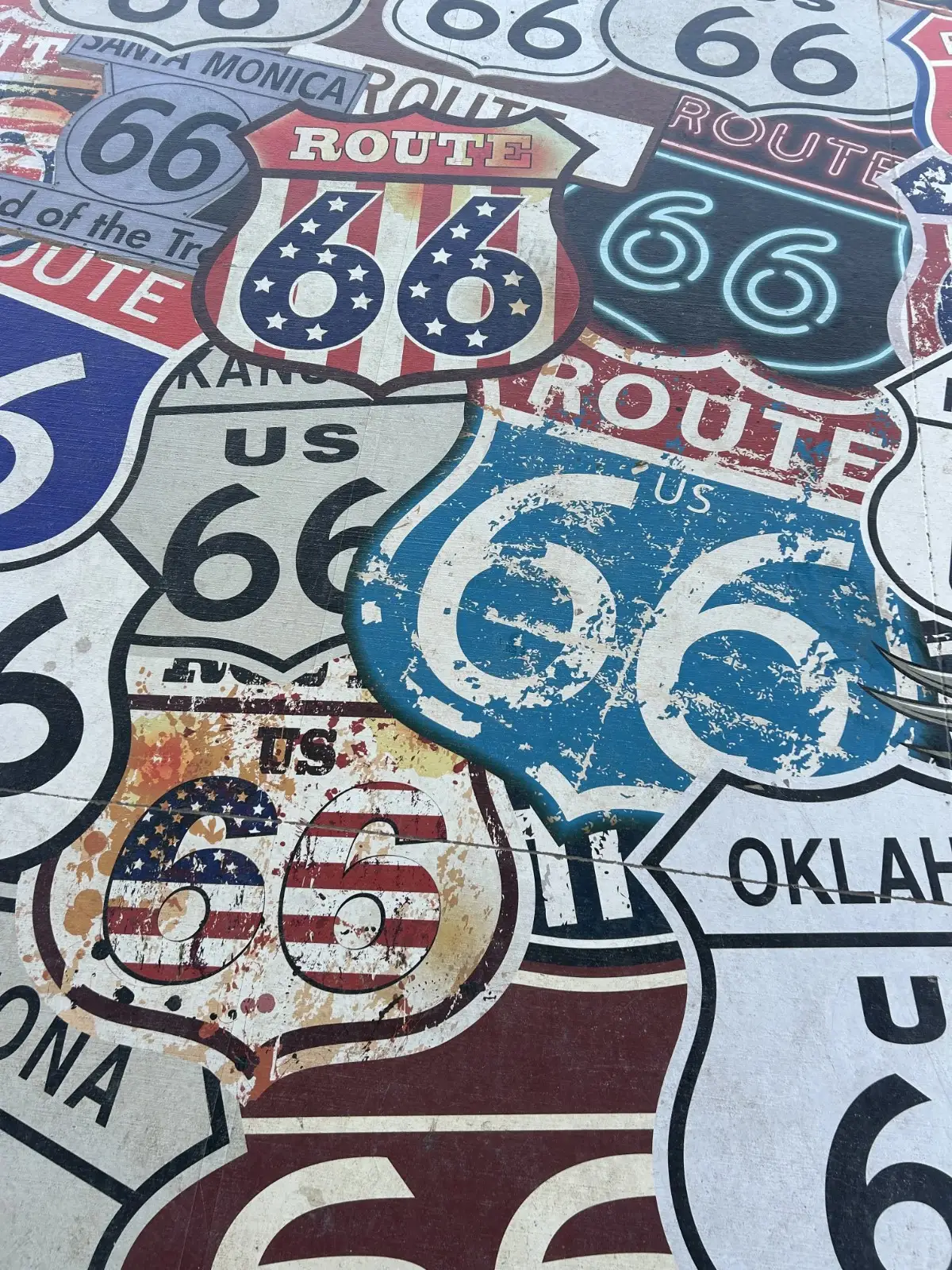
- Pontiac: Home to the Route 66 Hall of Fame & Museum and the state’s largest Route 66 Shield mural, painted on the back of the building. Check opening hours!
Things to do in Springfield
Springfield, Illinois’ capital, is rich in Route 66 nostalgia. Stop at the Cozy Dog Drive-In, where corn dogs are served—perhaps not everyone’s favourite snack, but a true Route 66 classic.
As daylight fades, explore Legends Neon Sign Park, where restored neon signs glow in vibrant colour.
Where to stay near Springfield
Double J Campground in Chatham offers spacious sites and modern amenities and is only 15 minutes from downtown Springfield. Open year-round, they feature 120 full hook-up sites (only 25 in winter) with free Wi-Fi.
Route 66 from Springfield to Meramec Caverns
Crossing the state line, the skyline of St. Louis comes into view, dominated by the shimmering Gateway Arch. Rising 630 feet (190 m), it symbolises America’s entry into the West and offers spectacular views from a tram (five-person pod) ride to the top.
Meramec Caverns: Missouri’s natural wonder
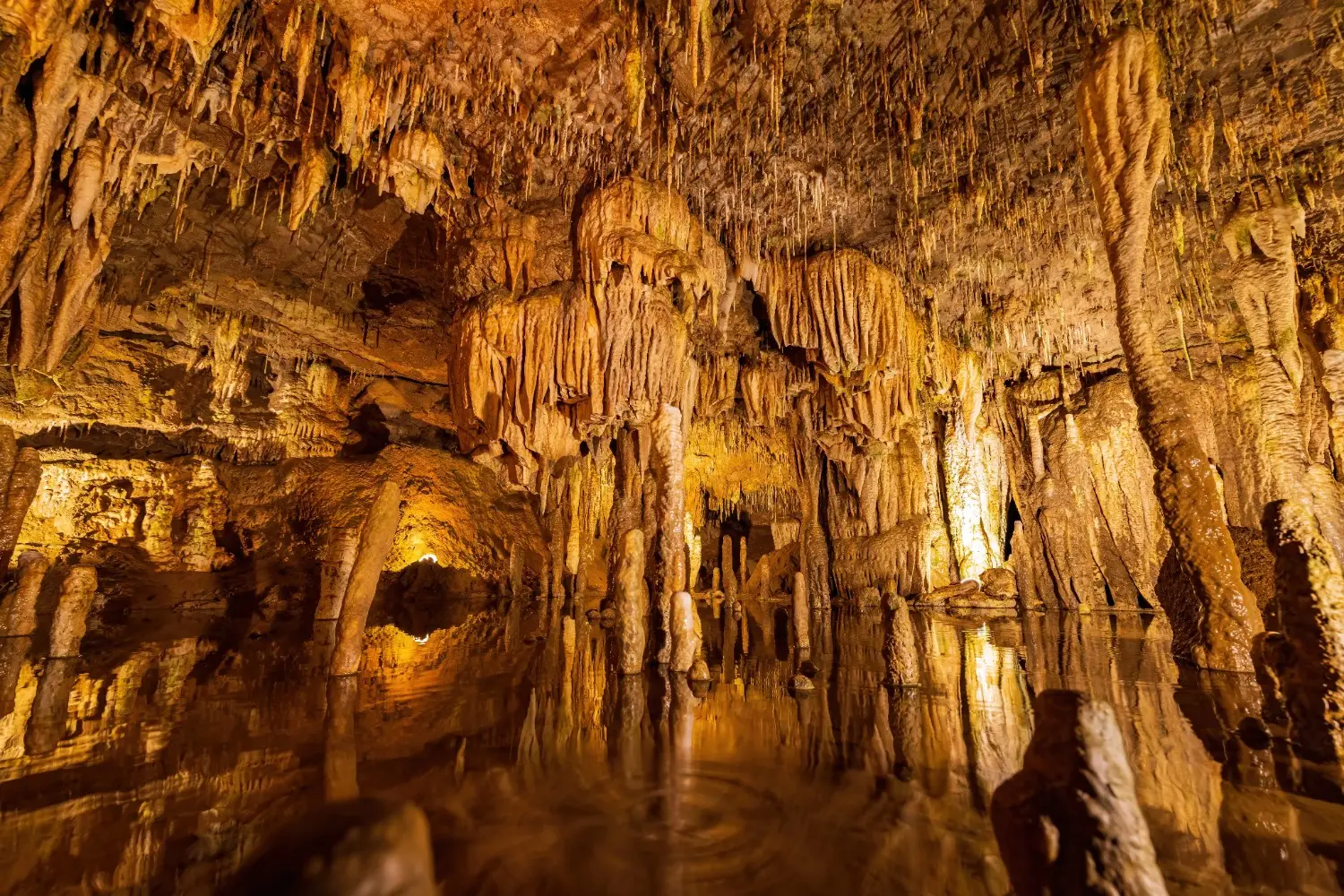
Tucked beneath Missouri’s rolling countryside lies Meramec Caverns, an extraordinary labyrinth of limestone formations that have taken millions of years to shape.
© Kit Leong
Year-round guided tours, lasting just under 1.5 hours, reveal the cavern’s dramatic beauty: towering columns, delicate stalactites, and shimmering pools that seem almost otherworldly.
Where to stay near Meramec Caverns
RV Self-Park in Sullivan is one of the first fully automated RV parks in the United States, offering a streamlined, no-frills experience that breaks from the traditional campground model. You can book and check in entirely online, take advantage of full hookups and pull-through sites, and enjoy peace of mind with well-lit areas and security cameras. Located just a 15-minute drive from Meramec Caverns, it’s a convenient and modern stop if you’re seeking ease and efficiency.
Crossing into Oklahoma
Continue southwest and dip briefly into Kansas, where Route 66 spans just 13 miles (20 km). Galena, Kansas, is a tiny gem—full of restored petrol stations and mining history.
Where to stay near Tulsa
Situated near the scenic Skiatook Lake in northeast Oklahoma, Tall Chief Cove is a favourite campground in the area. Just around the corner, Betty’s Country Store is a convenient spot to pick up breakfast or other essentials.
Exploring Oklahoma City
Two hours from Tulsa lies Oklahoma City, home to:
- The historic Tower Theatre.
- The quirky Milk Bottle Grocery, topped with a giant bottle.
- The National Cowboy & Western Heritage Museum.
Entering Texas
Be sure to stock up on water and other essentials before continuing your journey, as long stretches and dry conditions are common in Texas.
Crossing into Texas, the plains unfold endlessly beneath vast, open skies, where the flat horizon seems to stretch forever.
Highlights near Amarillo
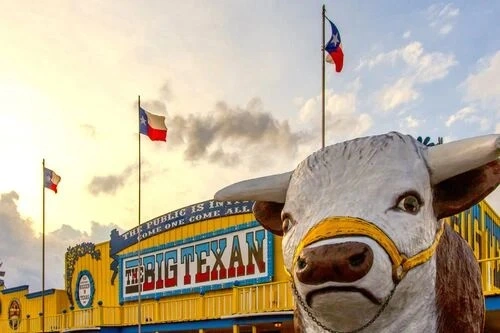
- Big Texan Steak Ranch: Take on their 4.5-pound (2 kg) steak—finish it within an hour, and the meal is free. In Texas, tackling enormous portions of meat is a time-honoured tradition, rooted in the state’s beef and oil heritage.
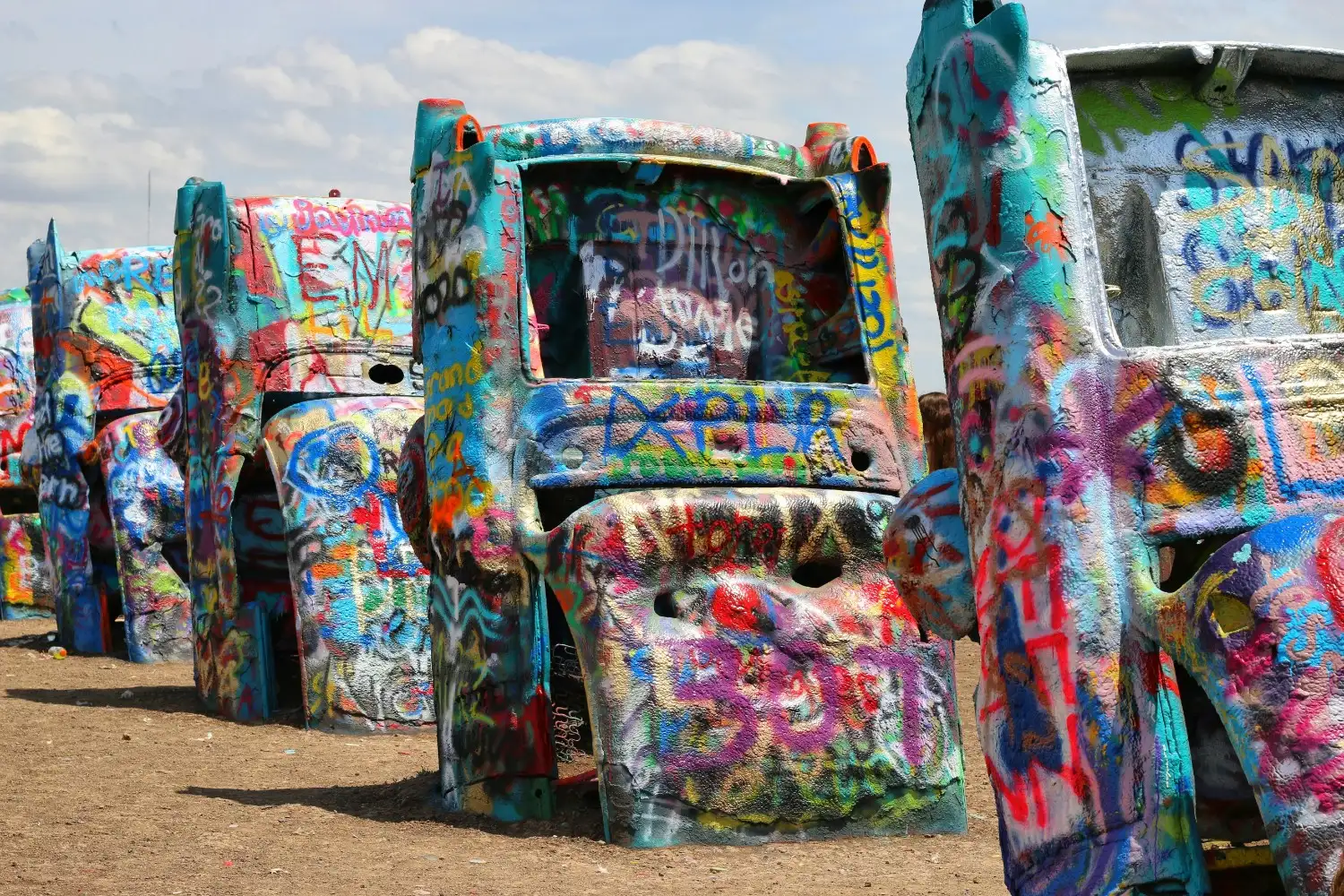
- Cadillac Ranch: Perhaps the most iconic Route 66 art installation. Ten vintage Cadillacs are buried nose-first in the earth, each smothered in colourful graffiti. Bring spray paint—adding your mark is part of the experience.
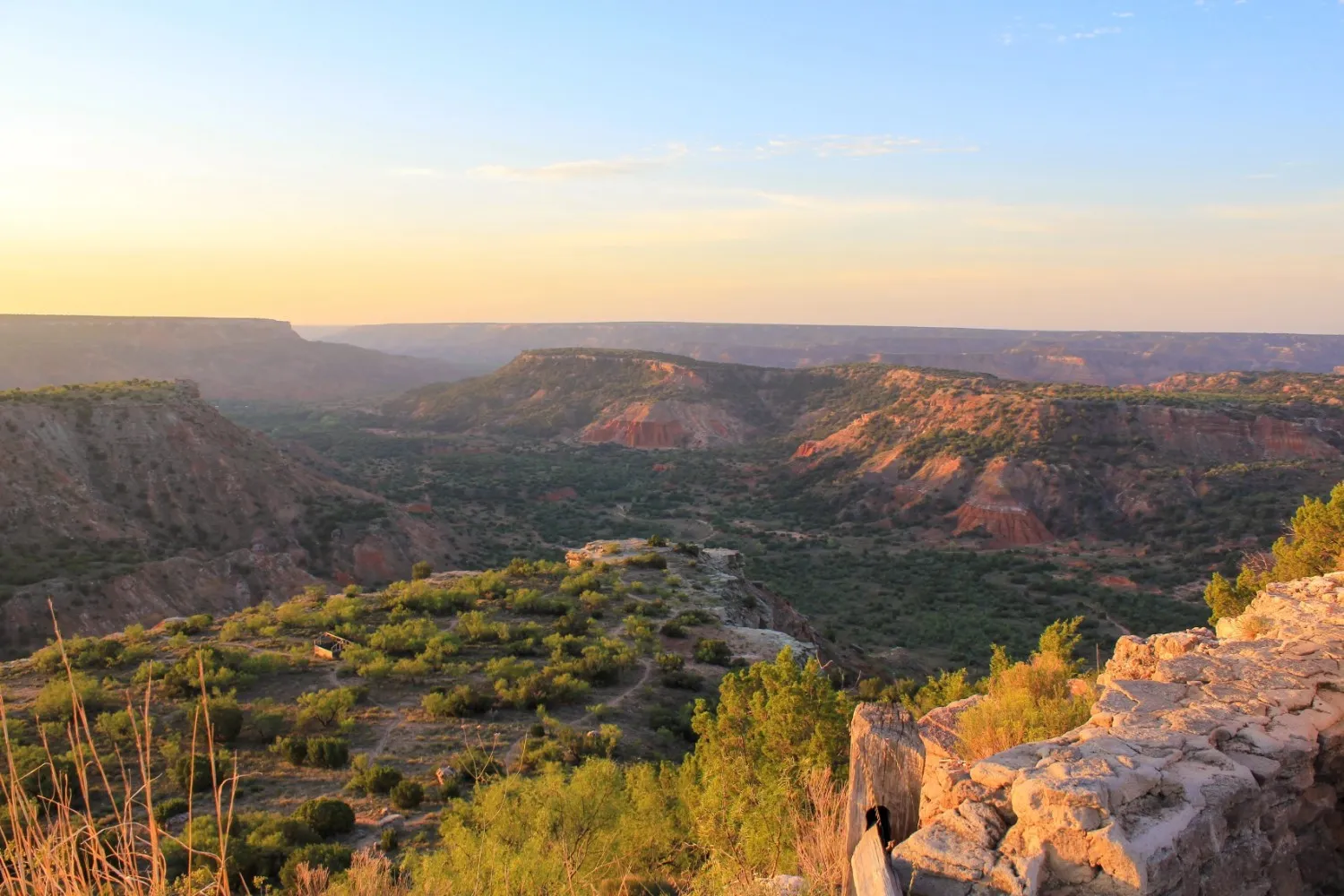
- Palo Duro Canyon – Known as the “Grand Canyon of Texas”.
© Travel Texas
© Laura Seaman
© Ella Sal
Where to stay in Amarillo
Amarillo RV Resort may not be a special campground, but its location makes it very convenient—just minutes from Cadillac Ranch and Palo Duro Canyon. The resort also offers a solid range of amenities, including a dog park, free Wi-Fi, a 24-hour fitness centre, and an outdoor pool.
New Mexico: From Santa Rosa to Albuquerque
Before Albuquerque, stop at Santa Rosa’s Blue Hole—a crystal-clear, sapphire-blue spring that stays a steady 17–18°C year-round. Swimmers and divers flock here for the clarity and colour.
Highlights in and near Albuquerque
- 66 Diner—a retro wonder of chrome and neon serving burgers and thick milkshakes.
- If you’re a fan of Breaking Bad, filming locations such as Walter White’s house or the iconic “Los Pollos Hermanos” are scattered around the city.
- History lovers can take a detour north to Los Alamos, where the Manhattan Project began.
Arizona’s natural wonders: Petrified Forest, Meteor Crater & Grand Canyon National Park
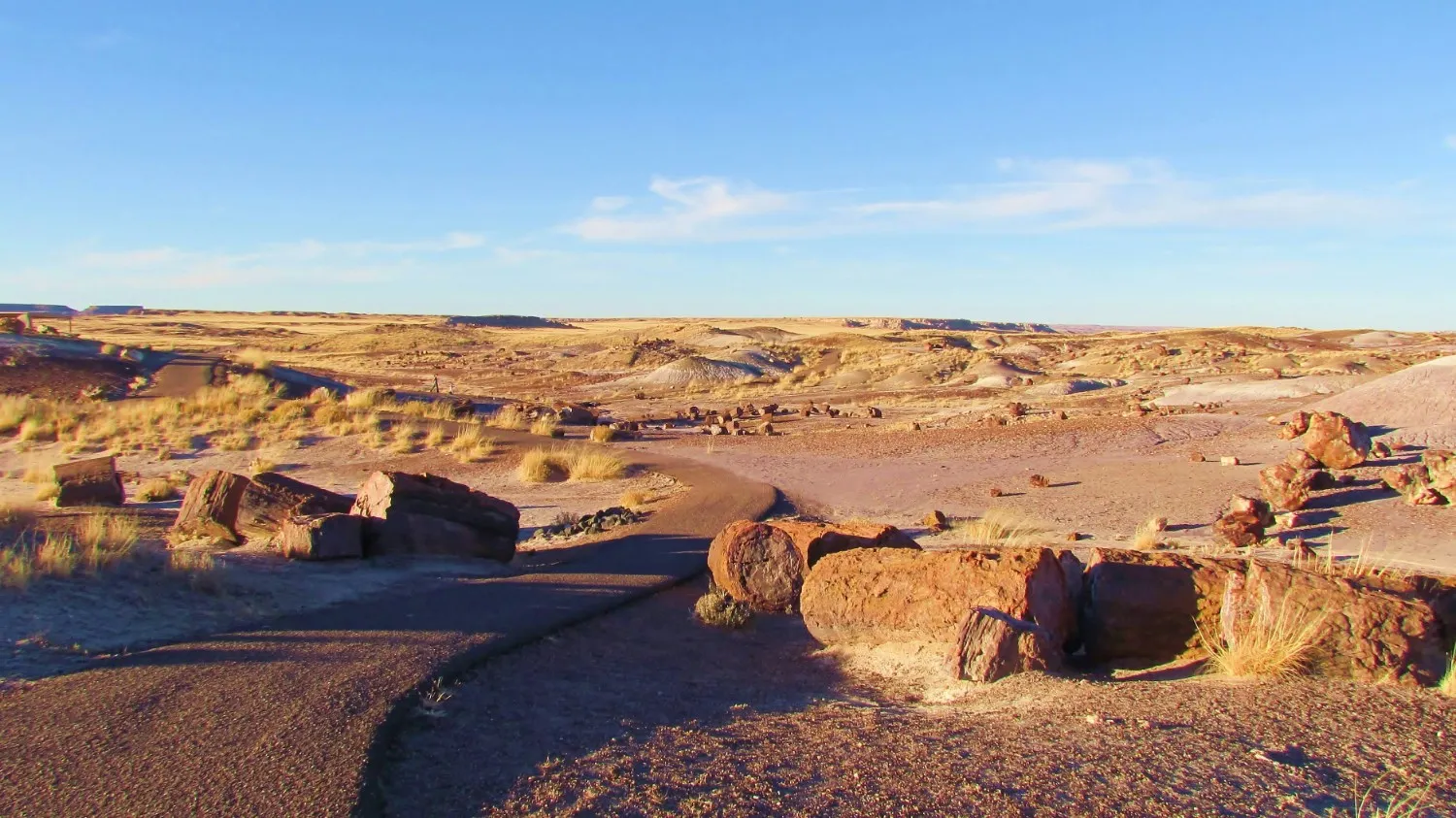
The first major stop is Petrified Forest National Park—a surreal landscape where ancient logs have turned to solid quartz, shimmering in shades of red, purple, and gold. The park includes the vast Painted Desert, where striped hills and layered badlands create a horizon that looks brushed by an artist.
A short walk along the Crystal Forest Trail (less than a mile) brings you face-to-face with some of the park’s richest concentrations of petrified wood.
© Paddy Kumar
For an overnight stay, Crystal Forest Campground is located just outside of the park’s south entrance and operates on a first come, first served basis.
© turtix
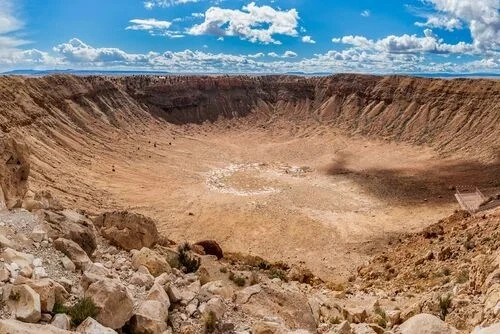
Nearby, the mighty Meteor Crater—the world’s best-preserved impact site—creates a dramatic dip in the otherwise flat desert. Standing at the rim, you feel the scale of the collision.
The meteor slammed into the Earth’s surface at roughly 26,000 miles per hour (42,000 km/h), striking with enough energy to carve out a crater nearly a mile across (1.2 km) and 570 feet (170 m) deep.
Route 66 from Flagstaff to Oatman
Situated at an elevation of roughly 7,000 feet (2,134 m), Flagstaff lies at the very heart of northern Arizona’s natural wonders; thus, its appeal. From here, the Grand Canyon, Oak Creek Canyon, the Arizona Snowbowl, and Meteor Crater are all within short range.
Travelling along historic Route 66, the road to Oatman winds through the rugged Black Mountains, revealing dramatic views of rolling hills and traces of the region’s old mining heritage. In Oatman, wild burros wander freely through the streets, adding a charm and character you won’t find anywhere else.
Detour to the Grand Canyon (Optional)
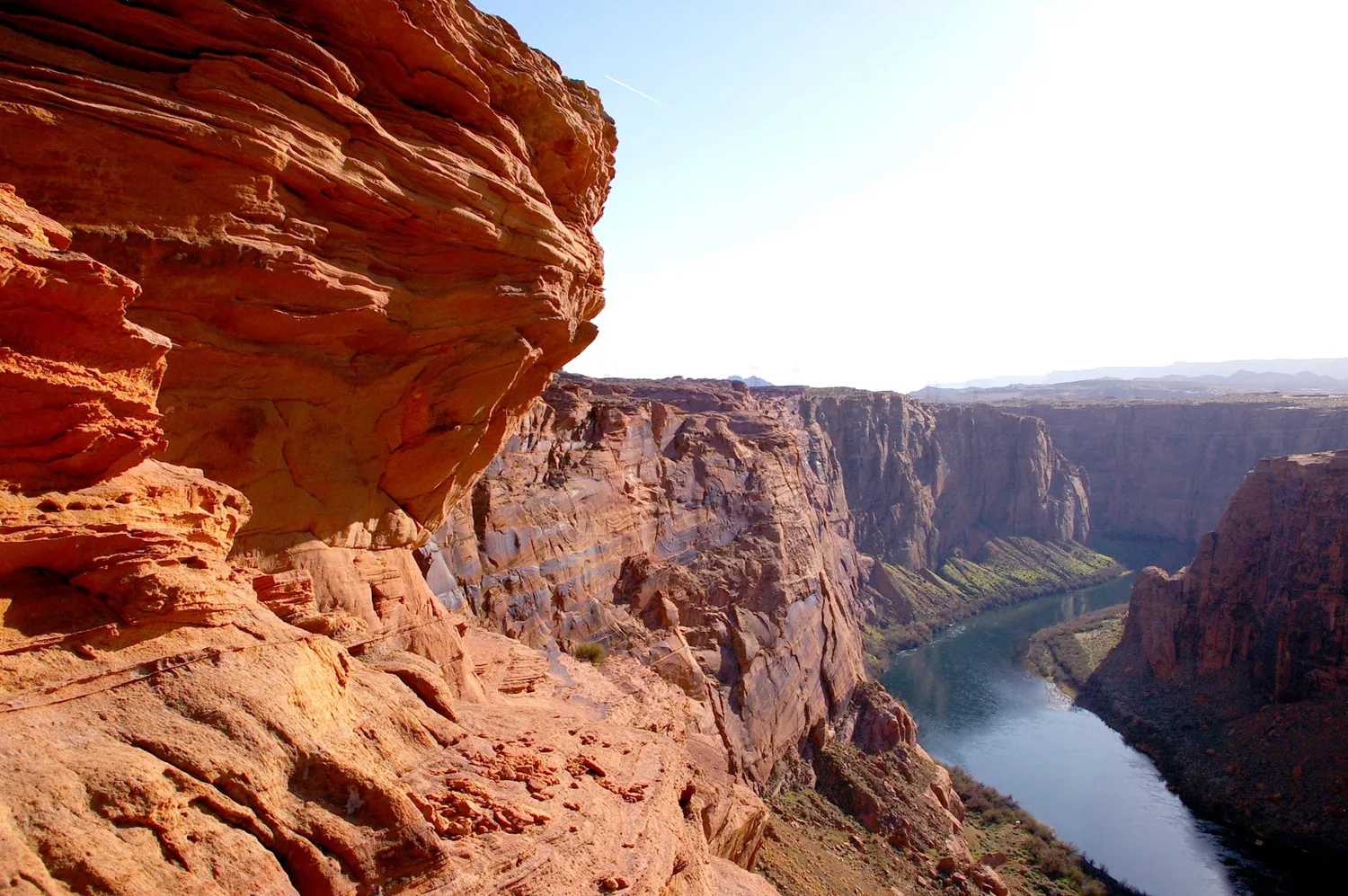
If time allows, a detour to the Grand Canyon is well worth the drive. From Williams, the South Rim is just an hour north.
© Papillon
Few landscapes match its sheer scale: red cliffs layered over millennia and plunging canyons.
Things to do in Grand Canyon National Park
- South Rim Trail: A gentle introduction to canyon views.
- South Kaibab Trail: A strenuous descent into the canyon itself.
- Watch the sunset from Desert View.
Where to stay in Grand Canyon National Park
© El Monte
Desert View Campground, located near the park’s East Entrance, provides a quiet setting with just under 50 sites available, which can be reserved online up to six months in advance. The campground does not offer showers or an RV dump station; the closest shower facilities are at Mather Campground in Grand Canyon Village.
California’s final stretch to the Pacific
Crossing into California, the desert slowly yields to civilisation. Near Barstow, the Route 66 Mother Road Museum offers a last look at maps, memorabilia, and stories from the past century.
Further west, traffic thickens as you approach Los Angeles—home of film sets, palm trees, and endless sunshine. Hollywood studio tours, Venice Beach, and vintage diners along Santa Monica Boulevard provide excellent stops for the final leg of your trip.
© Tommaso Teloni
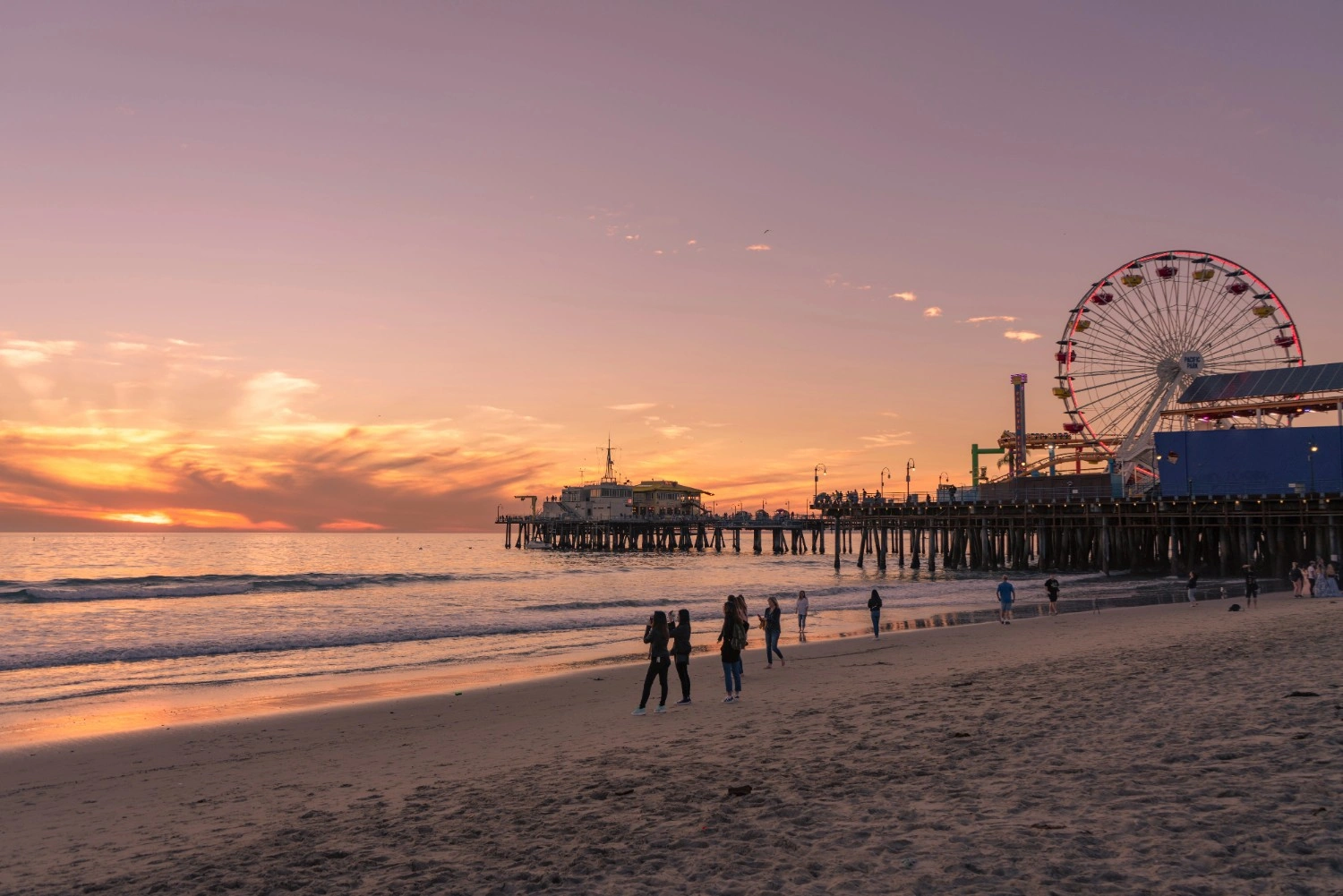
Continue west until pavement ends at one of the most iconic landmarks of the entire trip: the pier at Santa Monica Beach, marked with the official “Route 66 End” sign. Waves crash below, the Ferris wheel turns overhead, and you’ve officially completed one of the world’s greatest drives.
Planning and cost of your Route 66 campervan journey
Organising a Route 66 adventure requires a bit of preparation to ensure a smooth journey. This involves deciding on the best season to travel and selecting a campervan that suits your needs. If you’re travelling during busy periods, it’s wise to reserve campgrounds in advance.
Best time to travel Route 66
Late spring (April–May) and early autumn (September–October) are generally the best times to travel along Route 66. These months usually provide mild temperatures and fewer crowds than the peak summer months. Winter is generally not recommended, as snow and ice can create dangerous driving conditions, causing potential road closures.
Choosing the right campervan
When planning a trip along Route 66, choosing the right campervan can make all the difference in comfort, convenience, and driving ease.
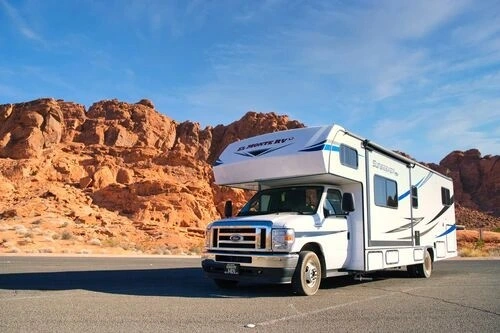
In Chicago, you’ll mainly find larger motorhomes from Cruise America and El Monte RV. These are spacious vehicles with separate sleeping areas and additional features such as a full kitchen, bathroom, and, in some models, slide-outs to increase the living space.
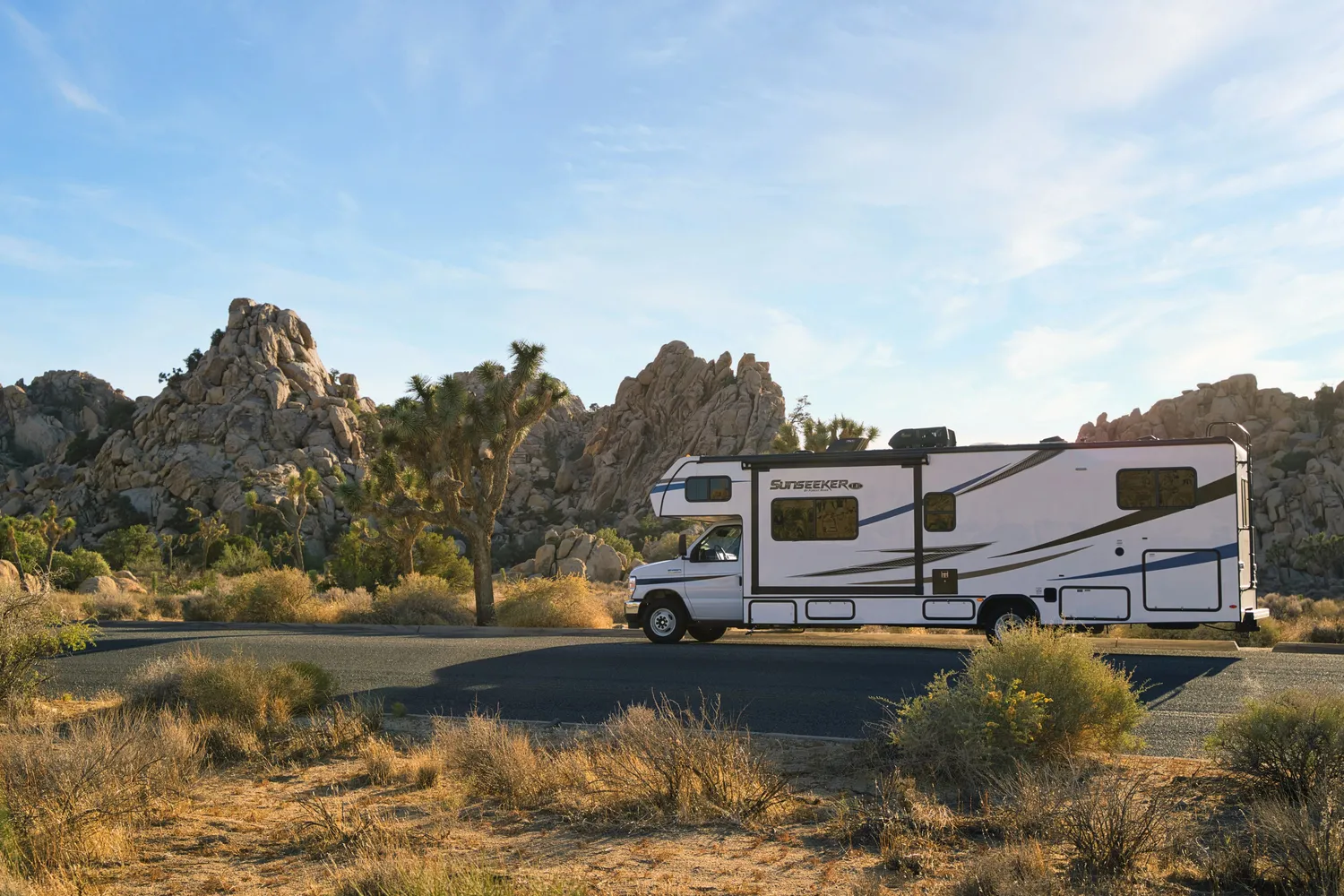
© El Monte
Before setting off on your campervan adventure, make sure to check your water and fuel levels thoroughly, as some stretches—particularly in Arizona and California—offer limited services. It’s also wise to test all appliances and onboard systems, including the refrigerator, water pump, and heater, to ensure they operate correctly on both battery and external power.
Route 66 travel costs
When it comes to the cost of travelling Route 66, only an estimate can be given. This will not include your flight or a possible one- or two-night stay in a hotel when collecting and returning the campervan.
Essentials
First of all, renting an RV or campervan is essential, and you’ll also need a few add-ons, such as a convenience kit, additional miles, and insurance, among others. You can assume this will be around $3,500–$4,000 (€3,000–€3,500) for a two-week period for two people.
Next, you’ll need to consider fuel. Based on your vehicle’s fuel efficiency, total mileage, and current fuel prices, this can of course vary, but a reasonable estimate would be around $1,400 up to nearly $2,300 (€1,200–€2,000).
Daily expenses
Food costs should also be taken into account. You can budget around $75–$100 per day (€65–€85) per person, which comes to $1,000–$1,400 (€900–€1,200) for two people over two weeks.
Then there are the campgrounds you’ll be staying at. If you aim for more comfort, with regular hookups for the RV and nicer facilities, you should budget approximately $500–$900 (€400–€800) for campsites for the two weeks.
Lastly, you should budget for attraction fees, such as national parks and museums. This could amount to roughly $200–$300 (around €200) for two people, though the exact total will depend on which specific parks you choose to visit.
All in all, for a two-week trip for two people, this would sum up to $6,500–$8,500 (€5,500–€7,500).
Before or after a motorhome trip, it’s often a good idea to spend a few days in a major city.
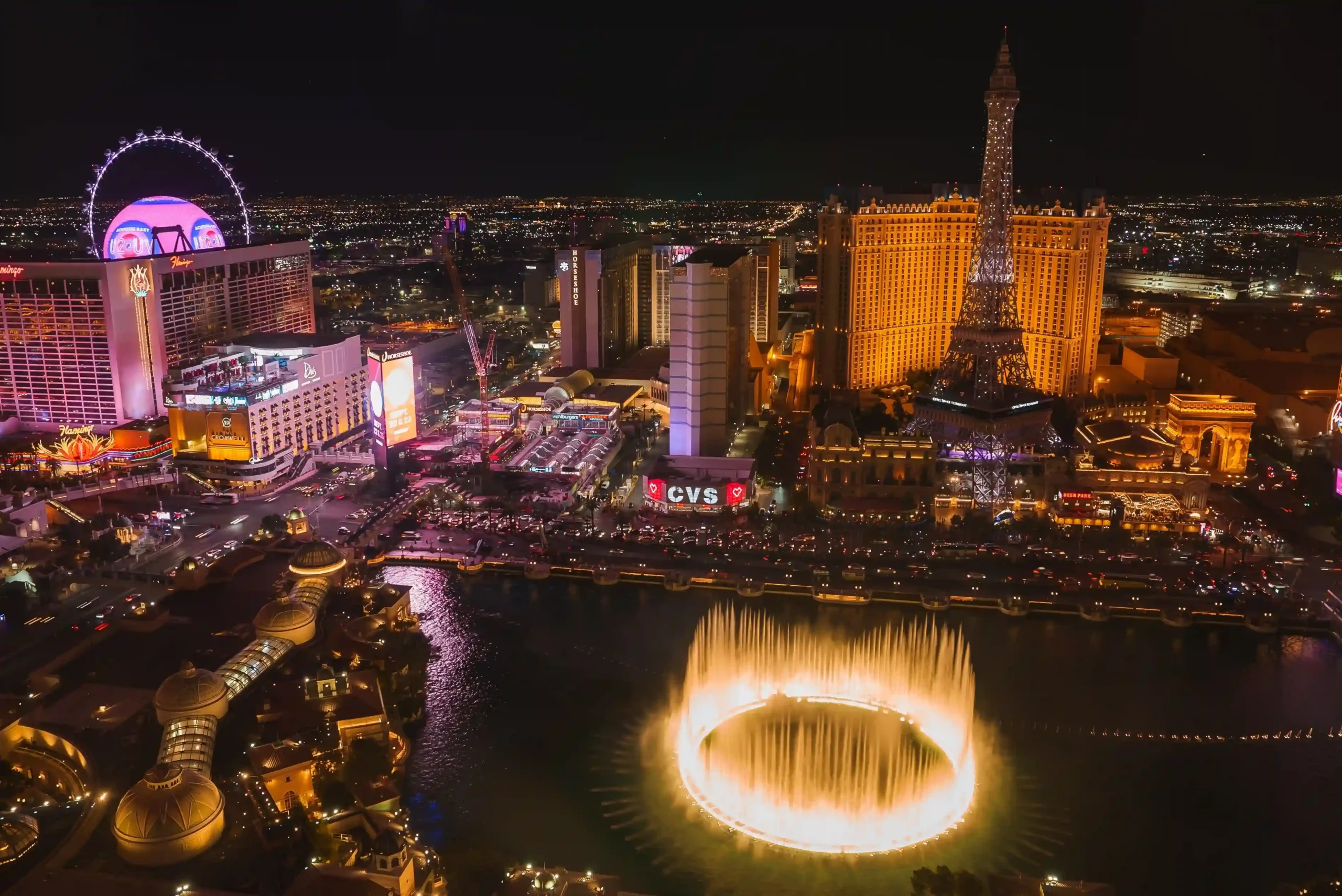
RV rental Las Vegas
Kick off your adventure on the vibrant Strip, testing your luck at the slot machines. Once you’ve had your fill of the bright lights, escape to the fiery red peaks of Red Rock Canyon.
California Coast itinerary
Drive the legendary Highway 1 from San Francisco to San Diego. Experience the dramatic cliffs of Big Sur and soak up the sun-drenched surf culture of the “American Riviera”.
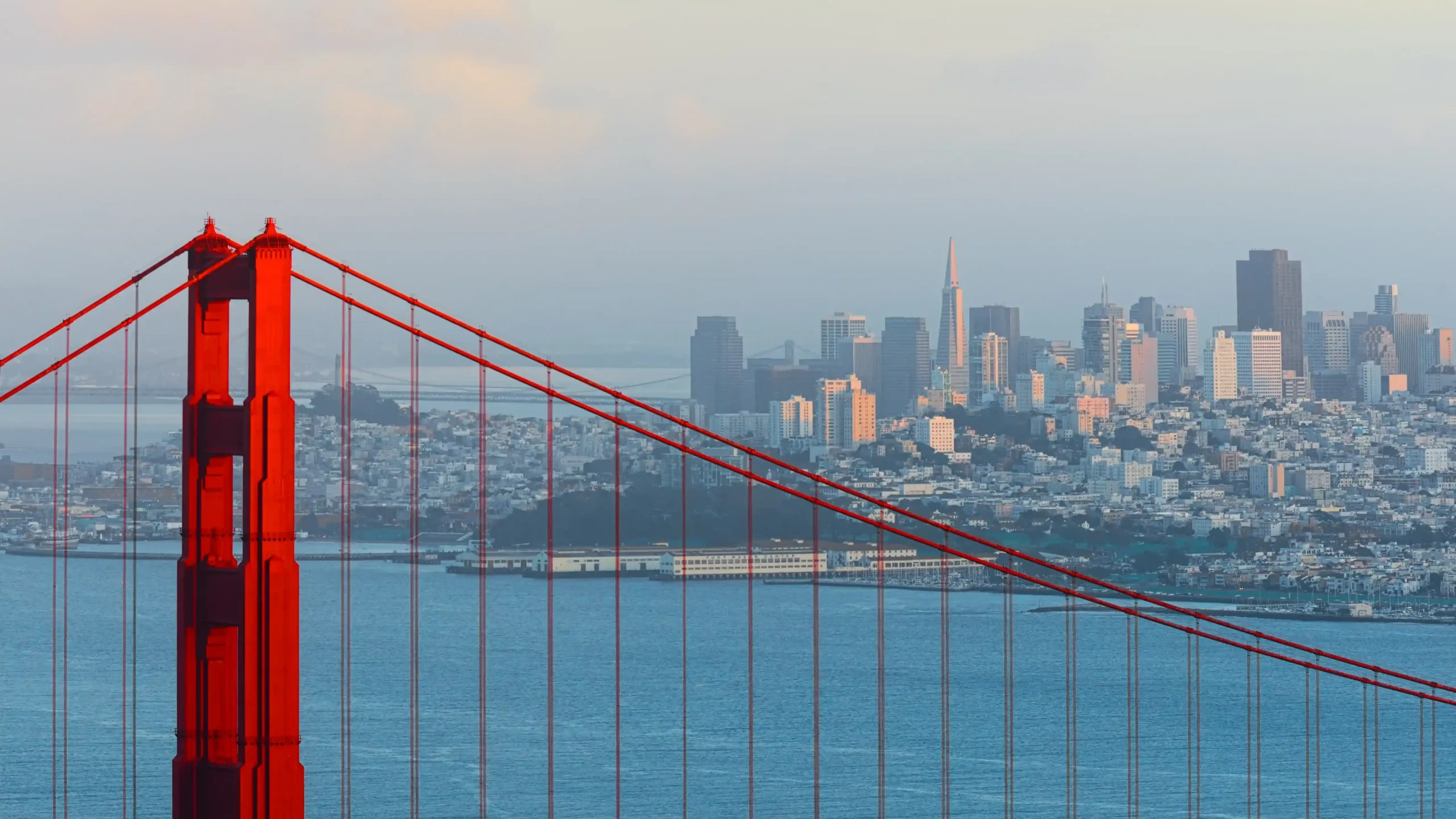
RV rental San Francisco
Resting dramatically on the edge of Northern California, San Francisco is widely considered one of the best cities in the US. Celebrated around the world for its iconic landmarks, vibrant…
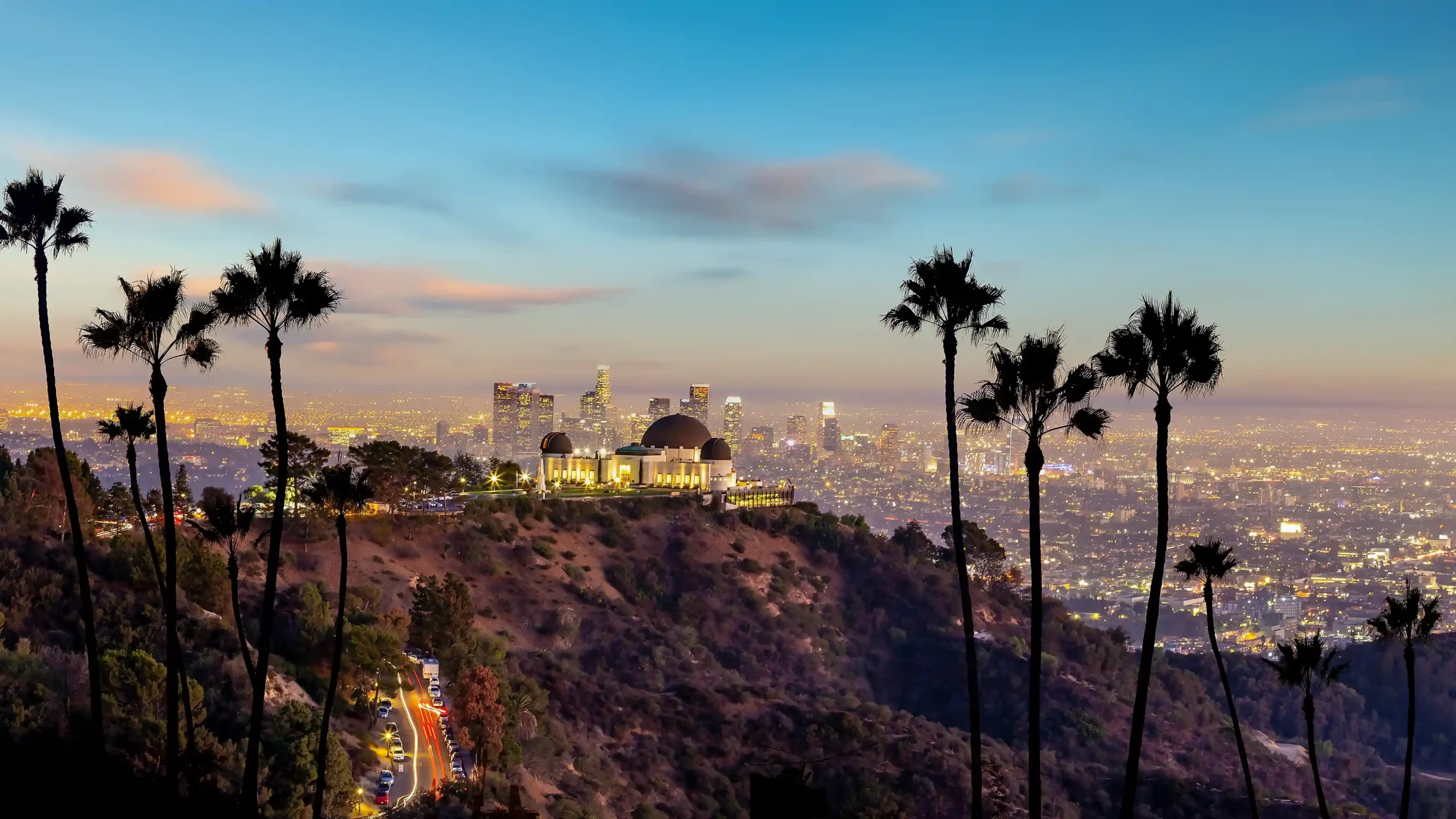
Camping Los Angeles
Stroll the Santa Monica Pier, take in sweeping skyline views from Griffith Observatory, and soak up iconic film history.
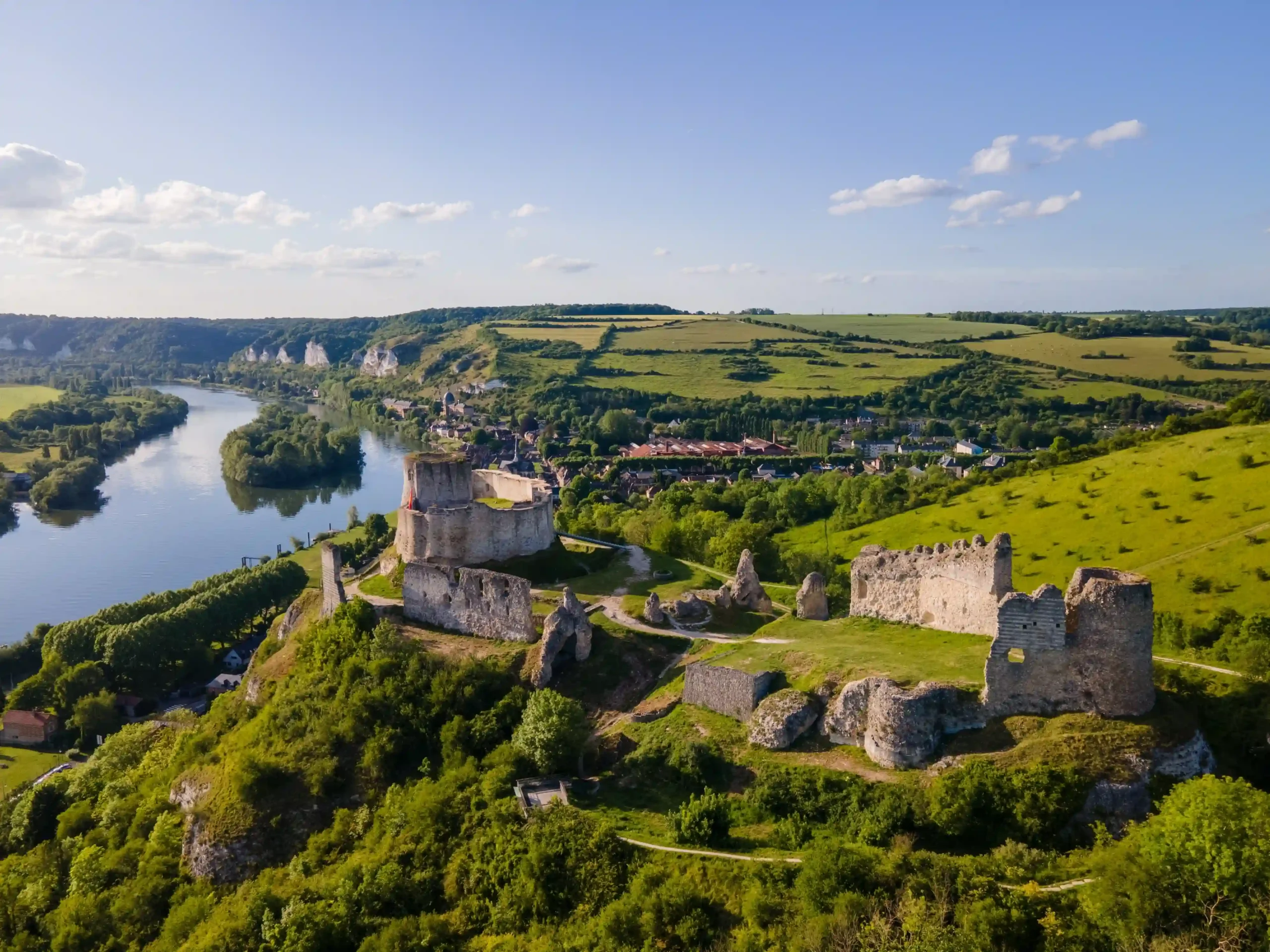
Normandy road trip
This 8-day Normandy road trip connects dramatic chalk cliffs and WWII landing beaches with lush valleys, and the iconic Mont Saint-Michel—creating a captivating journey through the region’s coast and countryside.
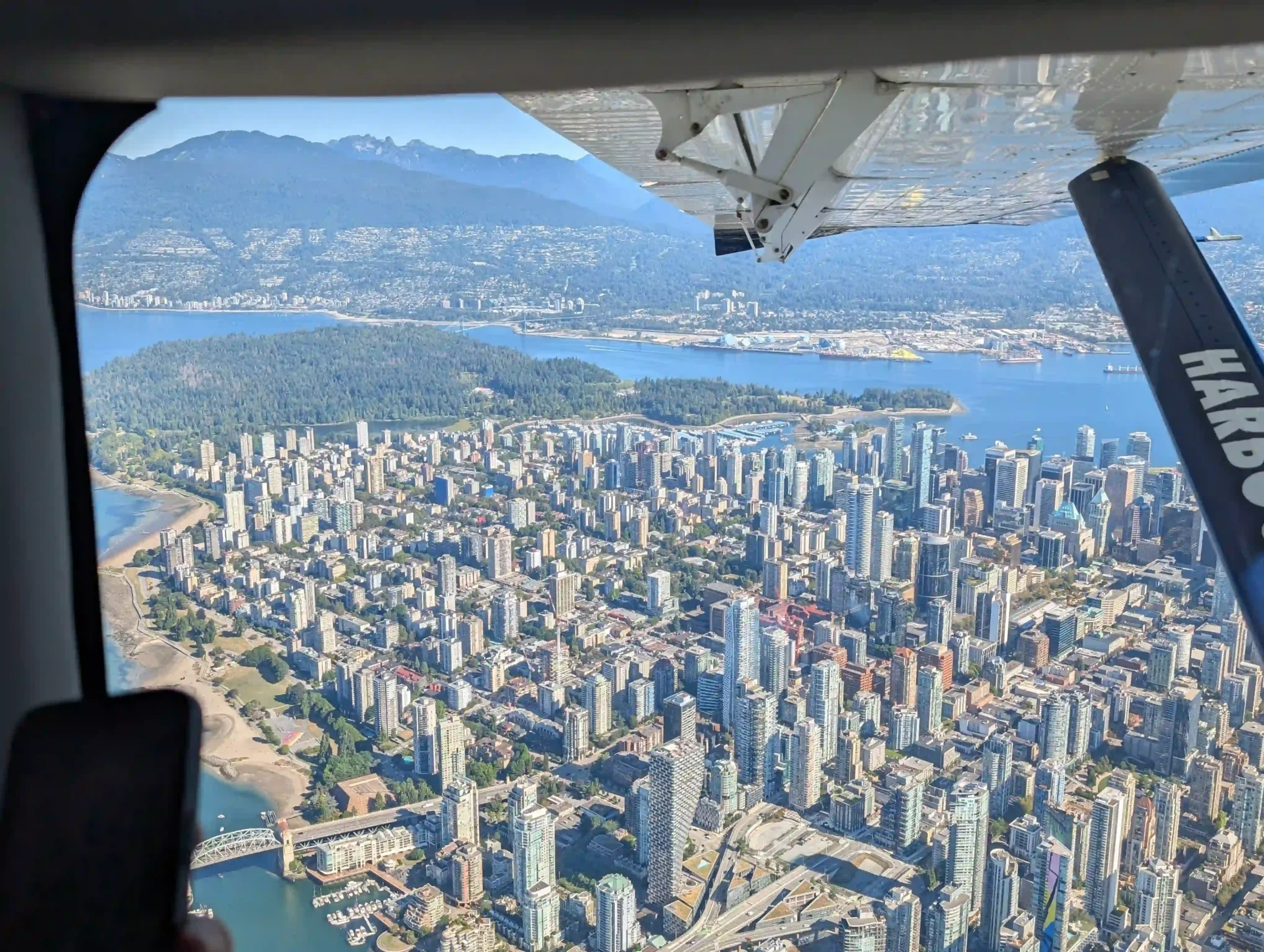
Vancouver itinerary
Explore a modern oceanfront city framed by towering peaks. Park up at picturesque campsites, catch coastal ferries, and launch your ultimate British Columbia road trip.