Camper comparison: Choosing the right vehicle for your journey
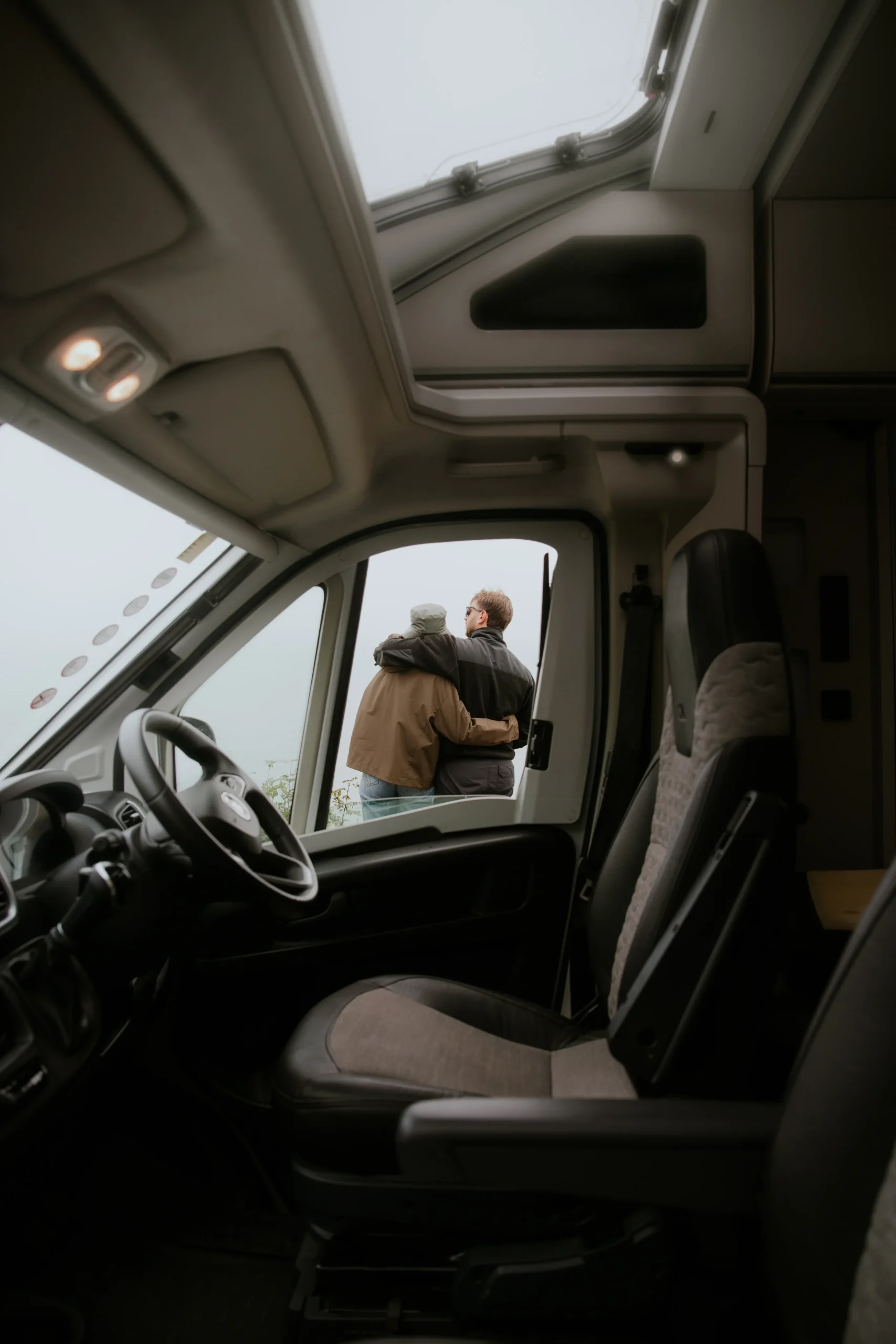
Campervan. Motorhome. RV. Truck camper. To the newcomer, the terminology can feel like a foreign language. Yet, picking the right vehicle is the single most important decision you will make for your holiday.
Get it right, and you will have total comfort; get it wrong, and you might find yourself shivering in a cramped van, or sweating whilst trying to manoeuvre a 36 foot (11 m) bus.
| Vehicle Class | Ideal for | Key features |
| Estate car / small van | “Backpackers” on a budget | Cheap, easy to drive; basic sleeping setup |
| Campervan / van conversion | Couples | Standing height + kitchenette; compact but comfortable |
| Truck camper | Couples & small families | Easy to drive; compact |
| Classic motorhome (S, M, L) | Families & groups | Over-cab beds, full living space, optional slide-outs |
| Class A motorhome | Luxury seekers | Huge interior |
This guide is designed as a camper comparison, helping you understand the differences between vehicle types before you book.
CU | Camper connects you with a wide variety of campers in numerous locations worldwide.
Define your adventure
The “best” camper is entirely dependent on three factors: Who you are with, where you are going, and how you like to live. Keeping these in mind is essential when making a camper comparison.
The crew
If there are more than two of you, the charming little van conversions are usually off the table. If you are a family with kids, you might want to consider separate sleeping areas. If you are travelling in a group of five or six adults, honestly ask yourself: can we survive in one vehicle? Often, hiring two smaller campers provides more sanity than cramming into one large one.
The destination
If your trip is centred around cities, a slim, compact vehicle is your best friend. Smaller campervans and van conversions are easier to park and far more practical when navigating narrow streets or busy city outskirts. When you are staying close to towns, you can rely on well-equipped campsites, restaurants, shops, and public facilities—so self-sufficiency is not essential.
If, however, your dream trip involves national parks, vast open landscapes, or truly remote wilderness, the logic flips. The further you go from civilisation, the more valuable a larger motorhome becomes. Bigger vehicles offer generous water tanks, proper bathrooms, larger fridges, and space to carry supplies—allowing you to stay off-grid comfortably for several days at a time.
Flexibility or comfort: What’s your style?
Your need for personal facilities is a major deciding factor.
- The flexibility seeker: You don’t mind using shared campsite restrooms. This allows you to skip the bulky onboard shower and choose a compact, agile camper.
- The comfort seeker: You want total independence. You need a built-in toilet and shower for privacy, and a living area spacious enough to lounge indoors if it rains. In a camper comparison, this typically points to a larger motorhome or Class A.
Which vehicle class is right for you?
Here is a breakdown of the options below, comparing common camper types to help you make a clear and confident camper comparison.
Estate car and small van
Best for: Couples on a budget exploring Australia or New Zealand.
Rentals: Apollo, Jucy, Maui, McRent
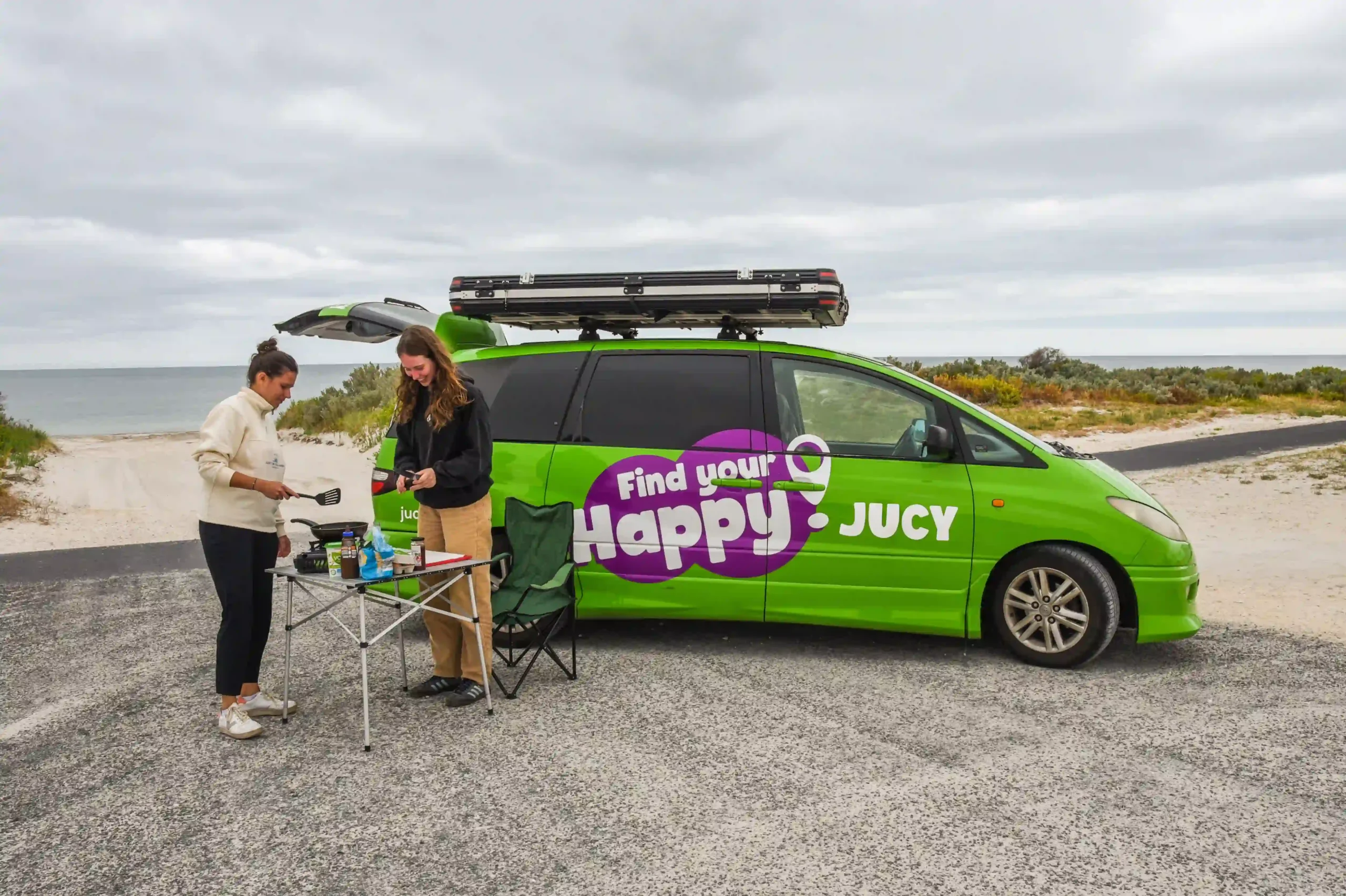
These estate cars and small vans are by far the cheapest options available and are very common with “backpackers” in Australia and New Zealand. They are essentially a car with a mattress in the back and perhaps a slide-out gas cooker in the boot.
Perfect if you are nervous about driving large vehicles, are fuel efficient. But you are living out of the van, not in it, as headroom is limited—an important note in any camper comparison.
Campervan and van conversion
Best for: Couples exploring Canada or Europe who want indoor comforts.
Rentals: Fraserway RV, Four Seasons RV, KARMA
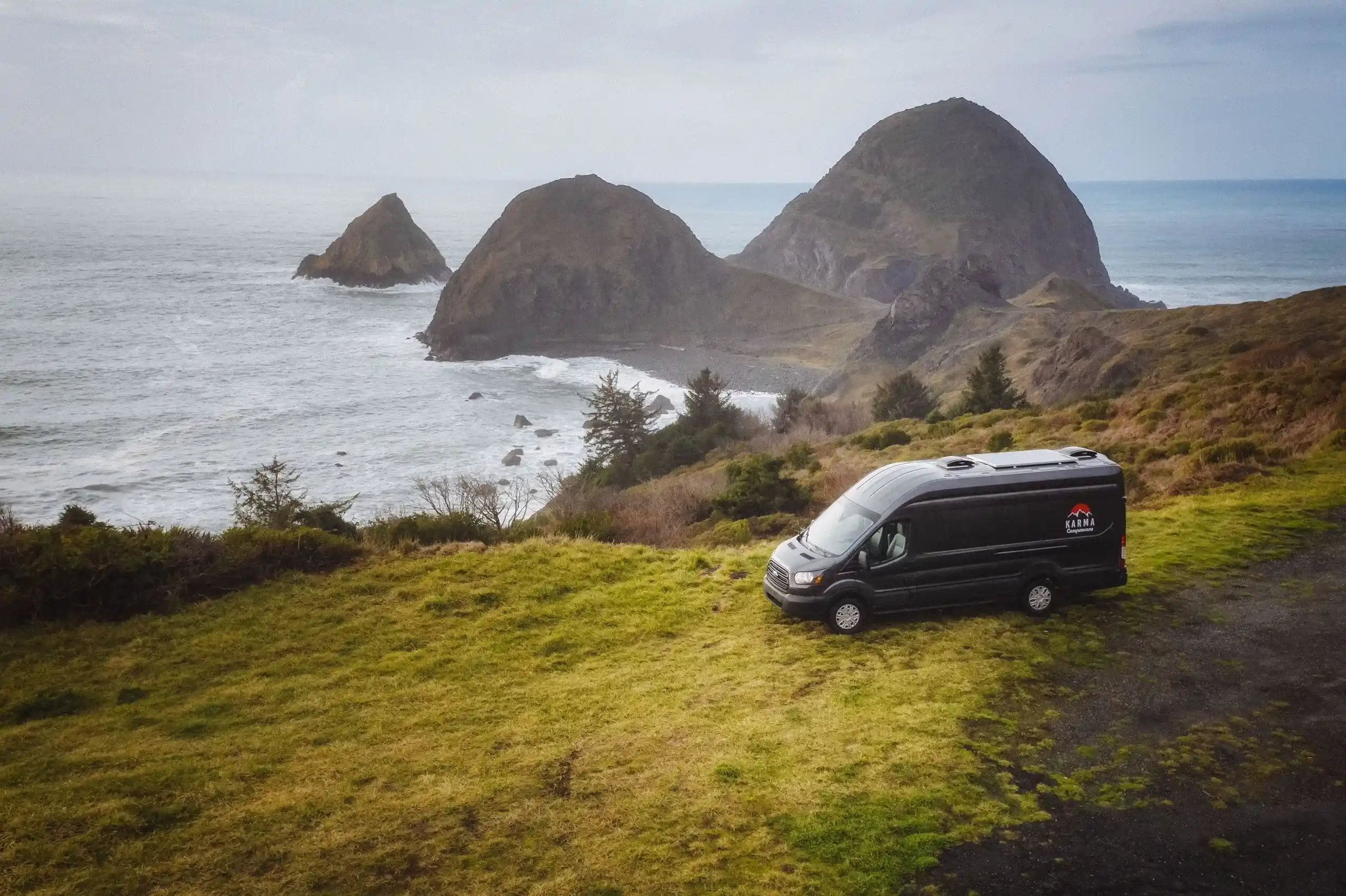
These are usually panel vans (like a Ford Transit or Mercedes Sprinter) that have been professionally fitted out. Ranging from 18 to 26 feet (6–8 m), they offer a proper bed, a kitchenette with a sink and cooker, and enough headroom to stand up.
Most van conversions even feature a compact toilet and shower cubicle. When doing a camper comparison, these often sit in the “sweet spot” between comfort and manoeuvrability.
Truck camper
Best for: Adventurous couples (or small families) heading out to remote areas in Canada or Australia.
Rentals: Fraserway RV
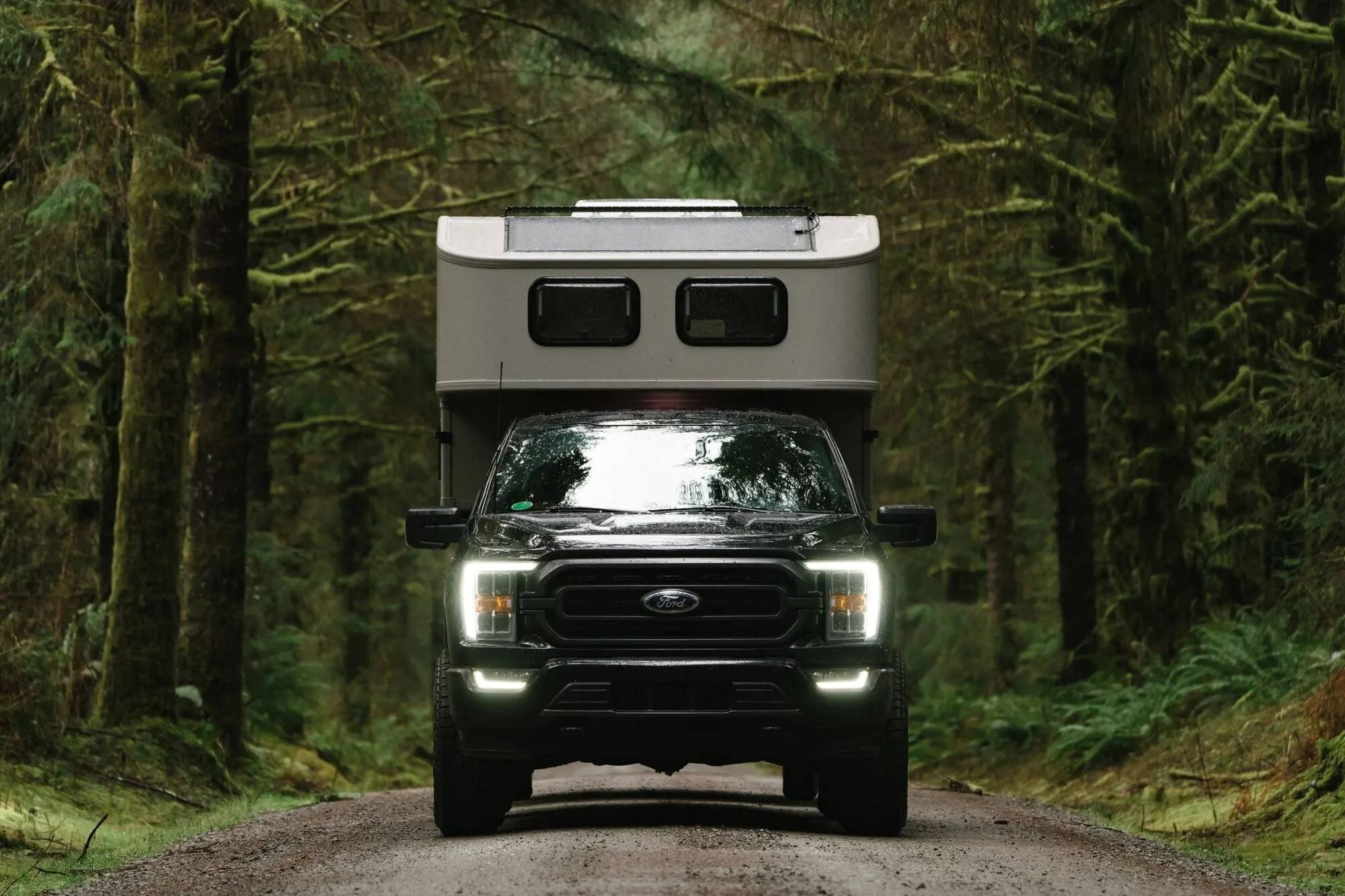
A rugged pick-up truck with a living unit on the back.
Because the base is a powerful truck, these vehicles handle hills, gravel, and unsealed roads far better than a standard motorhome. They are tough, reliable, and surprisingly spacious inside, often featuring a double bed over the cab and a dinette that converts for a child.
If your route covers rough terrain (like the Yukon or the Australian outback), this is the number one choice.
Classic motorhome (S, M, L)
Best for: Families and groups touring the USA and Canada.
Rentals: Fraserway RV, CanaDream, Four Seasons, El Monte, Cruise America
When you picture an American RV, you are likely picturing a Class C motorhome. These are “chunky” vehicles built on a van chassis with a distinctive “bulge” over the driver’s cab which houses a bed. They range roughly from 20 to 30 feet (6–9 m) and have a high fuel consumption.
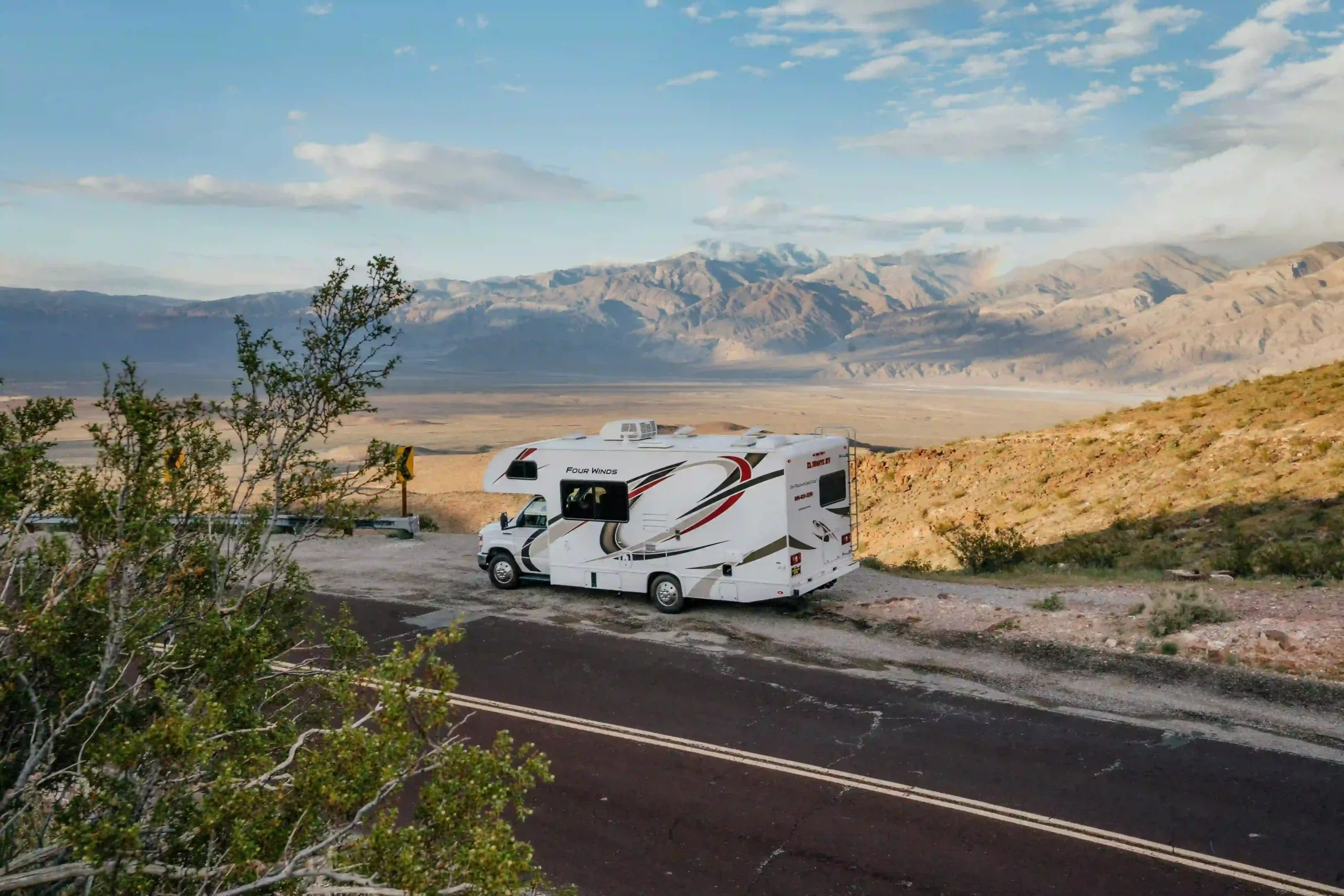
- Small (19–22 ft): Ideal for 2–3 people. They are very similar to a van conversion.
- Medium (23–27 ft): Ideal for 3–4 people. They offer a rear bed and an over-cab bed.
- Large (28–31 ft): Built for 5–6 people. Once you get to this size, you often get “Slide-Outs”—sections of the wall that push outwards when parked to expand the living room. The kitchen and bathroom facilities are generous, making long road trips more comfortable.
Class A motorhome
Best for: Extended trips, luxury seekers, and those with flexible budgets.
Rentals: El Monte, Road Bear
A hotel room on wheels. These flat-fronted vehicles look (and drive) like a bus. Inside, the space is palatial. You will often find full-size fridges, sofas, and huge panoramic windscreens.
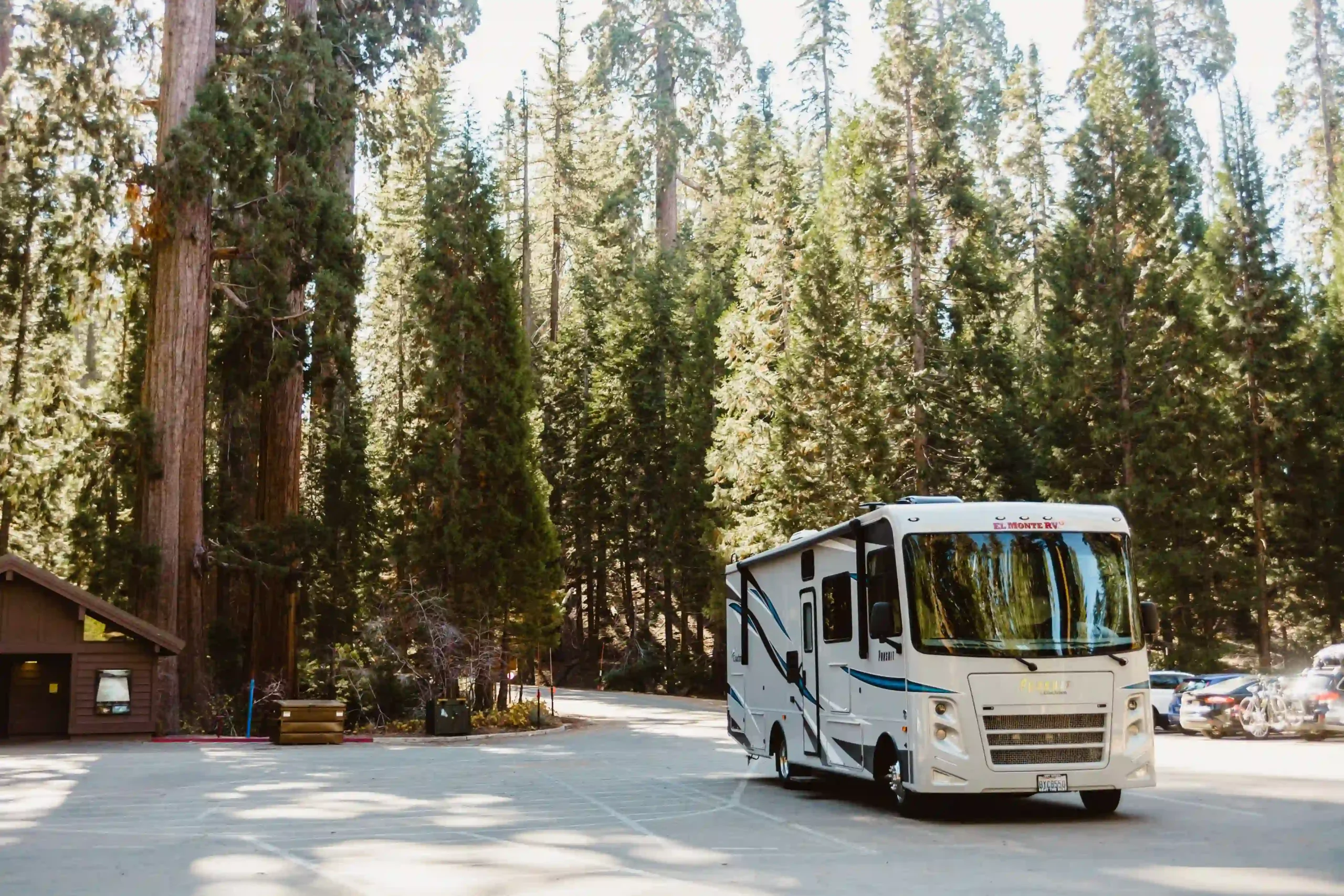
At up to 36 feet (11m) long, they are beastly. As a driver you need to be confident and experienced with heavy vehicles, and you must have someone to jump out and help you whenever you reverse. You also need to check ahead that your campsite pitches are physically large enough to take you.
There is no more luxurious way to travel, but it comes with a high rental cost and very high fuel consumption, which is why this option sits at the top end of the scale in a camper comparison.
Extras
Once you have picked the vehicle, the decisions aren’t quite over. The difference between a “good” trip and a “great” one also often lies in the add-on packages.
Unless you want to buy pillows and duvet covers at Walmart on Day 1, book the convenience kit. It includes bed linen, towels, and usually the essential kitchen equipment (cutlery, pots and pans) for pleasant cooking.
In the US and Canada, distances are deceptive. Always calculate your route and add 20% for spontaneous detours. If you are going far, an unlimited mileage package is usually cheaper than paying the per-mile penalty at the end, and it gives you peace of mind.
If you aren’t feeling all too comfortable driving a large vehicle, you might want to look for models with reversing cameras. Also, consider renting leveling blocks if possible—essential for keeping your head level when sleeping on uneven ground.
The final check
You have the keys. The road is calling. But before you pull out of the depot, check the following:
- Check your fresh water tank is full and your fuel is topped up. In parts of the US and Canada, you might go 100 miles (160 km) without seeing a service station.
- Don’t wait until you are parked in the wilderness to find out the heater doesn’t work. Test the refrigerator, water pump, and furnace before you leave.
- Ensure you understand how the systems switch between battery and external power works.
Before or after a motorhome trip, it’s often a good idea to spend a few days in a major city.
How to grab a “driveaway” & travel for less
Drive a brand-new motorhome rental across the US for less with run-of-fleet transfers. Enjoy one-way routes, iconic sights, and the thrill of a flexible road trip.
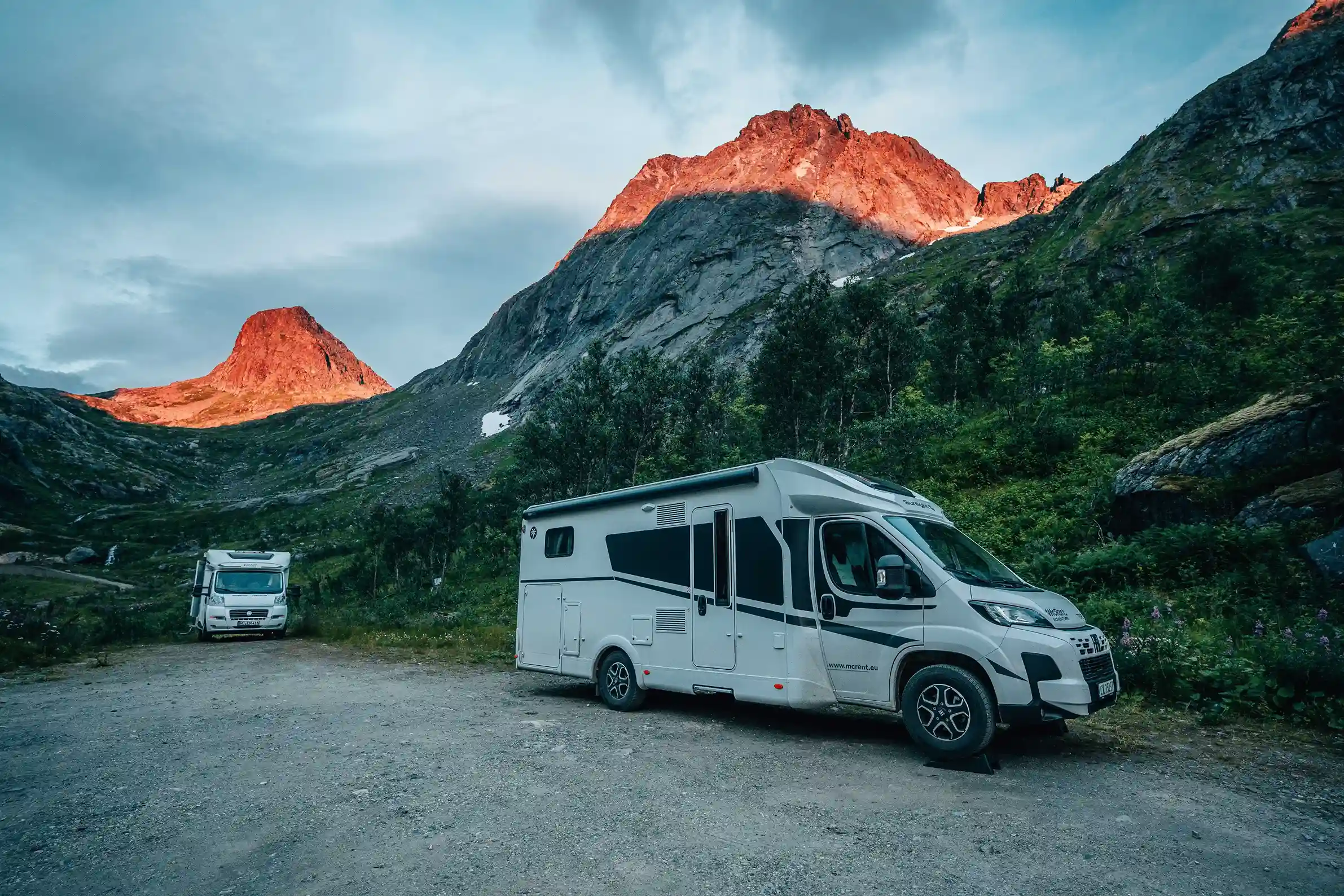
Motorhome rental: 6 reasons to book with CU | Camper
Discover how we make motorhome travel easy—with honest advice, clear pricing, trusted global partners, and a hassle-free booking process.

What to do if the motorhome rental of your choice is fully booked?
Learn how to secure your ideal motorhome even when availability is scarce.
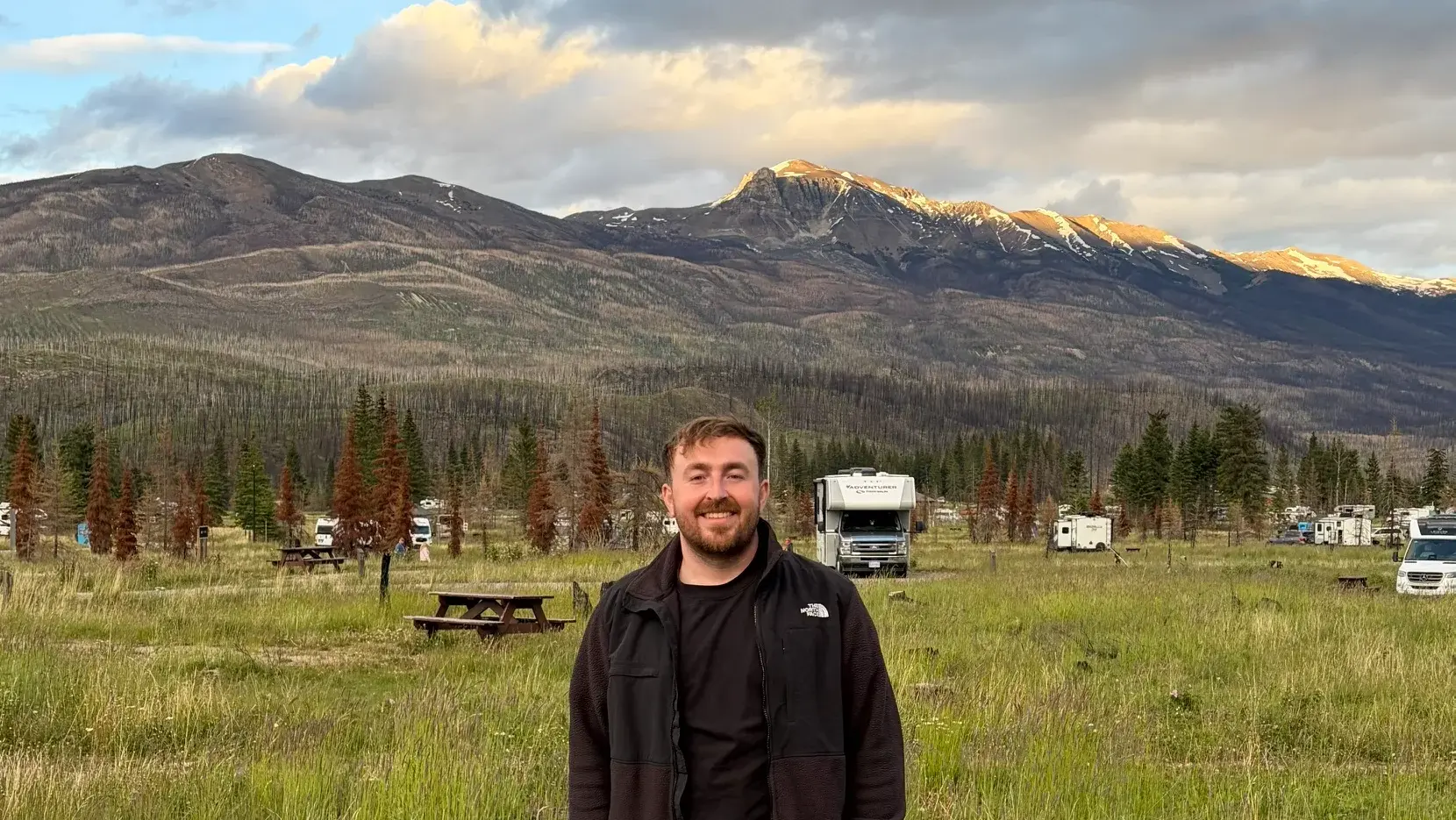
My first trip to Canada
Buckle up for my first-ever Canadian adventure! Experience the magic of the Rockies from the driver’s seat of a Fraserway RV, featuring close-up wildlife encounters, roaring canyon waterfalls, and views that will leave you speechless.

3 Weeks on New Zealand’s South Island in a McRent campervan
Follow Howard and his family as they explore New Zealand’s South Island in a spacious McRent Family Plus campervan.

Our first campervan adventure in Queensland, Australia
Join Howard and his family as they explore the natural wonders of Queensland in a brand-new Maui Cascade campervan.