Campervan hire Europe
Changing cultures & languages.
Unlike the vast, uniform expanses of Canada, the US, or Australia, where the scenery can remain unchanged for hours, Europe packs immense geographic and cultural diversity into a highly compact area. A single day on the road can take you across multiple national borders, whilst introducing you to completely different languages, cuisines, and architectural styles.
The landscape shifts rapidly from the glacial fjords of the north over the snow-capped Alps and rolling vineyard hills to the warm Mediterranean coastlines of the south. Exploring by campervan is the most efficient way to navigate this dense network of countries, allowing you to soak up a wealth of distinct impressions in a matter of days.
Why a campervan is your best choice
Exploring by campervan gives you the ultimate freedom to make spontaneous detours and extend your stops. Because you can travel across open international borders seamlessly, the entire continent becomes an interconnected playground that is well equipped for road travel.
Europe has a massive and highly sophisticated network of campsites. While the roads are generally well maintained and perfectly suitable for campervan travel, some routes can be quite narrow and tight—particularly when winding through steep alpine passes, remote coastal lanes, or the historic centers of old towns.
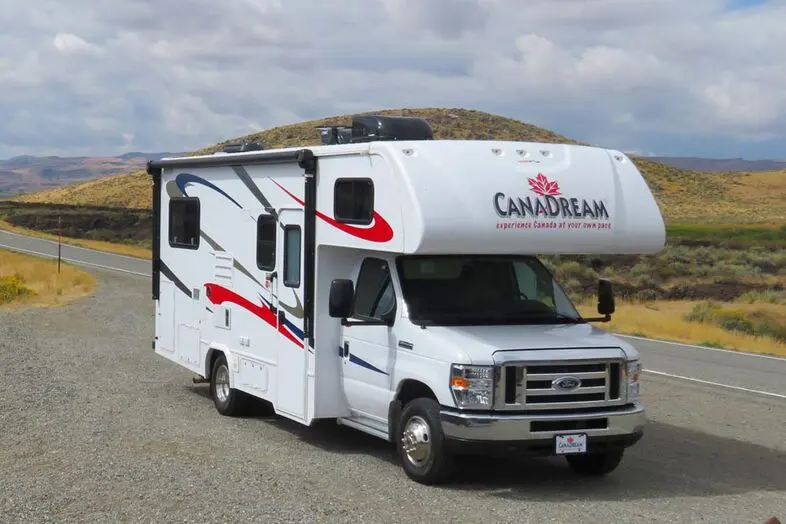
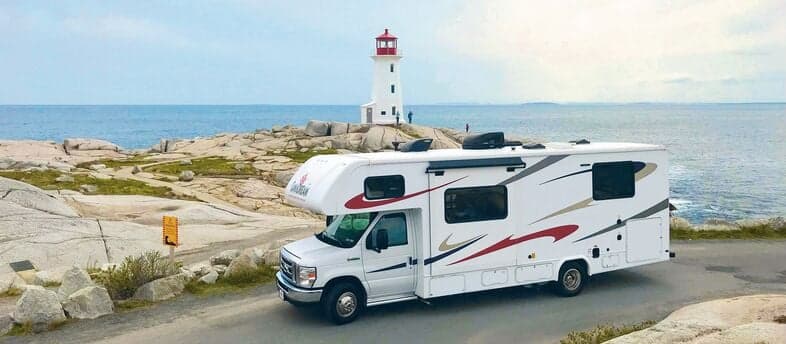
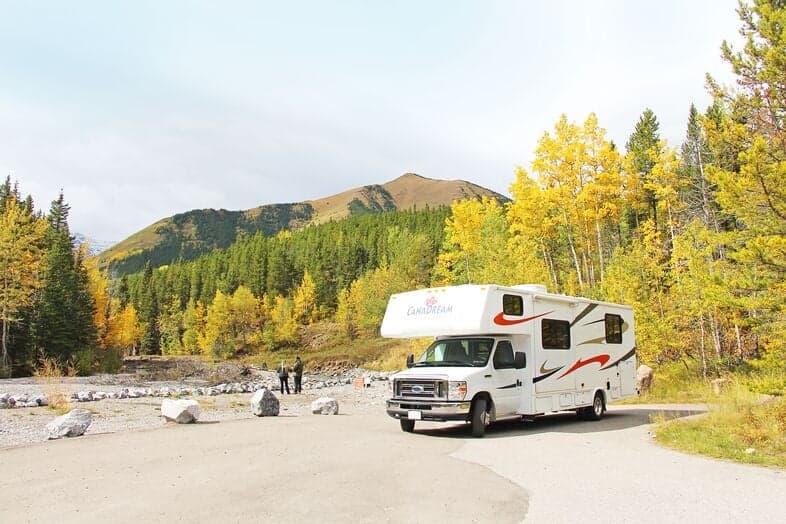
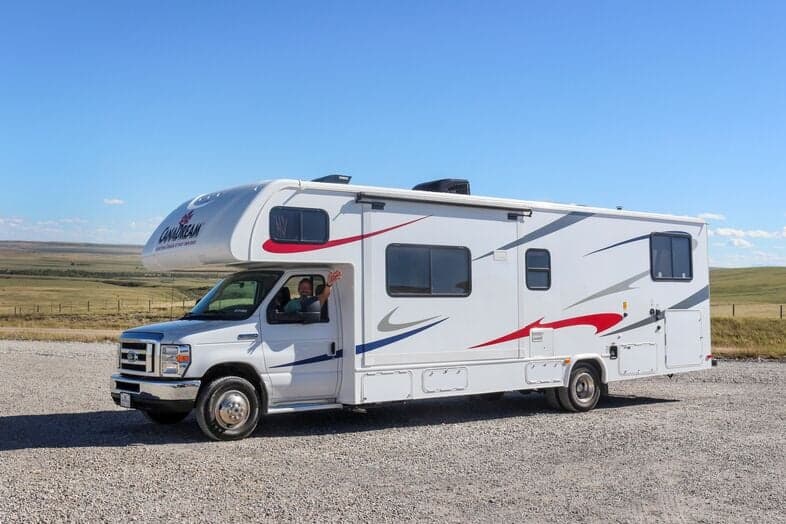
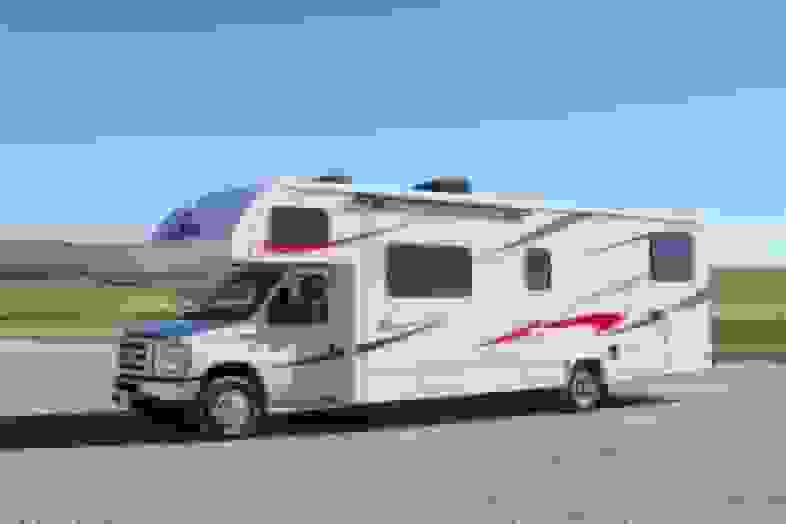
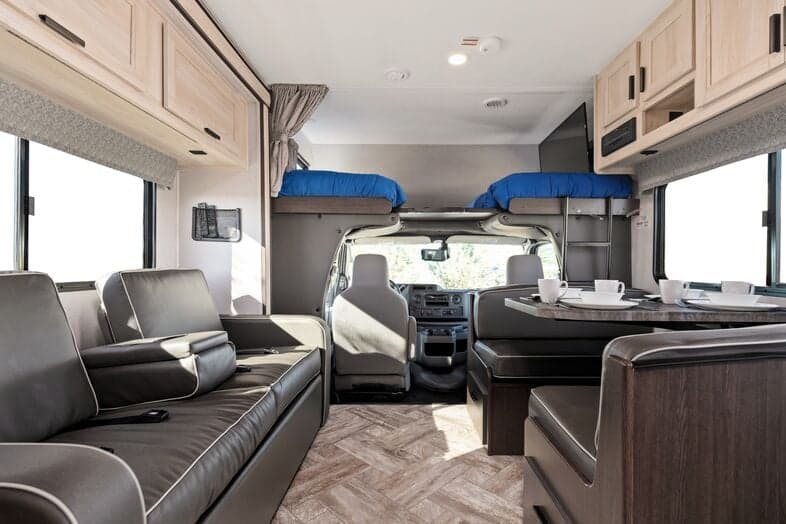
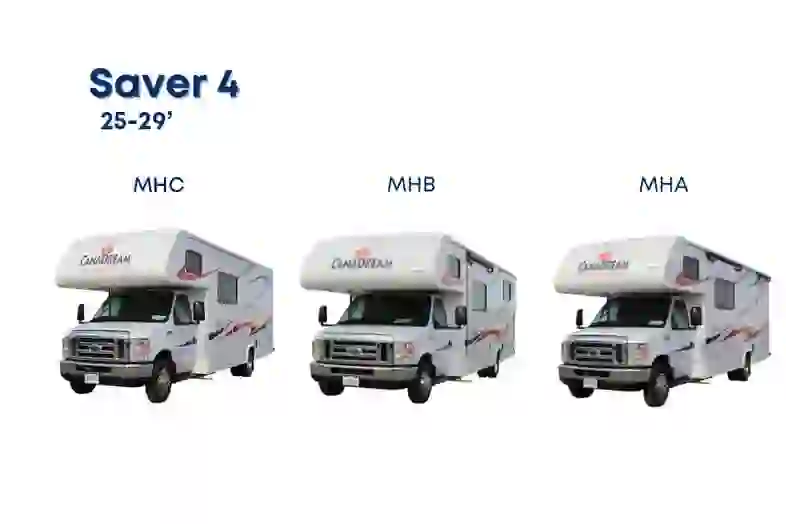
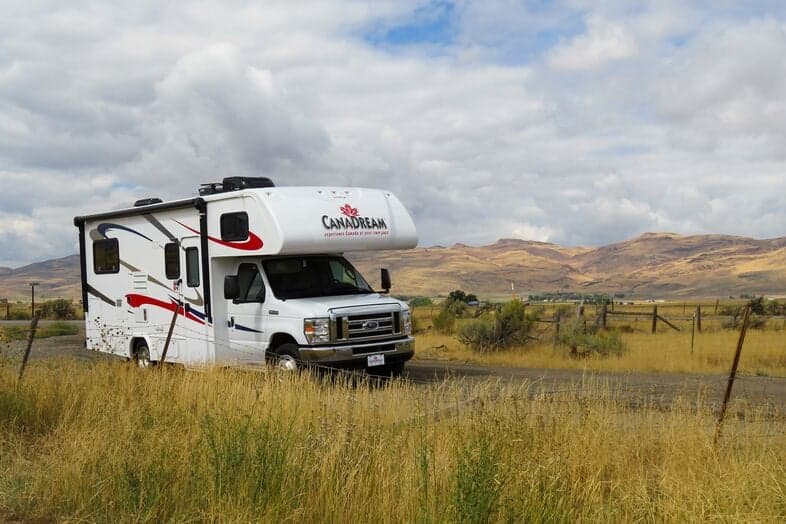
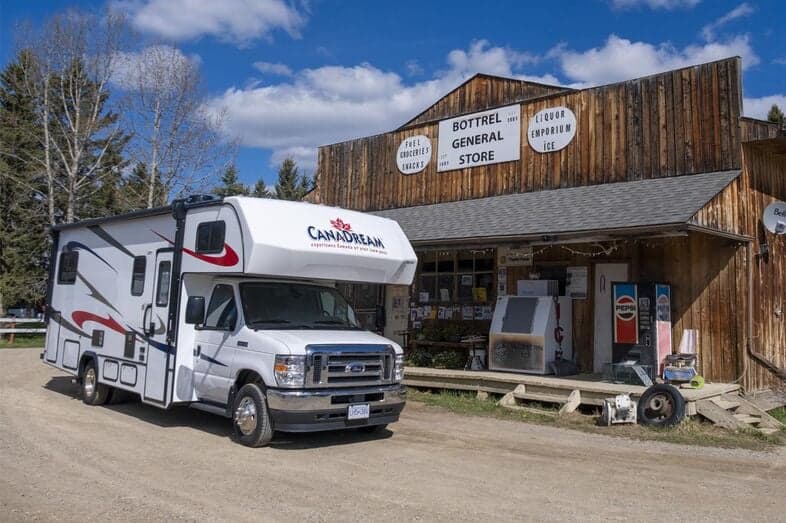
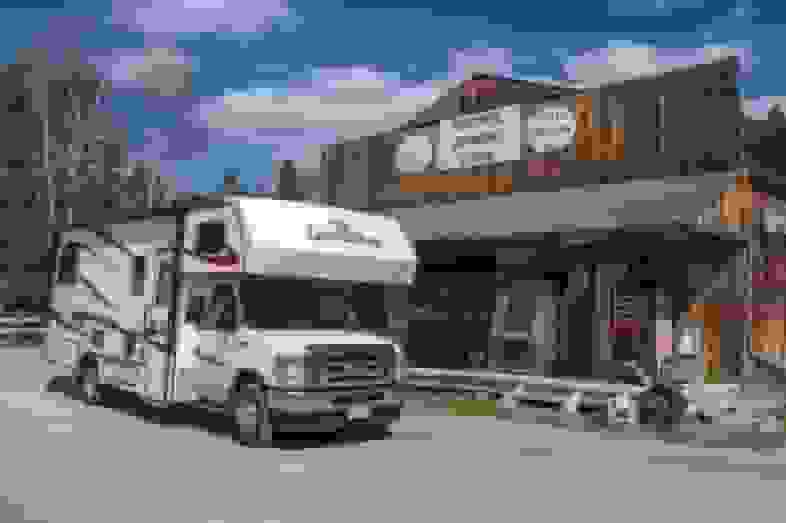
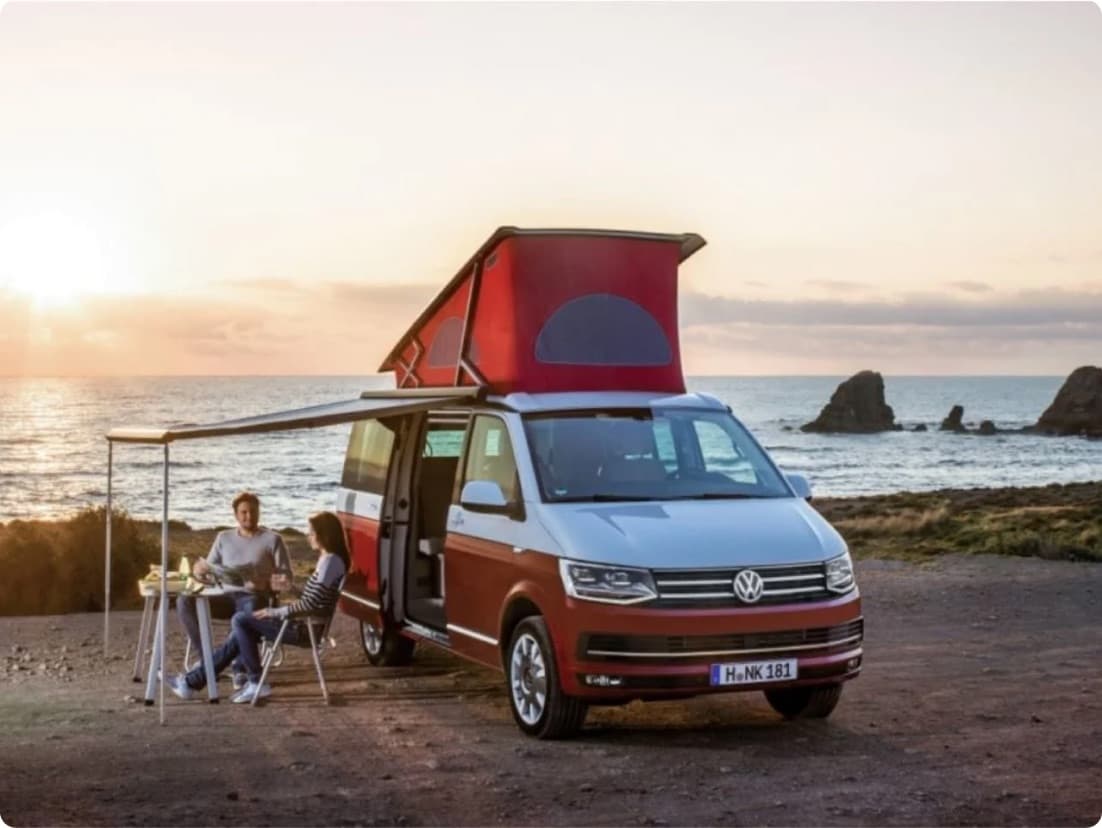
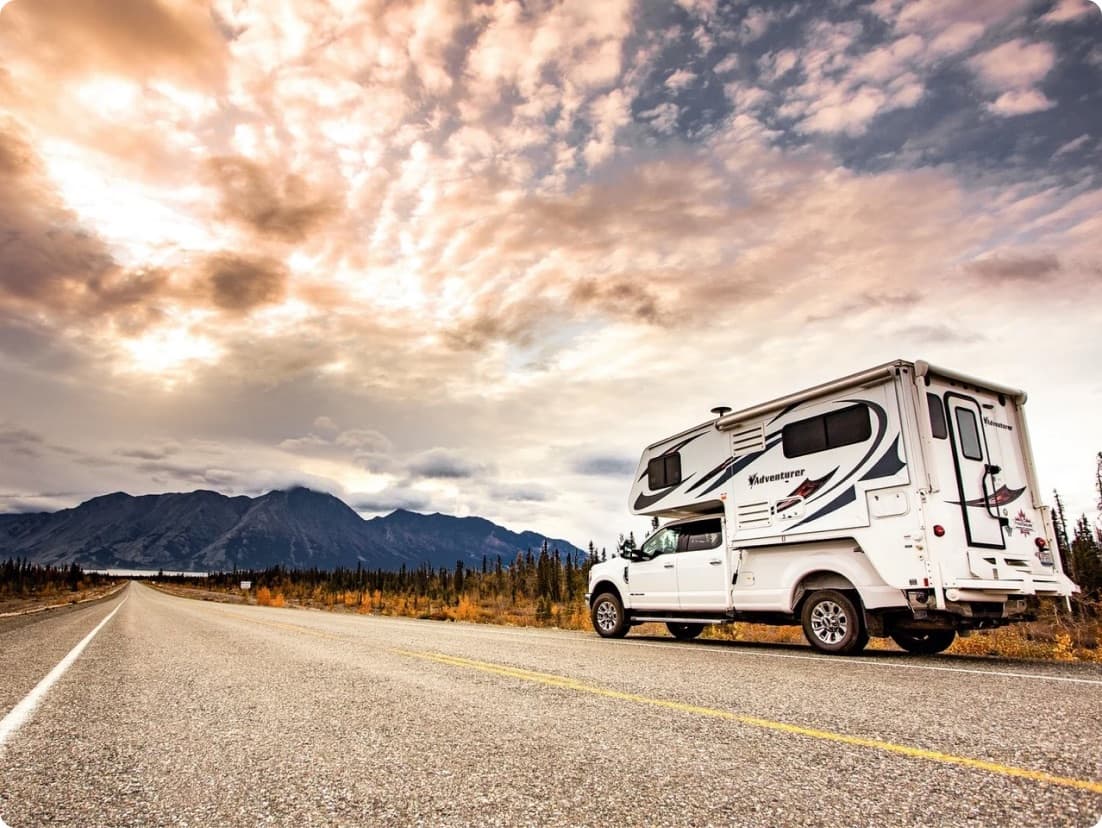
For this reason, you won’t typically find or drive a massive RV, which are common in Canada and the US; instead, European fleets favour agile and compact campervans that handle these charming roads with ease.
To help you launch your adventure exactly where you want, there is a large variety of hubs across Europe available through CU | Camper, including major regional gateways in Finland, France, Germany, Italy, the Netherlands, Spain, Scotland, Portugal, and countless more.
Driving in Europe
- Drive on the right-hand side of the road across Europe. The only exceptions are the United Kingdom and Ireland, where traffic drives on the left.
- A standard, valid car driving licence (Category B) is universally accepted across Europe for vehicles up to 7716 pounds (3.500 kg). If your licence was issued outside of Europe and is not in English or the local language of your destination, carrying an International Driving Permit (IDP) as a legal translation is highly recommended.
- Rental companies usually require drivers to be at least 21, often 25.
- Many historic European cities enforce low-emission zones to control pollution. For example, driving through major urban areas in France requires a “Crit’Air” vignette, whilst Germany requires an “Umweltplakette” sticker displayed on your windscreen. Always check that your rental vehicle has the correct compliance stickers for your route.
- Highway toll systems vary by country. Whilst nations like France and Italy use toll booths where you pay by distance, countries like Austria, Switzerland, and Czech Republic require you to purchase a physical or digital “vignette” sticker before driving on their motorways.
Discover Europe by campervan
Europe is a continent of short distances and immense variety. In just a few days of driving, you can transition from sun-drenched Mediterranean beaches to the snow-capped peaks of the Alps, or from untouched Arctic wilderness ancient to ancient Celtic castles.
The Mediterranean (Southern Europe)
Pickup locations: Barcelona, Rome, Lisbon, Athens, etc.
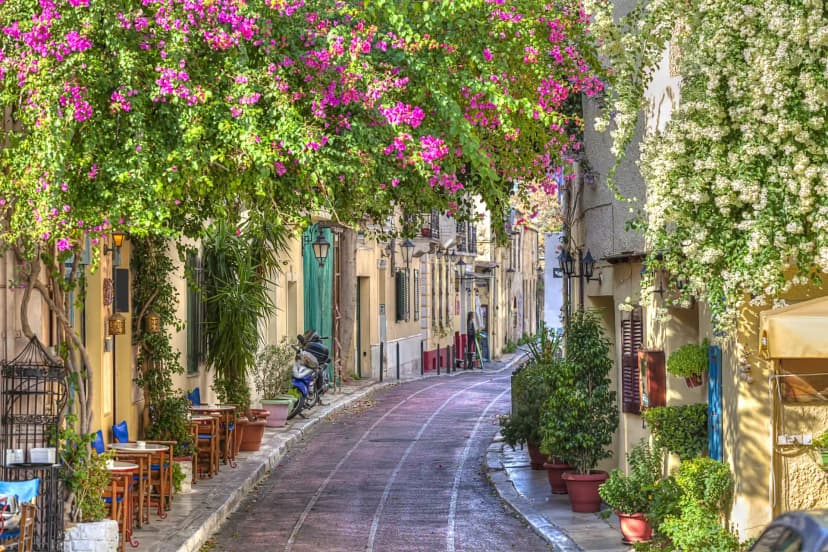
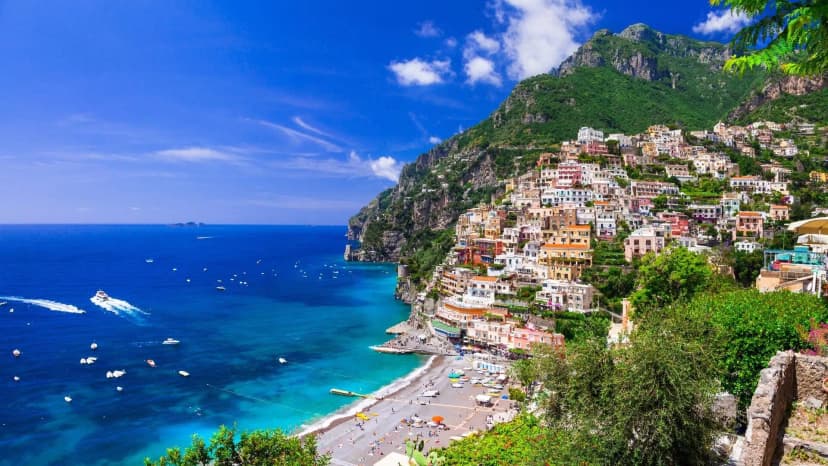
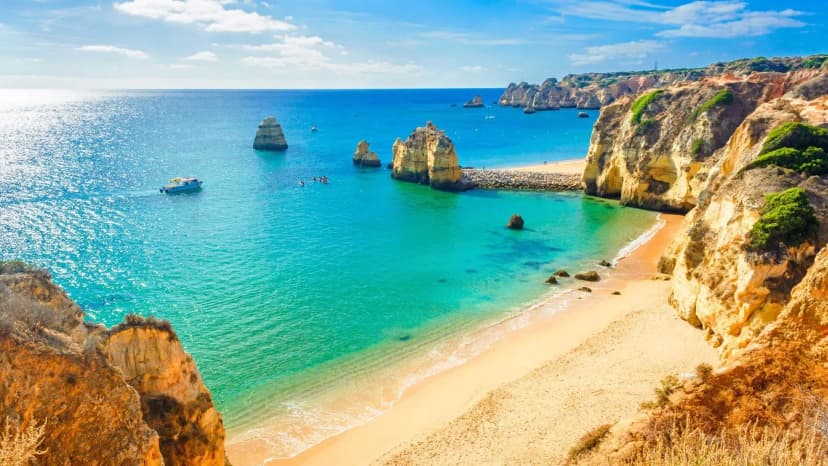
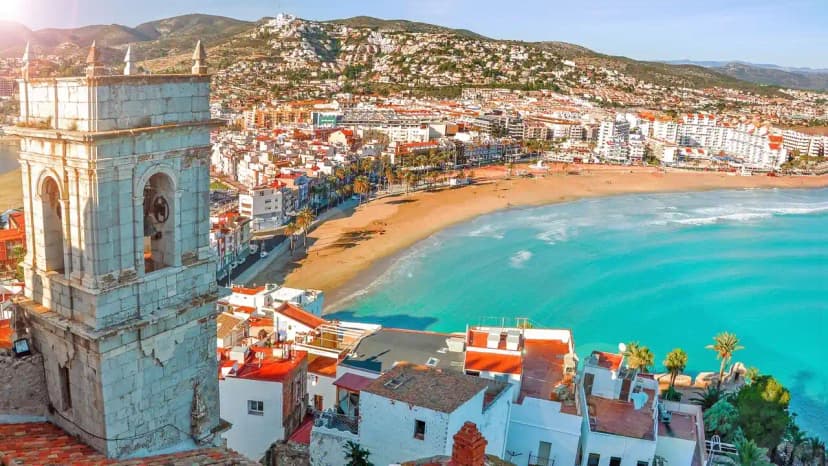
Southern Europe is defined by a slow, sun-drenched pace of life. Here, the warm Mediterranean and Atlantic waters crash against rugged cliffs and golden sand beaches. Inland, rolling vineyards, olive groves, and ancient Roman and Greek ruins dominate a landscape punctuated by prominent mountain ranges like the Pyrenees.


© Anskar Lenzen
Key sights include:
- Ronda (Spain): A dramatic mountaintop city in the Málaga province, famously perched above the deep El Tajo gorge.
- The Algarve (Portugal): Breathtaking golden limestone cliffs and hidden sea caves.
- Tuscany (Italy): Cypress-lined roads weaving through historic hilltop towns and world-class vineyards.
The Amalfi Coast (Italy) or the rugged Costa Brava (Spain)
Highlight Drive
Central Europe & the Alps
Pickup locations: Stuttgart, Munich, Zurich, Vienna, Milan, etc.
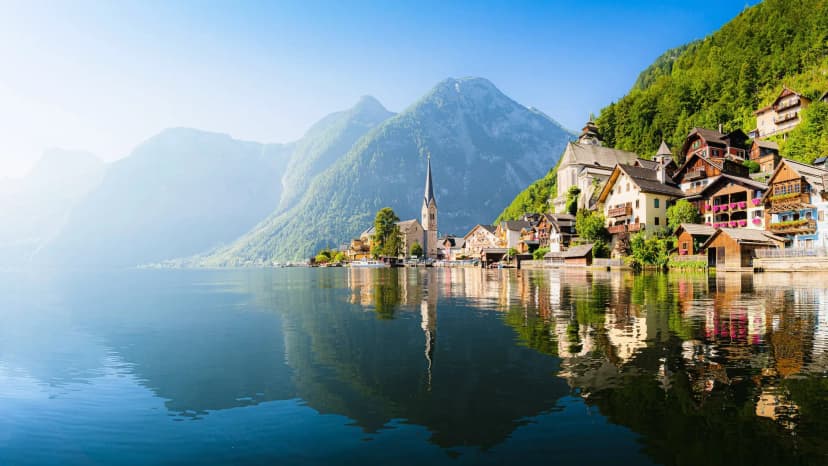
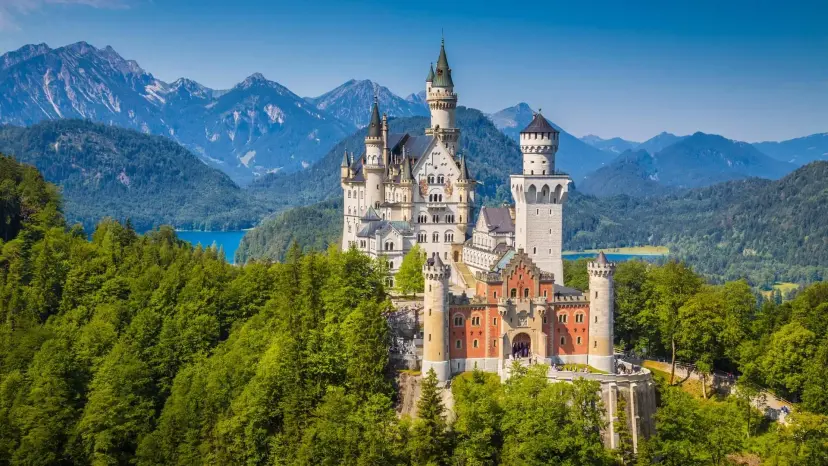
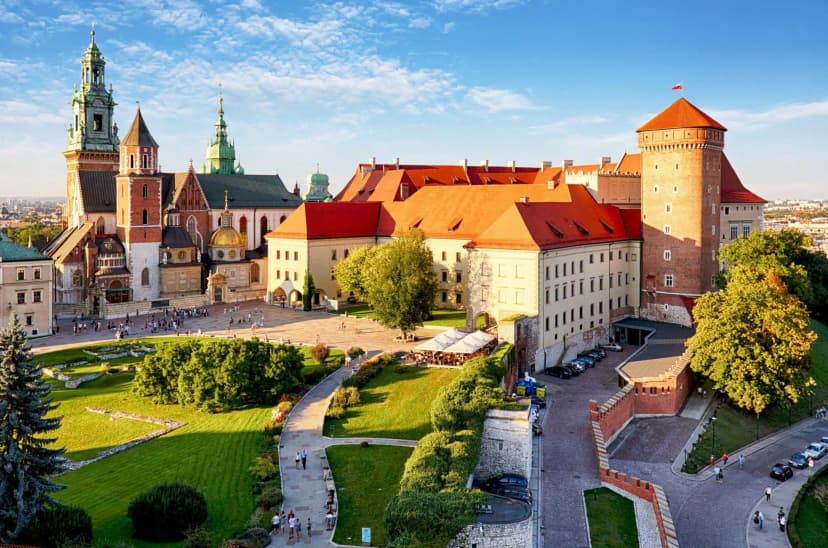
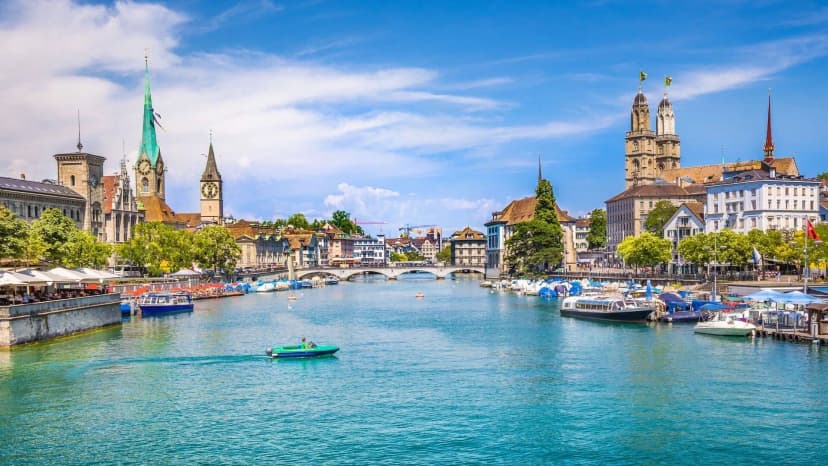
The green heart of Europe offers fairy-tale castles, dense forests, and the dramatic, jagged peaks of the Alps. This region perfectly balances modern infrastructure with deep-rooted alpine traditions and pristine nature reserves.


Key sights include:
- The Black Forest (Germany): Famous for its dark pine woods, hidden glacial lakes, and traditional cuckoo-clock villages.
- Hohe Tauern National Park (Austria): Spectacular alpine landscapes featuring Austria’s highest peaks and massive, sweeping glaciers.
- The Châteaux of the Loire Valley (France): A stunning, sweeping river valley packed with over 300 Renaissance castles.
The Central Europe Alps (Germany, Austria, Italy, France, and Switzerland)
Highlight Drive
The Nordic North
Pickup locations: Oslo, Stockholm, Helsinki, Reykjavik, etc.
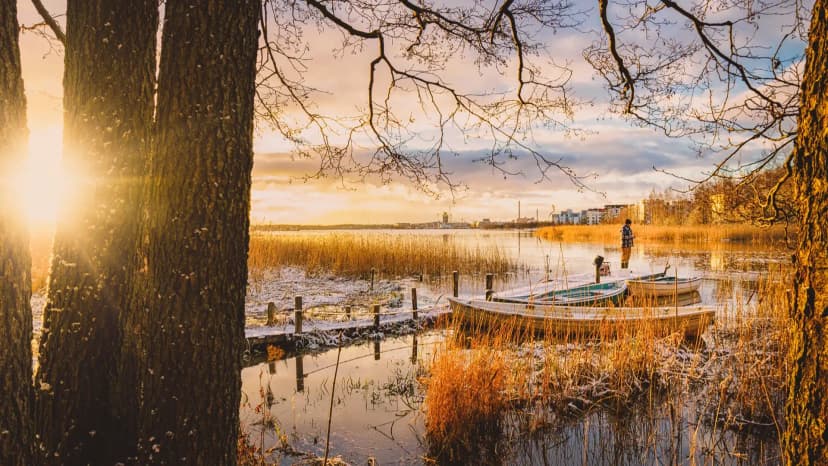
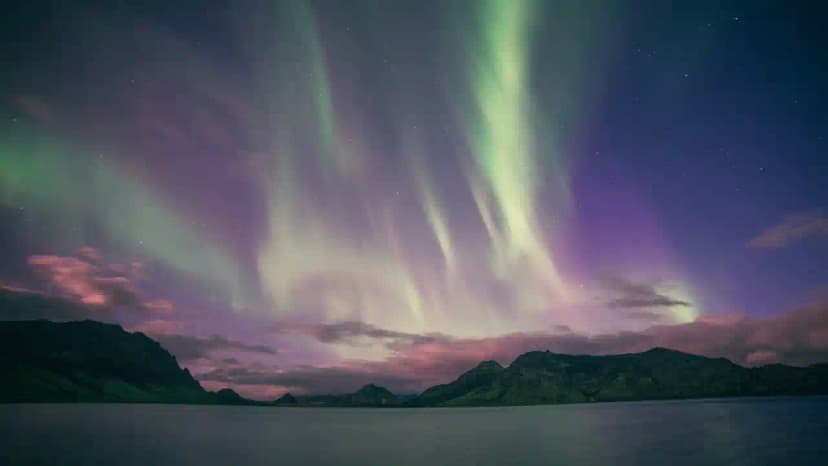
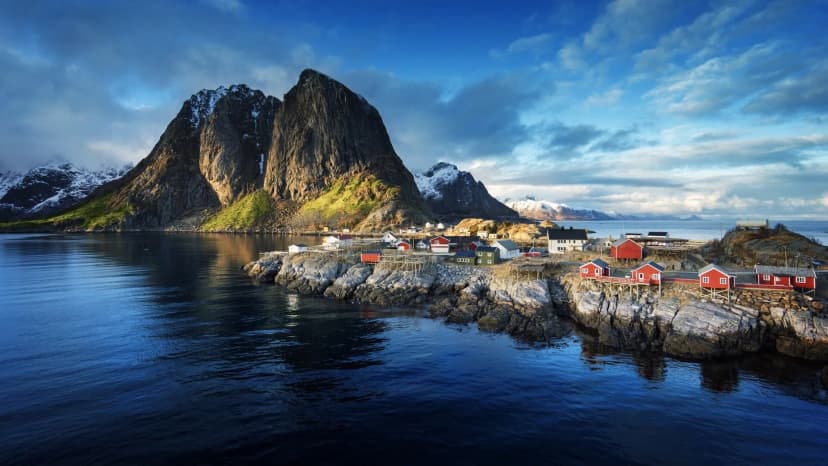
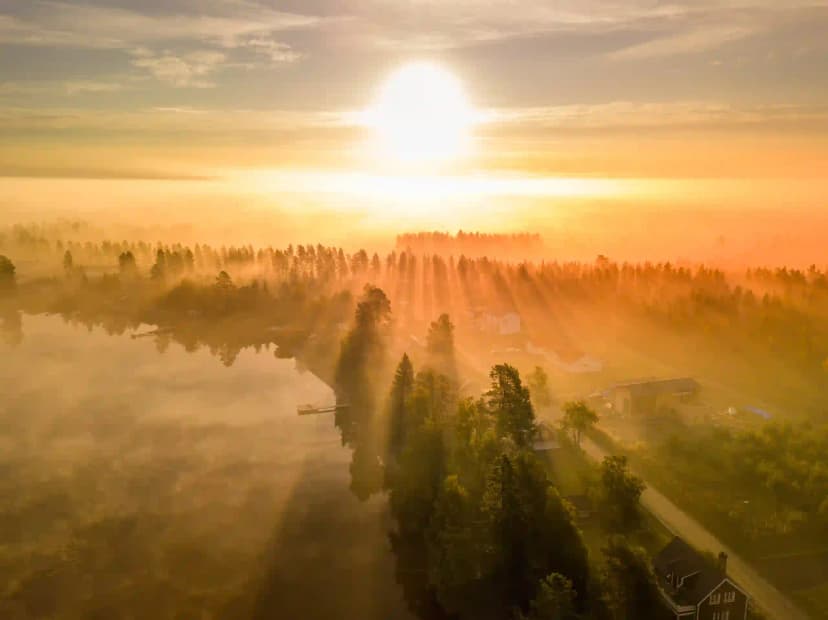
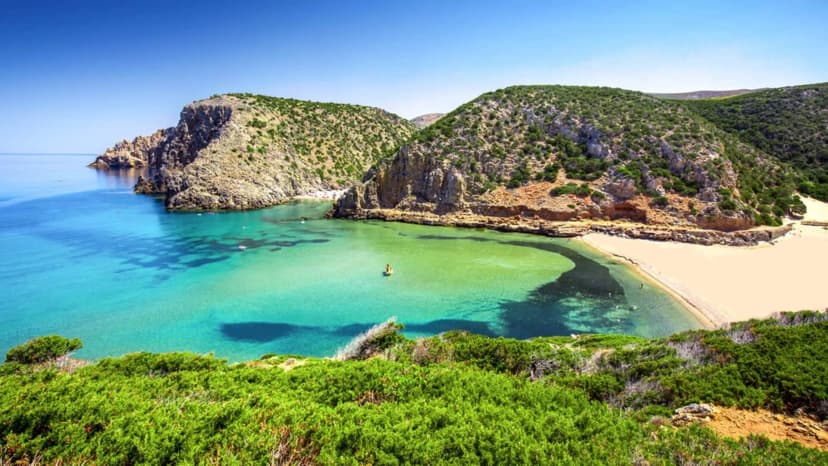
For the ultimate wilderness experience, head north to Scandinavia and Iceland. This is a region of dramatic scale—grand fjords, active volcanoes, roaring waterfalls, and the ethereal midnight sun in the summer. In autumn and winter, the clear, crisp skies come alive with the dancing colours of the Northern Lights.


Key sights include:
- Jotunheimen National Park (Norway): Known as the “Home of the Giants,” featuring towering mountains, ancient glaciers, and deep blue lakes.
- Vatnajökull National Park (Iceland): A colossal wilderness where Europe’s largest glacier meets black sand beaches, glowing ice caves, and floating icebergs in the Jökulsárlón lagoon.
- Lapland (Finland): A vast, snow-dusted wilderness of pine forests and frozen lakes, famous as the magical home of Santa Claus.
The Arctic Coast loop (Finland & Norway) or the Ring Road (Iceland)
Highlight Drive
The British Isles (Western Europe)
Pickup locations: London, Edinburgh, Dublin, etc.
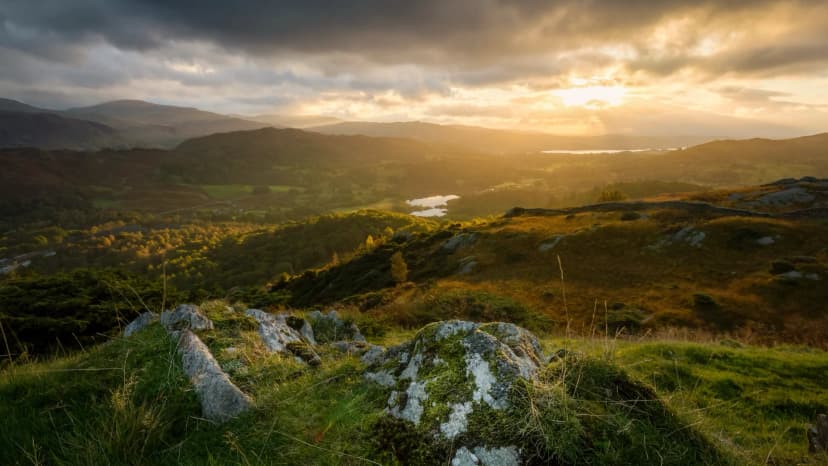
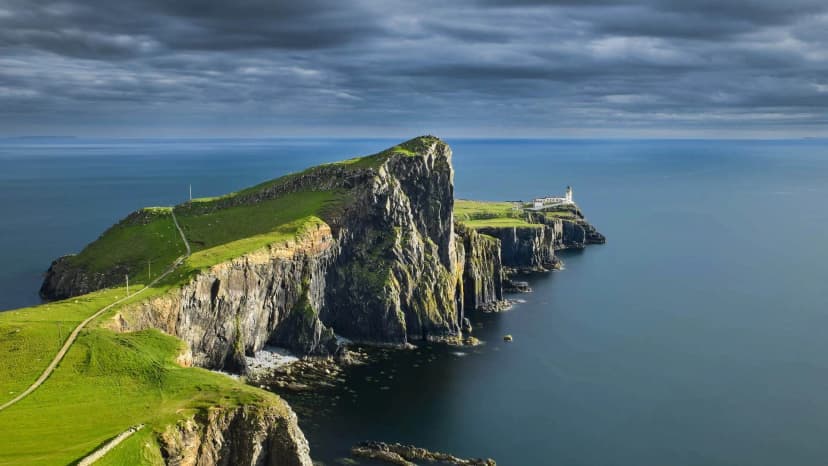
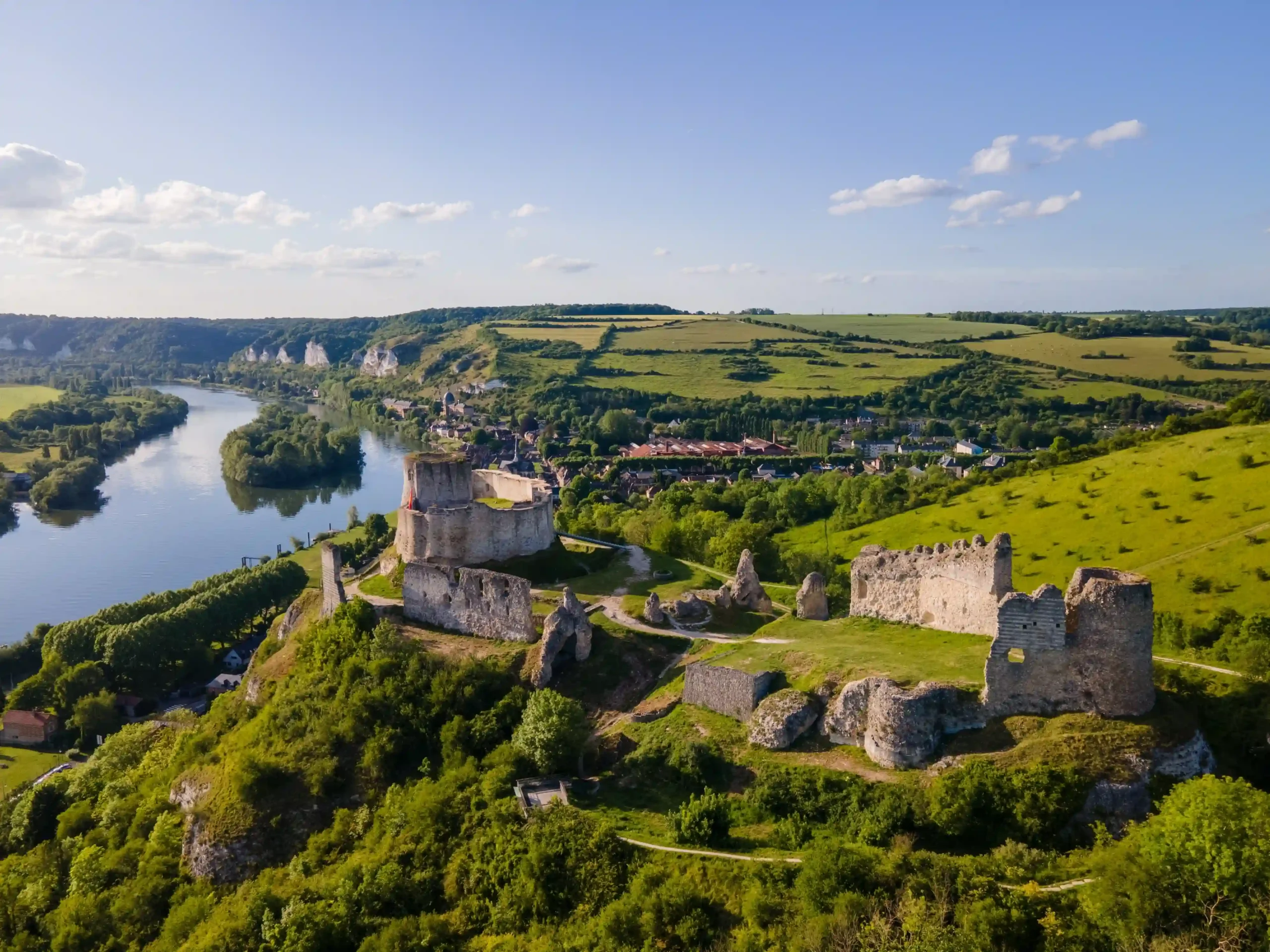
Characterised by moody weather, dramatic sea cliffs, and emerald-green hillsides. From the ancient Celtic history of Scotland and Ireland to the vibrant cultural pulse of London.
Key sights include:
- Loch Lomond & The Trossachs (Scotland): Wild glens, deep lochs, and rugged mountains perfect for hiking.
- Brecon Beacons (Wales): Famous for mist-shrouded mountain ridges, hidden waterfalls, and vast heather moorlands.
- Killarney National Park (Ireland): Home to the rugged Macgillycuddy’s Reeks, ancient oak woods, and beautiful lakes.
The North Coast 500 (Scotland) or the Wild Atlantic Way (Ireland)
Highlight Drive
Campsites in Europe
Europe is exceptionally well set up for campervan travel, offering an incredibly diverse network of overnight options from resort-style comfort with full hookups to privately owned parking spots in the middle of nowhere. Additionally, dedicated networks like Camping-Car Park are rapidly expanding across the continent, offering reliable and convenient access to multiple destinations.
Holiday parks & developed campsites
These larger, fully equipped campsites feature modern facilities, electric hook-ups, and dedicated waste disposal stations. Many operate as premium outdoor resorts, providing excellent amenities such as swimming pools, on-site restaurants, convenience shops, and direct access to nearby beaches or lakes.
National Parks & protected areas
Europe is home to thousands of protected natural spaces where you can stay close to nature. However, unlike the vast, open wilderness areas found in North America or Australia, campervans are strictly required to use designated, clearly marked campsites within these regions.
Private campsites
For a more immersive and authentic local experience, numerous private pitches are available, often situated on working farms, traditional vineyards, or private estates.
Wild camping in a campervan is generally illegal across most of Europe.
Note
The exceptions are Scotland and the Scandinavian nations (Norway, Sweden, and Finland), where stays are often permitted under traditional “right to roam” laws.

When is the best time to travel?
- Summer (June – August): The warmest, most reliable weather, ideal for the Nordic countries and Alpine high passes. However, Central and Southern Europe become incredibly crowded, prices peak, and beachside campsites must be booked way in advance.
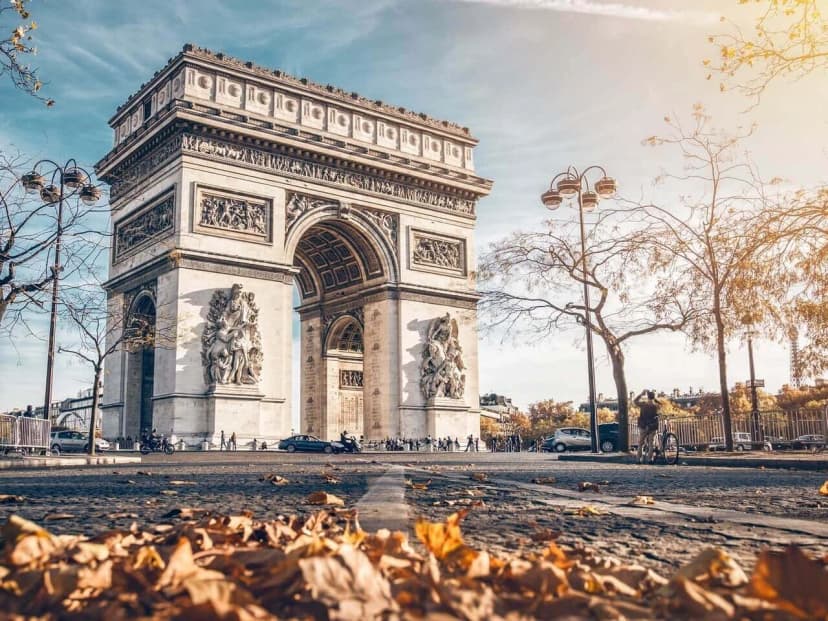
- Shoulder Season (May & September – October): The absolute sweet spot for most of Europe, particularly for city trips, such as Paris. Temperatures are pleasant, the crowds are thinner, and prices drop significantly, allowing for a much more relaxed pace.
- Winter (November – April): Ideal for winter sports enthusiasts heading to the Alps, or those chasing the Northern Lights in northern Scandinavia. Many seasonal campsites close in October, so careful route planning around winter-open sites is required.
Best time to travel
Spring & Autumn
Book your campervan adventure today!
Most frequently asked questions about campervan travel in Europe
CU | Camper offers pickup locations across the continent. Popular hubs include Frankfurt, Munich, Paris, Amsterdam, Barcelona, Rome, Edinburgh, Reykjavík, and Oslo, making it easy to plan regional or cross-border road trips.
Yes, in most cases. travelling between countries is generally seamless with no border checks. However, you must always inform your rental provider in advance to ensure insurance coverage extends to all the countries you plan to visit.
While major highways (like the German Autobahn) are wide and exceptionally well-maintained, European historic towns and rural roads can be incredibly narrow, winding, and steep.
Yes, digital tools are practically essential for navigating Europe’s diverse camping scene. Because the overnight infrastructure varies so much from country to country. Here are a few key apps: park4night, Camping-Car Park, Campspace, and VanSite.